Personalized Tote Bags with Zipper: What Buyers Need to Know
Personalized Tote Bags with zipper solve a simple but real problem: open-top totes are convenient, yet they leave contents exposed, spill-prone, and less polished than many buyers want. Add a zipper and the bag immediately shifts toward something more dependable, whether it is being used for conference kits, retail packaging, travel, school, or employee gifts. The closure does more than secure the opening. It changes the way the bag carries, how it looks in hand, and how long people tend to keep using it.
That is why zipper totes are often chosen when the bag itself needs to carry part of the brand message. A plain promotional tote can be enough for low-cost handouts. A zippered version feels more finished and usually gets treated like a reusable everyday item instead of a one-time giveaway. The difference shows up in the construction, the material choice, the print method, and the final price.
What personalized tote bags with zipper are built for
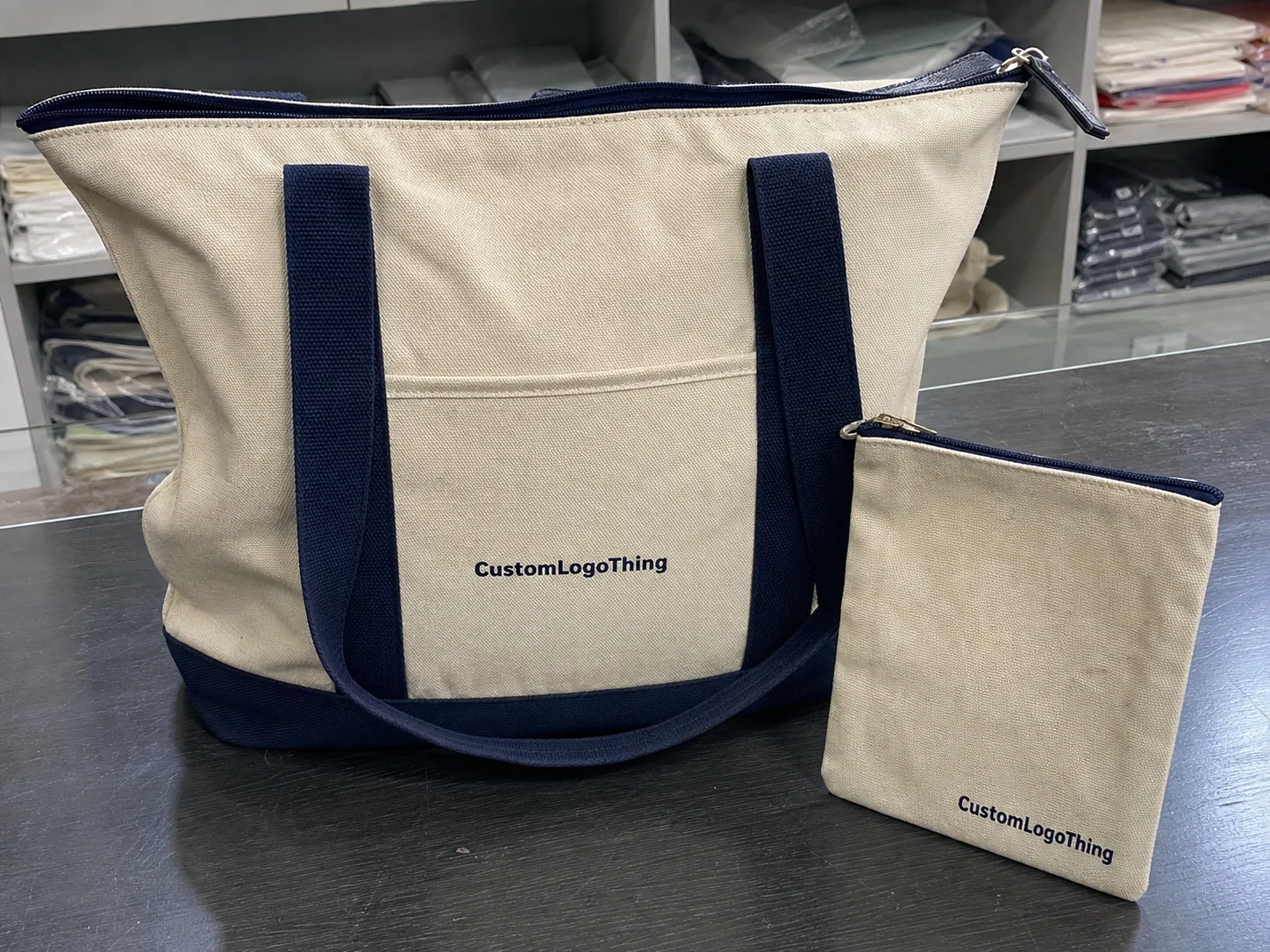
At a basic level, Personalized Tote Bags with zipper are built around the same body styles buyers already know: flat totes, gusseted totes, lined totes, and more structured promotional bags. The zipper is added at the top opening, either into a facing, into the lining, or directly into the top seam depending on how the bag is designed. That sounds minor, but it affects the pattern, the sewing sequence, and the finished feel of the bag.
Buyers usually choose a zippered tote for one of three reasons. First, they want contents protected from falling out. Second, they want the bag to feel more premium than an open-top tote. Third, they need a bag that works for repeated use, not just a single event. Once a bag holds a phone, wallet, cosmetics, documents, or a laptop accessory, the zipper stops being a cosmetic detail and starts acting like a functional requirement.
There is also a presentation angle. Open totes read as casual and temporary. Zippered totes read as considered and usable. That perception matters for retail programs, welcome kits, boutique packaging, trade show giveaways, and branded gifts where the bag itself is part of the experience. If the objective is to hand someone something they will use again, a zipper is often the detail that pushes the tote over that line.
A zipper changes more than the opening. It changes the way the bag behaves, the way it is perceived, and the way it holds up in daily use.
How personalized tote bags with zipper change structure and use
The zipper affects the construction from the first cutting step. The top edge needs enough stability to keep the closure straight, but not so much rigidity that the bag becomes hard to open or load. If the mouth is too tight, larger items catch at the opening. If the top is too soft, the zipper can ripple or bow, which makes the tote look cheaper than the material alone would suggest.
Good zipper placement is partly about ergonomics. A tote should open wide enough for the items inside to slide in naturally. This matters more than many buyers expect. Once the bag is filled with catalogs, apparel, boxed gifts, or a stack of documents, a narrow opening turns into friction every time the bag is used. The right pattern leaves enough clearance so the zipper does its job without making the bag awkward.
Daily use is where the closure earns its place. Zipper totes keep papers flat, help prevent small items from dropping out in transit, and give the user a cleaner carry in busy settings such as trains, airports, or event floors. For travel kits and commuter bags, that added security is a practical advantage. For retail or gifting, it makes the whole piece feel more complete.
The closure hardware also matters. Coil zippers are common because they are flexible and easy to sew into textile bags. Metal zippers can feel more substantial, but they are not always the best fit for soft promotional builds. The pull style, tape color, and zipper gauge all affect how the bag feels in hand. A rough or undersized zipper can weaken the impression of an otherwise well-made tote.
Materials, print methods, and build details that matter
Material choice drives the whole brief. Canvas gives the bag weight, a natural surface, and a more substantial hand feel. It is a common choice when the tote is meant to feel retail-ready or giftable. Nonwoven polypropylene is still the lowest-cost route for large promotional programs because it keeps the budget in check at volume. Polyester sits in the middle and is often selected for bright graphics or more controlled print consistency. Laminated fabrics bring a wipe-clean finish that works well for utility kits, food-adjacent uses, or any program where scuffs and spills are likely.
Print method should match the material and the artwork. Screen printing remains the most practical option for simple logos, spot colors, and larger runs. Heat transfer helps when the design has finer details or more color variation. Digital printing can handle gradients and photographic artwork, though the substrate has to support it cleanly. Embroidery adds texture and a more elevated feel, but it raises cost and is not appropriate for every tote shape or every quantity.
Several build details should be settled before pricing. These are the ones that most often cause revision later if they are left vague:
- Finished size, not just approximate size
- Gusset depth, if the bag needs more volume
- Handle length and drop
- Lined or unlined construction
- Inner pocket, if any
- Reinforcement at handle stress points
- Zipper color, type, and pull style
- Folded or stuffed packaging
Buyers often underestimate how much the zipper becomes part of the design language. A matching zipper tape can keep the bag quiet and refined. A contrasting zipper can create a clear accent and make the closure feel intentional. Either can work. The better choice depends on whether the bag is supposed to disappear into the brand palette or stand out as an object people notice.
Quality control should go beyond appearance. A sensible factory check includes zipper travel, seam straightness, handle reinforcement, print registration, and top-edge alignment. For heavier bags, it is worth asking whether the handles are bar-tacked, boxed, or otherwise reinforced where they meet the body. That detail is not decorative. It is what keeps the tote from failing at the point users stress most.
For buyers concerned with packaging and material responsibility, it can also be useful to ask about paper inserts, cartons, and labels. If those pieces matter to the program, check whether any of them can be specified with FSC-certified materials and whether transit packaging is suitable for the route the goods will actually take. The tote itself may be the main item, but the presentation around it affects the final result.
Cost, MOQ, and unit pricing for bulk orders
Pricing for Personalized Tote Bags with zipper is driven by more than bag size. The main cost variables are fabric weight, zipper quality, lining, reinforcement, decoration method, and total order quantity. A simple nonwoven bag with one-color printing sits at a very different price point than a heavy canvas tote with a lined interior and custom zipper pull. Buyers sometimes compare those as if they are the same product. They are not.
MOQ, or minimum order quantity, exists because setup work has to be spread across the run. Artwork prep, sample approval, pattern adjustments, sewing planning, and print setup all consume time before the first unit is finished. Smaller orders often carry a higher unit price because those fixed costs are divided over fewer bags. Larger orders usually reduce the cost per piece and also tend to deliver more consistent production because the line is running one spec for longer.
A useful quote should show the real cost pieces instead of hiding them in one line. Ask for these items in writing:
- Artwork or file setup
- Proof or mockup cost
- Sample fee, if applicable
- Custom zipper or pull upgrades
- Packing method
- Freight estimate
- Rush charges, if relevant
| Bag Type | Typical Bulk Price Range | Best For | Tradeoff |
|---|---|---|---|
| Nonwoven PP zipper tote | $0.95-$2.10 | Large promotions, event handouts | Lower perceived value, lighter structure |
| Polyester zipper tote | $1.40-$3.25 | Bright branding, mid-range kits | Print and sewing specs must be managed closely |
| Canvas zipper tote | $2.20-$5.50 | Retail gifts, premium welcome items | Higher material and sewing cost |
| Laminated zipper tote | $1.80-$4.75 | Wipe-clean use, utility-focused programs | Less soft hand feel, finish can show scuffs |
The best budgeting approach is usually conservative. Start with the lightest spec that still fits the use case, then upgrade only where the upgrade changes real performance. If the tote will carry heavier loads, a stronger zipper and reinforced handles are worth the extra spend. If it is being used as a retail gift, a nicer fabric and cleaner finishing matter more. If the bag is only for one-time event distribution, excess features can push the quote up without adding useful value.
Freight is another place where buyers get surprised. Flat-packed totes are efficient to ship, but heavier fabrics, boxed sets, and custom inserts can change carton weight and volume quickly. A quote that looks attractive on unit price can become less attractive once shipping and pack-out are included. Comparing landed cost is the only useful comparison.
Process, proofing, and lead time from quote to shipment
The cleanest orders start with a complete brief. Send the finished size, quantity, artwork, target delivery date, zipper preference, and material choice before asking for pricing. That gives the supplier enough information to place the logo and closure against the actual dimensions instead of guessing. It also reduces the chance of discovering late that the zipper line interferes with the artwork or that the handles sit too close to the print area.
Proofing should be treated as a control step. A digital mockup is useful, but it cannot show everything. If the tote has complex decoration, unusual panel proportions, a custom zipper color, or a premium finish, a pre-production sample can be worth the extra time. That sample is where buyers catch the problems that are hard to see on screen: off-center logos, weak seam structure, poor zipper alignment, or a bag body that feels too soft for the intended use.
Lead time depends on artwork approval, material availability, zipper sourcing, and shipping method. Once the spec is final and the proof is approved, many bulk runs take roughly 12 to 20 business days to produce. That range is not a promise. Complex builds, seasonal factory load, and revisions can stretch the schedule. Rush jobs are possible, but only if the artwork is ready and the spec is simple enough to move without unnecessary stops.
Packaging deserves a quick check as well. If the totes are traveling flat in cartons, ask how many fit per case and whether the pack-out protects the zipper from distortion. If the bags are part of a retail kit or corporate presentation, ask whether stuffing, folding, or tissue is standard. Those small details affect how the product looks when it is first opened. In many programs, that first impression matters as much as the tote itself.
A realistic schedule leaves room for proofing and freight. The production line is only one part of the timeline. Approval delays are often the bigger risk, especially when several stakeholders need to sign off on artwork or sample changes. Clear input usually saves more time than any rush fee.
Common ordering mistakes that weaken the final bag
The most common mistake is choosing a size by visual preference instead of by contents. A tote can look balanced on paper and still be inconvenient if the opening is too narrow or the depth is too shallow for what it needs to carry. Once the zipper is closed, those sizing mistakes become even more obvious. The bag may still function, but it will not feel easy to use.
Another frequent issue is ignoring the sewn seam map. Buyers sometimes approve a centered logo on a flat mockup and later discover that the zipper, gusset, or handle stitching cuts into the print area. This happens most often on smaller totes where space is tight. The fix is straightforward: ask for a sewn mockup, not just a flat artwork placement.
Reinforcement is easy to overlook and expensive to ignore. If the tote will hold bottles, books, merch bundles, or heavier samples, the handle attachment and top seam need to be specified accordingly. A zipper can make the bag feel more secure, which often leads users to load it more heavily. That is a good outcome only if the bag is built for it.
Comparing quotes without matching specs is another trap. A lower price may reflect thinner fabric, a lighter zipper, fewer print colors, simpler packing, or a less demanding sewing standard. None of those changes automatically make the product bad. They do mean the quotes are not equivalent. The better comparison is spec against spec, not headline price against headline price.
One more issue shows up late in the process: color expectations. Fabric, zipper tape, and print ink rarely match perfectly unless the materials are coordinated from the start. Buyers who want a precise visual result should request physical swatches or a sample whenever possible. Screens are useful for layout. They are not reliable for surface texture or exact color judgement.
Expert tips for better retail, event, and kit results
For retail programs, the bag should feel like part of the product line, not an afterthought. Matte textures, natural canvas, and tighter stitching usually read as more premium. For event use, brighter colors and lighter materials can be the right choice because visibility matters more than heirloom feel. For travel, wellness, or hospitality kits, wipe-clean surfaces and a clean zipper action tend to matter most.
Coordinating the zipper with the brand palette is one of the easiest ways to make the tote feel deliberate. A matching zipper can blend into the design and keep the focus on the logo. A contrast zipper can work as a small visual accent, especially if the rest of the bag is restrained. Either way, the closure should look chosen, not incidental.
Physical samples are still the most reliable way to judge the bag. A mockup can tell you layout and proportions. It cannot tell you how the zipper feels, whether the handles sit comfortably, or whether the fabric has enough body to hold its shape when loaded. If the bag is part of a larger kit, those tactile details matter more than most buyers expect.
Think about use after delivery, not just at first unpacking. Does the zipper catch on the lining? Does the bag fold back into shape after being stuffed? Does the print stay clear near the seams? Does the tote still look sharp after repeated openings and closings? Those are the traits that determine whether the bag becomes a regular carry or gets tucked away after one event.
For buyer-facing programs, presentation order matters too. The outer packaging, the first unzip, the way the contents sit inside, and the feel of the handles all contribute to the overall impression. A well-built tote can elevate the entire package. A weak one can drag it down even when the contents are strong.
What to prepare before requesting samples or quotes
The fastest way to get accurate pricing is to send a clear spec sheet from the start. Include the finished size, quantity, material, zipper style, print area, handle length, and delivery window. If the tote has a specific job, say so. A utility bag for daily carry does not need the same build as a tote intended for premium gifting or conference materials.
Artwork should be organized before proofing begins. Clean vector files, outlined fonts, and clear color references reduce back-and-forth. Decide what cannot change and what can. If the logo placement is fixed but the zipper color is flexible, say that. If the bag depth is fixed but the handle drop can adjust slightly, say that too. Clear priorities keep the revision cycle short.
These are the questions worth answering before the quote goes out:
- Is the zipper sewn into the top seam or a facing?
- Is handle reinforcement included?
- What is the standard packing method?
- Are sample charges credited back on order?
- Can the tote fold flat for shipping?
It also helps to ask what happens after the proof is approved. That includes whether material substitutions are allowed, whether zipper color changes require a new sample, and how freight timing affects the ship date. Those details sound small, but they are usually where avoidable delays start.
Before placing the order, check that the spec matches the actual use case, the budget, and the brand standard. That final pass prevents most of the expensive surprises. Once the details are locked, the production process becomes straightforward rather than improvised.
What should I check before ordering personalized tote bags with zipper?
Confirm the finished size, zipper style, and material before requesting pricing. Make sure the logo placement does not conflict with seams, the zipper line, or the handle stitch points. Ask whether reinforcement, packing, and freight are included in the quote.
Which materials work best for zipper tote bags?
Canvas works well when you want a sturdier, more premium feel. Nonwoven polypropylene is often used for economical bulk promotions. Polyester and laminated materials are useful when print clarity, wipe-clean performance, or a more controlled finish matters more.
How much do tote bags with zippers cost in bulk?
Price depends on size, material, zipper quality, print method, and total quantity. Higher volumes usually lower the unit cost because setup is spread across more bags. Ask for a quote that separates sample, packing, and freight costs so you can compare options accurately.
What is the usual lead time for personalized zipper tote bags?
Lead time changes with artwork approval, material availability, zipper sourcing, and shipping method. Rush orders are more realistic when the spec is final and the proof is approved quickly. Freight can add time after production is finished, so build that into the schedule.
Can I add a logo on both sides of a zipper tote bag?
Yes, but double-sided decoration usually changes the quote and may affect the print method. Check whether the zipper line, side seams, or gusset will limit the available print area. For the cleanest result, ask for a mockup that shows both sides at final size.
For buyers who need a bag that feels secure, polished, and worth reusing, personalized tote bags with zipper are a strong fit. The best results come from clear specs, realistic pricing comparisons, and a close look at the zipper, material, and print details before production starts.