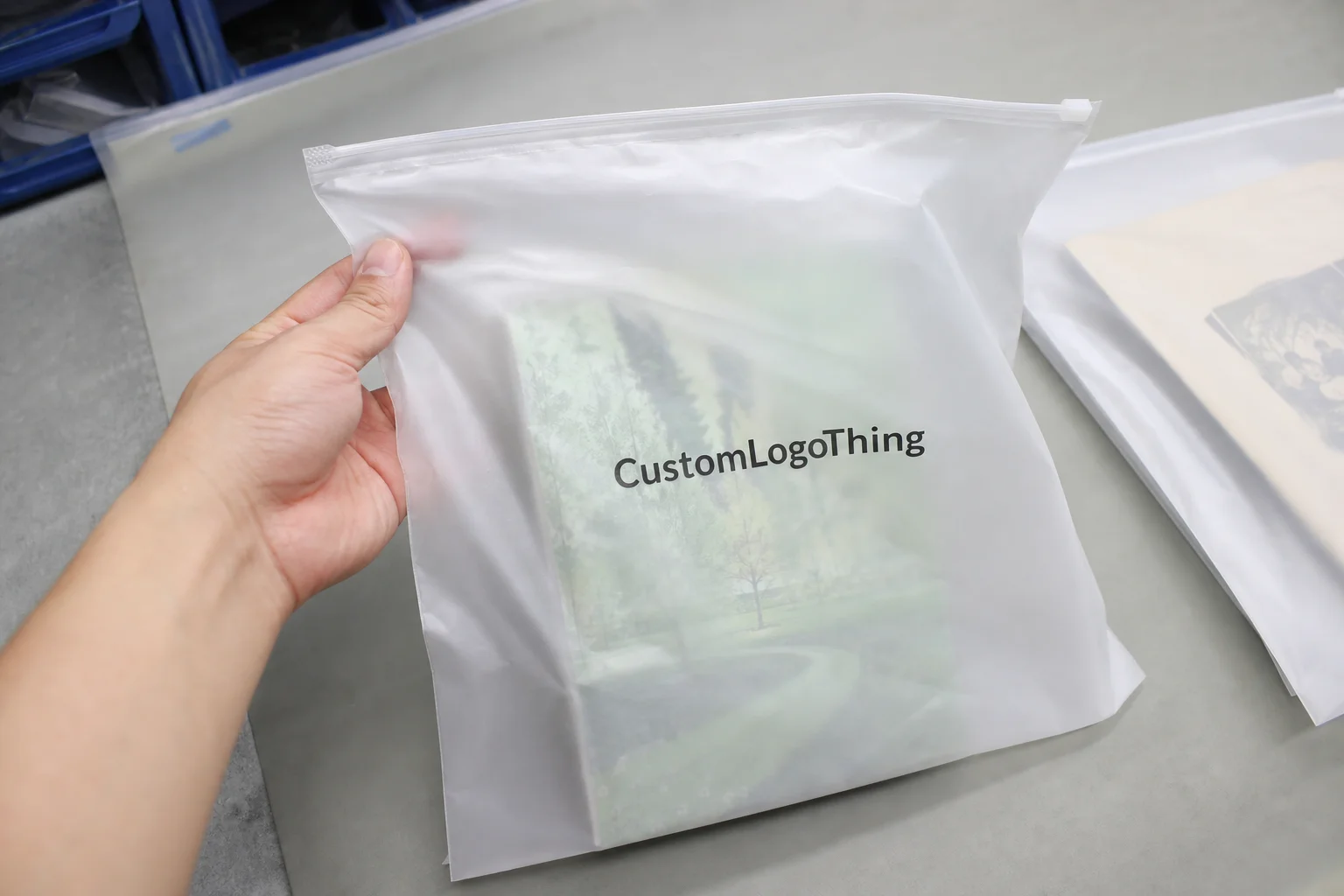
Personalized Tote Bags for bridesmaids do more than coordinate a gift table or look tidy in photos. They need to hold robes, cosmetics, slippers, chargers, snacks, and often a second outfit, which means the bag has to behave like a real carry item, not just a decorative wrapper. That practical requirement changes almost every buying decision, from fabric choice to handle length to the type of decoration that will hold up after a few trips.
The strongest orders start with function and build outward. If the tote opens wide, stands up without folding into itself, and still feels good after the wedding weekend, it has done its job. A bag that only looks polished in a mockup misses the point.
From a packaging buyer’s point of view, the best bridal-party tote sits in the middle of three jobs: gift presentation, transport, and reuse. That combination is why these bags tend to outperform generic gift bags, especially when the order needs to feel personal without becoming fragile or overdesigned. The closer the spec matches the actual contents, the better the final result usually is.
For material behavior and end-of-life considerations, it helps to stay grounded in general packaging guidance rather than marketing language. Sources such as the Packaging School and the EPA recycling resources are useful for understanding how common substrates behave after repeated use. Wedding bags are a small category, but the same material realities still apply.
One practical truth shows up again and again: the prettiest tote is not always the best buy. A bag that keeps its shape, holds a real load, and survives one more season of use offers far more value than a thin promotional tote with a nicer graphic.
Why Personalized Tote Bags for Bridesmaids Work Better Than Generic Gift Bags
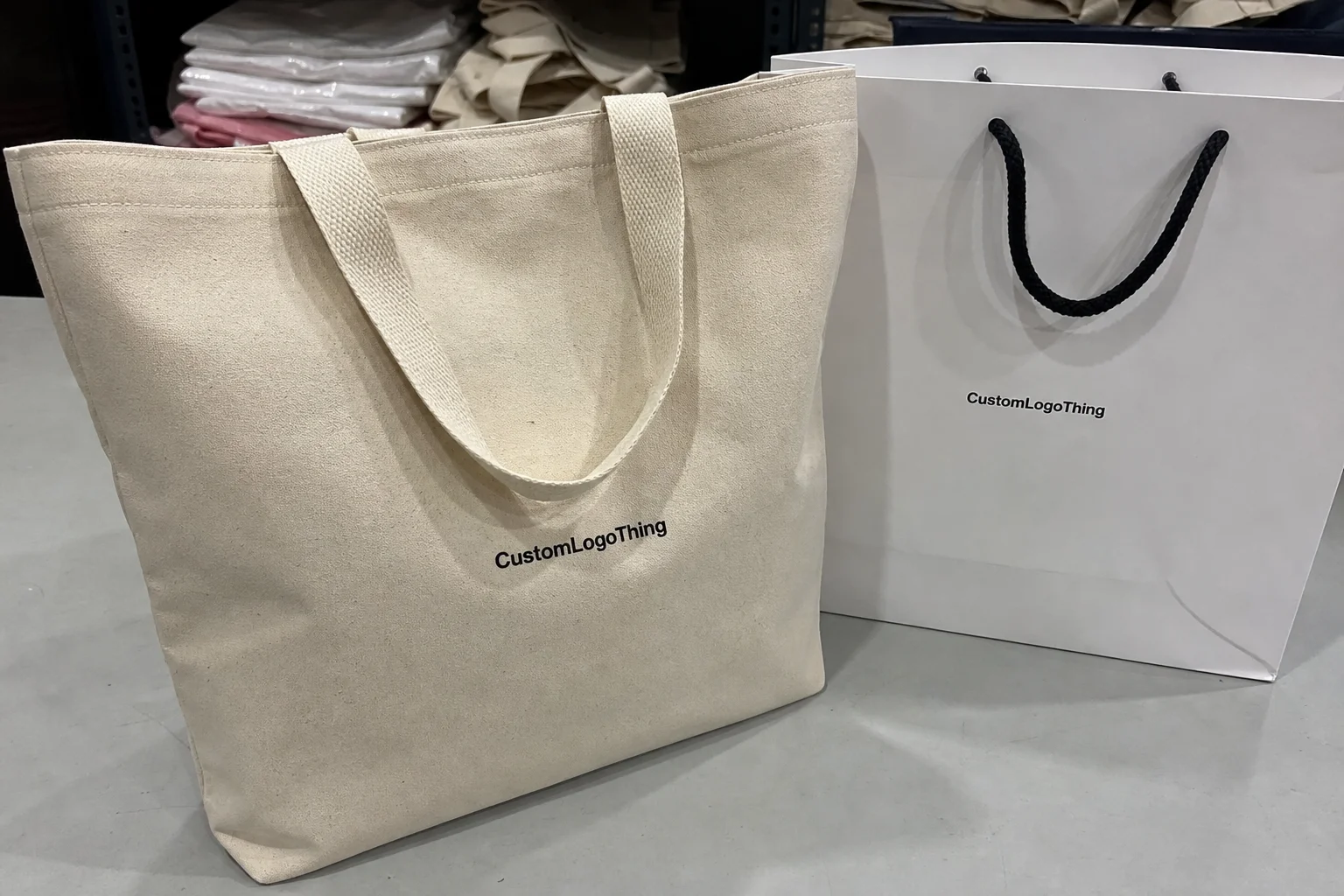
A generic paper or tissue gift bag works for a small handoff. It does not work nearly as well when the contents include a curling iron, a pair of heels, a makeup pouch, and a water bottle. The bottom gives out, the sides buckle, and the handles start to tell the story before the bag is even out of the room. Personalized Tote Bags for bridesmaids solve that problem because they are built to carry weight and shape.
The other advantage is reuse. A tote that survives the wedding becomes a grocery bag, gym bag, beach bag, library tote, or travel catchall. That matters because the gift stays visible long after the event, which gives the personalization more value than a one-time printed favor ever could.
Personalization can mean names, initials, bridal-party roles, a wedding date, or subtle artwork tied to the event. The method matters as much as the message. Screen printing gives a crisp, economical result for simple graphics. Embroidery adds texture and a more elevated finish. Woven labels, patches, and appliqués sit somewhere in between, each with its own cost and production tradeoff.
The key is to match the decoration to the material. A bold name in a clean font usually reads better than a detailed illustration on a textured fabric. Embroidery looks premium, but very small lettering can lose clarity once thread thickness is involved. Print is more flexible, but it can look flat if the substrate is too rough or too light.
There is also a workflow benefit that buyers sometimes overlook. Bridesmaids use the tote before the ceremony, during hotel prep, and again when packing to leave. A well-built bag keeps the room organized, which makes the weekend easier for everyone involved. That is the difference between a keepsake and an object that actually gets used.
How Personalized Tote Bags for Bridesmaids Are Made
There are several production routes for Personalized Tote Bags for bridesmaids, and the best one depends on quantity, artwork, finish, and budget. Screen printing is usually the most efficient option for bold text and simple graphics. It produces a clean repeatable result and tends to hold up well when the bag will be reused.
Heat transfer works well for smaller orders or more detailed artwork, especially when multiple colors are involved. The result depends on the film, adhesive, and application temperature, so good setup matters. It is a useful option, but not every transfer feels the same in hand, and some finishes can be more noticeable on soft cotton than on coated fabrics.
Embroidery gives a higher-end tactile finish. It is durable, visually distinct, and often preferred for monograms or initials, but it adds setup time and thread limitations. Fine lines, tiny letters, and very dense designs are more likely to need simplification before stitching.
Woven labels and patches can add texture without taking over the whole bag. They work especially well on plain canvas or structured materials where the main decoration needs to stay understated. A good patch can make a simple tote feel considered without pushing the design into novelty territory.
The bag material is just as important as the decoration method. Cotton canvas is popular because it feels familiar, takes print well, and photographs cleanly. A heavier canvas, usually in the 10 to 12 oz range, gives more body and better long-term use than a very light fabric. Polyester and coated canvas offer more consistent color and easier cleaning. Nonwoven polypropylene is usually the budget option; it is lightweight and efficient, but it does not have the same structure or long-term feel as woven fabric.
Before production begins, the artwork usually needs cleanup. Spelling must be confirmed, letter spacing adjusted, and placement checked against seams, handles, and gussets. If the order includes different names, the proofing step has to be exact. A mistake on one bag is annoying. A mistake across a full bridal set is expensive.
Good suppliers will send a digital proof, and for more involved work they may also provide a sample or preproduction layout. That proof should show size, placement, color references, and any personalization details. If embroidery is involved, digitizing is part of the setup. That step translates the art into stitch information, and it can change the look of a design more than buyers expect.
Construction details affect usefulness in ways that are easy to feel but hard to fake. A gusset creates depth and makes the tote easier to load. Reinforced seams reduce the chance of handle failure. A boxed bottom helps the bag stand upright on a hotel bed or dresser. A lining can add structure and help the interior survive repeated packing. None of those details looks exciting on a quote sheet, but they are usually the reason one bag lasts and another does not.
Cost, Pricing, and MOQ Factors to Compare
Pricing for personalized tote bags for bridesmaids usually comes down to five things: material, decoration method, number of imprint colors, size, and finishing details. A one-color screen print on cotton canvas will almost always cost less than an embroidered tote with a zipper, pocket, and custom lining. That is basic production math, not upselling.
Setup fees matter more on small bridal-party orders than many buyers expect. Screen charges, embroidery digitizing, artwork cleanup, and proof revisions can raise the effective unit cost when the order is only six or eight bags. Once the quantity increases, those fixed costs spread out and the per-unit price usually improves. The bag itself may be similar, but the economics are not.
MOQ means minimum order quantity, and it varies by supplier, material, and decoration method. Some vendors can accommodate very small runs for wedding parties. Others need a larger batch to keep the price reasonable. There is no universal number that applies to every project, so it is smarter to ask for the minimum for each decoration style rather than assuming one rule covers all options.
Packaging extras also move the total cost. Tissue wrap, ribbon, tags, inserts, individual polybags, and separate packing all add labor and material. If the tote itself is the gift, it may not need much else. If the bag is being filled with robes, cosmetics, and travel items, then light packing can make the presentation feel more intentional without creating unnecessary cost.
| Option | Typical Use | Approximate Unit Cost | Notes |
|---|---|---|---|
| Nonwoven polypropylene | Budget-friendly bridal sets | $0.90-$2.00 | Lightweight, lower structure, best for simple prints and short-term use |
| Cotton canvas | Classic reusable gift tote | $2.50-$6.00 | Good print surface, stronger reuse value, better hand feel |
| Polyester or coated tote | Structured, wipe-clean bag | $3.50-$7.50 | Useful for travel kits, heavier contents, and easier cleanup |
| Embroidered canvas | Higher-end gift presentation | $5.00-$12.00 | Premium look, slower production, higher setup cost, best for simple marks |
These ranges are directional, not fixed. Quantity, fabric weight, print coverage, handle style, and packing instructions can all move a quote up or down. The best way to compare suppliers is to use the same spec sheet for each one: identical bag size, same material, same decoration method, same artwork placement, and the same packing requirement. Anything less gives you a fuzzy comparison.
Process and Lead Time: From Proof to Delivery
The production sequence is simple on paper: quote, spec confirmation, artwork submission, proof review, approval, production, finishing, packing, shipping. In practice, the timeline depends on how clean the artwork is and how clear the order details are. A well-prepared bridal order moves much faster than one with missing names, changing quantities, or unclear color references.
Artwork cleanup is often the fastest part if the file is vector-based and the spelling is settled. Physical production takes longer because the bags have to be printed, embroidered, or assembled, then cured or finished, then inspected. If the order includes several personalization variants, sorting and pack-out can add a meaningful amount of time.
Rush orders usually cost more. They compress scheduling and reduce flexibility around materials and finishing. Sometimes a supplier can turn a simple order quickly if the fabric is already in stock and the decoration is straightforward. Sometimes there is no realistic way to compress the job without compromising quality. Asking for the earliest ship date is more useful than hearing only a production window.
There is a second date worth confirming: the day the order will actually arrive and be ready for use. That matters more than a production estimate if the bags have to be stuffed before a rehearsal dinner or destination departure. A tote that ships on time but lands after the event is not a workable order.
For buyers who want an external point of reference on transit reliability and handling, the ISTA standards are useful. They are not wedding-specific, but they show why packing strength, shipping conditions, and carton protection matter. A soft tote can be forgiving, yet poor packing still leads to creases, moisture exposure, and damaged decoration.
Choosing Specs That Make the Tote Actually Useful
Size should come from the contents, not from the mockup. If the tote needs to hold a robe, makeup pouch, slippers, toiletries, a brush, and a water bottle, it needs enough volume to keep those items flat and accessible. A medium-to-large tote with a gusset usually works better than a narrow fashion tote that looks balanced in a photo but struggles in use.
Handle length is another detail buyers underestimate. Short handles are fine for hand carrying, but they are awkward when someone needs to move through a hotel lobby, load a car, or carry the bag over one shoulder. Wider handle attachment points and reinforced stitching help when the contents are heavier than a lightweight favor should ever be.
Decoration area should fit the bag, not fight it. Large lettering on a small tote can look crowded. Tiny lettering on a large tote can disappear. Names, initials, and role titles tend to read best when there is enough empty space around them and the design is centered with intent. A calm layout usually ages better than a busy one.
Useful add-ons exist, but restraint helps. Inner pockets are practical for chargers, jewelry, and small cosmetics. Closures can keep items from falling out during travel. Water-resistant finishes are helpful if the tote will be reused often. Still, each added feature raises cost and can extend lead time. The best order usually uses the fewest extras needed to solve the actual carrying problem.
Color deserves real attention. White, blush, and pale beige photograph nicely, yet they show scuffs and makeup transfer quickly. Navy, black, olive, taupe, and other deeper neutrals tend to hide wear better, which can matter a lot if the bag is expected to outlive the wedding weekend. If the tote is meant to be reused, practicality should carry real weight in the color decision.
Common Mistakes When Ordering Personalized Tote Bags
The first mistake is asking too much of the artwork. Thin script, tiny dates, and detailed illustrations can disappear on fabric, especially on textured or loosely woven materials. A design that feels elegant on a screen may print weakly once it is moved onto canvas or nonwoven substrate. The safer move is to keep the art readable at bag size, not desktop size.
The second mistake is approving a proof too quickly. Spelling errors, title mix-ups, and date formatting problems happen more often than they should, and the risk rises when each tote is personalized differently. If there are eight names on the order, every line deserves a separate check before sign-off.
Ordering the exact count is another trap. A small buffer for replacements, late additions, or packing damage is worth having. One extra tote can keep a bridal party moving if a bag arrives defective or a recipient list changes at the last minute. It is a small insurance policy.
Choosing the cheapest fabric often creates problems later. A flimsy tote may look fine in a product photo, then sag, pill, or tear before the event is over. Buyers sometimes focus on decoration first, but if the bag cannot actually carry the contents, the design does not matter much. Utility has to come before ornament here.
“The bag should survive the weekend first, and the photo second.”
Color expectations should also be checked against real materials whenever possible. Screens lie, and fabric changes everything. Cotton, polypropylene, and coated materials each hold ink differently, and the same artwork can look warmer, flatter, or more saturated depending on the substrate and print method. That is a normal production reality, not a defect.
Expert Tips for a Better Custom Bridal Party Order
If the goal is a gift that gets used again, design for reuse from the start. A subtle monogram, a clean name placement, or a small wedding mark can feel personal without making the bag too event-specific for later travel or errands. That is usually the best balance for personalized tote bags for bridesmaids.
One effective layout strategy is to create a clear hierarchy. Put the bride or bridesmaid name where it can be read first, then keep the rest of the decoration restrained. If the bag has a second side, use it for something simple, such as a small monogram or a discreet date. That keeps the bag from feeling crowded while still making it personal.
If the order is large enough to justify it, ask for a material sample or a finishing sample. Touching the fabric tells you more than a photo ever will. You can judge whether the tote stands up, whether the handles feel secure, and whether the finish matches the tone of the event. A sample also reduces surprises around color and thickness.
Lock the recipient list early. Names, initials, and role titles should be final before production starts. A clean spreadsheet with spelling, preferred capitalization, and any punctuation notes saves a lot of rework. It also makes proof approval faster because there is one source of truth instead of three versions in email threads.
If you have to choose between a prettier bag and a stronger one, the stronger bag usually wins. A tote that lasts through packing, travel, and repeat use provides better value than a fragile piece that only looks good at handoff. Durability is part of the gift experience, even if nobody says it out loud.
Next Steps for a Smooth Bridesmaid Tote Order
Start with a spec sheet: quantity, names or initials, required delivery date, intended contents, bag size, material preference, and decoration method. If those details are defined before quoting, pricing becomes clearer and the chances of a surprise drop sharply. The more vague the request, the more likely the quote will leave out something important.
Compare two or three suppliers on the same basis. Look at material weight, decoration method, MOQ, proofing process, and ship date. Do not let the lowest headline price decide the order by itself, because a quote that excludes setup, revisions, or shipping is not truly comparable to one that includes them.
Use the best artwork file you have. Vector files are ideal for logos, names, and simple graphics because they scale cleanly and make proofing easier. High-resolution raster files can work too, but the better the source file, the less cleanup is needed and the less likely the design is to soften at the edges.
Before approving, check every spelling, every size detail, every color assumption, and every recipient name. Keep the final proof on file. That discipline is what keeps personalized tote bags for bridesmaids looking polished from the first handoff to the last weekend use, and it is usually the difference between a smooth order and a stressful one.
For the best result, choose a tote that carries well, prints cleanly, and feels worth keeping. That is the version of personalized tote bags for bridesmaids that actually works in real use, not just in a staged photo.
What size should personalized tote bags for bridesmaids be?
Choose a size that fits the actual contents, such as robes, makeup, slippers, water bottles, and a small hair kit. A medium-to-large tote with a gusset is usually the most practical option because it carries more without looking oversized. If the bags are meant for a destination wedding, check that they fit in carry-on luggage or under a car seat.
What is the best material for bridesmaid tote bags?
Cotton canvas feels classic and photographs well, while nonwoven polypropylene is usually the most budget-conscious. Polyester or coated materials are useful when you want more structure or easier wipe-clean maintenance. The best material depends on whether the priority is premium feel, low cost, or long-term reuse.
How much do personalized tote bags for bridesmaids usually cost?
Pricing depends on bag material, decoration method, quantity, and whether setup or digitizing fees apply. Small orders often cost more per unit because the setup charge is spread across fewer bags. Ask for a full quote that includes production, proofing, and shipping so the real cost is clear.
How long does production usually take for custom bridesmaid totes?
Lead time varies by decoration method, quantity, and whether artwork needs cleanup or revision. Simple printed totes may move faster than embroidered or highly customized versions. Always ask for the ship date, not just the production window, so you can plan for packing and distribution.
What should I put on personalized tote bags for bridesmaids?
Common choices include names, initials, bridal-party titles, wedding date, or a subtle monogram. Keep the design readable and not overly detailed, especially if the bag is small or the print area is limited. A useful design is one the recipient will still want to carry after the wedding weekend.