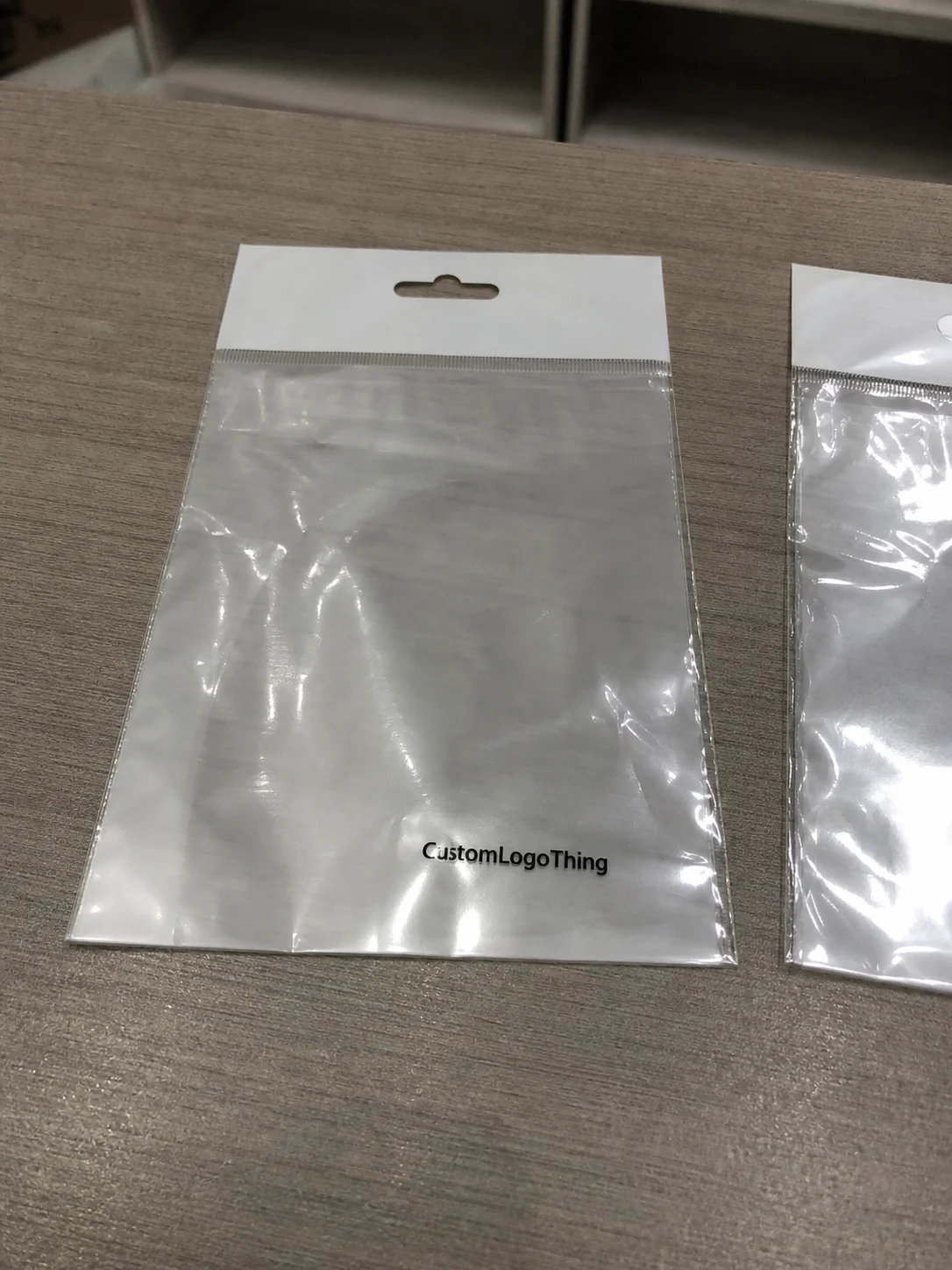
A toy retailer shipping 3,000 plush toys, blind boxes, puzzles, costume accessories, or collectible add-ons can lose margin from one quiet packaging mismatch. That is why Toy Retailers Matte Poly Mailers bulk order planning should begin before artwork approval, not after a seasonal drop, influencer campaign, or subscription-kit calendar is already locked.
The problem rarely looks dramatic on a purchase order. A lightweight plush toy may weigh only 6 ounces, yet a tight mailer can make the operator stretch the seal past its comfort zone. A blind box may be small, but its corners can concentrate pressure against the film during sortation. A printed mailer can look clean in a mockup and arrive scuffed if the ink coverage, finish, or handling assumptions were never tested.
Those failures appear later as replacement shipments, support tickets, carrier claims that go nowhere, and customer photos showing a torn or overstuffed package before anyone sees the toy inside. A good mailer plan does not make poly film behave like a carton. It defines where Matte Poly Mailers fit, where they do not, and how to order them in a way that supports both brand presentation and fulfillment speed.
Toy Retailers Matte Poly Mailers Bulk Order Planning Starts with Damage Math
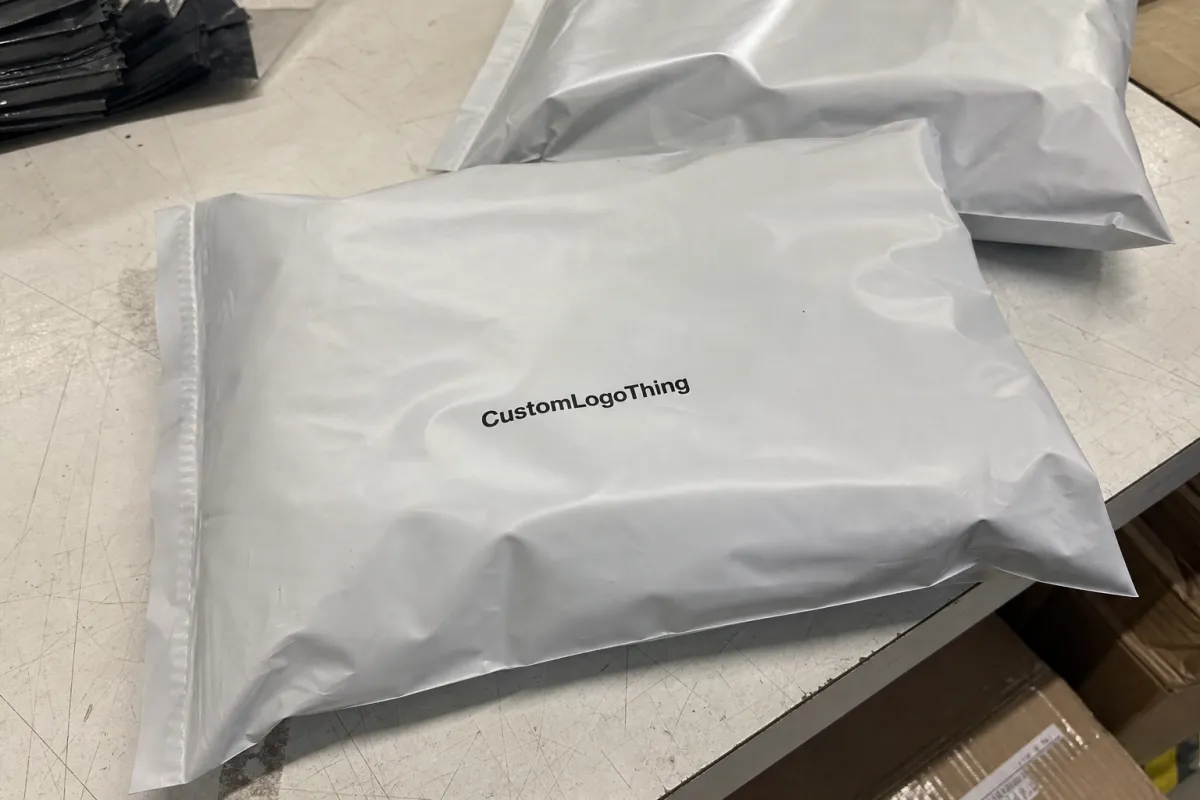
Toy packaging is deceptive. Much of it is light, but light does not mean easy to ship. Odd shapes create stress: puzzle box corners, blister-pack edges, plush ears, costume accessory hooks, small shelf packs, and collectible packaging designed for display rather than parcel compression.
From a packaging buyer’s point of view, the risk is less about total product weight and more about puncture points, seal strain, print-rub, and dimensional profile. A 9-ounce boxed toy can be harder on a mailer than a 1-pound hoodie because one rigid corner can focus force into a tiny area. Parcel networks are not gentle test rooms. Packages slide, tumble, scrape, compress, and land under heavier shipments.
Matte Poly Mailers appeal to toy retailers for practical reasons. They are light, they resist moisture better than uncoated paper mailers, and they can make a small shipment look more intentional than a shiny commodity bag. The lower-sheen surface also photographs better, especially with darker logos, soft color palettes, and minimalist brand marks.
The commercial case is just as important. A mailer decision can affect several cost centers at once:
- Dimensional weight: Oversized mailers can increase parcel profile, especially around rigid toy boxes that do not compress.
- Labor speed: A correctly sized mailer can save a few seconds during insertion and sealing; across 3,000 orders, 8 seconds per order equals more than 6.5 labor hours.
- Replacement rates: A 1% reship rate on a seasonal toy drop means 30 problem orders from 3,000 shipments, before support labor is counted.
- Brand perception: A clean branded mailer sets expectations before the inner toy packaging is opened.
- Waste and storage: Poor size choices create excess film use, bulkier packed cartons, and avoidable inventory clutter.
Strong bulk order planning covers size, film thickness, print coverage, MOQ, lead time, carton packing, and artwork setup. Miss one of those variables and the “cheap” mailer can become expensive after fulfillment begins.
Practical rule: A mailer is not only a bag. It is a shipping component, a labor tool, a branding surface, and a cost-control decision.
What Matte Poly Mailers Do Better for Toy Shipments
Matte Poly Mailers are lightweight polyethylene shipping bags with a low-sheen exterior, a pressure-sensitive adhesive closure, and optional custom printing. Most are made from LDPE, HDPE, or co-extruded polyethylene blends, depending on the strength target, opacity, hand-feel, and print requirements.
They work well for many toy retail categories: plush toys, soft goods, costume items, trading-card accessories, party favors, subscription toy kits, and small non-fragile add-ons. Some small boxed mini toys can also ship in Matte Poly Mailers if the corners are not aggressive and the film gauge is appropriate. For those shipments, a matte mailer can reduce package weight compared with cartons while keeping the outside branded and water-resistant.
They are not the right standalone package for every toy. Fragile collector boxes, electronic toys, glass display cases, rigid display packaging, or high-value limited-edition items often need corrugated cartons, inserts, bubble protection, molded pulp, paper cushioning, or a hybrid packing method. Many packaging mistakes start with an overgeneralization: a retailer sees plush orders arrive safely in poly mailers and assumes the same bag will protect a sharp-cornered collector box. Sometimes it will. Often it will not.
Compare the practical options before committing to a bulk run:
| Packaging option | Best fit | Typical advantage | Watch-out |
|---|---|---|---|
| Matte poly mailer | Plush, soft toys, accessories, protected small goods | Low weight, water resistance, premium print appearance | Not crush-resistant; gauge and sizing matter for boxed items |
| Glossy poly mailer | Low-cost, high-volume soft goods | Often lower unit cost | More glare, more commodity feel, and different scuff visibility |
| Kraft paper mailer | Flat items and paper-forward brand positioning | Natural look; curbside recycling in some programs | Lower moisture resistance unless coated or lined |
| Bubble mailer | Small semi-fragile items | Cushioning built in | Bulkier storage; not always ideal for premium exterior print |
| Corrugated carton | Collector boxes, fragile toys, high-value orders | Compression and edge protection | Higher freight profile and more storage space |
The branding advantage is real, but it should not be separated from protection. Matte surfaces can make darker inks, simple logos, and boutique toy-store identities feel less disposable than standard shiny mailers. A customer ordering a collectible accessory may not expect museum-level packaging, but they do notice whether the outside package looks intentional or improvised.
For retailers building a broader packaging program, Custom Poly Mailers can sit alongside cartons, tissue, stickers, and inserts from a wider Custom Packaging Products mix. The goal is not to replace every protective format. It is to match the mailer to the shipment profile with enough discipline that fulfillment teams can repeat the process at volume.
Specs to Lock Before Requesting a Bulk Mailer Quote
A supplier cannot quote accurately from “we need branded toy mailers.” Too many variables hide inside that sentence. Before requesting pricing, lock the core specifications: width, length, lip size, film thickness, material color, matte finish, adhesive type, print coverage, print colors, and packing format.
Start with sizing. Measure the product at its widest, tallest, and thickest points, then add working clearance. For soft plush, 0.75 to 1.5 inches of extra width and length may be enough, depending on compressibility. For boxed toys, extra clearance is often needed because corners resist insertion and can drag across the film. Seal area matters too; if the adhesive strip lands over a bulging product edge, closure strength drops.
One oversized mailer looks efficient on a spreadsheet. In a warehouse, it can waste material, slow packing, increase label wrinkles, and make the finished parcel look sloppy. Most toy retailers shipping varied products are better served by two or three priority sizes rather than one universal bag.
A simple starting set might look like this:
- Small: 6 x 9 inches for trading-card accessories, small favors, flat toy add-ons, or low-profile components.
- Medium: 10 x 13 inches for plush toys, costume pieces, subscription kit components, or several small soft items.
- Large: 14.5 x 19 inches for larger soft toys or multi-item orders that still do not need a carton.
Thickness deserves more attention than it usually receives. Lighter gauges, such as 2.0 mil, may suit soft plush or apparel-like toy products. Heavier options, such as 2.5 to 3.0 mil, can help with boxed or angular items. For aggressive corners, the answer may not be thicker film alone; it may be a carton, paper wrap, corner protection, bubble, or a different shipping method entirely.
Operational specs are just as important as material specs. Ask how many mailers are packed per carton. Confirm case weight. Decide whether warehouse teams prefer bundles, inner packs, or rolls. Request barcode labels, SKU labels, and size markings if your receiving process depends on scan accuracy. A carton that says only “custom mailers” creates friction on a busy dock, especially if three sizes arrive at once.
Print details can change cost and performance. Logo placement, repeat pattern, one-sided versus two-sided print, white ink underbase on dark films, and full-coverage flood printing all affect pricing. Registration tolerance also matters. Flexible films move slightly during printing and converting, so tiny alignment expectations should be discussed before proof approval rather than debated after production.
Compliance is not decorative. Suffocation warnings may be needed depending on bag opening size and market requirements. Recycling marks should be used carefully and only where appropriate for the material and local recovery realities; the EPA recycling guidance is a useful starting point for broader consumer communication. Toy brands ship into households with children, so warning placement, contrast, and readability deserve more than a last-minute glance.
At this stage, toy retailers planning a matte Poly Mailers Bulk order move from taste to controlled variables. That is where cleaner quotes, fewer revisions, and better fulfillment results begin.
Pricing, MOQ, and Unit Cost Variables Buyers Should Compare
Bulk matte poly mailer pricing is driven by material volume, size, film thickness, print complexity, order quantity, color, finishing requirements, and shipping destination. Add an inch. Increase the gauge. Move from a stock white film to a custom pastel. Print both sides instead of one. The quote changes.
For directional planning, simple custom matte poly mailers might land around $0.18 to $0.35 per unit at mid-volume quantities, depending heavily on size, gauge, and print. Larger or heavier-gauge bags can move higher. Very small runs usually carry higher unit costs because setup, proofing, and production handling are spread across fewer pieces. These are planning ranges, not guarantees; resin pricing, freight, artwork complexity, and production details can shift the final number.
MOQ follows the same logic. Lower quantities may be possible for simpler stock-style prints. Custom sizes, custom colors, heavy ink coverage, multiple SKUs, or specialty finishes usually require higher production minimums. A buyer asking for 1,000 units in three sizes with full-coverage printing may find the cost structure unattractive compared with a cleaner 5,000 or 10,000-unit run in one or two sizes.
| Planning variable | Lower-cost direction | Higher-cost direction | Buyer question to ask |
|---|---|---|---|
| Size | Standard dimensions | Custom dimensions or oversized bags | Can two standard sizes cover most SKUs? |
| Film thickness | 2.0 mil for soft goods | 2.5 to 3.0 mil for angular products | Which SKUs create puncture risk? |
| One-color logo or repeat pattern | Heavy coverage, multiple colors, two sides | Does the design need full coverage to work? | |
| Quantity | Efficient bulk tiers | Very small custom runs | What is the reorder point based on monthly volume? |
| Freight | Consolidated delivery | Rush or split shipments | What are the packed carton dimensions and weights? |
Unit cost is only half the story. Total landed cost includes freight, storage, handling, waste, and the effect on fulfillment speed. A one-cent cheaper mailer may not be cheaper if cartons are awkward to store or if the bag size slows packers by 10 seconds per order.
Compare quotes using identical specifications. A 10 x 13 inch mailer at 2.0 mil is not the same product as a 10.5 x 14 inch mailer at 2.5 mil, even if both quote lines say “custom matte poly mailer.” A small size or gauge difference can make two prices look similar while delivering different performance.
Ask about plate, setup, proofing, or artwork preparation charges. Are they one-time charges? Do they repeat for reorders? If the same artwork is used again, will the reorder cost drop? Also ask for at least three quantity tiers, such as 2,500, 5,000, and 10,000 units. This helps model cash flow, storage capacity, and replenishment frequency.
Larger orders can reduce unit cost, but inventory carries its own risk. Toy retailers face seasonal swings, character licensing changes, branding updates, and product drop schedules. Ordering a twelve-month supply may look efficient until the logo changes, a product line is discontinued, or the shipment mix shifts from plush to boxed collectibles. Good bulk order planning balances price breaks against flexibility.
Process and Timeline from Artwork File to Delivered Cartons
The cleanest ordering process follows a predictable sequence: requirement review, size confirmation, material recommendation, quote, artwork setup, digital proof, approval, production, quality check, packing, and delivery. Skip steps and the risk moves downstream, usually into the warehouse where there is the least time to fix it.
Buyers can shorten lead time by preparing the right inputs upfront. Send final vector logo files, Pantone or CMYK color targets, preferred mailer sizes, quantity tiers, shipping address, receiving instructions, and deadline. If current packaging is failing, send photos. A torn seam, corner puncture, or scuffed print surface tells a supplier more than a paragraph of vague concern.
Proofing deserves a sober explanation. Digital proofs confirm layout, scale, repeat direction, seal placement, and print location. They do not always show exact final color because screen brightness, film color, ink opacity, and matte finish affect appearance. If color precision is critical, ask what physical sampling, drawdown, or pre-production sample options are available, and build that time into the schedule.
Typical custom production can run roughly 12 to 25 business days after proof approval for many standard programs, with freight time added afterward. More complex jobs may take longer. Custom film colors, high ink coverage, multiple sizes, special carton labels, holidays, production capacity, and freight method can all move the schedule.
Work backward from the real ship-by date. Not the launch announcement. Not the day product arrives from the toy manufacturer. Use the day your warehouse needs to start packing finished orders. Reserve time for proof revisions, production, transit, warehouse receiving, and internal pack-out testing. If a subscription toy kit goes live on a Monday and the mailers arrive Friday afternoon, there is no room to discover that the medium size is too tight.
Reorders need the same discipline. Place them before inventory reaches emergency levels. Rush production narrows choices, raises freight costs, and often pushes buyers toward whatever material or size is available fastest. That may be acceptable for a short bridge order, but it is not a steady purchasing strategy.
For retailers buying across multiple locations or channels, Wholesale Programs can make tiered ordering easier to plan. The useful conversation is not “what is the cheapest bag?” It is “which specification supports our shipment mix at the lowest total cost?”
Planning benchmark: If a promotional toy drop has a fixed ship window, approve packaging specifications before the product arrives, not during the receiving rush.
Common Ordering Mistakes That Raise Returns, Waste, and Rework
The first mistake is choosing the mailer size from product dimensions alone. A 9 x 12 inch toy box does not necessarily fit efficiently into a 10 x 13 inch mailer. Thickness, insertion angle, seal lip, and operator hand movement matter. If packers need to fight the bag, the size is wrong.
The second mistake is under-specifying film thickness for boxed toys. Lightweight does not mean low-risk. Box corners create point pressure during sortation. A 2.0 mil mailer may work for plush but fail around a rigid corner if the parcel is compressed under heavier shipments.
Overprinting is another cost trap. Full-coverage dark ink can look strong in a mockup, especially for collector-focused toy brands, but it may increase cost, extend production, and show scuffing depending on handling. Sometimes a matte black or matte white mailer with a controlled one-color logo does more for perceived quality than a heavy print flood.
Artwork errors are common and avoidable: low-resolution logos, missing bleed, critical text too close to the seal, designs that ignore fold lines, adhesive strips, warning copy, or shipping label placement. A beautiful mailer that forces the carrier label over the logo is not doing much branding work.
Inventory errors create quieter damage. Ordering one large quantity before testing fulfillment performance can lock a retailer into a poor size for months. If the shipment mix is 60% plush, 25% boxed mini toys, and 15% mixed orders, test those profiles before scaling. A small pack-out simulation with 20 to 50 representative orders can reveal insertion problems, label conflicts, closure stress, and whether the finished parcel looks overstuffed.
Warehouse receiving deserves more respect. Unlabeled cartons, mixed sizes, missing SKU identifiers, or inconsistent carton counts slow teams down. The packaging buyer may only see a neat quote. The warehouse sees 40 cartons that all look the same.
Use a pre-production checklist before approving a bulk run:
- Confirm final mailer dimensions, lip size, and usable internal space.
- Test size samples with representative toy SKUs, including the most awkward shapes.
- Approve artwork with seal, fold, warning, and label zones visible.
- Review carton labeling, packed quantities, and case weights.
- Validate closure strength after product insertion, not on an empty bag.
- Run a small pack-out simulation using normal fulfillment steps.
- Document reorder specs so the next purchase does not restart from memory.
For formal transit testing of packaged products, standards from groups such as ISTA can help teams think more rigorously about drops, compression, vibration, and distribution hazards. Not every poly mailer order requires laboratory testing. Still, the testing mindset is valuable: define the hazard, choose the package around it, and verify performance before scaling.
Build a Purchase-Ready Mailer Brief
A purchase-ready brief turns a vague request into a quoteable packaging project. It should include toy categories, top SKU dimensions, expected monthly shipment volume, preferred mailer sizes, artwork files, brand colors, delivery deadline, and target quantity tiers. Add the shipping destination and receiving instructions. Small detail, big impact.
Photograph current packaging problems before replacing anything. Torn seams, excess empty space, corner punctures, scuffed print, label conflicts, and poor brand presentation all point toward different fixes. A supplier can recommend better options when the problem is visible.
Select two or three priority sizes first. Trying to solve every shipment profile in one order often creates a bloated specification that does nothing especially well. Start with the SKUs that drive the most volume or the most customer complaints. That is where the return on better packaging is easiest to measure.
Request pricing at multiple quantities and ask for estimated packed carton dimensions and weights, not just unit cost. If 10,000 mailers arrive in cartons your storage area cannot handle, the price break may create an operational problem. If your team uses barcode receiving, request carton labels by size and SKU.
Before full rollout, test the selected mailer with real toy products, shipping labels, packing slips, and the fulfillment team’s normal workflow. Watch the operator. Does the toy slide in cleanly? Does the adhesive close without strain? Does the label cover important branding? Does the finished parcel look intentional rather than swollen?
Custom Logo Things can help turn dimensions, artwork, and target quantities into a structured recommendation for matte poly mailers, including size options, print considerations, quantity tiers, and production planning. The most useful starting materials are simple: shipment mix, top SKU measurements, logo files, deadline, and any photos showing current packaging failures. With those details in place, toy retailers matte poly mailers bulk order planning becomes a purchasing decision based on fit, cost, and operational control rather than guesswork.
FAQ
What should toy retailers include in a matte poly mailers bulk order planning brief?
Include product dimensions, shipment volume, preferred mailer sizes, film thickness goals, artwork files, print colors, delivery location, deadline, and quantity tiers for pricing. Add photos of current packaging issues if you are trying to reduce tearing, empty space, scuffing, label conflicts, or poor presentation.
What MOQ should toy retailers expect for custom matte poly mailers?
MOQ depends on size, material, print coverage, color, and customization level. Simple branded matte poly mailers usually have more flexible minimums than custom-colored, multi-size, or heavy-coverage print runs. Ask for several quantity tiers so you can compare unit cost against storage space, cash flow, and reorder timing.
Are matte poly mailers strong enough for boxed toys?
They can work for lightweight boxed toys if the box edges are not sharp, the size allows easy insertion, and the film thickness is properly specified. Fragile collector boxes, rigid display packaging, electronics, or high-value items may need corrugated cartons, inserts, or bubble protection in addition to or instead of a poly mailer.
How long does a bulk matte poly mailer order usually take?
Many standard custom programs take roughly 12 to 25 business days after proof approval, with freight time added afterward. Timing depends on artwork readiness, proof approval speed, order quantity, print complexity, material availability, carton labeling requirements, and freight method.
How can toy retailers lower the unit cost of matte poly mailers without reducing quality?
Standardize sizes, avoid unnecessary over-sizing, simplify print coverage where possible, order at efficient quantity tiers, and provide final artwork files upfront. Compare landed cost, not just unit price, because freight, storage, waste, and fulfillment speed can change the true cost per shipment. For broader ordering questions, the Custom Logo Things FAQ is a useful next stop before requesting a quote.