The pet treat Frosted Zipper Bags packaging insert checklist matters because a frosted pouch changes what has to do the selling. Clear bags can lean on visibility; frosted film softens that advantage. The artwork, the claim hierarchy, and the proof set have to carry more weight before anyone signs off on print.
That shift sounds small until a buyer is staring at a shelf tag, a distributor spec sheet, and a pouch mockup that all seem slightly out of sync. Then the real job appears: keep the product facts accurate, keep the layout readable, and keep the package feasible for production. For pet treats, that balance matters more than in many categories because the shopper is usually making a fast judgment about flavor, ingredients, pack size, and trust signals in the same glance.
A frosted pouch can look premium on a screen, but on shelf it still has to do the ordinary work of retail packaging: identify the product, support the claim set, and survive the press of production constraints.
Why frosted zipper bags need a stronger insert
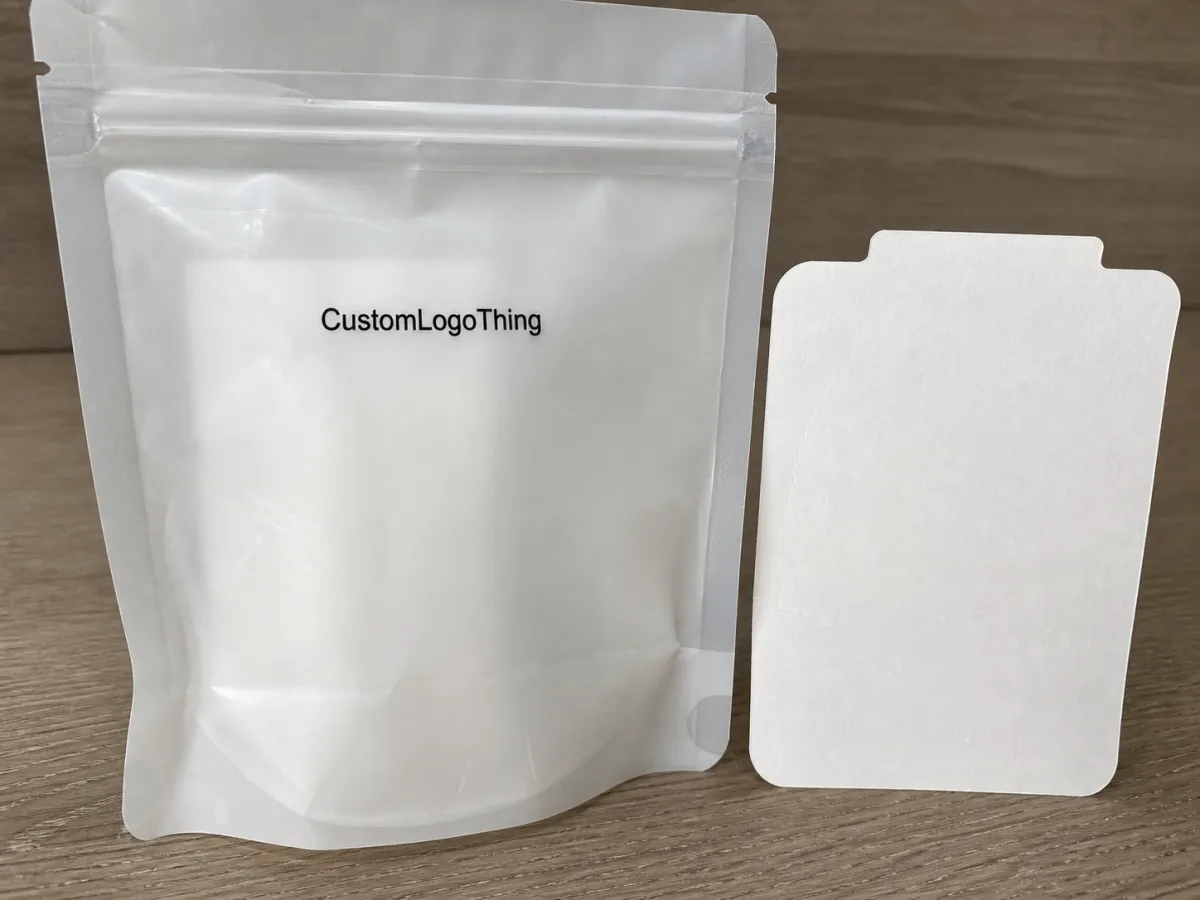
Frosted film creates a nice visual break from plain clear or heavy opaque packaging. It can make a treat bag feel cleaner, more modern, and less crowded. The tradeoff is not subtle: the finish reduces contrast, softens tiny type, and makes crowded panels harder to read once seals, zippers, and margins eat into the usable area.
That is why the insert has to do more than collect copy. It should define the product story before the designer starts refining spacing or photography. Think of it as the bridge between branding and production reality. It keeps the bag from drifting into vague marketing language while the team is still trying to solve layout, claims, and size restrictions.
For pet treats, shoppers usually want three answers first. What is it? What is in it? Does it fit my dog or cat’s routine? If the package only looks polished but fails that test, it may still print cleanly and still underperform at shelf. Good packaging branding starts with an information structure that can survive a quick glance, not just a polished logo.
The insert also reduces avoidable revision loops. When the content map is clear, the proof reads more like a controlled checklist and less like a guessing exercise. That is especially useful for Private Label Buyers, brand teams, and anyone coordinating between design, compliance, and procurement. The more disciplined the insert, the easier it is to move from concept to a workable production file.
What the pet treat frosted zipper bags packaging insert checklist must lock down first
Start with the facts that cannot change without triggering a new proof. Product name, flavor, net weight, pack count, intended use, storage guidance, and any feeding direction that belongs on-pack should be settled first. If the treat is grain-free, limited ingredient, training-focused, or designed as a topper, that language needs to be confirmed before layout work gets too far ahead.
This is where projects often waste time. Teams rush toward visuals, mood boards, and mockups, then discover that the copy is too long, the claims are too broad, or the proof language does not match the actual formula. A better sequence is to build the insert like a content map. Once that map is approved, the designer can fit the story to the actual pouch dimensions instead of forcing a vague concept into a fixed dieline.
For pet food packaging, trust-building details matter just as much as the front-panel flavor callout. Ingredient order, claim support, manufacturing statement, barcode placement, lot code space, and any storage or usage warning should be reviewed early. If the bag will also need a QR code, scan room, or retailer-specific data, reserve that area before the panel gets crowded out by sales copy.
- Core identity: product name, flavor, pack count, net weight, and intended species.
- Use context: training treat, reward treat, topper, snack, or daily supplement-style treat.
- Regulated details: ingredient list, claim support, storage instructions, and any jurisdiction-specific text.
- Production space: barcode, lot code, zipper seam clearance, hang hole, and seal margins.
If you are sourcing the rest of the line through Custom Packaging Products, keep the same content rules across every format. Copy drift between a pouch, a label, and a carton is one of the fastest ways to create expensive approval loops. The same discipline applies to custom printed boxes used for multipacks, club packs, or shipping-ready retail sets.
One practical test helps here: read the back panel at arm’s length, then read it again at phone-screen size. If the main selling points disappear in either view, the panel is probably trying to do too much. The checklist should cut that problem off before it reaches prepress.
Design and material factors that change the final pack
The insert does not live in a vacuum. It has to match the actual bag structure, and that structure can change the final layout more than many teams expect. Film thickness, zipper style, frosted opacity, window size, seal width, and gusset depth all affect how much copy is truly available. A 3 oz pouch and a 1 lb pouch may share the same brand family, but they are rarely cousins in layout terms.
Material choice matters beyond appearance. Most pet treat pouches use some version of PET/PE or BOPP-based laminate, often in a frosted or matte finish when the brand wants a softer, more premium look. If the treat is oily, aromatic, or prone to staling, barrier performance becomes part of the brief, not an afterthought. A decorative finish that looks good in a render but leaks aroma or scuffs during pack-out creates a problem the design team will not see on a monitor.
Artwork density needs discipline too. Thin lines, light colors, and low-contrast typography can disappear on frosted surfaces. Heavy ink coverage can look muddy if the file is overworked. The safest approach is to build contrast into the structure, not just the palette. Clear hierarchy, measured copy blocks, and generous breathing room often outperform fancy effects that make the panel harder to read.
There are also mechanical details that shape the final pack. If the seal zone is wide, the designer needs more room near the bottom or side edges. If the zipper sits higher than expected, the top panel may lose usable copy space. If there is tamper evidence, a tear notch, or a hang hole, those features should be protected from text and barcodes. These are not cosmetic notes; they are the difference between a smooth production file and a last-minute rebuild.
For technical checks, buyers sometimes ask for film data against common ASTM references, especially when they are comparing vendors or validating claims about seal performance. If the pack includes paper-based components and the brand wants to support responsible sourcing, verify those claims before print. The FSC site is the right place to check chain-of-custody language and avoid printing a statement that cannot be supported.
Size changes deserve special caution. A brand may assume the same copy deck can move from a 5 oz pouch to a 14 oz pouch without much adjustment. In reality, the hierarchy often changes because the larger format has more room for detail while the smaller pouch needs a leaner front and back. That is why the insert should be reviewed against each SKU, not just the “main” size.
For broader packaging education and supplier context, the Association for Packaging and Processing Technologies remains a useful reference point. It will not replace the dieline or the job ticket, but it does help teams stay grounded in how print, material, and logistics influence one another.
Packaging insert process and proof timeline
A strong process starts with specs, not art. Gather the bag dimensions, finish, zipper type, panel layout, target quantity, and any restrictions on copy or claims. Then build a content brief that acts as the single source of truth. Once that brief is approved, the designer can draft the insert, the compliance reviewer can mark the risks, and the prepress team can move without guessing.
The proof path usually moves in stages. First comes the copy draft. Then the dieline check, where panel size, folds, zipper placement, and seal lines are matched against the actual pouch. After that come barcode checks, legal text review, and brand approval. Each step can add a day or two. A small correction early in the chain is almost always cheaper than a late fix after artwork has been pushed toward production.
Soft proofs and sample bags are worth requesting when the frosted finish, zipper position, or fold line might affect readability. Flat PDFs can hide problems that show up instantly on a real pouch: glare, seam interference, or a block of text that feels balanced on-screen but awkward on plastic. A sample gives the team a chance to catch the issue before the order is committed.
If the finished bags will ship inside cartons or retail-ready cases, use ISTA guidance as a reference for the pack-out stage and transport environment. The ISTA site is helpful when the pouch is part of a broader shipping system and has to survive handling before it ever reaches shelf.
Lead times vary with how much changes between proof rounds. Simple copy updates on an existing size often land in about 12 to 15 business days after proof approval if the files are clean and no structural changes are needed. Fresh artwork on the same pouch format usually needs 2 to 4 weeks. New sizes, new closures, or a structural shift can stretch to 4 to 6 weeks or more once revision cycles, sampling, and prepress checks are included. Print method matters too; a change in process can push the schedule out further.
Cost, pricing, MOQ, and quote drivers to plan
Pricing is driven by more than bag size. Print method, film build, finish, zipper style, ink coverage, and whether the insert is bundled with the bag or quoted separately all affect the final number. A restrained one-color layout behaves very differently from a full-bleed design with multiple callouts, gradients, and dense copy blocks.
MOQ changes the math as well. Smaller runs usually carry a higher unit cost because setup, make-ready, and proof handling are spread across fewer pieces. Larger runs can bring the unit price down, but only if the bag size, artwork, and material are stable enough to justify the inventory. For many buyers, the practical question is not the cheapest option. It is the option that lowers reprint risk and keeps the launch on schedule.
A useful quote request should include dimensions, material preference, artwork count, panel copy, expected order volume, and target delivery date. If the project covers multiple SKUs, list each flavor separately. That makes it easier to compare cost across the line and spot where one SKU needs more space or a different layout because the copy is longer.
Buyers also need to watch the hidden cost drivers. Extra revision rounds, rush production, specialty coatings, and freight can push a quote up even when the base print price looks fair. If the bag and insert are not being handled in the same workflow, extra handoffs can add delay and confusion. Private label projects feel this most sharply because product, art, and approval often sit with different teams.
| Project type | Typical MOQ | Estimated unit range | Typical timeline | Best fit |
|---|---|---|---|---|
| Simple copy update on existing size | 3,000-5,000 units | $0.18-$0.28 per bag | 12-15 business days after proof approval | Same structure, revised wording, minor layout cleanup |
| Fresh artwork on same pouch format | 5,000-10,000 units | $0.24-$0.40 per bag | 2-4 weeks depending on revision rounds | New flavor, updated package branding, stronger shelf impact |
| New size or new structure | 10,000+ units | $0.32-$0.55 per bag | 4-6 weeks or more | Expanded line, different capacity, new shelf strategy |
Common mistakes that trigger rework or slow approvals
The most common mistake is simple: the copy does not match the bag size. A back panel that worked on a larger pouch can turn cramped on a smaller format, which leads to tiny type, crowded claims, and a late-stage redesign. If the line will include several capacities, the insert should be checked against each one before the art is released.
The second mistake is blending marketing language with regulated language. Pet treat packaging often needs careful wording on ingredients, benefits, storage instructions, and product claims. A claim that sounds fine in a sales deck may need support before it belongs on the pack. The insert helps separate what the brand wants to say from what the label can safely carry.
Another issue is forgetting the mechanics of the pouch itself. Barcode space gets lost. Lot-code space gets forgotten. The zipper seam cuts into a headline. The seal margin steals room from a feeding guide. All of that is avoidable if the insert is checked against the actual dieline rather than a rough mockup.
Version control causes more pain than people expect. Sales edits one file. Operations edits another. Compliance sends comments by email. A week later nobody is sure which copy deck is current. That kind of drift can add days, sometimes weeks, to a project. One controlled file, one owner, and one marked approval trail will save a lot of trouble.
If the art team, the compliance team, and the buyer are not looking at the same version, the project is already behind.
- Do not finalize artwork before confirming the dieline.
- Do not assume the same copy fits every pouch size.
- Do not leave barcode or lot-code placement for the end.
- Do not treat claim support as a last-minute cleanup task.
Expert tips and next steps for a cleaner launch
Build a one-page checklist that pairs every bag spec with its matching insert requirement. That sounds basic, but it is one of the best ways to keep copy, dieline notes, and quote details in the same lane. A buyer should be able to glance at the sheet and see the pouch size, finish, zipper type, panel copy, barcode needs, and approval owner without opening three different files.
Approve the product facts before the design polish. Good packaging design is easier when the information structure is already settled. Once the product name, flavor story, ingredient copy, and claim support are locked, the frosted zipper bag becomes easier to style, easier to print, and easier to buy.
When you request a sample or estimate, send the final dimensions, the claim list, the artwork files, and the timing goal together. That gives the supplier enough information to quote honestly and flag any spacing or compliance issues early. It is also the fastest way to compare different packaging options without guessing at the missing details.
If the launch includes multiple SKUs, group them by shared structure. Keep the copy differences visible, but do not force the team to rebuild the same pouch logic for every flavor. That is how buyers keep costs under control while still protecting the visual consistency of the line. The strongest branded packaging systems are flexible without becoming chaotic in prepress.
For a cleaner finish, use the pet treat Frosted Zipper Bags packaging insert checklist as the final gate before release: gather specs, compare proof notes, confirm MOQ, and only then approve print. That single habit keeps the bag, the claims, and the schedule pointed in the same direction.
Frequently Asked Questions
What should a pet treat frosted zipper bags packaging insert checklist include?
It should include the product name, flavor, net weight, pack count, ingredients, claims, storage directions, and barcode placement. It should also list bag dimensions, finish, zipper style, and any legal text that must appear on the panel or insert so the proof is ready for prepress review.
How does a frosted zipper bag change the insert layout for pet treats?
The frosted surface can reduce contrast, so copy hierarchy and font size matter more than on a clear bag. Because visibility is more limited, the insert has to carry more of the selling message and trust-building detail, while still leaving room for seams, zipper hardware, and any opaque areas that affect readability.
What affects cost and MOQ for pet treat packaging inserts?
Cost is driven by print method, material choice, bag size, finish, and how many proof rounds are needed. MOQ usually changes unit price because setup costs are spread across fewer or more pieces, and rush timing, specialty coatings, and freight can also increase the final quote.
How long does a frosted zipper bag insert project usually take?
Simple copy updates move faster than full artwork or structure changes. Proofing can slow down when dimensions, claims, or barcode details need correction, so lead time depends on whether the insert, bag, and print approval move in one coordinated workflow.
What files should I have ready before requesting a quote?
Prepare final dimensions, target quantity, material preference, and the complete copy deck. Include artwork files, claim support, barcode specs, and any fold or panel references. The clearer the file set, the easier it is to get an accurate price and a realistic timeline for the project.


