Two mailers can look identical on a spec sheet and behave very differently once oily treats, dust, and shipping pressure enter the picture. That is why the pet treat Recycled Poly Mailers Material Sample guide matters: it turns a buying decision into something you can test, compare, and defend. A buyer needs a sample that protects the product, prints cleanly, and survives handling without creating complaints.
The best sample is not the prettiest one. It is the one that tells the truth about seal strength, film feel, odor control, and how the bag behaves after folding, scuffing, or a drop test. Recycled content can be a smart sustainability choice, but only if the structure fits the treats inside it. This guide focuses on the details that decide whether a run is worth approving.
What Pet Treat Recycled Poly Mailers Material Samples Reveal
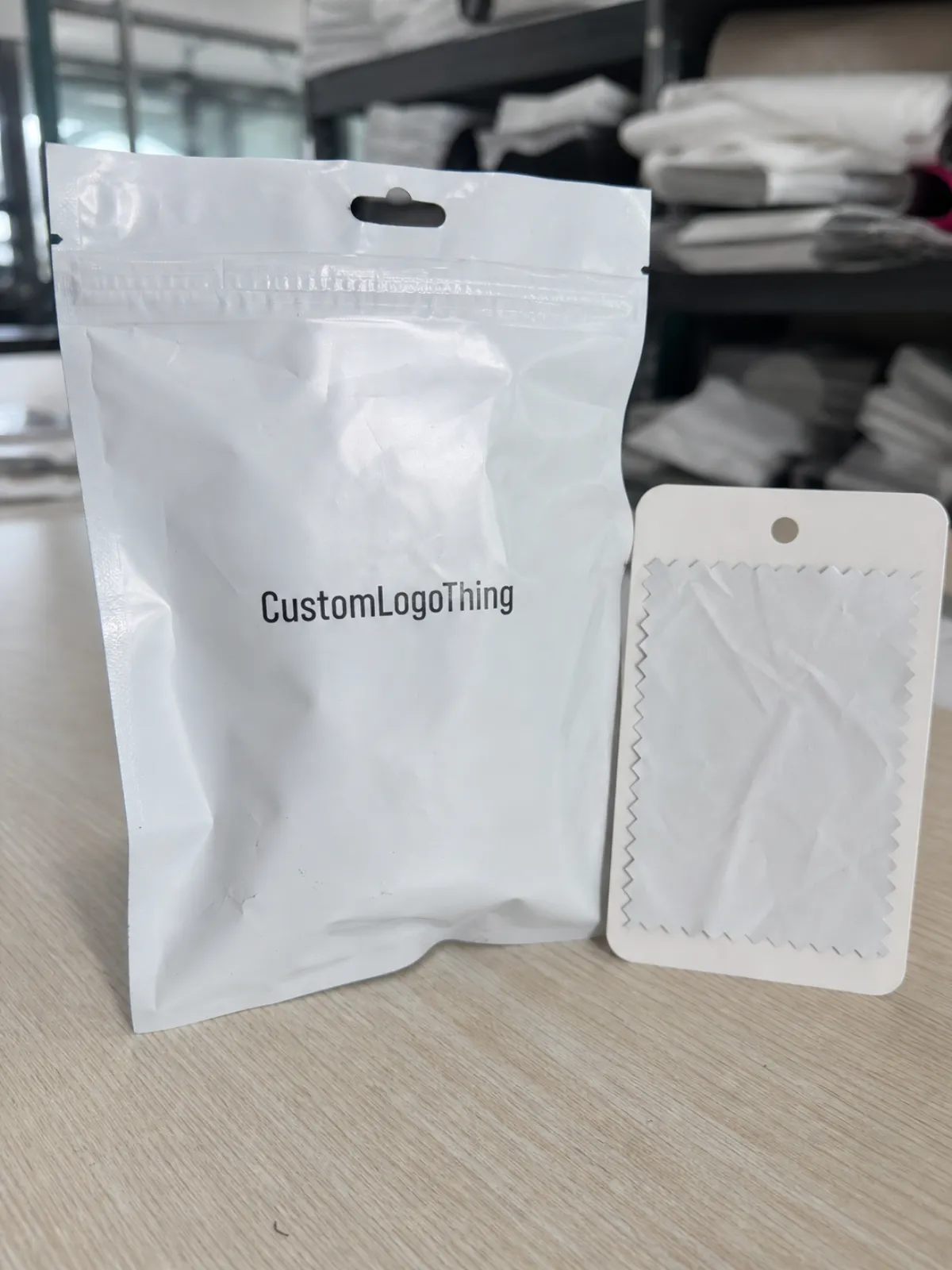
A physical sample answers questions a PDF cannot. Does the film feel crisp or limp? Does the seam look clean under light tension? Does the bag smell neutral, or does it carry a recycled-plastic odor that might bother a scent-sensitive brand? These details often decide whether a mailer feels premium or purely utilitarian.
The sample is especially useful because pet snacks vary so much. Dry biscuits create dust. Jerky can carry oil. Soft chews can compress and shift. One mailer may look fine for a lightweight pouch but fail after cart-to-door shocks because the film stretches too much or the seal line is too narrow.
Judge the sample as a working object, not a marketing piece. Recycled content does not guarantee performance, and it does not mean the material is biodegradable packaging. Those claims are not interchangeable. For buyers balancing cost, performance, and recycled materials, the sample is the fastest way to see whether the story on paper matches the reality in hand.
A sample should answer one question: will this mailer protect the treat, the print, and the brand promise through normal shipping abuse?
That sounds simple, but it rarely is. Brands that do well usually test with their actual product, not a stand-in. A 12 oz bag of dry biscuits and a greasy chicken jerky stick stress the package in different ways, and the sample is where that difference becomes obvious.
How Recycled Poly Mailers Are Built and Tested
Recycled Poly Mailers are usually made from resin that includes post-consumer waste, post-industrial scrap, or a blend of both. That resin becomes film, the film is sealed into a mailer, and the bag is finished with whatever closure or print the order needs. On paper, two suppliers may both say "recycled poly." In reality, the source blend, film layers, and additive package can change the look, odor, stiffness, and puncture resistance.
A sample lets you see those differences quickly. Film thickness matters, but not on its own. A 2.5 mil bag with a strong seal can outperform a thicker bag with weak seam control. Folding lines, closure style, and abrasion resistance matter too. If the film scuffs easily, the mailer may look tired before it reaches the customer.
Good testing should stay close to the actual use case. Fill the sample with the real treat weight. Seal it the way production will seal it. Then run a simple drop test, a short compression test, and a hold period. If the treats are oily, leave the sample overnight and inspect the seal edge for residue creep. If they are dusty, check whether the inside surface holds particles or lets them migrate into the closure.
For teams that want outside validation, distribution testing references from ISTA can help frame drop and vibration checks, while paper inserts or cartons tied to a larger packaging system may need sourcing proof from FSC. Those standards do not replace a product-specific sample, but they do improve the comparison.
Key Factors That Matter for Treat Protection
Start with the treat itself. Dry biscuits, jerky, soft chews, and oily snacks all stress packaging differently. A mailer that works for a dry, low-odor product may not hold up for something aromatic. The sample process should begin with product behavior, not print mockups.
Three details usually decide whether the sample feels right: gauge, seal width, and closure style. Gauge affects body and puncture resistance. Seal width affects confidence under pressure. Closure style affects how often the package opens cleanly, reseals well, or survives transit without peeling. If the sample uses a zipper, test it with dusty hands. If it uses a flap seal, test it after compression in a shipping box.
Barrier questions matter too. Can the film hold back odor? Does grease show through? Does moisture exposure soften the edges? The answers shape shelf life and customer perception. A mailer does not need to make the product hermetically sealed, but it should be honest about the environment it can handle. For longer routes or humid regions, even a modest barrier improvement can make a big difference.
Brand and compliance details belong in the same conversation. Print surface quality affects how sharp the logo looks. Recycled-content claims need documentation. If the package includes corrugated outer packaging, kraft inserts, or an FSC certified component, the sample should reflect that full system. Buyers often compare film alone and miss the way the whole pack presents on arrival.
- Dry treats: prioritize scuff resistance and closure consistency.
- Oily treats: prioritize seal integrity and resistance to migration at the seal edge.
- Soft chews: prioritize puncture resistance and compression performance.
- Retail-facing packs: prioritize print clarity, color accuracy, and documentation.
Do not treat recycled poly and kraft paper as interchangeable materials. They solve different problems. Kraft paper can be excellent for a rigid, tactile brand story, but it does not behave like flexible film under abrasion or moisture. The sample should confirm the right construction, not just the right aesthetic.
Step-by-Step Sampling Process for Buyers
Good sampling starts with a clear brief. List the treat weight, bag dimensions, fill method, shipping distance, and any special concerns such as grease, scent, or crush resistance. If the package will sit in inventory, note the likely storage time. If it ships direct-to-consumer, note the outer pack and how many handling touches it will see.
Then ask for the right sample set. A useful request usually includes the film spec, sample dimensions, closure details, and the exact print or finish options planned for production. If you expect a matte surface, do not review only a glossy prototype. If you expect a specific logo placement, do not evaluate a generic test bag and assume the layout will translate cleanly.
The test should mirror reality. Fill the sample with the actual treat. Seal it. Label it. Drop it. Compress it. Let it sit for a short hold period. Then inspect the seal, the corners, the print, and the odor level. A supplier can say a film is suitable for pet packaging, but your product will tell you whether that is true.
- Define the pack job in measurable terms.
- Request samples that match the intended construction, not just the size.
- Test with the real product and the real closure method.
- Compare notes against a short checklist, not memory.
That checklist matters more than most teams expect. Without it, the loudest voice in the room can win the decision. With it, the team can compare the sample against the same criteria every time, which is how you avoid choosing the prettiest prototype and regretting it later.
Cost, MOQ, and Unit Cost Signals
Sample pricing usually looks expensive because setup, material waste, and freight get spread across a tiny quantity. That does not mean the sample is overpriced. It means you are paying for a decision-making tool, not a mass-production run. For small custom sample orders, a realistic range is often around $0.40-$1.50 per unit before freight, with printed or specialty-sized versions moving toward the high end.
The main price drivers are simple to name: recycled resin source affects consistency, film thickness affects material usage, printed sides increase press time, and specialty closures add labor. If the order also needs a matte finish, a tear notch, or a tamper-evident feature, the price climbs again.
MOQ works the same way. Low minimums are useful for testing, but they rarely produce the lowest unit cost. Once volume increases, setup costs spread out and the price per piece usually drops. A buyer who only compares the cheapest sample quote can miss the real landed cost after freight, packaging, and any rework are added.
Ask for pricing in three layers: sample cost, production unit cost, and landed cost. That split makes budget comparisons much cleaner. If you are comparing mailers against other custom packaging options, it can help to review Custom Packaging Products alongside the mailer line, or narrow the conversation to Custom Poly Mailers if the shipping format is already set.
| Sample Type | What You Learn | Typical Cost Signal | Best Use |
|---|---|---|---|
| Stock unprinted sample | Handfeel, size, seal behavior | Often free to low-cost, plus freight | Early screening and internal alignment |
| Custom unprinted prototype | Gauge, fit, closure, stress response | Commonly $0.40-$0.90 per unit | Functional testing with the real product |
| Custom printed sample | Print clarity, scuffing, branding, color | Often $0.75-$1.50 per unit | Final approval before full production |
If a quote seems far below those ranges, ask what was left out. Sometimes the sample is only a shell. Sometimes freight is excluded. Sometimes the price hides a weaker construction. Low unit cost only helps if the pack actually protects the treats.
Process, Timeline, and Approval
The sampling workflow is usually straightforward: inquiry, spec review, sample prep, physical evaluation, revisions, final approval, then production scheduling. The timing is what changes. Off-the-shelf samples may ship in a few business days. Custom samples often take 10-15 business days, and a full order may run 12-25 business days after approval depending on tooling, print complexity, and material availability.
That split matters because buyers often confuse sample speed with production speed. A supplier can get a sample out quickly from existing stock and still need a longer schedule for the final order. If the launch date is fixed, build in time for internal review, compliance checks, and shipping transit. Pet treat packaging often touches more stakeholders than people expect, especially if marketing, operations, and quality teams all want a say.
Artwork readiness also affects the timeline. Clean dielines, final copy, and approved claims can save days. Revisions can add days faster than most teams plan for. If the order includes recycled-content language, tamper-evident copy, or retail-facing claims, that text should be checked before print, not after the first sample arrives.
For most buyers, the best rule is simple: assume the sample arrives first, but do not promise a production start until the spec sheet is locked. That is the difference between a test piece and a contract-ready part.
Common Mistakes and Expert Tips When Comparing Samples
The most common mistake is judging by appearance alone. A glossy finish and sharp print can hide a weak seam, poor odor performance, or a film that tears too easily under a modest load. Buyers who focus only on the visual side often discover the packaging problem after the first shipment, which is the most expensive time to learn it.
The second mistake is testing the wrong product. A sample that survives lightweight candy does not automatically survive oily jerky or a denser treat bag. The contents matter. Weight distribution matters. Even the way the product settles inside the mailer changes the pressure on the seal.
There is also a documentation problem. Teams sometimes compare samples from memory and forget which bag had the 5 mm seal, which one had the stronger closure, or which one used a higher recycled-content blend. Label each sample. Keep one reference unit. Document the gauge, dimensions, print method, and test result. That record becomes the baseline for reorders and new SKUs.
A few expert habits make the process cleaner:
- Use identical test conditions for every sample.
- Record odor, scuffing, seal integrity, and print adhesion separately.
- Ask for film structure details and recycled-content documentation.
- Check whether the supplier can explain the difference between recycled materials and biodegradable packaging.
That last point is not trivial. Buyers still get pitched recycled poly as if it were a compostable film. It is not. Clear language matters, especially if the packaging decision will be reviewed by retail buyers or sustainability teams. A material that is honestly specified usually ages better in the supply chain than one that sounded better in a pitch.
What to Do After the Sample Passes
Once the sample earns approval, move quickly on the spec sheet. Lock the gauge, dimensions, seal requirements, print details, and acceptable tolerances. If those details stay informal, the production run can drift. A half-millimeter change in seal area or a small shift in print placement can make the finished order feel different from the approved piece.
Then confirm the artwork file, the inventory plan, and the quality checkpoints. If the packaging will scale across multiple SKUs, set a second review before the design spreads too far. That is especially useful for brands moving from a single treat line into bundles, seasonal packs, or retail-ready sets. The packaging system needs to scale as cleanly as the product line does.
From there, approve the quote, confirm turnaround, and set reorder triggers. If the line will run frequently, decide whether the team wants a stock buffer or a just-in-time approach. The right answer depends on cash flow, storage space, and launch cadence. There is no universal playbook, only the one that fits the business model.
That is the point of the sample process: it helps buyers verify protection, pricing, and production fit before they commit to a full order. For pet treat brands, that step usually saves a larger headache later.
Frequently Asked Questions
What should I check in a pet treat recycled poly mailers material sample?
Check seal strength, film gauge, odor transfer, print adhesion, and scuff resistance using the exact treats you plan to ship. Also confirm that the sample includes spec data and recycled-content details so you can compare it against production requirements.
How much recycled content is typical in recycled poly mailers samples?
There is no single standard, so ask whether the material uses post-consumer, post-industrial, or blended resin. The percentage matters less than the full construction if you need durability, odor control, and dependable sealing.
Will recycled poly mailers protect oily pet treats during shipping?
They can, but barrier performance and seal quality matter more than the recycled label alone. Run a real-product hold test with oily or aromatic treats to check for residue, odor bleed, and edge creep.
What MOQ and unit cost should I expect for custom sample orders?
Sample orders often have lower minimums but higher unit costs because setup and freight are spread across fewer pieces. Ask for a quote that shows sample cost, production cost, and landed cost so you can see where the volume break starts.
How long does the process take from sample to production?
A physical sample can arrive quickly, but production only starts after artwork approval, spec sign-off, and material availability are confirmed. Build in extra time for internal testing, revisions, and shipping so your launch does not depend on an optimistic turnaround estimate.


