Buyer Fit Snapshot
| Best fit | Plant Based Mailer Bags Manufacturer projects where brand print, material claims, artwork control, MOQ, and repeat-order consistency need to be specified before quoting. |
|---|---|
| Quote inputs | Share finished size, material target, print colors, finish, packing count, annual reorder estimate, ship-to region, and any compliance wording. |
| Proofing check | Approve dieline scale, logo placement, barcode or warning zones, color tolerance, closure strength, and carton packing before bulk production. |
| Main risk | Vague material claims, crowded artwork, missing packing details, or unclear freight terms can make a low unit price expensive after revisions. |
Fast answer: Plant Based Mailer Bags Manufacturer: Film, Print, MOQ, and Carton Packing should be specified like a repeatable production item. The safest quote records material, print method, finish, artwork proof, packing count, and reorder notes in one written spec.
Production checks before approval
Compare the actual filled-product size with the drawing, then confirm tolerance on folds, seals, hang holes, label areas, and retail display edges. Reserve space for logos, QR codes, warning copy, and material claims before decorative graphics fill the panel.
Quote comparison points
Review material grade, print process, finish, sampling route, tooling charges, carton quantity, and freight assumptions side by side. A quote is only useful when the supplier can repeat the same color, closure quality, and packing count on the next order.
A plant based mailer bags manufacturer is not just swapping one material label for another and hoping the sustainability message covers the gap. The bag still has to move through packing tables, heat sealers, conveyors, sorting hubs, delivery trucks, and customer hands without tearing, splitting, or arriving with a failed seal. I have seen plenty of brands get tripped up here: the mockup looks polished, the messaging sounds clean, and then the first humid warehouse week exposes a weak film or a stubborn seal. That is the part people miss.
The work sits at the point where material choice, printing behavior, and shipping performance all meet. A plant based mailer bags manufacturer has to balance all three, and that means the right answer is rarely the prettiest one on paper. If you need a useful comparison baseline, take a look at Custom Poly Mailers and compare how the failure points differ. If you want a quick sense of the team behind the packaging program, About Custom Logo Things gives a little more context.
For buyers, the first mistake is assuming the package only needs to look eco-friendly. It also needs to survive distribution. That sounds obvious, but in practice it is where a lot of sourcing conversations wobble.
Plant Based Mailer Bags Manufacturer Basics: What Buyers Miss
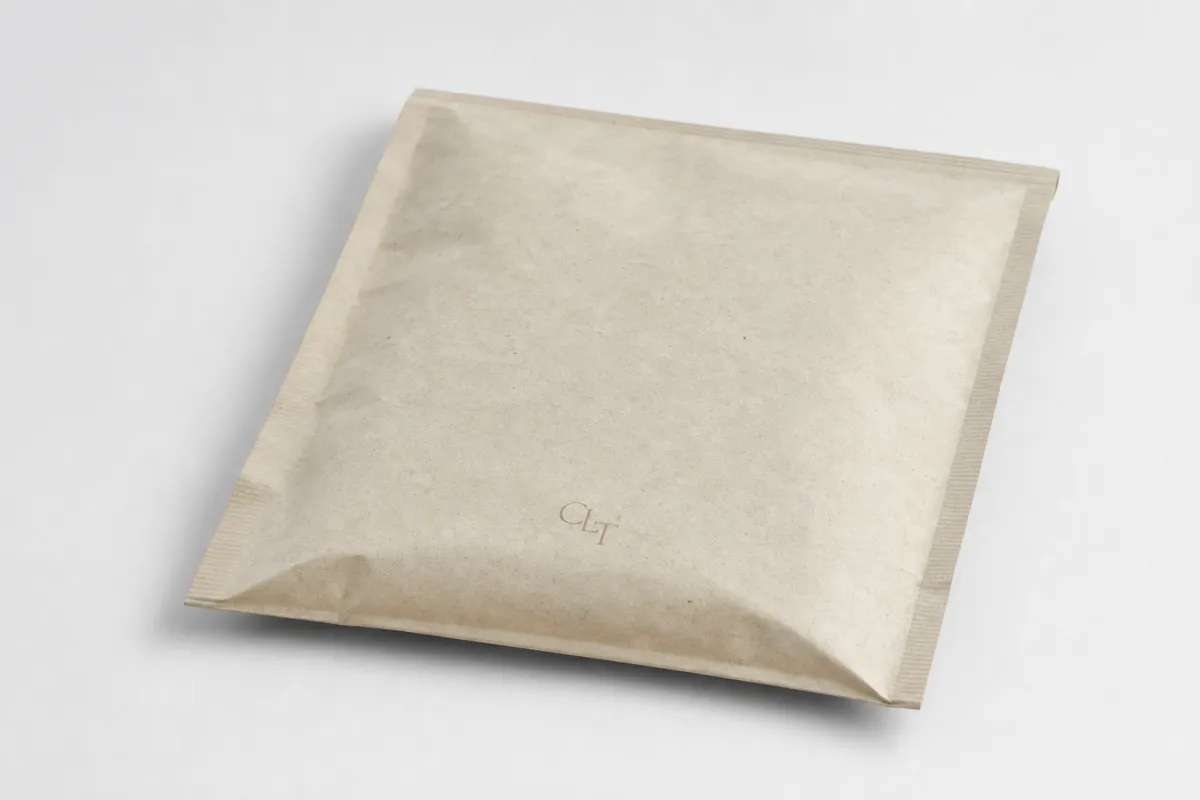
A plant based mailer bags manufacturer is not selling a softer sounding word for plastic. The bag still has to do the plain, unglamorous work of protecting a product, resisting punctures, staying sealed, and arriving in one piece after a rough trip through a parcel network. Buyers often start with the environmental story and only ask about transit performance after the first damaged shipment lands on the receiving dock. That order of operations creates trouble, and it is usually avoidable.
Three terms get mixed up constantly: bio-based, compostable, and renewable feedstock. Bio-based content means part of the material comes from plant-derived sources. Compostable means the finished bag has met a defined standard under controlled conditions. Renewable feedstock means the carbon source can be replenished, but that alone says nothing about how the bag behaves in a fulfillment center or what happens after disposal. A serious plant based mailer bags manufacturer should explain those differences in plain language instead of hiding behind polished marketing copy.
Most buyers use these Mailers for Apparel, accessories, subscription kits, soft goods, and retail fulfillment. That is not an accident. Those categories usually need a clean branded appearance, moderate tear resistance, and a package that feels less wasteful than a standard poly mailer. If you are shipping folded tees or lightweight soft goods, a plant based mailer bags manufacturer can often give you a strong blend of presentation and protection. Heavy items, sharp corners, and rigid boxes change the equation quickly.
The tradeoff is straightforward, even if the sourcing process is not. Stronger environmental claims usually call for tighter material control, better testing, more documentation, and in some cases higher minimums than commodity mailers. A plant based mailer bags manufacturer may ask more questions about product weight, transit distance, closure method, and print coverage. That is not unnecessary friction. It is how a supplier avoids sending you a bag that splits at the seam after the first hard drop.
From a packaging buyer’s point of view, the decision breaks into three practical checks:
- Packaging: Will the bag seal, print, and protect the product?
- Logistics: Will it hold up in sorting, stacking, and rough handling?
- Compliance: Can the claim on the bag be backed by the material and testing?
If a plant based mailer bags manufacturer cannot answer those three questions clearly, keep looking. Pretty language does not rescue a weak bag.
"A mailer that looks sustainable but fails in transit is just an expensive lesson with a green label."
How a Plant Based Mailer Bags Manufacturer Makes the Bags
A plant based mailer bags manufacturer usually starts with the resin system, and that choice shapes nearly everything that follows. Common constructions include starch-based blends, PLA-based systems, PBAT-based blends, and hybrid mixes that may include recycled content in some versions. Each one behaves differently. Some feel stiffer, some feel softer, some print more cleanly, and some handle heat or cold better. There is no miracle material waiting at the end of the spec sheet. There are only tradeoffs, then more tradeoffs.
The production flow sounds simple on paper, though the details matter a great deal. Resin is selected, compounded, and turned into film through extrusion or a similar process. That film is then printed, slit to width, sealed into bag format, and inspected before packing. A plant based mailer bags manufacturer that controls those steps carefully can keep color consistent and seals strong from one run to the next. A plant that cuts corners can make even decent resin look sloppy.
Thickness and structure matter more than the marketing headline. A thinner bag made with the wrong blend can fail faster than a slightly thicker bag that was engineered with the end use in mind. A plant based mailer bags manufacturer should be able to tell you the micron or mil range, the recommended weight load, and the normal envelope of use. If the answer is just "eco-friendly and durable," that is too vague to use. Ask for numbers. Spec sheets exist for a reason.
Printing is another place where buyers get caught off guard. One-color logos, multi-color artwork, matte or glossy finishes, and full-coverage branding are all possible, but ink choice matters. Some inks and adhesives behave well on a standard mailer and become a problem on a compostable structure. If compostability is part of the claim, the plant based mailer bags manufacturer needs to keep the whole stack aligned: film, ink, sealant, and any adhesive labels that go on the finished bag.
Testing should happen before launch, not after the campaign goes live. A capable plant based mailer bags manufacturer will be familiar with:
- Seal integrity checks for opening resistance and edge failure
- Puncture resistance for corners, zippers, buttons, and sharp folds
- Drop testing to simulate real parcel abuse
- Temperature exposure because heat and cold can change film behavior
- Print rub testing so logos do not smear in transit
If you want a shipping benchmark, transit tests based on ISTA standards are a solid place to begin. That does not guarantee perfection, but it gives you a real method instead of guesswork. And if a supplier cannot discuss test methods without getting vague, that is a signal worth paying attention to.
Plant Based Mailer Bags Manufacturer Cost, MOQ, and Quote Drivers
Pricing from a plant based mailer bags manufacturer usually comes down to six things: material blend, size, thickness, print coverage, finish, and volume. Those are the levers. Everything else is noise. If you want a useful quote, do not ask for "best price." Ask for a price tied to a real spec. Otherwise you are comparing apples to confused compost.
MOQ is often the first surprise in a custom order. A plant based mailer bags manufacturer may quote better unit pricing at 5,000, 10,000, or 25,000 pieces, yet the first order can still feel expensive because setup costs, plates, tooling, and proofing are built in. A small first run can make sense for a launch, though it rarely gives you the best economics per unit. That is normal, not a trick.
One split matters more than most buyers realize: quoted unit cost versus landed cost. A low factory price can disappear fast once freight, duties, repacking, damage, and replacement shipments enter the picture. A good plant based mailer bags manufacturer will help you look at the total landed number instead of pretending the factory quote is the whole story. I have seen teams save a few cents on paper and then spend far more fixing broken orders after the fact.
The table below gives a practical way to think about common buying paths. Exact pricing shifts with size, print count, and material stack, but these ranges are close enough for planning.
| Option | Typical MOQ | Unit Cost Range | Best For | Tradeoff |
|---|---|---|---|---|
| Plain stock plant-based mailers | 1,000-5,000 | $0.18-$0.32 | Testing, smaller brands, fast replenishment | Less brand impact, limited size options |
| Custom-printed plant-based mailers | 5,000-10,000 | $0.24-$0.48 | Branded ecommerce, subscription kits, retail fulfillment | Setup cost and longer approval cycle |
| Specialty compostable or certified structure | 10,000+ | $0.32-$0.65 | Brands with formal sustainability claims | Tighter spec control, more documentation |
| Heavy-duty custom format | 10,000+ | $0.35-$0.75 | Heavier soft goods, multi-item kits, tougher transit lanes | Higher material cost, may need more testing |
Time affects price too. A rushed order can bring surcharges for materials, scheduling, or expedited freight. A plant based mailer bags manufacturer can usually price planned replenishment more favorably because the production line can be scheduled without panic. Planning ahead helps the factory, and it helps your warehouse even more.
If you are collecting bids, ask for tiered pricing at 1,000, 5,000, 10,000, and 25,000 pieces. That shows where the cost curve changes and where the savings begin to flatten out. A plant based mailer bags manufacturer that cannot provide tiered pricing is either disorganized or not set up for practical buying.
Process, Timeline, and Lead Time for Custom Orders
The process with a plant based mailer bags manufacturer is usually clear enough: discovery call, spec confirmation, sample or proof approval, artwork review, production, quality check, and shipping. Trouble starts when a brand assumes the whole path can happen in a week. That rarely works, especially if the order includes a custom size, custom print, or compostable claims that need supporting documentation.
A realistic timeline for a custom run often looks like this: 2-5 business days for spec alignment, 3-7 days for artwork and proofing, 5-15 business days for production depending on complexity, and freight time on top. Some orders move faster. Others move slower. A plant based mailer bags manufacturer is only one part of the clock. Artwork changes and approval delays often eat more time than the press or the sealing line.
Material availability can stretch the schedule as well. If a specific blend or film thickness is in short supply, lead time extends. That becomes more likely when a buyer wants a very specific compostable or bio-based structure. A plant based mailer bags manufacturer may have a workable alternate, yet strict claim language or rigid print specs can rule it out. Ask early, while you still have room to adjust.
One practical rule saves a lot of pain: build buffer time before launch. Packaging delays are annoying in theory and brutal in fulfillment. If you plan a product drop for the first of the month, do not approve mailer artwork on the last business day of the previous month. That sounds obvious, and yet it happens all the time.
Ask the plant based mailer bags manufacturer for milestone dates instead of a vague lead time. You want to know:
- When sample approval closes
- When production starts
- When inspection is completed
- When freight leaves the plant
- When the shipment should hit your dock
A schedule like that gives you something real to manage. It also makes supplier comparison easier, because one quote with "10-12 days" and another with "3-4 weeks" may not be talking about the same process at all.
How to Vet a Plant Based Mailer Bags Manufacturer
Vetting a plant based mailer bags manufacturer starts with one question: can they explain the material claim without turning the answer into fog? If the response is packed with buzzwords, move on. A real supplier should tell you what the bag is made from, what the claim means, which test supports it, and what disposal path the claim actually covers.
Documentation matters. Ask for a spec sheet, a technical data sheet, and any third-party certifications or test reports that support compostable, bio-based, or recyclable claims. A plant based mailer bags manufacturer that takes compliance seriously will usually have something more concrete than "trust us." If compostable language is on the table, look for standards or test methods that make the claim defensible rather than decorative. In many cases, that means asking whether the finished bag was evaluated under a recognized standard, not just the raw resin.
For disposal and composting references, the EPA composting guidance is a useful starting point. It will not make a product compostable by itself, but it does help clarify the difference between waste diversion, municipal composting, and the backyard assumptions people often bring into packaging conversations. That distinction matters more than most marketing decks admit.
Sample quality tells you a lot. Check the seal, the print alignment, the odor, the surface finish, and how the bag behaves when overfilled or folded. A plant based mailer bags manufacturer should be able to send samples that match the quoted thickness and size. If the sample feels flimsy, has crooked seals, or smells off enough to worry your packing team, take that seriously. Those are not tiny cosmetic flaws. They are warning signs.
Supply chain transparency matters too. A trustworthy plant based mailer bags manufacturer can explain where the resin comes from, where the bags are made, and whether lot traceability exists. That becomes valuable when you need repeatability across batches or when a customer asks for proof after a claim review. A supplier with no traceability is a supplier with a short memory, and that is a weak place to start.
Good questions to ask:
- What exact material system is used?
- Which certification or test backs the claim?
- What is the recommended product weight range?
- Can you keep color consistent across reorders?
- Can you support a repeat order without changing the structure?
That is the difference between buying a bag and buying a program. A plant based mailer bags manufacturer should feel like a packaging partner, not a mystery box with a logo on it.
Common Mistakes When Choosing Plant Based Mailer Bags
The biggest mistake is assuming every plant-based bag is compostable. It is not. The second biggest mistake is assuming compostable means backyard-friendly. That is not true either. A plant based mailer bags manufacturer should be able to explain whether the product needs industrial composting, and under which conditions the claim is valid. If nobody can explain the end-of-life path, the sustainability story is kinda doing costume work.
Another mistake is buying on price alone. The lowest quote often comes with weaker seals, more inconsistent print, and higher damage rates in transit. If you ship 10,000 mailers and even a small percentage split in the field, the replacement cost can erase the savings quickly. A plant based mailer bags manufacturer with tighter material control may cost more at the start, but that extra penny or two can be cheaper than a wave of reships and customer complaints.
Testing with the actual product is non-negotiable. A mailer that works for a folded tee may fail with a boxed cosmetic set, a rigid accessory, or a product with sharp corners. A plant based mailer bags manufacturer can give you a good estimate, but your real SKU still needs to be packed, sealed, dropped, flexed, and overfilled. Shipping is not a lab fantasy.
Climate and storage conditions get ignored more than they should. Heat, humidity, and long warehouse stacking can change how some materials perform. If your facility runs hot in summer or if mailers sit in a trailer for days, ask the plant based mailer bags manufacturer how the structure behaves under those conditions. A bag that looks fine on a sample table may act differently after three weeks in a warm stockroom.
Compliance mistakes are worse because they travel farther. One vague line on artwork can trigger questions from customers, marketplaces, or sustainability teams. A plant based mailer bags manufacturer should review claim language before printing. If they do not, liability gets pushed into the artwork file. That is not smart buying.
- Do not mix up plant-based and compostable.
- Do not skip real product testing.
- Do not ignore transit abuse.
- Do not assume the cheapest unit price is the best deal.
- Do not print claims you cannot support.
Expert Tips for Working With a Plant Based Mailer Bags Manufacturer
Start with the real shipping profile. A plant based mailer bags manufacturer can only spec a useful bag if you give them the actual product weight, dimensions, transit distance, and damage history. A shipment of 8-ounce apparel in Zone 2 is not the same as a shipment of 2-pound bundled kits in Zone 7. Treating them as the same package creates problems later.
Ask for samples in the exact size and thickness you plan to buy, not a close enough version. Run those samples through pack-out, sealing, drop tests, and handling by the people who actually touch them every day. The packing team will catch things a sales sheet never mentions. A plant based mailer bags manufacturer that resists that kind of testing is probably more interested in winning the order than keeping you out of trouble.
Request a quote that splits out unit price, setup cost, freight, and any certification or tooling charge. That keeps comparisons clean. A plant based mailer bags manufacturer can look inexpensive until you add plates, custom tooling, or an upgrade to a certified compostable structure. Once every line is visible, you can make a sane decision instead of a guess dressed up as a strategy.
Keep a fallback plan for busy seasons. If you know Q4 or a launch window will be tight, ask for a second approved size or a backup stock option. A plant based mailer bags manufacturer can help, but they cannot rescue a timeline they were never warned about. One approved fallback can save a launch.
If you want fewer surprises, ask for these four things in one package:
- Spec sheet with thickness, size, and seal details
- Sample pack in your exact use case
- Landed cost quote with freight and setup separated
- Timeline tied to your launch date
That gives you a proper buying grid. It also makes the plant based mailer bags manufacturer’s job easier, which usually means fewer mistakes and fewer back-and-forth emails. Clear specs do more than any clever procurement language ever could.
Choosing the Right Plant Based Mailer Bags Manufacturer
The best plant based mailer bags manufacturer is the one that can explain the material, prove the claim, hit the spec, and keep the reorders consistent. That is the bar. Not a polished sustainability paragraph. Not a pretty mockup. The bag has to protect the product and support the brand without creating another problem upstream.
If you are still deciding, compare the exact use case, not just the label. A slightly higher-priced plant based mailer bags manufacturer can be the better choice if it lowers damage rates, improves print quality, and gives you stronger traceability. A cheaper option may work for a short test, but once volume grows, weak seals and vague documentation start showing up where they hurt most: the warehouse, the returns desk, and the customer inbox.
For a brand that wants practical packaging advice, the real question is not "Can this be made greener?" It is "Can this be made greener without making the shipment worse?" That is the test that matters. The right plant based mailer bags manufacturer will answer it with numbers, samples, and a straight face.
If you are ready to source, compare the options against your current mailer, your return rate, and your launch schedule. Then ask the plant based mailer bags manufacturer for a sample pack, a landed-cost quote, and proof that the claim on the bag matches the material inside it. That is how you buy with your eyes open instead of gambling on attractive packaging.
The practical takeaway is simple: choose the supplier that gives you test data, traceable claims, and a real production timeline, then validate the mailer with your own product before you place volume. If one of those pieces is missing, the quote is incomplete.
What should I ask a plant based mailer bags manufacturer before ordering?
Ask what the bag is actually made from and whether the claim is bio-based, compostable, or both. Request a spec sheet with thickness, size range, seal type, and print options. Confirm MOQ, Lead Time, sample availability, and whether the plant based mailer bags manufacturer can quote landed cost instead of only factory price.
Are plant based mailer bags manufacturer products really compostable?
Not always. "Plant based" only tells you part of the material story. Look for third-party certification or test data that matches the disposal claim, and check whether the bag needs industrial composting rather than backyard composting. A plant based mailer bags manufacturer should be able to explain that plainly, without hiding behind vague terms.
How much does a plant based mailer bags manufacturer usually charge?
Pricing depends on size, thickness, print coverage, and order quantity. Custom bags often carry setup costs and higher first-order pricing than stock options. The smartest comparison is landed cost per usable mailer, not just the quoted unit price from the plant based mailer bags manufacturer.
What is a normal lead time for custom plant based mailers?
Simple stock orders move faster than custom printed or custom-sized mailers. Artwork approval and sample sign-off often add days or weeks if the process is not tight. Ask the plant based mailer bags manufacturer for a milestone schedule so you know when production starts and when freight ships.
How do I test if plant based mailer bags fit my products?
Pack the actual product, not a dummy item, and test the full seal and closure. Run drop, flex, and overfill checks to see where failure starts. Compare the results against your current mailer so you know whether the switch is an upgrade or just a prettier problem.

