Waterproof Apparel Mailers Artwork Proof Checklist for Wine Shops
Wine shops will spend hours debating label stock, capsule color, bottle photography, and the exact shade of burgundy on a tasting card. Then a waterproof apparel mailers Artwork Proof Checklist for Wine shops gets approved in under two minutes. That is the odd part. The mailer may be the first branded surface a customer touches after ordering a club gift, event shirt, tasting notebook, or retail accessory.
A waterproof apparel mailer is a flexible poly shipping bag, originally common in apparel fulfillment, that works well for non-bottle wine shop items: branded tees, aprons, corkscrews, paper inserts, loyalty rewards, insulated accessories, and small gift goods. It is not a bottle shipper. It is not padding. It is a water-resistant outer bag that keeps soft goods and flat items contained through normal parcel handling.
Waterproof Apparel Mailers Artwork Proof Checklist for Wine Shops: What It Catches
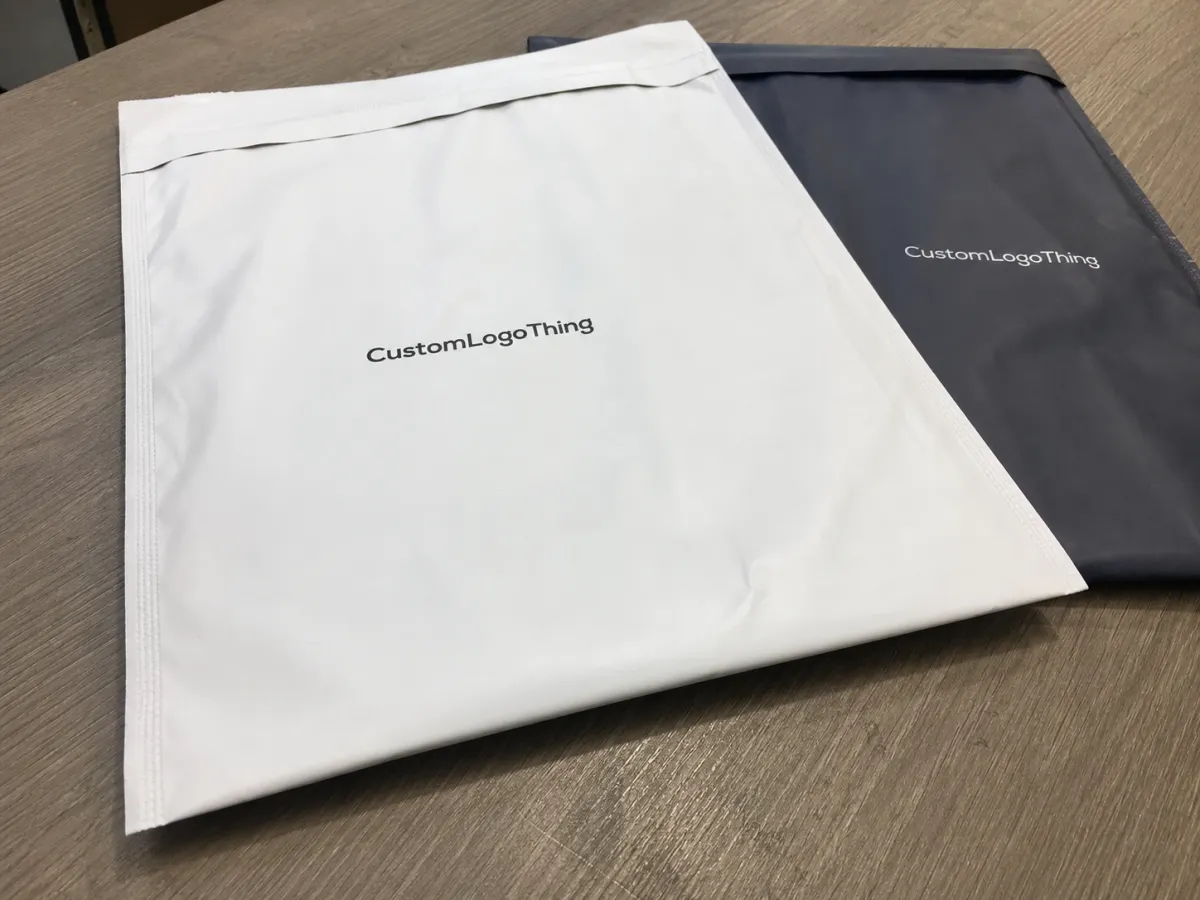
An artwork proof is not a pretty mockup. It is a manufacturing control document. Good proofs confirm dimensions, logo placement, ink colors, print limits, flap direction, seal position, warning copy, barcode readability, and the relationship between artwork and functional zones. If those details are wrong, the press can still run beautifully. It will just run the wrong thing beautifully.
Wine shops are a special case because their packaging carries more than a logo. It often carries premium cues, local provenance, compliance language, fragile-adjacent messaging, event names, and seasonal campaign copy. A crooked mark or cropped QR code feels small on a screen. On 5,000 mailers stacked at the packing table, it feels expensive.
Here is the hard math buyers tend to ignore. A proof may get a 90-second review, but a reprint can cost $0.18 to $0.55 per bag depending on size, film thickness, color count, and freight. Add two weeks of delay, disposal of unusable inventory, and staff time repacking an event campaign, and the tiny approval window starts to look reckless.
The job of a waterproof apparel mailers Artwork Proof Checklist for Wine shops is simple: slow the approval down just enough to catch production errors before they become inventory. Not by making the process bureaucratic. By making it specific.
Production buyer mindset: do not ask, “Does this look nice?” Ask, “Can this exact file be printed, folded, sealed, scanned, labeled, packed, shipped, and reordered without confusion?”
How Waterproof Poly Mailers Protect Wine Shop Orders
Waterproof poly mailers are usually made from polyethylene film. The film resists rain, warehouse dampness, porch moisture, and splash exposure better than paper mailers. For soft goods and branded extras, that matters. A tasting notebook with curled pages or a club shirt arriving in a soggy paper envelope does not support a premium retail experience.
Protection has limits. Waterproof does not mean crush-proof, insulated, puncture-proof, or bottle-safe. A 2.5 mil or 3 mil poly mailer can help keep contents dry and contained, but it will not protect glass from impact. Wine bottle shipments usually need approved rigid shippers, inserts, dividers, cushioning, and carrier-compliant packaging. If your shipment includes alcohol, check carrier rules and local requirements before choosing the outer pack.
Common wine shop uses are more practical than glamorous: staff aprons, event merchandise, tasting mats, club paperwork, gift cards, corkscrews in small cartons, bottle stoppers, loyalty rewards, and pickup campaign materials. The best mailer size leaves enough room for packing without excessive slack. Too tight, and staff fight the bag. Too large, and the parcel looks sloppy.
Film thickness is measured in mils, where 1 mil equals one-thousandth of an inch. Many lightweight poly mailers sit around 2.0 to 2.5 mil. Heavier options may run 3.0 mil or more. Thicker film can feel more premium, reduce show-through, and resist punctures from boxed accessories or folded inserts. It also raises cost and may affect how the bag folds.
The adhesive strip deserves more attention than it gets. Permanent self-seal flaps speed fulfillment, but the proof must show seal direction, flap depth, and usable print area. Artwork placed too close to the strip may be folded, torn, or hidden. Postal labels need space too. Seams, folds, flap lines, and label zones are risk areas, not decoration space.
Opacity matters for brand control and privacy. White mailers look clean. Black mailers hide contents and can feel premium. Custom-color film can support a campaign, but color matching on plastic is less predictable than matching ink on coated paper. For deeper material guidance, the International Safe Transit Association publishes testing resources that help buyers think about packaging performance beyond appearance.
The Proof Elements That Decide Whether the Bag Prints Correctly
A useful proof breaks the bag into inspection zones: front panel, back panel, flap, side seams, bottom seal, bleed or safety area, shipping label area, and any gusset or expansion fold. If the supplier’s proof does not label these areas, ask for clarification before approval. Guessing is not a control process.
Logo placement should be checked by measurement, not eyesight. A 4 mm drift may sound harmless, but on a matte black or clean white mailer it can look visibly off-center. Ask whether the logo is centered on the finished panel, the flat dieline, or the printable area. Those are not always identical.
Color is another trap. PMS, CMYK, spot colors, white ink underbase, gloss film, matte film, and ink opacity all affect the finished look. A wine shop’s cream, charcoal, gold, or deep burgundy brand palette may shift on polyethylene. Metallic-looking effects and foil-style gradients rarely print like wine labels unless the process is built for that effect, which often changes price and minimums.
Small typography is risky on flexible plastic. Fine serifs, thin rules, tiny legal copy, and low-contrast tasting notes can fill in or blur. As a practical rule, keep critical text comfortably above the supplier’s minimum line weight and point size. If the mailer will wrinkle around soft goods, give copy more breathing room than you would on a rigid carton.
QR codes and barcodes need real testing. Print the proof at actual size. Scan it with more than one phone. Keep a clean quiet zone around the code, maintain strong contrast, and confirm the destination URL. A QR code for tasting reservations, club signup, or reorder pages has no value if it fails under warehouse lighting.
Bottle photography, vineyard illustrations, textured paper effects, and watercolor backgrounds often need simplification. Poly mailers are usually flexographic or digital print jobs, not offset wine labels on premium stock. The waterproof apparel mailers artwork proof checklist for wine shops should force a direct comparison between the final purchase order and the proof: quantity, size, film color, ink count, print sides, and material thickness must match.
Process and Timeline: From Artwork Upload to Approved Mailer
The process is predictable when the inputs are clean. Choose the mailer size and film color. Submit artwork. Receive a digital proof. Mark corrections. Approve a revised proof. Production begins. Finished bags ship to your shop, warehouse, fulfillment partner, or storage location.
Timeline depends on file quality, number of print locations, color matching needs, factory queue, order quantity, and whether you request a physical pre-production sample. A straightforward one-color logo on a stock mailer might move quickly after proof approval. A full-coverage design with custom color matching and a physical sample can add several business days or more.
During prepress review, the production team checks resolution, vector paths, fonts, line weights, color callouts, print boundaries, and artwork fit for the chosen bag style. This review is technical. It will not always catch brand judgment issues, such as the wrong campaign message or an outdated club URL. That part still belongs to the buyer.
Digital proofs and physical samples solve different problems. A digital proof is fast and useful for layout, text, orientation, and production specs. A physical sample reveals film feel, opacity, ink behavior, color shift, flap handling, and seal performance. If the order is large, premium, or tied to a holiday gift set, a sample can be cheap insurance.
Every revision can restart part of the schedule, especially if it changes the bag size, print method, ink count, or carton configuration. Wine shops should approve seasonal mailers before gift sets, club shipment windows, harvest events, and local pickup campaigns create pressure. Rushed proofing is where small errors breed.
Build a simple approval chain. One person checks brand. One checks operations. One checks compliance or customer messaging. One gives purchasing approval. Four reviewers are enough for most shops; fourteen reviewers will turn a mailer proof into a committee sport.
Cost, MOQ, and Quote Variables Buyers Should Check
Waterproof apparel mailer pricing is driven by more than bag size. Material thickness, film color, print coverage, ink count, quantity, closure type, packing method, and freight all influence unit cost. A simple 10 x 13 inch stock white mailer with one ink color may price very differently from a full-coverage custom-color mailer with printing on both sides.
MOQ means minimum order quantity. It is the production floor, not always the best value point. A supplier might accept 500 or 1,000 pieces for some styles, while more customized mailers may start higher. Unit price often drops at 5,000 or 10,000 pieces because setup, plates, press preparation, and quality checks are spread across more bags.
As a rough buyer expectation, simple Custom Poly Mailers can land around $0.18 to $0.35 per unit at mid-range quantities, while heavier gauges, larger sizes, multiple inks, or full-coverage artwork may push higher. Freight can change the picture fast, especially for bulky cartons of empty bags.
| Tier | Typical Spec | Estimated Unit Range | Best Fit for Wine Shops |
|---|---|---|---|
| Good | Stock white 2.0-2.5 mil mailer, one-color logo, one-side print | $0.18-$0.28 at 5,000 pieces | Club inserts, shirts, gift cards, basic retail merchandise |
| Better | 2.5-3.0 mil film, stronger opacity, two-color artwork, planned label zone | $0.28-$0.45 at 5,000 pieces | Premium tasting kits, event merchandise, loyalty rewards |
| Best | Custom film color or full-coverage print, heavier gauge, physical sample review | $0.45-$0.75+ depending on coverage | High-visibility campaigns, holiday gifting, large wine club promotions |
Proof-related cost risk is real. Approving the wrong size, wrong orientation, wrong ink callout, or missing barcode can turn a sharp quote into a reprint bill. A Waterproof Apparel Mailers artwork proof checklist for wine shops helps buyers calculate cost per shipped experience, not just cost per bag. A mailer that protects merchandise, promotes club membership, and reduces complaints may justify a higher unit cost.
Ask quote questions before proof approval: What setup is included? Are revisions free? Is freight estimated or final? Are overruns or underruns possible? Are taxes separate? Is storage available? Does color matching cost extra? For recyclable or responsibly sourced supporting materials, buyers can also review guidance from the Forest Stewardship Council if paper inserts, cartons, or hangtags are part of the same campaign.
If you are comparing suppliers or formats, keep the product page open beside the proof. Custom Logo Things lists related options under Custom Packaging Products, and buyers reviewing this category can start with Custom Poly Mailers before locking specs.
Step-by-Step Artwork Proof Review Before You Approve
Start with the purchase order. Confirm bag size, material, thickness, color, quantity, print sides, ink colors, closure type, and ship-to location. Then compare those details against the quote and proof. Do not assume the proof reflects the latest email thread.
- Check orientation like a packer. Imagine the mailer on the fulfillment table. Insert the product, fold the flap, seal it, and picture the customer opening it. The logo should face the right direction at the right moment.
- Verify safe zones. Keep important art away from seams, fold lines, adhesive strips, tear areas, and carrier label zones. Leave more margin for flexible bags than rigid boxes.
- Review color against standards. PMS numbers or approved values matter more than screen previews. Monitors are not proofing devices, especially for burgundy, cream, gold, and black.
- Test every scannable element. Print at actual size and scan QR codes or barcodes with two phones or scanners. Confirm the link, not just the scan.
- Zoom out, then zoom in. View the full bag for impact, then inspect spelling, punctuation, alignment, capitalization, line breaks, and cropped graphics.
- Document approval. Save the final proof, revision number, approval date, approver name, and any written exceptions.
The waterproof apparel mailers artwork proof checklist for wine shops should be boring in the best way. Same steps. Same order. Same evidence. That discipline protects the buyer when production questions come back later.
Common Proofing Mistakes Wine Shops Make With Mailers
The first mistake is treating the mailer like a flat poster. It is not flat during packing or delivery. It bends, folds, seals, wrinkles, and bulges around the contents. A centered design on the proof can look unbalanced once a boxed corkscrew sits near one edge.
The second mistake is reusing wine label artwork without adapting it. Labels often contain delicate type, textured backgrounds, fine illustrations, and metallic cues. On poly film, those details may lose sharpness or contrast. A simplified mark often looks more premium than a complicated label replica.
The third mistake is forgetting shipping labels. A beautiful back-panel message can vanish under a 4 x 6 inch carrier label. Plan the operational label zone before approving art, especially if the mailer has a club message, QR code, or campaign offer.
The fourth mistake is weak contrast. Cream ink on kraft-look film may feel tasteful in a mockup and disappear in real parcel lighting. Burgundy ink on black film can be worse. If the customer needs to read it, test the contrast at arm’s length.
The fifth mistake is approving from a phone. Small screens hide alignment errors, low-resolution logos, and line-weight problems. Print the proof at actual size or review it on a large monitor. A two-minute phone approval is not enough for a 10,000-piece run.
The sixth mistake is late stakeholder editing. Marketing, retail, club management, and ownership may all want input. Fine. Give them a deadline before the proof enters final review. Last-minute changes introduce contradictions, delay production, and increase the chance that the wrong revision gets approved.
The seventh mistake is assuming waterproof means suitable for wine bottles. It does not. Use bottle-rated packaging for glass. Use waterproof apparel mailers for merchandise, paperwork, accessories, and soft goods. That distinction protects customers, carriers, and your brand.
Next Steps: Build a Proof Packet Your Supplier Can Use
A clean proof packet saves time before production starts. Gather the final vector logo, brand color values, bag size, desired film color, print side, quantity, delivery deadline, and examples of what will go inside. Include the ship-to location and any carton labeling needs if bags will go to a warehouse or fulfillment partner.
Send product dimensions and fulfillment photos, not just artwork. Suppliers need to understand bulges, sharp edges, insert stacks, and how staff will pack the mailer. A folded apron behaves differently from a rigid gift card box. A tasting notebook with a metal spiral edge may justify a heavier film than a soft shirt.
Choose one decision-maker for final approval and one backup. That reduces conflicting feedback once the proof is ready. Then create a small internal checklist for future orders: file version, date, approved colors, bag size, sealing direction, QR destination, shipping label area, reorder quantity, and notes from the last production run.
Request a physical sample for new suppliers, new sizes, high-value campaigns, complex color matching, full-coverage print, or any large order where a mistake would be expensive. If timing is tight, ask whether a stock sample plus digital proof can reduce risk without holding the entire order.
A waterproof apparel mailers artwork proof checklist for wine shops should turn approval from a quick visual opinion into a controlled buying decision. That is the point. The bag protects more than merchandise; it protects brand trust before the first order leaves the packing table.
FAQ
What should a wine shop check first on a waterproof mailer artwork proof?
Start with production basics: mailer size, film color, thickness, quantity, print side, logo orientation, and seal direction. Then check brand details such as color callouts, logo placement, typography, QR codes, and whether shipping labels will cover important artwork. Finally, compare the proof against the quote and purchase order so the approved file matches what is actually being manufactured.
Can waterproof apparel mailers be used to ship wine bottles?
Not by themselves. Waterproof apparel mailers are flexible bags, not bottle-rated protective packaging. They are better suited for wine shop merchandise, tasting materials, club inserts, accessories, gift cards, and soft goods. Bottle shipments usually need approved rigid shippers, dividers, inserts, cushioning, and carrier-compliant packaging.
How does the artwork proof affect the final cost of custom waterproof mailers?
The proof confirms cost-driving specs such as size, material thickness, ink count, print coverage, and number of printed sides. Catching errors before approval can prevent reprints, rush charges, missed event deadlines, and wasted inventory. A quote should clarify setup fees, revision policy, MOQ, freight, taxes, and whether color matching or samples cost extra.
Should wine shops request a physical sample before approving custom mailers?
A physical sample is wise for large orders, first-time suppliers, premium campaigns, custom film colors, or complex artwork. Digital proofs are useful for layout and text review, but they cannot fully show film feel, opacity, ink behavior, or seal performance. If timing is tight, ask whether a stock sample plus digital proof can reduce risk without delaying production too much.
What file type works best for a waterproof apparel mailer proof checklist?
Vector files such as AI, EPS, or press-ready PDF usually work best for logos, line art, and clean typography. Raster images should be high resolution at actual print size, and fonts should be outlined or included according to supplier instructions. The checklist should also include PMS or approved color values, QR destinations, size specs, and notes about safe zones or label placement.


