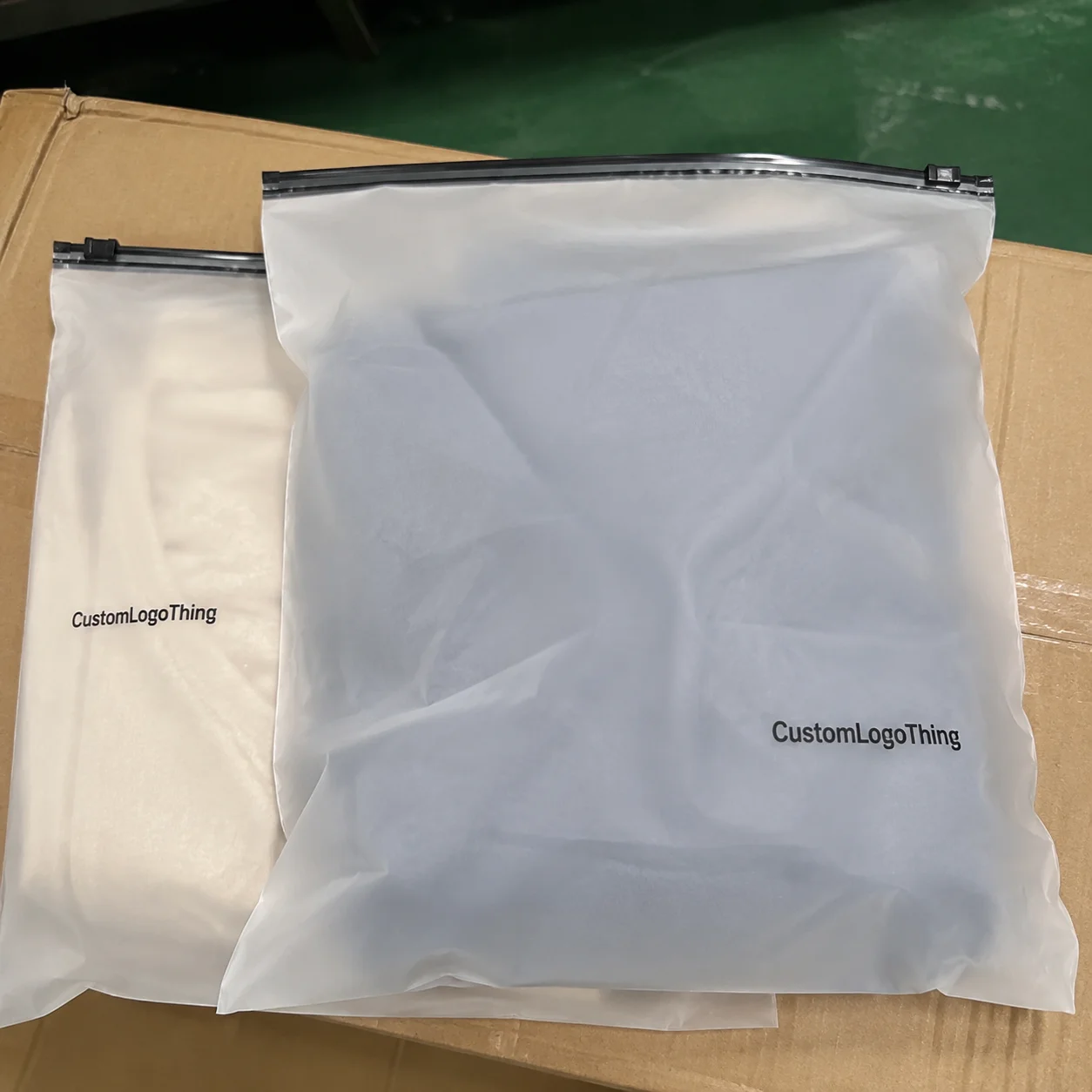
Poly Mailer Bags Unit Cost for Food Starts With the Packout
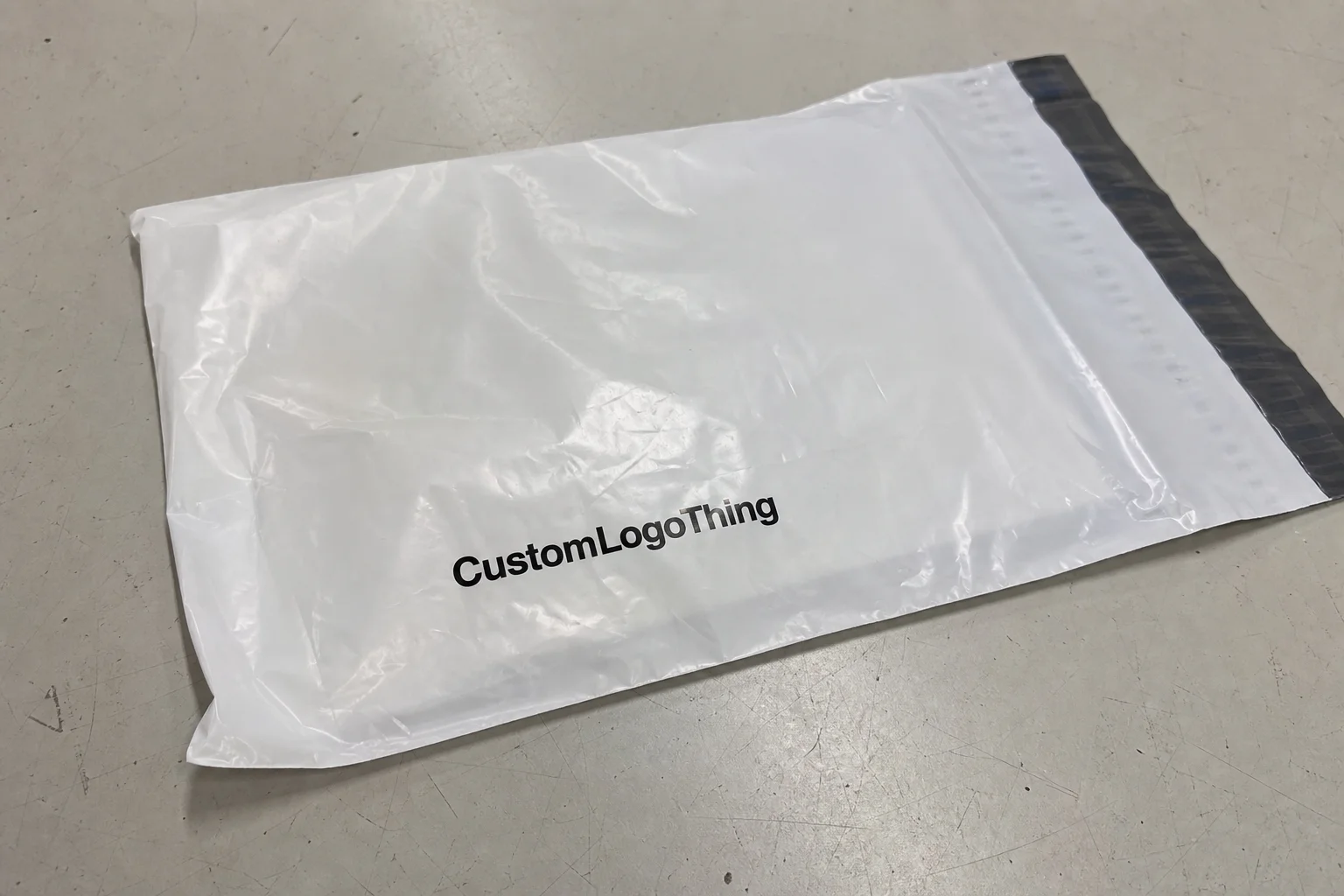
A half-inch of extra bag width looks harmless on a desk, but across 10,000 food shipments it becomes resin, carton space, pallet positions, warehouse cube, and freight. Poly mailer Bags Unit Cost for food is not a single catalog number. It is the result of finished size, film structure, closure style, print coverage, order quantity, packing configuration, and the way the finished cartons move to the buyer.
The first quote request is often too narrow: “What is your price for a 10 x 13 mailer?” A better question is, “What bag fits the packed product with the least wasted material and the fewest packing problems?” A mailer that is too tight slows the line, wrinkles the closure area, and puts stress on the seal. A mailer that is too loose wastes film and can make a carefully packed food order look careless by the time it reaches the customer.
Poly mailers are usually best suited for secondary or non-direct-food-contact packaging. They can work well as branded overwraps around sealed baked goods, dry food pouches, boxed snacks, condiment bundles, promotional food inserts, subscription kits, and retail-ready sample packs. In those uses, the mailer is handling shipping, branding, privacy, bundling, tamper evidence, or weather resistance rather than acting as the primary food-contact layer.
That distinction matters. If the food is already sealed in a pouch, tray, wrapper, jar, or carton, the mailer’s job is different from a bag that touches unwrapped food. If the mailer may contact oily primary packaging, condensation from gel packs, cold-chain components, or rigid tray corners, those conditions still affect material choice. Odor control, moisture resistance, opacity, puncture strength, and adhesive performance all belong in the specification conversation.
Quote smarter: compare landed unit cost, not only the lowest ex-factory bag price. Freight, carton count, packing speed, product fit, and failure risk all influence the real cost per shipped order.
Material Choices That Change Bag Performance
Most food-related mailers are made from polyethylene films, but “polyethylene” covers several constructions. LDPE is flexible, familiar, and easy to handle, which makes it common for soft mailers where packing comfort matters. Coextruded films combine layers to improve puncture resistance, stiffness, opacity, or tear behavior without simply increasing the whole bag thickness. Recycled-content options may be possible for some secondary packaging applications, although the intended use, brand rules, and any retailer requirements should be checked before they are written into a purchase order.
Gauge selection is one of the biggest cost and performance decisions. A 2.5 mil mailer may be enough for a light pouch bundle, while a heavier kit with tray corners, dense dry goods, or ice packs may need 3.0 mil, 3.5 mil, or a stronger coextruded structure. More gauge usually means more resin and a higher piece price. Too little gauge can create punctures, blown seals, weak presentation, reshipments, and customer complaints. The practical target is the lightest construction that survives the actual packout and distribution route.
Food shipments often stress mailers differently than apparel shipments. A folded shirt has soft edges and spreads pressure evenly. A rigid tray corner, pouch fin, condiment packet, frozen brick, glass jar inside secondary protection, or dense bag of dry ingredients creates pressure points, especially during parcel drops and conveyor handling. If the program ships through parcel networks, review distribution test methods from groups such as ISTA. A quick desk sample can feel acceptable, while a drop sequence or compression check exposes failures that would otherwise appear after launch.
Closure style affects both cost and usability. A permanent peel-and-seal adhesive is common and economical. A tamper-evident tear strip gives the recipient a cleaner opening path and can reduce the temptation to cut into the product. A resealable strip can help with staged packing or customer reuse. A dual-seal return-ready design may be useful for programs with returnable components, documents, or multi-step shipments. Each feature adds material, conversion complexity, or setup time, so it should be tied to a real operational need.
Print decisions deserve the same discipline. One-color flexographic printing is usually the most economical custom option. Two or three spot colors, heavy ink coverage, flood coats, custom film colors, and tight brand color matching add plates, setup charges, press attention, and sometimes slower run speeds. For Custom Poly Mailers, a clean logo, strong contrast, and a smart print position often deliver better value than covering every inch of film.
Moisture, odor, opacity, and temperature handling should be discussed before quoting. A white opaque film can hide product contents and support brand graphics. A dark film can improve privacy. Cold conditions may stiffen certain films, while warm storage can affect adhesive strips if cartons sit in a hot trailer or non-climate-controlled warehouse. None of this makes a poly mailer automatically suitable for direct food contact. If the mailer touches unwrapped food, the material, additives, inks, and documentation need a separate food-contact review.
Specifications Buyers Should Confirm Before Requesting a Quote
A clean quote starts with a clean specification. The core details are finished width, finished length, lip size, flap type, film gauge, film color, print colors, ink coverage, order quantity, packed carton requirements, and delivery location. If any of those are missing, the supplier has to assume, and assumptions are where cost surprises usually begin.
Measure the packed item, not only the product’s front panel. Account for product height, pouch thickness, tray corners, insulation, labels, bubble texture, ice packs, bundle bulge, and the air space needed for easy loading. A flat 8-inch-wide pouch may need a wider mailer once the product has depth. If the packout includes two pouches side by side, measure the finished bundle after it is stacked, wrapped, or kitted.
Flat bag dimensions can also be misleading. A 10 x 13 bag is measured flat, but usable space changes once the product has thickness. If the item is 2 inches deep, the film must travel around that depth, which consumes both width and length. That is why a bag can technically “measure right” and still feel too tight at the packing station.
- Product size: length, width, height, packed weight, and all inserts or protective components.
- Bag format: finished flat dimensions, lip, flap, adhesive, tear strip, and opening direction.
- Film details: gauge in mils, color, opacity, recycled-content request, and strength requirements.
- Artwork: logo file, print colors, barcode zones, warning copy, and ink coverage expectations.
- Logistics: carton count preferences, pallet limits, delivery ZIP code, and freight method.
Samples should be tested with the actual packed food item or primary package. This is especially true for sharp pouch corners, frozen components, heavy dry goods, jars inside cushioning, or kits with mixed shapes. A hand sample can confirm film feel and rough fit, but a short packing trial tells you whether workers can load hundreds of orders per hour without fighting the flap or stretching the seal.
Compliance questions should be stated plainly. Is the mailer secondary packaging only? Will it touch food, primary food packaging, labels, insulation, or gel packs? Is food-contact documentation required? Is recycled content allowed for the intended use? If retailer rules apply, confirm barcode placement, suffocation statements where applicable, recycling marks, lot codes, warning text, and fulfillment-center labeling requirements before artwork approval.
Artwork should be reviewed as a manufacturing file, not just a brand asset. Keep print away from adhesive zones unless the supplier confirms the construction can handle it. Confirm whether the artwork is surface printed or reverse printed, whether a barcode needs quiet zones, and whether any required warnings remain legible after the bag is filled. Small layout choices can affect press setup, inspection, and packing accuracy.
Unit Cost, MOQ, and Quote Factors to Compare
The unit cost becomes clearer once the quote shows how quantity changes the economics. Setup charges, tooling, print plates, resin use, press time, conversion labor, quality checks, carton packing, and freight are spread very differently at 2,500 bags than at 25,000 bags. The bag may be lightweight, but the cost structure is not.
MOQ is the minimum production run that makes the job practical. A custom printed run has to justify film setup, printing setup, sealing conversion, inspection, and packing. A buyer may want 500 pieces for a market test, but the actual MOQ may be higher because the press and bag machine need enough material to run efficiently and hold consistent quality.
| Quote Factor | Typical Cost Effect | Buyer Checkpoint |
|---|---|---|
| Bag size | Larger width and length increase film use and carton cube. | Test the smallest size that packs smoothly. |
| Film gauge | Higher mil thickness raises resin cost but can reduce failure risk. | Match gauge to weight, corners, and transit handling. |
| Print colors | More colors may add plates, setup charges, and press time. | Ask whether one-color artwork can meet brand goals. |
| Closure style | Dual seals, tear strips, and resealable adhesives add conversion cost. | Choose the closure that matches packing and customer use. |
| Freight and cartons | Bulky cartons can raise landed cost even for light bags. | Compare delivered cost per piece, not only factory price. |
As a working range, a simple custom printed secondary poly mailer may land around $0.08 to $0.22 per piece at moderate quantities. Larger sizes, heavier gauges, multi-color printing, specialty closures, low-volume runs, or unusual packing requirements can push the cost higher. Small pilot quantities often look expensive because setup charges are spread over fewer units. Larger replenishment runs usually improve pricing, but only if the specification stays stable and the buyer avoids frequent artwork or size changes.
Freight deserves close attention. Lightweight mailers still consume cubic space, and oversized master cartons can increase shipping cost, storage cost, and pallet positions. If one quote shows a lower bag price but packs fewer bags per carton, the landed unit cost may not be lower. Ask for carton dimensions, carton weight, pieces per carton, pallet count if relevant, and the shipping assumptions used in the quote.
For a stronger comparison, request price breaks at realistic levels: a pilot run, a first commercial run, and a replenishment run. For example, 2,500, 10,000, and 25,000 pieces can be useful if those volumes match the launch plan. Require a written specification with each quote so every supplier prices the same film, gauge, size, print, closure, and packing method.
Buyers sometimes focus only on the piece price and miss the labor cost inside the packing operation. If a slightly larger opening lets the team pack faster without damaging the seal, it may be worth a fraction of a cent. If an oversized bag increases postage or parcel presentation problems, the cheap quote may not stay cheap. Unit cost should be judged at the shipped-order level whenever possible.
Production Steps and Lead Time From Artwork to Delivery
A custom mailer order follows a practical sequence: confirm specifications, review food-use requirements, prepare the dieline or artwork, approve the proof, make plates if flexographic printing requires them, source or extrude film, print the web, convert the film into bags, inspect the run, carton the finished mailers, and ship to the delivery address.
Lead time depends on artwork readiness, custom film color, print complexity, material availability, order quantity, sample approval, and documentation needs. A straightforward reorder from approved artwork may move much faster than a new printed bag with a custom film color and multiple internal reviewers. Many printed mailer projects fall into a range of a few business weeks after proof approval, though the actual schedule depends on the job and the production queue.
Proofing has two parts. A digital proof confirms layout, logo position, print colors, seal areas, barcode placement, warning copy, and opening direction. A physical sample confirms size, film feel, closure behavior, stiffness, and packout fit. If a barcode has to scan after handling, do not approve it only by sight; test it with the actual printed location, label equipment, or scanner used in fulfillment.
Production checks are basic but valuable. Film thickness should stay within tolerance. Print registration should remain controlled. Seals should hold. Adhesive should close properly after normal storage. Tear strips should function without ripping into the product area. Bag dimensions should match the approved specification. Carton counts should be consistent so receiving teams can verify inventory without opening every case.
Packaging delays often happen before the press starts. Purchasing may approve price, marketing may revise artwork, operations may ask for a larger opening, quality may request documentation, and regulatory may need to confirm the food-use statement. Build time for those reviews into the schedule. A one-day artwork delay can become a missed production slot if material and press time were reserved.
Replenishment planning is especially important for subscription drops, promotional windows, seasonal flavors, retail resets, or cold-chain delivery schedules. If the bag is custom printed, do not wait until the last carton reaches the packing floor. Set a reorder point based on weekly usage, supplier lead time, internal approval time, and safety stock. That habit protects both unit cost and service level.
Avoid Costly Mistakes in Food-Related Mailer Orders
The most common buying mistakes are ordinary ones: ordering from outside product length only, underestimating thickness, choosing too light a gauge, ignoring carton cube, and approving artwork before operations checks the packout. Each mistake looks small during quoting and then becomes expensive during fulfillment.
Direct food contact needs careful handling. If the mailer touches unwrapped food, buyers need the right material, supporting documentation, and regulatory review rather than assuming any plastic bag is acceptable. Many brands avoid that complexity by using the mailer as a secondary package around sealed pouches, trays, boxes, jars, or wrappers. That can be a sensible structure, but the supplier still needs the correct use case.
High ink coverage near seal areas can create problems if the artwork and conversion requirements are not planned together. Heavy ink, flood coats, or print placed too close to an adhesive strip may affect appearance, curing, blocking, or seal performance depending on the film and process. Keep critical seal and adhesive zones clean unless the supplier confirms the construction.
Storage conditions also deserve a plain conversation. Heat exposure can affect adhesive strips, especially if cartons sit in a hot trailer or warehouse. Cold conditions can stiffen film and change the feel during packing. Oily primary packs can transfer residue. Frozen gel packs can create condensation. These factors do not automatically rule out poly mailers, but they should be part of the specification review.
Cheap samples from unrelated applications can mislead buyers. A sample built for lightweight apparel does not predict performance for a frozen meal kit, a heavy dry ingredient pouch, or a snack bundle with sharp pouch fins. If the actual packout has corners, weight, condensation, or oil exposure, test against those conditions.
Failure-mode thinking keeps the discussion practical. Ask what happens if the seal opens, a corner punctures, a label will not scan, the bag looks too thin, or a fulfillment worker needs five extra seconds to pack each order. Five seconds across 20,000 orders is not a rounding error. It is labor, schedule pressure, and avoidable frustration.
For sustainability and recycling claims, buyers can review public guidance from the U.S. EPA. Claims around recyclability, recycled content, and disposal should match the actual material, local collection realities, and brand compliance rules. A claim that sounds simple on a sales sheet can become complicated once inks, labels, adhesives, and regional collection programs are considered.
Preparing a Cleaner Custom Mailer Order
A good request for quote does not need to be long, but it does need to be complete. Send product dimensions, packed weight, photos of the packed item, a current bag sample if available, target quantity, artwork files, delivery address, and any compliance or retailer requirements. If the product ships with ice packs, insulation, labels, inserts, or multiple pouches, include those details too.
Sampling should stay focused. Two or three bag sizes or film gauges make sense when there is a real packing question. Ten random options usually slow the decision and muddy the cost comparison. Start with the most likely size and one nearby alternative if fit is uncertain. For gauge, compare the practical minimum against the safer construction if puncture risk is unclear.
Custom Logo Things can help translate product measurements and brand requirements into a manufacturable specification, then quote options by quantity so purchasing can compare landed value. That may include standard white or opaque films, common peel-and-seal closures, branded one-color print, heavier gauges for kit shipments, or other Custom Packaging Products that support the mailer program.
Before issuing a purchase order, ask for plain-language confirmation of film type, gauge, finished size, lip and flap, closure style, print colors, carton packing, lead time, freight assumptions, and any tooling fees or setup charges. A short written specification prevents arguments later because the quote, proof, production order, and receiving inspection all point to the same bag.
Buyers comparing poly mailer Bags Unit Cost for food should begin with packout details instead of chasing a generic bag price. Accurate specifications create cleaner pricing, fewer revisions, and better production results. Prepare the product measurements, confirm the use case, request price breaks, review proof and sample needs, approve the final specification, and schedule production around launch or replenishment timing.
FAQs
What affects poly mailer bag unit cost for food packaging the most?
The biggest factors are bag size, film gauge, material structure, closure type, print colors, ink coverage, quantity, carton packing, and freight distance. For food-related use, the application matters too: secondary overwrap is different from direct food contact, frozen shipment support, or oily primary-pack handling. A clean specification helps suppliers quote the same construction so the buyer can compare true unit cost instead of mismatched options.
Can poly mailer bags be used for direct food contact?
Only if the material and intended use are appropriate and the buyer has the required food-contact documentation for that application. Many food brands use poly mailers as secondary packaging around already sealed food pouches, boxes, trays, or kits rather than placing unwrapped food directly inside. Buyers should state whether the mailer will touch food, primary packaging, ice packs, labels, or insulation before requesting a quote.
What MOQ should I expect for custom printed food poly mailers?
MOQ depends on film type, bag size, print method, number of colors, and whether the project needs custom extrusion or standard material. Printed runs usually require enough volume to cover setup, plates, press time, conversion setup, inspection, and packing. Ask for price breaks at pilot, launch, and replenishment quantities to see where the unit cost becomes more efficient.
How do I lower custom poly mailer pricing without weakening the bag?
Right-size the bag, avoid unnecessary film width or length, choose only the gauge needed for the packed product, and limit print colors where possible. Use standard film colors and common closure styles when they meet the application requirements. Compare landed cost, including carton count and freight, because a better-packed bag can save money beyond the piece price.
How long does it take to produce custom poly mailer bags for food orders?
Lead time depends on artwork approval, material availability, print complexity, sample requirements, order quantity, and shipping method. The process usually includes specification review, proofing, material preparation, printing, bag conversion, quality inspection, packing, and delivery. Buyers can speed up quoting and production by sending dimensions, packed weight, artwork, quantity, delivery address, and food-use details at the start.