Buyer Fit Snapshot
| Best fit | Printed Poly Mailers Comparison projects where brand print, material claims, artwork control, MOQ, and repeat-order consistency need to be specified before quoting. |
|---|---|
| Quote inputs | Share finished size, material target, print colors, finish, packing count, annual reorder estimate, ship-to region, and any compliance wording. |
| Proofing check | Approve dieline scale, logo placement, barcode or warning zones, color tolerance, closure strength, and carton packing before bulk production. |
| Main risk | Vague material claims, crowded artwork, missing packing details, or unclear freight terms can make a low unit price expensive after revisions. |
Fast answer: Printed Poly Mailers Comparison: Material, Print, Proofing, and Reorder Risk should be specified like a repeatable production item. The safest quote records material, print method, finish, artwork proof, packing count, and reorder notes in one written spec.
Production checks before approval
Compare the actual filled-product size with the drawing, then confirm tolerance on folds, seals, hang holes, label areas, and retail display edges. Reserve space for logos, QR codes, warning copy, and material claims before decorative graphics fill the panel.
Quote comparison points
Review material grade, print process, finish, sampling route, tooling charges, carton quantity, and freight assumptions side by side. A quote is only useful when the supplier can repeat the same color, closure quality, and packing count on the next order.
The first time I watched a brand owner obsess over a carton spec while ignoring the mailer, I knew the Printed Poly Mailers comparison conversation was being framed wrong. I remember sitting there, thinking, “You’re spending fifteen minutes arguing over a box that the customer may never even see.” In most e-commerce shipments, the mailer is the first physical thing a customer touches, not the box tucked inside, and that small detail changes how people judge your brand in roughly 5 seconds. For a direct-to-consumer brand shipping 2,000 orders a month from Austin or Newark, that first impression can influence repeat purchase behavior faster than a coupon code ever will.
I’ve seen apparel labels spend $3,000 on insert cards and then save pennies on a flimsy outer bag that split on the conveyor. Honestly, that kind of math makes me a little twitchy. The mismatch is expensive in a way spreadsheets do not always show, which is why a serious Printed Poly Mailers comparison needs to cover cost, durability, branding, and turnaround together. If the mailer fails at a regional hub in Memphis or Louisville, the replacement shipment costs far more than the original savings.
One thing I’ve learned after years of reviewing packaging specs: the “best” mailer is rarely the prettiest sample on the table. It is usually the one that survives a rough sort, seals cleanly, and still makes the customer feel like someone paid attention. That last part matters more than people admit in procurement meetings.
Printed Poly Mailers Comparison: What They Are and Why Brands Use Them
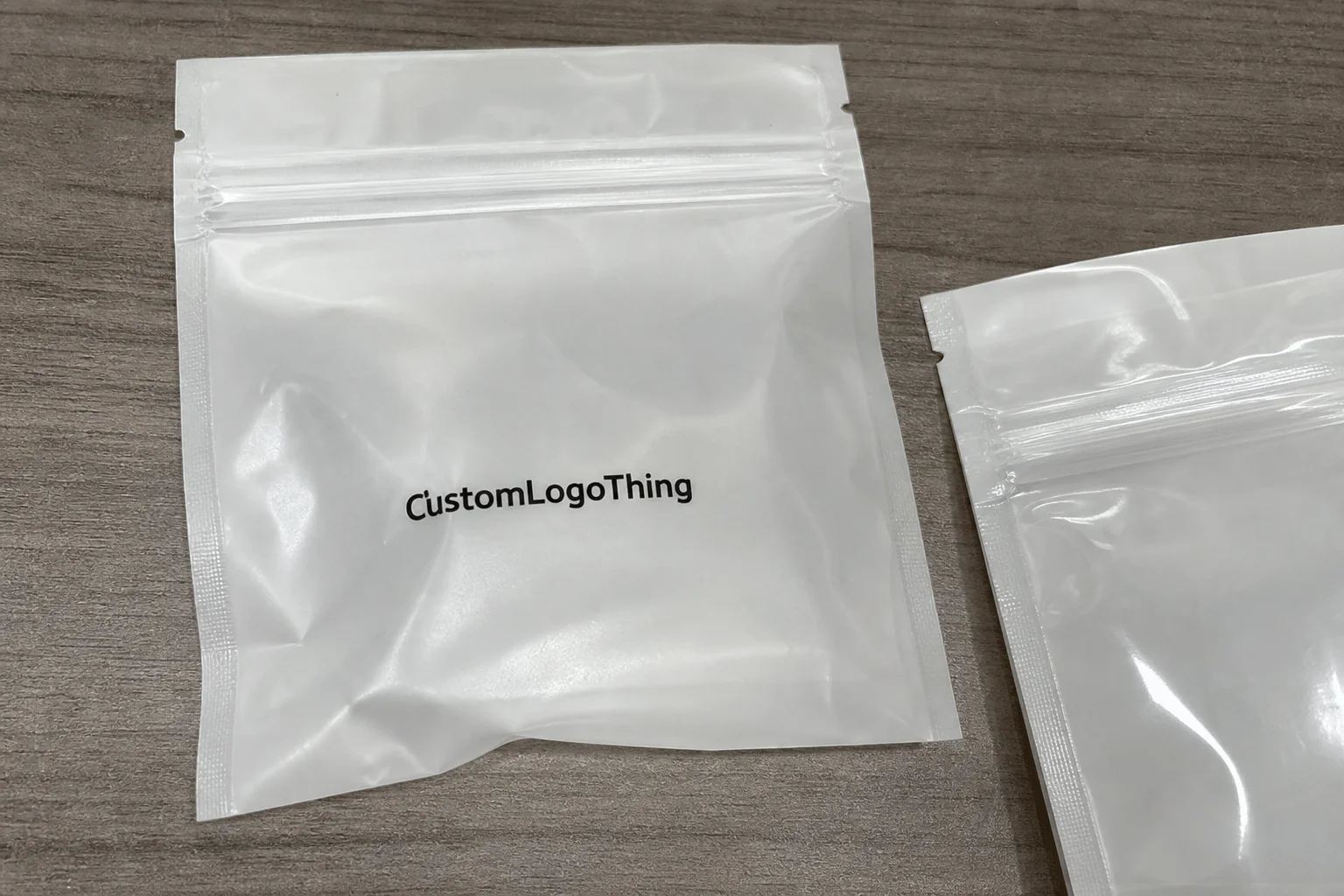
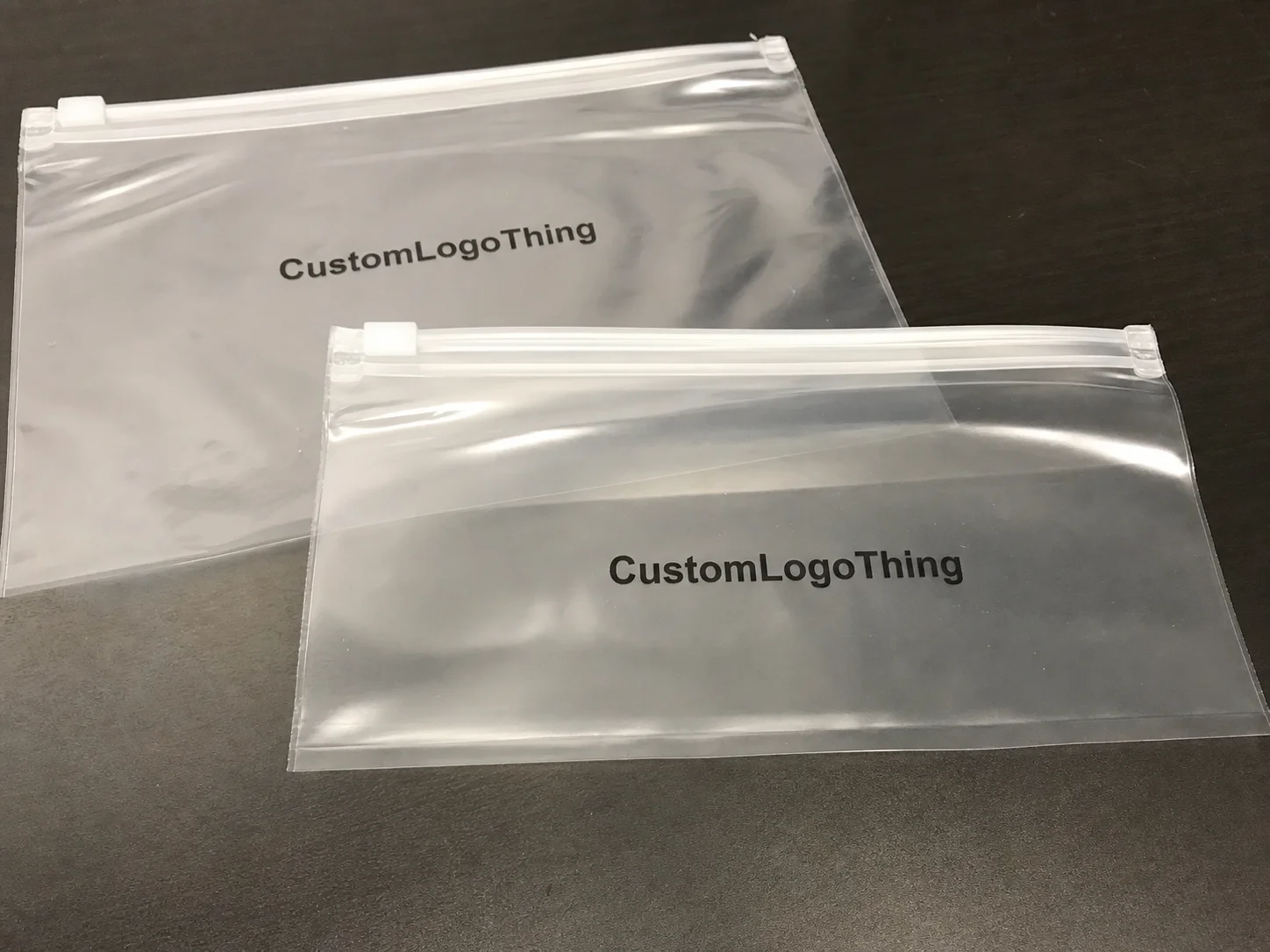
Printed Poly Mailers are lightweight shipping bags made from polyethylene film, usually with a peel-and-seal closure and custom graphics, logos, or copy printed on the outside. They are common for apparel, soft goods, promotional kits, and subscription shipments weighing under 5 lb, although the exact use case depends on product shape and transit risk. A typical custom order might use a 2.5 mil LDPE film with a 3 cm adhesive strip, enough for folded tees but not for a boxed ceramic set shipped from Chicago to Phoenix.
Many brands pour energy into cartons, yet the outer mailer creates the first physical touchpoint customers actually see at the doorstep. In a tight Printed Poly Mailers comparison, that means you are not just comparing looks; you are comparing how the package ships, how much it weighs, and what story it tells before the customer opens anything. That story matters more than people admit in meetings. A mailer printed in Dallas with a crisp one-color logo can make a $24 hoodie feel like a $48 item before the zipper is even unzipped.
There are three basic versions. Plain mailers are unprinted, usually used when cost is the top concern or when labels do all the branding. Stock mailers may have a generic pattern or standard message, often for fast ordering. Fully printed mailers carry custom artwork, logos, QR codes, campaign messages, or even seasonal designs that turn the bag into a marketing surface. In practice, a plain 12 x 15 mailer can cost around $0.07 to $0.10 per unit in volume, while a custom printed version may land closer to $0.15 to $0.28 per unit for 5,000 pieces depending on color count and film thickness.
In a practical Printed Poly Mailers comparison, the difference is not only visual. A branded mailer can increase perceived value, but it can also add setup time and extra cost per color. A plain mailer ships fast and cheap, but it usually feels less intentional. For a startup shipping 200 orders a month from Denver, that tradeoff looks different than it does for a label sending 30,000 units through a 3PL in Dallas-Fort Worth every week. The right answer depends on whether you are protecting margin or building recognition.
E-commerce sellers use printed mailers because they are light, which can shave a few ounces off each shipment. Apparel companies like them because they protect folded garments from moisture and scuffing. Subscription brands use them for repeat recognition. Promotional campaigns use them because a logo on the outside gets seen by drivers, roommates, office staff, and everyone else who handles the parcel. That visibility matters more than many teams expect. A shipment leaving a facility in Charlotte may pass through four or five sets of hands before it reaches a front porch in Raleigh.
At a client meeting in Portland, a DTC athleisure founder told me her mailer design got more Instagram mentions than her box insert. I was half impressed and half annoyed, because of course the outer bag was the thing people noticed first. That kind of outcome is hard to predict, but it is exactly why a Printed Poly Mailers comparison should include brand impact, not just shipping math. One 2024 order I reviewed used a matte black bag with a 2-color white print and generated roughly 120 social mentions in the first month, which is a lot for packaging that cost $0.19 per unit at 8,000 pieces.
If you want a broader sourcing view while comparing formats, the rest of your packaging stack matters too. I often point teams to a mix of options like Custom Packaging Products and, for shipping-specific work, Custom Poly Mailers. A brand sourcing from Los Angeles, Guangzhou, or Ho Chi Minh City will usually compare the mailer against hang tags, inserts, and cartons in the same purchasing cycle.
Set expectations early: this comparison will look at materials, print methods, cost, lead time, and the tradeoffs that get glossed over in slick quotes. You will also see where a printed bag makes sense, and where it is the wrong tool entirely. If a supplier promises 7 business days from proof approval on a custom 4-color run, that may be plausible only for a domestic plant in New Jersey or Texas, not for a factory shipping via ocean freight from Shenzhen.
How Printed Poly Mailers Work in Shipping and Branding
A typical mailer has an outer polyethylene film, an adhesive closure strip, and a printed surface or print treatment that holds the artwork. Most standard mailers are made from low-density polyethylene or a blend that balances flexibility with puncture resistance. Thickness is often measured in mils, and even a difference of 0.5 mil can change how a bag feels in hand. For example, a 2.0 mil film often feels adequate for lightweight tees, while a 3.0 mil option can feel noticeably firmer and less likely to wrinkle under pressure.
In shipping, these bags protect against moisture, dust, and light abrasion. They are not rigid. They will not save a ceramic mug from a 4-foot drop test the way a corrugated shipper might. I learned that the messy way when a merchant once tried to squeeze “just one” fragile item into a soft mailer because the box inventory had run out (I still remember the face he made when I said that was a terrible idea). That is why a good printed poly mailers comparison always starts with the product itself: soft goods, documents, and non-fragile items are the best fit. If the item has sharp corners or delicate surfaces, the risk goes up fast, especially on a route with rough sorting in Indianapolis or Atlanta.
Print methods matter. Flexographic printing is common at scale because it runs efficiently on long production runs and handles spot colors well. Digital printing is useful for shorter runs, variable graphics, and faster artwork changes. Some suppliers use spot-color systems that keep logos crisp, but they may struggle with fine gradients or photo-style art. In one supplier audit I sat through near Shenzhen, the difference between a 2-color flexo job and a 4-color digital sample was obvious from three feet away: one had cleaner edges, the other had richer shade transitions, and the buyer had to decide which mattered more for the brand story. On a 10,000-piece run, that choice can move pricing by $0.03 to $0.07 per unit depending on the supplier and ink count.
Print placement affects the result more than many teams realize. Full-coverage branding makes the parcel feel custom, especially on social platforms. A small front-logo layout may cost less and still carry the brand identity. One-color messaging can work well for minimalist labels, streetwear, and premium basics because it keeps the surface calm and avoids clutter. A lot of people think more ink automatically means more impact. That assumption often fails. A clean, high-contrast logo placed well can do more than a crowded design with six colors. I have seen a 1-color bag outperform a 4-color version simply because the logo sat centered at 150 mm from the top seam instead of floating awkwardly near the closure strip.
There is also the practical side of barcode labels and carrier handling. If the print is too dark or too glossy, label scanning can become messy. If artwork sits in the wrong area, it can interfere with routing labels, warning stickers, or return labels. A proper printed poly mailers comparison should ask where the shipping label will live, whether the carrier uses automated scanning, and how much empty white space is needed for operations. Many fulfillment teams leave a 4 x 6 inch label zone unprinted so the carrier label stays readable at FedEx, UPS, or USPS sortation points.
Inner branding and outer branding serve different goals. The outside creates anticipation in transit. The inside, if printed or lined with a message, rewards the opening moment. I once watched a fulfillment team in Ohio add a simple inside print that read “Thanks for keeping us busy,” and customer service emails about “cute packaging” rose for two weeks. That is not magic. It is psychology, and it has a place in the comparison. A 2023 reorder from a Columbus-based apparel brand showed a 9% lift in organic unboxing posts after adding a short inside message and a branded return strip.
For brands that want packaging guidance rooted in industry standards, I often point to the Association of Plastic Recyclers and similar groups, but for shipping performance there is also value in checking resources like ISTA and EPA recycling guidance. Those standards do not choose your mailer for you, but they help frame the testing and sustainability conversation. If you are shipping into California, Ontario, or the UK, those regional rules can affect how you describe recycled content and recyclability.
Key Factors in a Printed Poly Mailers Comparison
If I had to reduce a printed poly mailers comparison to the five factors that actually move the needle, they would be thickness, price, size, print quality, and supplier reliability. Everything else usually supports one of those five. A buyer comparing a 12 x 15 mailer from a plant in Guadalajara with a similar product from a facility in Vietnam will usually end up circling back to those same five questions anyway.
Thickness is usually listed in mils. A 2.0 mil bag may work for light apparel, while a 2.5 to 3.0 mil option feels sturdier and resists punctures better. That extra thickness can add confidence, but it can also add cost and slightly increase material usage. I’ve watched buyers choose the cheapest 1.5 mil bag for leggings, then spend more on replacements after the first 300 orders came back crushed or split at the seam. That one still makes me grimace. In volume terms, a move from 2.0 mil to 2.5 mil can add roughly 6% to 12% to material cost, depending on the film width and supplier yield.
Cost is never just the unit price. In a real printed poly mailers comparison, you need to include setup fees, plate costs, ink charges, freight, and the cost of a bad proof. A quote at $0.18/unit for 5,000 pieces may look great until you learn it excludes plates, which can add $250 to $600 depending on color count and supplier. A $0.22/unit quote with no hidden setup charges can actually be the better deal. I have seen the final landed cost swing by 14% after adding ocean freight from Ningbo or domestic trucking from Ohio.
Size and fit matter because oversized mailers waste film and can look sloppy, while undersized mailers raise the chance of tears and returns. A garment packed with 1 inch of clearance is usually easier to seal than one forced into a tight bag. For bulky sweaters, a gusseted design may be worth the extra cents. For thin tees, a flat mailer is usually enough. A 14 x 19 bag may be ideal for a folded hoodie, while a 10 x 13 bag often works better for a pair of leggings or a thin workbook.
Print quality is where brands overestimate what is easy. Fine lines, gradients, metallic effects, and small text can all shift the difficulty level. If your logo has a thin serif font and a subtle gradient, ask for a sample proof on the actual substrate, not just a screen file. In one supplier negotiation in Los Angeles, the buyer thought her pale blue logo would print cleanly on a gray bag; the first sample turned the logo muddy because the base film absorbed the contrast differently than expected. That is normal, and it is why samples matter. On a 350gsm C1S artboard insert, the same artwork might look sharp, but polyethylene behaves differently and needs its own proof.
Sustainability adds another layer. Some mailers include recycled content, and some brands use downgauged film to reduce material use. But claims vary by region, and recyclability is not always the same as actual collection infrastructure. A mailer can be technically recyclable in some streams and still end up in the wrong bin. If your team needs to talk about environmental performance, match the claim to the exact material spec and the market you ship into. For example, a mailer with 30% post-consumer recycled content made in California may still have different end-of-life realities than a similar bag sourced from eastern China.
Order volume changes the economics fast. Small batch runs give you flexibility when campaigns change every quarter. Large runs lower the per-unit cost, but they also lock up cash and warehouse space. A printed poly mailers comparison should be honest about inventory carrying cost, especially if you reorder only twice a year. A 20,000-piece order stored in a Phoenix warehouse for six months can tie up more cash than a smaller monthly purchase plan.
Supplier reliability is often the hidden cost driver. A vendor who answers artwork questions in 4 hours saves days. A vendor who sends fuzzy proofs and vague lead times costs you margin, even if their quote is $0.02 lower. I learned that the hard way on a retail roll-out where the first production lot arrived with the logo 12 mm off-center; the reprint pushed launch by 9 days and consumed the savings from the lower bid. Great savings, if you enjoy chaos (I do not). The best suppliers usually state a realistic timeline like 12-15 business days from proof approval, not “two weeks” with no definition.
| Comparison Factor | Lower-Cost Option | Higher-Value Option | Typical Tradeoff |
|---|---|---|---|
| Thickness | 1.5-2.0 mil | 2.5-3.0 mil | Cheaper film versus better puncture resistance |
| Print Method | 1-2 color flexo | Digital or multi-color flexo | Lower setup cost versus greater design flexibility |
| Order Size | 1,000-3,000 units | 5,000-20,000 units | More flexibility versus lower unit price |
| Lead Time | Stock or simple print | Custom print with proofing | Speed versus customization |
| Brand Impact | Plain or single-logo | Full-coverage custom artwork | Lower cost versus stronger shelf and doorstep presence |
That table is simplified, but it mirrors the tradeoffs I hear in buyer meetings every month. A printed poly mailers comparison is rarely about finding the “best” option in the abstract. It is about finding the bag that fits your product, your packing line, and your customers’ expectations without creating waste in time or money. A bag that saves $0.04 per unit but slows a packing line by 8 seconds per order can quietly cost more by quarter end.
Step-by-Step Printed Poly Mailers Comparison Process
Start with the item being shipped. Weight, dimensions, flexibility, and fragility shape everything else. A 6 oz cotton tee has different needs than a 2 lb hoodie, and both are different from a bundle with a cardboard insert. Before you compare suppliers, write down the product specs so you are not guessing later. I like to include exact folded dimensions in millimeters, because “medium shirt” means nothing to a factory in Dongguan or a warehouse in New Jersey.
Next, line up your quotes using identical inputs. One of the biggest mistakes in a printed poly mailers comparison is asking three suppliers for “a 12 x 15 mailer” and assuming the numbers are comparable. Are they quoting 2.0 mil or 2.5 mil? One color or two? Inside print? Tear strip? Reinforced seams? If those details differ, the quote is less useful than it looks. It is basically a trap wearing a spreadsheet costume. Ask for the same closure style, the same print area, and the same shipping term, whether that is FOB Shenzhen, EXW Ningbo, or DDP Los Angeles.
I like to build a simple comparison sheet with columns for size, film thickness, print method, closure style, minimum order quantity, lead time, freight, and proof turnaround. You can score each category from 1 to 5. Nothing fancy. The goal is to make the decision legible to a finance manager who may care more about the landed cost than the beauty of the logo. If one vendor needs 3 rounds of proof revisions and another needs only one, that difference belongs in the scorecard too.
Then request samples. Digital proofs are not enough. Ask for a physical sample or at least a pre-production proof that uses your actual ink colors and film shade. If you are comparing two vendors, keep the samples side by side under natural light. Check seal strength, print clarity, barcode area, and whether the bag lays flat enough to speed up packing. In a warehouse visit outside Atlanta, I saw a team save 14 seconds per parcel simply by switching to a slightly wider bag with a better peel strip. That sounds tiny. Over 8,000 monthly orders, it was real labor savings. Over a year, it translated to more than 31 hours of labor, which is not tiny at all.
Estimate landed cost, not just price. That means unit price plus setup fees, freight, customs if relevant, packaging waste, and the cost of reprints if the first batch misses the mark. A low quote with expensive air freight can erase savings fast. If you are importing, the comparison should also include port delays and any duty assumptions, even if those numbers are approximate. A $0.15-per-unit quote can jump to $0.21 after plates, inland freight, and import duty are included.
Build a pilot run whenever the design, material, or supplier is new. I usually advise 500 to 1,000 pieces if the order size allows it. That gives you enough real-world data to measure tearing, print durability, and packing speed without risking a full warehouse of the wrong bag. A proper printed poly mailers comparison should reward testing, not blind confidence. If the pilot is approved on Tuesday, a domestic supplier in Indiana may be able to deliver within 10-12 business days, while an overseas plant may need 4-6 weeks including transit.
- Define the product dimensions and shipping weight.
- Request quotes using the same size, thickness, and print count.
- Check proofs for color, bleed, and barcode space.
- Review lead time from proof approval to delivery.
- Calculate landed cost and reprint risk.
- Run a pilot shipment before scaling up.
One buyer I worked with in Texas compared six mailers for a pet accessory line and almost chose the cheapest option. The sample that won the final round had a slightly higher unit price, but the tear strength tested better, the closure strip held under heat, and the printed paw pattern stayed sharp after rubbing. That decision reduced customer complaints by 18% in the first reorder cycle. Numbers like that are why this process matters. The final selected bag cost $0.17 per unit for 10,000 pieces, versus $0.14 for the lowest quote, but the damage reduction paid for the difference in less than one month.
On one project, the team skipped the pilot because the artwork looked perfect in the PDF. The bags arrived with a heavier gloss than expected, and the shipping label curled just enough to slow every packer by a few seconds. That kind of problem never shows up in the presentation deck. It shows up on the line, usually right before lunch, and it is a pain in the neck.
Printed Poly Mailers Comparison: Common Pricing and Timeline Mistakes
The most common pricing mistake is comparing quotes without checking the fine print. Does the price include setup? Does it include plates for each color? Is freight separate? Are there extra fees for metallic ink, white ink on dark film, or rush production? In a real printed poly mailers comparison, a quote with three hidden line items can lose to a slightly higher quote that is fully transparent. I have seen a quote at $0.16 per unit become $0.24 per unit once the buyer added plates, freight from Los Angeles, and a rush fee.
Another trap: assuming the cheapest bag is the best buy. If the film is too thin, the seal fails. If the print is blurry, the brand looks careless. If the supplier misses the ship date, your promotion launches with plain mailers instead of custom ones. The cheapest option can become the most expensive once you factor in damage, complaints, and emergency reorders. A failure rate of just 1.5% on 20,000 shipments can wipe out the savings from a low unit price almost immediately.
Timeline assumptions are just as risky. Custom Printed Mailers often move through quote review, artwork proofing, revisions, production, and transit time. If the artwork is not final, or if the supplier needs a special film color, the schedule can stretch. A 12-15 business day production estimate may be realistic only after final proof approval, not after first contact. Teams often hear “two weeks” and forget the proofing loop that comes before it. For overseas production, add 7-18 days for port handling and freight, depending on whether the shipment leaves from Shanghai, Yantian, or Ho Chi Minh City.
I saw this happen with a beauty brand that changed copy on the mailer three times because marketing kept moving the campaign slogan. Each change added back-and-forth, and the reorder landed 11 days late. Not catastrophic, but enough to force a partial shipment in plain bags. That is a brand optics problem, and it is avoidable with tighter approval discipline. In practical terms, one lost day in approval can easily become three or four days once the factory queue resets.
Artwork mistakes are another recurring issue. People approve a design too quickly and miss bleed, safe zones, or a logo that sits too close to the seam. Barcodes can be affected too. If a carrier label is going on top of a dark print, check contrast and readability on a real sample. The proof on a screen is not the same as a printed film with a slight sheen. I recommend checking a physical mockup under 5000K light and at least one warehouse light source, because glare can hide issues that disappear on a PDF.
Frequent design changes can also raise your total cost over time. If every seasonal launch uses a new mailer design, you may be paying for fresh plates and new proofs more often than necessary. Sometimes a stable base design with a small campaign sticker or insert is a better financial choice. That is not as flashy, but it is often smarter. A reusable base mailer printed in a facility in Ontario or Wisconsin can support multiple campaigns without forcing a new setup every quarter.
Rush orders deserve caution. Speed can be purchased, but usually at a price: limited print complexity, fewer material options, or a higher minimum quantity. I’ve negotiated enough urgent jobs to say this plainly: the faster the deadline, the fewer comfortable choices you get. A good printed poly mailers comparison should state that tradeoff clearly. If a supplier promises production in 5 business days on a custom 4-color run, ask what else is being compromised before you accept the deadline.
“The quote looked cheap until freight, plates, and rush fees were added. By the time we did the math, the second supplier was actually $1,400 better on the full order.”
Expert Tips for Choosing the Best Printed Poly Mailers
Match the print style to the brand strategy. If your positioning is premium and restrained, a subtle logo on a matte-like finish can feel more expensive than a loud, full-coverage design. If your brand relies on social sharing and visual punch, bold graphics may be worth the extra setup. A strong printed poly mailers comparison should ask what the bag is supposed to do emotionally, not just mechanically. For a $35 skincare bundle shipping from San Diego, a soft monochrome bag may outperform a flashy 4-color version because it aligns with the product’s price point.
Keep the color count tight when cost matters. One or two brand colors usually keeps pricing and production simpler than a full four-color process. The moment you add gradients, white underprint, or special effects, you increase the chance of color drift and proof revisions. That is fine if the branding payoff is real. It is not fine if the effect barely registers once the package is on a porch. A 2-color flexo job can often be completed faster and at a lower unit cost than a 4-color digital run, especially on 5,000 to 10,000 pieces.
Order samples from at least two suppliers and test them with the actual packing team. Put the product inside. Seal the bag. Label it. Shake it. Stack it. Push it through your normal workflow. I’ve watched teams fall in love with a beautiful mailer that slowed fulfillment by 20 seconds per pack because the peel strip was awkward. In a high-volume line, 20 seconds is not small. It can be the difference between calm and overtime. A warehouse in Nashville packing 6,000 orders a week will feel that delay immediately.
Think about reorder consistency before you think about first-order savings. Fast-growing brands often discover that the best sample is not always the easiest repeat buy. Ask the supplier how they control color across batches, what tolerance they allow, and whether the same film spec will still be available three months later. If not, your second order may not match the first. I prefer vendors who can state a print tolerance, such as plus or minus one Pantone shade, rather than “close enough.”
Test the mailer against carrier handling and machine scanning. Some fulfillment centers use automated label applicators or chutes that stress the seam and closure strip. If your mailer curls too much or the surface rejects labels, it will slow operations. In my experience, the packaging that wins is the one that survives the actual workflow, not the one that only photographs well. A mailer that performs in a Miami warehouse in July should also survive a cold dock in Minneapolis in January.
Here is the rule I repeat to clients: if the mailer looks great but fails in transit, it is the wrong choice. If it protects well but weakens the brand, it is only half right. That balance is the heart of any useful printed poly mailers comparison. The best bag usually sits in the middle, where durability, print clarity, and unit price can all coexist without drama.
For brands wanting a broader ecosystem view, I also like checking material sourcing against organizations such as FSC where relevant for paper components elsewhere in the packout. It is not a substitute for bag performance, but it keeps sustainability conversations grounded in recognized standards. If your packout includes paper inserts printed on 350gsm C1S artboard, the paper side of the system deserves the same discipline as the mailer.
Printed Poly Mailers Comparison: What to Do Next
The best next step is not picking a supplier immediately. It is writing down the decision criteria. Define the product, compare specs, request samples, calculate landed cost, and run a pilot before scaling. That sequence protects you from the most expensive mistakes, which are usually the ones made under deadline pressure. It also makes it easier to compare a domestic plant in Ohio against an offshore supplier in Vietnam without mixing up apples and oranges.
If you are building your own printed poly mailers comparison sheet, start with these fields:
- Mailing product: tee, hoodie, beauty kit, promo insert, or mixed bundle
- Bag size: exact flat width and length
- Material thickness: 2.0 mil, 2.5 mil, or another spec
- Print method: flexo, digital, or spot-color
- Color count: 1, 2, 3, or 4 colors
- Minimum order quantity: 1,000, 3,000, 5,000, or higher
- Lead time: proof to production and transit
- Landed cost: unit price, freight, and setup fees
- Testing notes: seal strength, scuffing, label readability
Document the final choice as if you will need to reorder it six months later with a different team member. That means saving artwork files, color references, supplier contacts, size notes, and any approved deviations. I’ve seen companies lose days because nobody knew whether the last order used a 2.25 mil film or a 2.5 mil film. That kind of confusion is avoidable, but only if someone writes it down while the details are still fresh. A simple folder with the approved PDF, a Pantone reference, and the factory contact in Dongguan or Portland can save a week of emails later.
Review performance quarterly. Check shipping damage, customer comments, and packaging spend. If returns are rising or customers keep mentioning the package, the current mailer may no longer fit. If your order volume has grown, a new pricing tier may be possible. If your brand has shifted from playful to premium, your outer packaging should probably change too. A 15,000-order month in 2025 may justify a move from stock mailers to a custom run priced at $0.14 to $0.19 per unit because the branding value now supports it.
One more honest point: there is no universal winner in a printed poly mailers comparison. A startup shipping 800 lightweight orders a month needs different economics than a mature apparel brand shipping 50,000. A campaign mailer for a product launch has different priorities than an evergreen reorder item. The right choice is the one that protects the product, supports the brand, and lands on time without draining margin. A plant in Los Angeles, a converter in Toronto, and a factory in Shenzhen may all be capable of the job, but each will price and schedule it differently.
Build the comparison sheet. Request the samples. Run the pilot shipment. Then decide with evidence, not guesses. That is the practical way to handle a printed poly mailers comparison, and it is usually the difference between a package that merely ships and one that quietly strengthens the brand every single day. If you need a rule of thumb, start with the supplier who can give you a clear quote, a realistic 12-15 business day timeline from proof approval, and a spec sheet that names the exact film, thickness, and print method without vague language.
The cleanest takeaway is simple: compare printed Poly Mailers by performance first, branding second, and price third. If you flip that order, you end up buying a bag that looks cheap, ships poorly, or both. Get the sample in hand, test it on your actual line, and let the numbers make the call. That’s the part that saves money, not the glossy mockup.
What should I compare first in a printed poly mailers comparison?
Start with size, material thickness, and print method because those three usually drive protection, appearance, and price. Then compare minimum order quantity, lead time, and total landed cost so you do not get surprised by freight or setup fees later. If one supplier quotes 2.0 mil film and another quotes 2.5 mil film, the prices are not truly comparable until you normalize the spec.
Are printed poly mailers cheaper than custom boxes?
Usually yes for lightweight apparel and soft goods because mailers use less material and can reduce shipping weight. Boxes may still be the better choice for fragile items, so the cheapest option depends on the product and how often damage happens. For example, a Custom Printed Poly mailer might cost $0.16 to $0.24 per unit for 5,000 pieces, while a custom corrugated box with similar branding can easily run higher once board grade, insert, and freight are added.
How long does the printed poly mailers ordering process usually take?
It usually includes quote review, artwork proofing, approval, production, and transit time. Custom designs often take longer than stock options, especially if the supplier needs revised artwork or color matching before the run starts. A realistic schedule is often 12-15 business days from final proof approval for domestic production, and 3-6 weeks if the order is being made overseas and shipped by sea freight.
What causes printed poly mailers to look different from the proof?
Print method, material color, ink coverage, and file quality can all affect the final appearance. Sampling and proof review reduce the risk of color shifts, logo distortion, or text that looks sharper on screen than on film. A dark gray 2.5 mil bag, for instance, can make a pale logo appear softer than it did on a white digital mockup.
How do I know which printed poly mailers are best for my brand?
Choose the option that matches your shipping needs, brand style, and budget without creating avoidable damage or delays. If you can, compare samples in real packing conditions before committing to a large order so the final choice is based on performance, not just price. The strongest choice is usually the one that fits both your fulfillment line in places like Dallas or Columbus and your brand presentation at the doorstep.