Buyer Fit Snapshot
| Best fit | Printed Poly Mailers for Ecommerce projects where brand print, material claims, artwork control, MOQ, and repeat-order consistency need to be specified before quoting. |
|---|---|
| Quote inputs | Share finished size, material target, print colors, finish, packing count, annual reorder estimate, ship-to region, and any compliance wording. |
| Proofing check | Approve dieline scale, logo placement, barcode or warning zones, color tolerance, closure strength, and carton packing before bulk production. |
| Main risk | Vague material claims, crowded artwork, missing packing details, or unclear freight terms can make a low unit price expensive after revisions. |
Fast answer: Printed Poly Mailers for Ecommerce: Artwork Proof, Packing Count, and Landed Cost should be specified like a repeatable production item. The safest quote records material, print method, finish, artwork proof, packing count, and reorder notes in one written spec.
Production checks before approval
Compare the actual filled-product size with the drawing, then confirm tolerance on folds, seals, hang holes, label areas, and retail display edges. Reserve space for logos, QR codes, warning copy, and material claims before decorative graphics fill the panel.
Quote comparison points
Review material grade, print process, finish, sampling route, tooling charges, carton quantity, and freight assumptions side by side. A quote is only useful when the supplier can repeat the same color, closure quality, and packing count on the next order.
Printed Poly Mailers for ecommerce get treated like an afterthought far too often. I’ve sat in brand meetings where teams debated tissue paper shades for 40 minutes, then spent less than 5 minutes on the outer mailer that every customer sees first. That always feels backward to me, because printed poly mailers for ecommerce are the first physical handshake between your store and the buyer, and they usually cost far less than a rigid box. In many supplier quotes, a 10 x 13 inch mailer at 3 mil thickness can start around $0.18 per unit at 5,000 pieces, which is not exactly a dramatic line item compared with a $1.20 folding carton.
They do three jobs at once. They protect products, carry branding, and shape customer perception before the box is even opened. In one warehouse walk-through I did in Shenzhen, a client showed me a plain gray mailer and a custom one printed with a deep cobalt logo pattern; the pick-and-pack team was moving about 12% faster with the custom version because the branded bags were easier to grab and sort by SKU. Small detail. Big operational effect. I still remember thinking, “Well, that’s not exactly a glamorous KPI, but it sure paid rent.”
That is the quiet power of Printed Poly Mailers for ecommerce. They are not just shipping envelopes. They sit at the intersection of logistics, marketing, and retention. And if you choose them well, they can make a six-person startup look like a company with a national distribution network, whether your orders ship from Los Angeles, Toronto, or a 3PL in Dallas.
Printed Poly Mailers for Ecommerce: What They Are and Why They Matter
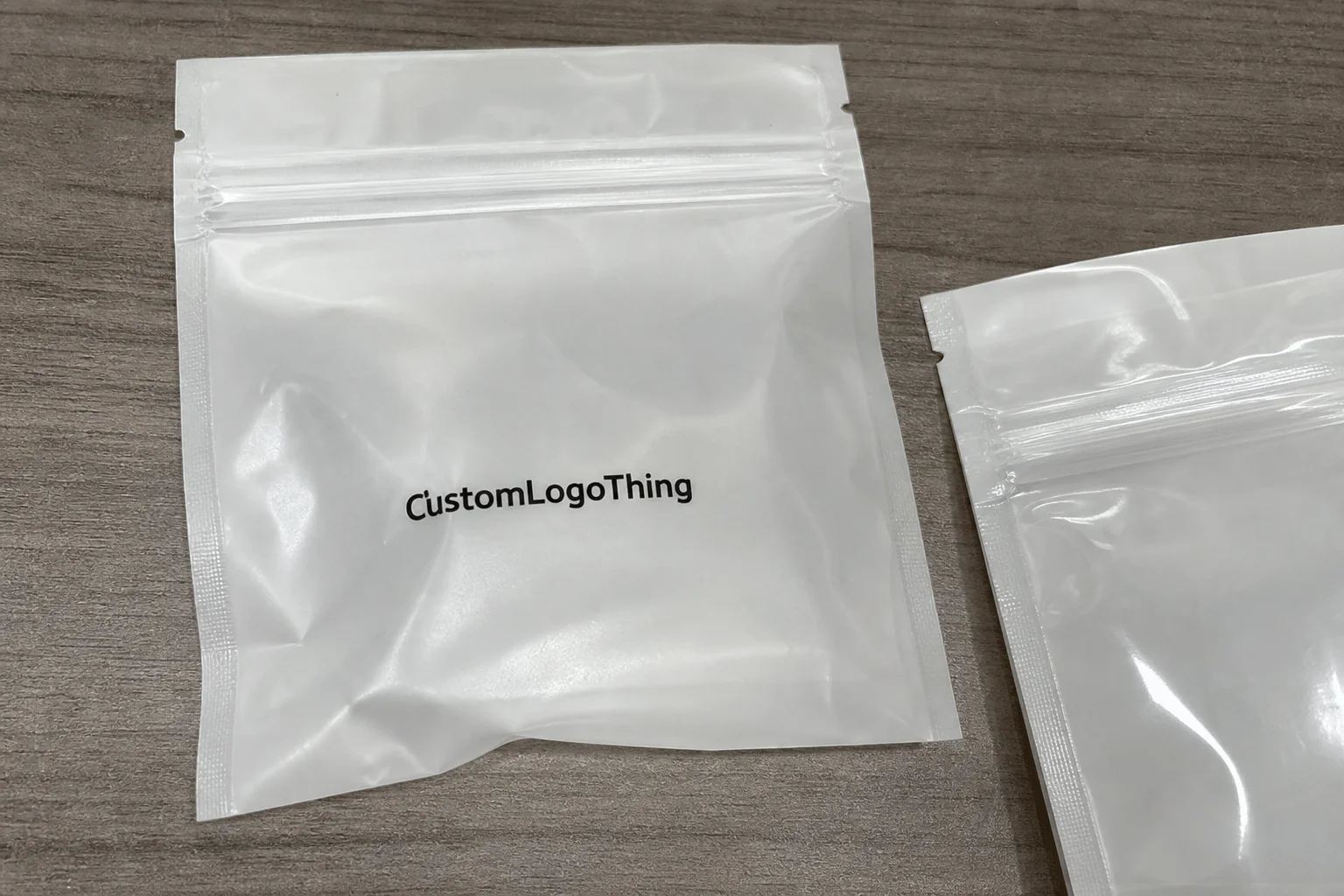
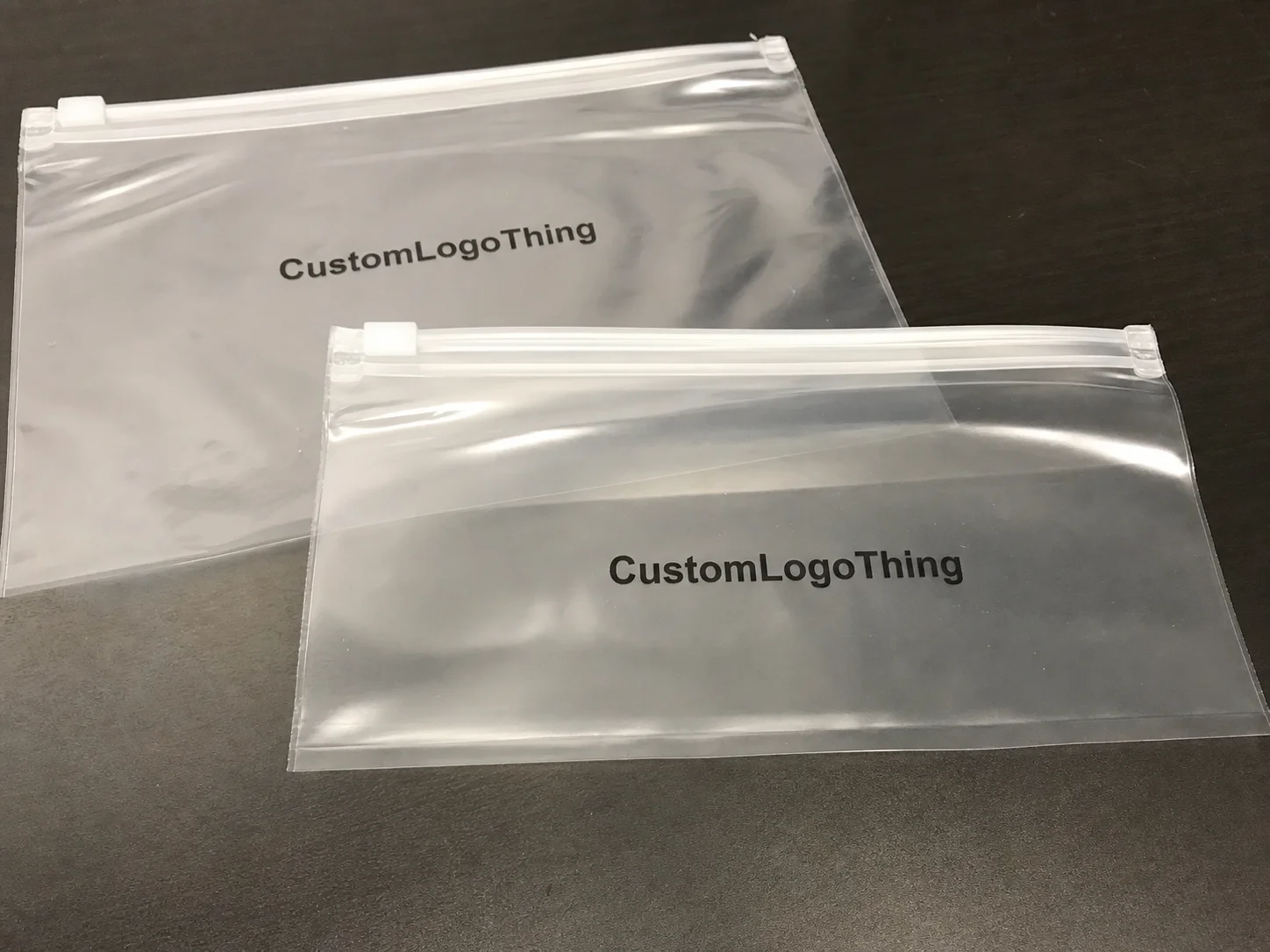
Printed Poly Mailers for ecommerce are lightweight plastic shipping envelopes customized with logos, repeat patterns, taglines, QR codes, or brand colors. Most are made from polyethylene film, usually in thicknesses around 2.5 mil to 4.5 mil depending on the product and shipping risk. They’re designed for soft goods, apparel, accessories, and other items that don’t need corrugated-box protection. A common spec for apparel is a 2.75 mil co-extruded film with a hot-melt adhesive strip and a matte or semi-gloss finish.
What surprises many merchants is how much the outer mailer affects perceived value. A customer may never inspect your seal strength, but they absolutely notice whether the package looks intentional. A plain mailer can feel generic, even when the product inside is excellent. A well-designed branded mailer signals that the company pays attention to details. That subtle cue can matter as much as a discount code, especially if your average order value sits in the $35 to $80 range and repeat purchases depend on trust.
I’ve seen this play out in a client meeting with a mid-sized beauty brand in Guangzhou. Their product quality was solid, but repeat purchase rates were flat. We swapped their plain white mailers for Printed Poly Mailers for ecommerce in a soft matte finish with a simple one-color logo and a return prompt on the back. Two months later, their customer service team reported fewer “my order looked generic” complaints, and social mentions of packaging nearly doubled. The product hadn’t changed. The frame around it had. Honestly, that still annoys me a little, because it’s such a simple fix and so many brands miss it.
Plain versus printed is not only a style decision. It affects consistency, especially if you ship through multiple fulfillment locations. A standardized printed mailer helps every parcel look like it came from the same brand, even if orders are packed in different cities. That consistency matters when you sell on Amazon, Shopify, TikTok Shop, or through wholesale channels and want the customer experience to feel coherent across touchpoints. A bag packed in Atlanta should not look different from one packed in Phoenix if the customer ordered both from the same storefront.
Here’s the bigger point: packaging is not one thing. It’s part logistics, part marketing asset, and part retention strategy. Printed poly mailers for ecommerce sit right in the middle of that triangle, which is why they deserve more attention than they usually get.
“The fastest way to look bigger than you are is to make your shipping package look deliberate.” That’s a line I heard from a contract packer in Guangdong, and honestly, I’ve watched it prove true dozens of times.
If you’re building a packaging stack from scratch, you may also want to review broader options across Custom Packaging Products and compare them with Custom Poly Mailers so you can match the format to the product rather than forcing the product into the format.
How Printed Poly Mailers for Ecommerce Work in the Shipping Process
The shipping workflow is simple on paper and messy in real life. Product goes in, filler or inner wrap may follow, the mailer seals shut, labels go on, and the parcel enters the carrier network. But every step creates a chance for delay, damage, or wasted labor. Printed poly mailers for ecommerce need to fit that workflow cleanly, or they slow down your line. On a 1,500-order day, even a 3-second delay per packer adds up to more than an hour of labor across a small team.
Production usually starts with film extrusion, then printing, then bag making and sealing. Two print methods dominate: flexographic printing and digital printing. Flexo is common for higher quantities because it handles large runs efficiently and keeps unit cost lower once plates are made. Digital printing is better for shorter runs, variable designs, or brands that need more color flexibility without paying plate charges. In one supplier negotiation I handled, a 15,000-piece order dropped from 6 printed colors to 3 colors, and the unit cost fell by about $0.03. That sounds tiny until you multiply it across 15,000 units. I remember staring at that spreadsheet and thinking, “Three cents has entered the chat and somehow matters a lot.”
Material structure matters just as much as print method. A standard poly mailer may use single-layer or co-extruded film, while more durable versions use layered constructions for better puncture resistance and opacity. Closure style also matters: self-seal adhesive strips are common, but tamper-evident adhesive and dual-adhesive return strips are worth considering if your category sees returns. For apparel, a 2.75 mil to 3 mil bag often works well. For heavier items or products with sharper edges, 4 mil may be safer, and a 15 x 19 inch size can reduce seam stress on bulkier hoodies.
Print Placement and Durability
Print placement is not decoration. It affects how the mailer wears during transport. Logos printed too close to the edge can distort at the seam. Fine lines can fade if the ink adhesion is weak or if the film surface treatment is inconsistent. I once inspected a run where the artwork looked perfect on approval sheets, but the back-panel barcode rubbed lightly after abrasion testing. The supplier had passed visual checks and failed the handling reality. That is why I always ask for a rubbed sample, not just a flat proof, and I want to see the bag folded around an actual garment or accessory before sign-off.
Durability during handling depends on seal integrity, ink adhesion, and how much the bag flexes under load. A package can look premium on a desk and fail after three conveyor transfers. If your mailers move through rough sorting networks, consider asking about testing aligned with ISTA procedures. For general packaging standards and industry references, the ISTA site is worth bookmarking, and the EPA is useful for broader material and waste discussions. A supplier in Dongguan may call that “standard testing,” but a retailer dealing with returns in Chicago will call it a cost center if the seal fails in transit.
Operationally, printed poly mailers for ecommerce also influence pack speed. A clear brand system helps warehouse staff identify sizes faster. If your design uses a single color block, a distinct logo placement, and a repeat pattern, staff can sort inventory by touch and sight instead of reading labels on every sleeve. That can shave seconds off each order. In a 2,000-order day, seconds become labor cost. And yes, I know that sounds like the kind of thing a spreadsheet says with a straight face, but the labor bill usually has the last laugh.
Key Factors to Evaluate Before Ordering Printed Poly Mailers for Ecommerce
Before you place an order for printed poly mailers for ecommerce, start with fit. I’ve seen brands choose a 12 x 15 inch mailer for products that really needed a 9 x 12 inch size. The result was extra empty space, more shifting in transit, and a package that looked less polished. Too small is just as bad. Overcompressed products can wrinkle, crease, or burst the seal. Measure your packed item, not just the product itself. Inserts, tissue, and protective sleeves all add thickness. A hoodie folded with a tissue insert can easily grow from 1.5 inches thick to 2.5 inches thick once packed.
Material choice comes next. Standard poly is fine for many soft goods, but recycled-content options are increasingly common, and some buyers actively ask about them. The tradeoff is not always simple. Recycled content can support sustainability messaging, but the film must still meet tear resistance and opacity needs. If your product is delicate, avoid assuming a greener material automatically means equal performance. It doesn’t always. A recycled film with 30% post-consumer content may be a good story, but if it tears under a sharp zipper pull, the story gets expensive.
Branding is where a lot of teams get emotional. That’s understandable. A mailer is a moving billboard. But I’ve noticed the strongest designs are rarely the loudest ones. A crisp logo, one signature color, and a clear brand mark often outperform cluttered artwork with too many gradients and slogans. If your identity is premium, the mailer should feel premium. If your identity is playful, a repeat pattern can work well. The key is consistency. Printed poly mailers for ecommerce should look like they came from the same brand universe as your website and product labels, whether your design system lives in New York, London, or a studio in Austin.
Now for the money. Pricing usually includes unit cost, setup fees, plate charges, shipping, and sometimes artwork revision charges. For example, a 10 x 13 inch mailer at 3 mil thickness might run around $0.18 to $0.24 per unit at 5,000 pieces, while a smaller run of 1,000 pieces could be closer to $0.30 to $0.42 per unit, depending on print colors and film spec. A one-time plate fee might add $75 to $250 per color on flexo jobs. Digital printing can remove plate costs, but the per-unit price may be higher. MOQ matters too. One supplier may quote 3,000 units minimum, another 10,000. The “cheapest” option is only cheap if it matches your volume.
| Option | Typical Use | Approx. Unit Cost | Setup Cost | Best For |
|---|---|---|---|---|
| Plain poly mailers | Basic shipping | $0.05-$0.10 | None | Lowest upfront spend |
| Flexo printed mailers | Medium to high volume | $0.18-$0.30 | $75-$250 per color | Best cost efficiency at scale |
| Digital printed mailers | Short runs or complex art | $0.28-$0.50 | Usually lower or none | Smaller orders, fast art changes |
| Recycled-content printed mailers | Sustainability-focused brands | $0.22-$0.38 | Varies by artwork | Brand positioning with material claims |
Long-term value beats the lowest sticker price. Better printed poly mailers for ecommerce can reduce damage claims, improve first impressions, and lower complaint volume. If a more durable bag cuts returns by even 0.5%, that may justify a higher unit cost very quickly. I’ve seen brands chase a $0.02 savings and spend five times that on replacements and customer service credits. That kind of budget math makes me want to hide the calculator in a drawer.
If your packaging strategy extends beyond mailers, compare how the mailer fits with labels, inserts, and secondary packaging. A branded outer bag paired with a generic insert can feel unfinished. A coordinated system feels intentional, and intentional tends to convert better. A mailer printed in Guangzhou with a return insert designed in Portland can still feel like one brand if the color and tone stay consistent.
How do printed poly mailers for ecommerce affect shipping costs?
They can lower shipping costs in more ways than one. Because printed poly mailers for ecommerce are lighter than rigid boxes, they often reduce dimensional weight, and that matters when carrier pricing is based on volume as much as actual weight. A lighter outer pack can also reduce filler use and packing time. The bigger savings, though, tend to show up in fewer damage claims and fewer repacks. If your team has been boxing soft goods that could have moved in a mailer, the savings can be surprisingly visible on the monthly carrier report.
Step-by-Step: How to Plan and Order Printed Poly Mailers for Ecommerce
Start with a product audit. Write down your top 3 shipping SKUs, their packed dimensions, weights, fragility level, and how often they ship. You can do this in a spreadsheet in 30 minutes, and it will save you from ordering the wrong size. I’ve watched companies place a 20,000-piece order before checking whether their best-selling hoodie needed a gusseted bag. It did. The flat bag created stress at the seams every time. You could practically hear the packaging groaning. In many cases, a 10 x 13 inch bag for T-shirts and a 14 x 19 inch bag for hoodies solves the problem before it starts.
Next, choose the mailer format and thickness. A 2.5 mil bag may work for lightweight apparel, but if your route includes rough sorting, heavy cartons, or sharp accessories, 3 mil or 4 mil can be safer. Closure style matters too. Standard self-seal is common, but double seal or tamper-evident adhesive can support returns or customer trust. If your operations team handles 1,000 plus orders per day, ask them which closure is easiest to apply without slowing the line. In a warehouse outside Nashville, one supervisor told me the wrong adhesive strip added 11 seconds per order because workers had to re-press the seal twice.
Then prepare artwork correctly. This is where bad files create delays. Confirm logo format, color mode, bleed, and safe zones before requesting proof. Use vector artwork when possible. If your brand uses a Pantone color, say so clearly; otherwise your “deep green” may arrive as a dull forest tone. For printed poly mailers for ecommerce, a proof that looks fine on a monitor can still print poorly if the background color is too close to the logo or the line weight is too thin. I’ve had proofs look gorgeous on screen and then arrive in real life looking like they were printed during a thunderstorm. Not fun.
Proofing and Sampling
Request samples or a pre-production proof. Check color accuracy, print sharpness, seal quality, and hand feel. Don’t just look at the bag under office lighting. Put a product inside, drop it from waist height, and run it through your normal packing motion. If the mailer wrinkles badly, if the adhesive peels too early, or if the logo disappears when bent, you caught the problem before paying for a full run. A good sample should survive at least 3 to 5 manual handling tests before you approve the design.
Typical timelines are straightforward, but they are not instant. Artwork preparation might take 1 to 3 business days if files are ready. Proof approval may take another 1 to 2 days. Production can take 10 to 15 business days from proof approval for standard flexo runs, while shipping depends on origin and destination. A domestic re-run may be faster; an overseas shipment may take longer due to ocean freight or customs clearance. Delays usually happen when revisions stack up, especially if three different people want to adjust the logo size after proofing starts. Every packaging project seems to attract one person who suddenly discovers opinions.
In one supplier call, a buyer asked for gold ink, matte lamination, a zipper, and a custom hang tab on a simple apparel mailer. All of those things can be done in separate packaging formats, but combining them into a plastic mailer would have driven cost and lead time up sharply. We pulled back to a simpler printed design and saved nearly two weeks. That kind of trade-off comes up all the time with printed poly mailers for ecommerce. The best order is not the fanciest one. It’s the one that meets the job without slowing the business.
Finally, build a rollout checklist for the warehouse. Include storage location, size coding, seal instructions, and who checks the first 50 units. A good launch fails less often because people use the same bag the same way. That sounds obvious. It often is not. I’ve seen a packing team in Richmond waste an afternoon because the 9 x 12 mailers were stored next to the 12 x 15 size and nobody noticed until order 87.
Common Mistakes Brands Make with Printed Poly Mailers for Ecommerce
The first mistake is oversizing. A bag that is too large wastes material, increases shipping bulk, and lets products slide around. That movement can scuff prints, wrinkle garments, and make the package look less premium. A second mistake is designing for the screen instead of the film. Fine gradients, tiny text, and low-contrast colors may look beautiful in Adobe Illustrator and terrible on polyethylene. Film absorbs and reflects light differently than paper. A design with 6-point text may read clearly in the office and disappear after a delivery van rides through Dallas heat.
The third mistake is ignoring packing speed. Some designs place the logo exactly where the label should sit, or use glossy finishes that make handling slippery. I once visited a fulfillment center where workers were fighting with oversized branded mailers because the adhesive strip was too high for the operator’s normal motion. The design looked elegant. The packout process hated it. Printed poly mailers for ecommerce have to support operations, not just branding decks. If they create a daily wrestling match at the packing table, the “brand experience” turns into a mild workplace complaint.
Compliance and durability get missed too. Seal strength, seam quality, and adhesive performance need to match the shipping environment. If your packages travel through rain, humidity, or cold storage, ask what happens to the adhesive and print adhesion under those conditions. A mailer that works in dry testing may fail in humid transit. That is one reason I like getting samples from the actual production batch rather than trusting a showroom sample alone. A batch made in Suzhou can behave differently from a display sample pulled months earlier in a Hong Kong showroom.
The last mistake is judging success by appearance only. Beautiful packaging can still underperform if damage rates stay flat or packing time increases. Track the numbers. Printed poly mailers for ecommerce should be evaluated using damage claims, return frequency, average packing time per order, and reorder rates from customers who mention the package. If those numbers improve, the packaging is doing real work. If not, the bag is only a photo prop.
Expert Tips to Get More Value from Printed Poly Mailers for Ecommerce
Use the mailer as a conversion tool, but keep it restrained. A social handle, a repeat-purchase prompt, or a short line like “Thanks for supporting a small team” can add personality without overcrowding the surface. I’ve seen brands cram five messages onto a 14 x 17 inch mailer and end up with visual noise. Less clutter usually means stronger recall, and one clear callout often beats three competing slogans.
Test two sizes or two finishes if your volume allows it. A matte mailer may photograph better for customers who post unboxings, while a semi-gloss finish may be more scuff-resistant in transit. Two sizes can also save labor if your best-selling items fall into distinct dimensions. Brands often think one universal bag is simpler. Sometimes it is. Sometimes it creates constant overpacking and wasted film. I’m all for simplicity, but not the kind that quietly burns money. A 9 x 12 mailer for tees and a 14 x 19 mailer for hoodies can outperform one oversized compromise bag.
Think in systems, not isolated components. If your outer pack is branded, your inserts, labels, and returns process should reinforce the same message. A branded return note inside an unbranded outer bag feels incomplete. A coordinated set of printed poly mailers for ecommerce, thank-you cards, and order inserts feels deliberate and can help retention. That does not mean every surface needs ink. It means each element should have a job. A mailer printed in Vietnam, inserts printed in Ohio, and labels sourced in Ontario can still feel consistent if the typography and tone stay aligned.
Track practical metrics, not just opinions. I ask clients to watch three numbers: damage rate, average pack time per order, and reorder frequency. If damage falls from 2.1% to 1.4%, that is a measurable gain. If packing time improves by 8 seconds per order across 10,000 orders per month, that can support labor savings. If repeat buyers mention the packaging in surveys, that’s a brand signal worth preserving. Those numbers matter more than whether someone in marketing calls the finish “elevated.”
Sustainability messaging needs discipline. If you use recycled-content film, say so accurately. If you claim recyclability, make sure it reflects local collection realities and the actual material spec. The FSC is relevant for paper-based components, but not every plastic mailer claim maps neatly to one certification. I’m always cautious here because vague green language can hurt trust faster than it helps sales. A claim that is precise in Berlin and misleading in Boston is still a bad claim.
One packaging manager told me, “We stopped calling it eco-friendly and started calling it accurate.” That shift improved customer trust more than the tagline ever did.
What to Do Next After Choosing Printed Poly Mailers for Ecommerce
Once you’ve chosen printed poly mailers for ecommerce, turn the decision into a rollout plan. Start with your top 3 shipping SKUs and match each one to the best bag size. If you sell T-shirts, hoodies, and accessories, you may need 2 mailer sizes instead of trying to force one compromise size to do everything. That small split often reduces waste and speeds up packing. A 9 x 12 inch bag for tops and a 14 x 17 inch bag for bulkier items is often cleaner than a single size that fits nothing perfectly.
Gather artwork files in one place. Decide what absolutely must appear on the mailer: logo, web address, brand color, maybe a social handle. Then remove anything that is nice to have but not essential. A clean design usually prints more reliably and ages better. I’ve seen too many brands over-design the first version and regret it six months later when they want to refresh their look but still have 40,000 bags in inventory. That is the packaging version of buying a sofa in a trendy color and realizing the trend was having a terrible day.
Request quotes from at least 2 or 3 suppliers using identical specs: size, thickness, print colors, quantity, and closure type. That makes pricing comparable. A quote for 10 x 13 inch, 3 mil, 1-color print, 5,000 pieces is not the same as a quote for a 2-color, 4 mil, 10,000-piece run. Apples to apples matters. If a supplier cannot explain the differences clearly, that tells you something too. In practice, one factory in Dongguan may quote $0.19 while another in Ningbo quotes $0.23 because the plate charges, ink system, and minimums are different.
Order a sample or proof before committing to a full run. Inspect both the print and the packing performance. Put actual products inside. Seal the bag. Shake it. Bend it. Check the label space. You want to know how the bag behaves in real hands, not only in photos. That is especially true for printed poly mailers for ecommerce, because a slight design issue can become an operational headache at scale. A bag that looks perfect in a mockup but tears at the corner on a Tuesday morning is not a packaging success.
Build a simple launch checklist for fulfillment staff. Include the new SKU code, storage bin, size chart, sealing steps, and escalation contact if a bag tears or prints incorrectly. In my experience, the best rollouts are the ones where the first 100 orders are monitored closely. If you can catch a mistake on day one, you save yourself a much larger correction later. A 30-minute training session in the warehouse can prevent a 3-week inventory headache.
If your brand is still comparing formats, keep your review practical: product weight, shipping route, packing speed, and customer perception. That four-part test usually tells you more than a mood board ever will. And if you need to widen the search, review Custom Packaging Products alongside your mailer options so the whole package system works together.
FAQ
Are printed poly mailers for ecommerce worth it for small brands?
Yes, if brand recognition and perceived professionalism matter to your customer experience. A small brand can look more established with custom packaging, and printed poly mailers for ecommerce often cost far less than fully custom boxes. The value is strongest when your shipping volume matches the MOQ and your product mix fits a mailer format. If you order 3,000 to 5,000 pieces, the per-unit cost often becomes manageable for a growing store.
How much do printed poly mailers for ecommerce usually cost?
Pricing depends on size, thickness, print colors, quantity, and setup charges. At medium volumes, a custom mailer may land around $0.18 to $0.30 per unit, while smaller runs can cost more per piece. Higher order volumes usually reduce unit cost, but custom artwork and multiple colors add to the total. Always compare total landed cost, not just the sticker price per mailer. A 5,000-piece order shipped to Los Angeles can look cheaper than one shipped to Miami until freight is added.
What is the typical timeline for printed poly mailers for ecommerce orders?
The process usually includes artwork prep, proof approval, production, and shipping. If files are ready and approvals are quick, standard production can take about 10 to 15 business days from proof approval, then transit time is added on top. Delays often happen during design revisions or when files are not print-ready. Having final artwork and size specs ready upfront shortens the timeline, especially if the factory is in Shenzhen, Dongguan, or another export-heavy manufacturing hub.
What size should I choose for printed poly mailers for ecommerce products?
Choose a size that fits your most common product with minimal excess space. Measure packed items, not just product dimensions, because inserts and protective wraps add bulk. If you ship multiple SKU sizes, it may be smarter to use two mailer sizes rather than forcing one to handle everything. A proper fit improves appearance and lowers movement in transit. For example, a folded tee often fits a 9 x 12 inch bag, while a hoodie may need 14 x 19 inches.
Do printed poly mailers for ecommerce protect products as well as plain ones?
Yes, if the material thickness, seal quality, and size are chosen correctly. Printing does not reduce protection, but poor material choice can lead to tears or weak seals. For fragile items, pair the mailer with internal protection or choose a different packaging format. The print is not the protection; the film spec is. A 3 mil co-extruded film with a strong adhesive strip can perform better than a flimsy plain bag with no structure.
When I look at packaging systems that actually perform, the winners are rarely the flashiest. They are the ones that balance cost, speed, and customer perception with a clear eye on the numbers. That is why printed poly mailers for ecommerce remain such a practical option: they do branding work, shipping work, and retention work in one object, and they do it without forcing the budget into box-level spend. In many cases, a custom mailer lands in the $0.18 to $0.30 range while a fully custom box can cost several times more before inserts or tape are even added.
If you plan them carefully, test the size, Choose the Right thickness, and keep the artwork clean, printed poly mailers for ecommerce can help your brand look sharper, pack faster, and ship with fewer headaches. Start with your best-selling SKUs, match each one to the right bag size, and sample the mailer in real packing conditions before you place the full order. That one step is the difference between packaging that merely ships and packaging that quietly improves the whole operation. The payoff shows up in small places first: fewer complaints, faster packing, and a package that looks like someone actually thought it through.