Custom Logo Things
Poly Mailers for Jewelry Orders: Buy Custom Packaging
Get poly mailers for jewelry orders with clean printing, secure seals, and low-waste shipping options sized for rings, earrings, and boxed sets at scale.
For a ring set, a pair of earrings, or a small boxed necklace, poly mailers for jewelry orders can keep shipping lean without making the parcel feel flimsy. That matters more than it sounds. A carton that is two sizes too big can add postage, invite movement, and still fail to improve protection. The right mailer solves three jobs at once: it holds the finished pack, presents the brand cleanly, and keeps the ship cost close to the real weight of the order.
That is why buyers should treat the mailer as packaging, not as a bag. A jewelry order is often light, but the margin on the order may be thin too. If the outer shipper costs more than the product uplift, the packaging plan is working against the business. Smart brands use poly mailers for jewelry orders to protect the margin they already earned.
Why poly mailers for jewelry orders need to outsmart oversize boxes
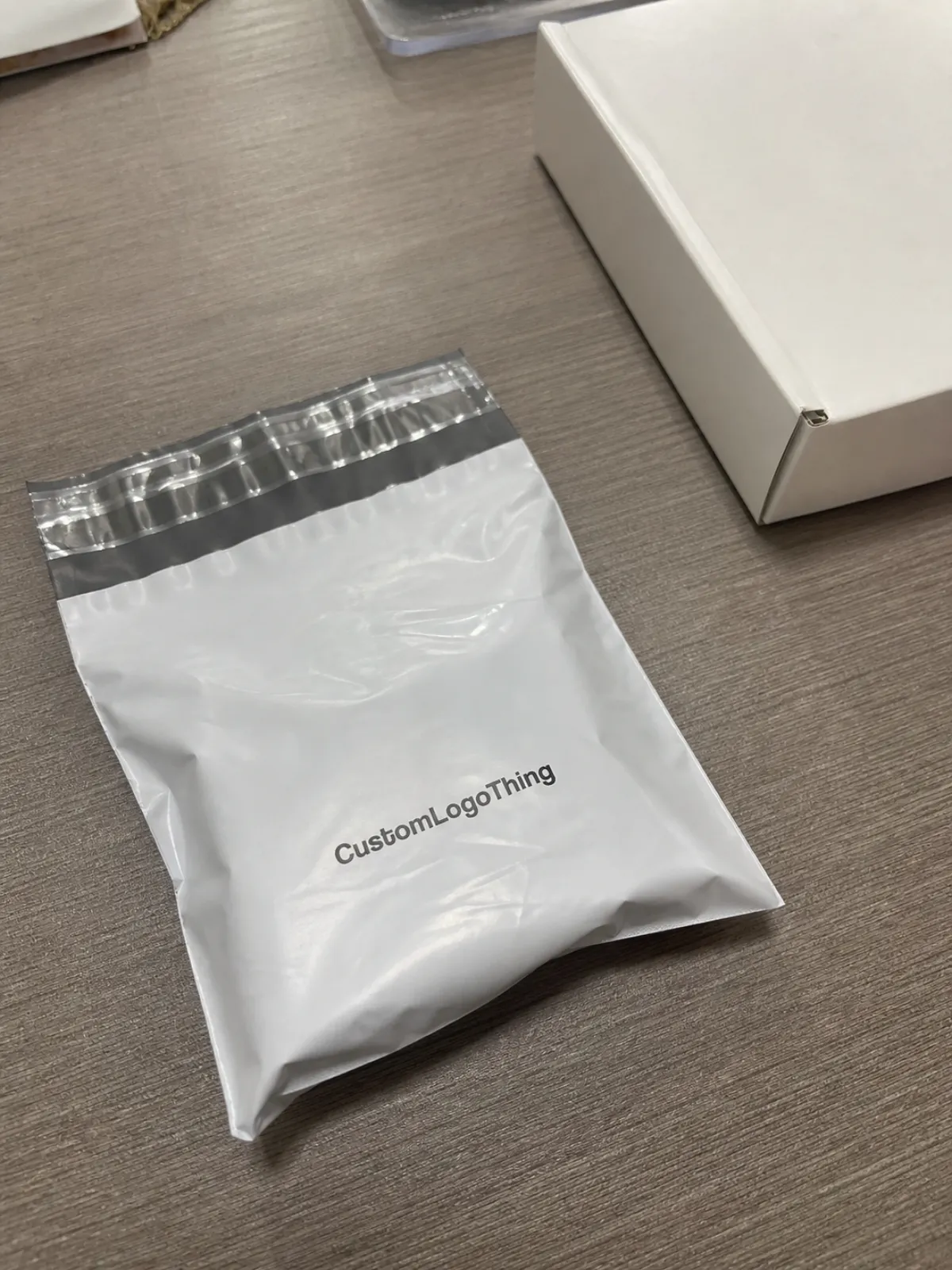
The first mistake is usually dimensional weight. A tiny pendant in a roomy carton may weigh almost nothing, yet the carrier bills for the extra space. That gap hits hard on low-ticket items and even harder on bulk fulfillment, where a few wasted cents per shipment can turn into a real leak by month-end. A slim mailer keeps the footprint tight and the postage easier to predict.
The second problem is movement. Jewelry itself is not the issue; it is the empty air around it. A boxed ring, carded bracelet, or pouch can rattle inside a carton unless the void is filled, and filler adds labor, cost, and time. For many DTC brands, poly mailers for jewelry orders reduce that void without asking the warehouse team to add extra inserts just to stabilize the package.
There is also the presentation angle. Customers do not always want a giant shipper for a small purchase. A well-sized mailer gives the package a cleaner arrival, and the unboxing feels deliberate instead of wasteful. That is why many jewelry sellers pair an inner pouch or rigid jewelry box with an outer mailer: the first layer protects the product, the second layer protects the shipping economics.
Packaging buyer rule: size the outer shipper around the finished pack, not around the piece itself. Rings and earrings are small; the actual order is often bigger than the item.
For brands with repeatable SKUs, that shift is easy to model. Measure the packed order, check the carrier fee, and compare it with a carton alternative. The numbers usually tell the story faster than the marketing pitch.
Poly mailer construction and print options for delicate items
Most jewelry sellers do not need exotic material science. They do need the right film, the right seal, and enough puncture resistance to survive sorting belts, tote bins, and porch drops. For standard lightweight shipments, a co-extruded poly film in the 2.5 to 3 mil range is a practical starting point. If the order includes a rigid box, a heavier insert, or metal components with sharper corners, a thicker gauge can lower the risk of seam stress.
Opacity matters too. A white or black exterior hides the contents and gives the brand a cleaner look, while a translucent mailer can expose the outline of the box inside. For jewelry, that is usually not the look you want. Buyers often choose a solid-color stock or a custom-printed exterior because it makes the parcel feel more intentional and less like a generic e-commerce bag.
Print options deserve equal attention. Plain stock mailers are fine for testing a new line or moving through a short promotion, but custom-printed versions help the shipment read like part of the brand experience. A simple logo, one color, and a clear return address zone can be enough. Full-wrap art has its place, yet for high-SKU boutique brands it can create setup cost without adding much value. A minimal layout is often the better choice when the goal is fast fulfillment and a tidy, consistent look.
Look for a strong self-seal adhesive, clean tear resistance, and a smooth print surface that holds small type without blur. If a supplier can share data on seal strength or puncture performance, that is a good sign. It does not have to be a lab thesis, but it should be more than “looks fine in a photo.” For a benchmark on transit durability, many buyers use ISTA testing standards as a practical reference point.
If you are narrowing choices, start with the product family that fits your order profile: Custom Poly Mailers or broader Custom Packaging Products can give you a cleaner comparison than piecing together random samples.
Sizing, gauges, and closure specs that matter
For poly mailers for jewelry orders, the finished pack is the real measurement. Start with the jewelry, then add the box, pouch, tissue, care card, and any return label or seal sticker that rides inside the package. A 4-by-4-inch ring box may look tiny on a desk, but once it is wrapped in tissue and inserted into a padded sleeve, the outer dimensions can change enough to alter the shipping price tier.
The safest sizing method is simple: build one sample pack, measure it, and then leave a small working margin. Too tight, and the seal lip becomes awkward. Too loose, and the bag looks overbuilt. Most brands want the smallest mailer that still closes cleanly, because excess room does not add protection once the inner packaging is already doing its job.
Thickness is a tradeoff. Thinner film can save on freight and keep the finished pack light, but heavier gauges generally handle better and split less often. If the order includes sharp edges, clasps, or small boxes with corners, moving up a gauge is often cheaper than replacing damaged shipments. A buyer should also check the adhesive strip length. A narrow glue band can frustrate the packing team, especially if the mailer is filled to its limit and the seal has to hold under warehouse pressure.
A practical spec sheet for this category should include:
- Finished dimensions
- Film gauge or mil thickness
- Mailing color and opacity
- Seal type and lip width
- Print coverage and color count
- Target ship weight and carton count
That one page removes a lot of confusion later. It also helps a supplier quote the same version of the product you actually intend to buy, which is more useful than a low headline price built on the wrong size.
Pricing, MOQ, and quote variables for custom runs
The price of poly mailers for jewelry orders moves with size, gauge, print coverage, and quantity. A stock-size, plain mailer is the cheapest route, while a fully custom size with multiple colors and heavier film will cost more. That is normal. What matters is whether the cost lines up with the order value and the brand's shipment volume.
MOQ is where many buyers feel the tension. Smaller runs reduce commitment, but they often limit print options and push unit pricing higher. Larger runs lower the per-piece cost and usually improve consistency across reorders, but they require confidence in the spec. For a jewelry line with repeatable packaging, locking one standard size first is usually smarter than testing five variations at once.
| Option | Typical MOQ | Indicative unit price | Best fit |
|---|---|---|---|
| Plain stock poly mailer | 500-1,000 | $0.12-$0.24 | Sampling, short promos, low-volume launches |
| Single-color custom print | 2,000-5,000 | $0.18-$0.38 | Most DTC jewelry brands shipping steady volume |
| Full-wrap printed mailer | 5,000-10,000 | $0.30-$0.65 | Premium branding and stronger shelf-to-ship continuity |
| Thicker tamper-evident build | 5,000+ | $0.22-$0.50 | Higher-value boxed sets, stronger handling demands |
Those ranges are not universal, and freight is separate. But they give buyers a way to sanity-check quotes. A good quote should show the same size, gauge, seal style, print count, and delivery terms across every supplier. Ask for itemized pricing, sample cost, tooling or plate charges, and any reprint policy. Otherwise the cheapest number may hide setup fees that show up later.
If you sell through wholesale channels as well as direct-to-consumer, it can also help to compare packaging economics against your broader pricing ladder. Some brands use Wholesale Programs for their higher-volume lines and keep premium print runs for smaller collections with stronger margins.
Process and turnaround from artwork approval to delivery
The production path is usually predictable: inquiry, spec confirmation, artwork review, proof approval, production, inspection, and shipment. The friction point is almost always artwork. A clean vector logo, final dimensions, and agreed color references move the job along. A blurry image file, uncertain PMS matches, or shifting layout notes slow it down fast.
For poly mailers for jewelry orders, proof speed often matters more than print speed. A plant can print quickly once the spec is locked. What slows delivery is back-and-forth over logo placement, bleed, and the exact shade of black or gold. If the design is simple, turnaround can be very efficient. If the brand wants a complex layout with multiple panels and color matching, add time for revisions.
A practical workflow looks like this:
- Send finished dimensions, quantity, and artwork.
- Confirm film gauge, seal style, and print coverage.
- Review a digital proof or sample photo for placement and spelling.
- Approve the proof in writing.
- Track production, inspection, and ship date.
Seasonal drops and restocks deserve special care. If a launch date is tied to a campaign, approve early and leave room for shipping delay or rework. That is not pessimism; it is basic control. For brands that care about lower-waste sourcing in the rest of the pack, the paper inserts, care cards, or outer cartons can align with FSC chain-of-custody standards, even if the mailer itself is a plastic film.
What separates a reliable supplier from a cheap print run
Consistency is the test. A cheap run may look fine on day one, but repeat orders expose weak seal adhesive, sloppy print registration, and film that varies from batch to batch. Reliable suppliers keep the spec stable across reorders. That matters more for jewelry than it does for many low-value items, because the packaging is part of the brand promise as soon as the customer opens the parcel.
Quality control should be visible, not assumed. Ask how the supplier checks seam integrity, count accuracy, ink rub resistance, and color consistency. If the answer is vague, expect problems later. If the answer is specific, with a real inspection step and a clear approval process, you are dealing with a team that understands production risk.
The cheapest quote can be the most expensive mistake. Reprints, split seals, delayed launches, and customer complaints quickly erase any savings from a low unit cost. That is especially true for poly mailers for jewelry orders, where even a small defect rate can create a visible customer-service burden. One bad batch can affect repeat purchase behavior, not just that single shipment.
Communication also matters. Jewelry brands often ship earrings one week, boxed sets the next, and a holiday gift order after that. A supplier should be able to handle those packing differences without making the buyer rebuild the spec from zero every time. Clear notes, sample photos, and a saved reorder file reduce mistakes and make future runs easier to place.
What to check before you place a jewelry packaging order
Before you Request a Quote, gather the basics: finished dimensions, monthly quantity, target ship date, print colors, and whether you want samples first. That sounds simple, but it cuts weeks off a sourcing cycle. A supplier can only quote accurately when the full pack is defined.
Common mistakes show up in two places. First, buyers size the mailer to the jewelry item instead of the full packed order. Second, they forget the internal components that actually change the footprint: foam inserts, boxes, tissue, thank-you cards, and return labels. Those details change the fit and often the price tier.
Testing one finished pack is worth the time. Fill it, seal it, label it, and run a short drop test from desk height. Does the seal hold? Does the package stay flat enough for sorting? Does the label sit cleanly? If the answer is no, adjust now. It is cheaper to revise a sample than to relabel a thousand cartons after launch.
Buyer questions should also include business logic, not just packaging logic. Will a branded outer mailer lift repeat purchase rate? Is the average order value high enough to justify custom print? Can one standard size cover 80 percent of shipments? Brands that answer those questions honestly usually choose better packaging than brands chasing the lowest price tag.
Next steps for a faster quote and cleaner launch
If you want faster answers, send three things first: finished dimensions, expected monthly quantity, and artwork files or logo specs. Add your target delivery date and any special requirements, such as tamper evidence, opaque film, or a specific color match. That gives the supplier enough context to respond with a real plan instead of a generic range.
Request both a sample and a tiered quote. A sample shows how the package feels in hand. A tiered quote shows whether the unit cost improves at 5,000, 10,000, or 25,000 pieces. That comparison is useful because poly mailers for jewelry orders often move into better economics once the size and print are standardized.
Keep the reorder details on file after approval. Save the final dimensions, gauge, adhesive type, print file, and approved proof in one place. The next time the line needs replenishment, the process becomes faster and less error-prone. That is where the operational value shows up: fewer delays, fewer mismatches, and fewer surprises at receiving.
For teams building a long-term packaging lineup, start with a spec you can repeat, not one you have to reinvent. The right packaging order should protect the jewelry, respect the margin, and hold up under real shipping conditions. That is the practical case for poly mailers for jewelry orders.
Frequently Asked Questions
What size poly mailers work best for jewelry orders with boxes?
Measure the full packed order, not the jewelry piece alone. Leave room for tissue, inserts, and a return label without forcing the seal. The smallest mailer that closes cleanly is usually the best fit for postage control.
Are poly mailers for jewelry orders secure enough for delicate pieces?
Yes, if the jewelry is packed in an inner box, pouch, or carded sleeve first. A strong self-seal strip and puncture-resistant film help protect the outer shipment. The mailer should carry the package; the inner packaging should keep the product from shifting.
What MOQ should I expect for custom jewelry mailers?
MOQ depends on size, print complexity, and whether the mailer is stock or fully custom. Smaller single-color orders are often easier to start than full custom dimensions. Ask for tiered pricing so you can compare low-volume and higher-volume options side by side.
How fast can custom poly mailers for jewelry orders ship?
Timeline depends on artwork approval, proof speed, and production capacity. Final files in the correct format usually shorten turnaround more than any other step. If the launch date matters, request a proof and production schedule before ordering.
What information do I need before requesting a quote?
Have finished dimensions, quantity, print colors, and your target delivery date ready. Share logo files or artwork so the printer can confirm feasibility early. Include any special needs such as tamper evidence, opaque film, or a specific color match.


