Buyer Fit Snapshot
| Best fit | Poly Mailers Minimum Order projects where brand print, material claims, artwork control, MOQ, and repeat-order consistency need to be specified before quoting. |
|---|---|
| Quote inputs | Share finished size, material target, print colors, finish, packing count, annual reorder estimate, ship-to region, and any compliance wording. |
| Proofing check | Approve dieline scale, logo placement, barcode or warning zones, color tolerance, closure strength, and carton packing before bulk production. |
| Main risk | Vague material claims, crowded artwork, missing packing details, or unclear freight terms can make a low unit price expensive after revisions. |
Fast answer: Poly Mailers Minimum Order: Pricing, Specs, and Timing should be specified like a repeatable production item. The safest quote records material, print method, finish, artwork proof, packing count, and reorder notes in one written spec.
Production checks before approval
Compare the actual filled-product size with the drawing, then confirm tolerance on folds, seals, hang holes, label areas, and retail display edges. Reserve space for logos, QR codes, warning copy, and material claims before decorative graphics fill the panel.
Quote comparison points
Review material grade, print process, finish, sampling route, tooling charges, carton quantity, and freight assumptions side by side. A quote is only useful when the supplier can repeat the same color, closure quality, and packing count on the next order.
The lowest quote on the page is rarely the lowest cost by the time the cartons reach your dock. With Poly Mailers Minimum Order, setup, proofing, freight, and the cost of placing repeat orders all have a way of showing up later, long after the headline price looked attractive. A small test batch can still be the right move, especially if you are checking a new design or proving demand. Once a shop is shipping a steady stream of orders, a slightly larger poly mailers minimum order often ends up cheaper than a string of tiny buys that keep restarting the process.
That is the part many buyers miss. The minimum order is only the starting point, not the full decision. The real question is whether the mailers are being used for a short test, a plain-stock replacement, or a branded packaging program that needs consistent cost and reliable timing. Get that distinction right and poly mailers minimum order pricing becomes much easier to read.
Poly mailers minimum order: what buyers usually miss
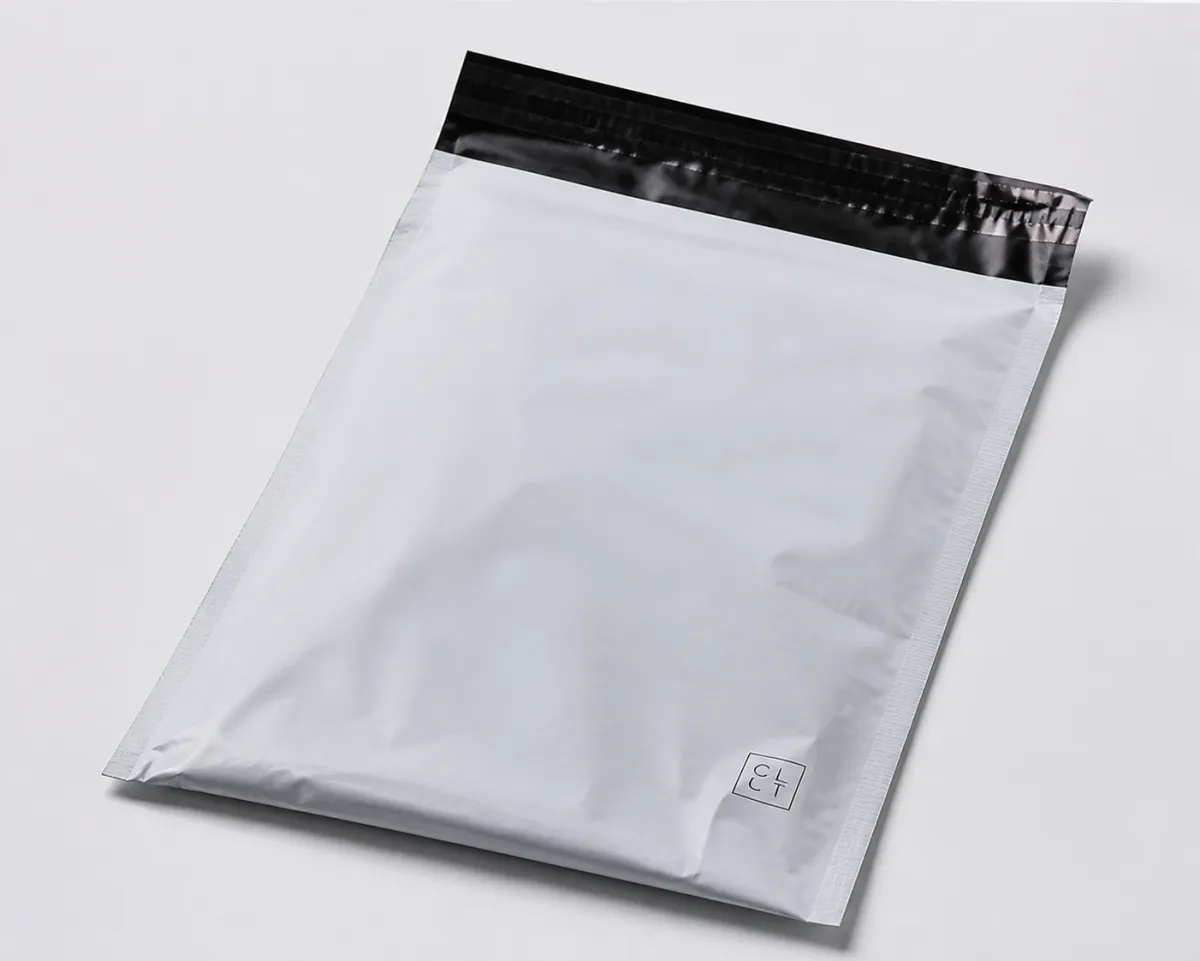
Most buyers open the conversation with one simple question: “What is the minimum?” That question makes sense, but poly mailers minimum order never tells the whole story by itself. The first run usually carries proofing, print setup, and a share of freight that a larger order can spread out more efficiently, so the true comparison is the total cost of getting to a finished, usable shipment.
Picture a brand that ships about 300 orders a month. That company may save money by ordering enough mailers to cover three or four months at once instead of placing tiny repeat orders every few weeks. The unit price on the larger run often improves, and the team avoids the quiet drag of repeated setup fees, repeated approvals, and repeated shipping charges. Seen that way, poly mailers minimum order should be judged against the reorder pattern, not treated like a standalone number.
Small minimums still have a place. They are useful for checking a new print direction, comparing finishes, or seeing whether a branded mailer changes the way customers receive the package. If the artwork shifts often, or if the launch date is already tight, a very low poly mailers minimum order can become expensive in a hurry. Reprints cost money, and schedule changes usually cost more than the reprint itself.
The first question I ask buyers is straightforward: are you testing demand, replacing plain stock, or launching a branded mailer line? Those are different buying problems, and each one pushes the order in a different direction. A test run may make a smaller poly mailers minimum order perfectly reasonable. A branded program usually wants enough inventory to cover a real sales cycle, along with a cleaner unit-cost curve.
“The minimum order is not the number that saves money. The landed cost is.”
That sounds blunt because it is. From the packaging buyer’s side, the right poly mailers minimum order depends on volume, cash flow, and the kind of shipping program in play. Retail packaging tends to care about appearance and consistency. Subscription mailers usually care about repeat ordering and efficient packing. Promo kits care about timing and presentation without tying up too much budget in inventory.
A good sanity check is to compare the order size against monthly shipping volume and the expected lifespan of the artwork. A clean design that will stay in use for six months can justify a larger poly mailers minimum order. A seasonal campaign with a short shelf life may not. That is not a branding judgment. It is basic inventory math.
For buyers building a broader packaging lineup, it helps to view mailers as part of a larger system instead of a one-off purchase. You can compare options in our Custom Packaging Products catalog or review our Custom Poly Mailers page to see how the product family fits together. The planning rules stay the same across most packaging categories: quote the actual spec, then compare the actual cost.
Poly mailers minimum order basics: sizes, materials, and print options
Poly mailers minimum order is shaped by the specification sheet more than by any single sales policy. Size, film thickness, adhesive type, print coverage, and whether the bag is stock or custom all move the number. Buyers sometimes expect one supplier’s MOQ to apply to every version of a mailer. That is not always how it works. A small size in a standard film can price very differently from a large format with full-coverage print.
The material choices are fairly direct. Standard poly film gives durability and moisture resistance. Co-ex film is common for mailers because it balances strength with a clean print surface. Recycled blends can support sustainability goals, though they may affect opacity, surface feel, and the way ink sits on the bag. None of that is a problem when the spec is chosen with care. It becomes a problem when someone asks for “eco-friendly” without saying whether they need recycled content, a recyclable structure, or simply a lower-waste sourcing plan. Those are different requirements, and they should not be lumped together.
Thickness matters more than many first-time buyers expect. A 2.0 mil mailer is often fine for soft goods and light apparel. Move up to 2.5 mil or 3.0 mil and you usually get better tear resistance and a sturdier hand feel. The tradeoff is cost and, in some cases, a slightly higher poly mailers minimum order if the film width or print layout becomes less efficient. Once the product gets heavier, sharper, or packed with rigid inserts, thinner film starts to look cheap for all the wrong reasons.
Print choices also move the minimum. One-color branding is the simplest route and usually the easiest to price. Two-color or full-coverage art adds setup time and can reduce flexibility across sizes. Outside-only printing is common. Inside printing, spot white, or full flood coverage brings more complexity to the press work. Once the print method changes, the poly mailers minimum order can move because the press time, waste rate, and preparation time change with it.
Size selection changes the math faster than many buyers realize. A larger mailer uses more film, more ink in some layouts, and sometimes a different carton pack-out. A supplier may hold the same poly mailers minimum order across several sizes, yet the unit price still shifts as soon as the film width and print area change. That is why two quotes that look similar on paper can land very differently once the spec is fully written out.
Some suppliers quote by design, some by size, and some by both. That is where a lot of quote confusion starts. A buyer may think one offer is better than another when the two quotes are not even built on the same structure. If you are requesting a poly mailers minimum order quote, ask whether the MOQ is per size, per design, or per total order. That one question can save a surprising amount of back-and-forth.
For teams that want a cleaner reference point on transit testing, the ISTA standards are worth reading. They are not mailer-specific, but they give useful context for what a package should survive in shipping. For sustainability claims tied to paper components, the FSC system is a clearer benchmark than vague “green” language. That matters when the packaging program includes cartons, inserts, or labels around the mailer itself.
Specifications to confirm before you request a quote
If you want a useful quote for poly mailers minimum order, send the exact spec. Not a mood board. Not “something like our current bag.” Exact dimensions, thickness, seal type, opacity, print sides, and adhesive style make the difference between a quote you can use and a quote you have to rebuild later. The more precise the request, the fewer surprises show up after proof approval.
Start with the finished bag size. That means the usable closed size, not the flat-sheet estimate someone typed into a spreadsheet months ago and forgot about. Then confirm thickness in mil, usually 2.0, 2.5, or 3.0 mil. After that, specify whether you want a peel-and-seal strip, a permanent adhesive, or a tamper-evident style. Those details affect the poly mailers minimum order because they change material use and production setup.
Artwork details should be set early. Number of colors, use of white ink, bleed, and whether the print wraps the full face all influence the price. If the design has multiple variants across sizes, that needs to be stated before anyone builds the quote. A single-color logo on one side is a different job from a full-front printed scene with tight registration requirements. The supplier should not be guessing, and neither should the buyer.
Shipping details matter too. If the order needs cartons, palletization, split shipments, or a destination port, say it up front. Freight can swing the landed cost more than the mailer itself, especially on smaller poly mailers minimum order runs. A quote without delivery terms is only half a quote. Useful? Yes. Complete? Not at all.
- Finished size: exact width and length in inches or millimeters.
- Thickness: 2.0, 2.5, or 3.0 mil, or the equivalent spec.
- Seal style: peel-and-seal, permanent, or tamper-evident.
- Print detail: one-color, multi-color, outside-only, or full coverage.
- Artwork file: vector preferred, with font outlines and linked images packaged.
- Delivery location: ZIP code, warehouse, or port.
The most common quoting mistake is asking for “Custom Poly Mailers” with no other detail. That is not a spec. It is a category. A vendor can send a placeholder, but you cannot compare the offer to anything useful until the job is defined. If you are serious about poly mailers minimum order, give the vendor enough information to price a real production run.
If the file side feels uncertain, ask for a proof template first. A proper dieline or imprint guide prevents a lot of unnecessary work later. It also helps the design team see whether the logo needs to sit higher, whether the return flap will cover anything important, and whether a barcode or QR code has enough quiet space around it. Those small details are easy to ignore until they delay the reorder.
Poly mailers minimum order pricing, MOQ, and unit cost
Poly mailers minimum order pricing always reflects setup. Buyers often want to skip that part, and that is exactly why the first run costs more per piece. Plates, screens, prepress work, color matching, and proofing all get spread across fewer units on a low-MOQ order. The math is not glamorous, but it is the part that keeps the quote honest.
A practical way to read the pricing is in tiers. Small test runs usually carry the highest unit price. Mid-volume reorders bring the cost down once the design and size are settled. Larger production runs flatten the unit price further because the fixed work has already been absorbed. The exact numbers depend on size, thickness, and print coverage, yet the pattern stays consistent across most poly mailers minimum order jobs.
| Run size | Typical unit price range | What drives the cost | Best fit |
|---|---|---|---|
| 300-500 pieces | $0.85-$1.60 each | Setup spread across a small batch, higher freight cost per unit, more handling | Testing a new design or a seasonal drop |
| 1,000 pieces | $0.42-$0.95 each | Better absorption of print setup, more stable carton packing, more predictable timing | Small brand program or first real launch |
| 3,000-5,000 pieces | $0.22-$0.48 each | Lower fixed-cost impact, stronger freight efficiency, smoother production planning | Ongoing e-commerce orders |
| 10,000 pieces and up | $0.14-$0.32 each | Higher material commitment, strongest unit-cost position, best absorption of overhead | Established demand and repeat use |
Those ranges are directional, not a promise. A 10 x 13 inch mailer with one-color print and standard adhesive will not price the same way as a larger bag with full-color outside print and a specialty finish. Even so, the table shows the part buyers usually care about most: poly mailers minimum order pricing drops in steps, not in one smooth line.
A clean quote should include more than the bag price. Ask for the setup fee, artwork prep, packing, and freight. Otherwise you are comparing one supplier’s ex-factory number to another supplier’s landed quote, which is not a fair comparison. For poly mailers minimum order decisions, landed cost is the number that actually hits the budget.
There is another trap sitting right next to that one: the cost of reprints. If the artwork changes after approval, the customer may pay setup twice, proof twice, and lose time while the job is remade. I have seen buyers save a few cents on the first order and spend far more correcting it later. That is not a savings plan. That is a slow leak.
Cheaper stock mailers do win on speed. They are ready faster, they usually carry lower minimums, and they work well as back-up inventory. Custom mailers win on brand presentation and repeat value. If customers see the package every month, the branded version often pays back through a more deliberate unboxing experience and fewer generic-looking shipments. That is not hype. It is basic presentation economics, plain and simple.
If your team buys at different volume levels, compare poly mailers minimum order pricing against the whole packaging budget rather than one line item. Our Wholesale Programs page helps if you are trying to see where quantity breaks start to matter across product lines. If you need to cross-check basic service questions while quoting, the FAQ page usually clears up the kind of points that slow approvals.
Process and timeline: how a poly mailers minimum order moves
A clean poly mailers minimum order process usually follows the same sequence: request, spec review, quote, artwork prep, proof approval, production, quality check, packing, and shipment. On paper that looks simple. In real life, most delays happen before the press even starts.
Missing specs create the first delay. If the size, thickness, or seal type is unclear, the quote turns into a clarification loop. Unclear artwork creates the second delay. Slow proof approval creates the third. Then someone changes the size after the proof has already been issued and wonders why the schedule moved. That is how a “fast” poly mailers minimum order becomes a tense one.
Timing is easier to understand in ranges. A digital proof may come back in 1-2 business days if the spec is clean. Simple custom production often lands in the 12-18 business day range after approval, although larger runs or special print work can take longer. Shipping adds its own clock. Domestic freight may take a few days. Overseas transit can take much longer. Anyone promising exact timing without seeing the spec is guessing.
Rush orders are possible in some cases. They also cost more. That extra cost can be worth it if a launch date is fixed or a retail event is locked in, but it narrows the supplier pool and usually limits print choices. A rushed poly mailers minimum order also leaves less room for design corrections. I would rather see a buyer approve a simpler bag on time than chase a beautiful bag that misses the ship window.
Plan backward from the launch date, not from the date you wish you had. If the product needs to be in the warehouse by the first week of the month, count back through proof approval, production, quality check, packing, and transit. That is the schedule that matters. A poly mailers minimum order can move quickly when everyone is aligned, but it still needs room to breathe.
Quality control should not be treated like a box to tick off and forget. Inspect print alignment, color consistency, seal strength, and carton count before the order ships. If the order is for premium retail or subscription use, ask for a sample or a pre-production proof. A clean sample beats a vague promise every time. Buyers placing a sensitive poly mailers minimum order should insist on seeing what will actually go out the door.
Packaging that travels well should be packed well. Carton count, pallet stack height, and outer protection matter more than many people realize. If a mailer order ships with other packaging components, make sure the full kit can survive transit, not just the first carton sitting on the dock. The package does not care how optimistic the sales forecast was.
For buyers who need more than one packaging item, it helps to start with the mailer and build around it. You can coordinate labels, cartons, and inserts through our Custom Packaging Products catalog instead of solving every piece separately. That usually leads to a cleaner timeline and fewer mismatched specs. It also helps your poly mailers minimum order line up with the rest of the shipment plan.
Why choose us for poly mailers minimum order projects
We keep the process practical. That means faster quote turnaround, straight answers on MOQ, and fewer surprises after proof approval. If you are comparing poly mailers minimum order offers, the useful question is not “Who said yes fastest?” It is “Who gave me a spec I can actually approve without gambling on the final result?”
We also help buyers Choose the Right size and print coverage instead of overselling quantity. A mailer that is too small increases damage risk. One that is too large wastes material and freight. A good poly mailers minimum order should fit the product, the shipping method, and the monthly demand curve. That sounds obvious. It is surprising how often it gets skipped in the rush to request pricing.
Production discipline matters. Consistent print quality, clear spec confirmation, and packaging that ships cleanly are not extras. They are the basics. If the job is a first run, the customer needs a mailer that looks intentional. If the job is a reorder, the customer needs the new lot to match the last one closely enough that no one notices a shift. That is the standard, and anything less gets noticed sooner or later.
We stay focused on the landed number, not just the unit price and not just the minimum. Freight, pack-out, and the chance of reordering all matter. For a serious poly mailers minimum order, the “cheap” option that creates extra work is usually the expensive one in disguise.
“Show me the landed cost, the proof, and the lead time. If those three line up, the order usually does too.”
Buyers keep coming back to suppliers who give useful samples and keep communication tight. Nobody enjoys chasing status updates, especially once a launch date is already set. A dependable poly mailers minimum order process removes friction instead of adding it. That is why teams return: not because the quote sounded magical, but because the order arrived usable and on schedule.
If you are building a recurring program, our Custom Poly Mailers page is a good place to review options before you commit. If your team buys across categories, the Wholesale Programs page can help you think through quantity breaks at a broader level. If you still have a basic purchasing question, our FAQ page usually clears it up faster than a long email chain.
Next steps for your poly mailers minimum order
Before you contact sales, gather five things: size, quantity, thickness, artwork files, and delivery location. That alone will speed up your poly mailers minimum order quote more than any sales pitch ever will. If you also have a target ship date, include it. Specifics save time. Vague requests burn it.
Request two quotes at once if you can. Ask for the minimum test run and a better unit-cost tier. Seeing those side by side makes the tradeoff easy to read. Sometimes the higher quantity barely changes total spend and cuts your unit price enough to justify it. Other times the small run is the only sensible answer. Either way, the numbers should tell the story for your poly mailers minimum order.
If the design carries a lot of brand weight, ask for a proof and a sample. If the mailer will touch premium retail orders, do not skip that step. A single proof can catch layout errors, size problems, and poor contrast before production starts. That is cheap insurance. A remake is not, and nobody wants to explain that to a launch team on a Friday afternoon.
Confirm lead time, freight method, and carton count before approving the order. Those details decide whether the shipment arrives in time to support the launch. A clean poly mailers minimum order is not only about what gets made. It is about whether the finished mailers show up when the warehouse can actually use them.
That is the practical finish line: compare pricing, confirm specs, approve the proof, and place the order with enough buffer for production and transit. Do that and poly mailers minimum order stops being a guessing game. It becomes a controlled purchase with a clear landed cost and a clear delivery date.
One last point. If you need to balance packaging choices across a few SKUs, do not treat mailers as a separate headache. Bring the size, artwork, and shipping plan together, then order enough inventory to avoid pointless repeat costs. That is how a smart poly mailers minimum order supports the business instead of interrupting it every few weeks.
What is the usual poly mailers minimum order for custom printing?
It depends on size, print coverage, and material, but custom orders usually start at a few hundred pieces rather than one or two cartons. Full-color or higher-complexity jobs often need a larger MOQ because setup work is built into the first run. If you only need a test batch, ask for the lowest viable run and the next pricing tier so you can compare unit cost.
Can I mix sizes to meet a poly mailers minimum order?
Sometimes, though not always. Some suppliers count mixed sizes separately because each size needs its own setup and its own production slot. If you want multiple sizes, ask whether the MOQ applies per size, per design, or across the total order. Mixing sizes works best when the artwork is the same and the production method is identical.
How much do poly mailers cost at a low MOQ?
Low-MOQ pricing is usually higher per piece because setup is spread across fewer units. The final unit cost depends on size, thickness, print colors, and freight, not just the bag itself. For a real comparison, ask for landed cost per thousand or per carton, not only the headline unit price.
How long does a poly mailers minimum order take to produce?
Timing depends on proof approval, print complexity, and material availability. Simple runs move faster; custom print jobs with multiple colors or special finishes take longer. A clean spec sheet and fast proof approval are the easiest ways to keep the order on schedule.
What do you need from me to quote a poly mailers minimum order?
You should send the finished bag size, desired quantity, thickness, print details, artwork file, and shipping destination. If you have a target ship date, include that too so the quote reflects a realistic timeline. Photos or a sample of your current mailer help if you want a match or an upgrade.