Buyer Fit Snapshot
| Best fit | Poly Mailers Premium Quality projects where brand print, material claims, artwork control, MOQ, and repeat-order consistency need to be specified before quoting. |
|---|---|
| Quote inputs | Share finished size, material target, print colors, finish, packing count, annual reorder estimate, ship-to region, and any compliance wording. |
| Proofing check | Approve dieline scale, logo placement, barcode or warning zones, color tolerance, closure strength, and carton packing before bulk production. |
| Main risk | Vague material claims, crowded artwork, missing packing details, or unclear freight terms can make a low unit price expensive after revisions. |
Fast answer: Poly Mailers Premium Quality: Material Claims, Seal Quality, and Freight Cost should be specified like a repeatable production item. The safest quote records material, print method, finish, artwork proof, packing count, and reorder notes in one written spec.
Production checks before approval
Compare the actual filled-product size with the drawing, then confirm tolerance on folds, seals, hang holes, label areas, and retail display edges. Reserve space for logos, QR codes, warning copy, and material claims before decorative graphics fill the panel.
Quote comparison points
Review material grade, print process, finish, sampling route, tooling charges, carton quantity, and freight assumptions side by side. A quote is only useful when the supplier can repeat the same color, closure quality, and packing count on the next order.
On a production floor in New Jersey a few years back, I watched two poly mailers sit side by side on a sample table and look almost identical, right down to the glossy finish and the printed logo, but one held up through a brutal conveyor run and the other split at the flap after a simple drop test from about 36 inches. I still remember that little moment of betrayal from the weaker bag; packaging can be dramatic, apparently. That kind of contrast is exactly why poly mailers premium quality matters so much for brands shipping apparel, subscription kits, and other soft goods, because the difference is often hidden in the film structure, the seal, and the adhesive rather than the look alone. In that plant outside Newark, the better mailer was a 2.75 mil co-extruded polyethylene bag with a 1.5-inch pressure-sensitive flap, while the weaker one was a thinner stock item that looked fine in photos but struggled under real handling.
If you run an e-commerce operation, a boutique clothing label, or a fulfillment center shipping thousands of lightweight items each week, poly mailers premium quality can shape your costs in ways that don’t show up on a single quote sheet. I’ve seen good mailers cut damage claims, reduce reships, and improve the unboxing feel enough that customer service teams noticed fewer complaints within the first three weeks of a rollout. In one case, a Texas fulfillment team shipping 8,000 units a month reduced replacement shipments by 17% after moving from a basic 2 mil bag to a stronger printed construction, and the savings were obvious by the second billing cycle. Honestly, I think that is where the real value shows up, because a mailer that looks “cheap” on paper but behaves well in the wild is doing real work for your brand. For many teams, premium mailers also reduce the need for extra void fill, tape reinforcement, and last-minute packing fixes, which means the whole shipping workflow feels calmer from the packing bench to the carrier scan.
Poly Mailers Premium Quality: Why It Matters
At the simplest level, a poly mailer is a lightweight shipping envelope made from polyethylene film, usually designed with a self-seal flap and a smooth exterior for branding or shipping labels. But poly mailers premium quality is not just a matter of “plastic bag versus better plastic bag.” It depends on how the film is made on the extrusion line, how the seams are welded with heat bars set to the right temperature, how the adhesive behaves under dust and warehouse humidity, and how tightly the plant controls each run from resin loading to final carton packout. In a well-run factory in Dongguan or Ningbo, that control often shows up in measurable details like film thickness tolerance within ±5%, even flap pressure, and print registration that stays aligned across 10,000-piece runs. That level of consistency is what lets brands use Custom Poly Mailers with confidence instead of crossing their fingers at the shipping station.
Packaging failures are expensive in quiet ways. A torn mailer means a replacement shipment, a second label, more labor time at the packing station, and often a disappointed customer who may never mention the packaging flaw directly but still remembers the experience. In apparel, beauty, and accessories, poly mailers premium quality also protects the brand image, since the outside package is often the first physical touchpoint your customer has with the product. A single damaged shipment can trigger a $7 to $14 replacement cost once postage, labor, and customer support time are counted, and that is before you factor in the lost chance to earn a repeat order. Better packaging materials also help reduce scuffs, corner wear, and adhesive failures that would otherwise show up as avoidable support tickets.
I remember a client in Atlanta who had moved from a plain stock mailer to a printed custom option, but they stayed with a very thin film to save a cent or two per unit. Their returns looked fine on paper until peak season hit and the outbound cartons were stacked higher, handled faster, and moved through a humid dock area in late August. The result was a small rise in punctures and open flaps, and by the time they calculated replacement shipping plus labor, the “cheap” option had become the pricier one by nearly $4,200 over a six-week window. That is the kind of lesson poly mailers premium quality teaches quickly, and sometimes rudely. It also explains why experienced buyers compare not only unit cost, but also damage rate, packing speed, and customer perception before making a final call.
Premium quality, in my experience, means four things working together: consistent manufacturing control, reliable closure strength, real puncture resistance, and print that holds up without smudging or peeling. If one of those pieces is weak, the whole mailer can fail even if it looked perfect on the sample wall. I’ve had to tell buyers that more than once, and it never gets less awkward. The best results usually come from factories that can show a spec sheet, a sample photo, and a production report from the same line, not three different stories told by three different people. If a supplier also shares resin blend details, gauge tolerance, and in-line inspection steps, that usually tells me they understand what premium poly mailers are supposed to do once they leave the warehouse.
How Premium Poly Mailers Work in Shipping
Most people see a poly mailer as a simple envelope, but inside a good production line there are several design choices at work. A quality mailer usually has an outer film layer for appearance and abrasion resistance, an inner layer that supports flexibility, a closure flap with pressure-sensitive adhesive, and seam areas designed to withstand handling from packing bench to final-mile delivery. When the whole structure is done right, poly mailers premium quality can handle folding, conveyor friction, and rough sorting without tearing open, even after going through automated sorters in hubs like Louisville, Dallas, or Riverside. That kind of resilience matters even more for apparel shipping, subscription boxes, and other soft goods that travel a long way before they are opened.
There are mono-layer mailers and multi-layer, co-extruded constructions. Mono-layer film can be adequate for certain low-risk shipments, but co-extrusion often improves toughness because different polymer layers can be tuned for strength, stretch, and seal performance. I’ve visited plants in Shenzhen and Taicang where a 3-layer co-extruded film performed better than a thicker single-layer alternative simply because the film formulation distributed stress more evenly across the load path. Thickness matters, sure, but material engineering matters just as much, which is why poly mailers premium quality is more than a gauge number on a spec sheet. A well-balanced 2.5 mil co-extruded bag can outperform a poorly made 3 mil bag if the resin blend and cooling process are dialed in correctly. In other words, a smarter construction can beat a heavier one when the line is controlled properly.
The adhesive closure is another place where good mailers prove themselves. Pressure-sensitive adhesive should grip firmly after the flap is pressed down, and in many premium constructions the closure is also tamper-evident, so the customer can tell if the package was opened in transit. Weak adhesive is one of the most common failure points I’ve seen on packing lines, especially when the warehouse gets dusty or cold. A strip that looks fine in a clean sample room can behave very differently at 55°F in a dock area with low humidity, or at 90°F in a summer staging zone near Houston where the heat can soften the bond before the carrier even scans the carton. Packaging, as I’ve learned the hard way, has a nasty habit of ignoring polite assumptions.
Production testing is where the best suppliers separate themselves from the rest. In serious factories, I’ve seen teams perform drop handling checks, seam inspections, visual checks for thickness variation, and print-surface inspection for smearing or registration drift. That kind of discipline is a big part of poly mailers premium quality, because a mailer that passes one sample review but fails batch consistency is not really premium at all. The better plants document test results on every shift, often using 20-piece random pulls and a simple go/no-go checklist so the line operator in Guangzhou and the QC lead in the receiving bay are looking at the same standard.
Here’s the practical truth: if your packaging supplier can’t explain how the mailer holds up under pressure, they may be selling a look rather than a performance spec. I’ve had buyers ask only about color and logo placement, then act surprised when the adhesive failed after the mailers sat near a sunny loading dock for three weeks in Southern California. The better question is how the product behaves in real shipping conditions, because poly mailers premium quality is judged in transit, not just on the approval sheet. A credible supplier should be able to talk about seal width in millimeters, film orientation, and whether the flap adhesive is acrylic-based or hot-melt, because those details matter once the bags start moving through a real network. If your line also uses poly bag Packaging for Different SKUs, the same testing mindset should apply across every shipper style, not just the custom mailer.
Key Factors That Define Poly Mailers Premium Quality
The first factor most people ask about is film thickness, usually expressed in mils or microns depending on the supplier. Thicker is not automatically better. I’ve seen a poorly formulated 2.5 mil mailer tear faster than a well-balanced 2 mil co-extruded design because the film lacked proper tear resistance and stretched too much before recovery. With poly mailers premium quality, the real question is not only “how thick is it?” but also “how well is that thickness engineered?” A 2.8 mil bag made from LDPE and LLDPE blend can be tougher than a 3.2 mil film that has poor directional strength and uneven cooling after extrusion. That is why serious sourcing teams ask for both thickness and material composition before they approve a run.
Seal strength is just as important as film gauge. The edge welds and bottom seams should be consistent across the run, with no weak spots, cold seals, or thin edges caused by poor heat control. On a good line, the sealing jaws are maintained carefully and operators check for even weld lines at regular intervals, sometimes every 30 to 45 minutes on higher-volume shifts. If the heat profile drifts, the mailer can look perfect but split under load. That’s why poly mailers premium quality needs process control, not just a nice materials brief. A factory in Qingdao or Suzhou that keeps temperature logs and line-speed records is usually a safer bet than one that only sends glossy product photos. The best suppliers can also explain their quality control checkpoints in plain language, which helps buyers compare options without guesswork.
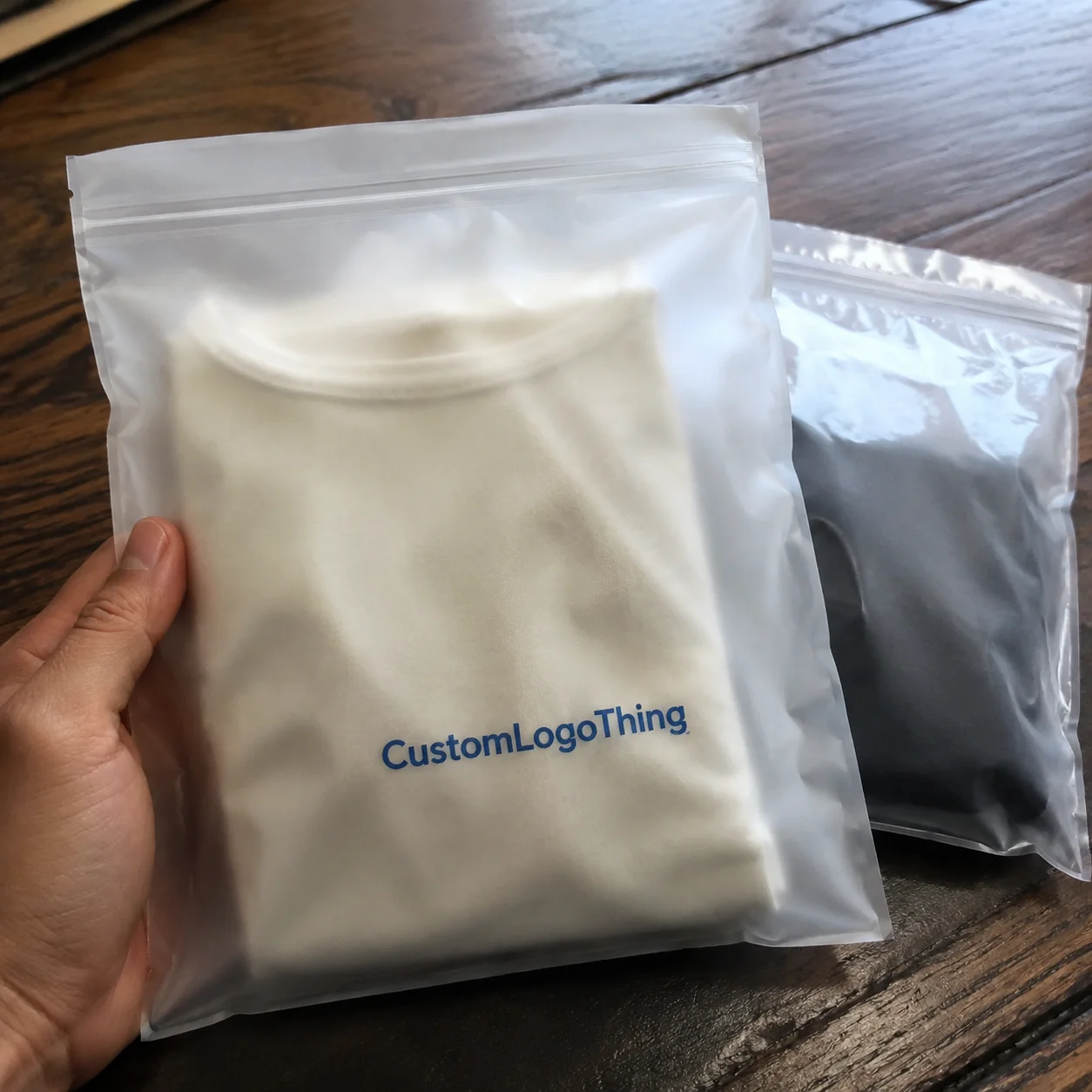
Opacity and branding also matter more than many buyers expect. Premium mailers should protect customer privacy, hide the outline of the product inside, and print cleanly with sharp logos and stable color. If the film is too translucent, a customer can see underwear, cosmetics, or folded garments before opening the bag, which is not a great look for most brands. With poly mailers premium quality, the exterior should feel deliberate and clean, not streaky or patchy. For a fashion brand, that often means a 3-color gravure print on a white outer layer with a black inner layer that blocks product visibility under warehouse lighting and daylight near the receiving dock. For lifestyle brands that care about presentation, strong print adhesion and a smooth matte or gloss finish can shape the customer’s first impression before the product is even touched.
Then there’s puncture resistance, stretch memory, and tear propagation. Those are the terms that tell you how a mailer behaves when it gets dragged, poked, or snagged on a belt edge. A strong mailer resists a small puncture from turning into a long split. That matters a lot in parcel networks where bags are tossed into carts, compressed in tubs, or pushed through automated sortation. Poly mailers premium quality should survive those stress points with margin to spare, especially if your items include shoe boxes, denim, or accessory hardware that can press against the film at a sharp angle. I also like to see the film recover well after folding, because a bag that creases too sharply can lose both appearance and durability over the course of repeated handling.
Sustainability is another serious factor, and I say that as someone who has spent enough time around resin suppliers to know the difference between marketing language and usable material savings. Premium can mean optimized downgauging, where the film is engineered to use less material while maintaining performance. It can also mean recycled content, depending on the application and the customer’s requirements. For brands looking at certification pathways, asking about FSC-certified paper inserts or packaging programs aligned with FSC principles may also be relevant in some broader packaging systems. If the supplier can explain their material choices clearly, that’s a strong sign of poly mailers premium quality. Some buyers also request post-consumer recycled content around 30% to 50%, which can be a practical starting point when the product mix is not especially sharp-edged. Recycled content, proper downgauging, and lower scrap rates can all work together if the factory has disciplined extrusion controls.
For reference, organizations like ISTA and EPA recycling resources are useful when you want to think beyond the bag itself and look at transport testing and end-of-life considerations. I’ve found that the best packaging decisions are rarely made by looking at one spec in isolation; the whole chain matters, and the chain is usually where the weird little failures show up. If your supplier can pair an ISTA-style drop test summary with a film spec like 2.5 mil co-extruded LDPE/LLDPE, you are already in better territory than most rushed sourcing conversations. A thoughtful packaging workflow should account for transport stress, warehouse handling, and the customer’s unboxing experience all at once.
Poly Mailers Premium Quality and Pricing: What Affects Cost
Pricing starts with material grade. Resins, additives, and the complexity of the film structure all influence what the supplier pays before the bag ever reaches the printing press. A basic plain mailer from a large run might land at a low unit cost, while poly mailers premium quality with co-extruded film, custom dimensions, and branded printing can cost significantly more. The important part is understanding what you are paying for and whether it actually reduces total packaging cost. For example, a plain 10 x 13 inch stock bag from a large catalog order might cost $0.08 to $0.12 per unit, while a 2.75 mil custom-printed mailer from a factory in Guangdong could come in at $0.15 per unit for 5000 pieces, with the price moving lower as volume rises and plate setup gets spread across more bags. That difference can still be worthwhile if the premium construction cuts damage, labor, or customer complaints.
Here are the biggest pricing drivers I see in real sourcing conversations:
- Film thickness and structure: thicker or multi-layer film usually costs more, especially with tuned puncture resistance. A 3-layer 2.8 mil construction from a plant in Dongguan often prices above a single-layer 2 mil mailer because the resin blend and extrusion process are more complex.
- Printing method: more colors, tighter registration, and special finishes increase setup and production time. A 4-color gravure job in Shenzhen will usually cost more than a one-color print because each plate and each wash-up adds labor.
- Bag size: custom dimensions often require dedicated setup and may increase material waste during conversion. A 12 x 15 inch bag may be easy to run, while a 14 x 20 inch oversized piece can create extra trim loss in production.
- Adhesive type: stronger closures, dual strips, and tamper-evident features add cost. A dual-seal flap or hot-melt security strip often adds a few cents per unit but can save much more in returns.
- Order volume: larger quantities usually reduce unit cost because setup expenses are spread out. A 1000-piece order might be priced like a small custom job, while 10,000 or 20,000 pieces can unlock a much better rate.
- Finishes: matte, gloss, or soft-touch effects can raise cost depending on the production method. A soft-touch lamination can look excellent, but it may add a full extra production step in a facility near Yiwu or Wenzhou.
For example, a plain stock mailer might be competitive at very high quantities, while a printed custom version with a matte finish and extra-strong adhesive might be worth the higher unit price if it reduces return rates and supports your brand presentation. That tradeoff is the center of poly mailers premium quality: you are buying confidence, consistency, and fewer downstream headaches, not just a bag. If a stronger mailer prevents even 40 reships a month at $8.50 each, it can pay for itself faster than the spreadsheet makes obvious. In many warehouses, the bigger savings come from faster packing and fewer corrections, which can matter just as much as the bag price itself.
Minimum order quantities matter too. Smaller brands often ask why custom mailers are pricier than stock items, and the answer usually comes down to setup time, plate or print preparation, and production efficiency. A factory cannot easily run a 500-piece custom order at the same cost structure as a 10,000-piece run. In one supplier meeting I sat through in Shenzhen, the buyer wanted four different sizes in low quantities; once the factory calculated changeover time, scrap, and line interruption, the quote made perfect sense even though the customer was disappointed. A custom order in the 3000 to 5000 piece range may take 12 to 15 business days from proof approval, while a more complex multi-color print or rush request can stretch beyond 20 business days depending on the calendar and the plant queue. Poly mailers premium quality usually rewards planning, patience, and a little bit of spreadsheet humility. A supplier that can explain those lead times honestly is often more useful than one that simply promises the fastest turnaround.
| Option | Typical Use | Approx. Unit Cost | Performance Profile |
|---|---|---|---|
| Plain stock mailer | High-volume basic shipping | $0.06–$0.12 | Good for low-risk goods, limited branding |
| Custom printed standard mailer | Brand presentation and everyday fulfillment | $0.10–$0.22 | Better visual identity, moderate performance |
| Poly mailers premium quality | Apparel, subscription kits, soft goods | $0.14–$0.35 | Stronger seals, better film control, sharper branding |
| Specialized premium build | High-value or sensitive shipments | $0.25–$0.50+ | Enhanced adhesive, opaque film, custom finishes |
Those are broad ranges, and they shift with volume, lead time, and market resin pricing. Still, the table helps frame a buying conversation around performance instead of just cents per unit. I always advise teams to compare the total cost of ownership: packaging price, labor time, damage claims, and replacement shipping. That’s how poly mailers premium quality earns its keep, and how finance teams stop giving me that skeptical look they save for “nice but unnecessary” packaging upgrades. A $0.18 mailer that cuts a $9 reship and a five-minute packing delay can make a better financial case than a $0.09 bag that creates headaches every Friday afternoon. In practice, the premium option often becomes the conservative choice once all the real costs are counted.
Ask about proofing and sample approval too. A supplier that includes a print proof, physical sample, or both is helping reduce risk before full production begins. In my experience, a good proofing process saves more money than most buyers realize because it catches alignment issues, color drift, and label panel mistakes before they reach the packing floor. A clean approval cycle may involve a PDF proof in 24 to 48 hours, a physical sample couriered from Hangzhou or Dongguan in 3 to 5 business days, and then final production after sign-off. That kind of timeline keeps poly mailers premium quality grounded in actual process instead of vague promises. It also gives your team time to review details like opacity, seal placement, and flap size before the order goes live.
Step-by-Step: Choosing the Right Poly Mailers
Step 1: Identify what you ship most often. If your outbound mix is 70% folded T-shirts, 20% leggings, and 10% small accessories, your mailer choice should reflect that product profile. A narrow, stretchy bag may work beautifully for apparel, while rigid items need more puncture protection. That product-first approach is the foundation of poly mailers premium quality sourcing, and it is especially useful if your team ships from a 2,500-square-foot warehouse in Los Angeles or a third-party logistics hub near Atlanta with fast-moving daily picks.
Step 2: Decide on size, thickness, closure style, and branding. Don’t pick a size just because it is common. I’ve seen a lot of fulfillment teams waste cubic space by using oversized mailers that shift in transit, or undersized mailers that force operators to cram products into the flap. Good fit matters for labor speed, shipping cost, and presentation. If branding is important, make sure the print area, logo position, and background color are all confirmed before you place the order for poly mailers premium quality. A 10 x 13 inch bag for one folded hoodie is very different from a 14 x 19 inch mailer built for a two-piece set, and the difference can affect both postage and customer perception.
Step 3: Request samples and test them in-house. This is non-negotiable. Put your real products in the sample, fold them the way your team actually packs them, and run them through the same process your warehouse uses during peak hours. If you use tissue, inserts, or thank-you cards, include them. If the bag performs well only in a clean office test, that tells you very little. The value of poly mailers premium quality only becomes clear when the mailer survives your actual workflow, not a desk-side fantasy. I like to see at least 20 sample packs tested across morning, afternoon, and end-of-shift conditions so adhesive, handling, and operator speed are all represented.
Step 4: Review print proof, color matching, adhesive performance, and edge finishing. This is where details separate competent suppliers from excellent ones. Look at logo registration, ink coverage, flap alignment, and whether the seal line is even. If the bags are opaque, check whether the film hides the product properly under bright light. I once rejected a sample batch for a client because the logo looked fine on the proof but shifted 6 to 8 millimeters on the bag itself; that would have looked sloppy on shelf and in photos. In premium packaging, small errors matter, even the ones that feel annoyingly picky in the moment. A strong supplier should be able to reference a 350gsm C1S artboard proof card or a digital color standard if there is an insert card involved, because the finished presentation has to work as a system.
Step 5: Confirm delivery timeline and replenishment planning. A realistic schedule is often 12 to 15 business days from proof approval for standard custom runs, but that changes with print complexity, order size, and factory queue. Peak-season planning matters too. If you know your monthly usage and your supplier’s minimum replenishment window, you can keep poly mailers premium quality in stock without panic ordering at the last minute. A supplier based in Guangdong may quote a shorter run on paper, but once you add ocean freight, customs, and domestic delivery to your East Coast warehouse, the real calendar can become 20 to 30 days door to door. Planning ahead protects both your shipping schedule and your brand presentation.
One practical way to compare options is to build a short test matrix. Try two sizes, two film constructions, and one backup finish, then score each on fit, seal performance, packing speed, and visual appeal. That small exercise often tells you more than a dozen sales calls. It also gives you a paper trail for future sourcing decisions, which procurement teams usually appreciate, and yes, they will absolutely bring it up later if the numbers change. If your team is choosing between a 2.5 mil matte bag and a 3 mil gloss option from the same supplier in Ningbo, a side-by-side test with 100 orders each can make the answer obvious in a way no brochure ever will. A quick test like that also helps reveal whether the adhesive, thickness, and print finish are working together or fighting each other.
Common Mistakes When Buying Poly Mailers Premium Quality
The biggest mistake is choosing by price alone. I understand why buyers do it; budgets are real and margins can be tight. The lowest quote often hides issues like weak seams, inconsistent thickness, or poor print clarity. A cheaper bag that generates even a small number of failed shipments can end up costing far more than a stronger option. That’s especially true with poly mailers premium quality, where the bag itself is part of the customer experience. A savings of $0.02 per unit on 10,000 units looks nice until 150 packages need to be reshipped at $7.90 each. Once you add labor and support time, the supposed savings can disappear fast.
Another common mistake is oversizing or undersizing the mailer. Oversized bags can look sloppy and allow the product to shift, while undersized bags create stress at the flap and can wrinkle or split when packed. I’ve seen a warehouse in Ohio lose minutes per case because packers had to fight with a mailer that was two inches too short for the folded garment stack. Small differences add up fast. With poly mailers premium quality, fit is part of performance, and a bag that matches the product stack at 11.5 x 15 inches may outperform a looser 12 x 18 inch choice simply because it travels more cleanly through the process. Proper fit also helps the finished package look deliberate rather than overstuffed.
Ignoring adhesive performance is another trap. A flap that only works once on a calm sample table may fail in a fast-moving packing line where operators close hundreds of bags per hour. Repeated handling, dust, and temperature swings can expose weak closures. If the adhesive opens prematurely, the package becomes a customer service problem. That is the sort of hidden failure premium packaging is supposed to prevent, and yet it keeps sneaking back like an unwelcome relative at Thanksgiving. I always ask whether the adhesive is designed for a 24-hour set time or a same-day ship cycle, because those details can determine whether the closure holds in a real warehouse in Phoenix or Pittsburgh. For high-speed operations, that same detail can affect pack rate as much as the mailer itself.
Skipping sample tests is risky too. Specification sheets are useful, but they do not tell you how the mailer behaves in a humid warehouse, on a cold loading dock, or during rough carrier handling. The film may look fine but feel too slippery, or the adhesive may lose bite after a few minutes of exposure. Poly mailers premium quality should be validated in the environment where it will actually be used. I’ve watched a sample pass in a controlled office and then fail after 48 hours in a warehouse corner where the temperature swung from 62°F to 84°F. The same package can behave very differently once the real work begins.
Finally, some buyers overlook supplier consistency. A one-time good run does not guarantee repeatability. If the factory lacks strong process controls, the second or third production batch can drift in color, thickness, or seal integrity. That is why I ask about inspection checkpoints, resin sourcing, and run-to-run documentation. A supplier who can explain those details usually delivers more reliable poly mailers premium quality. A factory in Suzhou that keeps lot numbers, resin certificates, and shift reports is usually much easier to trust than a reseller who only forwards photos. If you plan to reorder often, consistency matters as much as the first sample.
Expert Tips for Getting Better Results from Premium Poly Mailers
Match the mailer to the shipping environment. If your goods move through cold docks in Chicago, hot trailers in Texas, or high-humidity warehouses near the coast, ask the supplier how the film and adhesive behave under those conditions. Poly mailers premium quality should be selected with climate and handling in mind, not just aesthetics. In humid ports like Miami or Long Beach, a closure that works perfectly at room temperature can soften or misbehave if the bag sits in a container yard for too long. A mailer that holds up in a dry sample room may need very different adhesive behavior once summer heat and moisture are involved.
Balance appearance and performance carefully. A bold logo, clean typography, and a sharp color panel can make the package feel premium, but not if those choices weaken the film or distract from the seal area. I’ve seen brands add too much ink coverage and accidentally make the bag less flexible in the fold zone. Good design supports performance rather than fighting it. A black-on-white mailer with 25% to 35% ink coverage often prints cleaner than a fully flooded design that stresses the material and slows production in a factory in Dongguan or Taizhou. That balance also tends to preserve the crisp look brands want from their shipping materials.
Ask direct questions about extrusion, sealing, and inspection. If a supplier can tell you their sealing temperatures, whether they use in-line inspection, and how they manage thickness variation, you are probably talking to someone who understands packaging from the plant floor up. That does not guarantee perfection, but it tells you the process is being watched. Poly mailers premium quality tends to come from disciplined operations, not luck. I also like to hear whether the line uses a corona treatment step before printing, because that can improve ink adhesion and reduce the chance of scuffing in transit. Those technical details may sound small, but they often decide whether the final bag feels premium or merely expensive.
Build a test matrix before committing to a large order. Try two or three sizes, one standard film, one upgraded film, and at least one alternate adhesive configuration. Compare packing speed, seal reliability, and customer presentation. In one client meeting, we found that a slightly smaller bag reduced packing time by 11 seconds per order because the garment folded more predictably. That kind of gain is real money when you ship thousands of units per week. It is one more reason poly mailers premium quality deserves testing rather than assumption. If your team handles 2,000 orders a week, saving 11 seconds per order adds up to more than six hours of labor each week. That time can be redirected to quality checks, inventory work, or simply keeping the packing line calmer.
Keep a replenishment plan with safety stock. If your mailers run out during a promotion, your team may grab whatever is available, and that often means a lower-grade bag or a mismatched size. I recommend building reorder points based on actual monthly usage plus a buffer for weather delays, port congestion, or production backlog. A dependable supply chain is part of the value equation for poly mailers premium quality, especially during peak seasons. For a West Coast warehouse, I usually suggest enough inventory to cover at least 4 to 6 weeks of average usage so a delayed container does not force a scramble. That cushion can protect both brand presentation and shipping velocity.
“The bag never gets the credit when it works, but it gets all the blame when it fails.” I’ve heard that from more than one fulfillment manager, and it sums up packaging reality better than most marketing copy ever could. In a 50,000-unit quarter, even a 1% failure rate can create 500 headaches, which is why the quiet reliability of a mailer matters more than it first appears.
If you want to broaden your sourcing beyond mailers, our Custom Packaging Products page is a good place to compare related packaging options, and our Custom Poly Mailers page shows how custom construction can align with your brand and shipping profile. The right choice often comes from seeing the full packaging system, not a single SKU. For brands pairing mailers with inserts, thank-you cards, or product sleeves, consistency across all three pieces can make the entire shipment feel far more intentional. It also helps maintain a unified Unboxing Experience That feels polished from the first glance to the final reveal.
What to Do Next After Choosing Poly Mailers Premium Quality
Once you know what works, put the decision into a simple internal checklist. Record the target size, approved film thickness, adhesive type, print specifications, and acceptable color range so your team has one clear reference point. That helps avoid confusion when a reorder comes up three months later and someone new on the team handles it. Good documentation is a small habit that protects poly mailers premium quality over the long term, especially if your purchasing team changes or your fulfillment operation expands into a second location in Denver or Charlotte. A one-page reference sheet can prevent a lot of future back-and-forth.
Then set a batch acceptance routine. Check incoming cartons for count accuracy, print consistency, flap adhesion, and edge quality. You do not need a lab for this; a practical warehouse checklist is enough to catch the obvious problems early. If a shipment fails the basic check, you will want to know before the first 500 orders go out. That is one of the simplest ways to keep poly mailers premium quality from slipping. A 10-minute inspection on arrival can prevent a week of customer complaints later. If your warehouse team knows exactly what good looks like, they can flag issues before they affect outbound orders.
Keep lead times visible on your calendar, and set a reorder point that includes enough buffer for proofing and transit. If your supplier needs 12 to 15 business days after approval, then ordering only when the last carton is opened is asking for trouble. I’ve seen brands scramble during promotional events because the mailers were still on a vessel while orders were already piling up. A backup spec is smart too, especially if your primary construction runs short or resin prices shift. For imported orders from China to the U.S. East Coast, you may need to account for 25 to 40 days total including sea freight, customs clearance, and final domestic delivery. That buffer keeps your supply moving even when the logistics calendar gets messy.
So if you are choosing packaging for a growing brand, start with your actual products, test the samples, verify the price structure, and document what passed. That is the cleanest path I know to poly mailers premium quality that performs in real shipping, not just on a sales deck. A supplier who can support a consistent 5000-piece run at $0.15 per unit, provide approval in 48 hours, and ship finished goods from a factory in Guangdong or Zhejiang is usually giving you a far more workable sourcing story than one built on vague promises and optimistic estimates. It also leaves your team with a reliable standard for future orders, which is where the long-term value tends to show up.
FAQs
How do I know if poly mailers are premium quality?
Check for consistent film thickness, strong seals, clean printing, and a reliable adhesive closure. Then test samples with your actual products in the same packing workflow you use every day, because poly mailers premium quality can look great on paper and still fail under real handling. A good benchmark is a sample that survives a 3-foot drop, a 20-minute conveyor run, and a 24-hour sit test in your own warehouse.
Are thicker poly mailers always better for premium quality?
Not always. Thicker film can help, but material formulation, seal quality, and puncture resistance matter just as much. I’ve seen a lighter co-extruded mailer outperform a thicker but poorly made bag, which is why poly mailers premium quality should be judged by performance, not just gauge. A 2.75 mil co-extruded film from a plant in Dongguan can beat a 3.2 mil single-layer bag if the resin blend and seal profile are better tuned.
What affects the price of premium poly mailers the most?
Material grade, thickness, print complexity, order volume, and special finishes are the biggest drivers. Custom sizes and low minimum orders usually increase unit cost, especially when setup time and proofing are included in poly mailers premium quality production. For many factories, the difference between 3000 pieces and 10,000 pieces can shift the unit price by several cents because the plate cost and labor setup are spread differently.
How long does it take to produce custom premium poly mailers?
Timeline depends on proofing, setup, print method, and order size, but you should confirm both sample approval time and full production lead time upfront. For many custom runs, 12 to 15 business days after proof approval is a common planning range, though poly mailers premium quality orders can take longer with more complex printing. Add 3 to 5 business days for international shipping if the factory is in China and you need delivery to a U.S. warehouse.
What is the most common mistake when buying poly mailers premium quality?
Choosing by price alone without testing the mailer against your actual product and shipping conditions. Skipping sample approval often leads to problems with fit, seal strength, or print quality later, and that is exactly the kind of mistake poly mailers premium quality is supposed to help you avoid. A mailer that saves $0.01 per unit but creates a 2% failure rate can become the most expensive item in your shipping room.