Buyer Fit Snapshot
| Best fit | Poly Mailers Price List projects where brand print, material claims, artwork control, MOQ, and repeat-order consistency need to be specified before quoting. |
|---|---|
| Quote inputs | Share finished size, material target, print colors, finish, packing count, annual reorder estimate, ship-to region, and any compliance wording. |
| Proofing check | Approve dieline scale, logo placement, barcode or warning zones, color tolerance, closure strength, and carton packing before bulk production. |
| Main risk | Vague material claims, crowded artwork, missing packing details, or unclear freight terms can make a low unit price expensive after revisions. |
Fast answer: Poly Mailers Price List: What Affects Your Final Cost should be specified like a repeatable production item. The safest quote records material, print method, finish, artwork proof, packing count, and reorder notes in one written spec.
Production checks before approval
Compare the actual filled-product size with the drawing, then confirm tolerance on folds, seals, hang holes, label areas, and retail display edges. Reserve space for logos, QR codes, warning copy, and material claims before decorative graphics fill the panel.
Quote comparison points
Review material grade, print process, finish, sampling route, tooling charges, carton quantity, and freight assumptions side by side. A quote is only useful when the supplier can repeat the same color, closure quality, and packing count on the next order.
Poly Mailers Price List: What Affects Your Final Cost
Need a Poly Mailers Price list? The first number you see can feel reassuring for about five seconds, then print setup, film thickness, adhesive quality, oversized dimensions, and freight start nudging the total into a very different range.
I have seen that happen plenty of times in packaging work. A buyer compares unit price first, then ends up paying for weak film, poor sizing, extra cartons, or mailers that do not match the shipment profile. The clearest view comes from the landed cost per shipped order, not the headline number sitting at the top of a quote.
If your products include apparel, cosmetics, accessories, or light hard goods, the right mailer needs to protect the item, support the brand, and keep fulfillment moving without drama. That is the real job. Everything else sits around the edges. A useful poly mailers price list should help you choose, not cloud the decision.
Poly mailers price list: why the cheapest bag can cost more
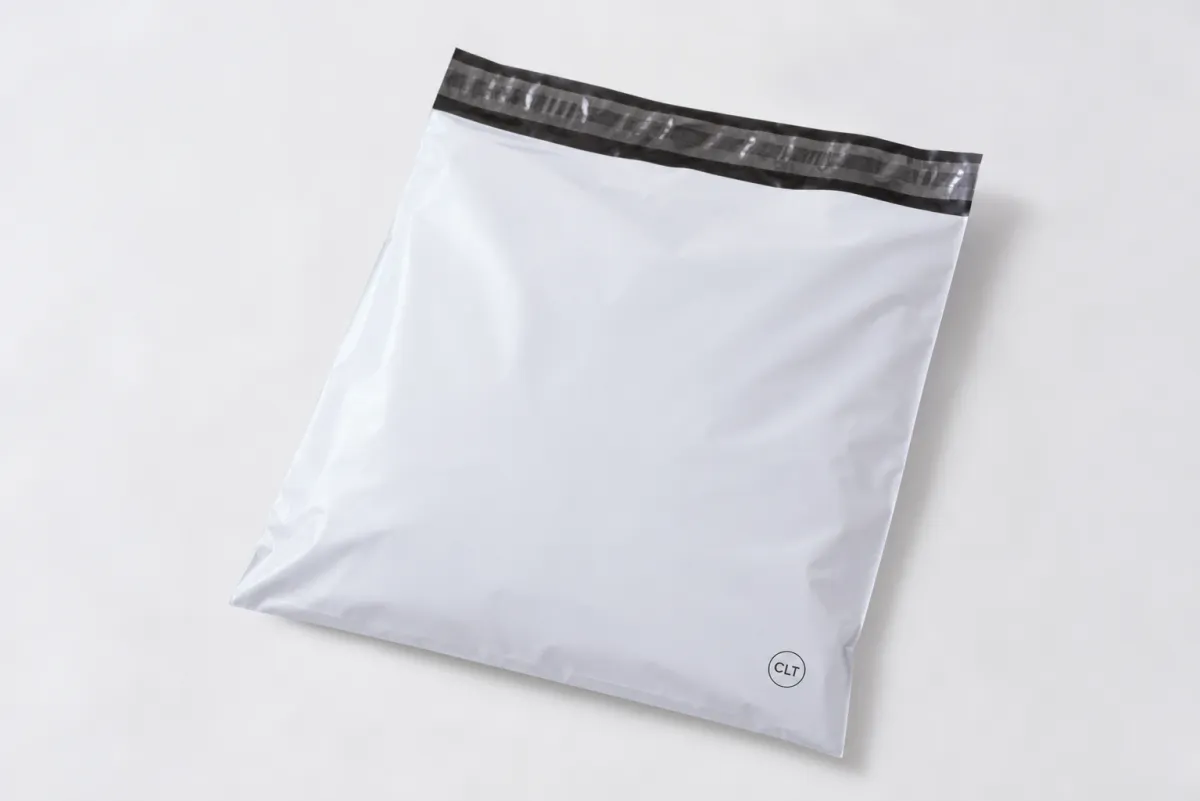
A poly mailers price list can mislead if you read it like a scoreboard. The lowest unit price often belongs to the bag that is too thin, too large, or too plain for the shipment you actually send. Then print gets added, freight climbs because the carton is bulkier than expected, and the “budget” option starts chewing through budget.
The deeper issue is simple: a mailer is not just a bag. It behaves like a small shipping system. Thickness affects puncture resistance. Size changes dimensional weight. Adhesive quality determines how reliably the seal holds. Print coverage changes setup cost. If one piece is off, the total cost shifts with it.
Smaller brands feel that pain first. A subscription seller may choose a polished mailer that looks premium on the quote sheet, then find that it adds weight, takes up more storage, and costs more to ship than a simpler bag with smarter dimensions. An ecommerce seller shipping oversized apparel can fall into the same trap. Empty space inside a mailer still has a price tag attached to it, and it is usually a quiet one until the invoice lands.
Most buyers get better results by judging a poly mailers price list through three practical filters:
- Durability - Will the film hold up during normal handling without splitting?
- Branding impact - Does the printed surface help customers remember the brand?
- Shipping efficiency - Does the size avoid waste and dimensional penalties?
The cheapest mailer is the one that gets the product there safely, in the right size, without surprise charges. Anything else is packaging dressed up as a bargain.
That is why a poly mailers price list should never be used as a one-line shopping shortcut. It works better as a comparison tool for the full shipment cost, from carton to carrier. If the quote does not include enough detail to calculate that number, it is missing the point.
Broader packaging planning follows the same logic. A buyer reviewing Custom Packaging Products still needs to compare delivered cost, not just the first number on the page. Mailers move faster because the material is thinner, the margins are tighter, and the shipping math shifts quickly.
Poly mailers price list: product details that change the offer
The fastest way to read a poly mailers price list is to sort by product type first. Without that step, different bag styles get compared as if they were identical. They are not, and the quote will punish that assumption every time.
Plain mailers stay the simplest option. They usually cost the least, which makes them a good fit for high-volume shipping where branding does not need to carry much weight. They suit basics like apparel, soft goods, and low-risk accessories.
Custom printed mailers bring the brand message onto the package. That can mean a logo, a one-color mark, a repeating pattern, or full-coverage artwork. They cost more because printing adds setup and production time, but they also create a stronger unboxing moment. For ecommerce brands trying to look established, that detail matters more than people sometimes admit.
Kraft-look mailers appeal to brands that want an earthy, paper-style appearance without giving up film performance. They often sit in the middle of the pricing ladder. Nice look. Not always cheap. That is normal.
Clear mailers help when visibility matters for retail or warehouse identification. They are not the right choice for every brand because privacy is limited, but in some workflows they make sorting easier and can reduce labeling confusion.
Recyclable or recycled-content options deserve a closer look. “Recyclable” can mean different things depending on region and collection system. “Recycled content” also varies by percentage. Ask for documentation, not just a green label.
Before requesting a poly mailers price list, confirm the basics below. That saves time and cuts down on back-and-forth:
- Size - width and length, plus any gusset or flap allowance
- Material - LDPE, co-extruded film, recycled-content film, or specialty blend
- Color - white, black, tinted, kraft-look, clear, or custom tone
- Closure - standard adhesive strip, double seal, tamper-evident strip, or another closure style
- Print coverage - one side, both sides, inside print, or full-wrap artwork
If speed matters more than brand complexity, stock mailers usually win. If presentation matters more than quick turnaround, custom runs earn their place. A good poly mailers price list makes that tradeoff plain instead of burying it in sales language.
For buyers comparing material performance across packaging formats, industry references such as packaging.org are useful for the basics, while shipping test standards from ISTA help frame handling, drop resistance, and transit abuse rather than appearance alone.
Poly mailers specifications: size, thickness, print, and finish
A poly mailers price list only makes sense once the buyer understands the specs behind it. Film thickness, print method, and finish can shift the price more than many people expect. A bag that looks similar on screen may behave very differently once it enters shipping.
Thickness is one of the first items to check. Lighter gauges fit soft goods and clean edges, while thicker film works better for items with corners, zippers, hardware, or anything that can press through the bag. Typical mailer films often land in the 2.5 mil to 4 mil range for standard use, while tougher applications may call for more protection. Metric buyers often compare around 60 to 100 microns, depending on construction.
Buying thicker film just because it sounds safer can inflate cost without adding much value. It can also make the bag stiffer, which is unnecessary for T-shirts or light knitwear. Thin film creates the opposite problem. One split bag wipes out any savings through replacement shipping and customer complaints. A lot of weak poly mailers price list decisions start there.
Size matters just as much. A mailer that is too large wastes film and creates a sloppy presentation. A mailer that is too tight stresses the seal and can tear at the corners. Measure the packed product, not the item alone. Folded apparel, padded accessories, and bundled sets all need a little breathing room.
Print variables also affect cost. One-color print is usually the most economical custom option. Two-color layouts add setup and registration complexity. Full-color graphics may look strong, but the artwork and production method need to match the film and the intended print area. Inside printing, matte finish, and special inks can raise the quote further.
Finish changes the feel. Matte often reads more premium and hides scuffs better. Glossy looks bright and clean but can show fingerprints or abrasion more easily. Neither is best in every case. The right choice depends on the product line and the experience you want the customer to have.
Good buyers also ask about the seal strip. Is it a simple adhesive strip, a wider tamper-evident closure, or a double seal for returns? That detail matters because adhesive quality shapes both security and customer trust. A weak seal is not a minor flaw. It becomes a support issue quickly.
Sustainability claims need the same scrutiny. If a supplier says the mailer is recyclable or made with recycled content, ask for the percentage, the resin type, and the collection stream that applies. The claim should be traceable. If it is not, it is decoration. A serious poly mailers price list should sit beside a real spec sheet, not vague green language.
One more practical point: if the shipment will take a rough trip or the product is fragile, ask whether the packaging has been tested under a recognized transit method. The bag is not the entire answer, but ISTA-style thinking helps. If a package cannot survive ordinary handling, it is not cheap. It is risky.
If you are comparing a Custom Poly Mailers option against other packaging formats, the best approach is to line up the exact dimensions, film gauge, print coverage, and closure style before you compare quotes. Otherwise the poly mailers price list turns into apples, oranges, and a few bags nobody ordered.
Poly mailers pricing, MOQ, and unit cost: what really drives the number
This is where the quote becomes real. A poly mailers price list is not built from one figure. It comes from several pieces: base material cost, print setup, artwork preparation, packaging, and shipping. Leave one out, and the quote looks better than it should.
MOQ, or minimum order quantity, is the biggest reason unit price changes so much. Higher quantities usually bring the per-bag cost down because setup gets spread across more units. That part is straightforward. The less obvious part is cash flow. A lower unit price can still be the wrong move if the order forces you to hold far more inventory than you can use in a reasonable time.
Typical pricing bands can help frame the conversation, though they are not promises. Size, print coverage, and freight distance all move the number. Even so, a rough range gives a buyer something useful to work with.
| Order size | Typical setup | Common unit range | What usually drives the price |
|---|---|---|---|
| Sample run | Plain or simple print, limited quantity | $0.40-$1.20 each | Short-run handling, file prep, shipping, and limited scale savings |
| 500-1,000 pcs | Small batch or test order | $0.22-$0.60 each | Lower volume, setup spread across fewer units, possible packaging surcharge |
| 3,000-5,000 pcs | Mid-volume replenishment | $0.10-$0.28 each | Better material efficiency, more stable print costs, lower per-unit handling |
| 10,000+ pcs | Production-scale order | $0.06-$0.20 each | Largest savings from scale, though artwork, size, and freight still move the number |
That range is why a poly mailers price list should always be read by quantity tier. A quote for 1,000 units is not a quote for 10,000. Treating them as the same is a fast way to make an expensive mistake.
There are also cost levers that buyers miss:
- Multiple artwork versions - different SKUs or seasonal graphics can raise setup work
- Custom size - nonstandard dimensions usually cost more than stock dimensions
- Rush production - faster timelines often carry a premium
- Upgraded adhesive - stronger or wider seals can increase material cost
- Freight mode - air, ocean, or express shipping changes the landed cost quickly
The cleanest rule is simple: compare price per shipped order, not just price per unit. A lower unit price with higher freight can still lose. So can a quote that includes a thicker film than you need. A real poly mailers price list should be measured against the carton sitting on your floor, not the number in the email.
From a buyer’s perspective, this is where a quote can be honest or slippery. Some suppliers open low and add extras later. Others bundle more into the first quote so the line item looks higher while surprise fees disappear. Neither approach is automatically wrong, but you need matching data before you approve anything.
For example, if one supplier quotes a one-color printed 10 x 13 mailer at $0.14 and another quotes the same bag at $0.18 while including freight to your warehouse, the second option may actually be cheaper. That is why a poly mailers price list without shipping context is only half a document.
Ask for the same size, same thickness, same print count, same finish, and the same destination on every quote. If those details change, the comparison stops being useful.
Poly mailers process and timeline: quote, proof, production steps
A good poly mailers price list should do more than name a number. It should show how the order moves from inquiry to delivery. The process matters because delays usually come from missing details, not from mysterious production behavior.
The usual flow looks like this:
- Inquiry - you send size, quantity, print idea, and destination.
- Quote - the supplier returns a price based on the exact spec.
- Artwork review - files are checked for bleed, resolution, and layout.
- Proof approval - you confirm the final visual before production starts.
- Production - the bags are printed, sealed, and packed.
- Shipping - freight is booked and the order moves out.
Stock mailers can move quickly, often in a few business days if inventory is on hand. Custom printed runs take longer. A typical custom order may take 10 to 18 business days after proof approval, depending on quantity, print complexity, and queue position. That is not unusually slow. That is normal manufacturing.
Delays usually show up in the same three places:
- Artwork revisions after the first proof
- Missing logo files or low-resolution graphics
- Late approval while the order sits in the production queue
If speed matters, send print-ready vector artwork, confirm the exact size, and approve the proof quickly. Those three steps remove most of the friction. Everything else is a bonus.
Rush orders are possible, but they are not always the smart answer. If a rush premium adds a meaningful percentage to the order, check whether the time saved is actually worth the extra cost. A one-week gain on a small test order may be acceptable. On a large replenishment, the premium can be hard to justify. A supplier should say that plainly, not dress it up.
Communication checkpoints matter too. Strong buyers ask for a confirmation after art review, another after proof signoff, and a final notice before shipping. That keeps everyone aligned on where the order stands. A poly mailers price list paired with clear milestones is far more useful than a single quote with no context.
First-time buyers often benefit from a sample or short test run. That gives you a chance to check seal strength, print clarity, and fit on the actual product before committing to a larger order. It costs a little more up front, but it protects against a much larger mistake later.
At Custom Logo Things, the real value usually sits in practical spec guidance, a straightforward quote, and a process that does not force the buyer to decode every line. The right poly mailers price list should move you from question to order without friction, not bury the answer under jargon.
Why choose us for your poly mailers order
Buyers do not need a sales speech. They need consistency. If you are comparing a poly mailers price list, the supplier should make the spec, timeline, and actual total cost easy to understand. No smoke. No clever surprises.
At Custom Logo Things, the practical strengths stay simple: consistent print quality, clear material specs, and quoting that centers on what you actually need. If the size is wrong, the quote is wrong. If the thickness is wrong, the bag is wrong. That sounds obvious because packaging is full of obvious details that still get ignored.
For first-time buyers, service matters more than people usually admit. Sample support helps you test feel and fit. Fast response times help when an ecommerce launch is waiting on packaging. Spec guidance helps you avoid paying for features that do nothing for your product. A strong poly mailers price list should come with that kind of support.
Working with a supplier that can recommend the right size and material saves real money. Not every product needs heavy film. Not every brand needs full-color coverage. Not every order needs a custom size. A supplier who says so is doing the buyer a favor, even if it means the quote gets simpler.
If you are comparing packaging across formats, the same logic applies elsewhere too. Our Custom Poly Mailers are best evaluated against your shipment type, not against a random bag on a spreadsheet. If you are building a broader packaging lineup, our Custom Packaging Products page gives a clearer view of how different formats fit together.
What should a purchasing manager look for? Stable lead times, clear documentation, and a supplier who answers questions before they become mistakes. That is the unglamorous part, and it is also the part that keeps the order on budget. A polished poly mailers price list means very little if the supplier cannot support the run after the quote is signed.
Next steps for comparing a poly mailers price list
If you are serious about buying, narrow the spec before requesting more quotes. Do not ask five suppliers for five different versions of the same product and expect a useful comparison. You will get noise. A better poly mailers price list starts with the right inputs.
Use this simple checklist before you request pricing:
- Choose the exact size or the closest fit you can justify
- Decide on thickness range and material type
- Confirm print colors, print area, and finish
- Set the quantity tiers you want quoted
- List the delivery destination and target timeline
Then build a comparison sheet. Keep the same columns for every supplier: unit price, setup cost, sample cost, shipping Cost, Lead Time, and notes about the spec. That is how a poly mailers price list becomes a buying tool instead of a pile of disconnected quotes.
If the material is unfamiliar, ask for a sample or spec sheet before placing a larger order. A mailer can look fine in a listing and still feel flimsy in hand. The seal can behave differently than expected too. A small test order often pays for itself by preventing one bad production run.
Here is the practical move: choose the spec you actually need, request matching quotes, compare landed cost, and verify the sample. The process is not glamorous, but it protects margin. Use the poly mailers price list as the filter, not the final answer.
Need a clear next step? Start with the quote, review the sample, and place the order once the spec is locked. That is the whole process. A good poly mailers price list helps you choose the bag that fits the product, the brand, and the budget without paying for extras you do not need.
How do I read a poly mailers price list without getting fooled by the unit price?
Compare landed cost, not just the printed unit price. Check whether print setup, shipping, and sample fees are included. Use the same size, thickness, and quantity across every quote so the poly mailers price list is actually comparable.
What MOQ should I expect on a custom poly mailers price list?
MOQ usually drops as the design gets simpler and the size becomes more standard. Custom print and nonstandard sizing usually require a higher minimum order. Ask for price breaks at several quantity tiers before you commit to a poly mailers price list.
Why does the same poly mailers price list vary so much between suppliers?
Material quality, print method, and shipping origin change the total. Some suppliers quote low and add fees later; others bundle more into the first number. Artwork complexity and rush timing can also move the quote quickly.
How long does it take to produce custom poly mailers after I approve the proof?
Stock items move faster than custom printed runs. Proof approval, production queue, and freight choice all affect timing. Fast file approval is the easiest way to keep the order on schedule, especially on a custom poly mailers price list order.
Can I get a poly mailers price list for small orders?
Yes, but small orders usually have a higher unit cost. Some suppliers offer sample packs or low-volume test runs. Small orders are best for checking size, print quality, and seal performance before scaling up.
If you want a useful poly mailers price list, start with the spec and treat the sticker price as secondary. That is the clearest way to protect margin, avoid shipping waste, and choose a mailer that actually does the job. The right poly mailers price list is not the lowest number on paper; it is the one that holds up after print, freight, and real-world use.