Pom Pom Beanies Wholesale Manufacturer for Bulk Orders
Pom Pom Beanies Wholesale Manufacturer Support for Retail-Ready Winter Programs
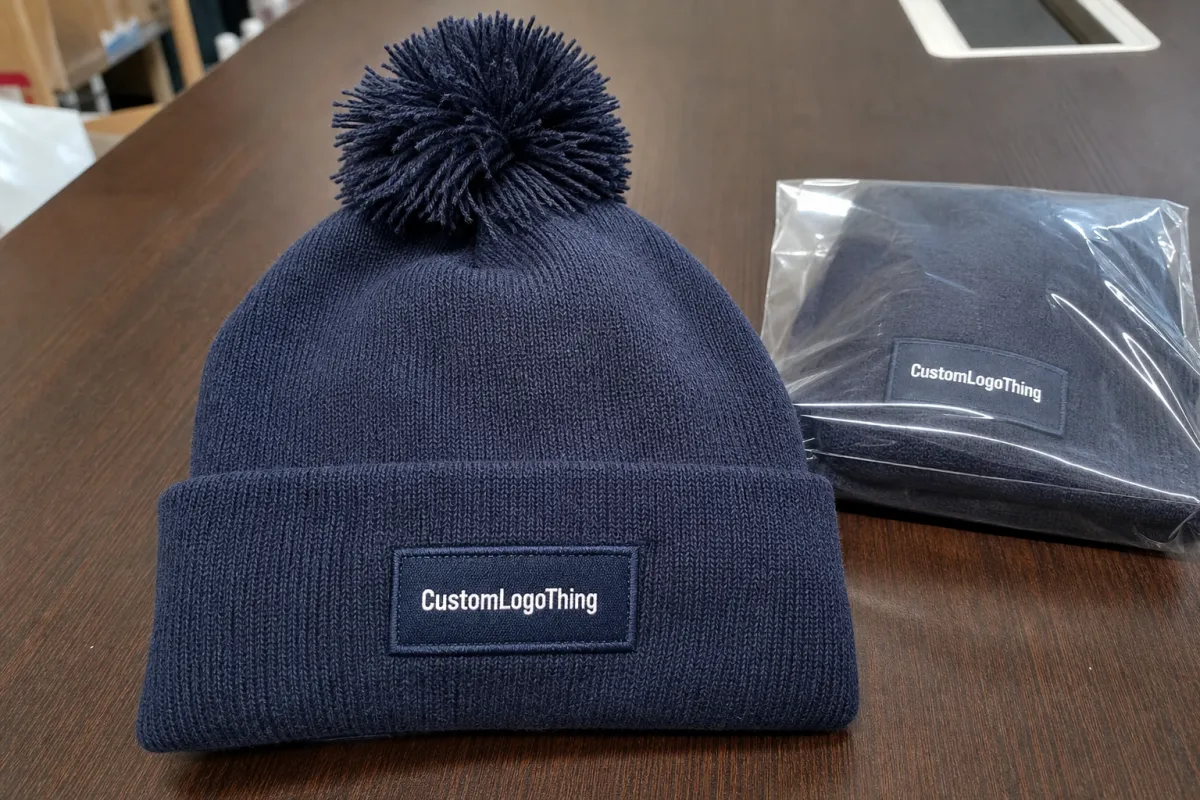
Most bulk beanie problems do not start with the pom pom. They start earlier, with a yarn weight that was never locked down, a cuff that fits differently from the approved sample, a logo patch placed too low on the fold, or packaging left for the final week. Buyers searching for a Pom Pom Beanies wholesale manufacturer usually need more than a low unit price; they need repeatable knit quality, clean decoration, predictable carton packing, and shipment timing that matches a seasonal selling window.
Pom Pom Beanies earn their place in a winter product line because they are visible and useful at the same time. A branded knit hat can sit in a resort shop, school spirit store, subscription box, employee gift kit, outdoor event package, or team merchandise program without feeling like throwaway promo stock. The logo sits at eye level. The product gets worn in photos. Small specification choices, from cuff height to pom diameter, affect whether the finished piece looks intentional or cheap.
Custom Logo Things helps buyers move from a rough concept to a production-ready beanie by aligning material, knit structure, pom style, logo method, quantity, packaging, and delivery plan before bulk production begins. That planning is not administrative padding. A 3-inch pom, a 2.5-inch cuff, a woven patch with heat-cut edges, and an individually bagged retail pack all affect cost, labor, carton size, inspection steps, and lead time.
Wholesale beanie manufacturing should be treated as a specification-driven purchase. Cuff height affects how the logo sits. Patch backing affects stiffness. Pom attachment affects washability. Yarn blend affects warmth, stretch, and perceived value. Once those details are decided early, the order becomes much easier to quote, sample, inspect, and receive.
Product Details That Shape Comfort, Fit, and Shelf Appeal
A good custom pom beanie starts with construction. Cuffed beanies are the most common choice for logo programs because the fold-over area gives a stable decoration zone, often 2.25 to 3 inches tall. Slouchy styles create a looser streetwear look, but they need careful height control so the crown does not collapse awkwardly once the pom is attached. Rib knit caps stretch well across head sizes, while cable knit textures add depth and a warmer retail feel.
Jacquard knit designs work well when a brand wants a large graphic, stripe pattern, mascot, or repeating text built into the cap itself. The tradeoff is artwork simplification. Fine lines, small registration marks, and tiny lettering rarely translate well into knit structure. For school, outdoor, brewery, team, and corporate programs where the logo needs to read quickly, a fitted winter hat with a structured fold-over cuff is often the cleaner route.
Pom choices change the character of the hat. Yarn pom poms have a soft knitted look and can be color-matched to the cap or made in a contrast color. Faux fur poms give a more fashion-driven finish, especially for boutique retail, resort merchandise, and cold-weather gift assortments. Removable poms, usually attached with snaps or button loops, make washing and merchandising easier, but they add parts, assembly labor, and inspection points.
Material selection should follow the selling channel. Acrylic is widely used because it is durable, color-friendly, and practical for bulk promotional headwear. Wool blends feel warmer and more premium, though they raise cost and require clear care labeling. Recycled yarn options may be available depending on color and quantity, and stretch blends can improve fit across adult and youth sizes. Heavier yarns generally feel more substantial in hand, but they also increase material consumption and carton bulk.
Branding options include woven patches, embroidered patches, leatherette patches, direct embroidery, jacquard knit-in graphics, woven labels, hang tags, belly bands, and retail barcode stickers. A capable manufacturer should narrow those choices based on logo detail, budget, quantity, and display method, not simply list every decoration option as if all of them fit every order.
- Woven patch: strong for small text, fine lines, tight edges, and clean retail branding.
- Embroidered patch: textured and sturdy, but less forgiving with tiny lettering or thin strokes.
- Leatherette patch: common for outdoor, lodge, brewery, boutique, and premium gift programs.
- Jacquard knit: best for bold shapes, stripes, large letters, and graphic patterns with limited detail.
Decide early whether the order is adult or youth, unisex or fitted, folded or unfolded, bulk packed or retail packed. Inside labels, care labels, country-of-origin marking, color expectations, hang tag format, and final bagging requirements should be listed before the quote is finalized. These details may look small on paper, but they become expensive to correct after production has started.
Wholesale Beanie Specifications Buyers Should Confirm Before Sampling
Sampling is only useful when both sides know what is being sampled. Before sample development, confirm yarn composition, gauge, knit pattern, finished height, cuff height, width, stretch tolerance, pom diameter, pom attachment method, logo size, logo placement, and color references. It reads like a long list. In practice, each line prevents a real production mistake.
Gauge matters more than many buyers expect. A tighter knit can feel denser and warmer, but it may increase yarn consumption and unit cost. A looser knit can reduce weight and cost, though it may not provide the same structure, especially on a cuffed beanie carrying a patch. For many adult acrylic beanies, the difference between a firm retail feel and a thin giveaway feel is not dramatic on a spec sheet, but it is obvious in hand.
Color control needs a practical standard. If brand accuracy matters, provide Pantone references, approved swatches, or a physical sample. Yarn dye lots can show small commercial variations, especially across repeat orders or mixed materials, so the approval threshold should be clear before bulk knitting. For a school navy, team red, or safety orange, “close enough” may not be acceptable.
Artwork should arrive production ready whenever possible. Vector files are preferred for patches and embroidery. Knit-in graphics need simplified shapes, wider letterforms, and fewer colors. A tagline that looks sharp on a screen can disappear on rib knit, especially if it sits on a high-stretch area. A good Pom Pom Beanies wholesale manufacturer will flag that before sampling, not after bulk goods are finished.
Practical rule: if the logo must be read from six feet away, keep the mark simple, give it enough patch area, and avoid placing detailed artwork across heavy rib stretch.
Quality checkpoints should include consistent finished sizing, even cuff folding, secure pom attachment, clean embroidery trimming, patch alignment, label accuracy, odor control, loose thread inspection, and carton count verification. For retail-ready programs, carton markings by color, size, and SKU can save hours during receiving and reduce the risk of mixed inventory reaching stores.
A clear spec sheet gives the buyer and manufacturer one shared reference during sampling, production, and final inspection. It should include tolerances where needed, such as finished width within roughly plus or minus 0.5 inch, pom diameter within an agreed range, and logo placement measured from the cuff edge. Tolerances are not excuses for sloppy work; they are the normal control limits needed for knit goods, which stretch and relax more than cut-and-sew woven products.
Pricing, MOQ, and Unit Cost Factors for Custom Pom Beanies
Wholesale pricing is built from several inputs, not one flat number. Yarn type, knit complexity, number of colors, decoration method, pom type, order quantity, packaging format, sampling needs, and freight method all shape the final cost. A plain acrylic cuffed hat with a woven patch prices very differently from a custom-dyed jacquard beanie with a removable faux fur pom and barcode-labeled retail packaging.
MOQ depends on construction and material availability. Standard acrylic beanies using available yarn colors usually support more flexible minimums. Custom-dyed yarn, multi-color jacquard patterns, specialty faux fur poms, private label trims, and detailed retail packing often require higher minimums because setup, sourcing, and labor need to be spread across more units.
| Option | Typical Use | Cost Impact | Buyer Note |
|---|---|---|---|
| Stock acrylic cuffed beanie with woven patch | Promotions, schools, corporate gifting | Lower to mid range | Good balance of clean branding and manageable MOQ |
| Embroidered patch on rib knit beanie | Retail merchandise, team gear | Mid range | Works best with simplified artwork and firm patch placement |
| Leatherette patch with yarn pom | Outdoor shops, resorts, breweries | Mid range | Strong shelf appeal, especially with kraft hang tags or belly bands |
| Jacquard knit with custom colors | Fashion drops, bold school graphics | Higher range | Artwork must be simplified and lead time should allow sampling |
| Retail-ready pack with labels and barcode stickers | Stores, fulfillment centers, subscription boxes | Adds labor and materials | Include packing specs before quoting to avoid surprise charges |
Realistic unit pricing can vary widely. Simple bulk acrylic pom beanies may sit in a lower wholesale range at higher quantities, while retail-packed custom styles with premium trims cost more. Freight also matters because bulky knit goods can rate by carton volume rather than weight. A quote for 5,000 pieces should identify whether packaging, inner cartons, labeling, and delivery to a warehouse are included.
Buyers can control cost without weakening the product. Choose stock yarn colors instead of custom dyeing. Reduce logo colors. Use a standard pom size. Consolidate packaging formats. Increase quantity to spread setup costs across more units. Ask for patch-versus-embroidery comparisons if the logo can work both ways. These are practical adjustments, not quality compromises, when they are made before sampling.
Custom Logo Things acts as a fact-based quoting partner for buyers who need a Pom Pom Beanies wholesale manufacturer that will explain where spending improves the finished product and where cost can be trimmed safely. For broader seasonal planning, buyers can review Wholesale Programs and share the quantities, delivery locations, and in-hands dates tied to each drop.
Sampling, Production Steps, and Lead Time Planning
The typical process follows a clear sequence: project review, specification confirmation, artwork preparation, quote approval, sample or pre-production proof, buyer approval, bulk knitting, decoration, finishing, inspection, packing, and shipment coordination. If a step is skipped, the risk does not disappear. It moves downstream, where corrections cost more and deadlines are harder to protect.
The sample stage is where the buyer should evaluate fit, cuff height, yarn hand feel, logo scale, pom size, color balance, and packaging approach. Put the sample on a head form or an actual wearer. Fold the cuff the way it will be sold. Check whether the patch pulls, whether the pom feels oversized, whether the logo is centered, and whether the finished hat still fits comfortably after decoration is applied.
Lead time depends on order quantity, material availability, customization level, sampling rounds, holiday demand, inspection needs, and freight method. A simple repeat order using approved materials may move faster than a new custom jacquard design with custom-dyed yarn and retail barcode labeling. That is not guaranteed, but it is the normal pattern. Late artwork, revised packaging, or unresolved color approvals can slow even a simple order.
Production time and total delivery time are different. Production may be complete, yet the goods still need transit, customs clearance for international shipments, carton consolidation, warehouse appointment scheduling, and final receiving. For seasonal merchandise, those extra steps can decide whether the beanies arrive before or after the selling window.
Share the in-hands date early. Winter launches, resort openings, school seasons, event merchandise, and holiday gifting programs all carry hard deadlines. A responsible manufacturer will use that date to work backward through sampling, approval, production, inspection, packing, and shipping rather than treating delivery as a final detail.
Custom Logo Things keeps the process moving by confirming specs before production, checking artwork suitability, flagging risk points early, and helping buyers avoid late changes. If the logo needs to be resized, the patch backing changed, or the pom attachment adjusted, it is far better to catch that during proofing than during bulk finishing.
Decoration and Packaging Choices That Make Bulk Beanies Sellable
A wholesale beanie is not fully finished when the knitting is complete. It becomes retail-ready when branding, labeling, folding, bagging, tagging, and carton organization match the sales channel. A cap going into a resort store needs a different presentation than a beanie handed out at a stadium gate.
Woven patches are the dependable choice for crisp logos and small text. Embroidered patches add texture and perceived value, especially for clubs, schools, and outdoor brands. Direct embroidery can work for simple marks, though rib stretch and cuff thickness need to be considered. Leatherette patches create a boutique outdoor look, while jacquard knitting gives the boldest integrated graphic effect.
Patch placement deserves more attention than it usually gets. A patch that looks centered on a flat sample can sit too low after the cuff is folded for wear. A tall patch may interfere with the curve of the hat, especially on youth sizing or a shallow cuff. For most cuffed beanies, placement should be measured from the finished cuff edge, not estimated by eye on an unfolded cap.
Labels and compliance details also need review. Inside care labels, fiber content labels, country-of-origin marking, private label branding, hang tags, and barcode stickers may all be required depending on where the goods are sold. Packaging professionals often reference standards and sustainability resources from groups such as the Forest Stewardship Council when paper tags or responsibly sourced packaging materials are part of the requirement.
Packaging options include individual poly bags, recyclable bag alternatives when available, belly bands, hang tags, header cards, master carton packing, inner cartons by color or size, and carton markings that help warehouse teams receive product quickly. For transit planning, carton performance and distribution handling can also be discussed with guidance from organizations such as ISTA, especially for larger retail or fulfillment programs.
Make packaging decisions before quoting whenever possible because labor, materials, carton dimensions, and shipping volume all affect landed cost. A beanie in a flat poly bag packs differently than a beanie wrapped with a belly band and placed in an inner carton by color. That difference can affect freight, storage, and receiving labor.
Clean packaging reduces receiving errors, protects knit texture during transit, supports retail presentation, and helps sales teams distribute branded beanies without repacking work. It is not the most exciting part of the order, but it often protects the margin.
How Custom Logo Things Reduces Risk on Wholesale Beanie Orders
Custom Logo Things supports buyers who need straight answers on materials, logo methods, specifications, and production feasibility. Catalog language can make every option sound equally easy. Real production does not work that way. A heavy leatherette patch on a narrow cuff, a tiny embroidered tagline, or a custom pom color with no extra sourcing time can create avoidable problems.
Before production, the team reviews intended use, suggests suitable yarn and decoration methods, checks logo files, identifies cost drivers, and helps the buyer choose a specification that fits both budget and brand standard. For buyers comparing vendors, the About Custom Logo Things page gives context on how the company approaches custom branded products and wholesale support.
Quality-focused communication includes sample approval, artwork confirmation, production notes, packing instructions, inspection expectations, and clear documentation of what the buyer approved. That documentation matters if a repeat order is placed later, or if the buyer needs the same beanie in new colors for another location or season.
Common mistakes are easy to avoid with early review. Do not place a detailed logo on a high-stretch rib area. Do not choose a pom that overwhelms the hat. Do not underestimate carton volume. Do not order too close to a winter deadline. Do not request custom dye without allowing extra time for lab dips, approval, and material preparation.
Reliability in wholesale manufacturing comes from disciplined details: consistent measurement standards, repeatable decoration placement, realistic lead time planning, and honest quote assumptions. A pom pom beanies wholesale manufacturer should be comfortable saying when an idea needs adjustment. That practical pushback is often a sign that the order is being handled carefully, not that the supplier is trying to complicate the project.
Preparing a Fast, Accurate Bulk Beanie Quote
A fast quote starts with useful information. Send the target quantity, preferred beanie style, yarn or material preference, pom pom type, logo file, desired logo method, color references, packaging requirements, delivery location, and desired in-hands date. If there are multiple delivery points, include those too.
- Quantity: total units, plus any color or size breakdowns.
- Style: cuffed, slouchy, rib knit, cable knit, jacquard, or reference photo.
- Branding: vector logo, patch type, embroidery preference, label needs, and artwork size.
- Pom: yarn, faux fur, removable, color-matched, contrast, or standard option.
- Packaging: bulk packed, individual bags, hang tags, belly bands, barcode stickers, or retail cartons.
- Timing: in-hands date, shipping address, warehouse requirements, or event deadline.
If every specification is not ready, send a reference photo, current retail sample, brand color guide, or a short description of where and how the beanie will be sold or distributed. A buyer outfitting a ski shop needs a different recommendation than a company ordering 1,000 employee gifts.
Prioritize the decisions that affect price and timing first: quantity, decoration method, yarn color, pom style, packaging, and delivery deadline. Then ask for cost comparisons if budget and finish are being balanced. Patch versus embroidery, stock yarn versus custom color, standard packaging versus retail-ready packing, or one large order versus split deliveries can all change the final plan.
The practical move is not to ask for the cheapest beanie. It is to request a quote built around the real product, branding, and logistics requirements. Buyers looking for a wholesale pom beanie program can contact Custom Logo Things with specs, artwork, quantity, and timing so the team can build a clear path from quote to production.
FAQ
What should I send to a pom pom beanie manufacturer for an accurate wholesale quote?
Send the order quantity, beanie style, yarn preference, pom type, logo artwork, decoration method, color references, packaging needs, delivery address, and target in-hands date. If specifications are still open, provide reference photos or a sample beanie so the manufacturer can recommend practical options.
What is the typical MOQ for custom pom pom beanies wholesale?
MOQ depends on beanie construction, yarn availability, decoration method, and packaging format. Standard acrylic beanies using available yarn colors usually have more flexible minimums than custom-dyed, jacquard, or specialty faux fur pom styles.
Which logo method works best for wholesale pom beanies?
Woven patches work well for clean logo detail, embroidered patches add texture, leatherette patches create a retail outdoor look, and jacquard knitting is best for bold patterns or large graphic elements. The best choice depends on logo complexity, budget, desired hand feel, and where the mark will sit on the cuff.
How long does bulk production take for custom pom pom beanies?
Lead time depends on quantity, material availability, customization level, sampling rounds, decoration complexity, packaging, and freight method. Buyers should separate production time from total delivery time because transit, customs clearance, warehouse appointments, and receiving schedules can affect the final in-hands date.
Can a wholesale manufacturer make retail-ready pom pom beanies?
Yes. Retail-ready options can include inside labels, hang tags, belly bands, barcode stickers, individual bags, folded packing, size or color sorting, and marked cartons. Packaging requirements should be included in the quote request because they affect labor, materials, carton dimensions, and shipping cost.


