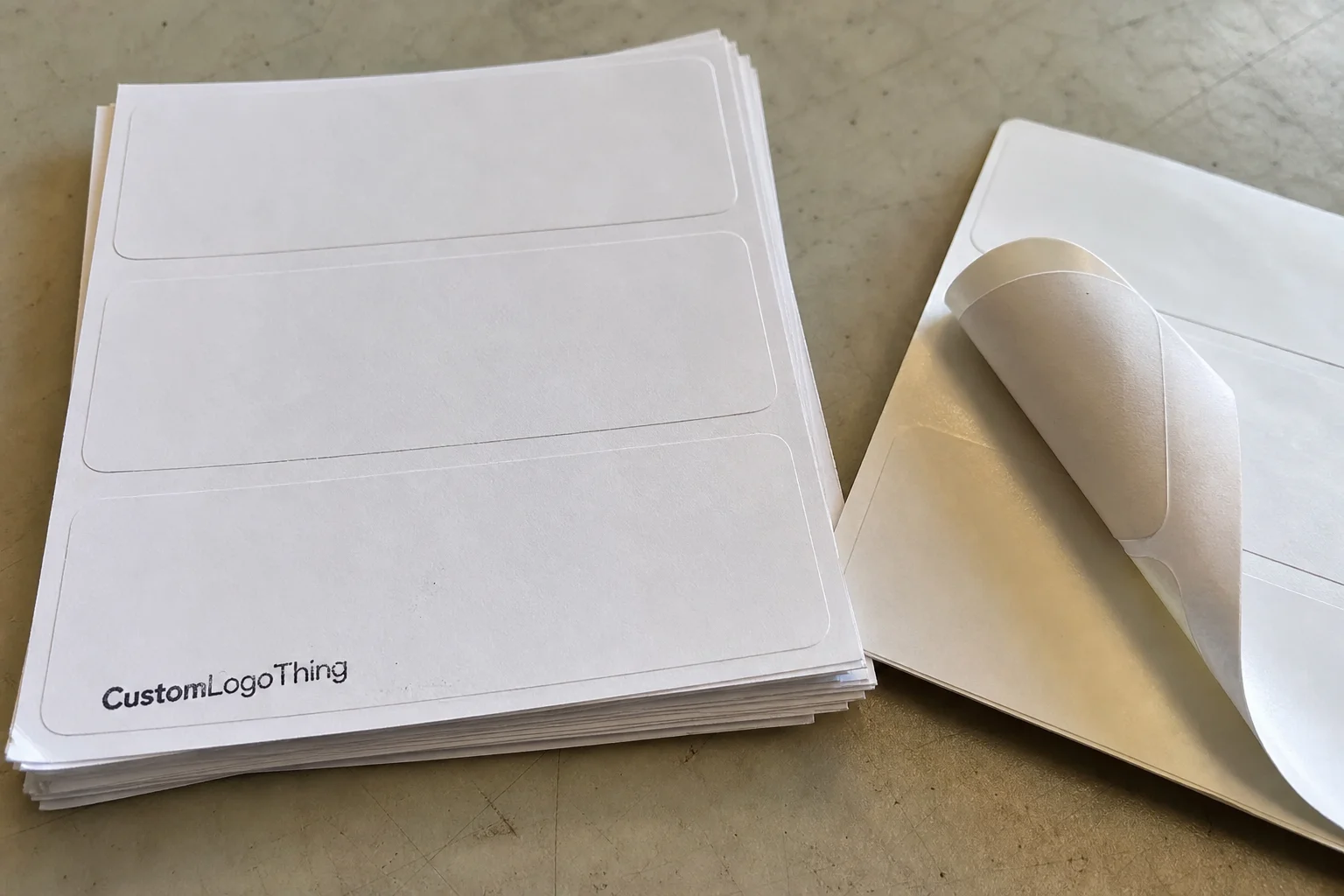
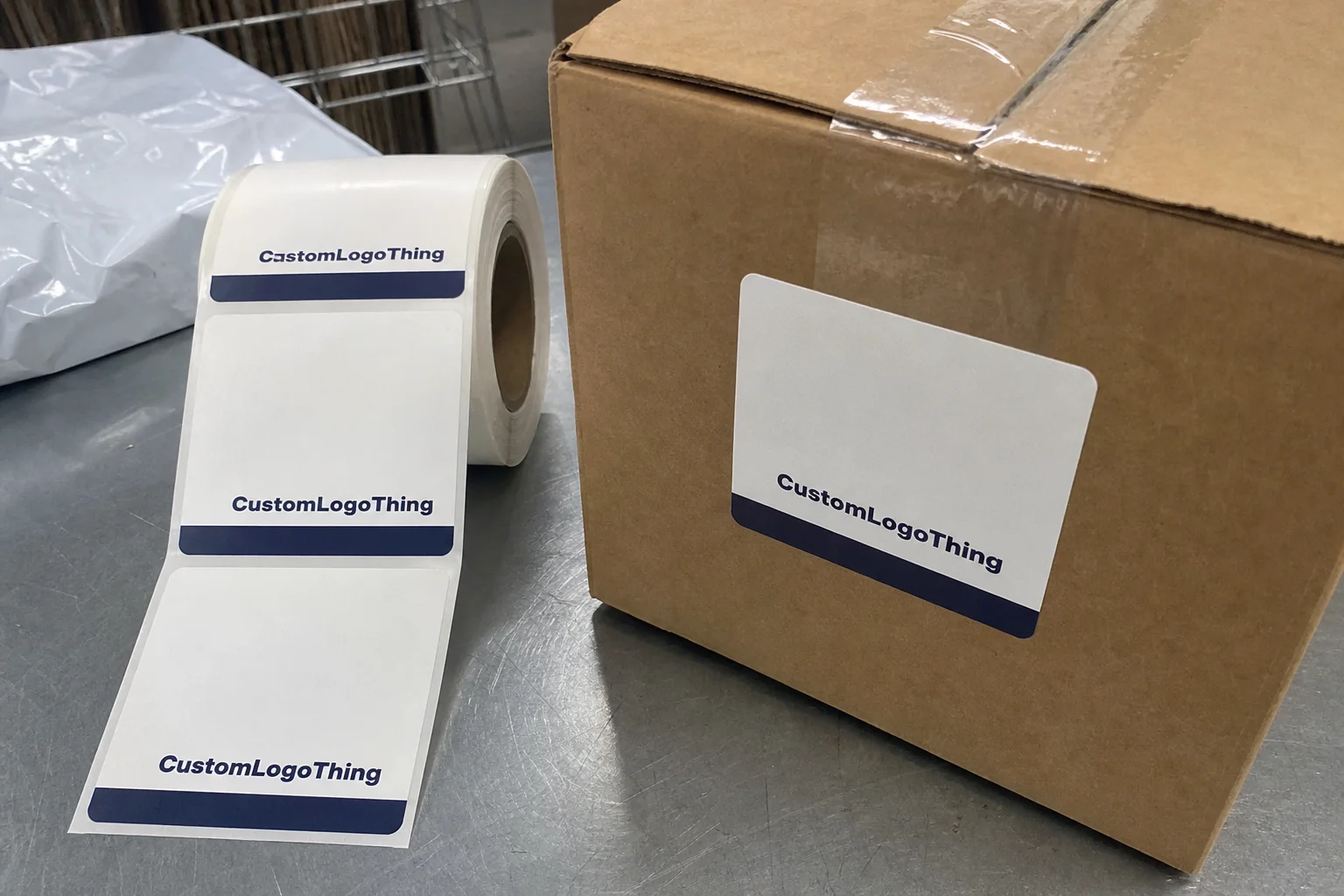
Pre Printed Return Labels for Apparel: What Actually Works in the Box, the Warehouse, and the Refund Flow
Pre Printed Return Labels are one of those packaging details that looks minor until the return rate starts exposing weak points. In apparel, returns are not a corner case. Fit is uncertain, color reads differently on screen, and a garment that feels right on the hanger can feel wrong after a five-minute try-on. That makes the return path part of the product experience, not an afterthought.
The practical question is not whether customers can return items. They will. The question is how much work the brand wants to do every time it happens. A clean label reduces back-and-forth, keeps refunds moving, and lowers the number of manual touches between the customer and the warehouse.
That matters because returns are expensive in ways the invoice for a label does not show. Each extra support email, each missed scan, and each reissued label adds labor. A few cents saved on print can disappear fast if the process creates confusion. The best packaging programs treat return materials the same way they treat shipping cartons or hang tags: as a controlled part of the system.
Why return labels change the cost of apparel returns
Apparel has a different return profile from electronics, home goods, or beauty. Size is not objective. Customer expectations are influenced by photography, styling, body shape, fabric stretch, and even lighting. That means a lot of returns are predictable, which is useful. It gives brands room to design the return process instead of improvising it.
Once the return process breaks, costs stack up in places that are easy to miss. A missing label becomes a support ticket. A support ticket becomes a manual label issuance. A manual label issuance delays the refund clock. By the time the parcel comes back, the operational cost is already higher than the brand planned for.
Pre printed return labels reduce that friction by putting the return path inside the package before the customer has a problem. The label is ready, the address is known, the barcode is present, and the warehouse does not need to guess which order the return belongs to. That sounds basic. It is. Basic is valuable when volume rises.
There is also a behavioral effect. A return-ready package signals that the brand understands its own category. It does not eliminate hesitation, but it can reduce the friction around purchase. Buyers are more willing to place an order if they can see the exit path. For apparel, that is often the difference between a one-time purchase and a repeat buyer.
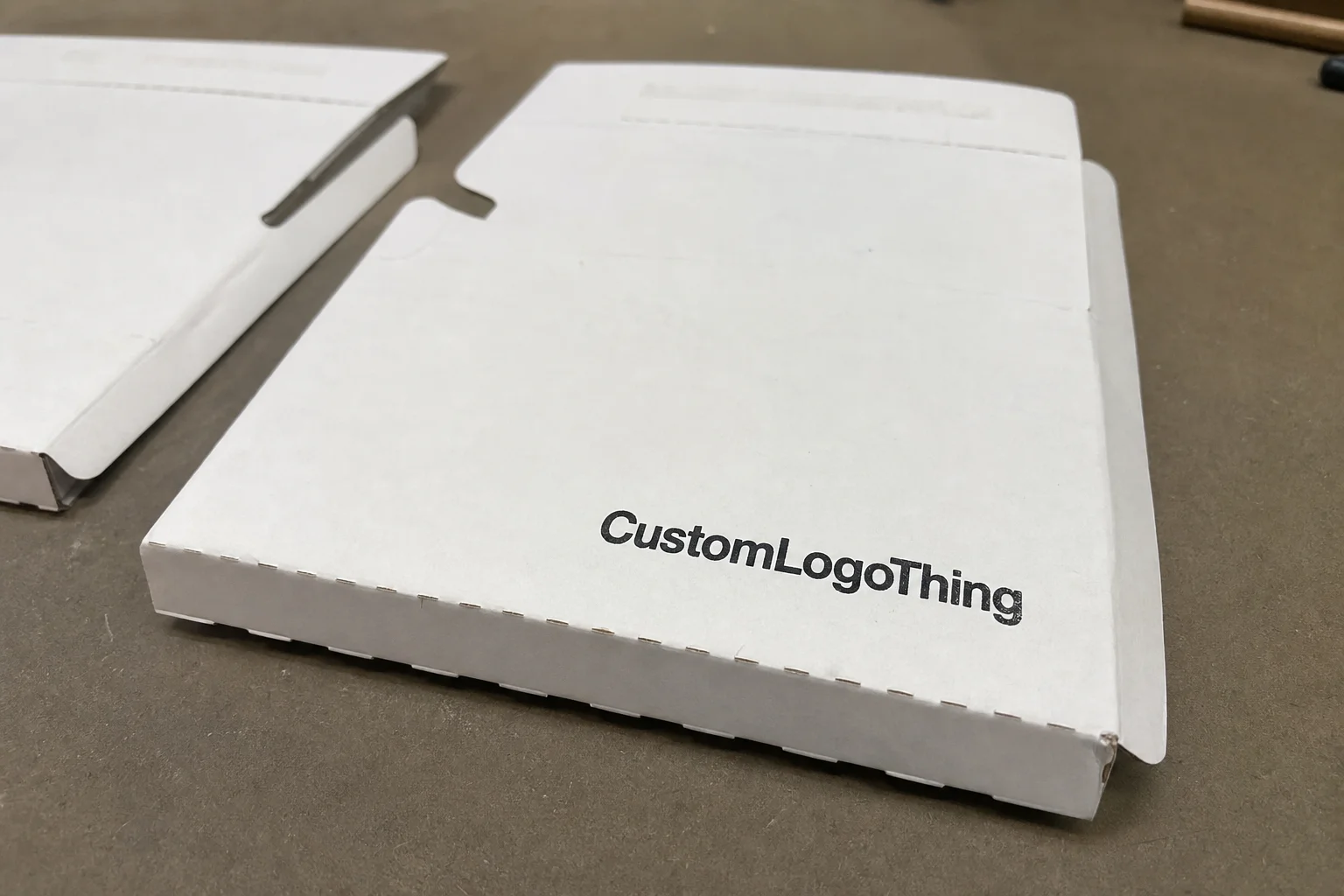
One practical detail is placement. Some brands include the label inside the garment mailer. Others attach it to the packing slip or fold it into a branded insert. The choice depends on how the customer is meant to use the return and how much explanation is needed. The best version is the one the customer can find without reading a paragraph of instructions.
If the return system is part of a broader packaging program, it helps to think in layers. Mailer, slip, return label, and any brand insert should work together. If you are also coordinating custom packaging components, Custom Labels & Tags can keep the visual system consistent without making the return process feel bolted on.
A return label is not just a sticker. It is a control point that decides whether the return feels organized or improvised.
How pre printed return labels fit into the order flow
The standard setup is straightforward. The label is printed in advance with the return address, barcode, routing data, and any order or RMA reference needed by the warehouse. Some brands use a fixed destination. Others tie the data to the order file or ship-from location. The goal is the same either way: the label should be usable immediately when the customer needs it.
For the customer, the flow should feel simple. Open the parcel. Find the label. Repack the item. Hand it to the carrier or use the return method the brand supports. No login. No reprint. No waiting for a support reply. That simplicity is worth more than it looks on a spec sheet.
There is an operational difference between a fully printed return label and a partially filled return form. A pre-addressed sheet still depends on the customer to enter details or attach the right information. Pre printed return labels remove more of that ambiguity. Fewer handwritten fields means fewer scanning problems and less room for the wrong parcel to be matched to the wrong order.
In more mature setups, the label links back to a returns portal, ERP, or shipping platform. The scan creates a traceable event. That helps customer service, but it also helps receiving. If inbound returns are already identified, the warehouse can sort, inspect, and restock faster.
The important point is that the label is not a standalone object. It has to fit the software stack, the carrier rules, the warehouse process, and the packaging layout. A label that looks fine in design software can still fail if the barcode type does not match the scanner, if the data field is wrong, or if the adhesive does not hold on the chosen material.
| Format | Typical unit cost | Operational burden | Best fit |
|---|---|---|---|
| Fully pre printed return label | $0.08-$0.22 each at volume | Low once approved | Stable routing, repeat returns, predictable warehousing |
| Pre-addressed label sheet | $0.05-$0.16 each | Moderate | Smaller programs that still want some prefill control |
| Print-on-demand return label | $0.03-$0.10 per print, plus labor | Higher | Frequent routing changes or multi-node operations |
Pricing, unit economics, and realistic cost ranges
The printed price is only the first line in the cost equation. Material choice, adhesive stock, size, color coverage, barcode complexity, and variable data all affect the final number. A plain black-and-white return label costs less than a branded label with routing text and scan data. A label built into a folded insert or a multi-part document changes the production method again.
For a 5,000-piece run, a realistic pricing band often falls around $0.10-$0.30 per label, depending on the spec and finishing. Smaller quantities usually cost more per unit because setup is spread across fewer pieces. Larger runs reduce unit cost but create another risk: stale data. If your return address changes or you shift fulfillment nodes, a warehouse full of outdated labels becomes a real liability.
The better metric is not cost per label. It is cost per successful return. A cheaper label that creates extra support requests is not actually cheaper. A clean return label that reduces manual touches can save more than the print line item costs, especially if the brand has a meaningful return rate.
It helps to separate the economics into four buckets:
- Print cost: the physical label, stock, and finishing.
- Labor cost: customer service time spent reissuing labels and answering questions.
- Processing cost: warehouse time spent matching unclear or incomplete returns.
- Retention impact: the chance that an easy return keeps the customer from defecting after a disappointing fit.
The last item is the hardest to track, but it is often the most important. A return process that feels controlled can preserve trust even when the product is not kept. That trust can matter more than the return itself in apparel, where repeat purchases depend on confidence as much as on fit.
Watch for hidden costs too. Artwork revisions, barcode regeneration, carrier-specific formatting, and numbering rules can all create small delays. None of them is expensive alone. Together, they can slow a launch or create avoidable rework. Good buyers build in time for proof correction and a live test before they scale a label across every order.
If you already source other printed packaging components, this is a good point to align formats. A vendor that handles Custom Labels & Tags can often coordinate adhesives, stock, and finish so the return item matches the rest of the packout instead of feeling like a separate system.
Production details that affect turnaround
The production path is usually predictable: file prep, proofing, print, finishing, inspection, shipment. Simple work moves quickly. Complex work does not. Variable data, multiple ship-from addresses, or custom carrier logic will extend the front end of the job, even if the print itself is fast.
The information on the proof has to be right before press. Return address. Barcode type. RMA format. Brand copy. Carrier instruction text. Any compliance language the carrier or warehouse needs. If one field is wrong, the label can still look polished and fail in the real world.
A practical turnaround window for custom work is often 12-15 business days after proof approval. Standard formats can move faster. The slowest part is usually not print production. It is prepress work: data cleanup, signoff, and verification. Brands that already have clean specs can move much faster than brands still figuring out their routing logic.
Proof review deserves more attention than it usually gets. A proper proof should show the exact size, barcode placement, quiet zone, routing copy, and any customer-facing instructions. If the instructions crowd the scan area, the layout needs revision. If the customer and warehouse need different information, the design should separate those jobs rather than force one block of text to do everything.
Durability testing is worth the effort, especially if the label will travel through a parcel network before the customer uses it. ASTM peel and adhesion methods are useful for evaluating whether the stock behaves as expected. For paper-based materials, FSC certification may matter if procurement teams are tracking sourcing standards. ISTA also publishes test guidance that many packaging teams use to simulate transit conditions; their standards are available at ISTA. FSC information is available at FSC.
Those standards do not replace field testing. They complement it. A label still needs to survive the actual packout, the carrier journey, and the customer’s handling behavior. Lab data is useful. Real-world handling is usually less polite.
Specs to check before you order
Start with the surface the label will land on. Coated cartons, kraft mailers, poly bags, and fabric-like textures behave differently. An adhesive that holds well on one surface can lift on another. For apparel, that matters more than it does in categories where the package stays intact until the customer tears it open.
Size matters just as much. A barcode needs enough quiet space to scan reliably. Customer instructions need enough room to be readable without burying the key data. If the label tries to do too much, it usually does none of it well. Overloaded labels are harder to scan, harder to understand, and harder to print consistently.
Before ordering, verify the data chain. If a returns portal generates the RMA format, the label has to support it. If the warehouse scans inbound returns into a specific system, the barcode must match the scanner and software. If there are multiple fulfillment locations, the routing data needs to map cleanly to each lane. A design that ignores those constraints will create work later.
Use a short checklist before approval:
- Confirm the return address and warehouse code.
- Choose the barcode format and test scan readability.
- Match adhesive to the packaging surface.
- Keep customer instructions short and legible.
- Validate any multi-location or international routing rules.
A good label should disappear into the workflow. It should not trigger calls, reprints, or manual corrections. If a sample fails a test return, that is useful information, not a nuisance. Fixing the problem on press is cheaper than fixing it after launch.
Package teams often underestimate how much a label changes the rest of the packout. If it is too prominent, it competes with branding. If it is too small, it becomes hard to use. If the adhesive is wrong, the entire return path starts looking unreliable. The strongest labels are the ones nobody has to think about twice.
Mistakes that create extra support work
The most obvious mistake is a wrong return address. Sometimes it points to an old warehouse. Sometimes it routes to a location that no longer accepts returns. In both cases, parcels drift and inventory becomes harder to recover. This is not a design issue; it is an operations issue that packaging makes visible.
Another common problem is visual clutter. Teams add extra language because they want to cover every edge case. The result is a crowded label where the barcode sits too close to dense copy. That creates scan risk and forces customers to spend more time figuring out what to do.
Format drift is just as expensive. A label that works for one carrier lane may fail when the brand adds a second warehouse, an international route, or a marketplace channel. Apparel brands hit this problem frequently because their logistics structure grows faster than their label spec.
Skipping test returns is another failure point. A label can look correct and still smear in transit, peel on a textured surface, or scan into the wrong field. Small defects become expensive quickly. The safest approach is to run a few complete returns before launch and watch where the process slows down.
The last mistake is treating return labels as a side item. They are part of the packaging system. If the mailer, packing slip, insert, and return label do not work together, the customer feels that friction even if they cannot explain it. Packaging quality is often judged by one small thing that seems unimportant until it fails.
Choosing the right format for your operation
For most clothing brands, the best approach is a pilot. Start with one product line, one warehouse lane, and one return scenario. That gives you a clean read on whether the label scans properly, whether customers understand it, and whether support volume changes after launch. A pilot is less glamorous than a big rollout, but it gives you usable data.
Build a short internal spec before placing the order. Include artwork, barcode rules, adhesive choice, placement in the package, and the exact source of the return data. Clean inputs lead to cleaner print files and fewer revisions. Messy inputs become production delays.
Use support logs and return data together. A rise in “where is my label?” tickets usually points to a packout problem. A rise in barcode complaints points to print quality or stock issues. A rise in manual refunds usually means the workflow is missing a required data field. Those signals matter more than opinions about how the label looks.
Not every brand needs the most automated version. Some do best with pre printed return labels. Others need a partially prefilled form because routing changes too often. A few are better served by a return insert that sits next to the label rather than replacing it. The right answer depends on return volume, warehouse complexity, and how often the logistics setup changes.
My practical view is simple: choose the format that removes the most expensive errors. For a stable apparel operation, that usually means a printed label with clear routing data, simple customer instructions, and an adhesive tested on the actual mailer stock. If the operation is still changing, keep the format flexible rather than overcommitting to a run that will age out quickly.
The final decision should balance unit cost, operational stability, and return behavior. If a brand can reduce support contacts, cut manual handling, and make the customer feel prepared to return an item, the label earns its place. That is the real test, not whether it looks polished in a flat lay.
For apparel Brands That Need a return system to work quietly in the background, pre printed return labels usually pay for themselves in fewer touches, fewer mistakes, and fewer support delays. The value is not in the label alone. It is in the time it gives back to the rest of the operation.
Are pre printed return labels better than blank return stickers for clothing brands?
Yes, if the goal is to reduce customer effort and warehouse handling. Blank stickers still depend on more manual entry, which increases the chance of mistakes. Pre printed return labels work best for brands with repeatable routing and a stable returns process.
What information should a pre printed return label include?
At minimum, the return address, barcode or tracking data, and any required RMA or order identifier. If the return method is carrier-specific, include the instructions customers need without crowding the scan area. Keep the layout simple enough that the important data is visible at a glance.
How much do pre printed return labels usually cost?
At volume, a realistic range is often $0.08-$0.22 per label for fully printed versions, with wider variation for special stock, variable data, or complex finishing. Smaller orders tend to cost more per unit because setup is spread across fewer pieces. The real cost should include labor saved on support and processing.
How long does production usually take?
Simple jobs can move quickly after proof approval. More custom work often lands in the 12-15 business day range, and the front end usually takes the longest. Data cleanup, proof signoff, and test validation are the steps that stretch a schedule, not the print run itself.
What is the most common mistake when ordering return labels?
The most common failure is incorrect routing or return address data before approval. Adhesive mismatch is close behind, especially when the label has to hold on a textured mailer or coated surface. Skipping test scans and live return testing is the mistake that tends to create avoidable support issues later.
How should a brand decide on MOQ for return labels?
Use forecasted return volume, seasonal spikes, and the stability of your routing data. Larger runs lower the unit cost, but they can become a liability if your warehouse changes. If the operation changes often, smaller batches are usually safer than a large commitment to pre printed return labels.