Buyer Fit Snapshot
| Best fit | Premium Paper Bags Printing Cost projects where brand print, material claims, artwork control, MOQ, and repeat-order consistency need to be specified before quoting. |
|---|---|
| Quote inputs | Share finished size, material target, print colors, finish, packing count, annual reorder estimate, ship-to region, and any compliance wording. |
| Proofing check | Approve dieline scale, logo placement, barcode or warning zones, color tolerance, closure strength, and carton packing before bulk production. |
| Main risk | Vague material claims, crowded artwork, missing packing details, or unclear freight terms can make a low unit price expensive after revisions. |
Fast answer: Premium Paper Bags Printing Cost: What Really Drives It should be specified like a repeatable production item. The safest quote records material, print method, finish, artwork proof, packing count, and reorder notes in one written spec.
Production checks before approval
Compare the actual filled-product size with the drawing, then confirm tolerance on folds, seals, hang holes, label areas, and retail display edges. Reserve space for logos, QR codes, warning copy, and material claims before decorative graphics fill the panel.
Quote comparison points
Review material grade, print process, finish, sampling route, tooling charges, carton quantity, and freight assumptions side by side. A quote is only useful when the supplier can repeat the same color, closure quality, and packing count on the next order.
Premium Paper Bags Printing Cost: What Really Drives It
Premium Paper Bags Printing cost looks tidy on a quote until the job starts getting real. Handles change. Finishes change. Proofs change. Freight definitely changes. The line item that seemed simple suddenly has opinions. From a buyer's side, premium paper bags printing cost is never just the unit price. It is the full chain, from stock choice and print method to packing and delivery.
I have seen this play out more than once: a brand thinks it is ordering “just bags,” then the spec grows teeth. A foil logo gets added. Then the handle changes. Then somebody wants the color matched tighter. That is usually where the budget starts muttering under its breath.
Premium Paper Bags Printing Cost: What Actually Moves the Number
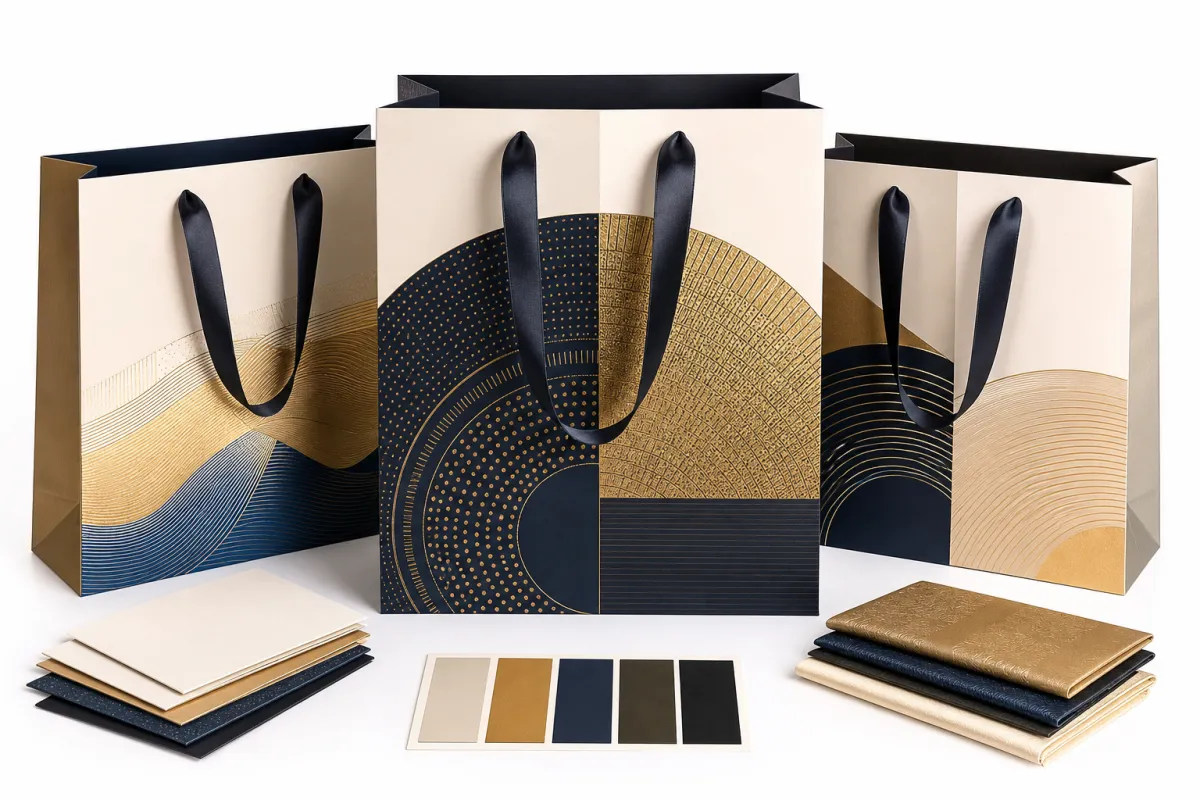
The first thing most buyers learn is that premium paper bags printing cost is shaped less by the bag itself and more by the work around it. Artwork cleanup, dieline fixes, plate setup, finish registration, and order size can change the number faster than a small shift in paper thickness. A bag that looks cheap on paper can get expensive once the spec calls for lamination, ribbon handles, foil, or a tight PMS match.
I separate the quoted unit cost from the real landed cost every time. Unit cost is useful. It just tells a small part of the story. The real number includes setup, proofing, cartons, inserts, palletizing, freight, customs when relevant, and rush charges when somebody decides yesterday was the deadline. Premium paper bags printing cost lives in those extras.
The bag also does a job for the brand. It leaves the counter with the product. It shows up in the customer’s hand, in storefront photos, in event shots, and sometimes on the kitchen table a week later because the customer reused it. That means the right spec can lift perceived value by more than a few cents. The wrong spec can make a premium product look oddly tired.
So, premium paper bags printing cost works best as a system. Material, size, print method, handle type, coating, finish, and quantity all push against each other. Pick one badly and the quote jumps. Balance the spec and the number becomes easier to predict, easier to defend, and a lot less annoying in budget review.
The cheapest quote is not always the smart one. Some suppliers omit packing detail, underestimate finish labor, or pretend artwork revisions cost nothing. Later, surprise, they do. A clean premium paper bags printing cost quote should say what is included, what is optional, and what changes if artwork or timing shifts.
Practical rule: if the quote does not split setup, production, and freight, comparing premium paper bags printing cost across suppliers is mostly guesswork.
For teams buying several packaging formats, the bag should be treated like any other production item with specs and tolerances. The same discipline that applies to folding cartons and retail inserts applies here too. Clear brief, cleaner number. That is how premium paper bags printing cost stays understandable instead of turning into a small disaster in spreadsheet form.
Value Proposition: Where Printed Paper Bags Earn Their Keep
Good packaging earns its keep in tiny moments. The customer lifts the bag. The logo flashes again. The bag lands on a table. It moves through a mall, a lobby, a parking lot, and back into view later. Nothing dramatic. Just repeated exposure. That is why premium paper bags printing cost should be judged against brand visibility, not against a bare unit number like some kind of industrial scavenger hunt.
Retail buyers already know this. In boutiques, hospitality, gifting, and events, the bag is part of the handoff. It can make a modest purchase feel more complete. It can make a high-value item feel properly finished. In that setting, premium paper bags printing cost is tied to recall, presentation, and how much care the customer feels at checkout.
I see the same mistake often: too much money spent on decoration, not enough on structure. A bag does not need to shout to feel premium. It needs to feel deliberate. Sturdy board, good handle choice, sharp print, and a finish that fits the brand usually do more than a crowded design ever will.
There is a real operational upside too. A well-built bag can cut down on extra outer packaging or repeat repacking. If the size works and the board is strong enough, the bag protects the contents while still looking sharp. That saves time on the packing line and keeps waste out of the back room. For premium paper bags printing cost, that kind of quiet efficiency matters more than most buyers admit.
For larger programs, think about response, not just expense. A reused bag gives the brand another viewing opportunity. A strong-looking bag changes the way the product feels at handoff. That can push a purchase from ordinary to memorable without any fireworks at all. The sale does not end at checkout. Packaging carries the rest.
Form and function still need to get along. A glossy heavy bag may look expensive, but if the handle tears or the coating scuffs after one use, the effect is weaker than a simpler bag with better construction. That is why premium paper bags printing cost should be measured alongside durability. Not beside it. Alongside it.
For teams comparing options, the useful question is not “How low can we push the price?” It is “What level of presentation and durability does this channel actually need?” That shift usually leads to better decisions, fewer headaches, and a premium paper bags printing cost that makes sense in the real world.
Product Details: Materials, Handles, and Print Methods
The paper stock sets the tone before ink even enters the conversation. Kraft board feels natural and durable. White kraft gives a cleaner surface. Coated art paper handles detail better. Textured specialty board adds tactile depth and a more elevated feel. Each choice affects appearance, strength, and premium paper bags printing cost in its own way.
For many retail programs, 157gsm to 250gsm coated paper or reinforced kraft construction is a common range. Lighter stock can save money. Then the bag gets used with heavier products, and the savings disappear when reinforcement has to be added later. Stock selection should match the contents and the handling environment first. Brand look comes second. Not because design does not matter, but because broken bags are bad branding.
Handle style changes both the look and the cost. Paper twist handles are efficient and common for retail bags. Cotton handles feel softer and more refined. Ribbon handles lean into gift presentation and show up often in luxury packaging. Die-cut handles work well on compact carriers or board-style bags when a cleaner silhouette matters. The handle material affects appearance and performance, so it has a direct effect on premium paper bags printing cost.
Print method matters just as much. Offset printing usually makes sense for detailed graphics, fine typography, and consistent color control on medium to large runs. Digital printing is flexible for short runs and fast artwork changes, though the economics shift as quantities rise. Flexographic printing can work well for simpler graphics, especially on kraft packaging where bold logos and clean line work are the priority. The right method depends on quantity, artwork complexity, and the finish target.
Color choice moves the quote too. CMYK is efficient for photographs and multi-color artwork. Spot color and PMS matching are preferred when brand color consistency matters most. A bag with one or two strong brand colors can print more cleanly than a bag with a full-bleed image, gradient background, and metallic accents. Premium paper bags printing cost follows artwork structure more closely than many people expect.
Finish is where the bill can get creative. Matte lamination, gloss lamination, soft-touch coating, aqueous coating, embossing, foil stamping, and spot UV all add steps. Some are subtle. Some are loud. All of them add labor, setup, or both. Soft-touch can make a boutique gift bag feel excellent, but it costs more than a simple aqueous coat. Foil creates a strong logo moment, though it adds alignment and tooling complexity that shows up in the quote.
The cleanest takeaway is simple: the bag spec should fit the use case. A luxury gift bag, a trade show handout, and a boutique retail carrier can share a shape. They should not share the same construction unless you enjoy paying extra for no reason. That is the fastest way to waste money on premium paper bags printing cost without getting a better result.
For sourcing teams that want fewer surprises, a complete spec sheet and a defined print standard help a lot. If the bag will travel or be handled roughly, references such as ISTA test methods are useful for understanding transport stress. FSC certification helps document responsible fiber sourcing for paper-based packaging. Those standards do not set premium paper bags printing cost by themselves, but they keep the conversation grounded in something real.
Buyers also benefit from comparing the packaging build against the broader production capability. A clear view of Manufacturing Capabilities helps you decide whether the job fits offset printing, a digital short run, or a more specialized finish stack.
Premium Paper Bags Printing Cost by Size, Finish, and Quantity
If one rule survives most quotes, it is this: size, finish, and quantity move together. A larger bag uses more board, more ink, more handle material, and usually more packing space. A heavier finish adds labor. A lower quantity spreads setup across fewer pieces. That is why premium paper bags printing cost can swing so much even when the design looks almost identical on screen.
Small runs usually carry a higher unit cost because setup is spread across fewer bags. Bigger runs usually lower the unit price because press setup, plate work, and finishing setup are spread across more pieces. Then the upfront spend gets larger, so the buyer still has to balance inventory risk against price. That tradeoff sits at the center of premium paper bags printing cost.
MOQ matters too. Minimum order quantity varies by size, stock, print method, handle type, and finish. A simple kraft bag with a one-color print may have a smaller practical MOQ than a luxury bag with foil and ribbon handles. Ask for the minimum by spec, not just a generic minimum. That is the only fair way to compare premium paper bags printing cost.
The comparison below shows how common choices change the quote:
| Option | Typical Use | Cost Impact | Notes |
|---|---|---|---|
| Standard kraft, one color, paper twist handle | Retail, takeaway, everyday branding | Lower premium paper bags printing cost | Efficient for cleaner artwork and practical runs |
| White kraft or coated board, CMYK print | Boutique retail, product launches | Moderate premium paper bags printing cost | Better for detailed images and sharper graphics |
| Soft-touch lamination, foil stamp, ribbon handle | Luxury gifting, premium events | Higher premium paper bags printing cost | Finish setup and slower production raise the quote |
| Large format, heavy board, reinforced bottom, custom insert | Heavier products, presentation sets | Higher unit cost but stronger performance | Good for items that need structure and carrying strength |
There is room to optimize without making the brand look cheap. A standard size can cut waste if it truly fits the product. Fewer colors can reduce print complexity if the layout still feels intentional. Limiting special finishes to the logo panel or one hero area often keeps the bag premium while keeping premium paper bags printing cost under control. Restraint usually beats throwing effects at every surface.
Another useful move is asking for a quote that separates unit price, setup, proofing, freight, and optional add-ons. That gives you a fair comparison between suppliers instead of forcing everyone into one bundled number. If two quotes are 15 percent apart, the reason is usually hiding in those line items, not in the bag itself. Clean quoting matters more than people like to admit when premium paper bags printing cost is on the table.
For seasonal programs, order volume can be planned around launches, events, or retail peaks. That planning protects premium paper bags printing cost by reducing rushed freight and last-minute artwork changes. A stable order window usually leads to a calmer price. Rare, but nice.
Specifications That Change Quotes: GSM, Coatings, and Inserts
Paper weight is one of the first technical details I check because it says a lot about feel and performance. GSM affects stiffness, carrying strength, fold behavior, and the way the printed surface holds up during handling. A 150gsm bag behaves very differently from a 250gsm bag, and that difference shows up in premium paper bags printing cost sooner than most buyers expect.
Coatings and laminations are not just about looks. They protect ink from scuffing, help with moisture resistance, and change the feel in the hand. Matte lamination reads softer and more restrained. Gloss makes color pop more aggressively. Soft-touch is often used for a luxury feel, but it needs careful handling during production because marks show if the process is sloppy. That is one reason premium paper bags printing cost climbs when the finish stack grows.
Structural reinforcements are easy to miss until the bag fails. Top-board reinforcement, bottom inserts, gusset width, and handle attachment method all affect durability. A rope handle sewn through a reinforced top edge behaves differently from a simple adhesive-attached paper twist. If the bag needs to carry glass, boxed goods, or a set with sharp corners, those details are not decorative. They are part of premium paper bags printing cost whether they look fancy or not.
Print coverage also changes the quote. Full-bleed artwork, dense dark solids, metallic ink coverage, and large image areas usually require tighter control. White space is cheaper to print because it is easier to manage and less likely to turn into a mess during production. A single strong logo on natural kraft often costs less than full-color imagery, especially if the finish needs extra drying or inspection. Artwork layout should be reviewed with production in mind, not just with design in mind.
Before requesting pricing, I recommend a short checklist:
- Bag dimensions, including gusset depth and handle length
- Paper stock and GSM
- Print method, color count, and brand color target
- Finish type, including foil, embossing, or coating
- Handle style and attachment method
- Quantity, carton pack-out, and shipping destination
A spec sheet like that cuts through a lot of noise. It also makes premium paper bags printing cost easier to compare across vendors because everyone is quoting the same build. Without it, one supplier might price a bare-bones carrier while another quotes a fully reinforced premium build, and the gap looks bigger than it really is.
If you want fewer hidden gaps, ask what changed between quotes. Was the board heavier? Did the handle get upgraded? Did the finish stack add labor? Was the MOQ different? Those answers usually explain most of the variation in premium paper bags printing cost.
From a buyer's side, the strongest quote is the one that shows its logic. If a supplier can explain why a heavier bottom insert, a better coating, or a cleaner print method is worth the extra spend, the decision gets easier. That kind of transparency keeps premium paper bags printing cost from turning into a guessing game with a nicer font.
Process & Timeline: From Artwork to Shipment
The production workflow matters because every step can affect both schedule and premium paper bags printing cost. A normal job starts with the brief, moves to the quote, then into artwork review, proof approval, production, inspection, packing, and shipping. If one stage slips, the rest follow. That gets worse fast when the bag includes foil, lamination, or a complicated handle assembly.
Artwork readiness is usually the fastest way to shorten the timeline. Clean dielines, correct bleed, press-ready files, and accurate color references reduce revision cycles. Organized files help the supplier confirm the bag faster and avoid back-and-forth that wastes time. A messy file can increase premium paper bags printing cost indirectly by adding proof rounds or pushing the job out of the production slot.
Pre-production proofs or samples are worth the extra effort on premium work. Color on screen is not the same as color on paper, and finish choices can look different once they hit an actual sheet. A soft-touch panel may feel more muted than expected. Foil may look brighter than the mockup. Handle color can shift the entire read of the bag. Proofing reduces the risk of a full production run that misses the brand expectation.
Timeline variables are usually predictable once the spec is fixed. Simpler printed bags move faster. More complex finishing adds days. A common window is often 12 to 20 business days from proof approval for a standard custom run, though that can stretch if the order needs special inserts, multiple print passes, or imported finishing materials. Shipping method matters too. Air freight can save a deadline and still push premium paper bags printing cost higher than the bag itself would suggest.
Rush orders deserve a warning label. They are possible, but they often require extra labor, priority scheduling, or faster shipping. That is why the same bag can cost more depending on the delivery date. Premium paper bags printing cost is not only about the physical item. It is also about how quickly the factory can make, inspect, and move it.
For packaging that will travel through distribution, planning matters even more. If the bags will be packed in cartons, stacked on pallets, and handled several times before reaching the store, the outer packaging needs to protect the finish as well as the bag structure. References like ISTA test methods help teams think about distribution stress in a disciplined way instead of pretending shipping is a gentle hobby. That discipline often keeps premium paper bags printing cost from creeping up through avoidable damage claims later.
The last point is simple. Custom Printed Paper bags are planned manufacturing items, not shelf stock. The more clearly the artwork, schedule, and spec are defined at the start, the less likely the job will need expensive corrections. Good planning protects both the lead time and premium paper bags printing cost.
Why Choose Us and What to Do Next
Buyers usually want the same four things from a packaging partner: clear quoting, realistic lead times, useful spec guidance, and production control that does not fall apart under pressure. That matters even more for premium paper bags printing cost, because the quote is built from several linked decisions instead of one material choice. A good supplier should narrow the field, not hide it under jargon.
Experience pays off here. If the bag is for retail, the supplier should be able to talk through print method, handle strength, board weight, and finish durability in plain language. If the job is for a launch or gift program, the focus should shift toward color consistency, presentation quality, and carton protection. A strong partner can point out where premium paper bags printing cost can be controlled and where cutting too far would be false economy.
Technical strength matters because rework is expensive. A wrong dieline, an underbuilt handle, or a finish that fails under handling can trigger a second round of production nobody budgeted for. The better the upfront review, the less chance there is of paying twice for the same job. That is why a clear method for quoting premium paper bags printing cost is risk control, not just sales behavior with nicer wording.
If you are building a packaging program, start with the basics. Define the product dimensions. Pick the bag size. Decide on the handle type. List the finish preferences. Confirm the target quantity. Then ask for a quote that separates unit cost from setup and freight. If the supplier can explain the relationship between the spec and premium paper bags printing cost, you are probably dealing with someone who understands production, not just pricing theater.
For teams comparing production paths, it helps to review the broader packaging structure first and then drill into decoration. The Manufacturing Capabilities page is a sensible starting point if you want to understand what can be produced efficiently, and the Custom Logo Things home page can help frame the overall brand direction before you lock the spec.
On the sourcing side, ask for honest guidance on MOQ, color count, and finishing tradeoffs. A partner who tells you a simpler spec will save money without wrecking the presentation is usually more useful than one who tries to sell every upgrade in the catalog. The best premium paper bags printing cost is the one that fits your brand goals, your product weight, and your actual delivery schedule.
For Custom Logo Things, the strongest next step is turning the rough idea into a precise specification. Once that happens, premium paper bags printing cost becomes measurable instead of vague, and the job gets much easier to quote cleanly.
Frequently Asked Questions
What affects premium paper bags printing cost the most?
Quantity usually drives the biggest swing because setup costs get spread across the run. After that, paper weight, handle type, print coverage, and special finishes can push premium paper bags printing cost up fast. Artwork readiness matters too. Files that need heavy cleanup can add proofing time and sometimes extra fees.
How do I reduce premium paper bags printing cost without losing the premium look?
Start with a standard size whenever the product allows it, and keep the structure simple. Limit special finishes to the logo area or another visible focal point instead of wrapping the entire bag in effects. A clean layout with fewer colors can also lower premium paper bags printing cost while still giving the bag a premium feel.
What is a typical MOQ for custom premium paper bags?
MOQ depends on size, material, print method, and finishing requirements. Smaller runs are possible, but the unit price usually rises because setup is spread over fewer bags. The safest approach is to ask for MOQ by specification so you can compare premium paper bags printing cost on an apples-to-apples basis.
How long does production usually take for printed premium paper bags?
Timelines depend on proof approval, print complexity, finishing, and shipping method. Artwork approval and sample sign-off are usually the biggest checkpoints. Rush orders may be possible, but they can affect premium paper bags printing cost through expedited labor or freight.
Which paper stock is best for premium paper bags printing cost and quality?
Kraft is durable and often cost-effective, while coated or specialty boards give a more polished print finish. The best choice depends on the brand look, required strength, and how much color detail the artwork needs. A good supplier should recommend the stock that balances appearance, performance, and budget, which is the real goal behind premium paper bags printing cost.
Start with three things: the product weight, the bag size, and the finish you can actually defend. Build the quote from that, not from a vague wish list. That keeps premium paper bags printing cost under control and makes the final bag do its job without drama.


