Buyer Fit Snapshot
| Best fit | Premium Poly Mailers for Brands projects where brand print, material claims, artwork control, MOQ, and repeat-order consistency need to be specified before quoting. |
|---|---|
| Quote inputs | Share finished size, material target, print colors, finish, packing count, annual reorder estimate, ship-to region, and any compliance wording. |
| Proofing check | Approve dieline scale, logo placement, barcode or warning zones, color tolerance, closure strength, and carton packing before bulk production. |
| Main risk | Vague material claims, crowded artwork, missing packing details, or unclear freight terms can make a low unit price expensive after revisions. |
Fast answer: Premium Poly Mailers for Brands: Design, Cost, and Fit should be specified like a repeatable production item. The safest quote records material, print method, finish, artwork proof, packing count, and reorder notes in one written spec.
Production checks before approval
Compare the actual filled-product size with the drawing, then confirm tolerance on folds, seals, hang holes, label areas, and retail display edges. Reserve space for logos, QR codes, warning copy, and material claims before decorative graphics fill the panel.
Quote comparison points
Review material grade, print process, finish, sampling route, tooling charges, carton quantity, and freight assumptions side by side. A quote is only useful when the supplier can repeat the same color, closure quality, and packing count on the next order.
Premium Poly Mailers for Brands: Design, Cost, and Fit
Packaging gets judged fast. Usually before the product even gets a fair shot. A customer touches the mailer first, and that tiny moment can shape the whole order in their head. Premium Poly Mailers for brands matter because a cheap-looking, wrinkled, or flimsy bag can drag down the value of everything inside it.
The visual side gets the attention, sure. The business side is where the real value lives. Premium Poly Mailers for brands sit right where marketing, fulfillment, and margin all collide. Better presentation. Fewer shipping complaints. Cleaner brand recall. Less fighting between design wishes and warehouse reality. For brands shipping every day, the mailer is not filler. It is part of the product experience and part of the operating system.
The gap between standard shipping bags and premium poly mailers for brands usually shows up in film quality, seal strength, print clarity, finish, and batch-to-batch consistency. Those are not tiny details. A bag that seals cleanly, prints crisply, and survives sortation can keep pack-out moving while making the brand feel sharper. If you want a wider view of packaging options, the Custom Packaging Products page is a useful starting point, and the Custom Poly Mailers category shows how the structure shifts by use case.
I see teams underestimate mailers all the time. Then they wonder why a nice product still lands with a slightly cheap feel. A garment in a crisp, well-printed bag feels intentional. The same garment in a weak sleeve feels like somebody cut corners. That is why premium poly mailers for brands deserve a real business conversation, not just a design mood board. The rest of this piece covers the practical stuff: materials, price, sizing, and the tradeoffs that decide whether the packaging actually works.
Premium Poly Mailers for Brands: Why They Stand Out
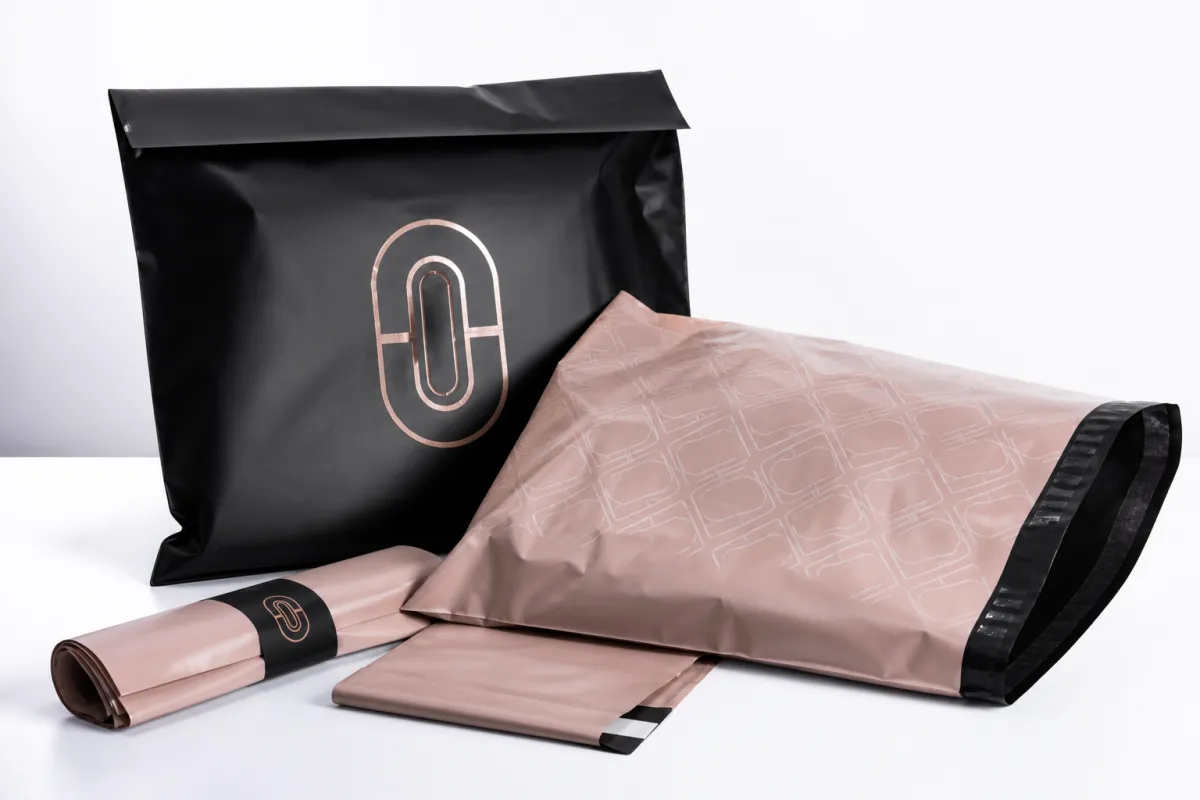
premium poly mailers for brands stand out because they do more than hold a product. They tell the customer someone cared before the package even hit the doorstep. That matters a lot for apparel, accessories, cosmetics, supplements, and other direct-to-consumer categories where the packaging is visible on arrival and often visible again in photos, videos, or return shipments. A mailer that feels sturdy and looks deliberate can lift perceived value without adding much weight.
Consistency is the real separator. Basic shipping bags can vary more in thickness, seal performance, and print quality. Better versions stay tighter on spec, which means fewer surprises in production and fewer headaches in fulfillment. For premium poly mailers for brands, that kind of consistency supports repeatable pack speed, predictable protection, and a cleaner brand story. You are not buying decoration by itself. You are buying reliability that also happens to look good.
There is a psychological side people like to dismiss until it starts costing them reviews. Customers may never measure film gauge or seal overlap, but they notice creasing, weak seams, smudged graphics, and sloppy closures. That is why premium poly mailers for brands often use thicker film, stronger printing, and cleaner adhesive application. Those small quality signals point to a bigger promise: the brand sweats the details.
From a buyer’s point of view, the case is straightforward. Better unboxing can support repeat purchases. Stronger materials can reduce damage claims. Cleaner branding can improve recall. A well-built mailer can also speed up the line because staff are not wrestling with weak seals or inconsistent dimensions. That is a rare combination. premium poly mailers for brands can pull marketing and operations in the same direction instead of making them argue over every order.
A premium mailer should do two jobs at once: protect the product and signal that the brand paid attention before the package ever landed on the table.
Brands that want a sharper benchmark often compare packaging against testing standards instead of gut feel. Shipping durability can be checked with drop and transit-style testing, and suppliers may reference ISTA standards when they talk about distribution performance. That does not mean every mailer needs the same test plan. It does mean the conversation should move past color samples. For premium poly mailers for brands, performance belongs in the premium conversation.
How Premium Poly Mailers for Brands Work
At the core, a poly mailer is a layered polyethylene film bag with a closure strip and an outer surface that can carry graphics. The film may use LDPE, coextruded layers, or blended structures built for better toughness and print reception. The stronger the film structure, the less likely the bag is to split at the seam, puncture on a sharp corner, or feel sloppy in the hand. That is the part buyers never see in a mockup, but it shows up every time the order gets packed.
premium poly mailers for brands usually include a better adhesive strip or tamper-evident seal, because closure quality matters as much as appearance. A weak peel-and-seal strip slows the pack line fast, especially when staff have to press, re-press, or toss a bag that will not hold. Strong closures improve throughput and cut rework. On a busy line, that is real money.
The print surface matters too. A premium bag should hold ink sharply, without muddy edges or registration drift. Flexographic printing is common for repeat brand runs, while digital print can make sense for shorter quantities or artwork that changes more often. For premium poly mailers for brands, the decision is not only about color count. It is about how graphics behave on a glossy or matte film, whether dark colors hide scuffs, and how much of the surface still reads after transit abrasion.
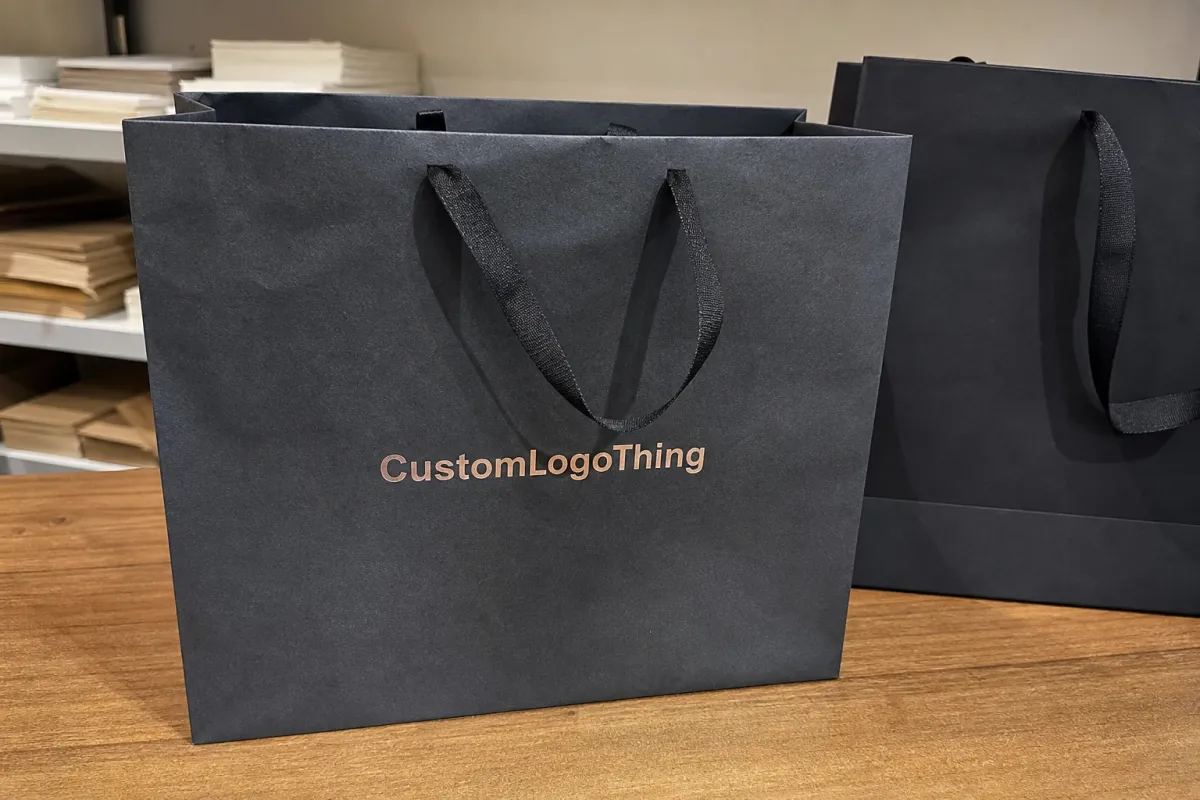
Finishes change the feel of the whole package. Opaque white can read clean and modern. Matte black can feel sharp and controlled. Metallic finishes often signal something special or limited, though they can show scratches more easily. Gloss makes graphics pop. Matte reduces fingerprints and softens the look. In short, premium poly mailers for brands are not one style. They are a set of visual and functional tradeoffs.
Think through the whole fulfillment path. The mailer gets packed, sealed, labeled, sorted, loaded, shipped, and opened. A surface that rejects labels becomes a problem. A slippery bag stacks badly. A thin bag wrinkles or splits. A thick one can add cost and bulk without giving much back. The best premium poly mailers for brands move cleanly through the line and still look good when the customer opens the parcel.
Recycling and disposal deserve careful wording. Poly mailers are commonly polyethylene, often #4 film, but local recycling rules vary a lot. The EPA recycling guidance is a useful reference, though it will not override local collection rules. If you plan to make sustainability claims, check the film structure, recycled content, and disposal language before you publish anything. A premium claim loses value quickly when the material story is fuzzy.
Key Factors That Shape Premium Poly Mailers for Brands
Several variables shape the final result, and the easiest mistake is treating them like separate decisions. For premium poly mailers for brands, size, thickness, print method, finish, closure type, and product type all affect one another. A 2.5 mil bag may be enough for lightweight tees, while a heavier hoodie or boxed accessory may need 3.0-4.0 mil construction. The right answer depends on product weight, edge shape, shipping distance, and how much handling the mailer will take.
Brand identity changes the best spec faster than most teams expect. A luxury label often needs restrained graphics, a low-clutter layout, and a darker or softer palette. A playful DTC brand may want brighter color, bold typography, and a mailer that looks good in user-generated content. A B2B seller might care more about clear labeling, stock optimization, and pack speed than visual drama. That is why premium poly mailers for brands should not be chosen from a generic catalog mindset.
Thickness is not just about being stronger. It changes feel, noise, and shipping behavior. Thicker film usually resists puncture better, but it can also cost more and take up more storage space. In a warehouse, that changes carton count and receiving efficiency. A premium bag that arrives flat and behaves predictably at scale is often more useful than one extra gauge point on a spec sheet. With premium poly mailers for brands, practical handling matters more than paper-strength bragging rights.
Print area matters too. Full-bleed artwork can look more premium, but it can raise ink coverage cost and sometimes show scuffs more clearly. A small logo and a strong background color may feel cleaner and cost less. If the goal is repeat recognition, a disciplined layout often works better than visual noise. Many teams discover that premium poly mailers for brands look more expensive when the design has room to breathe.
Sustainability claims need careful wording. Some mailers include recycled content, some are recyclable through film collection channels, and some use mixed materials that complicate recycling. That is a good reason to ask for a written material spec instead of a broad sales claim. If a supplier says “eco-friendly,” ask what that means: post-consumer recycled content, downgauged film, mono-material construction, or a different closure tape. Brands choosing premium poly mailers for brands should verify the claim instead of repeating it.
Scuff resistance is another detail that gets brushed aside until it causes complaints. Dark mailers often hide small marks better than bright glossy bags, but soft matte films can show handling streaks. A simple test helps: ask for production samples, then rub, fold, stack, and label them the way the warehouse will. That sounds basic because it is basic. It also catches more problems than a polished render ever will. premium poly mailers for brands should be judged in motion, not just on a screen.
Premium Poly Mailers for Brands: Pricing and Timeline
Pricing comes down to a few concrete drivers: order quantity, number of print colors, custom sizing, film thickness, special finishes, and freight distance. Bigger runs usually lower the unit price. More unique specs usually raise setup and conversion cost. For premium poly mailers for brands, the gap between a stock-size branded run and a fully custom project can be large even when the mockups look almost identical.
Here is a useful rule of thumb. At around 5,000 units, a simple branded mailer might land in the $0.18-$0.28 per unit range, depending on print coverage and thickness. More complex custom work can move into the $0.30-$0.65 range, especially if the order needs unusual sizing, metallic ink, or multiple decoration steps. At 10,000 units or more, the unit rate often improves, but freight and packaging tests still affect landed cost. That is why premium poly mailers for brands should be priced as a total project, not as a sticker price on a single piece.
Minimum order quantities matter a lot. Lower quantities usually mean higher unit cost because setup, plates, and production changeovers get spread across fewer pieces. A short digital run can help a brand test design or hit a launch window, but the unit economics are usually worse than a higher-volume flexo or gravure run. If your team is comparing premium poly mailers for brands, ask the supplier how MOQ changes by print method and by size. That one question can save a lot of back-and-forth.
Lead time usually includes quoting, artwork setup, proofing, sampling if needed, production, and freight. A typical production window after artwork approval might be 12-18 business days for a straightforward job, though specialty finishes or revised proofs can stretch that out. Add transit time, and a domestic shipment may still arrive faster than an overseas run, but not always at the lowest landed price. The timeline for premium poly mailers for brands gets longer when artwork approvals stall, so internal sign-off matters almost as much as vendor capacity.
There is a second cost layer that gets ignored too often: operational cost. A slightly cheaper bag can become expensive if it slows sealing, creates more damage claims, or increases packing waste. If the mailer tears, does not seal, or arrives mis-sized, labor goes up and customer service gets dragged into the mess. That is why the best comparison is not “cheapest quote versus most expensive quote.” It is “best landed value versus total pain.” For premium poly mailers for brands, landed cost is the cleaner metric.
| Option | Typical unit price | MOQ | Typical lead time | Best fit |
|---|---|---|---|---|
| Stock-size branded mailer | $0.18-$0.28 | 5,000-10,000 | 12-18 business days after proof approval | Brands that want strong branding with lower setup complexity |
| Semi-custom size and print | $0.22-$0.38 | 5,000-15,000 | 15-22 business days after proof approval | Apparel, accessories, and launches that need a tighter brand fit |
| Fully custom mailer | $0.30-$0.65 | 10,000+ | 20-30 business days after proof approval | Premium programs that need custom dimensions, finishes, or heavy print coverage |
For brands comparing packaging formats more broadly, the Case Studies page can show how similar decisions played out in real shipping programs. That matters because the cheapest quote is not always the smartest choice, and the most expensive option is not always the strongest performer. With premium poly mailers for brands, the win usually sits in the balance.
If you want a benchmark against packaging industry thinking, review how materials get tested for shipping durability and storage stress. Many teams use the language of drop resistance, seam strength, and seal integrity instead of vague “quality” claims. The exact test method depends on the product and lane, but the point stays the same: make sure the mailer fits the route it will travel. That matters even more for premium poly mailers for brands moving through automated sortation or multiple handoffs.
Step-by-Step: Choosing Premium Poly Mailers for Brands
Start with the product, not the artwork. A folded hoodie, a stack of flat cards, and a small cosmetics kit do not belong in the same mailer spec. Size should be based on the packed item, not the flat product dimension, because folds, inserts, and protective wrapping change the final volume. For premium poly mailers for brands, a few extra millimeters can improve sealing without creating wasted space or a sloppy presentation.
Next, define the brand job the mailer has to do. Should it feel premium and restrained? Playful and social? Minimal and high-contrast? Eco-conscious and information-rich? The answer changes color, finish, typography, and print area. A black matte mailer with a single logo performs very differently from a white bag with a bright all-over print. That is why premium poly mailers for brands should be aligned with brand tone before they are aligned with the order form.
Then build a short checklist your team can use before requesting quotes. Keep it practical. Include finished dimensions, product weight, target quantity, print colors, desired finish, seal style, and any special handling requirements. If the package must survive rough carrier handling, say so. If the bag needs to open easily without tools, say that too. Good premium poly mailers for brands briefings cut down on misunderstandings later.
- Dimensions: packed size, not flat product size.
- Thickness: usually 2.5-4.0 mil, depending on weight and handling.
- Closure: peel-and-seal, tamper-evident strip, or reusable closure.
- Print: one color, spot colors, or full-coverage graphics.
- Finish: matte, gloss, opaque, metallic, or soft-touch style.
- Use case: apparel, cosmetics, accessories, kits, or mixed goods.
Sample testing is not optional if the order matters. Ask for samples or a short pilot run and pack actual products into them, not dummy items. Watch how the bag seals, how the label sits, how the stack behaves, and how much time the packer spends on each unit. A 30-minute test can reveal whether premium poly mailers for brands improve the workflow or quietly slow it down.
It also helps to define what success looks like after launch. Is the key metric lower damage rate? Faster pack speed? Fewer customer complaints about presentation? Better social sharing? Repeat recognition? The answer changes which feature gets priority. A bag can look good and still be the wrong tool if it adds labor or fails in transit. That is why the best premium poly mailers for brands decision is made with a scorecard, not a hunch.
Finally, package your supplier brief in a format that is easy to quote. Send dimensions, art files, logo rules, target cost range, timeline, and a note about acceptable substitutions. If you are still comparing options, the Custom Poly Mailers page can help your team translate those decisions into a spec. The cleaner the brief, the cleaner the quote, and the easier it is to compare premium poly mailers for brands on the same basis.
Common Mistakes Brands Make With Poly Mailers
The first mistake is choosing a bag that looks good in a render but fails in shipping. Mockups do not show seam weakness, adhesive inconsistency, or how the film behaves when a sorter pinches it. A mailer that tears near the closure or opens during transit creates a return, a complaint, and a credibility problem. That is the fastest way to turn premium poly mailers for brands into an expensive regret.
The second mistake is over-branding. Too many colors, too much copy, too many decorative elements, and the package starts to feel busy instead of premium. The eye needs a place to rest. In many cases, one strong brand mark, one supporting color, and one clear message beat a crowded canvas. That matters even more for premium poly mailers for brands that are supposed to feel elevated rather than loud.
The third mistake is ignoring fulfillment speed. A beautiful mailer that is awkward to open, hard to seal, or sticky in a humid warehouse can quietly raise labor cost. If packers have to fight the package, the cost does not stay on the quote sheet. It shows up in throughput and overtime. That is why premium poly mailers for brands should be tested in the actual packing environment, not only in a design review.
The fourth mistake is stretching sustainability claims beyond the material reality. Some brands say “recyclable” without checking local film collection rules. Others say “eco-friendly” without defining recycled content or explaining whether the full structure is mono-material. Customers are more informed than they used to be, and vague language can damage trust. For premium poly mailers for brands, honesty is part of the premium value.
The fifth mistake is forgetting what happens after delivery. Does the customer struggle to open it? Does the texture feel cheap? Can the bag be reused for a return or storage? Does the printed side scuff too easily in the mailbox? These small details affect memory more than many brands expect. A well-chosen bag for premium poly mailers for brands should feel good in the hand and sensible in daily use, not just photogenic on the packing table.
One practical way to avoid these traps is to compare three choices before committing: the lowest-cost option, the best-looking option, and the best total-value option. The cheapest bag may save pennies but cost dollars in rework. The most attractive bag may slow pack-out. The best total-value bag usually sits in the middle and performs better across shipping, labor, and repeat purchase. That is the kind of tradeoff analysis premium poly mailers for brands deserve.
Expert Tips and Next Steps for Premium Poly Mailers for Brands
Test one creative variable at a time. If you change color, finish, logo placement, and size all at once, you will not know what actually moved customer response or warehouse performance. Start with a base spec, then change one thing in the next run. That is how teams learn whether premium poly mailers for brands are being improved for real reasons or just refreshed for novelty.
Build a supplier brief that includes the hard numbers: dimensions, product weight, target quantity, print method, acceptable cost range, and timeline. If the item needs to arrive before a seasonal launch, state the date clearly and work backward from proof approval. If you need freight estimates, ask for them early. A lot of bad packaging decisions come from incomplete briefs, not bad materials. The same goes for premium poly mailers for brands.
Ask vendors to quote three versions side by side. One should be lowest cost. One should be best visual presentation. One should be best total value after freight, damage risk, and packing speed are considered. That comparison exposes the middle ground. Often, the “best total value” option makes the most sense once the team looks beyond unit price. For premium poly mailers for brands, that side-by-side view is more useful than a single quote.
Pay attention to documentation. Ask for film thickness, closure type, ink coverage, sample images, and any stated test data. If the supplier references tensile or transit testing, ask what was tested and how. If the team wants to go deeper, review the industry resources on shipping performance and material behavior at ISTA. The goal is not bureaucracy. It is clarity. Good documentation keeps premium poly mailers for brands from turning into vague promises.
Keep sustainability communication specific and modest. If the mailer includes recycled content, say how much. If the bag is recyclable in some film streams, explain that recycling rules vary by location. If the design reduces material use through downgauging, say that in plain language. Brands win trust by being accurate, not by sounding idealized. That is especially true for premium poly mailers for brands, where the material is visible and the claims are easy to question.
If your team is about to place an order, here is the short version: request samples, confirm artwork specs, verify MOQ, review timeline, compare total landed cost, and run a small pilot before a full rollout. That sequence prevents expensive surprises and gives you real data on feel, fit, and throughput. It also keeps the final choice grounded in operations rather than presentation alone. For many brands, premium poly mailers for brands become one of the easiest packaging wins once the process is handled this way.
What to send a supplier: finished dimensions, product type, approximate weight, print files, desired finish, target quantity, and acceptable cost range.
What to approve: sample feel, print clarity, seal strength, label adhesion, and how the bag performs in a real packing flow.
What to measure: pack speed, damage rate, customer complaints, return handling ease, and the visual consistency of the shipped parcel.
For a growing brand, that is the practical argument for premium poly mailers for brands: they protect perception as much as product, and they do it in a form that can support margins instead of draining them. That is the line to remember. Pick the bag that fits the product, survives the route, and still looks intentional on arrival. Everything else is just decoration with a shipping label on it.
FAQ
What makes premium poly mailers for brands worth the extra cost?
They can improve first impressions, reduce damage risk, and create a more consistent brand experience than basic shipping bags. The value of premium poly mailers for brands shows up when better presentation, fewer complaints, and smoother fulfillment offset the higher unit price.
How do I choose the right size for branded poly mailers?
Match the mailer to the packed product size, not the product’s flat size, and leave room for inserts or protective folding. Test a sample with your actual item, because a few extra millimeters can change seal quality and shipping efficiency for premium poly mailers for brands.
What affects the price of custom poly mailers for brands most?
Order quantity, print complexity, film thickness, and customization level usually have the biggest impact on unit cost. Freight, sampling, and revisions can also raise the landed price, so compare total cost instead of only the quote for premium poly mailers for brands.
How long does it usually take to produce premium poly mailers for brands?
The timeline typically includes quoting, artwork approval, sampling if needed, production, and shipping. Extra revisions or specialty finishes can add time, so brands should plan the order well before a launch or seasonal spike if they want premium poly mailers for brands on schedule.
Are premium poly mailers for brands recyclable?
Some are made with recyclable or recycled-content materials, but the exact claim depends on the film structure and local recycling rules. Brands should verify material specs and communicate disposal guidance clearly instead of using vague sustainability language around premium poly mailers for brands.
For brands that want packaging to do more than ship an item, premium poly mailers for brands are a smart place to start. They can sharpen the customer’s first impression, reduce avoidable damage, and keep fulfillment moving without turning the package into a cost sink. The practical next step is simple: sample the options, test them with real products, and choose the mailer that balances brand feel with real-world handling.