Buyer Fit Snapshot
| Best fit | Price for Custom Sleeve Printing projects where brand print, material claims, artwork control, MOQ, and repeat-order consistency need to be specified before quoting. |
|---|---|
| Quote inputs | Share finished size, material target, print colors, finish, packing count, annual reorder estimate, ship-to region, and any compliance wording. |
| Proofing check | Approve dieline scale, logo placement, barcode or warning zones, color tolerance, closure strength, and carton packing before bulk production. |
| Main risk | Vague material claims, crowded artwork, missing packing details, or unclear freight terms can make a low unit price expensive after revisions. |
Fast answer: Price for Custom Sleeve Printing: Costs, MOQ, and Specs should be specified like a repeatable production item. The safest quote records material, print method, finish, artwork proof, packing count, and reorder notes in one written spec.
Production checks before approval
Compare the actual filled-product size with the drawing, then confirm tolerance on folds, seals, hang holes, label areas, and retail display edges. Reserve space for logos, QR codes, warning copy, and material claims before decorative graphics fill the panel.
Quote comparison points
Review material grade, print process, finish, sampling route, tooling charges, carton quantity, and freight assumptions side by side. A quote is only useful when the supplier can repeat the same color, closure quality, and packing count on the next order.
I keep hearing the same reaction on shop floors in Shenzhen, Dongguan, and on procurement calls in Chicago: a buyer expects the Price for Custom sleeve printing to hinge mostly on ink coverage, then the quote lands and the number is shaped much more by board grade, dieline complexity, and setup waste at the finishing table. I remember standing beside a carton line in Shenzhen where the team was focused on a four-color illustration, but the real cost driver was the move from a 350gsm C1S artboard to a thicker 400gsm SBS because the pack needed more rigidity at the fold. I have seen the same pattern in a co-packing facility outside Cleveland, and again in a late-night pricing review in Dongguan where a soft-touch coating added $0.06 per unit on a 5,000-piece run while the artwork itself changed almost nothing. The price for custom sleeve printing is rarely one clean figure; it is a stack of decisions tied to stock, print method, finish, volume, and how finished the file package really is, which is usually less finished than the email says.
The honest version is simple: the price for custom sleeve printing only becomes meaningful once the sleeve size, board, finish stack, quantity, and file readiness are all clear. I have watched a 5,000-piece run come in at $0.15 per unit because the die was already in house and the design stayed straightforward, then seen a 3,000-piece run cost $0.42 per unit because the buyer wanted foil, spot UV, and a tighter wrap over a rigid jar pack. That is not the press being dramatic; that is the math of production doing what it does best. This piece breaks down the price for custom sleeve printing in plain terms for brands, procurement teams, and designers who need a quote they can trust before artwork approval or a launch date is locked.
What Affects the Price for Custom Sleeve Printing Most?
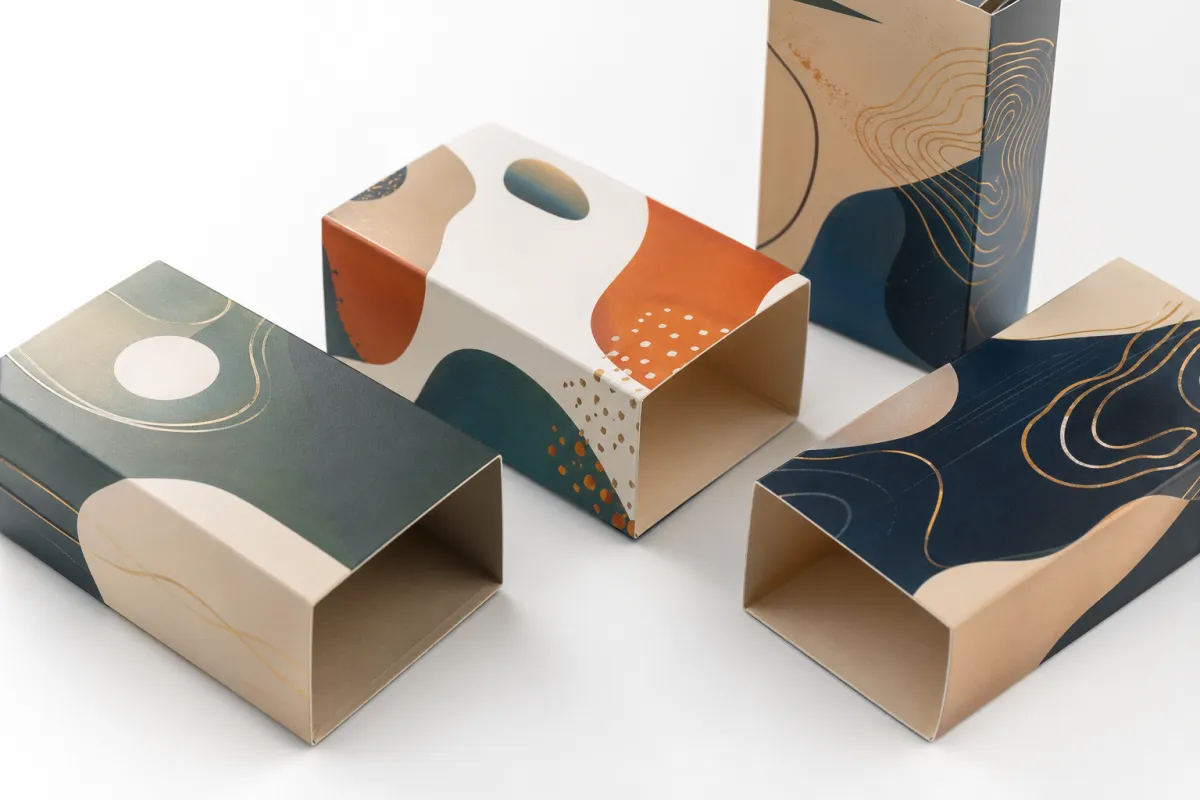
The biggest drivers are quantity, board grade, finishing, and how ready the artwork files are before the job reaches prepress. On a cosmetics client visit in Los Angeles, I watched a buyer argue over ink density on a blush pink sleeve, yet the quote moved much more when we switched from standard 14pt SBS to 18pt board and tightened the folding tolerances by 1.5 mm. That is the part people do not expect until they have a stack of samples in front of them and a calculator in their hand. The price for custom sleeve printing reacts first to board selection, die-cut difficulty, and the amount of waste a press crew expects during setup, especially when the sleeve has a lock tab, a window cut, or a perforation that has to line up with the primary pack.
The next surprise is that production readiness carries almost the same weight as the artwork itself. A clean dieline, fixed dimensions, tested barcodes, and solid color references make the price for custom sleeve printing easier to hold because fewer corrections are needed in prepress. When those details are still moving, every revision adds proofing time, another approval cycle, and often another press adjustment. I have watched a buyer save money simply by sending a finished bottle sample from a facility in Toronto before the quote, because the manufacturer could confirm the sleeve wrap and avoid a sizing miss that would have turned into rework. I have also watched the opposite happen, which usually involves somebody saying, "We thought the jar was standard," right before everyone loses an afternoon to a dimension check.
There is also a buying detail that gets missed more often than it should: sleeves usually sit inside a larger packaging program, so the price for custom sleeve printing can be affected by how the sleeve interacts with the carton, tray, bottle, jar, or mailer below it. A sleeve built as a tamper-evident wrap over a retail carton may need a different slit position than a sleeve used mainly as branded packaging for a gift set. Those structural differences show up in make-ready time and inspection effort, even when the artwork looks simple from across the room. A 2 mm shift in the slit can change the whole assembly rhythm on a line running 30 cases an hour, and that is the kind of detail that shows up in the budget whether anyone likes it or not.
"We thought the ink build was the expensive part, but the board change and extra setup waste were what moved the number." I have heard some version of that line on press checks in Dallas, Dongguan, and Monterrey, and it tends to be true once the press sheet is finally in front of everyone.
If you want to understand the price for custom sleeve printing in a way that actually helps budgeting, think in layers: print method, substrate, finish, structural complexity, quantity, and the state of the artwork files. That is the lens I use when I review a quote for cosmetics, wellness, food, or a premium product launch, and it is usually the difference between a clean estimate and a number that keeps changing after approval. A good quote is specific enough to survive a meeting with procurement in Minneapolis, a designer in Brooklyn, and a production manager in Guangdong without needing a second rewrite.
What Custom Sleeve Printing Is and Where It Fits
Printed sleeves are branded wraps that slide over a primary package, usually a carton, tray, bottle, jar, or presentation pack. They show up constantly in retail packaging and branded packaging programs where the base pack stays straightforward but the outside still has to do the selling. I have seen sleeves used on skincare boxes, tea canisters, candle jars, supplement kits, and compact mailer-style gift packs, including a run of 7,500 units for a holiday set in New Jersey. That is one reason the price for custom sleeve printing matters so much: a sleeve can carry shelf presence without forcing the brand to rebuild the entire container.
In cosmetics, a sleeve can turn a plain folding carton into a polished retail piece with a clean window and a strong logo block. In food, it can help a sleeve-wrapped tray communicate flavor, nutrition, and promotion across multiple SKUs without changing the tray itself. In wellness, it often supports Product Packaging That needs to look premium while staying efficient for co-packing lines in places like Ohio, Texas, or the outskirts of Ho Chi Minh City. In gifting, it can deliver a finished look over a rigid box or mailer without the expense of a fully Custom Printed Box program. The price for custom sleeve printing stays attractive in those cases because the sleeve gives a lot of visible surface area for a controlled spend, often with a unit cost under $0.20 at 5,000 pieces on standard stock.
Construction style changes the quote in a real way. A simple paperboard sleeve on SBS stock behaves differently from a laminated sleeve on coated stock, and both behave differently from a specialty wrap built for better moisture resistance or heavier retail handling. If the sleeve has to slide tightly over the underlying carton, the tolerance matters down to 0.5 mm. If it must lock, tear, or reveal evidence of opening, the structural design becomes more exact. That influences not only the price for custom sleeve printing but also the pace of finishing and inspection once the press sheet is off the machine in the plant.
For teams comparing packaging design choices, sleeves are often a strong middle ground. They let you update branding without committing to a complete carton toolset, which is why they show up so often in launches, seasonal editions, and channel-specific promotions. If your program also includes custom printed boxes or other secondary packaging, it helps to see where the sleeve fits against broader line needs by reviewing our Custom Packaging Products and our Manufacturing Capabilities. On a 10,000-piece seasonal campaign, that broader view can save a brand $800 to $1,200 by keeping one spec consistent across the whole kit.
One practical note from the floor: a sleeve is only as good as the measurements behind it. If the base container varies by even 2 or 3 millimeters, a tight sleeve can buckle or slide too loosely, and that creates waste at packing. I have watched teams save thousands by rechecking the board caliper and the final pack dimensions before production, which is exactly why the price for custom sleeve printing should never be discussed without the underlying pack specification in front of everyone. I wish more people treated that measurement step like a rule instead of a suggestion, because the box does not care how rushed the calendar is on a Thursday afternoon.
For general packaging education and terminology, the Packaging Institute is a useful starting point when your team wants a broader view of print and packaging language before vendor comparisons begin. Their definitions help separate sleeve wraps, folding cartons, and labels, which makes vendor quotes easier to compare line by line.
Specifications That Change the Price for Custom Sleeve Printing
Material choice is the first hard lever. SBS paperboard, coated stock, kraft, and heavier premium boards each bring a different look, a different print response, and a different waste profile on press. Clean white SBS board usually prints very predictably for brand color work, which helps control the price for custom sleeve printing, while kraft can be beautiful for natural or eco-focused branded packaging but may need stronger ink coverage and tighter proofing. Heavier boards can feel more substantial in hand, yet they can also require more careful scoring and folding to avoid cracking at the crease. I have seen a sleeve fail at the fold on 400gsm board because the score was not deep enough, and the fix was to change the crease line by 0.2 mm rather than keep pushing on the artwork.
Print method is the second lever. Digital printing is often practical for shorter runs, color tests, and projects that need a fast move from proof to production. Offset printing still carries the load when color consistency, sharp detail, and volume efficiency matter, and flexographic options can make sense in certain high-repeat programs where speed and stability matter more than ultra-fine decorative effects. The price for custom sleeve printing usually drops on a per-unit basis as you move from digital proofing into larger offset or flexo runs, but only when the artwork and the quantity actually support that shift. A 1,000-piece digital run can sit at $0.38 per unit, while a 10,000-piece offset run on the same size may fall to $0.13 per unit if the spec is stable.
Finishes can add more than buyers expect. Matte varnish gives a soft, low-glare look; gloss varnish adds pop and can help graphics stand out under retail lighting; soft-touch coating gives a velvety hand feel that many premium brands want; spot UV, foil stamping, embossing, and aqueous protection each add another layer of setup and inspection. In one supplier negotiation in Shanghai, the client wanted foil on a narrow sleeve panel, and the cost jump had less to do with the foil itself than with the extra handling needed to keep registration tight on a 42 mm by 18 mm logo block. That is why the price for custom sleeve printing can move quickly when embellishment enters the spec.
Structural details matter just as much. Slits, lock tabs, glue areas, perforations, and window cutouts all affect die setup and finishing. A sleeve with a precise perforation must be cut and checked carefully because a weak tear line can ruin tamper evidence or display quality. Tight tolerances also raise inspection time, especially on programs where the sleeve has to align with a logo, a barcode, or a product opening on the primary pack. If the packaging design includes a tight reveal, a lift flap, or a sleeve that bridges a seam, the price for custom sleeve printing usually reflects that added complexity, and the die maker may need a second test cut before production starts.
Artwork complexity is the last major spec driver. More colors mean more plate or file handling, and strict PMS matching can add press adjustments, especially on coated versus uncoated stock. A simple two-color sleeve is generally easier to control than a five-color design with gradients, foil accents, and fine type. I have seen buyers ask why a brand color looked slightly different on two substrates; the answer was not mystery, just ink absorption and finish interaction. If color control is critical, the price for custom sleeve printing should include the proofing steps needed to lock it down before full production starts, including a drawdown on the actual 350gsm C1S artboard if that is the final spec.
| Specification Choice | Typical Cost Impact | Best Use Case |
|---|---|---|
| 350gsm C1S artboard, standard matte varnish | Lowest setup complexity, efficient press handling | Fast-turn retail packaging and mid-volume runs |
| 16pt coated board, gloss varnish | Moderate cost, stronger shelf shine | Cosmetics, wellness, and consumer product packaging |
| 18pt premium board, soft-touch + spot UV | Higher finishing cost, more handling time | Premium gifting and luxury presentation sleeves |
| Kraft board with simple 1-2 color print | Can be efficient, but color control may require more proofing | Natural, eco-forward branded packaging |
For sustainability and fiber sourcing questions, I often point buyers to the FSC because certified paper choices can support procurement goals without forcing a full redesign. Certification will not make a sleeve cheaper on its own, though it can simplify internal approvals for retail packaging programs that need documented sourcing and paper traceability. I have watched that one detail calm a procurement meeting in Atlanta faster than a half hour of slide deck juggling, which is saying something.
One more practical detail: not every finish belongs on every sleeve. If a sleeve is going through carton insertion, warehouse handling, or shelf rubbing, a delicate foil panel may scuff faster than a buyer expects. I have seen brands choose a simpler matte system and get a better result in the real world than they would have with more decoration, which is why the price for custom sleeve printing should always be judged alongside the wear conditions of the pack. Fancy is nice. Durable is better, especially on a 90-day retail promotion in a high-traffic channel.
Price for Custom Sleeve Printing: MOQ, Setup, and Unit Cost
The pricing model is layered, and that is where many budget surprises begin. One-time prepress, die costs, make-ready time, materials, press time, finishing, packing, and freight all shape the final number. When a buyer asks for the price for custom sleeve printing, I always want the finished size, the board choice, the finish, the quantity, the destination, and the required ship date, because those inputs determine most of the quote before anybody talks about decoration. If I get those pieces up front, the conversation is calmer, and everyone gets to skip the ritual of discovering that one "small change" in the third email actually changes everything. On a typical job out of Dongguan or Guadalajara, a missing finish spec can add 1 to 2 days before the quote is even stable.
MOQ changes the math in a very direct way. A smaller run carries more of the fixed setup cost on each sleeve, so the unit price rises. A larger run spreads those fixed costs over more pieces, which is why volume ordering usually pushes the price for custom sleeve printing down. That does not mean bigger is always better. If you are testing a new SKU, a seasonal line, or a market with uncertain velocity, a shorter run may protect cash flow even if the unit number is higher. A 2,500-piece trial for a beverage brand in Portland may cost more per piece than a 10,000-piece reorder, but the trial can save thousands if the channel response is still unknown.
Here is the simplest way to think about it: digital short runs are often the right fit for lower quantities, quick changes, and projects where speed matters more than the absolute lowest unit cost. Offset printing tends to improve economics as quantity rises, especially once the artwork is stable and the color targets are locked. Flexo can be useful in repeating programs with very high quantities or narrow spec requirements. The price for custom sleeve printing usually moves down as the production method becomes more efficient for the quantity you actually need, and the break point often sits around 3,000 to 5,000 pieces for standard retail sleeves.
| Example Run | Print Method | Typical MOQ | Illustrative Price for Custom Sleeve Printing | Notes |
|---|---|---|---|---|
| Simple sleeve, 1-2 colors, 350gsm C1S artboard | Digital | 500 to 2,000 | $0.28 to $0.48 per unit | Good for samples, launches, and small retail tests |
| Full-color sleeve, standard matte finish | Offset | 3,000 to 5,000 | $0.14 to $0.26 per unit | Often the most balanced choice for ongoing programs |
| Premium sleeve with foil and soft-touch coating | Offset | 5,000 to 10,000 | $0.24 to $0.52 per unit | Higher finish cost, stronger shelf presence |
| Kraft sleeve with simple brand marks | Digital or offset | 1,000 to 5,000 | $0.18 to $0.34 per unit | Useful for natural or eco-positioned product packaging |
Those numbers are examples, not a promise, but they are close to what I would expect for a normal commercial run in Shenzhen, Long Beach, or a contract plant in Illinois. The exact price for custom sleeve printing will shift if the sleeve is unusually large, if the die is custom-made, if the art uses heavy coverage, or if freight has to move on a tight deadline. I have seen a buyer lower unit cost simply by moving from 2,500 pieces to 5,000 pieces because the press crew could spread the fixed setup over more units, and the difference was real, not theoretical. That kind of change feels obvious after the fact, which is probably why people keep missing it before they get the quote.
There are a few practical ways to control spend without dulling the design. Standardizing the board grade is one. Avoiding unnecessary special finishes is another. Holding the dieline stable matters too, because every late adjustment creates rework risk. If your team needs a quote that compares options side by side, ask for two scenarios: one standard and one premium. That will show the actual spread in the price for custom sleeve printing and make it easier to decide whether the visual gain is worth the added spend. On a 5,000-piece run, the gap between matte varnish and soft-touch with foil can be $0.12 to $0.18 per unit, which is enough to change the whole budget conversation.
For procurement teams, freight deserves attention. A sleeve that ships efficiently flat may still carry a higher landed cost if the delivery window is narrow or the destination has special receiving rules. The best quotes account for production and freight together, because the real price for custom sleeve printing is the amount your team pays to get approved sleeves to the right dock on time. A pallet moving from Dongguan to Los Angeles will not cost the same as a truckload moving from Dallas to Atlanta, and those differences belong in the quote, not in a surprise invoice later.
Process and Timeline for Custom Sleeve Printing
The production path usually starts with a request for specs, and the quality of that request decides how much back-and-forth comes later. I like to see finished dimensions, pack samples if available, target quantity, preferred stock, finish requests, and any must-match color references. From there, the vendor reviews the dieline, checks artwork, confirms proofing, and moves into plate or digital file preparation before print begins. That workflow directly affects the price for custom sleeve printing because every missing detail adds time, and time has a cost whether the plant is in Guangzhou or Grand Rapids.
Most delays come from avoidable issues. An incomplete dieline can hold the project in prepress for days. Unapproved colors can stall release. Barcodes that were never tested can force a rerun. A last-minute size change after proof approval can make the earlier setup unusable. I have seen a launch nearly miss a retail window because the buyer changed the bottle height after the sleeves were already approved. The production team did not laugh, and neither did the retailer in New York who was waiting on 12,000 units. That kind of change is exactly why the price for custom sleeve printing and the timeline should be treated as one conversation, not two separate ones.
Realistic timing depends on the print method and the finish stack. A clean digital short run can sometimes move quickly if files are ready and no specialty finishing is involved. Offset jobs with standard varnish often need more planning, yet they can still run efficiently once approved. Specialty jobs with foil, embossing, or custom die work take longer because every added operation creates another checkpoint. A practical window might be 7 to 10 business days for a straightforward run after proof approval, 12 to 15 business days for a typical offset project, and 18 to 25 business days when structural development or specialty embellishment is involved. The price for custom sleeve printing often reflects that schedule reality, because extra handling and rush freight both show up in the final number.
Sampling is worth the time. A blank sample helps confirm fit. A digital mockup helps align the artwork. A press proof is useful when the brand color has to be exact under store lighting. For a product launch with a hard receiving appointment, I would rather ask for an extra day at proof stage than take a risk on the dock. I learned that lesson on a beverage launch in San Diego where the sleeve had to clear an exact tray stack; the sample saved the client from a production mismatch that would have cost more than the proof. I still remember the relief in the room when the second sample slid into place correctly.
Transport matters too. Retailers and co-packers often require fixed receiving appointments, pallet labels, or carton counts per skid. Those details affect packing, freight, and the final landed budget. If the sleeve is part of a broader packaging program, especially one involving custom printed boxes or multi-part product packaging, the shipping plan should be aligned early so the price for custom sleeve printing does not get inflated by a last-minute logistics scramble. Nothing adds mystery to a budget like an overnight freight charge nobody wanted to discuss until the final hour, especially when a truck has to reach a warehouse in Columbus by 8:00 a.m.
For teams that want to understand packaging testing and transit expectations more deeply, ISTA provides a useful reference point through its standards and test methods at ISTA. That matters when sleeves must survive distribution without scuffing, telescoping, or slipping out of register during handling. A sleeve that passes a 3-foot drop test and a 24-hour compression check will usually behave better on a national rollout than one that was only judged from a mockup table.
Why Choose Custom Logo Things for Sleeve Printing
Custom Logo Things is the kind of production partner I respect because the conversation starts with the package, not just the quote form. That matters. When a supplier understands how sleeves behave on a real line, how board changes affect folding, and how finish selection affects shelf appearance, the price for custom sleeve printing becomes easier to control and the final result is more predictable. In my experience, the best vendors sound less like salespeople and more like packaging people who have stood next to a jogger, a folding table, and a palletizer in places like Shenzhen or Reno, which is a very different energy than someone just reading a catalog.
Quality control is not a slogan; it is a sequence of checks. Board consistency has to be right so the sleeve folds cleanly. Registration needs to be checked so logos do not drift. The finish needs inspection so the surface reads well under retail lighting. Pack-out discipline matters because a sleeve that arrives crushed in transit creates frustration long before it reaches store shelves. A supplier that watches those points protects not just the print, but the brand impression. That is one of the reasons the price for custom sleeve printing should be judged alongside QC, not apart from it. A 500-sleeve sample run with edge checks and crush testing can save a 10,000-piece production order from a costly reprint.
I also value clear communication during artwork review and size confirmation. The best jobs I have seen move smoothly because the buyer, designer, and production team all agreed on one dieline, one color target, and one ship plan. That kind of coordination reduces rework, which helps the price for custom sleeve printing stay in line with the original budget. It also gives procurement a cleaner forecast for future reorders, which is exactly what stable branded packaging programs need. When a plant in Dongguan can lock a proof on Tuesday and print on Friday, the whole schedule gets easier to protect.
There is another reason to work with a partner like Custom Logo Things: practical problem-solving. A good production team can tell you when a finish is too ambitious for the board, when a tighter fit will risk scuffing, or when a simpler spec will give you nearly the same visual impact for less money. Honest advice saves more than a glossy brochure ever will. I have seen a client save $3,400 by switching from an expensive combination of foil and embossing to a refined matte system with one strategic spot UV panel, and the shelf result still looked premium. I will take that kind of advice over a fancy sales pitch any day.
If your current program includes other packaging items, it helps to see how the sleeve fits into the broader mix. Our Manufacturing Capabilities page shows where sleeve work sits alongside other print and finishing options, and our Custom Packaging Products page gives a broader look at what can support a full product packaging rollout. That broader view often makes the price for custom sleeve printing easier to justify because the sleeve is being compared against a complete packaging strategy, not just one line item. A brand coordinating sleeves, cartons, and inserts across a 20,000-unit launch in Q4 can usually save more by planning together than by buying each piece in isolation.
My blunt test for a packaging supplier is simple: can they tell you what not to pay for? If a finish is overkill, if the board is heavier than necessary, or if the timeline can be shortened by simplifying one step, that advice matters. A partner who thinks that way makes the price for custom sleeve printing more predictable and the final pack more dependable. That kind of candor is rare enough that I notice it immediately when it shows up, especially when the alternative is paying for a premium detail that only adds cost and not value.
Next Steps: Get an Accurate Quote for Custom Sleeve Printing
If you want the fastest and most accurate quote, send the finished dimensions, the artwork files, the target quantity, the stock preference, and any finish or color requirements in one message. If the sleeve has to fit an existing pack, include a sample or exact measurements instead of a rough estimate. That small step can shorten the quoting cycle and tighten the price for custom sleeve printing because the production team can remove guesswork before prepress starts. A photo with a ruler next to the sample and a note with the carton width, height, and depth can save a day of clarification.
I also recommend asking for two scenarios: one standard version and one premium version. That comparison shows how the price for custom sleeve printing changes when you move from a basic board and varnish system to something like soft-touch coating, foil, or a heavier caliper. In many meetings I have sat through, that single side-by-side quote did more to settle the decision than a stack of notes because the brand team could see exactly what the extra spend bought in look and feel. Sometimes the answer is, "Yes, the premium version is worth it," and sometimes it is, "No, the foil is trying too hard." Either answer is fine as long as it is informed by actual numbers.
If your sleeve has to match an existing carton or retail program, ask for a proof or sample approval path before full production. A blank sample can confirm fit, a digital proof can settle layout, and a press proof can give you color confidence under real light. That process protects both the schedule and the price for custom sleeve printing, especially if the project is tied to a launch date or a retailer receiving window in a city like Miami, Philadelphia, or Vancouver. When the receiving dock is booked for a specific morning, there is no substitute for a clean approval trail.
The cleanest pricing conversations happen when the buyer gives exact facts and the manufacturer gives exact answers. No vague language, no loose dimensions, no hidden assumptions. That is how you get a number you can actually use for budgeting and approval. And if you are comparing options across branded packaging, retail packaging, or custom printed boxes, the sleeve quote should be viewed in the same disciplined way as any other production decision. A clear spec sheet for a sleeve in 350gsm C1S artboard is more useful than three pages of adjectives, every time.
For a quote that reflects real production conditions, send the specs, the sample if you have one, and the finish target you actually want on shelf. The more concrete the inputs, the more accurate the price for custom sleeve printing will be, and the easier it becomes to choose a sleeve that supports the brand without overspending on the wrong details. If the project is headed to a 12-15 business day window from proof approval, say so at the start and the estimate will be far more realistic.
What affects the price for custom sleeve printing the most?
Quantity, material choice, and finish selection usually have the biggest impact on the price for custom sleeve printing. A 5,000-piece run on 350gsm C1S artboard will usually land lower than a 1,000-piece premium sleeve with foil and soft-touch coating, and complex dielines, tight color matching, or extra inspection steps can add setup time and cost. In practical terms, a simple sleeve might sit around $0.15 per unit at 5,000 pieces, while a premium version with multiple finishes can jump to $0.40 or more.
Is there a minimum order quantity for custom sleeve printing?
Most sleeve jobs have an MOQ because prepress, die setup, proofing, and finishing create fixed costs that have to be spread across the run. Short-run digital options may allow lower quantities, while offset and flexo typically favor higher volumes, which is why the price for custom sleeve printing often improves noticeably once the order reaches a standard production tier like 3,000 or 5,000 pieces. For a 500-piece pilot in New Jersey, the unit price may be much higher than the same sleeve at 5,000 pieces, even if the artwork is identical.
How long does custom sleeve printing usually take?
Timing depends on artwork approval, proofing, print method, and finishing complexity. A simple digital run can move quickly if files are ready, while offset runs with specialty coating, foil, or custom die work need more planning. If the sleeve is part of a launch program, the price for custom sleeve printing should be discussed together with the ship window so the budget and schedule stay aligned. A typical offset project often runs 12-15 business days from proof approval, while specialty work can stretch to 18-25 business days.
Can I lower the price for custom sleeve printing without hurting the design?
Yes. You can usually lower the price for custom sleeve printing by simplifying finishes, choosing a standard board, or adjusting quantity to reach a better pricing tier. Keeping the dieline stable, reducing last-minute revisions, and avoiding unnecessary embellishment often preserves the look while trimming waste and setup time. On a 10,000-piece run, replacing foil and embossing with a matte finish plus one spot UV panel can save several hundred dollars without making the sleeve feel plain.
What files do I need to get an accurate sleeve printing quote?
Send finished dimensions, artwork files, target quantity, stock preference, and any finish or color requirements. If the sleeve has to fit an existing pack, include a sample or exact measurements so the team can verify fit before quoting. That information keeps the price for custom sleeve printing grounded in the actual build, not in assumptions that can cause rework later. A clear PDF dieline, a PDF proof, and one physical sample can make the difference between a one-day quote and a three-day back-and-forth.
When I look at a sleeve quote, I do not just ask whether the number is low; I ask whether the specs are clean, the run length makes sense, and the finish will hold up on the shelf and in transit. That is the practical way to judge the price for custom sleeve printing, and it is the same standard I would use for any retail packaging program that has to balance appearance, durability, and budget. The most useful next step is straightforward: send the exact dimensions, a sample if you have one, the target quantity, and two finish levels you are considering, then compare the numbers against the way the pack will actually be handled. That is how you get a quote you can trust, and honestly, that is the only way the number means much once production starts.

