Buyer Fit Snapshot
| Best fit | Price of Recycled Corrugated Boxes projects where brand print, material claims, artwork control, MOQ, and repeat-order consistency need to be specified before quoting. |
|---|---|
| Quote inputs | Share finished size, material target, print colors, finish, packing count, annual reorder estimate, ship-to region, and any compliance wording. |
| Proofing check | Approve dieline scale, logo placement, barcode or warning zones, color tolerance, closure strength, and carton packing before bulk production. |
| Main risk | Vague material claims, crowded artwork, missing packing details, or unclear freight terms can make a low unit price expensive after revisions. |
Fast answer: Price of Recycled Corrugated Boxes: What Affects It should be specified like a repeatable production item. The safest quote records material, print method, finish, artwork proof, packing count, and reorder notes in one written spec.
Production checks before approval
Compare the actual filled-product size with the drawing, then confirm tolerance on folds, seals, hang holes, label areas, and retail display edges. Reserve space for logos, QR codes, warning copy, and material claims before decorative graphics fill the panel.
Quote comparison points
Review material grade, print process, finish, sampling route, tooling charges, carton quantity, and freight assumptions side by side. A quote is only useful when the supplier can repeat the same color, closure quality, and packing count on the next order.
Price of Recycled Corrugated Boxes: What Affects It
The price of recycled corrugated boxes is rarely the whole story on a purchasing sheet. A carton that looks inexpensive on paper can create avoidable cost later if it crushes in transit, needs extra void fill, slows pack-out, or forces a second shipment because the first one arrived damaged. Buyers feel that pain quickly, and the invoice never tells the full story. The price of recycled corrugated boxes makes sense only when it is measured against the product it protects, the route it travels, and the handling it will face once it leaves the dock.
A mid-volume e-commerce brand making the move from oversized stock cartons to right-sized Recycled Corrugated Mailers often sees that lesson in real numbers. The unit price may not fall dramatically, yet the total spend can improve because the box uses less board, packs more efficiently on pallets, and reduces dimensional-weight charges. That is the part many teams miss when they focus only on a per-box quote. The price of recycled corrugated boxes shifts with board grade, flute selection, style, print coverage, quantity, and freight method. Those variables do the heavy lifting.
Smart buyers compare quotes with the full packaging picture in mind. The most useful number is not the cheapest one in isolation. It is the number that holds up after the product has been packed, shipped, received, and opened by a customer who expects the item to arrive in one piece. That usually means starting with board grade, dimensions, order quantity, and print requirements, then asking how each of those choices changes the price of recycled corrugated boxes. Once the spec is clear, the quote starts to mean something useful.
The cheapest carton is not the carton with the lowest invoice total. It is the carton that protects the product, ships efficiently, and avoids hidden costs after delivery.
That lens guides the rest of the discussion. The sections below break down the material choices behind the price of recycled corrugated boxes, then move into the specifications that belong in a real quote request, and finally explain MOQ, lead time, and the line items that often get overlooked. If you are sourcing Custom Shipping Boxes or browsing broader Custom Packaging Products, the same principle holds: match the carton to the job, then look at the cost with that job in mind.
Price of Recycled Corrugated Boxes: Material Grades, Flute, and Strength
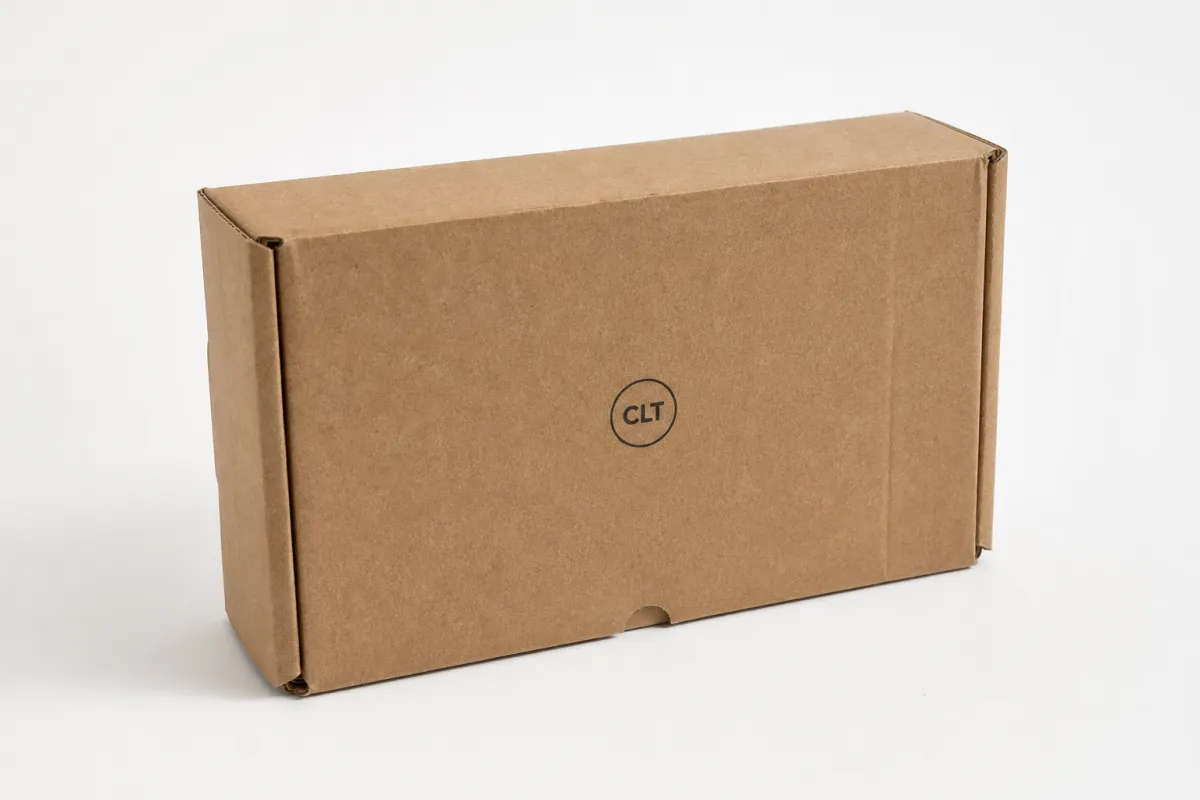
Board construction is usually the first thing that moves the price of recycled corrugated boxes. Recycled linerboard and recycled medium are not one uniform material, and that distinction matters more than many buyers expect. Higher recycled fiber content, tighter caliper control, and more consistent strength performance can raise cost, yet they also reduce the chance of damage, returns, and repacking. A lower price on the spec sheet does not help if the box fails in the warehouse or on the delivery route.
Flute profile shapes both performance and cost. A B-flute carton behaves differently from an E-flute mailer or a C-flute shipping box, even when the outer dimensions look similar. B-flute is often chosen for a balance of stacking strength and handling efficiency. E-flute gives a slimmer profile and a cleaner surface for print. C-flute shows up more often when a box needs extra vertical strength. The price of recycled corrugated boxes can move in either direction depending on flute choice, but the change is not linear. A slightly stronger board may let you reduce packaging weight or trim box size, which offsets cost somewhere else.
Strength ratings deserve just as much attention as flute. Buyers should look at ECT and, where it makes sense, BCT guidance rather than guessing by product weight alone. Packaging tests exist because transit stress is measurable, not theoretical. The ISTA testing framework and common compression metrics give teams a way to compare options under realistic shipping conditions. A 32 ECT regular slotted carton is perfectly acceptable for many consumer goods. A heavier or more fragile item may need more structure, but not always a much higher invoice. The price of recycled corrugated boxes usually reacts more strongly to efficient specification than to raw strength by itself.
Box dimensions change the economics in a very direct way. Every extra inch in length, width, or depth consumes more board and more space in the shipping lane. A carton that is slightly too large can push the price of recycled corrugated boxes upward in several ways at once: more material, more cube on the pallet, more filler inside the box, and sometimes higher parcel charges. For e-commerce brands, that shows up twice, once in purchasing and once in freight. Right-sizing is not just neat packaging. It is a real cost control tool.
Appearance and performance do not always move together. Recycled content can have a rougher surface than premium virgin-fiber board, and that affects print sharpness and shelf presentation. A subscription box, retail-ready carton, or any packaging that acts as part of the brand experience may need a liner choice or coating that improves how the surface looks and behaves. That decision can raise the price of recycled corrugated boxes, but it often does so for a reason tied to the customer experience rather than decoration alone.
Fit for purpose is the better question than max strength. A buyer does not need the heaviest carton available; a buyer needs the carton that survives the route at the lowest practical cost. That is why packaging suppliers ask about product weight, transit method, storage conditions, and stacking load before they quote. Those details tell them whether the price of recycled corrugated boxes should be tuned for freight efficiency, retail presentation, or compressive strength.
Documentation also matters, especially when sourcing teams need to justify recycled content claims or fiber sourcing standards. The FSC system can be relevant when a buyer wants responsible sourcing documentation, and recycled-content claims should be supported by supplier records rather than assumed from the look of the board. Testing still matters most, but documentation helps procurement explain the spec internally and defend the price of recycled corrugated boxes with more confidence.
One thing I have seen over and over: teams sometimes ask for “stronger board” when what they really need is better fit. If the carton is oversized, you can throw strength at it and still end up with a sloppy package that ships like a half-full suitcase. Tightening the size first usually does more for the price of recycled corrugated boxes than moving up one board grade.
Specifications That Shape the Box You Actually Buy
The price of recycled corrugated boxes becomes much easier to compare once the specification sheet is complete. Buyers should start with internal dimensions, board grade, flute type, box style, print coverage, and finish. Leave out even one of those inputs, and suppliers can quote different assumptions without anyone realizing it. That makes comparison nearly impossible. A one-inch change in size can alter sheet utilization, increase trim waste, and shift the price of recycled corrugated boxes more than most teams expect.
Structural style is another major lever. Regular slotted cartons usually serve as the baseline for economy and broad compatibility. Die-cut boxes, roll-end mailers, self-locking bottoms, and multi-depth styles can all solve real packaging problems, but each one adds tooling, converting steps, or pack-out complexity. A carton that seems simple from the outside may still cost more because of the way it is cut, folded, glued, or packed for shipment. Buyers who understand the price of recycled corrugated boxes often ask for two versions of a quote, one standard and one custom, so they can see the tradeoffs clearly.
Print changes the equation too. One-color flexographic print is usually straightforward. Multiple colors, full-bleed coverage, and large solid areas add cost and often lengthen proofing time. A box that only needs a logo and a short message can stay in a lower cost band than a carton that carries retail-grade graphics across most of the surface. The price of recycled corrugated boxes can rise noticeably once artwork occupies a larger portion of the board, especially on shorter runs where setup is spread across fewer units.
Finishes and inserts deserve a careful look. Water-based coatings, varnishes, die-cut windows, partitions, and protective pads can each add cost. In some cases, those features are worth it because they reduce breakage or improve presentation. In other cases, they are simply extra material and extra labor. Good buyers ask a blunt question: does this feature protect product value, or is it there because it sounds premium? That question keeps the price of recycled corrugated boxes aligned with actual business value.
The easiest way to keep quotes comparable is to build the spec sheet before you ask for pricing. Keep it simple, but make it complete.
- Internal dimensions in inches or millimeters
- Product weight and any fragile or stack-sensitive elements
- Board grade and target ECT or burst performance
- Flute profile and whether print quality matters
- Box style such as RSC, mailer, die-cut, or multi-depth
- Print and finish requirements
- Quantity, destination, and shipment method
That one page will do more for the price of recycled corrugated boxes than a long chain of vague emails. It turns a broad request into a quote set that can actually be compared. It also helps avoid the common mistake of lining up a plain stock carton against a custom die-cut carton and calling both numbers “competitive” or “expensive” without understanding that the products being quoted are not the same thing.
A practical example makes that clear. Picture a brand shipping a 2.5-pound product in a carton with too much air space. Trimming the internal dimensions by even half an inch can improve pallet cube, reduce filler, and lower parcel exposure. The board usage falls, the carton stacks better, and the effective price of recycled corrugated boxes can improve even if the raw material price barely changes. That is the difference between buying packaging and paying for wasted volume.
| Option | Typical Use | Relative Price | What It Buys You |
|---|---|---|---|
| Plain RSC, standard recycled board | General shipping, warehouse fulfillment | Lowest | Economy, fast production, broad compatibility |
| Recycled mailer with light print | E-commerce, subscription, branded unboxing | Moderate | Better presentation, efficient pack-out, decent strength |
| Custom die-cut box with graphics | Retail-ready, premium delivery, product-specific fit | Higher | Precise fit, stronger brand impression, reduced void fill |
| Heavy-duty recycled carton with insert set | Fragile or high-value products | Highest | More protection, lower breakage risk, more setup complexity |
That table is not a quote. It is a decision aid. The right carton is the one whose cost profile matches the product and the route. Read the price of recycled corrugated boxes through that lens, and the cheapest option will not always be the right one, while the most expensive option will not always be wasteful.
Another thing worth checking is the cut size used in production. If a design nests efficiently on the sheet, waste drops and so does the pressure on cost. If it leaves awkward trim, everyone ends up paying for scrap. That is a very unglamorous detail, but it is a real one, and it can move the price of recycled corrugated boxes more than a glossy print upgrade ever will.
Pricing, MOQ, and Quote Structure: How to Read the Numbers
Unit price is only one part of the price of recycled corrugated boxes. Buyers also need to know whether the quote includes tooling, printing plates, sample charges, freight, and any one-time setup cost. A quote that looks attractive per unit can become much less attractive once those items are added. A higher unit price with lower freight or fewer hidden charges can end up being the better deal. The math has to be complete before anyone calls it savings.
Minimum order quantity changes the shape of the pricing curve. Small runs carry more overhead per box because setup, changeover, and procurement effort are spread across fewer units. Larger runs usually reduce the price of recycled corrugated boxes, but there is still a point where overbuying starts to create storage cost, cash pressure, and obsolescence risk. A printed message can go stale. A product line can change. The savings disappear fast once the inventory sits longer than expected.
The most useful comparison is simple: ask suppliers for three scenarios at the same dimensions and board grade. One can be a small run, one a mid-volume run, and one a larger volume run. That reveals how quickly the price of recycled corrugated boxes improves with scale. In many programs, the drop between the first two tiers is sharp, then the curve flattens. That tells you where the real break-even point lives.
Short-run pricing is sensible for launches, seasonal promotions, and test orders. Volume pricing fits stable SKUs with predictable turns. The mistake is assuming the lowest per-unit quote wins by default. If the smaller run arrives sooner and prevents excess inventory, it may be the more disciplined purchase. If the larger run lowers freight and inventory cost enough, it can justify the cash outlay. The price of recycled corrugated boxes should be read as part of operating cost, not as a standalone number on a purchasing line.
A clean quote should separate the major components.
- Box manufacturing cost
- Tooling or plate charges, if any
- Sample or prototype charges
- Freight or delivery terms
- One-time setup or changeover charges
That structure matters because two vendors can present the same price of recycled corrugated boxes in very different ways. One may include freight inside the unit price. Another may itemize it. One may include sampling. Another may add it later. Procurement teams that compare only the unit number can miss the true landed cost by a wide margin.
Typical pricing tends to fall into familiar bands, though the exact number depends on size, board spec, geography, and print requirements. A plain standard recycled carton in moderate volume can often land in a low cents-per-unit range. A printed custom die-cut box will usually move higher. Add inserts, special coatings, or heavier board, and the number rises again. The point is not the exact cent amount. The point is that the price of recycled corrugated boxes tracks complexity much more than it tracks the word “recycled.”
For buyers trying to protect cash, a simple question usually gets to the heart of the matter: what is the lowest spec that still protects the product? That question can lower the price of recycled corrugated boxes without cutting into performance. It is a better starting point than asking for the cheapest option, because the cheapest option often leaves out a detail that becomes expensive after the fact.
One more practical point belongs here. If cartons are moving through parcel networks, ask whether the quote assumes ordinary handling or transit-tested packaging. Parcel stress is real. Compression, vibration, and drop events show up in day-to-day shipping. Buyers who align the quote to the actual distribution method usually get a more honest result, even if the first number looks slightly higher.
There is also a supply-side wrinkle that catches people off guard. Recycled paper markets can swing, and when recovered fiber prices move, board cost follows. That does not mean you cannot budget well. It just means the price of recycled corrugated boxes is tied to material availability in a way that is less tidy than many finance teams would like. A transparent supplier will explain that instead of hiding behind a vague quote.
Process, Timeline, and Lead Time From RFQ to Delivery
The price of recycled corrugated boxes tells only part of the story. Lead time can change the value of the quote just as much. A carton that arrives too late is not a bargain, no matter how good the unit cost looked on paper. A standard process usually moves from RFQ submission to spec review, then quote approval, proofing, sampling, production, and shipment. Each step has its own clock, and the slowest step usually sets the pace for everything else.
Artwork approvals are one common bottleneck. If print is involved, the supplier cannot move forward until layout, colors, and copy are signed off. Tooling is another. Die-cut packaging may require a new die-line or cutting form. Board availability can also shift timing, especially when a specific recycled grade is in demand. Freight can stretch the schedule too if the buyer needs a delivery appointment or a narrow receiving window. The price of recycled corrugated boxes may look attractive at first glance, but delays can create real launch costs that never appear in the quote.
Standard recycled corrugated boxes usually move faster than custom runs. A plain carton in a common size often needs less time because it does not require complex graphics or specialized converting. A highly customized box with multiple print elements, inserts, or unique geometry usually takes longer. That is not a flaw. It is the price of precision. Buyers who understand both the price of recycled corrugated boxes and the time required to produce them are better prepared to plan inventory and avoid emergency freight.
Planning works best in ranges, not promises. Straightforward projects can move quickly once the spec is approved. More complex orders take longer because proofs, samples, and production sequencing add steps that cannot be rushed safely. If a supplier quotes an unusually fast turnaround on a complex box, it is worth asking which assumptions are built into that estimate. Speed matters only if the box still meets the spec. A low price of recycled corrugated boxes means little if the shipment misses the launch window.
Several habits can shorten turnaround without cutting corners:
- Approve dimensions, board grade, and print requirements before requesting the quote
- Provide clean artwork files and final ship-to details early
- Choose a standard style where possible, such as an RSC or common mailer
- Request samples only when they are truly needed to confirm fit or appearance
- Plan ahead for peak freight periods and holiday congestion
Those steps do not always lower the price of recycled corrugated boxes directly, but they cut down on expensive friction. Fewer revisions, fewer delays, and fewer surprise charges usually make for a healthier packaging program. In that sense, time is money right alongside material.
The best vendors surface issues early. If board supply is tight or a print request will push out lead time, that should be said before the order is locked in. That kind of transparency carries real value. It gives procurement, operations, and marketing a chance to make one decision instead of three disconnected ones. That is how the price of recycled corrugated boxes becomes manageable instead of reactive.
There is a planning benefit inside the company as well. When packaging, fulfillment, and finance teams work from the same timeline, they can order at the right moment, avoid rush fees, and keep safety stock under control. A rushed carton order almost always costs more because delays compound each other: artwork approval slips, freight becomes urgent, and the production schedule has to bend around the late job. The price of recycled corrugated boxes tends to stay lower when the order follows a normal production rhythm.
Honestly, this is where a lot of teams get tripped up. They approve the spec late, then ask the supplier to “make it happen” faster. It can be done sometimes, but you usually pay for it one way or another. A calmer timeline is not just nicer to work with; it usually gives you a better price of recycled corrugated boxes too.
Why Choose Us for Recycled Corrugated Packaging
Custom Logo Things works best for buyers who need packaging that performs on the floor and still makes sense on the spreadsheet. The focus stays on practical decisions: right-sized cartons, sensible board selection, and print that supports the brand without inflating the bill. In many programs, the price of recycled corrugated boxes improves because the spec is disciplined from the start instead of being padded with extras that do not earn their keep.
What buyers usually want from a packaging partner is not more jargon. They want a supplier who can explain why one recycled board grade is enough for a 1.8-pound product and why another would be overbuilt. They want repeatability on reorder. They want the second run to match the first. That consistency matters because changing board or inconsistent converting can alter the price of recycled corrugated boxes in ways that are hard to spot until the warehouse starts reporting problems.
Custom sizing is a big part of that. Stock boxes have their place, but they are not always the most economical choice. A carton that fits the product closely can reduce filler, improve pallet counts, and cut shipping waste. In many cases, the effective price of recycled corrugated boxes drops once the dimensions are tailored to the item rather than forced around it. That matters a great deal for e-commerce, subscription, and multi-SKU fulfillment programs where every inch carries a cost.
Print support matters too. Some buyers need nothing more than a logo. Others need shipping graphics, handling icons, or a more polished branded presentation. We can help match print complexity to the job so you are not paying for decoration that does not support the business. The same logic applies to finishes and add-ons. If a coating, insert, or special cut truly protects the product, it belongs in the spec. If not, it should stay out. That is how the price of recycled corrugated boxes stays under control.
Working directly with a packaging partner also makes procurement clearer. Direct manufacturing support helps reveal what is driving lead time and cost. Generic sourcing channels often blur those signals. A buyer gets a number, but not enough detail to understand why it changed or how to improve it next time. That missing visibility can make the price of recycled corrugated boxes feel arbitrary even when it is easy to explain with the right information.
Sustainability documentation can be part of the package too. Many teams need internal support for recycled-content decisions, and that is easier when they can point to supplier records, material descriptions, or chain-of-custody information where appropriate. For companies reporting packaging improvements internally, that documentation can matter as much as the carton itself. It strengthens the business case behind the price of recycled corrugated boxes and gives procurement a cleaner story to present.
In practice, the strongest sourcing relationships are built on predictability. Same spec. Same print intent. Same delivery expectation. When those variables stay stable, the price of recycled corrugated boxes becomes easier to forecast and easier to defend. That is valuable for planning, margin control, and customer experience. It is also the difference between buying packaging reactively and treating it as a strategic input.
If you are evaluating recycled packaging for a new launch or reviewing an existing carton program, our team can help you compare choices without making the process more complicated than it needs to be. The goal stays simple: protect the product, keep the presentation on brand, and avoid paying for features you do not need. That is the practical route to a better price of recycled corrugated boxes.
Next Steps: Get a Quote That Matches Your Use Case
Before you ask for pricing, gather the details that actually affect the price of recycled corrugated boxes: exact dimensions, product weight, shipping method, print needs, and expected order volume. If the product is fragile, temperature sensitive, or stack-sensitive, say so up front. Those details change the board recommendation and the final quote. The more precise the spec, the more useful the price.
It also helps to request at least two comparable options. Ask for one standard version and one upgraded version so you can see the effect of board grade, flute, print, and MOQ side by side. That comparison shows where the price of recycled corrugated boxes rises for good reasons and where it rises because the spec has drifted beyond what the product needs. A side-by-side view usually teaches more than a single line item ever can.
Samples are worth asking for, especially if the product is heavy, fragile, or visually important. A sample can confirm fit, stacking behavior, and closure style before production begins. That small step can prevent a much larger cost later. In many programs, the sample protects the final price of recycled corrugated boxes from revision charges and rework that would otherwise show up after the order is already in motion.
Here is a straightforward action list:
- Confirm internal dimensions and product weight
- Decide whether plain, printed, or die-cut packaging is needed
- Request two or three quotes with the same assumptions
- Review total landed cost, not only unit price
- Check turnaround time, freight terms, and one-time charges
That process keeps the conversation grounded. It also avoids the common mistake of comparing a stock carton quote with a custom carton quote and assuming both are solving the same problem. They are not. A proper comparison shows how the price of recycled corrugated boxes changes with function, not just format.
One more useful habit is to ask suppliers how the quote would change if the order quantity moved up or down by 20 to 30 percent. That question exposes the price curve and helps you plan inventory with less guesswork. It can also show whether a small MOQ premium is worth accepting for flexibility. The right answer depends on your product cycle, but the better decision always starts with clear visibility into the price of recycled corrugated boxes.
If you are ready to move forward, request a spec review and compare your options on the basis of performance, lead time, and total landed cost. That is the cleanest way to avoid overpaying for features you do not need and underbuying strength you do need. For most packaging programs, the smartest move is not chasing the lowest number. It is choosing the box that gives you the best practical price of recycled corrugated boxes for the route your product actually travels.
The takeaway is simple: define the box before you price it. Once the dimensions, board grade, flute, print, and shipping method are fixed, the quote stops being a guessing game and starts being a decision tool. That is how you get a fair price of recycled corrugated boxes without ending up with a carton that costs less up front and more everywhere else.
What affects the price of recycled corrugated boxes the most?
The biggest drivers are box size, board grade, flute type, print complexity, and order quantity. Freight and one-time setup charges can matter as much as the box itself on smaller runs. For a fair comparison, ask suppliers to quote the same dimensions, same board spec, and the same delivery terms so the price of recycled corrugated boxes is being measured on equal ground.
Are recycled corrugated boxes cheaper than virgin-fiber boxes?
Not always on a straight unit-price basis, because recycled board pricing still moves with paper markets and capacity. In many real buying situations, recycled boxes can lower total cost when they are right-sized and produced at volume. The better comparison is total landed cost plus performance, not material label alone. That is usually the most honest way to judge the price of recycled corrugated boxes.
What is the minimum order quantity for recycled corrugated boxes?
MOQ depends on whether the box is plain stock, custom-sized, or printed. Custom tooling and print usually push MOQ higher because setup costs need to be spread across more units. If you need a small run, ask for a plain or standard style first, then compare that quote against custom options. That will show how MOQ affects the price of recycled corrugated boxes.
How do I compare recycled corrugated box quotes fairly?
Use the same dimensions, board grade, flute, print coverage, quantity, and shipping method across every quote. Check whether the quote includes tooling, samples, freight, and any assembly or finishing charges. The lowest unit price is not always the best deal if lead time, damage rate, or freight is worse. That is the safest way to read the price of recycled corrugated boxes.
Can recycled corrugated boxes handle heavy products safely?
Yes, if the board grade and strength rating are matched to the product weight and transit conditions. Ask for ECT or BCT guidance, and test a sample before committing to a full run. For fragile or high-value items, the right recycled box often protects better than an overfilled generic carton. In that case, the price of recycled corrugated boxes is usually easier to justify because it reduces damage risk.