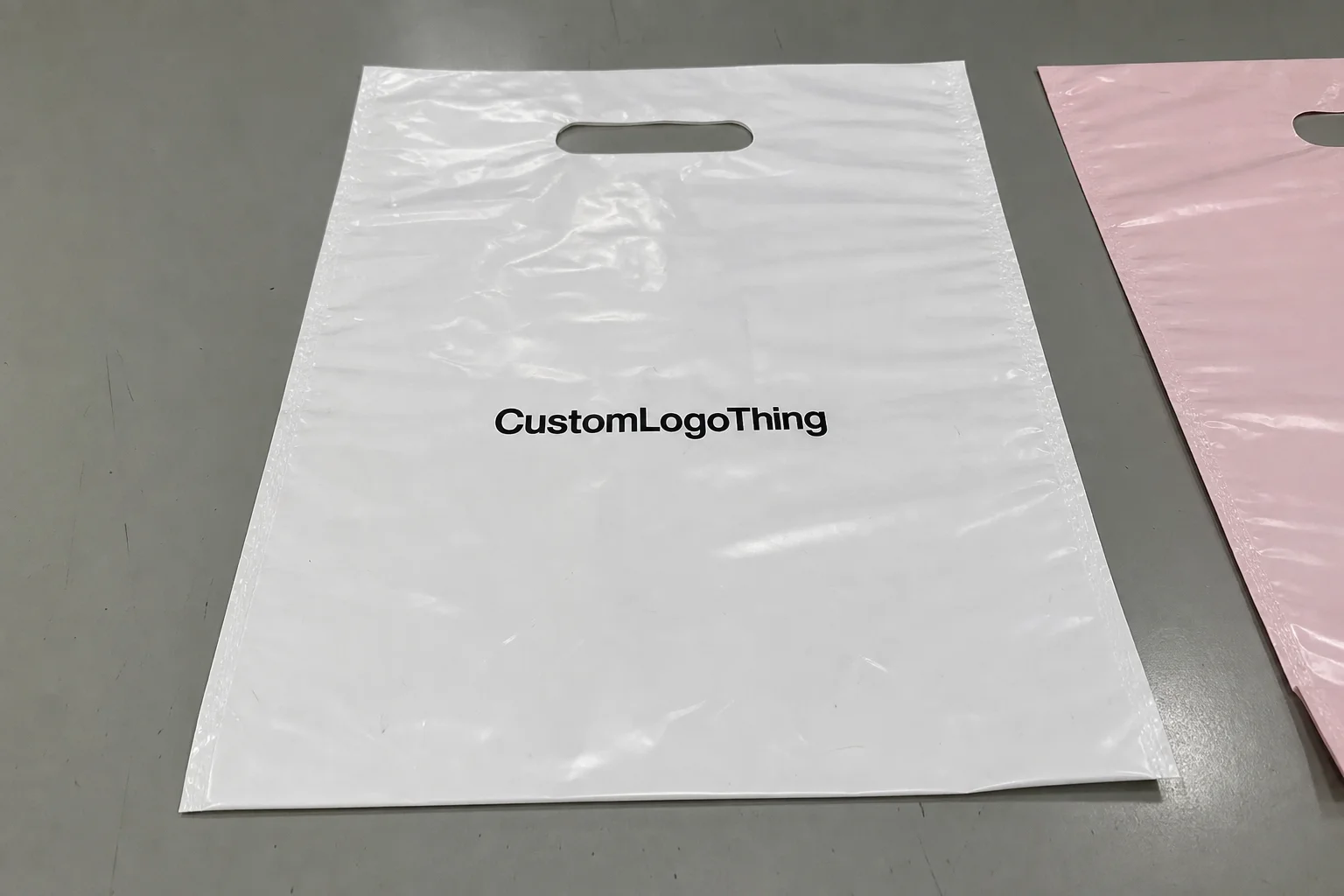
Buyer Fit Snapshot
| Best fit | Printed Bubble Mailers Bulk Price projects where brand print, material claims, artwork control, MOQ, and repeat-order consistency need to be specified before quoting. |
|---|---|
| Quote inputs | Share finished size, material target, print colors, finish, packing count, annual reorder estimate, ship-to region, and any compliance wording. |
| Proofing check | Approve dieline scale, logo placement, barcode or warning zones, color tolerance, closure strength, and carton packing before bulk production. |
| Main risk | Vague material claims, crowded artwork, missing packing details, or unclear freight terms can make a low unit price expensive after revisions. |
Fast answer: Printed Bubble Mailers Bulk Price: Film, Print, MOQ, and Carton Packing should be specified like a repeatable production item. The safest quote records material, print method, finish, artwork proof, packing count, and reorder notes in one written spec.
Production checks before approval
Compare the actual filled-product size with the drawing, then confirm tolerance on folds, seals, hang holes, label areas, and retail display edges. Reserve space for logos, QR codes, warning copy, and material claims before decorative graphics fill the panel.
Quote comparison points
Review material grade, print process, finish, sampling route, tooling charges, carton quantity, and freight assumptions side by side. A quote is only useful when the supplier can repeat the same color, closure quality, and packing count on the next order.
Printed Bubble Mailers Bulk price gets treated like a simple line item too often. That is usually a mistake. Packaging affects labor, freight, damage rates, and the first impression a customer gets when the package lands on a desk or doorstep. A buyer chasing the lowest unit price can still end up paying more once the packing table slows down, the returns start, or the packaging looks cheap enough to bruise the brand.
A printed bubble mailer does two jobs at once. It protects the product and it carries the brand. That matters for apparel, beauty, supplements, books, accessories, and subscription items because the mailer is often the first physical touchpoint. Clean print, a reliable seal, and a package that survives transit make the order feel deliberate. A dented or flimsy mailer does the opposite. Customers notice. Usually immediately.
For anyone comparing Printed Bubble Mailers bulk price, the real question is not whether printed mailers cost more than plain ones. It is whether the bulk price lowers total spend after labor, freight, damage, and repeat ordering are counted together. That is the number that matters. The sticker price is just the opening bid.
There is also a practical buyer issue that gets ignored: packaging choices have to work at the packing station, not just in a mockup. If the order is being packed by a two-person team in a back office, the difference between a labeled blank mailer and a preprinted one is not theoretical. It is a stack of seconds multiplied by hundreds or thousands of shipments. That is where the real savings hide.
Why printed bubble mailers bulk price can beat plain mailers
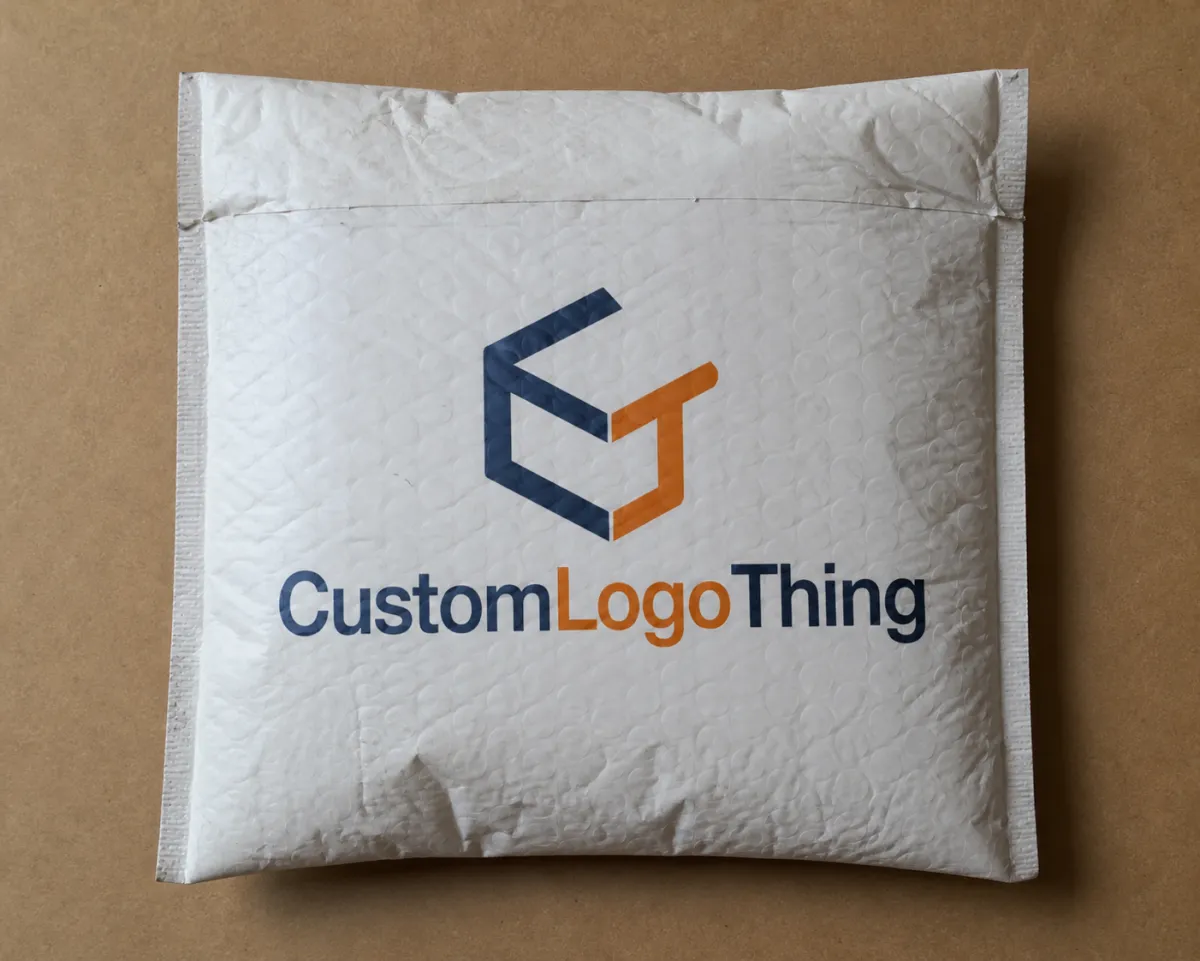
A small premium disappears fast when blank mailers need extra work. A label gets applied. A brand sticker gets added. An insert gets folded in. The pack line slows down for each of those steps. At scale, even a few extra seconds per order changes how many units a team can push through in a shift. Over 10,000 pieces, that is not trivia. That is labor.
The case for printed mailers gets stronger once order volume steadies out. If a business ships the same product family every week, bulk printed mailers often cost less in total than buying blanks and decorating them later. The savings do not always show up as a dramatic drop in the unit price. They show up in fewer touches, faster packing, and a cleaner looking shipment.
Consistency matters more than people admit. A blank mailer plus a hand-applied label can drift from order to order. One label sits high. Another sits crooked. Another gets covered by tape because somebody was in a hurry. Printed mailers keep the brand mark where it belongs every time. That steadiness helps the whole package look intentional, not improvised.
The lowest unit price is not the same thing as the lowest landed cost. A mailer that cuts labor, reduces damage, and presents the brand well can win on total spend even if the headline price is higher.
Direct-to-consumer brands feel this most. The package is the marketing surface that shows up at every address. It sits in a mailroom. It lands on a porch. It gets handled by one person who may never see your ads again. The mailer has one job in that moment: look credible and survive the trip.
A few common buyer scenarios make the math obvious:
- Subscription apparel: the team ships the same size and insert set every week, so a preprinted mailer removes repeat decorating steps.
- Beauty and skincare: the outer package needs a polished presentation, but it also has to protect bottles, jars, and inserts from scuffing.
- Books and media: a printed mailer can keep a retail look without turning the pack station into a label-sticking assembly line.
- Accessory brands: small, light products do not need overbuilt packaging, but they still need enough structure to avoid returns from bent or crushed shipments.
Buyers comparing options should look at three buckets:
- Packaging cost: unit price, setup fees, and freight.
- Labor cost: how long each order takes to prepare.
- Risk cost: damage, reprint, and customer service fallout.
That is why printed mailers can beat plain stock even when the unit cost looks higher. The premium is small. The savings spread across operations.
Printed bubble mailer construction and print options
The material stack drives a lot of the price. A printed bubble mailer usually has an outer film, an inner bubble lining, and a closure strip that seals the package. The outer layer may be polyethylene, laminated film, or a recycled-content blend depending on the program. The bubble liner cushions the contents. The closure controls tamper resistance and pack-out speed.
People love to talk about the print first. Fine. The structure still matters more. A thin film with a weak seal may look acceptable in a mockup and fail the second it hits a rough sorting line. Stronger film, consistent bubble inflation, and a clean seal can push the unit price up a little while cutting damage claims far more than that.
Print method changes the quote too. A one-color logo is the easiest path and usually the least expensive. It works for clean brand marks, simple taglines, and address-side branding. Multi-color artwork increases registration demands, which adds setup time and usually pushes the price upward. Full-panel graphics are possible, but they need tighter file control and more production attention.
Common print choices
- One-color logo: best for lower complexity and tighter bulk pricing.
- Two- to three-color branding: useful for stronger shelf or mailroom visibility.
- Full-panel print: gives maximum coverage, but usually costs more and needs tighter artwork control.
- Front-only layout: practical for simple branding and easier alignment.
- Wraparound layout: useful if the package is seen from multiple angles during delivery or display.
Finish affects perception more than function. Matte film reads quieter and usually feels more premium. Gloss feels brighter and leans more retail. Metallic catches the eye, but it can also swallow fine type and make color matching harder. Recycled-looking finishes can signal a lower-impact position, though the buyer should verify the actual material content instead of guessing from appearance.
Closure style affects operations too. A tamper-evident strip improves customer confidence. A peel-and-seal strip speeds fulfillment. For high-volume pack lines, those seconds add up quickly. The best choice is the one that fits the warehouse, not the one that looks prettiest on a sample table.
For teams comparing broader packaging ranges, the product family at Custom Packaging Products is useful for seeing how mailers sit beside cartons, sleeves, and other branded shipping formats. If the packaging plan includes lighter mailers or alternate shipping formats, Custom Poly Mailers can help buyers compare structure, branding, and price across different outbound options.
There is one more point that often gets missed in the sample room: print coverage is not the same thing as print durability. A design can look sharp on day one and still rub off or scuff badly after a few warehouse passes. If the package will travel through automated sorting, stacked pallets, or long distribution cycles, ask how the ink, film, and seal behave under friction and compression, not just under studio lighting.
Size, gauge, and performance specifications
Size is not just length and width. Buyers need the usable space inside the mailer, the outside dimensions, and the way the package behaves once the product is inside. A 6 x 9 mailer might work for a small accessory, then fall apart as soon as a card, insert, or protective wrap gets added. A little extra room cuts stress on seams and saves a lot of packing frustration.
Bubble gauge and film thickness get confused all the time. Thicker construction usually improves puncture resistance and crush protection, but it also adds cost and weight. For some products, that tradeoff makes sense. For others, it is pure overkill. A lightweight mailer can be enough for soft goods or low-risk items. A heavier build makes more sense for cosmetics jars, small electronics, fragile accessories, or anything with sharp edges.
Practical performance specs matter more than sales language. Seal strength, tear resistance, moisture resistance, and edge integrity tell you how the mailer will actually behave in transit. Packages get sorted, stacked, shoved into bins, and bounced around in mixed conditions. If the film is too light or the seal is inconsistent, the failure shows up after shipment, not before.
There is a simple reason experienced buyers ask for these specs up front: they are trying to prevent avoidable damage claims. A product that ships fine in a controlled sample can still fail once it is loaded onto a hot truck, moved through a humid hub, or packed next to something heavier than expected. Materials do not care about the marketing plan. They only care about the abuse.
Third-party transit standards help keep the conversation honest. Packaging teams often use protocols from groups such as the ISTA when testing how a package performs under drop, vibration, and compression conditions. That kind of testing is useful because it replaces guesswork with repeatable stress conditions. For brands that need a broader sustainability lens on shipping materials, the EPA recycling guidance is also worth reviewing before choosing a material mix or customer disposal message.
Three common build tiers
| Build type | Typical use | Strength profile | Relative price impact |
|---|---|---|---|
| Lightweight | Soft goods, small accessories, low-crush items | Basic cushioning, lower freight weight | Lowest |
| Standard | General e-commerce orders, apparel, mixed SKU kits | Balanced cushion and tear resistance | Moderate |
| Heavy-duty | Fragile goods, denser products, higher damage risk | Higher puncture resistance and better seal security | Highest |
Quality control matters. Good mailers should pass more than a visual glance. Print alignment, color consistency, seal integrity, and bubble uniformity all affect reject rates. A buyer does not need a lab report for every run, but it helps to ask for a clear spec sheet and a sample review before production starts. One off-center logo can spoil an otherwise solid shipment and turn into a reorder dispute nobody wants.
Freight matters too. A heavier gauge means more weight per carton and sometimes a higher shipping bill per thousand pieces. That can be the right move for a fragile product, but it should still be counted. Packaging never sits outside the freight bill. It rides along with it.
Printed bubble mailers bulk price: Cost, MOQ, and quote drivers
Printed bubble mailers bulk price is shaped by a handful of variables, and the order of importance is usually more predictable than buyers expect. Quantity is often the biggest lever. Size comes next. Print color count, film specification, package configuration, and destination freight all influence the number on the quote after that.
For planning, many buyers start seeing better unit pricing once volume reaches the thousands. A simple one-color custom mailer can land in a very different price band at 3,000 pieces than at 10,000 pieces because the setup charge gets spread across a larger run. That is why bulk pricing should be reviewed as a total order decision, not as a unit number floating in a vacuum.
MOQ, or minimum order quantity, is not a fixed market rule. It changes with size, printing method, and artwork complexity. A simple one-color design often supports a lower MOQ than a full-panel multi-color order. If the supplier is building from a standard spec, the floor may be more flexible. If the run is highly custom, the minimum can climb fast. The right question is not “What is the MOQ?” It is “What is the MOQ for this exact size, film, and print setup?”
Material pricing also shifts with resin markets, ink systems, and shipping conditions. That means a quote from last quarter may not hold forever. Buyers who need repeatable pricing should ask whether the supplier can hold a rate for a defined window and whether reorders stay tied to the same print plates or digital setup. That detail matters more than a polished sales deck.
Illustrative quote comparison
| Order type | Typical quantity | Approx. unit price range | Common drivers | Best fit |
|---|---|---|---|---|
| Blank mailers | 5,000+ | $0.10-$0.24 | Size, bubble gauge, film thickness | Lowest branding requirement |
| One-color printed mailers | 5,000+ | $0.18-$0.38 | Setup, print area, artwork simplicity | Branded DTC shipping |
| Multi-color printed mailers | 10,000+ | $0.28-$0.55 | Registration, color count, proofing time | Retail-ready presentation |
| Heavy-duty custom print | 10,000+ | $0.35-$0.65 | Thicker film, stronger seal, larger format | Fragile or premium goods |
These numbers are planning ranges, not a promise. They still help buyers compare quotes on the same basis. A quote that looks cheap can hide setup fees, freight surcharges, or proof charges. A landed-cost view shows the real gap. If one supplier quotes low but charges more for freight and approval revisions, the savings can disappear quickly.
That is why the quote request should always include the same details:
- Dimensions: inside and outside measurements, plus any gusset or usable-space requirement.
- Material preference: lightweight, standard, or heavy-duty film and bubble construction.
- Print colors: one-color, multi-color, or full-panel artwork.
- Quantity: the exact bulk target, not a rough estimate.
- Destination: delivery ZIP, port, or warehouse location for freight planning.
- Deadline: ship date, launch date, or replenishment window.
Shipping terms can change the answer fast. A low factory price with expensive freight may lose to a slightly higher unit price with better shipping terms. Add duties if the order crosses borders, and landed cost can move more than many purchasing teams expect. Procurement discipline pays off here: compare the same spec, the same quantity, the same delivery terms, and the same approval stage before deciding.
For brands buying in larger volumes, wholesale planning matters too. The page for Wholesale Programs is a useful reference point for teams trying to align purchase timing with reorder cadence, inventory storage, and seasonal demand.
Production process and lead time from proof to ship
The production path is usually straightforward, but every step has a place where delays can creep in. A typical custom order starts with a request for quote, moves into artwork review, then continues through digital proofing, sample approval if needed, production, inspection, packing, and dispatch. Buyers who send clean files and answer proof questions quickly usually move faster than buyers who need repeated artwork fixes.
Artwork causes most delays. Missing vector files, low-resolution logos, vague color targets, and incorrect size assumptions all slow things down. A mailer proof can look simple on screen, but the print area still has to fit the physical format. If the logo scales too large, crosses a seam, or lands too close to the closure edge, the proof needs revision. Annoying? Sure. Necessary? Also yes.
Lead time should be split into production time and transit time. Buyers often hear a lead time and assume it includes delivery, which is not always true. A factory may quote a number of business days after proof approval, then add freight time to the arrival date. If the order is time-sensitive, that difference matters a lot.
For a new product launch, that distinction can make or break the schedule. I have seen teams approve an order thinking they had two weeks, only to discover that the quote was two weeks to ship and another week to land. That is not a packaging problem. That is a planning problem. Still annoying, though.
A simple timeline example
- Day 1-2: Quote request and spec confirmation.
- Day 2-4: Artwork review and proof preparation.
- Day 4-6: Proof approval and any final corrections.
- Day 7-15: Production, inspection, and packing for a standard bulk order.
- After production: Freight time to the destination warehouse.
Rush production is possible in some programs, but it usually costs more and depends on the factory queue. If the artwork is simple, the size is standard, and the order quantity is moderate, speed improves. If the design has multiple colors or the order is large, the schedule gets tighter. The fastest route is usually not a rush fee. It is better prep.
Buyers can shorten turnaround with a few habits that actually help:
- Send vector artwork instead of a flattened image.
- Confirm Pantone or CMYK targets early.
- Approve proofs promptly and in one round if possible.
- Specify exact dimensions, not “close to” dimensions.
- Tell the supplier whether the mailer must fit an insert, card, or protective wrap.
That discipline keeps the order moving and reduces the chance of a remake, which is the most expensive delay of all.
Why buyers choose our bulk printed mailer program
For many teams, the value of a custom mailer program is operational reliability. They want consistent sizing, repeatable print quality, and a supplier who understands that reorder one should look like reorder four. That sounds basic because it is basic. Plenty of packaging problems start with tiny inconsistencies that become expensive once volume grows.
The strongest reason to choose a managed bulk program is simple: it reduces busywork. Instead of buying blanks, labels, and stickers separately, the buyer can move to a single printed solution that arrives ready to use. That cuts handling steps and keeps the pack station cleaner. It also makes the unboxing moment look designed rather than assembled from whatever was lying around.
Service matters as much as the mailer. Buyers usually care about fast quoting, proof control, sample support, and clear reorder records. Those are the signals that a packaging partner is organized. Procurement teams do not need dramatic promises. They need documentation, a predictable spec, and proof that the next order will match the last one.
That matters even more for brands with recurring shipments. A repeat order should not require a fresh guess every time. The best packaging programs make the second and third purchase easier than the first. If your team is building a broader packaging system, the same discipline applies across mailers, cartons, and inserts. The objective is not novelty. It is control.
A practical way to judge a supplier is to ask what they can show before the run begins:
- Spec sheets with size and construction details.
- Digital proofs with clear artwork placement.
- Samples for size and seal review.
- Inspection checks for print consistency.
- Reorder records that preserve the same setup.
That is where a practical packaging partner earns trust. The buyer sees fewer surprises, less rework, and a cleaner path from approval to delivery. For a company shipping thousands of units a month, that stability often matters more than a tiny difference in headline price.
Next steps for a quote-ready order plan
The fastest way to get a clean quote is to prepare the order like a buyer who expects to compare real numbers. Start with the exact mailer size, the expected monthly or quarterly quantity, the preferred print colors, and any performance requirements that matter for the product. If the item is fragile, say so. If the order includes inserts or cards, say that too. Specific brief, fewer headaches later. Simple enough.
Artwork should be ready in editable vector form whenever possible. If the design is still rough, that is fine, but the buyer should understand that revisions can shift the schedule. It also helps to decide in advance whether the first order is a test run or a full bulk commitment. A sample or pilot order is often the safer choice for a new format, especially if the product is sensitive to fit or damage.
Quote comparison should happen on equal terms. Same size. Same material. Same print count. Same freight basis. Same proof stage. A cheaper headline unit price means nothing if one supplier includes freight and another does not. That is how packaging budgets get warped. The only fair comparison is landed cost on the same specification.
Ask for these three items before approving production:
- A sample: to confirm fit, closure, and feel in hand.
- A proof: to verify logo placement and color intent.
- A landed-cost estimate: to understand the full budget impact.
If the order is part of a broader sourcing plan, wholesale planning can help align packaging purchases with demand. That is especially useful for seasonal brands, subscription shipments, and companies that reorder on a set schedule. A steady buying rhythm usually does more for pricing than one-off haggling.
For buyers focused on unit economics, the conclusion is plain: printed bubble mailers bulk price should be judged as a repeatable supply decision, not a one-time packaging purchase. The right spec reduces labor, protects the product, and reinforces the brand every time it ships. That is where the value shows up, order after order.
Frequently Asked Questions
What affects printed bubble mailers bulk price the most?
Quantity is usually the biggest driver, followed by size, print color count, and film or bubble thickness. Setup and freight also change the effective unit cost, especially on smaller runs. Artwork complexity matters because more colors and larger print areas usually require more production time and tighter registration.
What is a typical MOQ for custom printed bubble mailers?
MOQ varies by mailer size, material, and print method, so there is no single standard number that fits every order. Simple one-color runs often allow lower minimums than multi-color or full-panel print projects. Ask for the MOQ tied to your exact specification, not a generic floor.
How long does production take after proof approval?
Lead time depends on order size, artwork complexity, and current factory capacity. Fast proof approval usually shortens the schedule more than any other buyer-controlled step. Shipping time should be separated from production time so the quote reflects the real delivery date.
Can I order a sample before placing a bulk order?
Yes, and it is the safest way to confirm size, seal strength, and print placement before committing to volume. A sample helps catch logo spacing issues, color mismatches, and closure problems early. If possible, test the sample with the actual product and any inserts you plan to ship.
How can I lower the bulk price without cutting quality?
Simplify the artwork, reduce print colors, and choose a standard size when possible. Combine demand into fewer, larger orders so the setup cost is spread over more units. Keep the specification aligned with the product's real shipping risk instead of overbuilding the mailer.
Actionable takeaway: if you are comparing printed bubble mailers bulk price, ask suppliers for the same size, same film, same print setup, and the same freight terms, then test one sample with your actual product before you commit to volume. That is the cleanest way to judge whether the quote saves money or just looks cheap on paper.