Buyer Fit Snapshot
| Best fit | Printed Carton Boxes with Cmyk projects where brand print, material claims, artwork control, MOQ, and repeat-order consistency need to be specified before quoting. |
|---|---|
| Quote inputs | Share finished size, material target, print colors, finish, packing count, annual reorder estimate, ship-to region, and any compliance wording. |
| Proofing check | Approve dieline scale, logo placement, barcode or warning zones, color tolerance, closure strength, and carton packing before bulk production. |
| Main risk | Vague material claims, crowded artwork, missing packing details, or unclear freight terms can make a low unit price expensive after revisions. |
Fast answer: Printed Carton Boxes with Cmyk: Board, Finish, Dieline, and Unit Cost should be specified like a repeatable production item. The safest quote records material, print method, finish, artwork proof, packing count, and reorder notes in one written spec.
Production checks before approval
Compare the actual filled-product size with the drawing, then confirm tolerance on folds, seals, hang holes, label areas, and retail display edges. Reserve space for logos, QR codes, warning copy, and material claims before decorative graphics fill the panel.
Quote comparison points
Review material grade, print process, finish, sampling route, tooling charges, carton quantity, and freight assumptions side by side. A quote is only useful when the supplier can repeat the same color, closure quality, and packing count on the next order.
A carton can look sharp on a monitor and still land on press looking flatter, darker, or slightly tired. Printed carton Boxes with CMYK demand more than attractive artwork. They need a production plan that respects the board, the ink limit, and the finishing path before the first file is sent.
That matters most when the packaging has to do real work. A startup launching its first retail product may need a short run that can move quickly. A brand with six color variants may need repeatable cartons that stay consistent from one reorder to the next. A buyer in that position is not shopping for a pretty mockup; they are trying to avoid reprints, color disputes, and missed ship dates. If you need other formats too, a broader range sits under Custom Packaging Products.
The difference shows up fast for a packaging buyer. A design that feels vivid on coated SBS may turn subdued on kraft-lined board, and a color that looks clean in RGB can shift once it becomes cyan, magenta, yellow, and black on paperboard. On a shelf, that shift can be the difference between a carton that looks premium and one that looks merely printed.
A carton has two jobs at once: it has to sell and it has to survive. The barcode must scan, the seam must close, and the shelf face still has to look right after the box has crossed a warehouse and a truck.
That is why printed carton Boxes With CMYK should be treated as a production system, not just a design file. The artwork, the board, the press profile, and the finish all shape the final result. Ignore one of them and the job can still print, but it may not print well.
What Printed Carton Boxes With CMYK Actually Mean
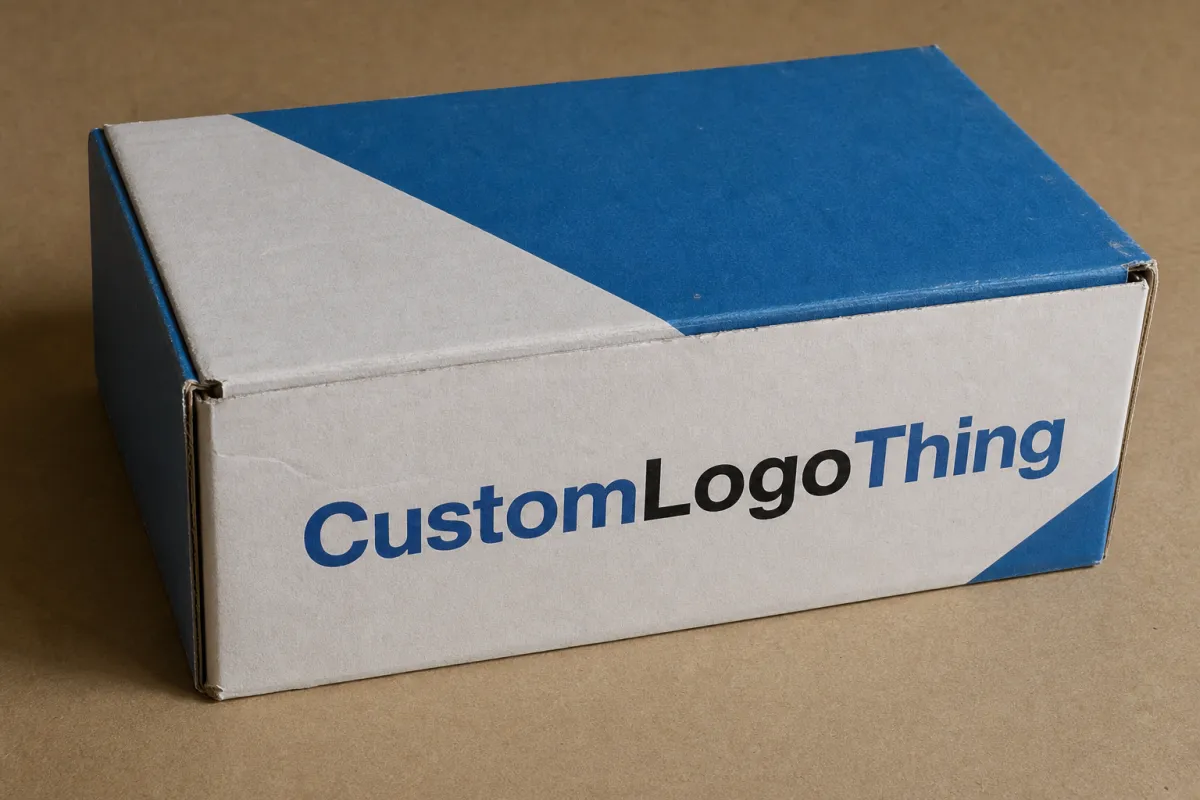
CMYK is process-color printing built from four inks: cyan, magenta, yellow, and black. Those four channels are combined in tiny dots to build most of the colors used on folding cartons, sleeve boxes, retail cartons, and mailer-style packaging. The result can look refined and layered, especially when the artwork includes photography, gradients, or complex graphics. The same file, though, can behave very differently from one board to another.
That gap is easy to underestimate. A monitor is lit from behind. A carton is not. Bright blues, glowing reds, and saturated greens that look effortless on screen often lose intensity on uncoated paperboard. A 350 gsm coated board or 18 pt SBS carton stock usually carries detail better than a rough recycled sheet, yet neither behaves like a display panel. Ink sits in the fiber, not above it.
There is also a technical ceiling that many buyers never see until proofs arrive. Every printing system has an ink limit, and every substrate has an absorption profile. If a carton design pushes too much ink into a thirsty sheet, shadows can close up, the surface can dull, and small type can lose edge definition. On a dense, image-heavy carton, that matters as much as the logo itself. A beautiful render can become a muddy production file if the total ink coverage is not controlled early.
Spot-color printing works on a different logic. Instead of building a shade from four process inks, the printer uses a pre-mixed ink for a specific tone, such as a brand orange or a deep corporate green. That path helps when a brand demands tight color control. CMYK usually wins in everyday packaging, though, because it handles mixed artwork well: full-bleed photography, seasonal variants, ingredient panels, and small design changes without a new ink formula for every SKU.
For many buyers, printed carton boxes with cmyk make the most sense in short-to-medium runs where design flexibility matters more than exact Pantone matching. The format also suits product families with several versions of the same carton. A cosmetics line with two shades, a supplement range with multiple flavors, or a retail promo that rotates graphics often fits CMYK better than a pure spot-color build. In practice, the carton can be changed with a file revision instead of a new press setup.
The output depends less on the screen and more on three variables: substrate, press calibration, and ink limit. Coated paperboard usually reproduces finer detail. Uncoated or recycled stock absorbs more ink and can dull the image. Press calibration keeps repeat runs consistent. Ink limit tells you how much color the board can physically hold before the image turns muddy or loses edge definition. A smart carton brief starts with the material, not the palette.
One more wrinkle deserves attention: lighting. The same printed carton boxes with cmyk can look slightly different under warm retail LEDs, daylight, and warehouse fluorescents. That is why experienced teams approve cartons under the light where the box will actually be seen. A proof that looks ideal under office lighting can still disappoint on shelf if the real environment is warmer or harsher.
How the CMYK Printing Process and Timeline Works
The workflow is more exacting than many first-time buyers expect. A clean carton run begins with artwork prep and dieline alignment. The printer checks whether the design fits the structure, whether bleed is correct, whether folds or seams cut through critical artwork, and whether text stays readable near the trim. A good prepress team catches those problems before the press sees the file.
Proofing comes next. Depending on the supplier, that proof may be digital, contract-grade, or pulled on the actual board. If color matters, a physical proof carries more weight than a screen capture because it shows how the board, coating, and ink behave together. If the carton also needs transit validation, some teams align the sample stage with standard shipping checks such as ISTA test procedures so the pack is checked for both appearance and handling strength before full production.
Once the proof is approved, production starts. Digital printing is usually the fastest path for lower quantities because it skips plates and moves from file to press with less setup. Offset printing takes longer to prepare, but it handles larger runs efficiently and often gives better consistency for heavy coverage and detailed artwork. Flexographic printing is common in some carton and corrugated workflows, especially when volume is high and the press is tuned for repeat production.
From there, the schedule moves through drying or curing, die-cutting, folding, gluing, packing, and shipping. Each step adds time, and each step can become a bottleneck if the job is not prepared cleanly. A missing dieline can stop prepress. A late artwork revision can push proof approval back by days. A special coating, such as soft-touch lamination or spot UV, adds another production pass. Even barcode changes can trigger a recheck if the carton is headed into retail or distribution.
There is a practical reason experienced buyers ask for a stage-by-stage timeline rather than a single delivery date. A supplier may quote two weeks, but that can hide five separate approval checkpoints. If the artwork review sits in a queue for three days, the quoted number becomes fiction. A better schedule names the critical path: prepress, proof, approval, production, finishing, and freight. That is the only version you can manage.
Here is a practical way to think about lead time:
- Digital printing: often best for smaller quantities and faster starts, sometimes around 5-10 business days after approval, depending on finishing and queue load.
- Offset printing: commonly needs a longer setup, but for larger carton runs it can become the better production choice, often around 10-18 business days after proof sign-off.
- Flexographic printing: efficient for repeat volume, but setup and plate prep can add time, especially if the job needs custom die work or multiple coatings.
Those ranges are estimates, not guarantees. A simple carton with a straightforward fold, one coating, and no special effects can move faster. A more complex retail box with embossing, foil, and strict brand review can stretch the schedule quickly. The best habit is to ask where the job can pause: artwork, proofing, coating, die-cutting, or shipping.
There is also a hidden timing issue that often appears on repeat orders. If the previous carton was approved months ago, but the supplier has changed press conditions, board availability, or coating stock, the old approval may not perfectly predict the next run. Reorders are easier than first runs, but they are not automatically identical. A quick check on the reference sample can save a costly surprise.
What Drives Cost, Pricing, MOQ, and Unit Cost
Packaging price is rarely one number. It is a stack of choices. Box size matters because larger cartons use more board and more press time. Board thickness matters because heavier board can cost more and may require different die settings. Print coverage matters because a full-bleed box with dense imagery uses more ink and more press attention than a simple one-color layout. Finishing matters because each extra layer, whether that is aqueous coating, matte varnish, soft-touch lamination, foil, or embossing, adds process time and risk.
MOQ, or minimum order quantity, usually reflects setup economics. The printer has to prepare plates, set up the press, align the die, and check the finish. On a small run, that setup cost is spread across fewer cartons, so unit price rises. On a larger run, the fixed cost gets diluted, and the carton price per piece usually falls. A 500-piece order can feel expensive while a 5,000-piece order often looks far more competitive per box.
For printed carton boxes with cmyk, the print method also changes the math. Digital printing usually has lower setup overhead, which can make it attractive for low quantities, samples, or seasonal launches. Offset printing may look more expensive on paper because of plates and setup, but once volume rises, the unit economics often improve. Flexographic printing sits in its own lane, often making sense for repeat production and larger volume, especially where carton and corrugated workflows overlap.
There is a subtle but important distinction between price and value. Two quotes can differ by 15 percent and still cost the same in practice if one excludes freight, overrun tolerance, or proofing. The lowest figure on the page is not always the lowest spend in the project.
Here is a useful comparison for a standard folding carton, assuming typical retail artwork and normal finishing complexity.
| Print Method | Typical MOQ | Typical Unit Cost Range | Lead Time | Best Fit | Watch-Outs |
|---|---|---|---|---|---|
| Digital printing | 100-1,000 units | $0.40-$1.20 each | Fastest start, often 5-10 business days after approval | Samples, short runs, multiple SKUs, seasonal artwork | Higher cost per box at volume; some finishes cost more |
| Offset printing | 1,000-10,000 units | $0.12-$0.45 each | Often 10-18 business days after proof sign-off | Mid to large runs, detail-heavy cartons, repeat orders | Plate/setup costs; approval delays can slow the schedule |
| Flexographic printing | 5,000+ units | $0.08-$0.30 each | Can be efficient at volume, but setup varies by job | High-volume packaging, repeat cartons, efficient production | Best on simpler graphics or repeat formats; color control depends on press discipline |
Those ranges are practical, not universal. A small cosmetic carton with foil stamp and soft-touch finish can cost more than a larger plain carton because embellishment drives labor. A plain mailer carton with simple 4-color graphics may fall much lower. The useful comparison is always like-for-like: same dimensions, same board, same print coverage, same coating, same delivery point.
That is where quote structure matters. Some suppliers quote only the printed box. Others include tooling, plates, proofs, freight, and overrun or waste allowance. A quote that looks cheaper can become the more expensive option once those line items appear. If you are also sourcing inserts, sleeves, or alternate formats, it helps to compare them through the same Custom Packaging Products catalog so the pricing logic stays consistent.
Hidden cost variables often surface late in the process:
- Custom dielines if the structure is new or needs engineering help.
- Foil, embossing, or debossing if the carton needs tactile premium cues.
- Soft-touch coating if the job needs a matte, velvety feel.
- Internal printing if the inside panels carry instructions or branding.
- Extra QA checks if barcode accuracy, color tolerance, or retail compliance is critical.
For many buyers, the better question is not, "What is the lowest price?" It is, "What price includes every step needed to deliver cartons that are ready to use?" That shift cuts out a lot of surprise invoices. It also changes the conversation with suppliers. Instead of haggling over one number, you can compare the jobs on the same terms.
Step-by-Step Guide to Sourcing a CMYK Carton Run
A clean sourcing process starts with a spec sheet. If the supplier has to guess the size, guess the board, or guess the finish, the quote will either be padded or wrong. A one-page brief usually works better than a long email thread because it gives everyone the same starting point.
In practice, the best briefs are boring in the right way. They remove ambiguity. They say what the carton is, what the product weighs, how the box closes, where it ships, and what quality standard matters most. That clarity speeds up printed carton boxes with cmyk because the supplier can price the job instead of interpreting it.
- Lock the dimensions. Include the exact length, width, and depth, plus any tuck flap or locking tab details. If the carton sits around a jar, bottle, or device, include the product dimensions with enough clearance for packing.
- Choose the board grade. Common folding carton choices include SBS, CCNB, kraft-lined board, or recycled paperboard. A 16 pt or 18 pt carton often works for retail packaging, but the right grade depends on weight, shelf life, and the feel you want in hand.
- Set the print method. Digital printing may suit a short run or multiple SKUs. Offset printing may suit a larger retail launch. Flexographic printing may fit a repeated carton program with steady volume.
- Send the correct artwork file. Ask for the live dieline, not a screenshot. Supply the final vector file or print-ready PDF, make sure bleed is set, and keep important text inside the safe area.
- Request a proof. If the brand color or image quality matters, ask for a physical proof or a sample on the actual board. A screen proof alone is not enough for a carton that has to represent a product on shelf.
- Confirm the schedule. Ask the printer to separate artwork approval, proof production, full production, and freight. A quote that says "12 days" means little if it starts counting only after a week of unanswered proof questions.
There are a few file details that save a surprising amount of time. Images should be placed at final size and ideally at 300 dpi or better. Bleed is commonly 0.125 inch, or 3 mm. Safe zones should keep critical copy away from folds and trims. If a carton uses a barcode, the barcode should be tested for contrast and quiet zone spacing before the run is released.
Ask suppliers to quote the same job against the same input. Same dieline. Same quantity breaks. Same coating. Same destination. Same artwork revision. Only then do unit prices become meaningful. Otherwise, the lowest number may simply be the thinnest spec.
Approvals work best in stages. For a launch carton, a sample sign-off can be followed by a preproduction confirmation, then a final shipment review. That layered approach catches small issues before they turn into expensive reprints. If the run supports a retail reset or new SKU launch, the extra day spent checking is usually cheaper than air-freighting a fix.
For teams with a strict brand or compliance process, it helps to assign one person to own the final go-ahead. Too many people commenting on color, gloss, copy, and structure can slow everything down. Too few reviewers can let an error through. The balance matters. In packaging projects, delay and oversight are both expensive, just in different ways.
One practical habit is to keep a sample archive. Store one approved carton with notes on board, coating, press method, and date. The next time the same printed carton boxes with cmyk are reordered, that sample becomes a reference point instead of a guess. That simple discipline often does more for consistency than a longer email chain ever could.
Common Mistakes When Ordering CMYK Carton Boxes
The biggest mistake is designing in RGB and assuming the printer will make it look right. RGB is made for light-emitting screens. CMYK is made for ink on board. Those are not the same language. A vivid teal, for example, can lose some of its energy once it lands on paperboard, especially if the board is uncoated or has a warmer base tone.
Another common issue is expecting exact spot-color behavior from process color. Process color can get close to a brand shade, but it is not always the right tool for a strict corporate match. If the carton carries a critical brand orange or a signature blue, the supplier may recommend a spot ink instead of CMYK for that element, or they may suggest a tolerance band that everyone signs off on before production. That decision belongs early, not after the proof returns.
Structural mistakes can be as costly as color mistakes. A carton that looks excellent on screen can fail on the line if the seam lands in the wrong place, the glue flap crowds a graphic, or a fold line cuts through a headline. Print and structure should be reviewed together. This is packaging, not a poster.
The most expensive carton is often the one that needed a second run. The press was not the problem. The missing checks were.
Quote comparison errors also cause trouble. Buyers often compare unit price only, then discover that freight, tooling, waste allowance, plates, or a proof fee were not included. Another trap is assuming that a low MOQ means the same finish quality, same lead time, and same service level as a larger commercial run. Smaller jobs can be excellent, but they are not automatically cheaper in total cost or easier to manage.
Do not ignore the carton’s real job. It needs to protect the product, survive handling, and communicate clearly. If a beautiful box crushes too easily, scuffs in transit, or fails a barcode scan, the artwork is beside the point. Print finishing has to be chosen with the product, warehouse path, and retail shelf in mind.
Another frequent mistake is approving a carton without checking how the closure behaves after filling. Some folding cartons look perfect flat and then bulge at the flap, compress the artwork near the fold, or create rubbing on the print surface once packed. That is where practical experience matters: if the box is going to be opened by store staff, stacked in a back room, or shipped across regions, the failure mode is rarely the one designers expect.
Expert Tips for Better Color, Quality, and Value
Color discipline starts before the press. Use high-resolution files, set the document in CMYK from the beginning, and check total ink coverage against the board and print profile. A rich black can improve large solid areas, but small text should stay clean and readable. A dark logo that looks elegant on screen can turn muddy if the ink load is too heavy on absorbent stock.
A calibrated workflow matters more than many design teams realize. Printers usually work from press profiles and controlled calibration routines, not from a random monitor screenshot. If color is critical, ask how the supplier controls calibration between runs and whether they can hold a repeat order against a previous approved sample. Repeatability is what turns a one-off carton into a dependable packaging program.
Ask for physical proof options whenever the color story matters. A digital proof tells you if the art fits. A drawdown or press proof tells you how the board, coating, and ink will behave together. If the carton will sit under retail lights, test it under similar lighting, not just under a desk lamp. Many color disputes are lighting disputes with better vocabulary.
There is also a practical way to improve value without stripping quality out of the box:
- Simplify coverage by limiting full-bleed solids where they do not add shelf value.
- Standardize board grades across similar SKUs so repeat orders stay predictable.
- Bundle runs where the artwork family allows it, especially for seasonal or variant cartons.
- Design with the process in mind, so ink coverage, folds, and finishes work with the press instead of against it.
If your packaging needs a sustainability story, ask about fiber sourcing and chain-of-custody claims. An FSC-certified board can be a meaningful part of that conversation, but only if the supplier can document the claim correctly. The same is true for recyclability claims: they should match the actual construction, coating, and regional collection realities. For fiber certification, review the FSC framework directly rather than relying on a shorthand claim in a quote.
Think like a packaging engineer, not only a designer. The cheapest-looking carton is not always the best value. The carton that prints predictably, folds cleanly, stacks well, and holds its color across repeat orders is usually the smarter buy. That is especially true for printed carton boxes with cmyk, where the visual result depends on several process steps rather than one ink decision.
A useful rule of thumb: if two cartons look similar in render form, compare them on board, not in software. The board face, coating, and press profile often reveal differences that a digital mockup hides. That is where performance lives.
Next Steps Before You Place an Order
Before you send a purchase order, assemble a sourcing brief that fits on one page. Include the carton size, quantity, board grade, finish, shipping destination, target budget, and the exact artwork file that will go to press. Add any requirements for barcode testing, internal print, or retail compliance. This keeps suppliers from quoting different versions of the same job.
Then ask each vendor to confirm the details that actually move cost and lead time:
- Print method: digital printing, offset printing, or flexographic printing.
- Proof type: digital proof, drawdown, or physical sample.
- MOQ: and the price at each quantity break.
- Turnaround: from artwork approval, not from the date of inquiry.
- Included costs: setup, plates, freight, coatings, waste allowance, and packaging.
Create a short approval checklist for artwork, color, structure, and barcode readability. If the carton supports a launch or retail reset, that checklist should be complete before the run begins. A small error caught at approval is a nuisance. The same error caught after production is a budget problem.
It also helps to make one person the final approver. If three people can approve the proof and two of them are looking at different monitors, the project can drag for no good reason. A single decision-maker, backed by a clear standard sample, keeps the process moving.
If you plan to reorder the carton, preserve the approved sample and label it carefully with board type, coating, print method, and supplier notes. That sample becomes the reference point for future runs. Without it, every reprint starts from memory, and memory is a weak quality-control tool.
For higher-risk launches, build in one extra safeguard: a first-article check at the start of production. That step is inexpensive compared with a full reprint, and it catches the kind of small shift that can affect an entire shipment. In packaging, the first few sheets often tell the truth.
Final Takeaway
Printed carton boxes with cmyk are a strong choice when you need design flexibility, a wide visual range, and a process that can handle photography, gradients, and multiple SKU variations without rebuilding the ink strategy from zero. The tradeoff is that color depends on the board, press calibration, and finishing path more than many buyers expect. Once that is understood, the job gets much easier to manage.
The best results usually come from clear specs, honest proofing, and comparison quotes that include the full cost stack rather than just the per-box number. Keep the structure, the board, and the finish aligned from the start, and printed carton boxes with cmyk become far more predictable on repeat orders. That predictability is what most packaging programs actually need.
The practical takeaway is simple: lock the substrate first, approve color on the actual board, and compare suppliers on identical specs. Do those three things, and you reduce the chance of reprints, sharpen the budget, and make repeat orders much easier to manage.
FAQ
Are printed carton boxes with CMYK cheaper than spot-color cartons?
Usually yes when the design uses multiple colors, gradients, or images, because one four-color workflow can replace several spot inks. Small runs can tell a different story. Setup, proofing, and finishing may outweigh the ink savings, so the full quote matters more than the ink line alone. For a simple logo carton, a spot ink can still be the more economical route if brand matching is strict.
Why do printed carton boxes with CMYK look different on screen?
Screens use RGB light, while cartons use ink on paperboard, so the same color values never translate perfectly. Board coating, absorbency, and ink limits can also shift the result. A digital mockup is useful, but a physical proof is the real decision point. That is especially true for saturated blues, reds, and dark neutrals, which can move more than people expect.
What lead time should I expect for printed carton boxes with CMYK?
Simple digital runs can move quickly, but proofing, finishing, and shipping still add days or weeks depending on complexity. If the job needs plates, coatings, structural testing, or multiple approval rounds, build extra time into the schedule before you commit to a launch date. For a retail launch, the safer plan is always to assume one extra approval cycle.
What MOQ is typical for printed carton boxes with CMYK?
MOQ varies by printer and method. Digital shops may accept lower quantities, while offset and flexographic printing usually favor larger runs. The carton size, board type, and finishing details can push the minimum up, so always ask for quantity break pricing before you compare suppliers. A quote that starts low but carries a heavy setup charge can be less attractive than it first appears.
How do I check color before approving printed carton boxes with CMYK?
Ask for a physical proof, drawdown, or press proof when the brand color is sensitive or the artwork has important imagery. Compare the sample on the actual board and finish you plan to use, then approve only after checking it under consistent lighting. That one step prevents more reprints than almost anything else. If possible, check the carton beside the product itself, because some colors clash only when they are in context.
Can printed carton boxes with CMYK still look premium?
Yes. CMYK does not prevent a premium result; the finish and structure do most of that work. Soft-touch coating, controlled matte ink coverage, foil accents, and clean structural design can lift a carton well above ordinary retail packaging. The key is to keep the visual system coherent so the box feels deliberate rather than crowded.


