Buyer Fit Snapshot
| Best fit | Printed Corrugated Boxes Pricing projects where brand print, material claims, artwork control, MOQ, and repeat-order consistency need to be specified before quoting. |
|---|---|
| Quote inputs | Share finished size, material target, print colors, finish, packing count, annual reorder estimate, ship-to region, and any compliance wording. |
| Proofing check | Approve dieline scale, logo placement, barcode or warning zones, color tolerance, closure strength, and carton packing before bulk production. |
| Main risk | Vague material claims, crowded artwork, missing packing details, or unclear freight terms can make a low unit price expensive after revisions. |
Fast answer: Printed Corrugated Boxes Pricing: What Drives Costs should be specified like a repeatable production item. The safest quote records material, print method, finish, artwork proof, packing count, and reorder notes in one written spec.
Production checks before approval
Compare the actual filled-product size with the drawing, then confirm tolerance on folds, seals, hang holes, label areas, and retail display edges. Reserve space for logos, QR codes, warning copy, and material claims before decorative graphics fill the panel.
Quote comparison points
Review material grade, print process, finish, sampling route, tooling charges, carton quantity, and freight assumptions side by side. A quote is only useful when the supplier can repeat the same color, closure quality, and packing count on the next order.
Printed Corrugated Boxes pricing can look simple right up until the spec starts filling in. A box count by itself tells only part of the story, because board grade, print coverage, structure, and quantity all push the number in different directions. A plain mailer that feels affordable on a worksheet can move into a different price band the moment stronger board, cleaner graphics, or a tighter delivery window enters the conversation, and that is usually where buying discussions slow down.
For a packaging buyer, Printed Corrugated Boxes pricing is really a stack of decisions rather than a single line item. Material, converting, printing, setup, waste allowance, and freight all sit inside the quote, and each piece shifts as the box gets larger, stronger, or more visually demanding. Once that structure is clear, the number stops feeling opaque and starts acting like something you can shape with purpose instead of guessing at.
Buyers often compare only the unit count, which leaves out a good deal of context. Printed corrugated boxes pricing makes more sense when you look at unit cost and total project cost together, since a bigger run can lower the per-box number even as the invoice climbs. That tradeoff is easy to miss when a trial order and a production order sit side by side on the same spreadsheet, and I have seen that mistake cost teams a few headaches and a few rushed re-quotes.
The cleanest path is a spec-led conversation from the start. When the quote is built on the right dimensions, the right board, and the right print method, fewer revisions are needed and the real price appears faster. That practical approach protects both budget and schedule, which is what most teams are chasing when they ask about printed corrugated boxes pricing.
Why printed corrugated boxes pricing can jump fast
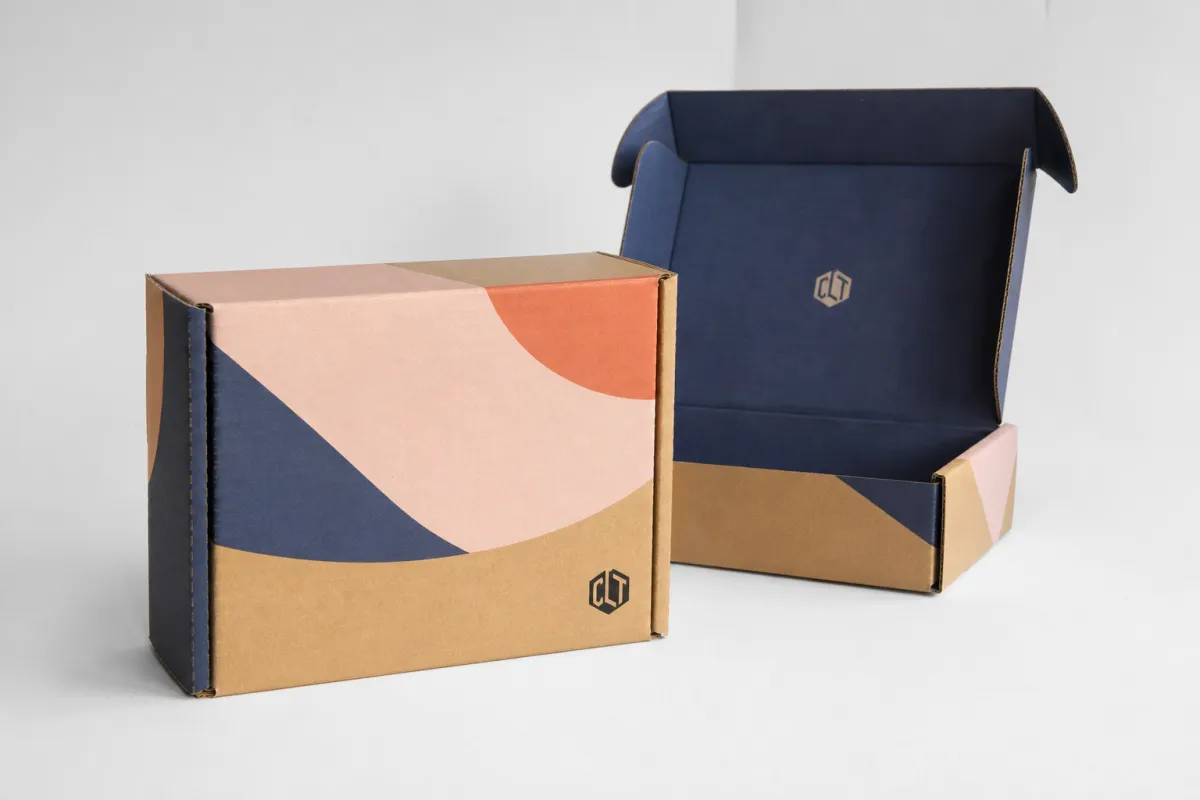
Printed corrugated boxes pricing can jump fast because the carton is only one part of what you are paying for. A small change in flute profile, a heavier liner, or a shift from a one-color logo to full-panel coverage can move the quote into a higher range quickly, even when the outer dimensions stay exactly the same.
A simple example makes the change easier to see. A standard RSC shipper with a single-color mark may sit in a modest cost range at 5,000 units, yet add large solid ink areas, a custom die-cut window, or a stronger board requirement and the price moves enough to matter on a purchase order. That is why printed corrugated boxes pricing should never be judged by size alone.
The other reason the number changes is that corrugated packaging has to survive real handling, not just a clean rendering on a screen. Heavy products, fragile goods, and stacked inventory often need stronger board or a more conservative structure. Many teams get caught off guard here because the box they want and the box they actually need are not always the same thing, and printed corrugated boxes pricing reflects that difference.
A box that saves two cents on paper and loses fifty cents in damage is not a savings.
Thinking about protection, presentation, and process together keeps the conversation grounded. When those three parts line up, printed corrugated boxes pricing becomes easier to predict. When they do not, the quote tends to bounce around while people correct the spec after the fact.
If your project also needs a matching shipper format, our Custom Shipping Boxes page is a useful starting point, and broader Custom Packaging Products options help when you are standardizing more than one SKU.
How printed corrugated boxes pricing is calculated
Printed corrugated boxes pricing usually starts with a handful of core inputs: board material, corrugate structure, box size, print method, converting complexity, and finishing. A manufacturer turns the carton spec into a flat-sheet or converted-blank estimate, then adds setup labor, tooling, waste, and any handling requirements that come with the job.
The math is not mysterious once you see the moving parts. Board comes first, whether it is single-wall or double-wall, then the print process, which may be flexographic, digital, or litho-laminated. Labor steps follow, including die-cutting, folding, gluing, and packing. Printed corrugated boxes pricing rises or falls based on how much time and material each of those steps consumes.
One point that gets overlooked is the difference between quoted price, unit cost, and landed cost. The quoted price may look attractive until freight, tooling, or proofing appears. Unit cost tells you what each box costs at a given quantity. Landed cost tells you what the full order costs once it reaches your dock, which is the number that matters most when you are evaluating printed corrugated boxes pricing.
Artwork affects the quote earlier than many teams expect. Too much ink coverage, poor resolution, awkward panel placement, or a die-line that does not match the structure can force changes before production begins. Good art does more than improve the look of the carton; it keeps printed corrugated boxes pricing grounded in what the line can actually produce, and it saves everybody from that familiar back-and-forth that chews up a week for no good reason.
A useful quote should show more than one number. Breakpoints, reorder behavior, and the assumptions behind the estimate all deserve a place on the page. If those details are missing, ask for them. Printed corrugated boxes pricing becomes much easier to compare once the assumptions are visible, and that kind of clarity is what separates a real quote from a rough guess.
Printed corrugated boxes pricing drivers: board, print, and size
Board grade and flute selection are major drivers of printed corrugated boxes pricing because they control both strength and material usage. A lighter board can lower cost, but only if it still supports the product, survives the distribution path, and holds up under stacking. Heavier liners, stronger medium, and specialty constructions add cost, yet they are often necessary when the carton is carrying more weight or taking a rougher route.
Size matters just as much. A small change in length, width, or depth can alter sheet yield, waste, and pallet efficiency. Printed corrugated boxes pricing is not always linear because the way a box nests on a sheet can create more usable pieces per press run or, in some cases, more trim waste. Two cartons that look nearly identical on a drawing can land in different price bands for that reason alone.
Print method is another major divider. Flexographic printing often fits longer runs and straightforward graphics because setup costs spread across more units. Digital printing can be appealing for shorter runs or variable artwork, while litho-laminated packaging brings a cleaner retail finish but usually sits in a higher pricing lane. Printed corrugated boxes pricing reflects those run-length economics every time.
Artwork complexity adds pressure too. Large solid backgrounds, multiple ink colors, fine reverse type, and tight registration all make the press run harder to manage. If the design asks for rich coverage on every panel, expect printed corrugated boxes pricing to move up. The same is true for custom cutouts, score lines, inserts, wraps, and other structural features that need extra tooling or labor.
Here is a simple comparison of common print paths and how they tend to affect printed corrugated boxes pricing:
| Print method | Typical use | Pricing behavior | Best fit |
|---|---|---|---|
| Flexographic | Simple logos, shipping boxes, repeat runs | Lower setup pressure, stronger economics at volume | Operational packaging and freight-focused programs |
| Digital | Short runs, quick changes, multiple SKUs | Higher unit cost at scale, lower setup burden | Testing, seasonal launches, smaller orders |
| Litho-laminated | Retail presentation, premium graphics | Higher finishing and conversion cost | Display-ready or shelf-facing packaging |
If sustainability or transit testing is part of the brief, use established references to frame the discussion. ISTA provides widely used distribution test resources, and FSC helps define responsible fiber sourcing. Those standards do not replace a quote, but they do help the team ask better questions before printed corrugated boxes pricing gets locked in.
Printed corrugated boxes pricing: cost, MOQ, and quote basics
Minimum order quantity is one of the biggest reasons printed corrugated boxes pricing changes between small and large runs. Suppliers need enough volume to spread setup, plates, and changeover time across the job, so a low quantity usually carries a higher per-box cost. Once the run gets large enough, the setup burden spreads out and the unit number tends to improve.
That is why a quote should show more than one quantity whenever possible. Ask for printed corrugated boxes pricing at a test volume, a mid-volume, and a production volume so you can see where the real breakpoint sits. In many cases, the gap between 1,000 units and 5,000 units is larger than the gap between 5,000 and 10,000, and that information helps a lot when you are planning a launch or a reorder.
Knowing what is included matters just as much as the quantity tiers. Some quotes include tooling, proofing, and freight; others leave those items out. Some include design support or file cleanup. A low number with hidden exclusions is not really a low number, which is why printed corrugated boxes pricing should always be compared on the same basis.
Here are the questions I would ask before approving anything:
- What is the unit cost at 1,000, 5,000, and 10,000 pieces?
- Does the quote include plates, dies, or tooling?
- Is freight included, and if so, to what destination?
- What board grade and print method is the estimate based on?
- How much changes on a reorder?
Cheap boxes can become expensive boxes if they crush in transit, trigger chargebacks, or need to be replaced. Printed corrugated boxes pricing should stay tied to product protection and damage risk, not just the lowest number on the page. A carton that avoids returns is usually the better buy, even if the quote looks a little higher at first glance.
For many programs, the most useful approach is to define the box spec once, then compare suppliers against the same brief. That includes dimensions, board type, print coverage, quantity, delivery terms, and the location where the boxes will be used. Clean inputs make printed corrugated boxes pricing far more useful, and they also make it a lot easier to spot when a quote has drifted off course.
Production process and timeline for printed corrugated boxes
Printed corrugated boxes pricing is only part of the picture; timing matters just as much. The process usually starts with dieline approval, then moves into artwork setup, proofing, plate or file preparation, converting, printing, die-cutting, gluing, and finally packing and shipment. Each step brings its own chance for delay if information is incomplete or artwork changes late in the process.
Lead time depends heavily on file readiness and structural complexity. A straightforward flexo shipper with final artwork can move through production faster than a premium litho-laminated carton with multiple panels and finish requirements. That difference can affect printed corrugated boxes pricing too, because rush scheduling or premium press time may be needed to hit the date.
Most delays come from familiar issues: missing file specs, late copy changes, color approval problems, or a last-minute board change after the quote has already gone out. These are not small details. They create waste, disrupt scheduling, and force a new estimate, all of which affect printed corrugated boxes pricing.
A realistic lead time for many custom corrugated projects is often 12 to 20 business days after proof approval, though more complex builds can take longer. If the job is urgent, say so early and be clear about the delivery window and the consequences of missing it. Rush jobs can still be handled, but printed corrugated boxes pricing will usually reflect the extra pressure on the schedule.
Good buyers reduce surprises by approving the dieline early, locking copy before proofing, and giving the supplier a real delivery target rather than a vague wish. If the packaging is intended for distribution testing, ask whether the spec should be checked against an ASTM-style test plan or another internal standard before production starts. That kind of preparation keeps printed corrugated boxes pricing aligned with the performance you actually need, instead of chasing problems after the carton is already on press.
Common mistakes that distort printed corrugated boxes pricing
One of the most common mistakes is comparing quotes that are not built from the same spec. A slightly thicker board, a different flute, or a different print method can make two printed corrugated boxes pricing sheets look similar while the underlying products are not the same at all. Without a side-by-side specification check, the cheaper quote may only be cheaper for reasons that do not help you.
Freight is another place where estimates get distorted. Larger corrugated boxes fill trailer space quickly, and palletization can change shipment economics more than buyers expect. If the supplier quotes only the box price and not the move to your facility, the real printed corrugated boxes pricing picture is incomplete.
Artwork changes after proof approval can get expensive fast. Once plates, files, or cutting tools are in motion, revisions can create extra setup and waste. The cleanest printed corrugated boxes pricing usually comes from a design team and a packaging buyer who agree on the final copy before the order is released.
Another habit is focusing only on the first order. Reorder economics matter. A small improvement in setup efficiency or material yield may not look dramatic on order one, yet over several repeats it can save a real amount of money. Printed corrugated boxes pricing should be judged with the second and third run in mind, not only the launch.
Teams also underestimate what the box has to do. If the product is fragile, shelf-facing, or subject to retailer requirements, the wrong construction can create a much more expensive correction later. That correction often includes new tooling, reapproval, and lost time, which is why a slightly higher printed corrugated boxes pricing quote can still be the better business decision.
One useful rule of thumb keeps the conversation honest: if the package is carrying risk, do not optimize for the cheapest carton; optimize for the cheapest carton that performs. That framing keeps printed corrugated boxes pricing tied to the job in front of you instead of a race to the bottom, which sounds neat in a spreadsheet but can get messy on the receiving dock.
Expert tips and next steps for better pricing decisions
Request quotes at multiple quantities. That is the fastest way to see where printed corrugated boxes pricing drops meaningfully and where it barely moves. A supplier can usually show the crossover point between a short production run and a more efficient volume run, and that gives you better control over your buying plan.
Share more than dimensions. Product weight, stack height, transit method, and storage conditions all matter because they help the supplier choose a box that survives the real route instead of a theoretical one. With those details in hand, printed corrugated boxes pricing tends to be more accurate on the first pass.
Ask for a spec comparison if the number feels high. Sometimes a small board adjustment, a simpler print layout, or a tighter dieline can lower material use without hurting performance. That is the kind of practical change that can improve printed corrugated boxes pricing without turning the package into a compromise.
Keep a standard packaging brief for repeat projects. Include dimensions, board spec, flute type, print count, load requirements, destination, and whether the box is shipping, display, or retail-facing. The more consistent the brief, the easier it is to compare printed corrugated boxes pricing across suppliers and over time.
Here is the sequence I would follow before approving an order:
- Confirm the product dimensions and target board strength.
- Lock the dieline and artwork before proofing.
- Request quote tiers at several volumes.
- Check whether freight, tooling, and proofing are included.
- Compare unit cost against landed cost and damage risk.
If you are working through multiple packaging formats, align your corrugated program with the rest of your lineup so the box sizes, graphics, and fulfillment method all support each other. That is often where printed corrugated boxes pricing becomes more efficient, because one standard can serve several SKUs instead of forcing every box to be custom from scratch. It also makes reorder planning a lot less chaotic, which is never a bad thing.
For a buyer, the next move is simple: gather your dieline, confirm the board and print needs, request a side-by-side quote, and review printed corrugated boxes pricing against both protection and total landed cost. That gives you a clean buying decision, not just a number in an email, and it keeps the conversation anchored to what the carton actually has to do.
Frequently Asked Questions
What affects printed corrugated boxes pricing the most?
Board grade, box size, print method, order quantity, and structural complexity usually have the biggest impact on printed corrugated boxes pricing. Freight, tooling, and finishing can also move the final number more than buyers expect, especially on larger or heavier cartons.
Why does the unit cost change so much between small and large runs?
Setup costs are spread across more boxes as quantity rises, so the unit price often drops with volume. Material yield and production efficiency also improve when the run is long enough to justify the setup time, which is why printed corrugated boxes pricing can change sharply between tiers.
How can I compare quotes for printed corrugated boxes fairly?
Make sure every supplier is quoting the same dimensions, board spec, print coverage, quantity, and delivery terms. Compare both unit cost and landed cost so you do not miss freight, tooling, or proofing charges, because those items can make printed corrugated boxes pricing look better than it really is.
Does the printing method change printed corrugated boxes pricing a lot?
Yes, flexo, digital, and litho-laminated work in different cost bands because their setup and run economics are not the same. The best method depends on quantity, artwork complexity, and the finish you need, so printed corrugated boxes pricing should always be checked against the intended use.
How do I lower printed corrugated boxes pricing without hurting quality?
Simplify artwork, avoid unnecessary board upgrades, and right-size the box to the product. Ask for pricing at multiple volumes and confirm whether small design changes can improve material yield or reduce setup time, because those are often the cleanest ways to improve printed corrugated boxes pricing without weakening the package.
Printed corrugated boxes pricing is never just a single number, and that is exactly why a careful quote review pays off. If you build the spec with the right board, the right print method, and the right quantity assumptions, printed corrugated boxes pricing becomes a tool for better buying instead of a source of guesswork. In practice, that usually means fewer surprises on the floor, fewer surprises on the invoice, and a lot less scrambling when the cartons actually show up.

