Why Subscription Programs Need Garment Bags That Print Cleanly
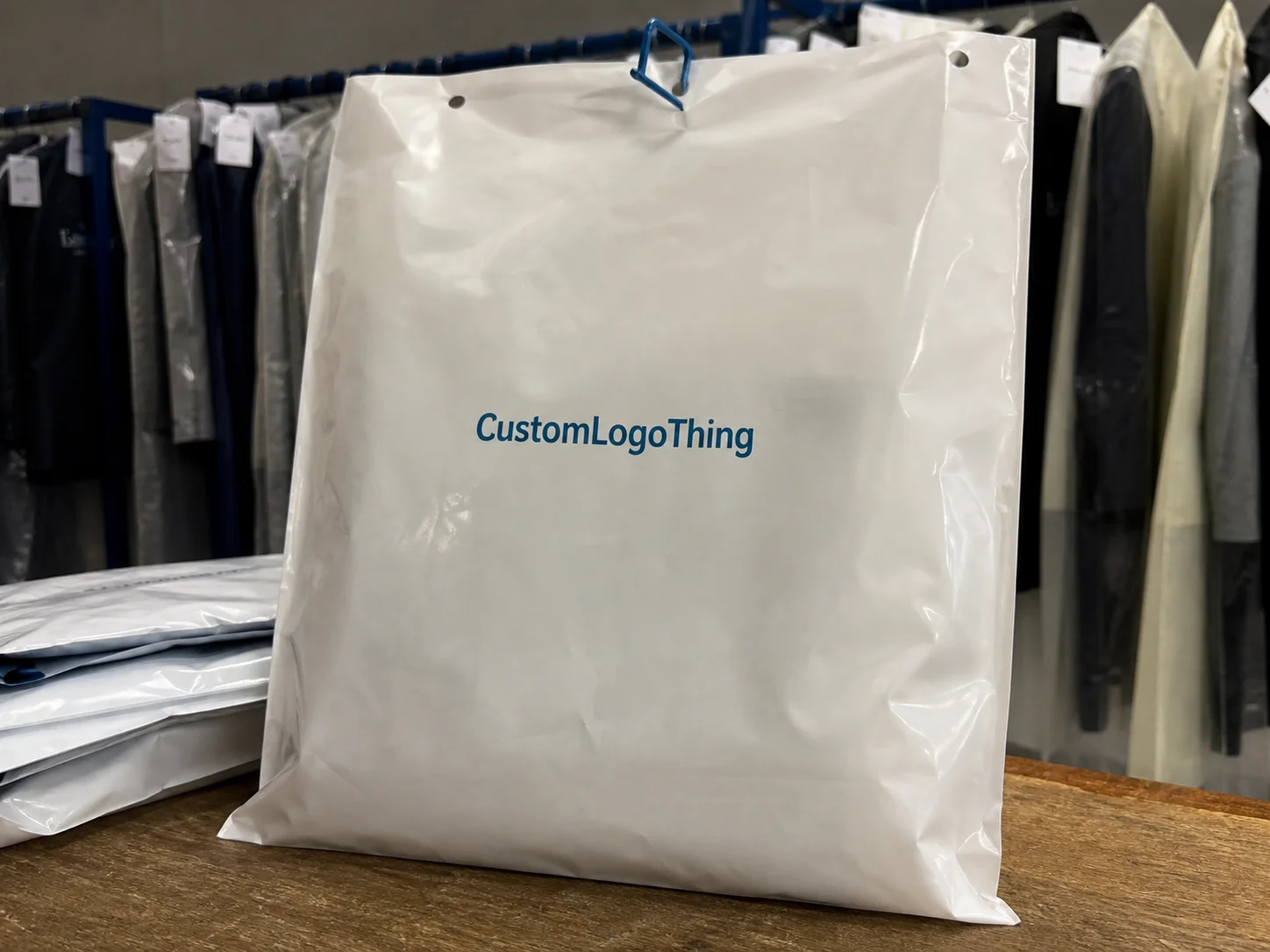
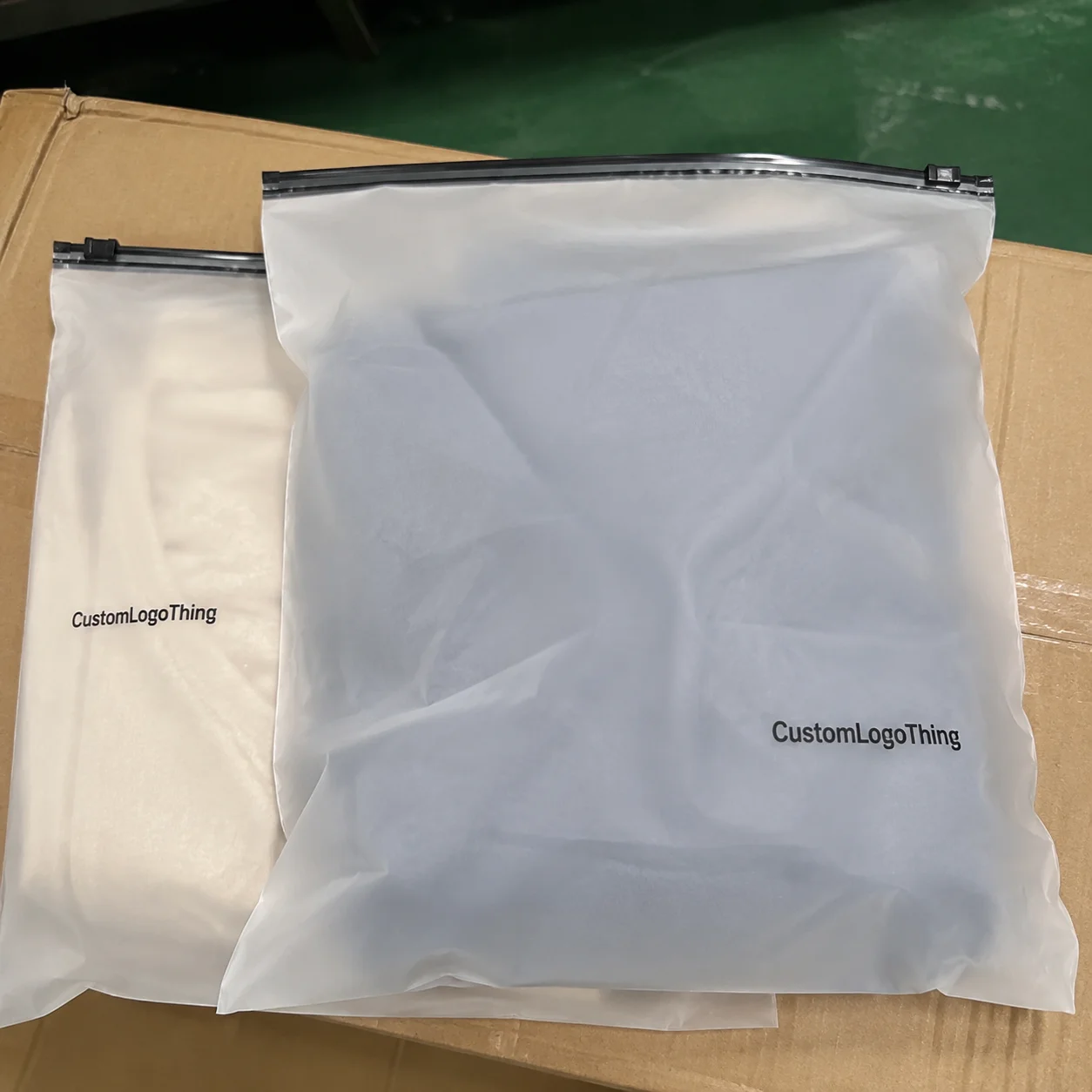
A Printed Custom Plastic Garment Bags quote for subscription is where packaging, fulfillment, and brand presentation meet production reality. If the print is fuzzy, the logo drifts, or the bag dimensions do not match the folded apparel, the subscriber sees the weakness immediately. There is no shipping carton to hide behind once the product is opened.
For subscription apparel, garment bags protect folded pieces from scuffs, dust, and handling marks while shaping the first product impression. A clean one-color mark on clear or frosted film can look disciplined and premium. A crowded layout, weak contrast, or poorly placed logo can make well-made apparel feel less considered.
The best programs treat the bag as part of the product system, especially for shirts, uniforms, seasonal collections, and bundled sets that pass through sorting tables, folding stations, and carton packing lines. Each touchpoint creates a chance for abrasion, static, wrinkles, or print rub. A good bag spec anticipates those conditions before complaints start.
Subscription models also expose inconsistency quickly. A sample may look fine, but repeat orders reveal small shifts in print registration, film gauge, seal strength, or color. Buyers should ask whether the supplier can hold the same result month after month, not only whether one sample looks attractive under ideal lighting.
Materials, Thickness, and Print Options That Protect Apparel
Material choice is where many printed garment bag projects either stay efficient or start drifting upward in cost. Polyethylene is widely used because it is flexible, easy to fold, and forgiving during packing. It handles repeated handling well, which helps when bags are filled by hand or moved through a busy line. Polypropylene feels crisper and more dimensionally stable, with a clearer, more premium look in many applications, though it may be less forgiving when the packaging process is rough.
Thickness, usually discussed in gauge or micron terms, affects durability, feel, and appearance. Thin film can lower the quoted price, but it may wrinkle more easily, scuff during transit, or feel flimsy at opening. Heavier film improves body and puncture resistance, but it costs more and can change how ink sits on the surface. Lightweight shirts often need only a moderate gauge. Bulkier apparel like hoodies, sweatshirts, or layered uniform sets usually need stronger film.
Print method matters as much as material. One-color logos on clear film are usually straightforward. Multi-color graphics, heavy coverage areas, and fine type require more control. A color that looks sharp on screen can turn weak against frosted or tinted film if contrast is not planned. Buyers should review a proof for opacity, placement, and readability before production.
Finish changes the customer’s visual read. Gloss film reflects more light and can feel brighter, but it may show scratches and reflections more readily. Matte and soft-matte finishes reduce glare and often photograph better. Frosted or translucent film gives the pack a softer presentation while still letting the garment show through. For brands focused on package branding, finish is part of the message, not a minor decoration.
For buyers comparing options, the table below gives a useful starting point:
| Material | Best For | Visual Result | Typical Tradeoff |
|---|---|---|---|
| Polyethylene | Flexible fulfillment, folded shirts, repeated handling | Good clarity and smooth print surfaces | Can feel less rigid than polypropylene |
| Polypropylene | Higher-clarity presentation, premium retail packaging | Crisp, structured appearance | Can be less forgiving in rough handling |
| Frosted film | Subscription apparel needing a muted premium look | Soft translucency with lower glare | Brand colors may need stronger contrast |
| Clear film | Uniforms, e-commerce apparel, fast identification | Maximum visibility | Print contrast must be managed carefully |
If a program includes broader packaging decisions, compare the garment bag against transit and sustainability considerations across the whole pack. Guidance from the International Safe Transit Association is useful for handling and shipping context, while the Forest Stewardship Council matters when paper-based components are part of the mix.
Size, Closure, Gusset, and Vent Specs That Change Fit
An accurate quote starts with fit. Width, length, and gusset need to be defined before anyone can price the job with confidence. The flat size on paper does not tell the full story because folded garments create volume once sleeves, hems, hang tags, and inserts are packed inside. A shirt bag and a coat bag may look similar in a catalog, but they behave differently on the line.
Closure style changes both fit and workflow. A self-seal strip works well for manual packing and lower-friction fulfillment. A top opening with a hanger hole is better for display-oriented storage or pre-hanging before final packing. Perforated openings help when a bag must be opened and reclosed in a controlled environment. Flat-pack formats suit larger assembly processes where speed matters more than presentation during handling.
Gusset depth is one of the most commonly underestimated specs. Too little room compresses the garment and may wrinkle stress points. Too much room consumes unnecessary material, adds cost, and creates slack that can slow packing. Venting can reduce trapped air and make insertion easier, especially with bulkier items, but it should not weaken the bag or interrupt the appearance.
Different apparel categories call for different size priorities:
- T-shirts and polos: usually need a compact width with moderate gusset depth.
- Outerwear: needs more room for shoulders, sleeves, and overall bulk.
- Uniforms: benefit from repeatable sizing because the same item often ships on a schedule.
- Dresses and fashion sets: may need added length to reduce edge exposure and wrinkling.
- Bundled kits: often require wider gussets and stronger film at the fold points.
Oversizing is not harmless. It adds film usage, makes the bag look loose, and can slow the pack line because staff must manage extra slack. Undersizing creates compression, distorts the presentation, and can force rework when the garment will not sit properly. For buyers building a broader packaging program that includes Custom Packaging Products, the garment bag should be measured against the carton, folded apparel, and storage path from print to fulfillment.
Pricing, MOQ, and Quote Variables Buyers Should Compare
Price for a custom printed garment bag usually moves with predictable variables: quantity, film thickness, bag dimensions, print colors, closure, finish, and freight. Setup costs are spread across the run, so small quantities almost always look expensive on a per-unit basis. That is normal custom production math, not necessarily a supplier penalty.
For planning, buyers often see three broad pricing bands: sample or prototype work, short-run production, and higher-volume replenishment. Prototype work is the most expensive per unit because it absorbs proofing, setup, and waste. Short-run production improves the unit cost but still carries more overhead than repeat orders. The best pricing usually appears when the spec is fixed and the order can repeat without retooling or artwork changes.
MOQ should be judged against the replenishment plan. A low MOQ helps when the design is still being tested, but it may push the unit price much higher. A higher MOQ can lower unit cost, though it only makes sense if storage space, forecast confidence, and cash flow can absorb it. The right MOQ fits the subscription cadence without creating excess inventory.
Several cost factors are easy to miss: special print registration, custom sizing, freight mode, proofs, artwork cleanup, and rush timing. A quote that looks attractive may exclude shipping or assume a thinner film than the brand wants. Ask each supplier to quote the same assumptions so the comparison is meaningful.
Use a comparison grid like this:
| Quote Factor | Why It Matters | What to Confirm |
|---|---|---|
| Quantity | Determines setup cost per unit | Exact run size and breakpoints |
| Material | Affects cost, appearance, and durability | Film type and thickness |
| Print colors | More colors can increase setup complexity | Spot color count and coverage area |
| Size | Changes material usage and fit | Flat width, length, gusset, and tolerances |
| Freight | Can materially change landed cost | Shipping method and destination |
Do not compare a low headline unit price against a quote that includes proofing, stronger material consistency, and freight. The better metric is total landed cost for the spec you actually need. If the program is recurring, ask for breakpoint pricing so the subscription forecast can be matched to the most efficient run size.
Production Steps, Proof Approval, and Lead Time Expectations
The production path is straightforward when the artwork and spec are organized. The usual sequence is artwork review, prepress adjustment, proofing, print setup, manufacturing, inspection, packing, and shipment. Proof approval is the schedule gate. If the proof waits for a reply, the timeline moves. If the proof needs revision, the clock starts again.
Lead time depends on order size, print complexity, and whether the chosen material is available. A simple one-color job on standard film can move faster than a multi-color branded run with special sizing or unusual finish requirements. Custom tooling, artwork cleanup, and color matching can each add time. Subscription brands gain efficiency by locking the spec once and repeating it.
Production time and delivery time are different. A supplier can finish the bags on time and still miss the packout date if freight was not planned. That matters in subscription schedules, where a late pallet can disrupt the next monthly cycle. Buyers should ask for both the production calendar and shipping estimate, then build a buffer around the delivery date if the fulfillment window is tight.
A disciplined schedule usually looks like this:
- Submit artwork, quantity, and bag specs.
- Receive the quote and verify assumptions.
- Review the digital proof and request revisions if needed.
- Approve the final proof and release production.
- Complete print, inspection, and packing.
- Ship with tracking aligned to the fulfillment plan.
Quality and transit expectations should match the shipping route. Packaging teams often refer to testing guidance from organizations such as ISTA when coordinating handling and transport performance across the full shipment. A garment bag does not need to be overbuilt, but it should fit into a system that survives normal warehouse movement and parcel or pallet transport.
Quality Checks, Supplier Comparison, and Hidden Cost Risks
Quality control is where the bag either proves its value or becomes an avoidable expense. The checks that matter most are print registration, seal strength, dimension tolerance, surface clarity, and visible defects such as haze, scratches, or trapped contamination. If the logo drifts, the run looks inconsistent. If the seal is weak, bags can open during packing. If the film is scuffed or cloudy, the product can appear older than it is.
When comparing suppliers, price should be only one line in the decision. Ask how they handle sample approval, how quickly they answer artwork questions, and how they support repeat runs. A supplier that needs constant clarification can cost more than a slightly higher quote from a team that gets the brief right the first time.
Some costs are easy to miss during the quoting stage:
- Proof mistakes: changes after approval can trigger new setup charges.
- Rework: bags that miss registration may need to be rerun.
- Replacement orders: damaged pallets or spec mismatches can force urgent reorders.
- Freight surprises: a low unit price can disappear once shipping is added.
- Artwork cleanup: poor files can add prepress time that was never budgeted.
Reliability is a financial issue. One missed shipment can disrupt the subscription cycle, create short-term stockouts, and force the team to use backup packaging that does not match the brand system. Buyer evaluation should include communication quality, repeatability, and tolerance control, not just the first quote. For context on packaging waste and material planning, the EPA has useful guidance that can inform broader packaging decisions.
The strongest results come from treating garment bags as a repeatable production item: the same measurements, approved artwork, film spec, and inspection criteria every time. Small inconsistencies create larger packaging problems later.
What to Send for an Accurate Quote and Next Steps
The fastest way to get a usable quote is to send the full spec set at the start. Include bag width, length, gusset, material preference, thickness, print colors, closure style, quantity, and target delivery date. If those details are missing, the first quote will usually be a rough range rather than a production-ready number.
Artwork files matter as much as measurements. Send the logo in vector format if possible, plus brand color references and notes on placement. If the garment has an unusual fold or includes inserts, add a photo or sketch of the packout. That gives the supplier a real view of fit and helps avoid quoting the wrong bag size.
Before approving an order, ask three direct questions:
- Can I review a sample or pre-production proof?
- What is the price at the next quantity breakpoint?
- Does the quote include freight, or is shipping separate?
If the program will repeat every month or quarter, ask whether pricing changes once the spec is locked and the artwork is approved. The first run often absorbs setup. Later runs should be priced as repeat orders unless the artwork, size, or material changes.
For a broader packaging system, review related items at the same time through Custom Packaging Products. That keeps the garment bag aligned with the rest of the pack instead of turning it into a one-off procurement decision. Once the spec, quantity, and timeline are clear, request a printed Custom Plastic Garment Bags quote for subscription and compare landed cost, not just headline unit price.
FAQ
How do I request a printed custom plastic garment bags quote for a subscription program?
Send the bag size, material, thickness, print colors, quantity, closure style, and target delivery date. Include artwork files or logo references so the quote reflects the real setup. Ask whether the estimate includes freight and whether sample or proof charges apply.
What MOQ should I expect for printed custom garment bags?
MOQ depends on size, print method, and film choice. Lower quantities usually cost more per unit because setup is spread across fewer bags. If the order will repeat, ask for pricing at the next breakpoint so you can compare short-run and replenishment cost.
Which material is best for custom plastic garment bags in apparel shipping?
Polyethylene is common for flexible, durable packaging with broad size options. Polypropylene can deliver a clearer, more rigid presentation when visibility matters. The best choice depends on product weight, handling conditions, and the look you want at unboxing.
How long does production take after artwork approval?
Lead time depends on order size, print complexity, and material availability. Proof approval is usually the main schedule gate before manufacturing begins. Repeat orders often move faster once the spec and artwork are already approved.
Can I print logos and brand colors on subscription garment bags?
Yes, but the result depends on film color, print method, and ink coverage. Provide color references and ask for a proof so placement, contrast, and readability can be checked before production. Some colors need more adjustment on frosted or tinted film than on clear film.