Subscription Apparel Packaging Has to Survive Repeat Handling
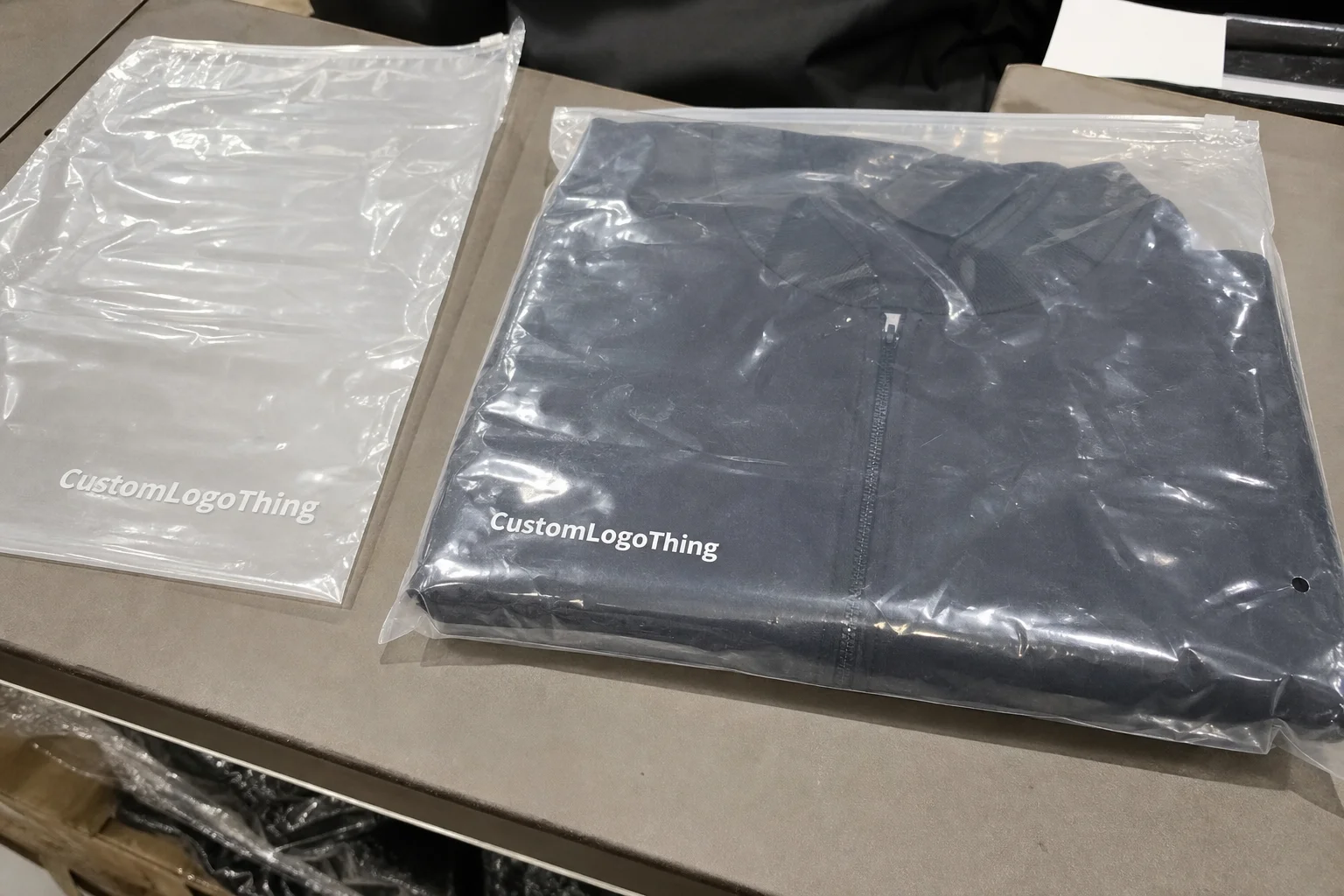
Monthly apparel packaging looks simple until it moves through a real fulfillment chain. A garment bag is handled at the pick table, stacked in bins, passed through packing, loaded into cartons, sorted again at a hub, and opened by the customer. Buyers comparing Custom Plastic Garment Bags Unit cost for subscription programs need to evaluate more than the printed number on a quote. The lowest unit price is not useful if the bag slows the line, arrives with weak seals, or creates rework.
For subscription apparel, the bag should keep folded product clean, organized, and easy to pack. It needs to protect the garment without creating a bulky bundle that wastes carton space or a flimsy sleeve that wrinkles before delivery. In recurring shipments, the bag is often the first physical signal that the brand pays attention to detail.
The practical goal is not the thickest film or the most complicated closure. Value comes from matching film type, gauge, dimensions, print coverage, venting, and carton count to the way the program actually runs. If the bag fits the garment, moves quickly at the bench, and holds up through transit, unit cost and operating cost begin to align.
Consistency matters as much as appearance. A clean, correctly sized bag helps keep barcodes readable, garments flat, and pack stations moving at a predictable pace. Those details determine whether a recurring program stays efficient after launch.
Bag Style, Film, and Closure Options for Recurring Apparel Orders
Custom Plastic Garment bags are typically made from LDPE, LLDPE, HDPE, co-extruded film, or recycled-content blends. LDPE tends to feel softer and quieter. LLDPE usually gives better puncture resistance at the same gauge. HDPE can be cost-sensitive, but it often feels stiffer. Co-extrusion gives converters room to balance clarity, seal behavior, and toughness in one structure.
Bag style changes both presentation and throughput. Flat garment bags work for standard folded apparel. Wicketed bags support faster packing when operators are moving volume. Flap-and-tape bags are useful when tamper awareness or returns handling is part of the program. Open-top sleeves fit warehouse-only flows, while hanger bags, die-cut handle bags, and inner sleeves each solve a specific handling problem.
Closures deserve the same attention as film selection. A permanent adhesive strip supports tamper evidence. Resealable tape helps when the customer may return or inspect the item. A zipper-style closure adds a more premium feel, but it can increase cost and pack time. Some programs do not need a closure at all; they need an open-top bag that lets the operator insert the garment, fold the flap, and keep moving.
Small design features can improve efficiency. Air holes let trapped air escape so the parcel sits flatter in the carton. Hang holes support apparel workflows. Tear notches help the customer open the bag cleanly. Barcode windows, size marks, and print orientation guides reduce mistakes at the station. These details matter in recurring fulfillment because seconds add up across every order.
Print style influences both price and perception. Clear film gives a retail-like look, frosted film softens the finish, matte surfaces can feel more considered, and opaque film is useful when privacy matters. A simple one-color logo is often enough for a recurring subscription bag. Full-panel branding can work, but it should improve the unboxing experience rather than simply fill space.
Key Specifications That Shape Fit, Strength, and Pack Speed
Sizing should begin with the folded garment, not the shipping carton. Measure the width, length, and height after the item is folded the way the pack team will handle it. Then add enough clearance for quick insertion without leaving so much space that the bag looks loose. A small amount of tolerance is better than a sleeve that forces operators to fight the packaging on every unit.
Gauge has a direct effect on protection and cost. Lighter film can work for T-shirts, leggings, and thin basics. Mid-range gauges are more appropriate for sweatshirts, denim, and multi-item bundles. Heavier film makes sense when there are sharp trims, longer storage periods, or a real need for puncture resistance. More thickness is not automatically better; it increases resin use, freight weight, and storage volume.
Assortment structure also matters. A single standard bag size can simplify fulfillment and reduce MOQ pressure, but multiple sizes may improve fit and reduce wasted material. A brand with a few stable garment families may do better with a small size family than with one oversized sleeve for everything. A brand with highly mixed SKUs may need two or three bag sizes to keep both fit and cost under control.
Print specifications should be reviewed as carefully as dimensions. One-color logos are easier to control and usually less expensive. Multi-color artwork, white underbase, and heavy flood coverage can raise cost and introduce registration risk. If the bag carries a barcode, size code, or warning text, readability needs to be checked before production starts. A design that works on a screen can still fail on press if ink crowds functional information.
Compliance is not optional. Some bags require suffocation warnings, and the exact wording should be reviewed for the market being served. If carton components or hang tags are part of the package, FSC-certified board may support a more credible sustainability story. For distribution testing, many teams use expectations from ISTA as a reference point so the package is judged against realistic transit conditions instead of guesswork.
The difference between packaging that looks finished and packaging that performs well is usually in these details. Fit, film, print, closure, and compliance all affect whether the bag supports the line and protects the garment without driving up hidden cost.
Custom Plastic Garment Bags Unit Cost for Subscription Orders
The first driver of Custom Plastic Garment Bags unit cost for subscription orders is usually film weight. Bag size, thickness, resin type, and recycled content tend to move price more than the logo itself. A compact standard LDPE bag can price very differently from a heavier-gauge bag with print on both sides, even before closure style and packing format are added.
Read a quote in a specific order. Quantity comes first because setup costs are spread across the run. Dimensions come next because larger bags use more resin. Then review gauge, bag style, closure type, print colors, print coverage, artwork complexity, packing format, freight, and whether the order is a first run or a repeat. The same product can fall into very different price bands depending on those inputs.
MOQ exists because extrusion, plate setup, press washup, converting, and packing all create fixed costs. A simple one-color run usually has a lower threshold than a specialty closure, thick-gauge film, or multi-color design with tight registration. Buyers should treat MOQ as part of the economics, not as a separate annoyance.
Typical pricing varies widely, but the ranges below are a useful working reference for common subscription apparel specifications.
| Option | Typical use | Approximate unit cost at 5,000 pcs | Notes |
|---|---|---|---|
| Flat LDPE bag, one-color print | T-shirts, basics, lightweight knits | $0.10-$0.18 | Usually the lowest-cost route when the size is stable and the artwork is simple. |
| Wicketed bag, mid-gauge film | High-speed fulfillment lines | $0.14-$0.24 | Helps packers move faster and handle stacks more cleanly. |
| Flap-and-tape bag, branded front print | Subscription kits with returns or tamper concerns | $0.18-$0.30 | The closure adds cost, but it can improve presentation and reduce handling issues. |
| Heavier gauge bag with multi-color print | Denim, outerwear, premium kits | $0.24-$0.42 | Better for puncture resistance and a more finished look, but not necessary for every program. |
Those numbers are not universal and should not be treated as a promise. Freight distance, resin market movement, print coverage, and pack configuration all shift the final quote. Even so, the pattern is useful: the lowest unit cost is not always the best purchase if it slows packers, creates wrinkling, or leads to inefficient cartons.
The strongest cost controls are practical. Forecast several months ahead. Standardize bag sizes where possible. Limit unnecessary print colors. Align reorder points with production lead time. If the program includes multiple apparel categories, compare one standard size against a two-size or three-size family before accepting oversized packaging that wastes material on every pack.
A quote should read like a specification review, not just a price sheet. It should list dimensions, material, gauge, print, closure, MOQ, lead time, carton count, and freight assumptions. If it does not, there is too much room for surprise later. For broader sourcing across branded packaging categories, Custom Packaging Products can help buyers compare the bag against other packaging options in the same program.
Process, Timeline, and Proofing Before Production
The order path is usually predictable: pricing, specification review, artwork check, quote, digital proof, sample decision, manufacturing, quality checks, carton packing, and shipment. Each step exists for a reason. Skipping one may save a day early and cost a week later.
Before requesting pricing, gather the details that affect the run. Send the target bag size, garment type, monthly usage, preferred closure, logo files, print color references, delivery address, and any compliance text. If the team knows the folded dimensions of the finished garment, include them. That detail often prevents the first sample from being too small or unnecessarily oversized.
Proofing needs careful review. A digital proof confirms layout, dimensions, print position, warning copy, and color placement. A physical sample or material swatch is better when the buyer needs to judge feel, clarity, seal performance, or closure strength. Many quote cycles go sideways because artwork was approved before anyone handled the film.
Lead time depends on more than the press schedule. Custom film, special resin, multi-color printing, high volume, imported components, and proof revisions can all extend the timeline. First orders usually need more buffer than repeats because the specification has to be clarified and locked before production starts.
Launch inventory should include enough cushion to cover fulfillment, inspection, and transit movement. If a monthly box ships during the first week of the month, the bags should not be arriving the same week. Work backward from the pack-out date and add time for quality review and freight delays.
Common Buying Mistakes That Raise the Real Cost
The first mistake is choosing a bag that is too small. It slows packers, wrinkles the garment, stresses seams, and can make returns handling harder for the customer. What looked tidy in a sample often becomes awkward once a real stack of folded product reaches the line. A few extra millimeters can save a lot of friction.
The second mistake is over-specifying thickness. A heavier gauge can feel safer, but it also increases material cost, carton weight, freight expense, and storage volume. If the shipment is a lightweight T-shirt subscription, there is usually no reason to pay for outerwear-level film.
Closure quality is another area where buyers sometimes underspecify and regret it later. If the subscription depends on neat presentation, tamper awareness, or easy returns, the closure has to work consistently. A weak adhesive strip or awkward flap can create more labor at the pack station and more complaints after delivery.
Artwork choices can raise the real cost as well. Extra colors, oversized flood coverage, tight registration, and print that interferes with barcodes all create risk. The same problem appears when packaging looks attractive but slows the fulfillment team. Package branding should support the operation, not compete with it.
Operational mistakes are just as expensive. Ordering too close to the ship date is the obvious one. Changing bag size after proof approval is another. Failing to test with actual folded garments is a classic error. Forgetting required warning language is not just a cost issue; it can become a compliance issue. The cheapest first invoice is not the metric that matters. Reliable recurring supply is.
The lowest price on paper is not a win if the bag fights the pack line, arrives late, or creates rework after the first shipment goes out.
Next Steps to Get a Quote That Matches Your Subscription Program
The easiest way to get a quote that reflects reality is to gather concrete inputs first. Measure three sample garments after folding. Estimate monthly and quarterly usage. Choose the preferred bag style. Decide whether returns require a resealable closure. Confirm the delivery ZIP code or warehouse address. Those details give the supplier enough context to quote something usable.
Send vector logo artwork, Pantone or brand color references, barcode files if the bag will carry them, warning copy requirements, and any fulfillment labeling instructions. If the product line includes multiple apparel categories, ask for a cost comparison between one standard size and a two-size or three-size family. That is often where the best balance between unit cost and fit appears.
It also helps to request two or three quote options. A good-better-best structure makes the tradeoffs obvious. One option might use a standard size and one-color print. Another might add a stronger gauge. A third could include higher coverage branding or a more premium closure. That gives the team room to compare cost, speed, and customer presentation without guessing.
For buyers working through Custom Packaging Products, the useful question is not only what the bag costs, but what the bag does for the rest of the system. Will it speed pack-out? Will it hold up through transit? Will it support the brand look the customer expects every month? Those are the right filters for a subscription program.
For buyers comparing Custom Plastic Garment Bags for subscription fulfillment, the best next move is to request pricing around real usage, real garment dimensions, and the shipment schedule the packaging has to support. That is how the quote becomes a usable buying tool instead of a rough guess.
What affects custom plastic garment bag unit cost for subscription orders the most?
The biggest drivers are bag size, film gauge, resin type, order quantity, closure style, print colors, print coverage, packing method, freight distance, and whether artwork or tooling has already been approved for repeat production.
What MOQ should I expect for custom printed plastic garment bags?
MOQ depends on the bag construction, print method, film type, and production setup. A simple one-color printed poly garment bag usually has a lower MOQ than a specialty closure, heavy-gauge film, or multi-color printed design.
Can I reduce the unit cost without making the garment bag feel cheap?
Yes. The most practical ways are standardizing sizes, selecting the right gauge instead of the thickest gauge, limiting print colors, planning larger recurring runs, and confirming the bag fit before ordering full production.
How long does production take for custom plastic garment bags?
Lead time depends on proof approval, material availability, printing complexity, quantity, and freight method. Buyers should plan extra time for first orders because specifications, artwork, and proofing usually take longer than repeat runs.
What details do I need to request a quote for subscription garment bags?
Send folded garment dimensions, target bag size if known, monthly usage, closure preference, film thickness or desired feel, print artwork, number of colors, delivery location, and any suffocation warning or barcode requirements.


