Buyer Fit Snapshot
| Best fit | Printed Dust Sleeves Bulk Order projects where brand print, material claims, artwork control, MOQ, and repeat-order consistency need to be specified before quoting. |
|---|---|
| Quote inputs | Share finished size, material target, print colors, finish, packing count, annual reorder estimate, ship-to region, and any compliance wording. |
| Proofing check | Approve dieline scale, logo placement, barcode or warning zones, color tolerance, closure strength, and carton packing before bulk production. |
| Main risk | Vague material claims, crowded artwork, missing packing details, or unclear freight terms can make a low unit price expensive after revisions. |
Fast answer: Printed Dust Sleeves Bulk Order: Pricing, MOQ, Timeline should be specified like a repeatable production item. The safest quote records material, print method, finish, artwork proof, packing count, and reorder notes in one written spec.
Production checks before approval
Compare the actual filled-product size with the drawing, then confirm tolerance on folds, seals, hang holes, label areas, and retail display edges. Reserve space for logos, QR codes, warning copy, and material claims before decorative graphics fill the panel.
Quote comparison points
Review material grade, print process, finish, sampling route, tooling charges, carton quantity, and freight assumptions side by side. A quote is only useful when the supplier can repeat the same color, closure quality, and packing count on the next order.
Printed Dust Sleeves Bulk Order: Pricing, MOQ, Timeline
A printed dust sleeves bulk order is usually the most efficient way to get packaging that looks intentional, branded, and ready for retail without forcing a full carton redesign. That part is straightforward. The harder part is buying the right spec, in the right quantity, on the right schedule so you do not pay extra for rush freight or end up with sleeves that fit loosely, scuff too easily, or miss the shelf date by a week.
Why a Bulk Order of Printed Dust Sleeves Pays Off Fast
Most buyers treat a dust sleeve like a minor add-on. That is exactly how it gets underplanned and overcharged later. A sleeve can carry a surprising share of the branding job for very little material cost, which is why a printed dust sleeves bulk order often beats piecemeal buying almost immediately.
Setup costs do not shrink because the order feels small. Prepress, dieline checks, color matching, cutting setup, and proofing happen whether the run is 500 pieces or 10,000. Spread those fixed costs across a larger quantity and the unit price drops in a way small-batch buyers rarely enjoy. Packaging math is unromantic. It still wins.
There is a second reason bulk sleeves hold up so well in the market: they do a lot of visual work. A sleeve can improve shelf impact, help with scuff resistance, and make a product feel finished even when the base carton is plain. Books, gift sets, cosmetic kits, premium mailers, and tech accessories all benefit from that extra surface. A clean printed sleeve can separate a retail-ready package from something that still looks like transit packaging.
Where buyers get caught is timing. They wait until the launch is already moving, then discover the size needs refining, the stock choice is wrong, or the finish they want does not fit a quick-turn quote. That is how people end up paying for air freight, accepting weaker paper, or approving artwork that never got checked against the actual product.
From a packaging buyer's point of view, the decision should not be driven by hype. It should come down to three things:
- Margin - what the sleeve adds to perceived value versus what it costs per unit.
- Speed - whether the timeline fits the launch, reorder, or seasonal window.
- Consistency - whether the sleeve will match across SKUs and future reprints.
If you want a reference point for broader packaging standards and sustainability expectations, the industry does not leave this to guesswork. Groups like ISTA focus on distribution testing, while the FSC system matters when buyers need certified paper sources. Those details do not make the sleeve prettier. They make the buying decision easier to defend. One caution, though: FSC certification speaks to fiber sourcing, not to whether a coated sleeve will be accepted in every local recycling stream.
A sleeve is often the least expensive part of the pack and one of the most visible. That is why buying it badly feels expensive later.
If you are managing a larger rollout, our Wholesale Programs page is the right place to start thinking in volume, not one-off quotes.
Product Details: What Printed Dust Sleeves Actually Do
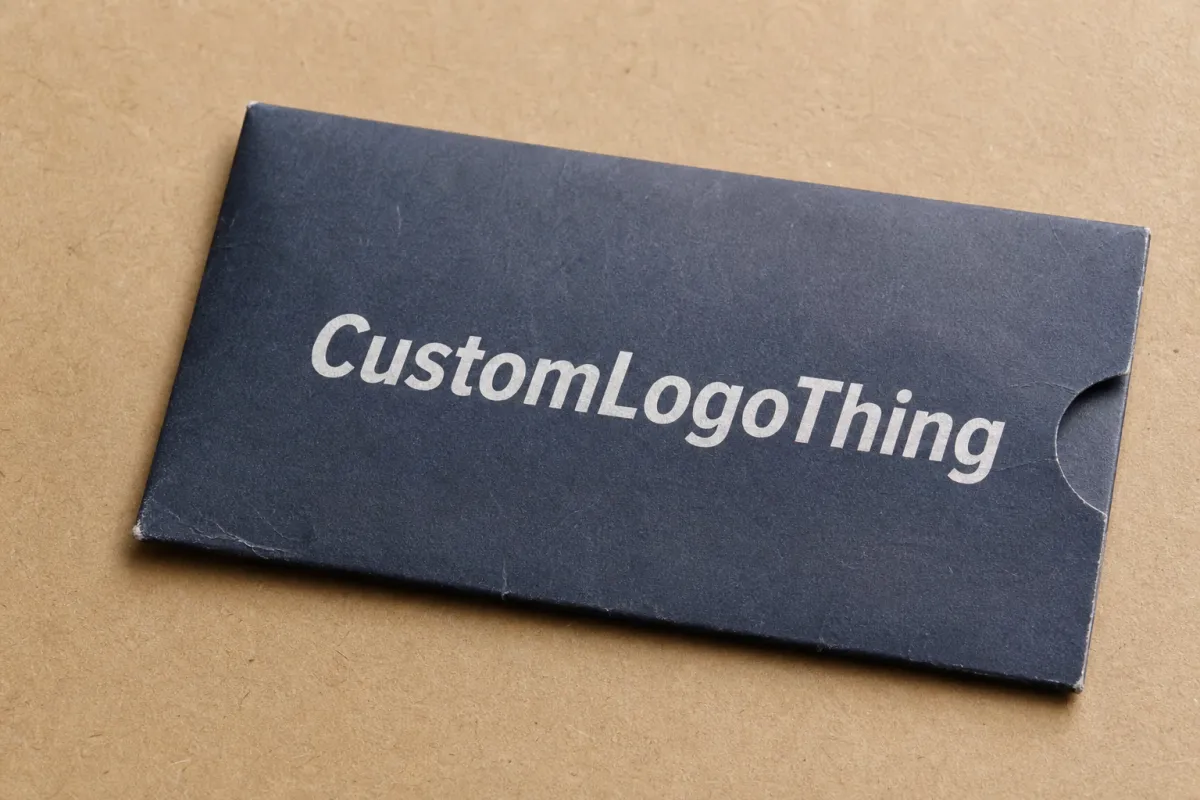
A dust sleeve is a printed outer wrap that slips over a product, carton, or rigid box. It adds branding, protects visible surfaces from minor wear, and makes the pack look deliberate instead of improvised. That is the plain definition. No theater needed.
Buyers use sleeves because they solve a very specific problem: the core package may be functional, but not expressive enough. You may have a plain folding carton, a rigid box with no print, or a book cover that needs a branded jacket. The sleeve gives you a new surface to work with without changing the internal structure.
Common use cases include:
- Books and limited editions where the outer jacket carries graphics, series information, or promotional text.
- Rigid boxes for beauty, gifts, jewelry, or electronics that need a more premium first impression.
- Premium mailers where the sleeve helps elevate a shipping-friendly pack for retail or subscription use.
- Cosmetics and personal care where the same base carton is used across variants and the sleeve differentiates each SKU.
- Tech accessories and small hardware kits that need brand clarity without a full custom carton redesign.
Compared with a belly band, a full sleeve covers more surface and usually feels more substantial. Compared with a fully printed carton, it is often cheaper, quicker, and easier to adapt for seasonal changes. Compared with inserts, it is visible before the box is opened, which matters when the item is sold in retail or photographed for e-commerce. That visibility pulls real weight.
Operations teams like sleeves for practical reasons too. They are easier to swap for different promotions, easier to separate by SKU, and easier to revise when artwork changes. If one base pack supports several campaigns, a sleeve lets the core structure stay stable while the message changes around it.
That said, a sleeve is not a cure-all. If the base package is badly sized, flimsy, or visually confused, the sleeve only hides part of the problem. It should support the product, not paper over weak planning.
The best sleeves do three jobs at once:
- Present the brand clearly on shelf or in hand.
- Protect the visible surfaces from scuffing and handling marks.
- Fit the production line without slowing packing down.
A practical example: a startup launching a three-SKU candle line may use one plain folding carton and three different sleeves. That keeps the base packaging consistent while allowing each scent to have its own color and copy. A national retail program does the opposite more often than people expect: one sleeve spec, many reprints, fewer surprises. Different scale, same logic.
If you are trying to decide whether a sleeve is actually the right format, our FAQ is useful for the basic spec questions buyers tend to ask after the first quote lands.
Specifications That Affect Fit, Print, and Protection
Most sleeve problems start with dimensions. A sleeve that is even slightly off can look loose, buckle at the fold, or fight the product during packing. A sleeve that is too tight causes the opposite issue: slow assembly and damaged corners. The first job is to lock the finished size, wrap allowance, overlap, and tolerance.
For a simple straight sleeve, buyers usually need the exact width, height, and depth of the item it wraps. Then the overlap or closure allowance has to be added. If the sleeve includes a tuck, glue area, tab, or locking feature, the layout changes again. This is where a clean dieline matters. Guessing is cheap until it becomes a remake.
Material choice changes the entire feel of the job. A 250gsm paperboard sleeve will behave very differently from a 400gsm SBS or a heavier artboard with a coated finish. Stiffer stock can protect better and hold its shape, but it may crack on folds if the score is poor. Lighter stock can fold more cleanly, but it may feel flimsy in premium use cases. There is no universal best stock. There is only the right stock for the job.
Print specs also affect both price and outcome. The main variables are:
- CMYK or spot color - spot colors can tighten brand matching, while CMYK is usually more flexible for photographic graphics.
- Single-sided or double-sided print - printing both sides costs more, but sometimes the inside face is visible during opening.
- Full bleed - graphics that wrap edge to edge need tighter trimming and more careful setup.
- Foil, embossing, or debossing - useful when the brand needs tactile detail, but they add time and cost.
- Matte or gloss finish - matte usually reads softer and more premium; gloss can sharpen color and boost contrast.
Protection is not just about thickness. A sleeve that will travel in distribution may need coating or lamination to resist rub, especially if the outer surface is dark or heavily inked. Scuff resistance matters more than many buyers expect. A dark navy sleeve that arrives with white abrasion lines is not luxury. It is a complaint waiting to happen.
Structural details matter too. Fold lines, cutouts, windows, perforations, and glue areas all affect how the sleeve performs. If the sleeve stacks badly in cartons, it slows packing and creates shipping inefficiency. If the window position is off by even a small amount, the product branding underneath may miss the reveal entirely.
Good artwork prep saves time. The file set should include:
- Dieline or confirmed finished size.
- Bleed and safe area clearly marked.
- Color references if brand tones need to stay consistent across reorders.
- Finish notes for matte, gloss, foil, spot UV, or special coatings.
- SKU labels if one structure is being reused across multiple versions.
Sustainability questions deserve the same level of specificity. A sleeve made with FSC-certified paper may help with sourcing goals, but coatings, heavy lamination, metallic foil, and certain inks can affect how the final piece is handled after use. If recyclability matters to your buyer or retailer, ask how the finish changes the end-of-life path before you approve the spec. That conversation is easier to have on paper than in a customer complaint.
For packaging buyers who want to compare paper and board choices more broadly, the trade group resource at packaging.org is a sensible place to sanity-check terminology and industry context before signing off on a spec.
Pricing, MOQ, and Unit Cost for Bulk Orders
Price is the first question for almost every buyer. The short version is that a printed sleeve is usually inexpensive on a per-unit basis, but the final cost depends on size, material, print coverage, finish, and the amount of setup required. If you want honest numbers, you have to compare the same spec across every quote. Otherwise you are not comparing pricing. You are comparing confusion.
The biggest cost drivers are straightforward:
- Size - larger sleeves use more stock and may need more complex cutting.
- Stock weight - heavier board usually costs more, but can reduce handling damage.
- Ink coverage - solid dark prints and heavy coverage can increase press work.
- Finishing - lamination, foil, embossing, and spot UV add labor and setup.
- Quantity - higher volume spreads setup cost and usually lowers the unit price.
- Assembly complexity - simple wrap sleeves are cheaper than designs with multiple folds or closures.
MOQ is not a magic number. It depends on the production method and the amount of prep work the job requires. Many sleeve programs start around 1,000 to 3,000 units, especially for custom print and cut work. Some projects can go lower if the spec is simple or if the supplier already has a related setup. Others need more because the finishing or die cutting makes small runs uneconomical.
As volume rises, unit cost usually falls, but not in a neat straight line. The useful buying question is not "What is the cheapest unit price?" It is "At what quantity does the cost per sleeve improve enough to justify the inventory?" That is where tiered pricing helps.
| Quantity | Typical Unit Cost Range | Best For | Tradeoff |
|---|---|---|---|
| 1,000 pcs | $0.35-$0.75 | Launch tests, limited editions, short seasonal runs | Highest per-unit price, setup cost is spread over fewer pieces |
| 3,000 pcs | $0.22-$0.48 | Growing SKUs, early wholesale, controlled reorders | Better economics, still manageable inventory |
| 5,000 pcs | $0.16-$0.36 | Mainline retail, multi-channel launches, repeated use | Good balance of price and storage needs |
| 10,000 pcs | $0.10-$0.24 | Stable programs, national rollouts, long-selling products | Lowest unit cost, but higher cash tied up in inventory |
Those ranges are practical, not promises. A sleeve with simple one-color print on standard board will sit at the lower end. A sleeve with heavy coverage, foil, matte lamination, or Custom Die Cutting will move higher. If someone quotes far below these ranges, ask what they left out. Freight, tooling, proofing, and rework have a habit of appearing later like bad receipts.
Hidden costs are where many quote comparisons go wrong:
- Plates or tooling for print and cutting.
- Proof rounds if artwork is not final.
- Freight for cartons, pallets, or split shipments.
- Revision fees if the spec changes after approval.
- Storage if you order a large run and do not have space.
A common buyer scenario makes the math clearer. A subscription brand might save very little by ordering 1,000 extra sleeves if those sleeves sit in a warehouse for six months. A seasonal gift company, by contrast, may benefit from ordering deeper because the same artwork can carry several peaks of demand. The right quantity is not only about price. It is about cash flow, storage, and the rhythm of your sales calendar.
If you need to keep pricing under control, the best savings usually come from simplification rather than compromise. Standardize the sleeve size across multiple SKUs. Reuse the same dieline. Reduce the number of special finishes. Keep the print build clean. Those choices reduce spend without making the package look cheap.
For buyers comparing custom packaging categories, printed dust sleeves bulk order pricing often beats a full custom carton if the base package can stay plain. That is the real value: you get a branded face without paying to print every surface.
Process, Timeline, and Production Steps
A smooth sleeve order follows a predictable path. First comes the quote request. Then the supplier checks dimensions, material options, print coverage, and finishing. After that, the dieline is confirmed, artwork is reviewed, and the proof is approved. Production should not start until those details are locked. If it does, someone is gambling with your money.
The fastest jobs are the ones with complete information. A product that is measured properly, with final artwork and a clear material target, can move quickly. The slow jobs are the ones where the buyer sends a vague description and expects the supplier to read minds. That is not a process. That is wishful thinking.
Sampling deserves real attention. A digital proof can catch layout errors, text issues, and basic color concerns. A physical sample is better when fit, fold behavior, or coating quality matters. The tradeoff is time. If you need approval from marketing, retail, operations, and one person who always wants a slightly warmer blue, you should budget extra days before production is even allowed to begin.
Typical lead times look like this:
- Simple sleeve runs - often 7 to 15 business days after proof approval.
- Jobs with foil or embossing - often 12 to 20 business days, sometimes longer if multiple steps are involved.
- Multi-SKU programs - usually need more time because each variant must be checked and packed correctly.
- Split delivery schedules - can extend the project if cartons or pallets are staged for different destinations.
That is production time, not shipping time. Domestic transit may be quick, but freight booking and pallet handling can still affect the final delivery date. International shipments add customs and longer transit windows. If the launch date matters, plan backward from the in-hand deadline, not from the date the factory says production starts.
Common delays are easy to list because they happen constantly:
- Missing measurements or inconsistent dimensions between samples and drawings.
- Low-resolution artwork that needs rebuilding.
- Late approval from internal stakeholders.
- Unclear finish notes that change the quote or the proof stage.
- Freight booked too late after production is already complete.
Quality control is not an afterthought. Sleeves should be counted, bundled, labeled, and boxed in a way that protects them during transit. If the cartons are not palletized properly, even a correct run can arrive looking rough. When the product lands at a warehouse or fulfillment center, the packaging needs to be easy to receive, store, and pick.
Buyers who are used to strict distribution checks should think in the language of test and handling standards. The exact test plan depends on the shipment profile, but references from ISTA or similar methods are useful when the pack needs to survive more than a desk-to-shelf handoff.
One more practical point: if the sleeve is for a launch date with retailer compliance, build in time for the unglamorous steps. Carton counting, label verification, pallet configuration, and proof signoff often decide whether a project feels smooth or chaotic. The print itself is only one piece of the schedule.
Why Buyers Choose Us for Bulk Sleeve Programs
Bulk sleeve programs reward consistency. If the first box looks good and the thousandth box looks slightly off, the whole run loses value. That is why buyers look for suppliers who understand repeatable color, stable cutting, and dimension control from the start. The work is not glamorous. It just has to be right.
A supplier with real packaging experience should be able to spot problems before they become expensive. Too-tight folds, weak scoring, awkward artwork placement, and bad overlap numbers are all easier to fix on the proof than after a pallet leaves the building. Good communication matters here, but only if it is useful. Fast answers are nice. Clear answers are better.
What buyers usually need from us is simple:
- Spec clarity so there is no guessing on fit or finish.
- Color consistency across reorders and multi-SKU programs.
- Practical guidance on what changes the price and what does not.
- Production discipline so the order stays aligned with the approved proof.
- Realistic timing instead of promises that sound nice and collapse later.
We also see a lot of repeat programs that evolve over time. One base sleeve design can often be adapted for a seasonal version, a retailer-specific version, or a launch edition with a different colorway. That flexibility matters because it keeps the structure stable and reduces retooling. It also makes reorder management less painful, which every operations team quietly appreciates.
There is an overlooked advantage here: a sleeve program gives you more control over change without committing to a full packaging overhaul. If sales data shows one SKU outperforms the others, you can revise only the outer wrap and leave the core pack alone. That is a small decision with a large operational payoff.
For buyers who need a broader packaging conversation beyond a single sleeve project, the combination of a custom spec review and our Wholesale Programs page usually gives enough context to make a decision without dragging the process into endless emails.
We are not going to pretend every sleeve job is identical. A simple retail wrap is not the same as a premium rigid box jacket or a multi-piece subscription kit. The buying rules still hold: define the size, choose the right stock, lock the finish, confirm the quantity break, and approve the proof before the press runs. That discipline saves money because it prevents rework.
Next Steps: What to Send for an Accurate Quote
If you want a clean quote, send the information that actually affects production. That saves time for both sides and keeps the response grounded in real numbers instead of placeholders. The minimum quote package should include:
- Finished dimensions of the product or outer pack.
- Quantity target and any tiered volume options.
- Artwork files in editable or print-ready format.
- Material preference if you already have one.
- Finish requirement such as matte, gloss, foil, embossing, or spot UV.
- Delivery timing so the quote reflects the real schedule.
If fit is tricky, send a product photo or an existing sample. A real reference beats a vague description every time. If you do not have a dieline, send the dimensions and a clear description of how the sleeve should wrap. That is enough to start the spec check and keep the estimate useful.
It also helps to decide the ordering strategy before you request numbers. Are you quoting one SKU or several? Do you need one shipment or split shipments? Do you want sample approval before the full run starts? These choices affect cost, lead time, and inventory planning.
When comparing suppliers, compare the same variables. Match stock. Match finish. Match size. Match delivery terms. Otherwise the low quote is just the quote that left the most out. Buyers who have been burned once usually never forget that lesson.
Good packaging quotes do not just say what a sleeve costs. They tell you what it will cost to make it correctly, receive it cleanly, and use it on schedule.
If you want help moving a printed dust sleeves bulk order from guesswork to a production plan, send the specs, the artwork, and the quantity range. The fastest path to a usable quote is to lock the size first, then compare stock and finish against the real deadline.
FAQ
What is the usual MOQ for a printed dust sleeves bulk order?
Many bulk sleeve programs start around 1,000 to 3,000 units, but the real MOQ depends on material, print method, and how much setup the job needs. If you have multiple SKUs, one shared dieline can sometimes keep each version inside a workable MOQ instead of forcing separate small runs. Ask for tiered pricing at 1,000, 3,000, 5,000, and 10,000 pieces so you can see the true cost breakpoints before you commit.
How much does a printed dust sleeves bulk order usually cost?
Cost depends on size, stock, color count, finishing, and whether the job needs die cutting or special assembly. The cheapest quote is not always the best value if it hides tooling, freight, or a weak material spec that looks bad on shelf. The fastest way to compare is to normalize every quote to the same dimensions, finish, and delivery terms before judging price.
How long does production take after artwork approval?
Simple sleeve runs can move in roughly 7 to 15 business days after proof approval, while more complex jobs need longer. Foil, embossing, unusual stocks, or multi-SKU orders usually add time because each step has to be checked and aligned. If the schedule matters, lock artwork early and confirm freight plans before production starts, not after.
Can you keep colors consistent across reorders?
Yes, but only if the original order is documented well: final approved artwork, stock specs, color targets, and proof records all matter. Reorders are easier when the same dieline and finish are reused instead of making small untracked changes each time. If color is critical, ask for a controlled proof or reference sample before the full run.
What files do you need to start a printed dust sleeves bulk order?
Send editable artwork, preferably in PDF, AI, or EPS format, plus a dieline or finished size reference if one already exists. Include bleed, safe area, and any brand color reference so the proof stage does not turn into a guessing game. If you do not have a dieline, send the product dimensions and a sample photo; that is enough to start the spec check.
A well-planned printed dust sleeves bulk order saves money, protects the product, and keeps the launch moving on time. Get the dimensions right, compare the real spec instead of the cheapest headline number, and the sleeve does its job without becoming another problem in the schedule.