Buyer Fit Snapshot
| Best fit | Printed Soap Sleeves Bulk Order projects where brand print, material claims, artwork control, MOQ, and repeat-order consistency need to be specified before quoting. |
|---|---|
| Quote inputs | Share finished size, material target, print colors, finish, packing count, annual reorder estimate, ship-to region, and any compliance wording. |
| Proofing check | Approve dieline scale, logo placement, barcode or warning zones, color tolerance, closure strength, and carton packing before bulk production. |
| Main risk | Vague material claims, crowded artwork, missing packing details, or unclear freight terms can make a low unit price expensive after revisions. |
Fast answer: Printed Soap Sleeves Bulk Order: Pricing and Lead Time should be specified like a repeatable production item. The safest quote records material, print method, finish, artwork proof, packing count, and reorder notes in one written spec.
Production checks before approval
Compare the actual filled-product size with the drawing, then confirm tolerance on folds, seals, hang holes, label areas, and retail display edges. Reserve space for logos, QR codes, warning copy, and material claims before decorative graphics fill the panel.
Quote comparison points
Review material grade, print process, finish, sampling route, tooling charges, carton quantity, and freight assumptions side by side. A quote is only useful when the supplier can repeat the same color, closure quality, and packing count on the next order.
Printed Soap Sleeves Bulk Order: Pricing and Lead Time
A printed soap sleeve can change how a bar is read before anyone smells it, handles it, or checks the ingredient panel. In a printed soap sleeves bulk order, that slim strip of paper or board has a demanding role: stay crisp, hold its shape, and repeat the same result hundreds or thousands of times without slipping off spec.
Packaging buyers see the difference quickly. A plain soap bar can feel honest and handmade, yet a clean printed sleeve adds structure, retail presence, and a clear brand voice without the weight or material cost of a full carton. For artisan soap lines, hotel amenities, private label ranges, subscription kits, and seasonal gift sets, the sleeve often separates a product that looks complete from one that still feels provisional.
Scale exposes weaknesses that a small test run can hide. A color shift from one batch to the next, a cut that wanders by a few millimeters, or fold lines that land unevenly will stand out to shoppers, buyers, distributors, and fulfillment teams alike. On a line packing 2,000 or 20,000 bars, even a minor inconsistency can become a recurring problem. The right sleeve has to support the soap instead of fighting it, and it has to do that with repeatable print quality and a production plan that holds together under volume.
There is a reason sleeves remain common in this category: they solve a practical problem. Soap needs identification, shelf discipline, and enough branding to look intentional, but many brands do not want the cost or visual heaviness of a full box. The sections below cover materials, sizing, pricing, timing, and buying decisions with the kind of detail that helps a packaging buyer approve a job with fewer surprises and less back-and-forth.
Printed soap sleeves bulk order: a small package that changes shelf impact
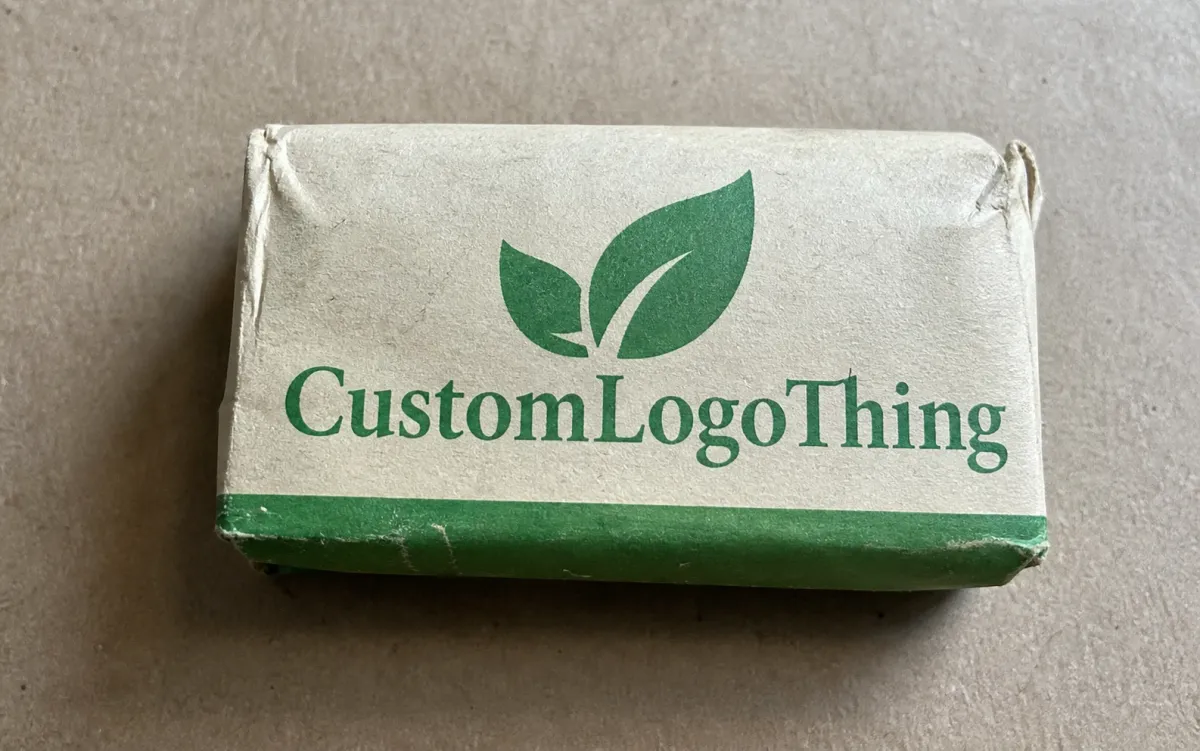
A soap sleeve is small, but its visual job is not. It is often the first branded surface a customer sees, and in many cases the first surface they touch. That tactile moment carries more weight than it looks like on a spec sheet. Before the bar is opened, the sleeve is already saying whether the product feels handmade, luxury-led, natural, clinical, or gift-ready.
On a shelf, a printed sleeve can turn a simple bar into something organized and retail-friendly. It creates a clean face panel for the product name, scent, weight, and ingredients while still leaving part of the soap visible. That balance explains why sleeves stay popular with brands that want a natural look without giving up clarity. A full carton can hide too much. A label alone can feel underbuilt. A sleeve sits between those two extremes and often lands in the right place.
Cost also matters. Compared with folding cartons, rigid boxes, or multi-part packaging, sleeves usually reduce material use and assembly labor. For a brand shipping 5,000 bars, even a difference of a few cents per unit adds up fast. That gives many brands a workable middle ground: enough structure to feel finished, not so much packaging that the product price has to climb for no good reason. In many retail programs, the sleeve is the sensible answer because it supports the margin math as well as the shelf presentation.
Bulk quantity raises the stakes. A short run can hide minor variation. A longer run exposes it. Registration needs to stay tight, paper stock has to behave consistently, and the slit or tuck has to stay true from one piece to the next. Buyers planning a printed soap sleeves bulk order should look past artwork alone and examine fit, board choice, finishing, and how the sleeves will be assembled in real use.
The best sleeve programs stay simple. The soap size is known. The artwork is built for the right dieline. The finish fits the brand position. The quantity matches the launch plan instead of an abstract target pulled from thin air. That kind of discipline keeps the packaging useful rather than decorative.
Practical rule: if a sleeve cannot be folded, filled, stacked, and shipped without slowing the line, it is not the right sleeve for bulk production. Good packaging has to work in the hands of the person packing it, not just on a screen.
Product details: what printed soap sleeves are designed to do
A printed soap sleeve is usually a wraparound component made from paper, paperboard, or another printable stock. Its job is not heavy protection. Its job is presentation, identification, and just enough containment to keep the bar looking orderly through retail handling, case packing, and display. It can carry the brand name, scent variation, ingredients, batch or lot information, net weight, usage copy, and sometimes a barcode or QR code.
The sleeve also gives the brand a controlled field of communication. Soap packaging tends to cram a lot into a small area. Natural ingredients, scent notes, claims, warnings, and legal copy all compete for space. A sleeve gives those elements a clean, readable home instead of forcing the front panel to do everything at once. That is especially useful for products sold in multiple regions, where label requirements can change from account to account.
Soap sleeves show up across several product types. Handmade bars benefit from the artisanal feel. Hotel and hospitality soaps use sleeves for quick identification and cleaner shelf stacks. Promotional gift packs use them because they print well and hold together neatly. Subscription boxes use them because they are lightweight, compact, and efficient in volume. Seasonal soaps, especially fragrance-led or holiday editions, benefit because the sleeve can change graphics without forcing a full packaging redesign.
Brands also choose sleeves when they want a lower-cost alternative to cartons. A full tuck box can offer more protection, but it also means more board, more print area, and often more assembly time. If the soap itself is stable and does not need heavy impact protection, a sleeve is often the more practical packaging move. It keeps the product visible and trims the amount of empty material around the bar.
Function can be built into the sleeve without turning it into a box. Some brands pair sleeves with a tamper-evident sticker or seal. Others add an insert card for usage instructions or ingredient storytelling. Barcode placement can be built into the panel layout, and QR codes can point to ingredient sourcing, refill programs, or product education. Those details sound minor, yet they affect how the packaging performs in retail and fulfillment settings.
Consistency is another asset. A sleeve can be used across a line of similar bars, letting a brand standardize presentation while varying scent names or color accents. For growing soap companies, that creates a cleaner shelf architecture and a simpler ordering system. It also helps the brand look more established, which matters in a category where many products compete on shelf charm alone.
There is a buyer-side advantage too. When one outer format can cover multiple variants, teams spend less time approving new packaging every time a scent changes. That does not remove the need for careful version control, but it does reduce the chance that a late label change turns into a costly reprint.
Specifications for printed soap sleeves in bulk order
Strong packaging starts with the specifications. The sleeve may look simple, but stock, print method, finish, and dieline all shape performance. Casual choices can lead to a package that feels flimsy, misfit, or inconsistent. Careful choices, made with the soap size and sales channel in mind, let the sleeve do quiet but meaningful work for the brand.
Stock selection usually starts with a few common options. SBS board is a frequent choice for crisp print and a bright retail look. Kraft board suits earthy, natural, or handmade positioning. Recycled stock works well when the brand wants a sustainability story and a more understated feel. Coated paper or light paperboard is often used when image quality matters most and the sleeve needs a smoother surface for sharper graphics.
Printing method depends on quantity and artwork complexity. Offset printing often fits larger runs where color consistency and image quality matter most. Digital printing can make sense for shorter runs, variable versions, or faster proof-to-production cycles. Flexographic printing may fit simpler designs or packaging programs where efficiency matters more than photographic detail. There is no universal winner; the right method depends on quantity, artwork, and budget.
Finishing options can change the whole feel of the package. Matte finishes create a quieter, softer look. Gloss adds brightness and helps colors pop. Soft-touch gives a more upscale hand feel, though it should be chosen carefully because it can raise cost. Aqueous coating is a practical option for protection and scuff resistance. Spot UV can highlight a logo or scent name. Embossing and foil accents can create a higher-end look, but they need restraint on soap sleeves, where the graphic area is limited and the message has to stay readable.
The dieline matters as much as the print. A sleeve that looks fine in artwork software may be too tight once folded, or too loose once the bar is inserted. Soap dimensions should be measured carefully, including width, height, thickness, and any natural variation across bars. Handmade soap often varies more than machine-made soap, so the sleeve may need some tolerance in the fit. Glue flap design, fold orientation, and insert direction all affect usability on the packing table.
Content placement should be planned early. Ingredients, scent name, net weight, warnings, and barcode area all need space. If the sleeve includes a QR code, leave enough quiet space around it so scanners can read it reliably. If the brand sells through retail channels that need UPC compliance, the barcode must be readable and positioned correctly. These are operational details, not decoration.
Paper sourcing deserves attention too. FSC-certified material can be a strong option when the supply chain and documentation support the claim. The certification program is explained on the FSC website, and it is worth checking if sustainability language will appear on the pack. If the sleeves will move through wider distribution and shipment networks, package durability can also matter. Testing frameworks from ISTA are useful references for transit conditions and pack-out validation, especially when sleeves are paired with cases or secondary cartons.
Here is a quick comparison of common sleeve options and how they tend to perform in bulk production:
| Material / Finish | Best For | Typical Bulk Unit Cost | Notes |
|---|---|---|---|
| Kraft board, matte | Natural, handmade, eco-forward brands | $0.10-$0.18 at 5,000 pcs | Warm look, lower visual contrast, good for simple one- or two-color art |
| SBS board, coated | Retail shelves, gift sets, color-rich branding | $0.12-$0.22 at 5,000 pcs | Cleaner print surface, stronger color reproduction, broad use case |
| Recycled stock, uncoated | Eco messaging and minimalist design | $0.11-$0.20 at 5,000 pcs | Textured feel, lower ink pop, can look premium in a restrained way |
| Coated board with soft-touch or spot UV | Premium retail and gift presentation | $0.18-$0.35 at 5,000 pcs | Higher finish cost, stronger shelf appeal, usually worth it only when the brand position supports it |
Those numbers are planning ranges, not a final quote. Still, they show the pattern clearly: basic materials and simple graphics keep the unit cost nearer the low end, while special coatings, heavier coverage, and more complex converting push pricing upward. That is normal if the project is scoped with care. It is also why a good supplier will ask about the soap size, the artwork, and the final quantity before naming a price.
Pricing, MOQ, and quote factors for a bulk order
Pricing for soap sleeves comes from a few clear ingredients. Stock price matters. Print coverage matters. The number of colors matters. Finishing matters. Dieline complexity matters. Order quantity matters most of all, because setup time has to be spread across the job. Two sleeve projects with the same shape can still price very differently.
MOQ, or minimum order quantity, is the first number most buyers feel in their budget. A lower quantity can still work well for a launch or limited run, yet the unit price is usually higher because prepress work, press setup, and finishing setup do not shrink much. If a job takes the same preparation whether it is 1,000 sleeves or 10,000 sleeves, the smaller run naturally carries more overhead per piece.
A proper quote should show more than a price per sleeve. The best quote includes the board or paper type, print method, finish, dimensions, quantity breaks, setup or die charges, proofing expectations, and shipping assumptions. If assembly is included, that should be clear too. The lowest quote can become the most expensive once the missing pieces appear later.
Standardized sizing can save money in more than one place. It reduces waste, simplifies production, and makes reorders easier. A sleeve designed around a stable soap dimension is less likely to produce rejects or packing delays. Custom shapes still have a place, but they should be used with intention. A die cut that adds visual interest can improve shelf impact, yet every curve, window, or special fold usually adds cost and sometimes adds risk.
Reorder planning matters just as much as the first order. If the brand is likely to reorder every few months, it may make sense to place a quantity that supports a better cost structure rather than buying only the minimum amount. Overbuying creates a different problem: cash gets tied up and storage fills faster than expected. The right balance depends on sell-through speed, seasonal demand, and whether the sleeve design is likely to change soon.
For most brands, the goal is to align packaging inventory with actual demand. Soap is often a steady category, but fragrance launches, holiday gift packs, and wholesale account growth can alter the pace quickly. A smart packaging plan leaves room for a sensible buffer without locking too much capital into packaging that sits idle.
Below is a practical way to think about the usual cost drivers in a printed soap sleeves bulk order:
- Stock type: kraft and recycled papers are often cost-conscious, while premium coated boards raise the unit cost.
- Ink coverage: heavy flood printing or dense photographic art usually costs more than a simple logo and text layout.
- Finishing: matte or aqueous coatings are usually more economical than foil, embossing, or soft-touch treatments.
- Quantity: larger runs reduce per-piece setup burden, especially when the design stays unchanged across reorder cycles.
- Converting: unusual folds, windows, and tight registration requirements can add labor and setup time.
- Proofing: extra rounds of revision take time, so clean source files and accurate copy help protect schedule and cost.
Comparing suppliers becomes easier when you ask for pricing at multiple quantities. A useful quote ladder might show 1,000, 3,000, 5,000, and 10,000 pieces. That lets the buyer see where the cost curve improves and whether it makes sense to raise the order for a better rate. It also exposes weak pricing assumptions fast. If a vendor cannot explain the jump between tiers, the quote may not be fully built out.
There is one more pricing detail that is easy to miss: artwork readiness. A supplier can quote from a spec sheet, but if the files need cleanup, barcode correction, or copy revisions, the schedule and budget may shift. Clean files do not just save time; they reduce the chance of a proof cycle that sends the whole job back a week.
Process and timeline: from artwork approval to delivery
The production path for soap sleeves is simple on paper and less simple when the front-end information is incomplete. The usual workflow starts with a quote request, moves into size confirmation and dieline review, then artwork submission, proof review, production, finishing, and shipment. Each step can move fast or crawl depending on how prepared the buyer is.
Missing dimensions are a common cause of delay. If the soap bar has not been measured carefully, the sleeve may need to be revised after the first proof. Low-resolution artwork slows things too, especially when the print has fine type, barcodes, ingredient text, or a detailed logo. Copy changes are another time sink. A scent name, a weight line, or a legal statement can get overlooked until the proof arrives, and then the clock starts moving in the wrong direction.
A realistic production window depends on quantity and finish complexity, though many bulk sleeve jobs fall somewhere around 12 to 20 business days after artwork approval and proof sign-off. Simpler digital runs can move faster. Heavier offset jobs, custom finishing, or very large volumes can take longer. Shipping time sits on top of that, so a cushion helps if the sleeves need to arrive before a launch date, retail reset, or trade show.
Proofing earns its keep here. A digital proof can catch layout mistakes, color mismatches, barcode problems, and copy errors before money is committed to full production. For sleeves with a tight fit, a sample or physical prototype is even better because it reveals how the printed piece folds around the real bar. On screen, a sleeve can look perfect. In hand, a millimeter can matter.
Communication during production matters more than many buyers expect. A good packaging partner should confirm color expectations, shipping dates, stock availability, and any spec changes before the run is locked. If a soap line has multiple scents or sizes, each variation needs to be tracked cleanly so the right art lands on the right dieline. That sounds basic, and it is. Basic discipline keeps bulk packaging from turning messy.
The fastest projects usually share the same traits: accurate dimensions, final artwork, responsive approvals, and no late-stage content changes. The slowest projects usually have the opposite profile. A buyer who prepares the data early often saves more time than any rush fee can recover.
If you are building a wider packaging program around retail soap, it helps to review the rest of the Wholesale Programs structure so sleeves fit the same buying logic as other printed items. For basic order questions, production expectations, and common file concerns, the FAQ is also a useful place to confirm details before a quote goes out.
One practical detail worth repeating: lead time is rarely just press time. A project can wait on proof approval, finishing, or inbound material, and each of those steps affects the delivery date buyers care about most. A clean schedule is usually the result of clean inputs.
Why choose Custom Logo Things for branded soap sleeves
Custom Logo Things is a practical fit for brands that want the packaging side handled with real production judgment, not just surface-level design talk. Soap sleeves may look simple from the outside, but the buying decision rests on fit, material behavior, print quality, and the way the package will perform in actual use. A partner who understands those constraints can save time, money, and repeat corrections.
Support starts with sizing and specification guidance. If the bar is handmade and varies slightly, the sleeve may need a different tolerance than a machine-formed bar. If the soap is going to retail, the artwork may need a clearer face panel and better barcode placement than a direct-to-consumer gift set. If the line includes several scents, the design system should make it easy to update the changing elements without rebuilding the entire pack every time.
That kind of help matters because packaging decisions rarely happen in isolation. A sleeve has to work with the soap shape, the scent family, the sales channel, and the way inventory moves. A brand that sells mostly online might care more about unboxing and mailability. A brand that sells into boutiques or spas might care more about display neatness and shelf continuity. The packaging should follow the sales reality, not just the mood board.
Consistency is another reason buyers return to the same packaging source. In a bulk program, matching prior color and fit is not a luxury; it is part of brand control. A reorder that prints too dark, folds too loose, or changes paper feel can make a product line look uneven even if the logo is unchanged. Good packaging support helps preserve the line's appearance over time, which matters when retail accounts and repeat customers expect continuity.
Clear communication is the real differentiator. Buyers need straight answers on what the material can do, how the print will behave, what the lead time looks like, and where the cost breaks are. That is the practical value of working with a team that treats the sleeve as a production item first and a graphic item second. Good-looking packaging is the result, but the path there protects the schedule.
For brands placing a printed soap sleeves bulk order, that combination of fit support, material guidance, and quote clarity is often the difference between a smooth launch and a long back-and-forth. The right packaging partner keeps the project moving in a way that is steady, understandable, and easier to reorder later.
Next steps to place a printed soap sleeves bulk order
The cleanest way to start is to gather the soap dimensions, expected quantity, artwork files, and any required copy before requesting a quote. Exact measurements matter. So do the details that often get postponed, such as scent name, ingredient text, barcode placement, and finish preference. If those items are missing, the quote may be usable, but it will not be truly accurate.
Think through the range of soap sizes as well. A sleeve that fits one bar perfectly may not work for a second bar that is only slightly larger. Mixed-size programs often need separate dielines so each item looks intentional and holds its shape properly. That is especially true for brands with core products and seasonal variants, where the packaging has to stay consistent while the contents change.
Requesting a proof is smart, and in some cases a sample is even smarter. A proof catches layout issues and content errors. A sample checks real-world fit. If the sleeve is too snug, packing slows down. If it is too loose, the presentation suffers. Either problem can be fixed before a full run starts, which is always cheaper than discovering it during assembly.
It also helps to confirm storage and pack-out before the order is approved. Sleeves are compact, but they still need protected storage and a clear packing plan. If a launch is tied to a retail window, make sure the delivery date leaves enough time for receiving, inspection, and assembly. A good production schedule should support the launch, not merely arrive on paper.
If the goal is to build a strong packaging system rather than just place one order, keep the sleeve spec stable across reorders whenever possible. Stable specs make pricing easier to compare and reduce the risk of surprise changes. They also help with forecasting, which is useful for any brand that wants to avoid emergency rush costs later.
For a brand that is ready to move, the next step is straightforward: use the measurements, artwork, and production details above to start a printed soap sleeves bulk order with a spec that matches the soap, the shelf, and the timeline. Better inputs usually produce a cleaner result.
Actionable takeaway: before approving a printed soap sleeves bulk order, lock the soap dimensions, final copy, stock choice, and quantity break into one spec sheet. That single document does more to control price, Fit, and Lead Time than any last-minute revision ever will.
Frequently Asked Questions
What information do I need to request a printed soap sleeves bulk order quote?
Provide the exact soap dimensions, expected quantity, stock preference, print colors, and any finishing needs so the quote reflects the real production cost. Include artwork files and any required text such as ingredients, barcode, scent name, or net weight to avoid revisions later.
How does MOQ affect printed soap sleeves pricing?
Higher quantities usually lower the unit price because setup and proofing costs are spread across more sleeves. Smaller runs can still work, but they typically cost more per piece and may offer fewer material or finish options.
Can I use one sleeve design for different soap sizes in bulk?
Only if the dimensions are close enough that the fit remains secure and the sleeve still looks clean on shelf. For mixed sizes, separate dielines are usually the better choice because they give each bar a proper fit and a more consistent presentation.
What is the usual process and timeline for printed soap sleeves?
Typical steps are quote, dieline confirmation, artwork proofing, production, finishing, and shipping. Lead time depends on order size, finish complexity, and how quickly artwork and approvals are finalized, but many bulk runs fall into a 12 to 20 business day production window after approval.
What should I check before approving the final proof for soap sleeves?
Confirm dimensions, fold lines, barcode placement, ingredient copy, color accuracy, and finish placement. Make sure the proof matches the way the sleeve will wrap the actual soap bar, not just how it looks on screen.