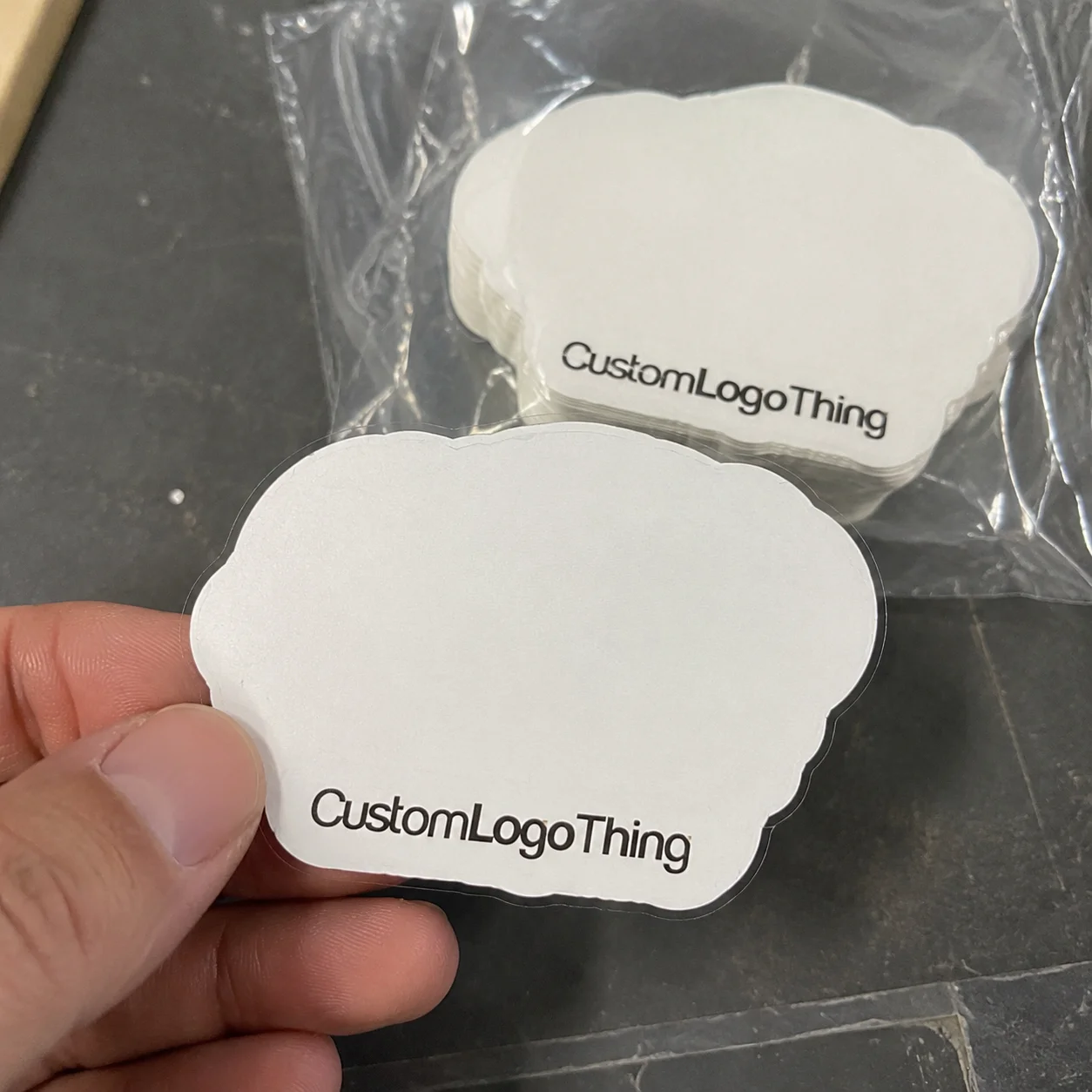
Honey is easy to admire and harder to package well. It gets warm, it gets chilled, it attracts fingerprints, and it exposes weak adhesive fast. A label that looks fine in a mockup can curl at the edge after one storage cycle or smear the first time someone wipes the jar. That is why printed Honey Jar Labels need to do more than look attractive. They need to hold up on glass, survive handling, and keep the brand looking deliberate after shipping, stocking, and refrigeration.
For a packaging buyer, the label is carrying three responsibilities at once. It has to sell the jar, carry the required copy, and stay readable when the container is damp or slightly oily. If one of those pieces fails, the product starts to look cheaper than it is. That mismatch matters. Good honey can be undermined by a label that wrinkles, lifts, or distorts around the jar curve.
The practical decision usually comes down to material, adhesive, and print method. Design still matters, but the file is only one part of the job. A clean dieline, a sensible finish, and a stock matched to the actual storage environment usually matter more than a fancy concept.
A label is not finished when the art is approved. It is finished when it survives the jar it was built for.
Printed honey jar labels: what matters on shelf
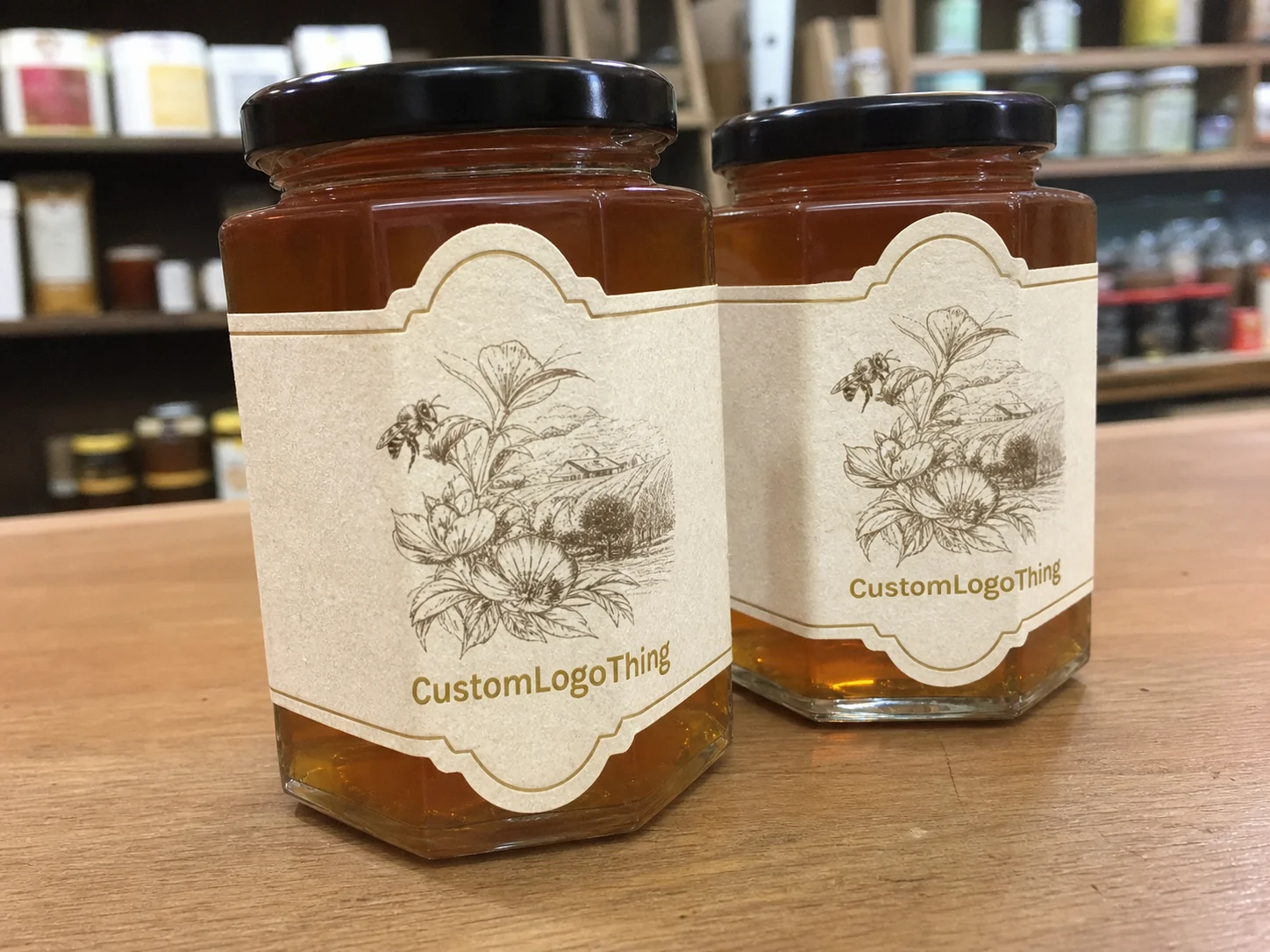
Printed Honey Jar Labels are custom labels made for glass or plastic jars that hold honey, creamed honey, honey blends, or related specialty foods. They are not generic stickers with a logo dropped on top. The better versions are built around jar diameter, label panel size, finish, adhesive behavior, and the conditions the jar will actually face after filling.
The first question is not whether the artwork looks good on screen. It is whether the label will still look clean after contact, temperature change, and shipping vibration. Honey packaging is handled more than many brands expect. It passes through filling, capping, packing, retail display, and customer transport. Add cold storage or condensation and the difference between a decent label and a weak one becomes obvious.
Packaging also affects trust. A crisp front panel, tidy regulatory copy, and a label that sits straight on the glass create confidence before the jar is opened. A scuffed or badly aligned label does the opposite. The product inside may be excellent, but the shelf impression is already damaged.
For most buyers, the real priorities are not complicated:
- Branding: color, type, finish, and how the jar reads from a few feet away.
- Performance: moisture resistance, adhesive grip, and scratch tolerance.
- Production: unit cost, minimum order quantity, and reorder speed.
Those priorities pull against one another. A premium textured stock may look refined but fail in a chilled display case. A low-cost paper label may work on a dry shelf, then start to lift as soon as condensation appears. The right choice depends on where the product lives, not on which sample looks most polished in a meeting.
There is also a scale issue. A local market jar sold in small batches has different needs from a grocery-ready item with barcode, ingredient panel, and repeated reorders. Same product, different packaging demands. Buyers who treat those cases the same often end up paying for the wrong label twice.
How label printing works for jar packaging
The label job starts with measurement and copy control, not printing. A good supplier asks for the jar dimensions, the flat label size, the contour of the container, and the text that has to fit on the panel. That sounds basic, but it is where many problems begin. A design can look tidy on a screen and still fail once it wraps around a curved jar or runs too close to the seam.
The production path usually follows a standard sequence:
- Artwork prep: logos, type, barcode, mandatory copy, and bleed are checked against the dieline.
- Proofing: a digital proof or press proof confirms layout, trim, and color intent.
- Print: digital or flexographic equipment is used depending on quantity and complexity.
- Finish: gloss, matte, varnish, laminate, or specialty coating is added if required.
- Cut and pack: the labels are die-cut, sheeted, or rolled for shipment and application.
Digital printing usually fits short runs, seasonal flavors, test markets, or SKUs that change often. Flexographic printing is better for large repeat orders, where setup costs are spread across more units and the per-label cost drops. Buyers often see the tradeoff as flexibility versus unit economy, which is accurate enough for planning. Small runs cost more per label. Large runs cost less per label, but they punish frequent art changes.
Finish choice has a practical effect, not just a cosmetic one. Matte cuts glare and often improves readability. Gloss makes color feel deeper and can help warm amber tones feel richer. Soft-touch looks premium, but on a food jar it only makes sense if the brand positioning justifies the added cost and the label is not likely to be rubbed repeatedly. Clear film can be effective when the jar or honey color should stay visible, but it demands tighter type control because any mistake is visible immediately.
For parcel-shipped product, ask about handling tests. The International Safe Transit Association publishes packaging test protocols at ISTA. Not every honey label needs formal lab certification, but a supplier should understand how labels behave when cartons are stacked, moved, dropped, and exposed to temperature changes.
Cost, pricing, MOQ, and unit drivers
There is no honest flat price for printed Honey Jar Labels. Cost changes with size, quantity, material, finish, shape, and whether the job needs extra die-cutting or protective coating. Any quote that ignores those variables is either incomplete or hiding the real expense in another line item.
For planning, it helps to think in ranges. Small test runs can land around the equivalent of 15 to 40 cents per label, sometimes more if the order is tiny or the shape is complex. Mid-volume reorders often fall lower, and larger repeat jobs can push into the single-digit cent range per piece. Those numbers are only a guide. The exact figure depends on coverage, stock, finishing, and whether the run is digital or flexo.
The most common cost drivers are straightforward:
- Quantity: more units usually lower the per-label price.
- Material: paper is cheaper than film, and specialty stock costs more than standard stock.
- Finish: laminate, soft-touch, and specialty varnish add cost.
- Shape: custom dies and tight-radius cuts are more expensive than simple rectangles.
- Ink coverage: full-color, heavy-coverage designs use more production time and material.
The minimum order quantity matters because setup work is real. Proofing, file checks, cutting, and press setup all cost money before the first label ships. A small order absorbs more of that overhead. A large order spreads it out. That is why a buyer can see a quote jump even when the label looks only slightly different from the last version.
Comparing quotes only works if the specs match exactly. Same size. Same adhesive. Same finish. Same quantity. Same cutoff and packaging method. Without that, one vendor can look cheaper simply because they quoted a different product. Ask whether the price includes proofing and die charges. Ask whether roll orientation or winding direction affects the total. Those details are where budget surprises usually live.
For paper stock, certification claims should be checked directly. If sustainability is part of the brief, verify the source through FSC rather than treating a logo as proof. The same is true for any environmental claim. It belongs in the specification, not in the guesswork stage.
| Order profile | Typical material | Relative unit cost | Main price pressure |
|---|---|---|---|
| Small test run | Paper or BOPP | High | Setup, proofing, short-run labor |
| Mid-volume reorder | BOPP with matte or gloss finish | Moderate | Quantity, print coverage, die shape |
| Large repeat order | Film label with laminate | Lower | Run length, press setup, finishing efficiency |
| Premium display label | Textured stock or specialty film | Highest | Stock choice, tactile finish, tighter print control |
Lead time, turnaround, and production steps
Lead time is usually predictable if the artwork is clean and the specs are stable. A straightforward digital order can often move from proof approval to ship-ready labels in about 4 to 8 business days. More complex jobs, larger quantities, specialty materials, or extra finishing steps often land in the 10 to 15 business day range. If the file needs corrections or the die has to be changed, the calendar stretches quickly.
The most common delays are dull but expensive. Wrong bleed. Low-resolution barcode art. Fonts not outlined. Color space not converted correctly. Missing dieline notes. None of that is dramatic, yet all of it can stop production. A supplier that has to clean up the file is spending time fixing a problem that should have been caught before approval.
Custom shapes and multi-panel layouts deserve extra attention. Rounded corners, neck labels, clear windows, and wraparound designs need tighter prepress checks because the margin for error is smaller. A label that fits a flat mockup can still miss the jar contour by enough to look amateur. Catching that in proofing saves money. Catching it after print means scrap.
Reorder planning matters too. A practical buffer is to reorder when 20 to 30 percent of inventory remains. For seasonal honey sales, holiday packs, or farmers market spikes, that buffer should be higher. It is cheaper to hold a little extra inventory than to rush a relabel job because the last cartons arrived late.
One more operational point: application method should be part of the quote. Roll direction, label spacing, and whether the job is hand-applied or machine-applied affect the way the labels are packed. A label that is technically correct but awkward to apply can slow filling lines and create waste on the floor.
Material, adhesive, and finish choices
The best material depends on the jar environment. A dry shelf, a refrigerated display, and a gift box are not the same use case. Many brands overbuy, choosing premium materials they do not need, or underbuy, trying to save a few cents and ending up with labels that peel at the first sign of moisture.
For most honey jars, BOPP or another waterproof film is the safest default. It handles condensation, sticky fingers, and light abrasion better than paper. If the jar will sit in a cooler or travel through a cold chain, that extra resistance is not cosmetic. It is basic protection. Paper can work for dry, decorative packaging, but its range is narrower than many buyers assume.
Adhesive choice matters just as much as face stock. A permanent acrylic adhesive is a common starting point for glass jars because it holds well and tolerates a fair amount of temperature variation. If labels are applied to chilled jars, ask for a cold-temperature adhesive. If the design needs to come off later without residue, that should be specified up front. One adhesive does not fit every use case, and pretending otherwise usually leads to failures that show up after the order ships.
Finish changes both feel and function. Matte reduces glare and helps small text stay readable under store lighting. Gloss intensifies warm tones and can make honey color feel richer. Soft-touch feels premium, but it is not automatically the right choice for a food jar that will be handled often. Lamination adds a layer of protection against scuffs and moisture, which is worth the extra cost for many Retail and Shipping scenarios.
Here is a practical comparison:
| Material | Best use | Durability | Cost tendency |
|---|---|---|---|
| Paper label | Dry shelf display, short-life packaging | Lower | Lowest |
| BOPP / polypropylene | Glass jars, moisture exposure, general retail | High | Moderate |
| Clear film | Premium look, product visibility, minimalist branding | High | Moderate to high |
| Textured stock | Craft, farm, or boutique presentation | Moderate | High |
For adhesive performance, ASTM D3330 is a common reference for pressure-sensitive testing. Most buyers do not need the lab details, but asking whether the supplier can speak to measurable peel performance is a better question than asking for “strong adhesive” and hoping that means something consistent.
If the label is part of a sustainability claim, confirm the stock, the certification, and whether the claim belongs on-pack. That should be settled during the brief. It is much harder to resolve after the labels are already printed and boxed.
Common mistakes that make labels fail early
The fastest way to weaken a honey package is to design for the monitor instead of the jar. Flat artwork hides the problems that show up on curved glass: distorted type, awkward wrap lines, tiny copy, and labels that do not land cleanly on the panel. A label should fit the container, not just the layout grid.
Poor contrast causes another failure. Gold text on a pale amber background may look refined in a file preview, then disappear under retail lighting. Thin serif fonts can also become a blur when the copy is squeezed too tightly. If the jar is small, the type needs room. Decoration that cannot be read is not doing packaging work.
Moisture is often underestimated. A label that looks perfect on a dry desk can start to curl in a cooler or after a wipe-down. That is why material and adhesive choice should be decided before the final sign-off. If the product will be chilled, boxed, or touched repeatedly, the stock needs to be selected for those conditions.
Overcrowded copy is another problem. Many honey brands try to fit origin story, ingredients, storage notes, net weight, barcode, and legal text into one front panel. The result is a label that looks tense. If the information is necessary, split it across front, back, and neck labels. Give each panel enough air to breathe.
Retail compliance is easy to overlook until a buyer flags it. Depending on the market, the package may need ingredient statements, net weight, business address, barcode sizing, and other mandatory elements. Keep barcode quiet zones clear. Make sure mandatory copy is readable. A beautiful label that fails the basic retail checklist is an expensive mistake.
The cheapest label is the one that does not have to be reprinted because the size, stock, adhesive, and copy were checked before approval.
How to order without wasting money
If you want printed honey jar labels that hold up in real use, start with the jar, not the artwork. Measure the body and lid area carefully. Decide where the label will sit. Confirm whether the jar will be dry, chilled, or shipped. Set a realistic budget. Then choose the finish and material based on those conditions instead of starting with the prettiest sample on the table.
A usable quote request should include jar dimensions, label size, quantity, artwork files, finish preference, material preference, adhesive needs, and deadline. The more precise the brief, the fewer surprises later. If the label needs to survive refrigeration or condensation, say so plainly. If the product sits in a premium segment, say that too. The supplier can only spec what it knows.
Before approving a full run, order a proof or a small test quantity if the label will see moisture, shipping stress, or high-visibility retail placement. That extra step costs money, but it usually costs less than reprinting a thousand jars. It also gives a clear read on whether the color, finish, and adhesive actually work together. A file that looks clean on a monitor can still disappoint once it meets glass and cold air.
One practical habit saves a lot of budget: compare at least two material options and one backup size before locking the order. The first choice is not always the right choice. Sometimes a slightly smaller label with better contrast performs better on shelf and costs less to produce. Sometimes a matte film reads better than gloss because the jar is sold under bright lights. Small changes can have a larger effect than another round of design tweaks.
Check the artwork one last time with the jar in mind. Look at contrast. Look at barcode placement. Look at adhesive choice. Look at reorder timing. That is how a label stays consistent, protects margin, and avoids the avoidable failures that make a good product look rushed.
What material works best for printed honey jar labels?
BOPP or another waterproof film is usually the safest choice for honey jars that may see moisture, handling, or refrigeration. Paper can work for dry display-only packaging, but it is weaker against edge lift, curling, and smearing.
How much do printed honey jar labels usually cost?
Price depends on quantity, size, finish, and material, so there is no single honest number. Small runs often carry much higher unit costs than repeat orders, and specialty finishes can move the price up fast.
What is a normal turnaround time for custom honey jar labels?
Simple digital runs can ship in about 4 to 8 business days after proof approval. Larger orders, custom shapes, or specialty materials usually need more time, especially if artwork changes during prepress.
Do honey jar labels need to be waterproof?
If the jars may be chilled, shipped, or handled with sticky or damp fingers, waterproof labels are the safer choice. For dry, decorative packaging, a strong paper label can work, but that is a narrower use case.
What should I send for a quote on printed honey jar labels?
Send jar dimensions, label size, quantity, artwork files, material preference, finish preference, adhesive needs, and deadline. Exact specs reduce guesswork and make the quote much more reliable.