Buyer Fit Snapshot
| Best fit | Printed Inserts with Die Cutting projects where brand print, material claims, artwork control, MOQ, and repeat-order consistency need to be specified before quoting. |
|---|---|
| Quote inputs | Share finished size, material target, print colors, finish, packing count, annual reorder estimate, ship-to region, and any compliance wording. |
| Proofing check | Approve dieline scale, logo placement, barcode or warning zones, color tolerance, closure strength, and carton packing before bulk production. |
| Main risk | Vague material claims, crowded artwork, missing packing details, or unclear freight terms can make a low unit price expensive after revisions. |
Fast answer: Printed Inserts with Die Cutting: Cost and Process should be specified like a repeatable production item. The safest quote records material, print method, finish, artwork proof, packing count, and reorder notes in one written spec.
Production checks before approval
Compare the actual filled-product size with the drawing, then confirm tolerance on folds, seals, hang holes, label areas, and retail display edges. Reserve space for logos, QR codes, warning copy, and material claims before decorative graphics fill the panel.
Quote comparison points
Review material grade, print process, finish, sampling route, tooling charges, carton quantity, and freight assumptions side by side. A quote is only useful when the supplier can repeat the same color, closure quality, and packing count on the next order.
Two cartons can hold the same item, use the same corrugated outer, and still deliver very different results once the customer opens them. Printed inserts with die cutting are usually the reason. The product sits where it should, the unboxing feels planned, and damage claims drop because the contents are not rattling around in empty space. For a packaging buyer, that is not decoration. It is fit, presentation, and labor control in one part.
Printed inserts with die cutting do much more than fill voids. They cradle awkward shapes, separate components, guide the customer through the pack-out sequence, and make a product feel sorted before the lid even closes. A well-built insert can replace tissue, loose fill, and extra protective pieces that slow the line down. That is why cosmetics brands, candle makers, beverage kit suppliers, electronics accessory sellers, and promotional pack teams keep returning to printed inserts with die cutting even when the outer carton stays exactly the same.
Printed inserts with die cutting: the fit that changes everything
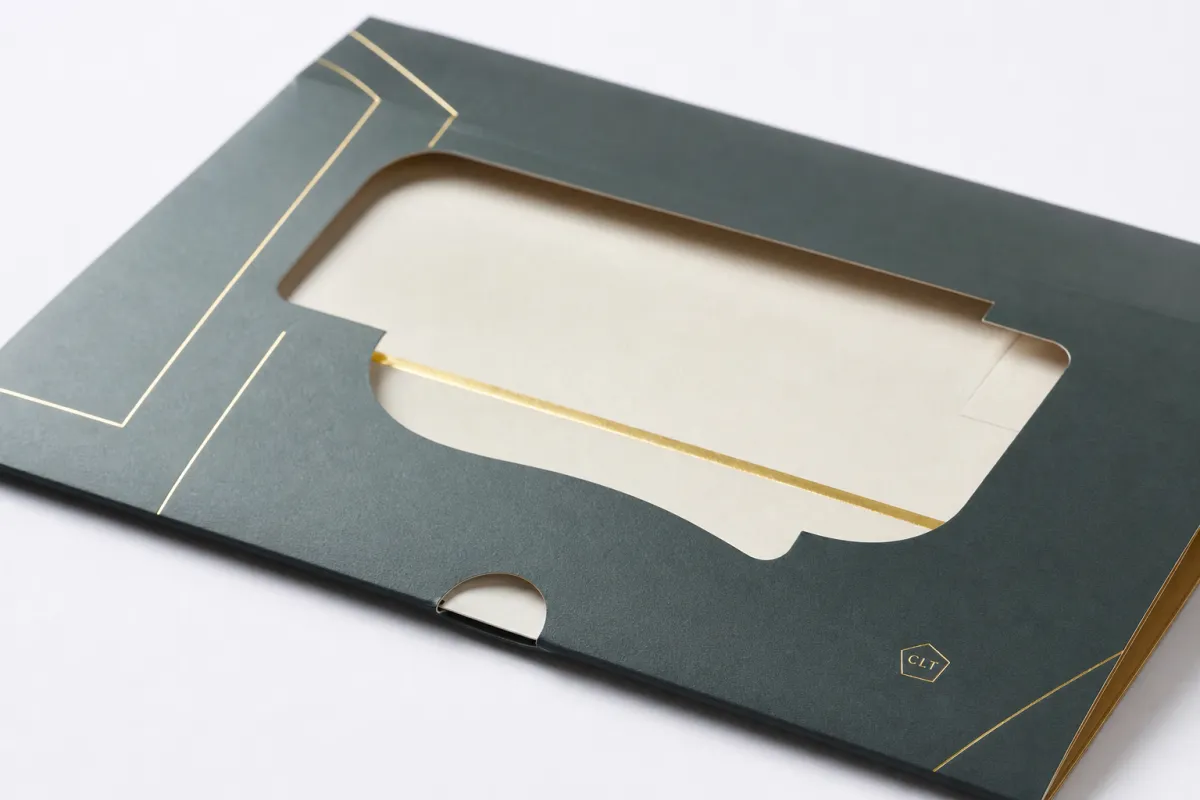
At the simplest level, printed inserts with die cutting are printed paperboard or card stock components cut to a custom shape so they can hold, separate, or display a product inside a carton, sleeve, tray, or mailer. The value is not just visual. The real value is that the insert matches the actual product profile closely enough to stop movement without making pack-out miserable for the team on the line.
A lot of people underestimate how much a strong insert changes the perceived quality of a package. A tube, bottle, jar, charger, or sampler can sit in a plain box and still work, yet the package feels unfinished. Put it into printed inserts with die cutting, and the product immediately looks sorted, deliberate, and ready for retail or direct-to-consumer fulfillment. That sense of order matters because buyers and consumers both read structure as care.
Die cutting is the part that turns a flat printed sheet into a functional insert with windows, tabs, score lines, locking edges, or product pockets. Without the die-cut shape, the insert is just printed board. With the die-cut shape, it can support a fragile item, keep two parts apart, create a reveal moment, or guide the customer to remove each component in sequence. Printed inserts with die cutting show up so often in kits and sets because presentation and protection have to work together, not compete.
Fit is the other major reason these inserts matter. Irregular profiles are common in packaging. A candle vessel may taper. A cosmetic set may include a compact, a vial, and a spatula. An electronics accessory pack may include cables, adapters, and small documents. If the insert is built around the actual product geometry, those items stay aligned and the carton packs cleaner. If the insert is built around guesswork, the result is usually either too loose or too tight, and neither one is friendly to production.
I have watched a line lose nearly 20 minutes in an hour because a tight pocket looked fine on the proof but forced operators to press each bottle in by hand. That kind of slowdown is not dramatic on paper, but at 5,000 units, even a 2-second delay per pack adds up to almost three hours of labor. Little choices, big bill.
“A good insert does three jobs at once: it holds, it protects, and it tells the buyer the package was planned, not improvised.”
That is the part many teams miss. Printed inserts with die cutting are not only a structural component, and they are not only a graphic surface. They sit between the physical item and the story the package tells. If the carton is meant to feel premium, the insert should support that feeling without adding unnecessary cost or assembly steps. If the product is fragile, the insert should absorb handling stress and help the pack survive distribution. If the line is high volume, the insert still has to move fast enough to keep pace.
In a healthy packaging program, the insert gets judged the same way the outer pack gets judged: by function, consistency, and how many problems it prevents. That is the practical lens for printed inserts with die cutting, and it keeps the conversation grounded.
How printed inserts with die cutting work from file to folded pack
The production path for printed inserts with die cutting looks simple on paper, though the details decide whether the job runs cleanly or turns into a correction loop. Artwork is built around a dieline. The sheet is printed. A steel rule die cuts the outline, scores the fold lines, and adds any perforations or release cuts needed for assembly. Once the sheet is converted, the insert is either shipped flat for hand folding or delivered in a pre-formed state, depending on the design and the volume.
The dieline is the key document here. It governs pocket size, product clearance, fold behavior, panel dimensions, window placement, and the exact shape of every slot and tab. If the dieline is off by even a small amount, printed inserts with die cutting can become frustrating very quickly. A pocket that is 1.5 mm too tight may slow packing and crush edges. A score line placed badly may crack the board. A window shifted a few millimeters can make artwork feel awkward and unbalanced.
Cut lines, score lines, and perforations each do a different job. Cut lines define where the board separates. Score lines tell the board where to fold without breaking. Perforations are used when part of the insert needs to tear away, open cleanly, or release in a controlled way. In printed inserts with die cutting, those three elements often work together, especially in multi-panel inserts or inserts that lock into themselves to form a tray or cradle.
Design and manufacturing are tied together from the start. A beautiful mockup can fail if it ignores material thickness or the way a product is inserted on the line. That is why many teams benefit from pulling in Manufacturing Capabilities early, before artwork is frozen. A supplier can often flag whether a pocket needs extra depth, whether a tab needs more bite, or whether a fold should be reoriented so the insert packs faster.
Some printed inserts with die cutting stay flat because that reduces shipping bulk and keeps assembly flexible. Others are delivered pre-folded or partially glued because the kitting line is already busy and labor costs more than the added converting step. Neither option wins by default. The right answer depends on quantity, the number of pack-out stations, and how much time can be spent handling each finished unit.
If the insert is part of a direct-to-consumer shipper, the structure may also need to survive parcel handling, not just shelf display. That is where transit testing matters. For packages that need to be checked against real distribution conditions, the ISTA framework is a sensible place to start because it helps teams think about vibration, drop events, and compression in a disciplined way.
Printed inserts with die cutting are a marriage of artwork and mechanics. When both sides are considered at the same time, the insert gets easier to make, easier to pack, and more reliable in the field. If one side is ignored, the project usually pays for it later in rework. I have seen the cost show up in three places: extra sampling, hand assembly fixes, and a late die remake nobody budgeted for.
Printed inserts with die cutting cost, pricing, and MOQ factors
Price is usually the first question, and for good reason. Printed inserts with die cutting can range from very economical to surprisingly expensive depending on material, print coverage, finishing, and the number of converting steps needed to make the part work. The cleanest way to price them is to separate the quote into tooling, print, cutting, and any secondary operations so you can compare suppliers without mixing different assumptions together.
The biggest cost drivers are easier to see once the job is broken apart. A larger sheet size means more board per run. Heavy ink coverage raises press time and can increase waste. Complex shapes increase die labor and can slow converting. Tight tolerances may require more sampling. If the design includes lamination, UV coating, or spot UV, the price usually climbs because the part needs another operation and another setup.
Tooling is another factor buyers should never ignore. Custom dies usually carry a one-time setup charge, and that charge can rise when the shape includes many small cutouts, nested pockets, or unusual locking tabs. For printed inserts with die cutting, a simple die might be a modest cost, while a dense, highly detailed insert can be much more. The die is a real production asset, so the supplier has to account for manufacture, mount, and adjustment time.
MOQ is usually practical rather than arbitrary. Some vendors quote by finished insert count, others by sheet count, and others by the amount of board they need to order from their mill or converter. If a project needs a specialty stock or a very specific printed finish, the minimum may be higher because the supplier has to justify press make-ready and material allocation. For straightforward printed inserts with die cutting, the minimum can be relatively approachable; for intricate premium pieces, it often rises.
| Insert option | Typical structure | Indicative unit cost at 5,000 pcs | Tooling / setup | Best use case |
|---|---|---|---|---|
| Simple flat printed insert | Single board, score only, minimal cutouts | $0.12-$0.22 | $150-$300 | Light products, mailers, basic separation |
| Custom die-cut cradle insert | Multi-cut shape, pockets, tabs, fold lines | $0.22-$0.40 | $250-$500 | Cosmetics, candles, accessory kits, fragile items |
| Premium printed insert with finish | Die cut plus lamination, UV coating, or spot UV | $0.35-$0.70 | $350-$600+ | Gift sets, retail presentation, premium branding |
Those numbers are planning ranges, not a promise. The final quote depends on board grade, sheet utilization, location of the print shop, waste allowance, and how much hand work is involved. Still, the table gives procurement teams a useful way to think about printed Inserts with Die Cutting: the more structure and finish you add, the more cost tends to move upward, especially at lower volumes.
For teams that care about sustainability claims, the paper choice may matter too. FSC-certified board can support sourcing requirements and brand standards, though it does not automatically make a package better for every use case. It simply gives you a traceable paper path that many buyers now ask for. If that matters to your program, the Forest Stewardship Council is the most common reference point.
The most useful pricing question is not “What is the cheapest insert?” It is “What is the lowest-cost insert that still packs well, protects the product, and looks right on shelf?” That question keeps printed inserts with die cutting tied to business value instead of just unit price. A product can look cheaper on the quote and cost more in labor, and that is a trade-off teams discover too late if they do not ask the right questions up front.
Printed inserts with die cutting process and lead time
Lead time for printed inserts with die cutting usually follows a familiar sequence: brief and dimensions, dieline creation, artwork setup, proofing, sampling, production, finishing, inspection, and shipment. If everyone is clear at the start, a simple job can move fairly quickly. If the product data is incomplete, the project can stall before the first sheet is even printed.
From a production standpoint, the first bottleneck is usually not the press. It is the information. Teams that send full dimensions, target quantity, carton size, product photos, and the intended assembly method make life much easier for the supplier. Teams that send only a sketch often force extra rounds of questions, which adds time before printed inserts with die cutting can move into prepress.
Once the dieline is agreed, proof review becomes the next critical checkpoint. Registration marks, fold direction, panel labels, and product clearances should be checked line by line. A missing score line or an inverted fold may sound minor, but it can throw off the whole pack. Catching those issues in proof is far cheaper than discovering them after the die is built.
Lead time also changes with complexity. A simple insert that is printed, cut, and shipped flat may move through production in a fairly short window. A more complex piece with several folds, close tolerances, or secondary finishing will take longer because each additional step needs setup and verification. Printed inserts with die cutting that include lamination or spot UV may also add curing or drying time, depending on the ink and finish system.
The practical range I see most often is this: once proofs are approved, straightforward printed inserts with die cutting can often move in about 12-15 business days, while more complex builds may need 18-25 business days or more. That does not include artwork development or sampling back-and-forth. If the buyer needs a physical sample before mass production, add time for die creation, sample conversion, and sample approval.
If the inserts are meant to protect products in transit, test planning should be part of the lead-time discussion as well. An insert may look perfect on a sample bench and still fail in a drop or vibration trial. Operators who ship fragile goods often compare their mockup against simple internal drop tests and then, if needed, more formal distribution methods. The point is not to overcomplicate the project. The point is to avoid building printed inserts with die cutting that solve the wrong problem.
Late changes are the real schedule killer. A revised logo size, a moved barcode, a thicker board request, or a changed product dimension can all force a fresh review. If the die is already made, the supplier may need to modify or remake it. That is one reason the cleanest schedules come from teams that freeze key measurements before production starts. A one-millimeter change sounds harmless until it forces a full recheck of pocket depth and fold behavior.
Key material and design factors for better fit and presentation
Material choice shapes the whole experience of printed inserts with die cutting. SBS paperboard gives a clean printable surface and is common for retail-facing work. CCNB can offer good economy for many applications, especially where brightness and print quality matter more than a luxury handfeel. Kraft board brings a more natural look and can support a sturdy, honest aesthetic that suits rustic or eco-oriented brands. Specialty stocks can add texture or a premium effect, but they also need to be tested carefully for score behavior and print consistency.
Weight and fragility should drive the structure, not the other way around. A small cosmetic vial may only need a decorative cradle and a few restraining points. A candle jar or heavier accessory set may require deeper pockets, stronger walls, and tabs that resist collapse during pack-out. Printed inserts with die cutting that are too light can feel flimsy, while inserts that are too heavy can create unnecessary cost and waste. The sweet spot is enough stiffness to hold the product without making the package bulky.
Finish matters too. Aqueous coating can add scuff resistance and improve handling without dramatically changing the feel of the board. Lamination gives stronger surface protection, especially if the insert is handled repeatedly before final assembly. UV coating can bring brightness to certain printed areas, while spot UV can highlight a logo or key message if the design calls for contrast. Foil stamping and embossing can add premium cues, but they should be used carefully so the board still folds cleanly and the final insert remains practical for assembly.
That last point matters more than people think. A beautiful finish does not rescue a weak structure. If a heavily decorated insert closes awkwardly or creates pressure points on the product, the extra finish becomes a liability. Printed inserts with die cutting work best when graphic design and structural design are reviewed together. The fold lines, cut lines, and artwork should feel like one system, not three separate decisions forced into the same file.
Tolerances are another quiet but important factor. A small miss can create a big problem. If a pocket is oversized, the product rattles. If the clearance is too tight, the product may need to be pressed in with too much force. If the fold depth is inconsistent, the insert may sit crooked inside the carton. In a busy packing area, even a few seconds of extra handling per unit can add up fast, which is why printed inserts with die cutting should be designed with the real pack-out flow in mind.
Buyers also need to think about print contrast and readability. Dark ink on a dark board can look refined on a screen and disappear on the shelf. Fine type can look elegant in artwork and then break down on press. White space is not wasted space if it helps the insert breathe and keeps the brand visible. In practical terms, printed inserts with die cutting usually perform best when the design is strong enough to be noticed but simple enough to survive print and converting.
One more detail matters. If the insert will be seen only briefly during unboxing, then the graphic job may be lighter. If it is meant to be part of the retail presentation, then alignment, saturation, and finish quality need to be tighter. The point is not to spend more everywhere. The point is to match the material and design choices to the job the insert actually has to do.
Common mistakes with printed inserts with die cutting
The most expensive mistake is designing around the artwork instead of the product. A beautiful layout that ignores product dimensions can look excellent on a rendering and fail completely in the carton. That happens more often than teams like to admit, especially when printed inserts with die cutting are being created quickly for a launch or a seasonal promotion.
Ignoring assembly reality is another common failure. A design might fold beautifully in CAD and still be awkward for an operator who has to pack hundreds or thousands of units per shift. If the insert needs too many turns, too many snaps, or too much force, labor costs will creep up. In some cases the design has to be simplified so the pack line stays productive.
Over-specification is a trap as well. It is easy to add thicker board, more cut features, an extra coating, or a premium finish because those choices sound safer. But safer is not always smarter. Printed inserts with die cutting should be strong enough for the product and polished enough for the brand, not overloaded with features that do not change the customer experience.
Skipping a sample is risky. The first physical proof usually reveals the truth about fit, color, stiffness, and fold behavior. A mockup can show whether the product sits too high, whether a tab is awkward to insert, or whether a score line is too shallow. For printed inserts with die cutting, sample approval is not a formality. It is the point where the real job starts.
Vague RFQs create trouble too. If the supplier does not know the product dimensions, target quantity, board preference, finish expectations, or whether the insert needs to support transit abuse, the quote will be guesswork. That is the fastest route to mismatched pricing and late revisions. A clear brief gives better numbers and usually a better insert.
Here is a short checklist that prevents a lot of pain:
- Send the actual product or an accurate sample whenever possible.
- Share carton internal dimensions, not just the outer box size.
- State whether the insert is for retail display, shipping, or both.
- Specify finish preferences only after the structure is sound.
- Ask how the supplier will test printed inserts with die cutting before approval.
That list is simple, but it saves time. Printed inserts with die cutting are rarely difficult because of the idea itself. They become difficult when the specification is thin and everyone has to guess at the same time. A supplier can usually make almost anything work if the brief is clear enough; the trouble starts when everyone is trying to infer the missing pieces.
Expert tips and next steps for printed inserts with die cutting
Start with the product in hand, not just a CAD file. The numbers matter, but the physical item tells you more about fragile points, surface scuff risks, and how much room the insert really needs. A glossy bottle, a soft paper tube, and a hard plastic accessory all react differently under pressure, and printed inserts with die cutting should reflect those differences.
Ask for a structural dieline early, then review it with operations, design, and procurement together. That one step can uncover issues that otherwise would have surfaced only after sample approval. If everyone looks at the same dieline at the same time, the team can decide whether to add a tab, widen a pocket, or change a score before any serious money is spent.
A comparison sheet is also useful. Keep the columns practical: substrate, print process, finishing, tooling, MOQ, Lead Time, sample policy, and pack-out method. That makes it much easier to compare printed inserts with die cutting across suppliers without getting distracted by a low unit price that does not include setup or finishing.
If the project is important, run a physical test plan instead of relying on mockups alone. A pack-out trial with the real operators will reveal speed issues. A drop test or vibration check will tell you whether the insert actually keeps the product in place. If the package is retail-facing, a quick shelf read from a few feet away can show whether the graphics still feel clear after die cutting, folding, and finishing.
For premium programs, think carefully before adding more effects just because they are available. Embossing, foil stamping, lamination, spot UV, and UV coating all have a place, but each one should earn its spot in the design. A simple insert with great fit usually beats a flashy insert that slows packing and adds waste. Printed inserts with die cutting are strongest when they solve the real problem cleanly.
If you are sourcing from scratch, gather the product dimensions, carton size, annual volume, finish preference, and the protection goal before requesting pricing. Then ask for a quote package that separates tooling, print, cutting, and any added finishing. That gives you a clean picture of the total cost and helps you decide whether the insert should be optimized for value, presentation, or transit protection.
For teams that want to move efficiently, Manufacturing Capabilities can be used as a sanity check during the early stages of the project. A capable supplier should be able to talk through tolerances, board options, and pack-out implications without turning the conversation into jargon.
Printed inserts with die cutting are not just a packaging line item. They are a small structural decision that affects damage rates, assembly time, shelf presentation, and the way people feel when they open the box. If you treat printed inserts with die cutting as a fit-and-function problem first, the visual side usually falls into place much more easily. The best printed inserts with die cutting are the ones that disappear into the user experience while quietly doing the hard work behind the scenes. If you are making the next version, lock the product dimensions, carton interior, and pack-out sequence before you start polishing finishes. That order saves time, money, and a lot of avoidable back-and-forth.
What are printed inserts with die cutting used for in custom packaging?
They hold products in place, separate components, and improve presentation inside cartons, mailers, sleeves, or gift sets. Printed inserts with die cutting are especially useful when the product shape is irregular, fragile, or too small to stay stable without a custom insert.
How do printed inserts with die cutting affect packaging cost?
Cost is driven by material, print coverage, die complexity, finishing, and how many inserts are ordered in one run. The more intricate the shape and the lower the quantity, the more each finished insert usually costs.
What affects the lead time for printed inserts with die cutting?
Lead time depends on dieline approval, artwork readiness, sample needs, material availability, and the complexity of the cut pattern. Changes after proofing usually add time because the die, plates, or setup may need to be adjusted.
Do printed inserts with die cutting need a custom dieline?
Yes, a custom dieline is usually needed so the insert fits the product and carton correctly. The dieline also defines fold lines, cutouts, tabs, and any display windows or locking features.
What should I send to get an accurate quote for printed inserts with die cutting?
Send product dimensions, carton size, quantity, substrate preference, finish requests, and any sample or approval requirements. If possible, include photos or a physical sample so the supplier can verify fit and packaging constraints before pricing.

