Buyer Fit Snapshot
| Best fit | printed jewelry boxes with logo branding for packaging buyers comparing material specs, print proof, MOQ, unit cost, freight, and repeat-order risk where brand print, material, artwork control, and repeat-order consistency matter. |
|---|---|
| Quote inputs | Share finished size, material target, print colors, finish, packing count, annual reorder estimate, and delivery region. |
| Proofing check | Approve dieline scale, logo placement, barcode or warning zones, color tolerance, and any recyclable or compostable wording before bulk production. |
| Main risk | Vague material claims, crowded artwork, or missing packing details can create delays even when the unit price looks attractive. |
Fast answer: Printed Jewelry Boxes with Logo Branding: Dieline, Finish, Proof, and Buyer Review should be specified like a repeatable production item. The safest quote includes material, print method, finish, artwork proof, carton packing, and reorder notes in one written spec.
What to confirm before approving the packaging proof
Check the product dimensions against the actual filled item, not only the sales mockup. Ask for tolerance on folds, seals, hang holes, label areas, and retail display edges. If the package carries a logo, QR code, warning copy, or legal claim, reserve that space before decorative graphics fill the panel.
How to compare quotes without losing quality
Compare board or film grade, print process, finish, sampling route, tooling charges, carton quantity, and freight assumptions side by side. A lower quote is only useful if the supplier can repeat the same color, closure quality, and packing count on the next order.
Printed Jewelry Boxes With Logo: Branding That Sells
A jewelry box is never just a box. With printed jewelry Boxes With Logo, the packaging starts shaping the value of the piece before anyone lifts the lid, which is exactly why a plain, thin, or badly finished box can quietly drag down an otherwise strong product. Customers do not separate the packaging from the jewelry. They read the two together and make a judgment in a matter of seconds.
That part gets underestimated all the time. I have handled enough samples over the years to know that a modest ring can feel giftable and premium in printed jewelry boxes with logo, while the same item in a flimsy carton can feel like an afterthought. Brand perception moves fast, and packaging often does the heavy lifting long before the customer has a chance to inspect the craftsmanship inside.
If you are ordering packaging for retail, gifting, or ecommerce, the real question is not whether to print a logo. It is how much structure, finish, and detail the box needs to support the price point you want to defend. That is where printed jewelry boxes with logo move from decoration to strategy. The result shows up in perceived value, unboxing, shelf appeal, and repeat recognition.
For brands building a tighter packaging system, matching boxes, inserts, and outer mailers matters too. If you want to compare packaging formats side by side, it helps to browse Custom Packaging Products and map the box to the rest of the set instead of ordering one piece in isolation. That little bit of planning saves a lot of headache later.
A box that feels thin makes people assume the jewelry is thin too. Buyers may not say that out loud, but they absolutely behave as if it is true.
What Printed Jewelry Boxes With Logo Really Change
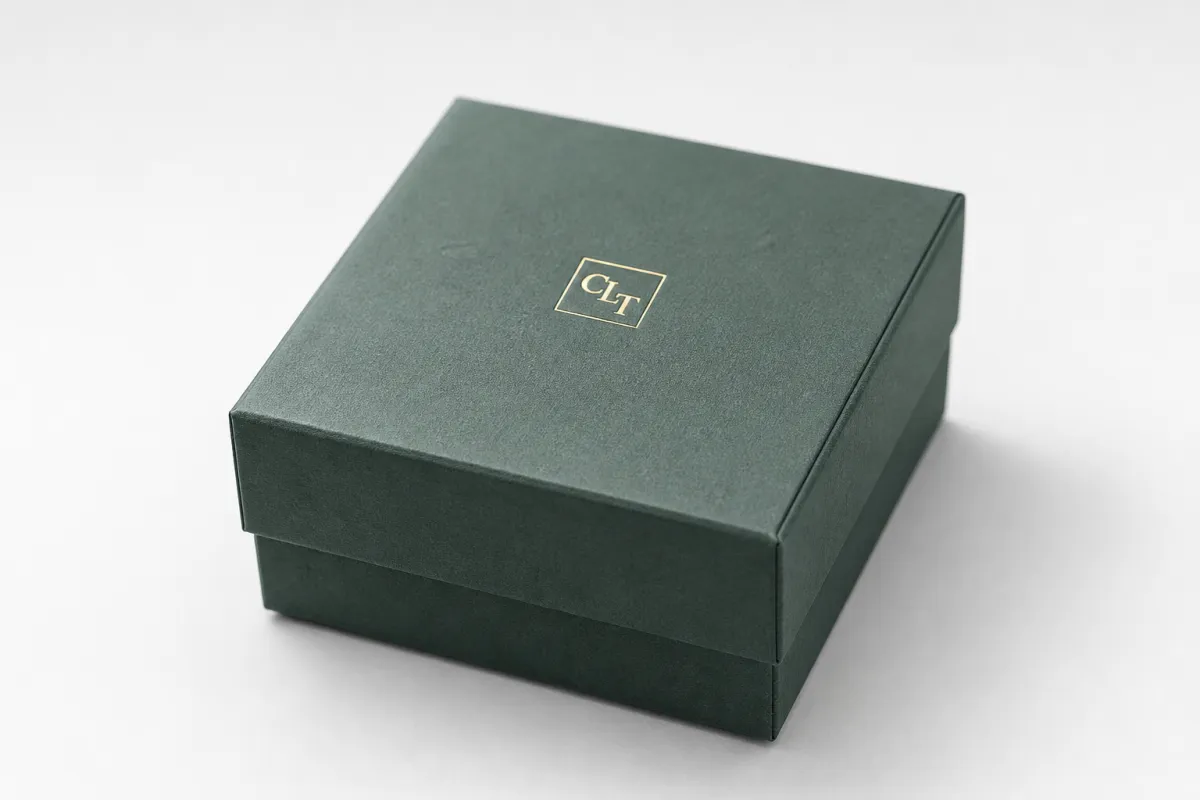
Printed jewelry boxes with logo change the first impression, and they change the expected price band as well. That sounds obvious until you compare two nearly identical products on a shelf. One sits in a flimsy folding carton with a weak one-color mark. The other sits in a rigid box with a crisp logo, a tidy insert, and a finish that catches light without shouting. The second one can often justify a higher ticket because the packaging is doing part of the selling.
There is a reason buyers notice box quality in seconds. Jewelry is small, so the packaging becomes part of the product experience instead of background noise. Printed jewelry boxes with logo tell the customer whether the brand cares about detail, whether the item is meant as a gift, and whether the purchase feels safe enough to keep or display. A logo alone does not create that effect. Structure, print placement, and finish do the real work.
Printed jewelry boxes with logo can take a few forms. The simplest version is a one-color logo print on paperboard or rigid board. A step up is full-bleed artwork that wraps the outer panel. More premium executions add inside printing, foil stamping, embossing, debossing, spot UV, or a combination of finishes. Used well, these elements create recognition. Used poorly, they create visual clutter. More ink is not the same as more value.
From a packaging buyer’s point of view, the goal is not to fill every surface. It is to make the brand easy to remember and easy to trust. That means the printed jewelry boxes with logo should stay consistent across the shelf, the shipping journey, and the unboxing moment. If the outside says one thing and the inside says another, the package feels confused. Customers notice that even if they cannot explain why.
There is also a practical side. Box style, material thickness, finish, and order quantity all affect the final cost and the production schedule. A small batch with simple print can move quickly. A custom rigid set with inserts, foil, and a satin-lined tray takes more time and more money. That is normal. The mistake is pretending all printed jewelry boxes with logo are equal because they have the same basic shape.
Here is the core rule: decoration supports strategy, but decoration is not strategy. If the packaging does not protect the jewelry, present it clearly, and fit the brand’s pricing, it is just a nice-looking container. Printed jewelry boxes with logo should do more than look polished. They should earn their keep.
- One-color logo print works well for minimal, budget-conscious packaging.
- Foil stamping adds punch without needing full coverage artwork.
- Embossing or debossing creates touchable detail that feels more premium.
- Inside printing is useful when the unboxing moment matters as much as the outside.
If you ship packaging or test it for transit, standards matter more than guessing. ISTA test methods are useful for checking whether a box survives handling, vibration, and drops before it lands in the customer’s hands. And if the packaging includes paper components, FSC certification can help buyers who care about sourcing.
Production Steps, Process, and Timeline for Printed Jewelry Boxes With Logo
Good packaging starts with the basics: size, structure, and use case. That sounds plain because it is plain, and it is also the part that saves money later. For printed jewelry boxes with logo, the production flow usually runs from brief to delivery in a predictable order: confirm the jewelry dimensions, choose the box style, finalize the artwork, approve the dieline, review the proof, print, finish, die-cut, assemble, and pack for shipment.
The first step is getting the jewelry dimensions right. Rings, studs, pendants, bracelets, and necklace sets do not behave the same way in a box. A box that is even a few millimeters off can make the insert look crooked, allow the item to move in transit, or force a remake. Printed jewelry boxes with logo need a fit that feels intentional. Loose packaging reads as careless. Over-tight packaging can damage the piece or make the opening experience awkward.
Artwork comes next, and this is where many orders slow down. A clean logo file, correct font outlines, and exact color expectations keep the job moving. If the design includes foil, embossing, or a full wrap, the supplier needs a proper dieline and clear placement notes. Slow approvals are one of the most common reasons printed jewelry boxes with logo miss a launch date. The factory can only print what it is given, and unclear files create extra rounds of back-and-forth.
A realistic timeline depends on complexity, quantity, and current production load. For a straightforward order, artwork and proofing may take a few days. Sampling often takes about one to two weeks. Full production commonly runs around 12-18 business days after proof approval for standard quantities, though special finishes, custom inserts, or multiple box sizes can push that longer. If your launch date is fixed, build in buffer time. Packaging delays have a nasty habit of showing up right before the event.
The biggest delays usually come from the same places:
- Late artwork approval
- Unclear logo files or wrong file formats
- Color expectations that were never locked down
- Last-minute changes to foil, embossing, or insert layout
- Sample revisions that restart parts of the process
For shipping-grade packaging, it is smart to confirm how the finished boxes will be tested or handled. If the order is going into ecommerce, ask whether the box should be checked against handling expectations similar to ISTA methods. If the order is for retail, ask whether the closure, corners, and insert hold up after repeated opening. Printed jewelry boxes with logo should look good on day one and still look presentable after the fifth or tenth handling.
If the job includes multiple jewelry SKUs, the process gets complicated quickly. One box size for rings, another for pendant sets, and another for gift bundles can still work well, but only if the line is planned up front. A supplier can quote printed jewelry boxes with logo faster when the brief is clean. If the brief is vague, the quote will be vague too. That is not a mystery. It is just how quoting works.
My practical advice: if the packaging has special finishes, custom inserts, or more than one format, assume the schedule will stretch. Not always by a lot, but enough to matter. Waiting until the last week and hoping printed jewelry boxes with logo arrive in time is a hobby reserved for people who enjoy panic, and nobody needs that kind of excitement.
Cost, Pricing, MOQ, and Quote Basics
Pricing for printed jewelry boxes with logo is driven by a few specific things: box type, board thickness, print coverage, finish complexity, insert style, quantity, and shipping method. None of those are mysterious. What catches buyers off guard is how quickly a small upgrade changes the total. A simple logo print may be affordable enough to scale. Add foil, a custom insert, and a rigid board structure, and the math jumps. That is not the supplier being dramatic. That is the material stack doing its job.
MOQ matters because it affects unit cost. Lower minimums are easier for smaller brands or test runs, but the price per box usually drops as quantity rises. That means the cheapest per-box option is often not the smallest order. Printed jewelry boxes with logo at 500 units may look convenient, while the same design at 5,000 units can dramatically improve the unit economics. The tradeoff is cash tied up in inventory. No one gets to skip that part.
A common pricing trap is comparing boxes that are not actually the same job. One quote might be for a plain printed sleeve. Another might include a rigid setup box, a velvet insert, foil, and a magnetic closure. Those are not substitutes. They are different products wearing the same sales language. For printed jewelry boxes with logo, the quote has to match the exact spec or the comparison is useless.
A good quote should show the following clearly:
- Die fee or tooling fee
- Setup fee, if any
- Sample cost and sample lead time
- Unit price by quantity tier
- Insert price and material specification
- Packing method and carton count
- Estimated production lead time
- Shipping estimate or shipping terms
- Charges for design revisions or extra color changes
To make the pricing picture easier, here is a simple comparison of common box types. The exact numbers shift by size, finish, and order volume, but these ranges are useful for planning a realistic budget for printed jewelry boxes with logo.
| Box Type | Typical Price Range at Mid-Size Orders | Best For | Main Tradeoff |
|---|---|---|---|
| Paperboard tuck or sleeve box | $0.18-$0.55 per unit | Lightweight retail, budget launches, large runs | Less premium feel, lower structural presence |
| Rigid lift-off box | $0.85-$2.20 per unit | Gift sets, boutique retail, higher perceived value | Higher material and shipping cost |
| Rigid magnetic closure box | $1.10-$3.50 per unit | Premium gifting, subscription sets, luxury branding | More expensive tooling and assembly |
| Rigid box with custom insert and finish upgrades | $1.40-$4.50 per unit | High-end jewelry lines, sets, presentation pieces | Best look, but the budget climbs fast |
Those numbers are not fixed laws. They are planning ranges. A small run with heavy print coverage can cost more than a larger run with a simpler finish. Shipping also matters. A box that looks affordable at the factory can become less attractive once freight, duties, and handling are added. Printed jewelry boxes with logo should be priced on landed cost, not on a pretty sample photo.
If you are comparing suppliers, ask them to quote the exact same spec and quantity. Compare paper weight, board grade, insert material, finish, and packing method line by line. That sounds tedious because it is tedious, but it is the only way to know whether the price is genuinely better. If you also need matching trays, inserts, or mailers, you can use Custom Packaging Products to keep the packaging system aligned instead of buying every piece separately and hoping it matches later.
One more practical point: cheap packaging is expensive if it fails. A crushed corner, a loose insert, or a weak closure can cost more in replacements and returns than the savings from shaving a few cents off the box. Printed jewelry boxes with logo should protect the product and support the sale. Anything less is fake economy.
Printed Jewelry Boxes With Logo: Materials and Finishes
Material choice changes both the look and the feel of printed jewelry boxes with logo. Paperboard is lighter and usually more budget-friendly, which makes it useful for simpler retail packaging and larger order volumes. Rigid board feels denser and more premium, which is why it shows up so often in gift sets and luxury presentation boxes. If the packaging is part of the purchase ritual, rigid usually wins. If the job is more about efficiency and logistics, paperboard can be the smarter call.
A typical rigid box may use around 1000-1500gsm board wrapped with printed art paper, while a lighter paperboard style may use 300-400gsm stock depending on the format. Those numbers are not magic. They simply change stiffness, corner strength, and how much the box resists wear. Printed jewelry boxes with logo in rigid board tend to hold their shape better through shipping and repeated handling. That matters if the box is going to sit on a boutique counter, move through fulfillment, or be kept as a storage piece.
Finishes are where packaging can drift from tasteful to overdone very quickly. Matte creates a softer, calmer look. Gloss gives more shine and can boost color saturation. Soft-touch adds a velvety feel that many buyers read as premium. Foil stamping, embossing, debossing, and spot UV can all work well, but each one needs a reason to exist. Printing every effect available on printed jewelry boxes with logo is usually how a clean design turns into a noisy one.
Insert choice matters just as much. Foam, EVA, velvet, satin, molded pulp, and cardboard inserts all solve different problems. Foam and EVA hold shape well for delicate items. Velvet and satin elevate presentation. Molded pulp can suit more sustainability-minded packaging, though the look is more restrained. Cardboard inserts are often the most practical when the product is light and the budget is tight. The right insert depends on whether the jewelry is a ring, a necklace, a pair set, or a bundle with multiple pieces.
Color is another tradeoff. Dark boxes hide some scuffs and handling marks, but they can show fingerprints and dust. Light boxes look crisp and airy, but they stain more easily. Detailed graphics need enough contrast to stay legible from a distance. Printed jewelry boxes with logo should not force the eye to work too hard. If the logo disappears in bad lighting, the design is not finished yet.
Durability also matters. If the box will be opened, closed, stacked, or shipped often, choose a finish that can survive normal wear. A soft-touch box looks nice, but it can mark more easily than a matte laminated surface. A gloss finish can resist some scuffing but may show more scratches. There is no perfect finish. There is only the finish that best matches the use case for printed jewelry boxes with logo.
For buyers who care about sourcing, paper-based packaging can align with FSC-controlled materials, and recyclable structures can help reduce waste. If sustainability is part of the brand story, the packaging needs to support that story with real material choices, not just a green headline. Customers can tell the difference between a responsible material spec and a marketing prop. Usually faster than brands expect.
Used with discipline, printed jewelry boxes with logo become a controlled part of the brand system. A minimal logo on a rigid box can feel cleaner and more expensive than a crowded design with too many effects. That is the nice little irony of packaging: restraint often looks richer than excess.
How to Choose the Right Box for Rings, Necklaces, and Sets
The product should drive the box, not the other way around. Rings need a snug insert and a compact footprint. Necklaces need room for the chain so it does not knot or press awkwardly against the lid. Sets need compartment planning so the pieces do not collide in transit. Printed jewelry boxes with logo work best when the structure is chosen around the object rather than forced around a generic template.
For rings, the classic square or small rectangular box often works because it feels neat and efficient. For necklaces, a longer box or a layout with chain management is usually better. For bracelets or earring sets, a box with a more open presentation area can help the product breathe visually. Printed jewelry boxes with logo should make the item look deliberate, not squeezed in as an afterthought.
Retail and ecommerce create different demands. A boutique counter box can prioritize elegance and speed of opening. An ecommerce box often needs stronger corners, a better closure, and room for outer packing or shipping protection. If the same box has to do both jobs, be conservative with the build. A beautiful box that collapses in transit is still a failure. Printed jewelry boxes with logo have to survive the full journey, not just the photo shoot.
Size planning is where many teams lose money. Oversized boxes waste board, increase freight, and make the item look smaller than it should. Undersized boxes can compress the piece, bend the insert, or create a messy presentation. The best approach is to measure the jewelry plus any backing card, clasp, tag, or protective wrap. Then add enough clearance for the insert and the closing movement. That extra math saves embarrassment later.
There is also a workflow question that matters more than people think. Will the jewelry ship pre-boxed from the supplier? Will a fulfillment center pack it? Will store staff hand it to the customer? Each workflow changes the ideal structure. Printed jewelry boxes with logo that look perfect at the factory may be annoying in a high-speed packing line. A slightly simpler structure can perform better operationally.
Brand fit still matters, obviously. Minimalist brands usually want restrained print, tight typography, and quiet materials. Fashion-forward or gift-driven brands can justify bolder graphics, colored stocks, or more dramatic inserts. The trick is staying consistent. Printed jewelry boxes with logo should feel like they belong to the same brand language as the website, the tag, and the product card. If the box feels like it was borrowed from another brand’s drawer, the story breaks.
One useful check is this: would the packaging still make sense if the jewelry price were hidden? If the answer is yes, the box is probably doing real branding work. If the answer is no, the packaging may be too dependent on the item to carry the sale. Printed jewelry boxes with logo should reinforce the product value instead of begging it to do all the work.
Common Mistakes When Ordering Printed Jewelry Boxes With Logo
The biggest mistake is chasing the lowest quote without checking the spec. A low number looks nice until the box arrives with thinner board, weaker print, or an insert that barely holds the jewelry in place. Then the savings evaporate, usually after the boxes are already in transit. Printed jewelry boxes with logo are one of those categories where the cheapest option can turn out to be the most expensive mistake.
Another common problem is overdesigning the surface. Too much copy, too many colors, and too many competing graphics can make the box look less like jewelry packaging and more like a promotional flyer. That is not premium. That is loud. Printed jewelry boxes with logo usually perform better when the design is clearer, cleaner, and easier to recognize from a distance.
File quality matters more than people want to admit. Low-resolution logos, missing bleed, incorrect dielines, and color assumptions can waste days. The supplier may catch some of it, but not always. If a logo is fuzzy in the file, it will be fuzzy on the box. If the artwork ignores trim allowance, the print can sit too close to an edge or get clipped. Printed jewelry boxes with logo need the same level of file care you would expect from any finished retail product.
Skipping samples is another expensive habit. A digital proof tells you placement and basic alignment. It does not tell you stiffness, texture, closure feel, or how the logo reads under real light. That is why physical samples matter. Even a simple structure can reveal issues once it is in hand. Printed jewelry boxes with logo should be handled before mass production if the budget allows it. Saving a few days is not worth discovering a bad box after thousands of units are already made.
Operational mistakes are just as common. Teams underestimate delivery time, order too few boxes, or forget that production and freight can stretch during busy seasons. Then the packaging becomes the bottleneck. That is a ridiculous place to get stuck, but it happens all the time. Printed jewelry boxes with logo should be ordered with enough cushion to absorb reorders, sample adjustments, and early launch demand.
There is also a subtle mistake around scale. Some brands want a luxury look but choose a structure that cannot support it, or they want an economy price but insist on finishes that push the cost too high. That mismatch creates frustration on both sides. Be honest about the target. Printed jewelry boxes with logo can be elegant at many price points, but only if the materials and finishes line up with the budget.
Finally, do not ignore the customer’s opening experience. If the lid is too stiff, too loose, or awkward to open, the brand feels fussy. If the insert rattles, the jewelry feels less secure. If the logo is hidden inside a dark box with no contrast, the branding work gets wasted. Printed jewelry boxes with logo are judged in the hand, not in a mockup folder.
Expert Tips and Next Steps for a Smarter First Order
Start with a spec sheet. List the box size, jewelry type, print method, finish, insert, quantity, and deadline before asking for quotes. That simple step cuts down on guessing and keeps suppliers from quoting three different interpretations of the same job. Printed jewelry boxes with logo are easier to buy when the brief is specific. Vague briefs produce vague results. Shocking, I know.
Ask for both a structural sample and an artwork proof if the order is important. The structural sample checks fit, thickness, closure, and insert behavior. The artwork proof checks logo placement, color balance, and legibility. One sample does not replace the other. Printed jewelry boxes with logo need both layers of review if you want fewer surprises in production.
Test the box like a customer would. Open it. Close it. Shake it lightly. Stack it. Hold it under different lighting. Compare the box against the price of the jewelry inside and ask whether the packaging supports that value. That is the real test. Printed jewelry boxes with logo are not just about print quality. They are about whether the whole package feels believable.
Order enough units to cover launch demand, sample approval, and a small buffer for damage or reorders. Running out of packaging after the product starts selling is not a strategy. It is a schedule failure. If the order is for a seasonal drop, give yourself extra margin because supplier lead times do not care about your calendar.
If your brand is still deciding between materials or box styles, use the packaging system as a whole instead of chasing a single box type. A ring box may need a different insert than a pendant box. A gift set may justify rigid board while a lower-price line can stay with paperboard. You can review Custom Packaging Products to compare options before you lock in the printed jewelry boxes with logo that will carry the brand forward.
As a final decision rule, move ahead only if the packaging protects the product, supports the brand story, and leaves room in your margin. If one of those three fails, the box is not pulling its weight. Printed jewelry boxes with logo should do the quiet but important work of making the jewelry feel more valuable, more giftable, and more memorable. That is the point. Everything else is just foam, board, and print.
What material works best for printed jewelry boxes with logo?
Rigid board is usually the best choice for premium retail and gifting because it feels heavier, holds its shape, and supports better presentation. Paperboard works better for lighter budgets, shipping-friendly packaging, or larger order volumes where unit cost matters more. The right answer depends on the jewelry type, the unboxing experience you want, and how much handling the box will take.
How many printed jewelry boxes with logo should I order first?
A first order should cover your launch demand plus a small cushion for damage, sample changes, and early reorders. If the MOQ is high, compare the unit cost at the next tier up, because a slightly larger order can sometimes improve pricing enough to justify the extra quantity. Do not overbuy just to chase the lowest unit price unless the design is unlikely to change soon.
How long does it take to produce printed jewelry boxes with logo?
Simple orders can move faster, but proofing, sampling, and production still take time, especially if the box has custom inserts or special finishes. Expect longer timelines when the artwork is not ready, the dieline needs changes, or the design includes foil, embossing, or multiple print colors. Build in extra time before launches and busy selling periods.
Which print finish looks most premium on jewelry packaging?
Foil stamping, embossing, and soft-touch lamination often read as premium because they add texture and light contrast. The best finish depends on the brand style; a minimalist logo can look stronger in subtle foil than in loud full-color artwork. Premium does not mean overloaded. A clean box with one strong finish usually looks better than a box trying to use every effect at once.
How can I lower the cost of printed jewelry boxes with logo without making them look cheap?
Reduce print complexity, simplify the insert, and keep the structure consistent across product lines so production stays efficient. Use one strong finish instead of stacking several expensive effects that add cost without adding much to the customer experience. Compare quotes on the exact same specs so you can spot real savings instead of getting fooled by a stripped-down sample.
Actionable takeaway: Before you place an order, lock the size, insert, finish, quantity, and delivery date into one written spec, then ask suppliers to quote that exact version only. If any of those details are still fuzzy, the quote is not ready yet, and the packaging probably is not either.


