Buyer Fit Snapshot
| Best fit | Printed Kraft Bottle Boxes Wholesale for Bottle Shipping projects where brand print, material claims, artwork control, MOQ, and repeat-order consistency need to be specified before quoting. |
|---|---|
| Quote inputs | Share finished size, material target, print colors, finish, packing count, annual reorder estimate, ship-to region, and any compliance wording. |
| Proofing check | Approve dieline scale, logo placement, barcode or warning zones, color tolerance, closure strength, and carton packing before bulk production. |
| Main risk | Vague material claims, crowded artwork, missing packing details, or unclear freight terms can make a low unit price expensive after revisions. |
Fast answer: Printed Kraft Bottle Boxes Wholesale for Bottle Shipping should be specified like a repeatable production item. The safest quote records material, print method, finish, artwork proof, packing count, and reorder notes in one written spec.
Production checks before approval
Compare the actual filled-product size with the drawing, then confirm tolerance on folds, seals, hang holes, label areas, and retail display edges. Reserve space for logos, QR codes, warning copy, and material claims before decorative graphics fill the panel.
Quote comparison points
Review material grade, print process, finish, sampling route, tooling charges, carton quantity, and freight assumptions side by side. A quote is only useful when the supplier can repeat the same color, closure quality, and packing count on the next order.
Printed kraft bottle boxes wholesale are a practical buy for brands that need bottles to arrive intact and still look like someone cared enough to think ahead. A good bottle can carry strong margins, clean labeling, and a real brand story. Put it in a weak carton and the whole thing gets dragged behind the freight bill. Expensive lesson. Common one, too.
For bottle shipping, the box has to do three jobs at once: protect glass or plastic, present the brand, and keep repeat orders from blowing up the budget. That is why serious buyers look at board strength, insert design, print quality, and landed cost together. Chasing the lowest quote usually ends the same way. Someone pays for breakage later.
A nice print job does not save a box that lets the bottle rattle around like it owns the place.
There is also a buyer reality that gets ignored too often: not every bottle needs the same structure. A 250 ml oil bottle, a 750 ml wine bottle, and a heavy glass sauce bottle do not behave the same in transit. If you order them all with the same logic, the carton will show you the mistake faster than a sales report ever could.
Below, I break down the build choices, the cost drivers, and the order details that matter before you place a wholesale run. The goal is simple: printed kraft bottle boxes wholesale that ship clean, support the brand, and do not turn freight into a damage report.
Why printed kraft bottle boxes wholesale are a smart buy for fragile bottles
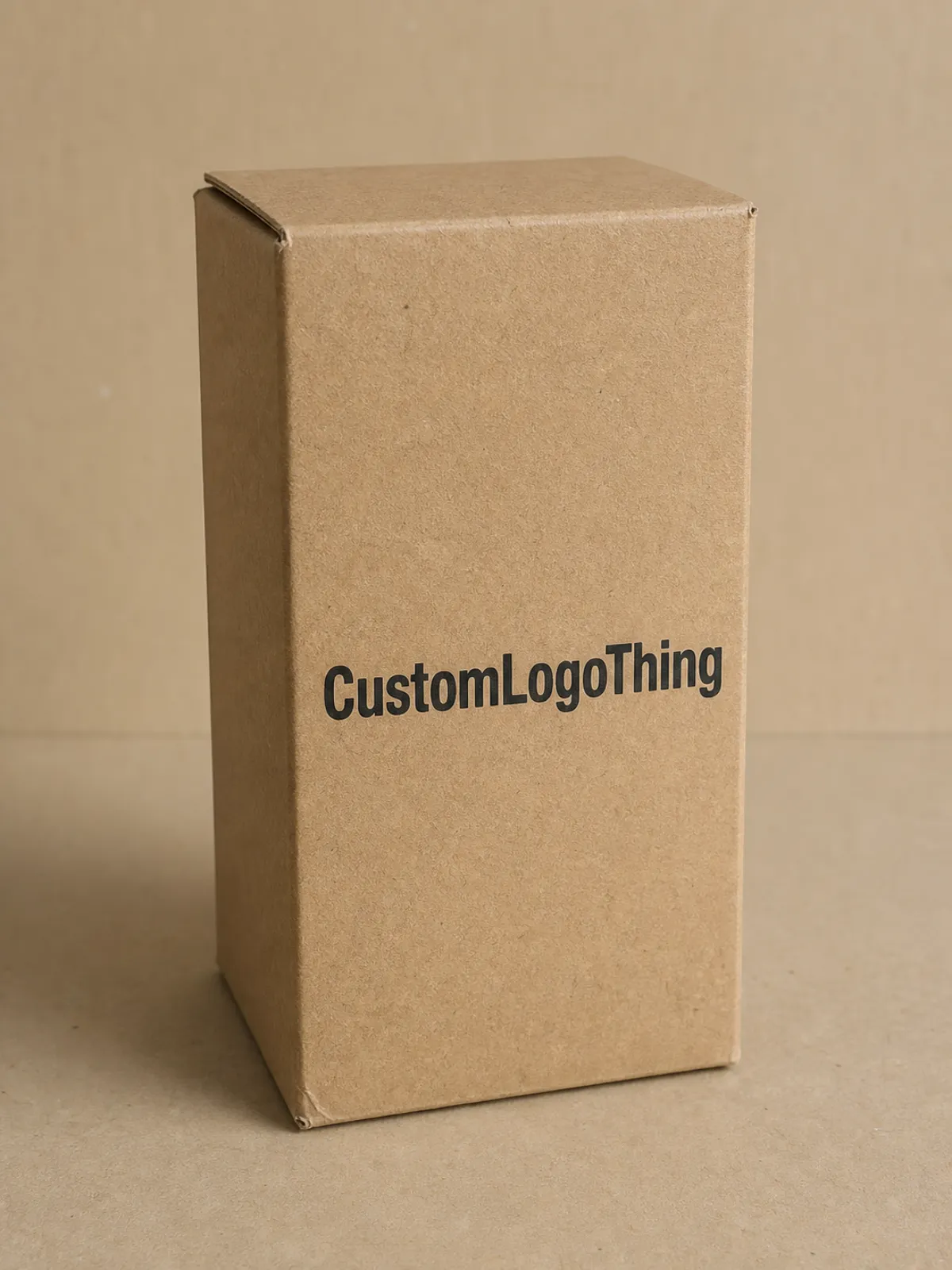
A bottle can look premium and still fail in transit if the outer box is wrong. Glass does not care about brand language. It cares about corners, movement, closure strength, and impact resistance. That is why printed kraft bottle boxes wholesale have become a practical choice for beverage brands, wellness oils, vinegar sets, specialty drinks, and gift-ready product lines. You get a cleaner visual than a plain shipper, better unit economics than small-batch retail packaging, and enough structure to survive handling if the design is done properly.
Kraft also gives buyers a useful middle ground. Natural kraft stock signals less waste than overbuilt glossy cartons, and it usually works well with one-color or two-color print. That matters because customers increasingly expect packaging that looks responsible without pretending to be perfect. Kraft is recyclable in many programs, easy to print on, and easier to explain than a carton dressed up in marketing theater. The EPA’s recycling guidance is a useful reminder that material choice, local collection rules, and coatings all affect real-world recyclability; see EPA recycling guidance.
There is a second reason buyers keep coming back to kraft: it is forgiving. A natural brown base hides scuffs better than many coated white cartons. It can hold a minimalist design without looking empty. It can also support premium cues if the typography, layout, and insert structure are handled with discipline. For a small brand shipping direct to consumer, that balance matters. For a larger buyer filling retail shelves, it matters even more.
The commercial upside is just as clear. A properly built bottle box helps cut breakage, keeps shelves and unboxing tidy, and gives you a repeatable spec you can reorder without rebuilding the package every time. That consistency matters if you sell into subscriptions, seasonal gift sets, restaurant supply, retail replenishment, or trade programs. One strong structure can handle multiple channels if the insert and print method are chosen carefully.
There is a simple buying rule here: evaluate structure, print, inserts, and landed cost together. Not one at a time. A quote that looks cheap per unit can fall apart once you add a custom tray, upgraded board, shipping to your warehouse, and a defect allowance for a fragile bottle run. That is why smart buyers ask for the full picture before they sign off.
For shipments that move through parcel networks, it helps to think beyond the carton itself. ISTA test methods are widely used for distribution simulation, and that is worth reviewing before you lock a design that has to survive more than one handoff. If the route includes parcel handling, drops, vibration, and compression matter more than the front panel graphic. The standards reference at ISTA is a good place to start.
Product details: what a well-built kraft bottle box should include
A well-built bottle box starts with the right structure, not the right logo. For shipping and fulfillment, the common formats are folding Cartons with Inserts, tuck-end mailers, sleeve-style packs, and rigid presentation boxes. Each one solves a different problem. A folding carton with a snug insert is a workhorse for retail bottles and direct-to-consumer kits. A mailer-style box handles parcel shipment better because the closure and edge strength are usually better. A rigid box looks more premium and often gets used for gift sets, tasting packs, or limited editions where presentation matters as much as protection.
Fit is where good packaging either feels custom or sloppy. Bottle diameter, shoulder height, neck length, base thickness, and closure type all affect the layout. A bottle with a tall neck can shift inside a cavity that looked fine on paper. A heavy glass bottle with a pump closure may need more headroom or a separate protective insert. If the bottle rattles, the box is not custom enough yet. The cavity should hold the bottle firmly without making the customer fight it on the way out.
Protection options vary by product and shipping route. Common choices include cardboard inserts, molded pulp trays, paperboard dividers, and custom die-cut supports. Cardboard inserts are usually the most cost-effective for moderate runs. Pulp trays fit well if the brand wants a fiber-forward story and the bottle shape is simple. Dividers work well for multi-bottle packs, especially when each bottle needs to stay isolated during shipment. For glass, the goal is always the same: limit movement, reduce point impact, and keep the closure from taking the load.
Printing on kraft has its own logic. One-color print is clean and economical. Two-color print gives more brand depth without jumping into heavy coverage. Full-color graphics can work, but they change the natural kraft look and usually raise both print cost and production complexity. White underprint is useful if the logo needs to pop on brown stock or if you want brighter color contrast. Spot accents can help, but they should earn their place. A logo, a short copy line, and a simple icon often do more than a crowded art file.
Finish choices should match both the product and the brand promise. Matte aqueous coating gives a neat, low-glare finish and is usually easier to live with than heavy lamination. Soft-touch can make sense on premium presentation boxes, though it can feel out of place on a rugged shipper or on packaging meant to read as low-waste. No coating keeps the kraft look honest, but it can scuff more easily in transit. That is the tradeoff. If the box is going straight into e-commerce mailers, a light coating can save you from ugly rub marks and pallet dust.
If you want to compare formats before asking for a quote, use a product-level view instead of assuming every bottle box works the same way. The Custom Packaging Products catalog is a better starting point than a generic carton request because it helps match structure to the job.
One more practical point: buyers often focus on the outside print and ignore the inside of the carton. That is a mistake if the box opens into a premium unboxing moment, or if the bottle sits close to a cut edge and needs visual polish. Inside print, if used, should be intentional. It adds cost and setup time, so it should support a real purpose rather than fill empty space.
Specifications to lock down before you request a quote
If the quote request is vague, the pricing will be vague too. That is not a supplier being difficult. It is packaging reality. To get a serious number for printed kraft bottle boxes wholesale, send the internal length, width, and height of the box, the board thickness, and any insert cavity dimensions. If your bottle has a curved shoulder or an unusual closure, include those measurements as well. One missing dimension can turn a “close enough” box into a stack of samples that do not fit.
Then define the bottle itself. Share fill volume, overall height, widest diameter, closure type, and approximate filled weight. A 750 ml glass bottle behaves differently from a 500 ml bottle, even if the label size is similar. Wall thickness matters too, especially if you are shipping by parcel and the bottle has a heavier base. If the closure needs protection, say so. If the bottle can tolerate a little headspace, say that too. The box should fit the product, not the other way around.
Structural requirements should be stated plainly. Does the box need to survive parcel shipping? Stack in a warehouse? Sit on a pallet for a month? Some buyers only need retail presentation, while others need a box that can pass drop and compression expectations during normal fulfillment. If the cartons will move through e-commerce channels, ask the supplier how they approach distribution testing and whether the design is intended for single-pack or multi-pack shipping. For heavier shipments, talk about crush resistance, closure integrity, and movement tolerance, not just surface print quality.
Print specs need equal attention. Provide logo placement, print colors, whether the kraft base should stay visible, and how much white ink you need. If there is a barcode, make sure there is clean space for it. If you want the inside of the box printed, mention that early because inside print changes setup and cost. Bleed areas, dieline marks, and any required legal copy should be approved before sampling. The box is a production object, not a mood board.
Operations details matter more than many first-time buyers expect. Tell the supplier how the boxes will be packed, what carton quantities you want per master carton, whether you need palletized freight, and where the boxes will land. If the warehouse team wants 100-piece bundles, say that. If your receiving team needs a specific pallet height, say that. Small details keep the final delivery from turning into rework on your dock. A lot of packaging problems are really operations problems wearing a box.
For sustainability or sourcing requirements, ask for paper certification only if it fits the project. FSC chain-of-custody can be useful for brands that need clearer fiber sourcing, and the organization explains the standard well at FSC. Not every carton needs a certification claim, but if your customer base expects it, that should be settled before the artwork is finalized.
Buyer scenario helps here. A small olive oil brand launching a holiday gift pack may care most about presentation and shelf appeal. A supplement company shipping heavy glass tincture bottles may care more about drop resistance and insert stability. A winery sending paired bottles to restaurants may need stacking strength and efficient master carton counts. The right spec is different in each case, and that is exactly why the quote needs context.
Pricing, MOQ, and unit cost for wholesale bottle packaging
Pricing for bottle packaging comes from a few predictable variables: board grade, box style, print coverage, insert complexity, finishing, and quantity. A simple one-color kraft carton with a basic insert is one thing. A rigid gift box with multiple compartments, Custom Die Cuts, and a heavy print load is a different budget entirely. Buyers who treat those as the same product usually get annoyed. Fair enough.
MOQ behavior is simple, though not always friendly. The more custom the structure and the more complex the insert, the higher the minimum order usually starts. A straightforward folding carton might accept a lower MOQ than a fully rigid box or a custom-molded tray. As quantity rises, the unit cost tends to fall because setup costs get spread out. That does not mean volume fixes everything. It just means the first few thousand pieces absorb the most setup pain.
Here is a practical comparison for common bottle packaging options. These ranges are not fantasy pricing. They are the kind of numbers buyers should use to budget before they request a formal quote.
| Box Type | Best Use | Typical MOQ | Estimated Unit Cost | Typical Lead Time | Notes |
|---|---|---|---|---|---|
| Printed folding carton with insert | Retail bottles, sample kits, light shipping | 1,000-3,000 pieces | $0.45-$0.90 | 10-18 business days after approval | Good balance of price and branding; insert choice affects stability |
| Tuck-end mailer style box | E-commerce bottle shipping, subscription packs | 2,000-5,000 pieces | $0.70-$1.25 | 12-20 business days after approval | Better for parcel routes; stronger closure and edges |
| Rigid presentation box | Gift sets, premium launches, limited editions | 500-2,000 pieces | $1.50-$3.50 | 15-25 business days after approval | Higher perceived value; usually less economical for high-volume shipping |
The cheapest quote is rarely the best deal. Compare the unit price, tooling, freight, and defect allowance together. A run that saves four cents per box but adds weak inserts or extra breakage is not a savings. It is a hidden bill. Freight can swing the landed cost more than people expect, especially if the order ships from far away or if the carton dimensions create more cubic volume than needed.
There are easy savings, though. Reduce the print count if the brand can live with it. Use a standard structural layout where possible. Keep the insert simple if the bottle geometry allows it. Avoid full coverage ink if the natural kraft background already does most of the branding work. Shared tooling for similar bottle sizes can also help if your range uses closely related formats. Good packaging economics usually come from removing unnecessary complexity, not from cutting corners where the bottle needs protection.
Another budget trap is over-specifying print effects that do not help sell the product. Foil, embossing, and multi-pass coatings can look attractive in a sample room, but they can also slow production and push up reject risk. That may be fine for a premium holiday set. It is usually not fine for a replenishment run that needs stable unit cost and predictable turn time.
For quote readiness, send the exact quantity tiers you want priced. Ask for 1,000, 3,000, and 5,000 units if those are realistic. That gives you a clear view of where unit cost drops and where it starts to flatten out. If your volume is much larger, ask for pallet-level pricing so you can compare the actual landed cost instead of guessing.
Process and timeline: from dieline approval to delivery
A clean bottle box order follows a predictable sequence. It starts with inquiry and specification review, then moves to quote, dieline confirmation, artwork review, sample or prototype, production, and shipping. The order only moves forward when each step is approved. That sounds obvious. Still, plenty of delays start when a buyer wants production to begin before the bottle dimensions, print file, or insert layout are actually locked down.
Sampling is the point where bad assumptions get exposed cheaply. If the bottle is heavy, fragile, or oddly shaped, a prototype is worth the time. You want to see how the closure behaves, whether the insert pinches the neck, and whether the carton wall can handle normal handling without bowing. A sample can also reveal something the CAD file hides: the box may fit the bottle on paper and still feel awkward in the hand. That is the difference between a drawing and a package.
The most common bottlenecks are not mysterious. They are usually late artwork changes, unclear bottle measurements, and vague print instructions. If the bottle changes after the dieline is approved, the whole structure may need to be reworked. If the logo file arrives in low resolution, the printer has to pause. If there are no clear notes on white ink, coating, or inside print, the project gets stuck in clarification. None of this is dramatic. It is just time-consuming.
You can shorten the timeline with a few disciplined moves. Send final bottle dimensions early. Keep one decision-maker on the project so approvals do not bounce around for days. Approve proofs quickly, but not carelessly. If the packaging is tied to a launch date, tell the supplier the delivery deadline and the freight destination before the quote is finalized. That lets the production schedule and shipping method match the real need instead of some optimistic guess. Packaging people love optimism right up until it becomes a missed dock appointment.
Shipping deserves as much attention as production. For cartons going to a fulfillment center, production lead time is only half the story. Freight time, customs clearance if applicable, and warehouse receiving can add days or weeks. If a replenishment order is needed every quarter, build a buffer. If the box is part of a holiday set or a retailer launch, build a larger one. Those dates do not care how fast the press runs.
For brands ordering printed kraft bottle boxes wholesale on a repeat schedule, the safest approach is to set a master spec and stick to it. Reordering from the same dieline, insert, and print setup reduces surprise costs. It also makes the next production run easier to approve because the only real question becomes quantity, not whether the carton still fits the bottle.
For buyers who want to compare shipping formats and stock structures before going to production, the Wholesale Programs page can help with recurring order planning, while the Custom Packaging Products page is useful for matching structure to bottle size and channel.
Why choose us for printed kraft bottle boxes wholesale
Buyers do not pay packaging vendors for nice adjectives. They pay for consistent output, reliable sizing, and fewer surprises in production. That is the real advantage of a supplier that knows bottle packaging. Stable print registration matters because a logo that drifts even a few millimeters can make the whole run look sloppy. Consistent board sourcing matters because the same dieline should not behave differently from one order to the next. Repeat orders are where the value shows up.
Practical support matters just as much as the run itself. Good packaging help should cover sizing advice, structure recommendations, print setup, and cost-saving revisions before the invoice is even in sight. If a box can be simplified without hurting protection, say so. If the insert can be changed to save weight or reduce scrap, say so. That sort of feedback saves money without turning the package into a compromise.
Quality control should cover more than print inspection. Dimensional checks, insert fit, board consistency, and carton packing all matter when the product is glass. A box that measures fine in a sample but shifts in full production is a problem. So is a carton that arrives with clean print but bruised corners. The package has to survive the real world, not just the camera.
Direct answers on MOQ, lead time, and tradeoffs are worth more than vague claims about premium quality. A buyer deciding between a one-color kraft carton and a fully printed rigid box needs numbers, not ceremony. If the unit cost drops sharply at a larger quantity, say that. If a specific finish slows production, say that too. Straight answers save both sides time.
There is also flexibility across product categories. Beverage brands use these boxes. Oil and vinegar lines use them. Wellness bottles use them. Gift-ready sets use them. Specialty drinks use them. The common thread is simple: a container that needs to stay protected while still presenting well on arrival. That is exactly the job printed kraft bottle boxes wholesale should handle.
For brands that want a direct route into repeat ordering, the combination of clear specs, honest timelines, and consistent production discipline usually matters more than dramatic sales language. That is how a packaging supplier earns the next reorder. Not by overselling. By not making the buyer chase basic answers.
Experience matters here, because most packaging problems only show up after a few orders. The first run might look fine. The second run exposes a weak insert, a slippery coating, or a master carton that is too heavy for the warehouse team to handle efficiently. Good bottle packaging is not just about passing a sample. It has to keep working when the process gets busy.
Actionable next steps before you place the order
Before you request pricing, gather the bottle dimensions, target quantity, preferred print count, and whether the box needs an insert or shipping strength. If the bottle is still in development, use the best available sample and mark the uncertainty clearly. A guess is fine at the start. A guess hidden inside an “approved” spec is where trouble begins.
Request at least two or three price tiers so you can see where unit cost falls and where it stops making sense. A good quote set might include 1,000, 3,000, and 5,000 pieces. If your forecast is larger, ask for the next logical step. That comparison gives you a realistic view of how much value you gain from volume before you commit cash to inventory.
Send artwork early, even if it is rough. The printer can flag bleed, white-ink, barcode, and layout issues before production starts. That saves time later and keeps the file from becoming a source of corrections. If the natural kraft background is part of the look, say that clearly. If you want a bright logo on brown stock, say that too. The artwork should support the packaging, not fight it.
Confirm the delivery date, the packaging format, and the freight destination before approving the quote. That sounds basic because it is basic. Yet these three details often drift during a project, and the result is late arrival or poor receiving conditions. A box that lands after the launch is not much help, no matter how good it looks.
Most of all, remember that printed kraft bottle boxes wholesale work best when structure, print, and timeline are decided together. If one of those pieces is left vague, the rest gets harder and more expensive. If you are ordering for a launch, a seasonal run, or a replenishment cycle, make the packaging spec as complete as the bottle itself. That is what keeps the order clean and the shipping damage low.
The most useful takeaway is simple: choose the box for the route, not the mockup. A retail display carton, a DTC mailer, and a premium gift box can all be printed on kraft, but they solve different problems. Start with the bottle, define the shipping method, then match the structure and print. That order saves time, money, and breakage.
FAQ
What is the usual MOQ for printed kraft bottle boxes wholesale?
MOQ depends on the box style, print complexity, and whether custom inserts are included. Simple printed folding cartons usually start lower than rigid boxes or fully custom structures. Higher quantities usually reduce the unit price, but setup and tooling still need to be covered, so a small run often costs more per piece than buyers expect.
Are printed kraft bottle boxes strong enough for glass bottles?
Yes, if the board thickness and insert design match the bottle weight and shipping method. For glass, the box should use a snug cavity, a secure closure, and a support insert that limits movement. If the bottles are shipping by parcel, ask for drop and crush considerations instead of assuming retail-grade stock will hold up.
What printing options work best on kraft bottle boxes?
One- or two-color printing often looks sharp on natural kraft and usually keeps costs under control. White underprint is useful when you want brighter logos or cleaner color contrast on brown stock. Full-coverage art is possible, but it changes the natural look and can raise the print cost.
How does pricing change with box size and quantity?
Larger boxes use more board, so they cost more even before print is added. Higher order volume usually lowers unit cost because setup gets spread across more cartons. Complex inserts, special finishes, and heavy ink coverage can push pricing up faster than the box size alone.
How long does a custom bottle box order usually take?
Timeline depends on how fast the dieline and artwork are approved. Sampling and prototype review can add time, but they are worth it if the bottle is heavy or fragile. Production and freight should both be planned early so the boxes arrive before launch or replenishment runs.
Do I need certification or special claims on kraft packaging?
Only if your brand or retailer requires it. FSC chain-of-custody can help if you need paper sourcing documentation, but it is not required for every order. Coatings, adhesives, and inks can also affect recyclability, so any sustainability claim should match the actual spec rather than the sales pitch.
Printed kraft bottle boxes wholesale are a smart buy when the structure matches the bottle, the print matches the brand, and the timeline matches the launch plan. If you treat the carton as shipping protection, brand surface, and reorderable supply all at once, the package starts doing real work instead of just sitting there looking nice on a screen.


