Buyer Fit Snapshot
| Best fit | Custom Die Cut Cartons projects where brand print, material claims, artwork control, MOQ, and repeat-order consistency need to be specified before quoting. |
|---|---|
| Quote inputs | Share finished size, material target, print colors, finish, packing count, annual reorder estimate, ship-to region, and any compliance wording. |
| Proofing check | Approve dieline scale, logo placement, barcode or warning zones, color tolerance, closure strength, and carton packing before bulk production. |
| Main risk | Vague material claims, crowded artwork, missing packing details, or unclear freight terms can make a low unit price expensive after revisions. |
Fast answer: Custom Die Cut Cartons: Costs, Process, and Sizing should be specified like a repeatable production item. The safest quote records material, print method, finish, artwork proof, packing count, and reorder notes in one written spec.
Production checks before approval
Compare the actual filled-product size with the drawing, then confirm tolerance on folds, seals, hang holes, label areas, and retail display edges. Reserve space for logos, QR codes, warning copy, and material claims before decorative graphics fill the panel.
Quote comparison points
Review material grade, print process, finish, sampling route, tooling charges, carton quantity, and freight assumptions side by side. A quote is only useful when the supplier can repeat the same color, closure quality, and packing count on the next order.
Custom Die Cut cartons solve a packaging problem that is easy to describe and expensive to ignore: the product should fit the carton, not wander inside it like an afterthought. Poor fit shows up fast. Corners crush. Inserts shift. Void fill multiplies. Pack-out slows down. Even a polished print job cannot hide a box that feels improvised.
That matters in retail packaging, ecommerce shipping, and branded packaging with a premium promise. A well-built carton trims unused space, protects the product, and makes the package look deliberate the second it leaves the warehouse or lands on a shelf. The real work is structural, not decorative. Material choice, dieline logic, and production method have to match the product and the route it will survive.
There is also a hidden cost that buyers sometimes miss: oversized packaging can increase shipping charges because carriers often bill by dimensional weight, not just actual weight. A carton that is two inches too wide can cost more to move than a stronger board grade would have cost to spec correctly. That is one reason packaging teams keep returning to fit as the first decision, not the last.
Good packaging is not a bigger box. It is the smallest box that survives the trip, packs quickly, and presents the product cleanly.
What Custom Die Cut Cartons Are and Why They Matter
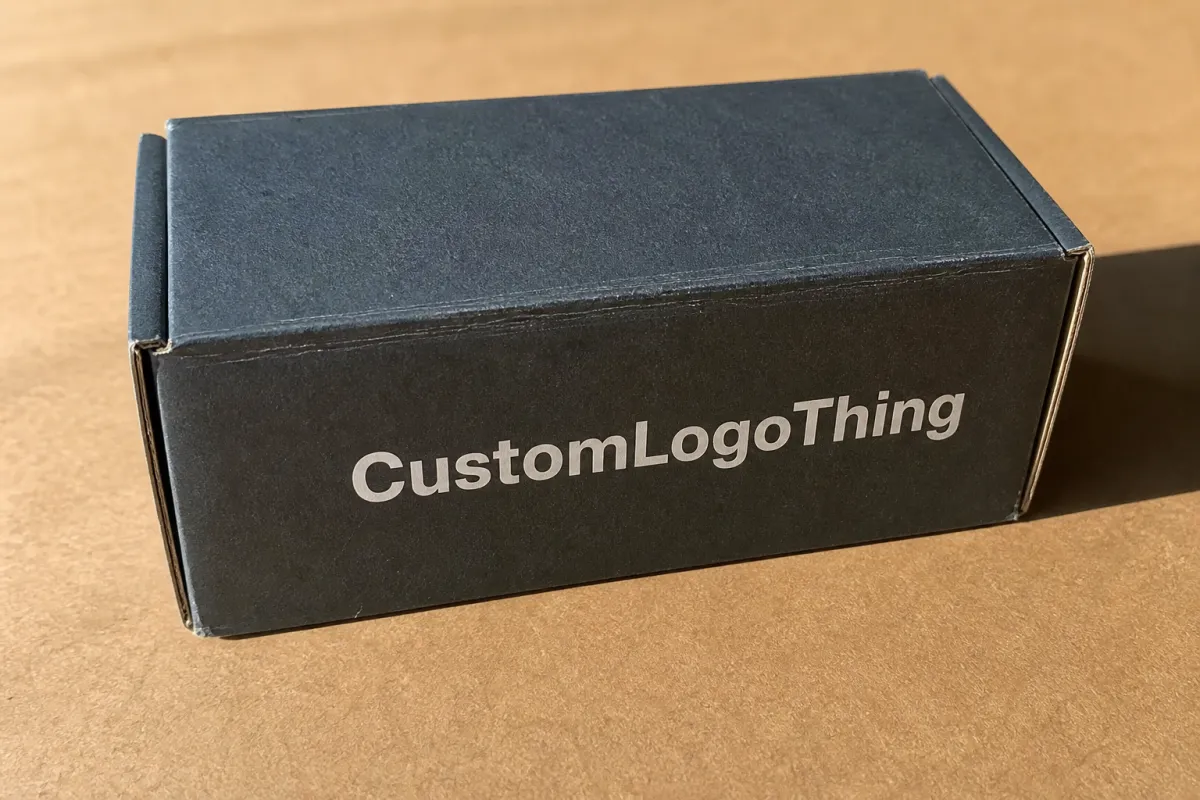
Custom Die Cut cartons are boxes or cartons cut to a specific shape using a steel-rule die or a comparable cutting tool. Rather than forcing a product into a stock mailer or a generic folding carton, the package is built around the item’s actual size, weight, and handling needs. That gives the designer room to add tuck flaps, locking tabs, dust flaps, display windows, retention panels, or inserts that hold the product in place instead of letting it rattle around.
The wrong shape often causes more damage than a slightly lighter board grade. That point gets missed because buyers sometimes focus on thickness first and fit second. A 32 ECT carton with a precise internal layout can protect better than a heavier carton that leaves too much room for movement. Motion concentrates impact on edges and corners. That is usually where the failure starts.
In practice, the most common use cases are not exotic. Cosmetics, candles, electronics accessories, folding apparel boxes, subscription kits, gift items, and replacement parts all benefit from a carton that is drawn around the actual item. A rigid lip balm tray and a metal component set may both need “custom,” but the structural logic is completely different. One needs presentation and restraint. The other needs crush resistance and maybe a divider.
Custom Die Cut cartons are also useful when a package has to do double duty. A box that ships well but looks clumsy on shelf is hard to defend in a retail review. A carton that looks elegant but opens badly in a warehouse creates labor issues that show up later as bottlenecks and returns. The better design usually saves time in more than one place. That is where the real value is hiding.
They also sharpen the unboxing moment without turning the experience into theater. Better fit means less filler, cleaner opening, and more stable stacking in transit. That matters because packaging does more than carry a SKU. It affects labor, return rates, damage claims, and how buyers judge the brand before the product is even touched. A plain carton can work. A carefully built custom carton works harder.
From a buyer’s perspective, the best carton reduces operational noise. Fewer size mismatches. Less tape. Less filler. Faster fulfillment. More consistent presentation. That is why custom printed boxes and die-cut formats keep showing up in categories where the package has to look organized before the customer opens it.
If you are comparing structure options, it helps to review the broader Custom Packaging Products lineup before locking in one style. Sometimes a carton is the right answer. Sometimes a mailer or a folded retail box gets you there with less cost and less tooling.
How the Process Works: Dieline, Samples, and Timeline
The process starts with the product, not the artwork. That feels obvious. It also explains why so many packaging projects go sideways. Before anyone draws a dieline, the supplier needs exact product dimensions, weight, orientation, and any delicate points such as glass edges, sharp corners, closures, or surface finishes that might scuff. A 2 mm miss can matter if the carton is narrow and the insert is doing most of the work.
Once the product data is settled, the supplier creates a dieline. That flat template defines the cuts, folds, glue areas, and locking structure. A good dieline is more than a shape. It is a working plan for how the carton folds, carries load, and opens. If inserts are part of the design, they are usually developed at the same time so the whole system fits together rather than fighting itself on the packing line.
After the dieline comes sampling. This is the point where a PDF stops answering hard questions and a physical sample starts paying for itself. A digital proof can show color placement. It cannot tell you whether the lid catches, whether the side panels bow, whether the insert is too tight, or whether the product shifts during a drop. A real sample catches those issues before production money is on the table.
For transit validation, many teams compare the carton design against established packaging test methods such as ISTA testing procedures. Not every project needs a formal certification, but the logic is useful. Vibration, compression, and drop behavior expose weak structure quickly. If the carton also has a retail role, opening behavior and shelf face presentation should be checked too. One box should not fail one channel while pretending to serve another.
Timelines vary with complexity. A plain unprinted carton with a simple dieline and no insert may move from measurements to sample in about 3-7 business days, then into production in roughly 10-15 business days after approval. Printed cartons with multiple colors, premium coatings, or insert assembly often need 2-4 weeks after proof sign-off. Add time if the design changes after the dieline is approved. Add more time if the dimensions keep moving after the quote. That is where projects stall, and it is usually avoidable.
The most common mistake is approving artwork before approving structure. That order is backward. Lock the structure first. Fit the artwork to the carton size that actually exists. Otherwise the design gets fixed twice, which is a tidy way to waste budget and patience.
Brands that need multiple formats usually do better comparing a few structures from the same custom packaging options page instead of forcing one box type to handle every job. A format that looks economical on paper can become expensive the moment it hits the production floor.
Custom Die Cut Cartons: Costs, MOQ, and Quote Drivers
Custom Die Cut cartons do not have one price. A single number without dimensions is either a guess or a sales trick. Cost depends on size, board grade, print method, finishing, insert requirements, quantity, and the tooling required to make the structure run cleanly.
The biggest price driver is still material. A larger carton uses more board. A thicker board costs more. A structure with extra folds or locking panels may need more precise cutting and more assembly time. Print coverage matters too. A plain kraft carton costs less than a full-bleed, full-color custom printed box with matte lamination and a specialty coating. Add a custom insert and the price rises again because another component has to be made and assembled.
MOQ changes unit cost in a way buyers often underestimate. Small runs carry more setup cost per piece because the die, proofing, print setup, and machine time are spread across fewer units. As volume rises, the cost per carton usually drops. That does not mean ordering excess inventory is a smart savings strategy. A carton that sits in storage for 18 months is not cheap. It is just branding with a rent problem.
Here is a practical range for many projects, assuming medium-size cartons and typical production conditions:
| Option | Typical MOQ | Unit Cost Range | Best Use | Main Tradeoff |
|---|---|---|---|---|
| Simple unprinted die cut carton | 250-1,000 pcs | $0.35-$0.90 | Basic shipping, internal kits, utility packaging | Less brand impact |
| Printed carton with standard finish | 500-2,000 pcs | $0.60-$1.60 | Retail packaging, ecommerce branding, gift products | Higher setup and proofing time |
| Carton with insert and premium finish | 1,000-5,000 pcs | $1.20-$3.50 | Fragile goods, premium product packaging, presentation kits | More tooling, more labor, longer lead time |
Those numbers are not a promise. A tiny carton with minimal print can come in lower. A larger structure with heavier board and a complicated insert can run higher. Shipping, carton pack quantity, and whether the supplier quotes factory-finished or kitted units can move the number too. Still, the table keeps the discussion grounded. “Affordable” is not a pricing plan. A clear spec is.
When you request a quote, ask for the details that let you compare apples to apples:
- Exact finished size, not a rough estimate.
- Board grade and caliper, such as E-flute, B-flute, SBS, or CCNB.
- Print coverage, number of colors, and whether both sides are printed.
- Finish, such as aqueous coating, matte varnish, gloss, soft-touch, or no coating.
- Insert type, material, and whether it is glued in or loose-packed.
- Quantity tiers, so you can see where the price drops.
- Sampling cost and whether tooling is included.
- Lead time for proofing, sample approval, and final production.
That level of detail matters because two quotes can look similar while relying on very different assumptions. One supplier may include a blank sample, another may charge for a printed mockup, and a third may quote a structure that fits on paper but requires more hand assembly than your line can tolerate. The cheapest number is rarely the one that helps.
If sustainability plays into the buying decision, ask about recycled content and sourcing certifications. For board made from responsibly managed forests, look for FSC-certified material options. That does not make a weak carton strong, but it does help align the packaging program with brand claims and retailer expectations.
Key Factors That Change Fit, Strength, and Performance
Fit comes first, then strength, then appearance. Reverse that order and money goes into features that do not solve the actual problem. Product weight, dimensions, fragility, and finish shape the carton more than decoration does. A heavy glass bottle needs different support than a folded garment. A soft-touch cosmetic case behaves differently than a metal part with sharp corners. Packaging design should answer those facts, not ignore them.
Board choice is the first structural decision that matters. Lightweight goods and retail cartons may work with paperboard such as 14pt to 24pt SBS or CCNB, depending on the product and the look you need. Shipping cartons usually need corrugated board, often E-flute for tighter presentation or B-flute when more crush resistance is needed. Heavier loads may call for a stronger flute profile or a higher test grade. If the carton only holds a light item, adding thickness is usually wasted cost and wasted bulk.
Closure style affects both performance and user experience. Tuck-end cartons are common for retail packaging because they assemble quickly and display well. Locking tabs and mailer-style closures help when the carton has to stay shut in transit without extra tape. A friction-fit lid can look premium, but if it opens too easily, the result is a nice-looking annoyance. Great in a mockup. Less useful in a warehouse.
Inserts are another major choice. Paperboard inserts suit light products and a clean presentation. Molded pulp can support sustainability goals and shock absorption. Corrugated inserts often work better when the product needs corner support or vertical restraint. Foam still appears in some protective applications, though many brands are moving away from it for environmental or retail reasons. The key is matching the insert to the actual failure mode. If the item bounces, hold it. If it scrapes, separate it. If it crushes, reinforce the load path.
Retail packaging and ecommerce shipping are not the same job, and the box should not pretend otherwise. A retail carton needs shelf presence, easy access, and clear face panels if the product is supposed to be seen through the package. An ecommerce carton needs transit strength, stacking tolerance, and enough structure to survive drop tests and conveyor abuse. Sometimes one carton can do both. Sometimes it cannot. Forcing it to serve two masters usually creates a compromise nobody wanted.
That is where standard references help. If the package is expected to travel hard, check whether the design lines up with the load profile used in common distribution testing such as ASTM or ISTA methods. The goal is not to turn every carton into a lab project. The goal is to avoid guessing about compression, vibration, and impact resistance. Guessing gets expensive fast. Testing usually costs less.
Here is a quick way to think about fit and strength:
- Light, rigid products can often use lighter board with tighter dieline control.
- Fragile products need restraint, corner protection, and a tested insert.
- Heavy products need stronger board and careful load distribution at the bottom panels.
- Premium products need print, coating, and closure design that supports the brand story.
- Hybrid retail/ecommerce products need a carton that survives transit without looking overbuilt on shelf.
That is the practical line between an acceptable box and a good one. The carton should not just hold the item. It should help the item arrive in the same condition it left, with enough polish left over to do the branding job properly.
Step-by-Step Guide to Spec Your Box Without Guesswork
Start with the product. Not the box. Not the artwork. The product.
Gather the exact dimensions in the orientation it will ship or display. Include width, depth, and height, plus the weight of the packed unit if accessories, manuals, or inserts are part of the final kit. If the product has fragile areas, note them. If it has a finish that scratches easily, note that too. A supplier cannot design around information you never sent.
- Measure the real product. Use finished dimensions, not the number on a spec sheet that is “close enough.”
- Define the use case. Say whether the box is for shipping, shelf display, subscription fulfillment, gift presentation, or a mix.
- Decide the protection method. Will the carton rely on the fit alone, or will it need inserts, dividers, or retention tabs?
- Choose the material range. Decide whether paperboard, corrugated, or a heavier rigid structure fits the job.
- Request the dieline. Review the flat layout before artwork is finalized.
- Approve a sample. Check fit, opening action, stackability, and how fast the team can pack it.
- Lock artwork after structure approval. Do not decorate a box that still might change size.
That sequence saves money because it prevents the most common failure: a design team builds a beautiful layout for a box that was never fully validated. Then the supplier adjusts the dimensions, the print margins shift, the inserts no longer fit, and someone pays for another round of proofing. Packaging mistakes often begin small and end embarrassingly expensive.
If you are comparing structures, ask for two options. A simple structure and a stronger one. A standard finish and a premium finish. A version with inserts and a version without. Buyers make better decisions when they can see the cost gap and the practical tradeoff side by side. That is also a smart way to work through a broader product packaging lineup without guessing which format deserves the budget.
As soon as the sample arrives, run a real test. Put the product in. Close the carton. Shake it gently. Check for movement. Open it again. If it is a shipping pack, stack a few units and see whether the load edge bows or collapses. If it is retail, check the face panel, the opening action, and whether the product sits where it should. Testing a carton by eye only is how people end up with “almost right” packaging that works for no actual use case.
One more point matters in fulfillment: ask how the carton behaves at speed. A structure that looks elegant on a desk can become annoying when a packer has to fold 500 units in a shift. The best cartons are easy to assemble, easy to fill, and difficult to misfold. Those are not luxury features. They are operating costs.
Common Mistakes That Waste Money or Cause Damage
The first mistake is loose measurement. A product measured with too much daylight around the edges gives the illusion of a custom fit while behaving like a generic box. The item slides, filler creeps in, and the carton starts acting more expensive without acting more useful.
The second mistake is overbuilding the carton because someone wants to feel safe. More board is not always better. More board can mean more cost, more weight, more shipping cube, and more assembly effort. If the product is light, the structure may only need smart geometry, not brute force. There is no medal for specifying a carton that could survive a truck tire if the product inside only needed controlled restraint.
The third mistake is skipping sample testing. That is how crushed corners, loose movement, scuffed finishes, and return rates creep in. A sample also shows how the box behaves when handled with normal human impatience, which is usually the real test.
The fourth mistake is ignoring the machine limits of the supplier. A design can look perfect on screen and still run badly if the folds are too tight, the cuts are too complex, or the glue area is too small for efficient production. When that happens, production slows and the price rises. A supplier with actual packaging experience will flag this early. If they do not, ask anyway.
The fifth mistake is treating branding and function like separate decisions. They are joined at the seam. A carton with beautiful graphics but weak closure design still performs badly. A carton with solid structure but no brand language can feel like generic product packaging. The best branded packaging works because the structure supports the story and the story respects the structure.
Here is a blunt checklist of what usually burns money:
- Measuring the product without accounting for inserts or accessories.
- Changing dimensions after the dieline is already approved.
- Choosing premium finish options before the fit is confirmed.
- Ordering too few units and paying inflated unit costs.
- Ignoring how the carton will be packed, stacked, and opened in real use.
None of those mistakes are mysterious. They become expensive when repeated. A slower first step and a cleaner approval process usually fix more problems than a fancier box ever will.
Expert Tips and Next Steps for Better Quotes and Faster Approvals
If you want better quotes, send a complete spec package the first time. Include exact dimensions, product photos, target quantity, shipping method, print expectations, finish preferences, and whether the box is for retail packaging, ecommerce shipping, or both. The more complete the brief, the less back-and-forth later. Suppliers quote faster when they are not trying to decode a half-finished spreadsheet and a vague email.
Ask for two structural options. One that is cost-efficient. One that is a bit stronger or more presentation-driven. That comparison helps you decide whether the extra spend buys something real. Maybe the stronger version reduces returns. Maybe the cheaper version already passes the drop test. Without both options, you are guessing with better stationery.
Request a sample or flat mockup before you approve production. Then test fit, drop behavior, and pack-out speed. If the team has to fight the box every time they assemble it, the format is wrong or the structure needs refinement. A good carton should feel predictable. Not glamorous. Predictable.
Ask about hidden costs early. Tooling. Sample fees. Revisions. Freight. Assembly. Storage. Kit packing. A quote that looks low can swell once those items appear. A clear quote should separate the structure cost from the supporting costs so you can see where the budget is going.
For brands building a wider assortment, keep the packaging program flexible enough to compare cartons, mailers, inserts, and folding boxes inside the same sourcing discussion. The right structure is the one that solves the real shipping problem and supports the brand without wasting material. Get that balance right, and packaging stops behaving like a recurring headache.
The cleanest takeaway is practical: measure the product accurately, approve the structure before artwork, insist on a physical sample, and test the carton in the conditions it will actually face. That sequence will do more for your packaging budget than a prettier finish ever could.
That is the point of custom die cut cartons: cleaner fit, better protection, tighter presentation, and less waste in the shipping and fulfillment process. Not magic. Just disciplined packaging judgment, which usually beats a flashy finish and a bad structural choice.
Frequently Asked Questions
What are custom die cut cartons used for?
They are used when a product needs a precise fit, cleaner presentation, or better protection than a stock box can offer. They work well for retail goods, ecommerce orders, fragile items, and branded packaging that needs a more polished unboxing experience. They are especially useful when void fill, shifting, or damaged corners keep showing up. In buyer terms, they solve the “close enough” problem that stock packaging keeps creating.
Do custom die cut cartons lower packaging costs?
They can lower total packaging cost if the tighter fit reduces filler, labor, carton damage, or shipping cube waste. The unit price may be higher than a stock carton, especially at low quantities, so total landed cost matters more than sticker price. The savings usually show up when the design reduces returns or speeds up pack-out. If the box saves 10 seconds per unit across thousands of orders, the labor math gets interesting quickly.
What do I need to get an accurate quote for custom die cut cartons?
Provide exact product dimensions, weight, and quantity, plus whether the box is for shipping, display, or both. Include print needs, finish preferences, insert requirements, and any special handling issues like fragility or stacking limits. Photos of the product and the current packaging setup help the supplier quote the right structure faster. If the product comes in multiple SKUs, send the variation spread too, because the smallest unit is often the one that breaks the package design.
How long does it take to produce custom die cut cartons?
Turnaround depends on dieline complexity, sample approval, quantity, print method, and how fast artwork gets finalized. Simple projects move faster; designs with inserts, special finishes, or repeated revisions take longer. Ask for a timeline that separates sampling, approval, and production so you know where the bottleneck is. A realistic schedule is usually better than an optimistic one that slips twice.
Are custom die-cut cartons good for ecommerce and retail?
Yes, if the structure is designed for the job: ecommerce needs transit strength, while retail needs shelf appeal and easy opening. Many brands use one structure for both, but that only works when the box is tested for handling and presentation. If the product is delicate or heavy, you may need different board choices or inserts to make both channels work. The deciding factor is not whether the box looks good on a render; it is whether it behaves well in the warehouse and still looks intentional on the shelf.

