Buyer Fit Snapshot
| Best fit | Printed Labels for Shipping Boxes projects where brand print, material claims, artwork control, MOQ, and repeat-order consistency need to be specified before quoting. |
|---|---|
| Quote inputs | Share finished size, material target, print colors, finish, packing count, annual reorder estimate, ship-to region, and any compliance wording. |
| Proofing check | Approve dieline scale, logo placement, barcode or warning zones, color tolerance, closure strength, and carton packing before bulk production. |
| Main risk | Vague material claims, crowded artwork, missing packing details, or unclear freight terms can make a low unit price expensive after revisions. |
Fast answer: Printed Labels for Shipping Boxes: Material, Adhesive, Artwork, and MOQ should be specified like a repeatable production item. The safest quote records material, print method, finish, artwork proof, packing count, and reorder notes in one written spec.
Production checks before approval
Compare the actual filled-product size with the drawing, then confirm tolerance on folds, seals, hang holes, label areas, and retail display edges. Reserve space for logos, QR codes, warning copy, and material claims before decorative graphics fill the panel.
Quote comparison points
Review material grade, print process, finish, sampling route, tooling charges, carton quantity, and freight assumptions side by side. A quote is only useful when the supplier can repeat the same color, closure quality, and packing count on the next order.
Printed labels for shipping boxes do more than identify a carton. In a busy packing room, they can carry branding, routing data, product information, and handling notes all at once, and they often become the first finished surface a customer notices after the parcel leaves the dock.
That sounds small until you watch a line move through a heavy shipping day. Then a label that scans cleanly, holds tight to recycled corrugate, and survives a damp loading bay stops looking like a nice extra and starts acting like part of the packaging system. If your boxes need better structure as well as better identification, it helps to think about the label alongside Custom Shipping Boxes, Custom Labels & Tags, and, for some programs, Custom Packaging Products.
Printed Labels for Shipping Boxes: Why They Matter More Than You Think
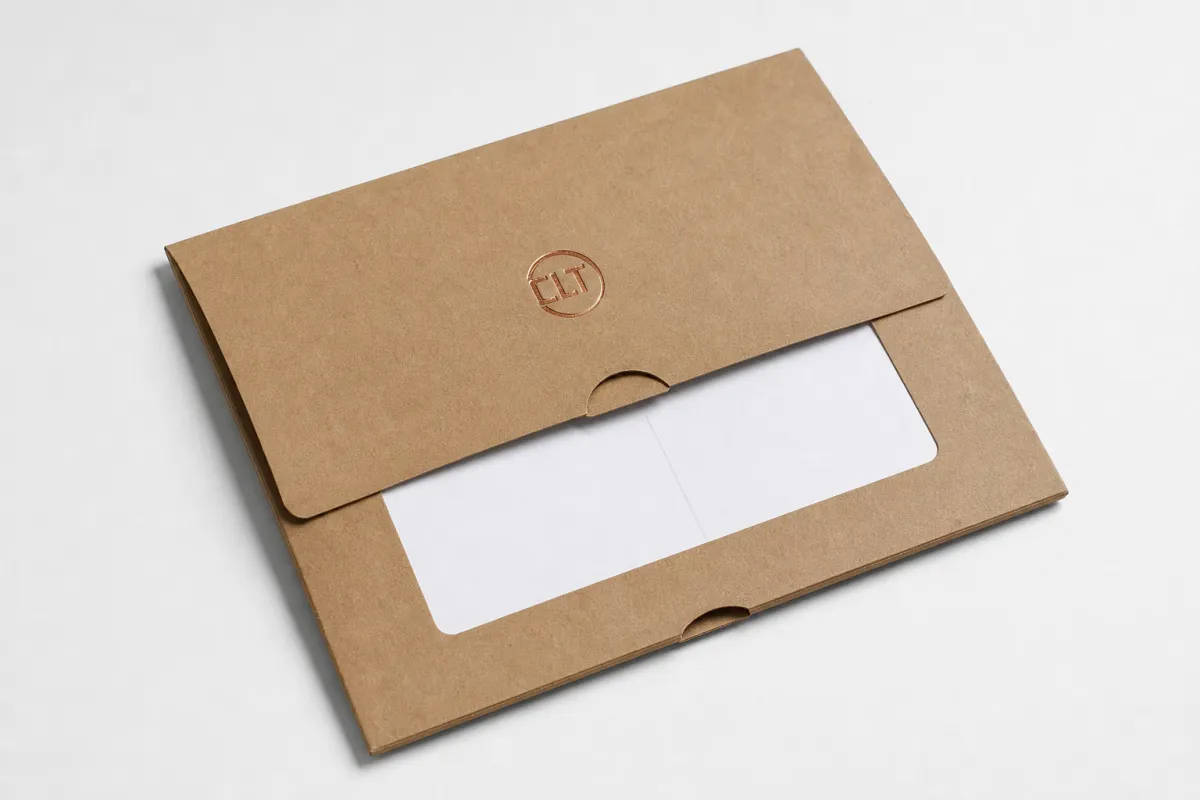
Most people treat labels as simple identifiers. In practice, printed labels for shipping boxes carry three jobs at once: they support branding, hold operational data, and lower the chance that a carton gets misread, misrouted, or mistyped during packing. That mix matters because shipping is rarely only about appearance. It is about speed, scanability, and package protection across a rough chain of handling.
Picture a growing ecommerce operation with 40 or 50 active SKUs. Handwritten notes can survive a handful of parcels. They fall apart quickly once the team has to sort by size, color, destination zone, or return status. printed labels for shipping boxes give the packer a cleaner system: the barcode sits where the scanner expects it, the logo sits where the customer sees it, and the handling copy stays readable after tape, abrasion, and warehouse dust have done their work.
I have seen packing teams slow down for no better reason than a crooked label or a barcode that was too close to a flap seam. It never looks dramatic from the outside, but it chips away at throughput and invites mistakes that are annoying to fix later. A box may only save a few seconds, or lose a few seconds, but across hundreds of orders those seconds turn into labor, rework, and customer service noise. That is why I think of printed labels for shipping boxes as a control point rather than decoration.
There is a customer-facing side too. A carton with professionally printed labels for shipping boxes feels more intentional than a blank box with a marker scrawl or a generic sticker slapped on at the last minute. The difference is subtle, but buyers do notice it. A label can signal that the brand handles details carefully. For a small business, that impression can matter almost as much as the product itself, especially when the box is part of the unboxing moment.
Many brands underrate labels because they sit in the same mental bucket as shipping supplies. They are not just a consumable. The better way to view printed labels for shipping boxes is as a low-cost, high-frequency brand and operations tool. If the label is wrong, the whole lane feels it. If it is right, most customers never think about it at all, which is usually the sign of a system doing exactly what it should.
How Printed Labels for Shipping Boxes Work in the Packing Process
The workflow behind printed labels for shipping boxes is usually straightforward, but the details matter. A designer or packaging buyer sends artwork, the printer checks resolution and layout, the label stock and adhesive are selected, and the finished pieces are delivered as rolls or sheets. From there, labels are applied during packing, staging, or pick-and-pack operations depending on how the warehouse is set up.
There are a few common formats. printed labels for shipping boxes can come as sheet labels for smaller office-based runs, roll labels for faster warehouse application, thermal-compatible labels for variable data, or preprinted brand labels that combine logo work with carrier or handling information. Each format has a different speed profile, and each has a different sweet spot for volume, storage space, and labor.
- Sheet labels work well for low-volume shipments and office packing stations, especially when the design changes often.
- Roll labels suit higher-volume order fulfillment because they dispense quickly and stay organized at the pack line.
- Thermal-compatible labels are useful when every carton needs a different SKU, route, or serial number.
- Preprinted brand labels are best when the visual system stays stable and the team wants consistent placement across all boxes.
Placement is where the operational value shows up. A barcode on a curved seam, a logo too close to the edge, or a label placed under tape can slow scanning and create rework. printed labels for shipping boxes should sit on a flat panel whenever possible, with enough margin around the code for scanners to read it cleanly. In practical terms, that often means keeping critical data away from folds, box flaps, and tape lines.
Scanability matters because warehouse speed is measured in seconds, not aesthetics. A well-positioned label can reduce hesitation at the scanner, which is small at the individual level and meaningful across hundreds of cartons. The same idea applies to returns. If the return label or handling note is easy to find, staff spend less time hunting for information and more time moving product back into sellable inventory.
There is also a useful overlap between branding and logistics. printed labels for shipping boxes can hold barcodes, routing information, SKU tracking, return instructions, and a logo without turning the carton into a cluttered billboard. The best versions look simple because the structure underneath is doing the hard work.
Cost, Pricing, and MOQ for Printed Labels for Shipping Boxes
Price is where buyers usually start, but it should not be where they finish. The cost of printed labels for shipping boxes depends on size, material, adhesive, finish, color count, quantity, and whether the artwork is standard or truly custom. A simple one-color label on paper stock costs very differently from a scuff-resistant label on BOPP with a variable barcode and a specialty adhesive for cold storage.
Unit cost almost always drops as quantity rises. That is normal. What is less obvious is that the cheapest quote can become the most expensive option if the labels fail in transit, slow the packing line, or need to be reprinted halfway through the season. A brand shipping in humid conditions may save a few cents per unit on paper labels, then lose that savings when the labels curl, smear, or stop sticking to recycled corrugate. That is not a hypothetical problem. It happens often.
MOQ, or minimum order quantity, matters because it shapes your inventory risk. Smaller brands often want a lower MOQ so they can test artwork, size, and adhesive without sitting on dead stock. Larger runs bring better pricing, but only if the artwork and demand are stable. With printed labels for shipping boxes, the right balance is usually somewhere between low enough to avoid waste and high enough to keep the line economics sensible.
| Label option | Best for | Typical MOQ | Illustrative unit price | Notes |
|---|---|---|---|---|
| Sheet labels | Low-volume packing stations | 250-1,000 pieces | $0.12-$0.35 | Flexible, but slower to apply by hand |
| Roll labels | Warehouse application | 1,000-10,000 pieces | $0.05-$0.18 | Fast dispensing, good for repeat runs |
| Thermal-compatible labels | Variable data and barcodes | 500-5,000 pieces | $0.04-$0.16 | Direct thermal for shorter life; thermal transfer for better durability |
| Preprinted brand labels | Stable branding plus logistics | 1,000-5,000 pieces | $0.06-$0.22 | Good middle ground when the design does not change often |
If you want apples-to-apples pricing, ask for the same size, face stock, adhesive, finish, and count on every quote. Then check whether the setup fee is included, whether proofs are free, and whether there is a charge for specialty cutting or variable data. That is where hidden cost appears. It is not always hidden maliciously; sometimes it is simply left out of the first estimate because the buyer did not ask.
printed labels for shipping boxes also interact with the larger packaging budget. If a label lets you standardize box sizes or reduce relabeling, the label may indirectly lower dimensional weight costs, rework labor, and waste from damaged cartons. That is a better business story than chasing the lowest sticker price alone. In my experience, the cheapest line item is rarely the cheapest decision.
Production Steps and Lead Time: From Artwork to Delivery
The production path for printed labels for shipping boxes starts with artwork review. A printer should check line thickness, image resolution, barcode sizing, bleed, and whether the file is set up for the correct die line or trim size. If the file is sloppy here, the whole project slows down. A clean file can save days.
After artwork review comes material selection. The printer and buyer should match the label to the shipping environment, not just the visual brief. Paper face stock can be fine for dry indoor use. BOPP or another film stock is often a better choice for moisture, abrasion, or longer transit packaging routes. Adhesive choice matters just as much. Permanent acrylic is common for corrugated boxes, while freezer-grade or extra-aggressive adhesives may be needed for cold rooms, rough handling, or recycled board.
Proofing is the next checkpoint. This is the point where mistakes are cheaper. I would always rather catch a color issue, a barcode placement problem, or a typo in proof than on 5,000 finished labels. Good suppliers will show a digital proof or a press proof and invite sign-off before production starts. That approval step is not a delay; it is insurance.
Lead time varies by method and complexity. Simple digital runs for printed labels for shipping boxes often ship in 5-8 business days after proof approval if stock is available. More customized jobs, especially those using specialty coatings, unusual adhesives, or variable data, can take 10-15 business days or more. Rush work is possible in some cases, but only when the artwork is final and the required materials are already on hand.
One useful benchmark comes from transit testing. If a label is part of a broader shipping package that must survive distribution stress, it is worth aligning the label program with standardized transit packaging methods like those used by ISTA. That does not mean every label order needs formal certification. It means the test mindset is useful: vibration, compression, drops, humidity, and abrasion are the real conditions that matter.
“A label that scans fast and survives abuse is worth more than a label that only looks premium in a mockup.”
That line captures the production logic well. printed labels for shipping boxes need to arrive on time, but they also need to arrive ready for the actual warehouse, not just the approval email.
Step-by-Step Guide to Ordering Printed Labels for Shipping Boxes
If you are buying printed labels for shipping boxes for the first time, it helps to treat the order like a systems decision instead of a graphic purchase. The smartest buyers define the use case first, then choose materials, then finalize artwork. That sequence avoids the common trap of falling in love with a design that cannot survive the real shipping lane.
-
Define the use case.
Decide whether the label is mostly for branding, logistics, or both. A label that lives on a retail-ready box may need richer branding. A label that sits on a carton for ecommerce shipping may need stronger scanability, larger type, and fewer decorative elements. If the box is handled by more than one team, write down who touches it and when, because that usually exposes the real requirements pretty fast.
-
Choose the right material and adhesive.
Match the label to the box surface and shipping conditions. Rough corrugated board usually needs a strong adhesive. Humid environments, cold storage, or long transit times often call for a scuff-resistant stock. If the label is going on a textured recycled box, do not assume a generic adhesive will hold. That is the kind of detail that seems minor on paper and becomes a headache in the warehouse.
-
Prepare the artwork carefully.
Keep barcodes in a quiet zone, avoid tiny copy, and make sure the logo does not crowd the shipping data. A barcode should not be buried under a pattern or placed next to a busy edge. If the label needs legal copy, handling notes, or return instructions, leave enough breathing room that the layout still reads cleanly at arm's length. A good rule is simple: if the layout feels busy on screen, it will feel worse on a carton.
-
Review proofs and samples.
Ask for a sample if the design, substrate, or adhesive is new. Then inspect color, alignment, cut quality, and adhesion on the exact box surface you plan to use. Warehouse lighting is harsher than a monitor. What looks balanced on screen can look cramped in a real packing station. I usually tell buyers to look at the sample from five feet away first, because that is closer to the way a packer or picker will see it.
-
Place the order and plan deployment.
Confirm the lead time, carton count, storage space, and who will apply the labels. If the labels are going to be used across several shifts, create a placement guide. A one-page reference with the correct location, orientation, and barcode direction can prevent a surprising number of errors. It is not glamorous work, but it saves a lot of friction later.
That process sounds simple because it is. The challenge is staying disciplined through the details. printed labels for shipping boxes work best when design, purchasing, and operations agree on one thing: the label is part of the pack-out system, not a last-minute accessory.
It also helps to keep one eye on the broader brand architecture. If the label is doing a lot of visual work, the box and mailer should not fight it. For some programs, the label sits beautifully on a clean kraft carton. For others, you may want the container itself to carry more of the design load. Coordinated shipping materials make life easier and keep the labeling system from looking improvised.
Common Mistakes When Buying Printed Labels for Shipping Boxes
Most label problems are preventable. The annoying part is that they are usually preventable in boring ways: better sizing, better proofs, better adhesive choices, better communication between departments. printed labels for shipping boxes do not fail because the idea is weak. They fail because one detail was treated like a small detail.
- Too much copy. Tiny text, crowded logos, and stacked legal notes create a label that looks busy and reads poorly from scanner distance.
- Poor contrast. Light type on a kraft background, or a barcode placed over a patterned field, can cause scan errors and slow receiving.
- Wrong adhesive. A label that works on smooth cartons may peel on recycled board, cold surfaces, or humid warehouse lanes.
- Ignoring proof approval. Skipping proof review is how typo mistakes, misplaced barcodes, and off-center trims make it into the final run.
- Ordering too little. Underbuying can create emergency reorders, which usually cost more and arrive right when the team is busiest.
- Testing only on paper. A design that looks perfect in a PDF can fail once tape, dust, friction, and compression enter the picture.
Another common mistake is choosing a finish based on looks alone. Gloss can look sharp, but it may show scuffs more easily. Matte can feel more controlled, but the wrong ink or coating can smear if the package sees moisture. If your boxes move through rain, hot trucks, or rough sorting, the label needs to hold up in real transit packaging conditions, not just under studio lighting. That little bit of testing usually saves a bigger headache later, and honestly, it is kinda boring until it keeps a shipment from being reworked.
A small pilot run is often the cheapest insurance available. A batch of 100 or 200 labels applied to actual boxes can expose issues that a design review misses. Check adhesion after an hour, after a day, and after a rough handoff or two. If the label starts to lift at the corner, do not hope it improves later. It will not.
printed labels for shipping boxes should also be checked against the wider packaging stack. If the carton itself is too weak, too slick, or too small, no label spec will fix the underlying issue. Labels and boxes have to behave like a system. That is especially true in ecommerce shipping, where product mix, warehouse pace, and customer expectations all collide.
Expert Tips for Smarter Printed Labels for Shipping Boxes
After you have handled enough label programs, a pattern emerges. The best results come from planning for the hardest case first. If a label survives the roughest lane, it usually survives the easy ones too. That is a much better standard than designing for the nicest box in the warehouse and hoping the rest follow along.
Build for the roughest lane
Start with the box that sees the most abuse: the heaviest carton, the coldest room, the longest route, or the roughest handoff. Then specify printed labels for shipping boxes around that use case. If a label survives that test, the same spec will usually work across the lighter orders. This is a practical way to control package protection without overengineering the program.
For many brands, that means testing on the exact corrugated board, not a substitute. It also means checking label performance under warehouse lighting, not just on a bright monitor. Small details matter: edge curl, adhesive grab, scan angle, and whether the label stays flat after the carton is flexed.
Keep one master template
A master template keeps your brand from drifting across product lines, seasonal campaigns, and regional shipments. printed labels for shipping boxes work best when the logo position, barcode zone, type scale, and handling notes stay consistent. That consistency makes pack-out training easier and reduces the chance that a temporary design variation becomes a permanent headache.
If you sell across multiple channels, a master template also saves time during artwork updates. You can change one line of data without rebuilding the layout from scratch. That is a quiet but real efficiency gain, especially for teams juggling ecommerce shipping alongside wholesale or subscription orders.
Coordinate purchasing with operations
Inventory is where a lot of label programs get messy. Design wants a new version. Purchasing wants the lowest unit price. Operations wants a label that arrives before the next production cycle. printed labels for shipping boxes improve when those three groups share the same forecast and the same schedule.
One simple tactic helps: tie label replenishment to box consumption or monthly shipment volume. That keeps stock from running too lean or too deep. It also makes it easier to justify the right quantity for a better price tier without overbuying labels that may become obsolete after a packaging update.
If the box program is still evolving, compare your label plan with your other packaging components. A cohesive system often includes the right carton structure, the right finish, and the right label format all at once. That is where Custom Poly Mailers may also become relevant for lighter orders or mixed shipping lanes, because the package format should match the label strategy rather than compete with it.
For paper-based label programs, it is smart to think about responsible sourcing as well. If your team wants a certified paper path, the FSC site explains chain-of-custody standards and certification basics in plain terms. Not every label job needs certification, but Buyers Should Know what the mark means before they ask for it.
My last piece of advice is simple: audit the current label, request samples, compare quotes on identical specs, confirm the lead time in writing, and pilot the best version on a single shipment lane. That sequence cuts risk without slowing the whole packaging calendar. It is also the cleanest way to make sure printed labels for shipping boxes improve the operation instead of just changing the look of the carton.
Frequently Asked Questions
What are printed labels for shipping boxes used for besides branding?
They can carry barcodes, routing data, SKUs, return instructions, and handling notes. In a busy fulfillment center, printed labels for shipping boxes also help keep the line moving because staff write less by hand and spend less time correcting avoidable errors.
Which material is best for printed labels for shipping boxes?
The best material depends on the box surface, moisture exposure, and shipping distance. For many corrugated cartons, a durable face stock with a strong adhesive and a scuff-resistant finish matters more than looks alone. If the environment is rough, printed labels for shipping boxes should be tested on the actual carton before a full run.
How do I estimate pricing for printed labels for shipping boxes?
Ask for pricing based on quantity, size, material, finish, and any setup fees. Compare unit cost, not just total cost, and check whether proofs, cutting, or specialty adhesives are included. The cheapest printed labels for shipping boxes quote is not always the best value if the labels fail or slow down the pack line.
How long is the typical turnaround for printed labels for shipping boxes?
Turnaround depends on proof approval, quantity, and whether the job is standard or custom. Simple runs may move faster, while specialty materials or variable data can add time. For printed labels for shipping boxes, the safest plan is to lock artwork early and confirm the schedule before inventory gets tight.
Can printed labels for shipping boxes work in humid or cold conditions?
Yes, if you Choose the Right adhesive and face stock for the environment. Cold rooms, humid docks, and rough handling all change how a label behaves. Always test printed labels for shipping boxes on the actual box surface before ordering at scale, especially when the shipment lane is exposed to moisture or abrasion.
Well-designed printed labels for shipping boxes are not just a finishing touch. They are a practical control point for branding, scan accuracy, labor efficiency, and transit reliability, and the clearest next step is to match the label spec to the box, the warehouse conditions, and the real shipping lane before you place the final order.


