Buyer Fit Snapshot
| Best fit | Printed Lock Bottom Boxes with Logo projects where brand print, material claims, artwork control, MOQ, and repeat-order consistency need to be specified before quoting. |
|---|---|
| Quote inputs | Share finished size, material target, print colors, finish, packing count, annual reorder estimate, ship-to region, and any compliance wording. |
| Proofing check | Approve dieline scale, logo placement, barcode or warning zones, color tolerance, closure strength, and carton packing before bulk production. |
| Main risk | Vague material claims, crowded artwork, missing packing details, or unclear freight terms can make a low unit price expensive after revisions. |
Fast answer: Printed Lock Bottom Boxes with Logo: Fit, Cost, Speed should be specified like a repeatable production item. The safest quote records material, print method, finish, artwork proof, packing count, and reorder notes in one written spec.
Production checks before approval
Compare the actual filled-product size with the drawing, then confirm tolerance on folds, seals, hang holes, label areas, and retail display edges. Reserve space for logos, QR codes, warning copy, and material claims before decorative graphics fill the panel.
Quote comparison points
Review material grade, print process, finish, sampling route, tooling charges, carton quantity, and freight assumptions side by side. A quote is only useful when the supplier can repeat the same color, closure quality, and packing count on the next order.
Printed Lock Bottom Boxes with Logo: Fit, Cost, Speed
Printed Lock Bottom Boxes with logo look almost too plain to matter until the sample starts getting filled, stacked, and shipped. Then the base locks together, the carton holds its shape, and the whole thing starts behaving like packaging that was designed around a job instead of a mood board. The logo still matters. Buyers notice branding, and so do retail teams. But the structure usually deserves just as much attention, because printed lock bottom boxes with logo give you a cleaner shelf face without betting the whole run on a weak closure.
That middle ground is exactly why this format keeps showing up in procurement conversations. It sits between a lightweight sleeve and a rigid box, which is a useful place to be if you need credibility without paying for unnecessary board weight or longer lead times. For products that have to survive packing, stacking, and transport while still looking like a finished retail item, printed lock bottom boxes with logo often make the most sense. Not glamorous. Just practical, and in packaging that usually wins.
A carton can look ordinary and still do hard work all the way through fulfillment. Most packaging problems only become visible after the first wave of returns.
Printed Lock Bottom Boxes with Logo: Why They Look Simple but Ship Better
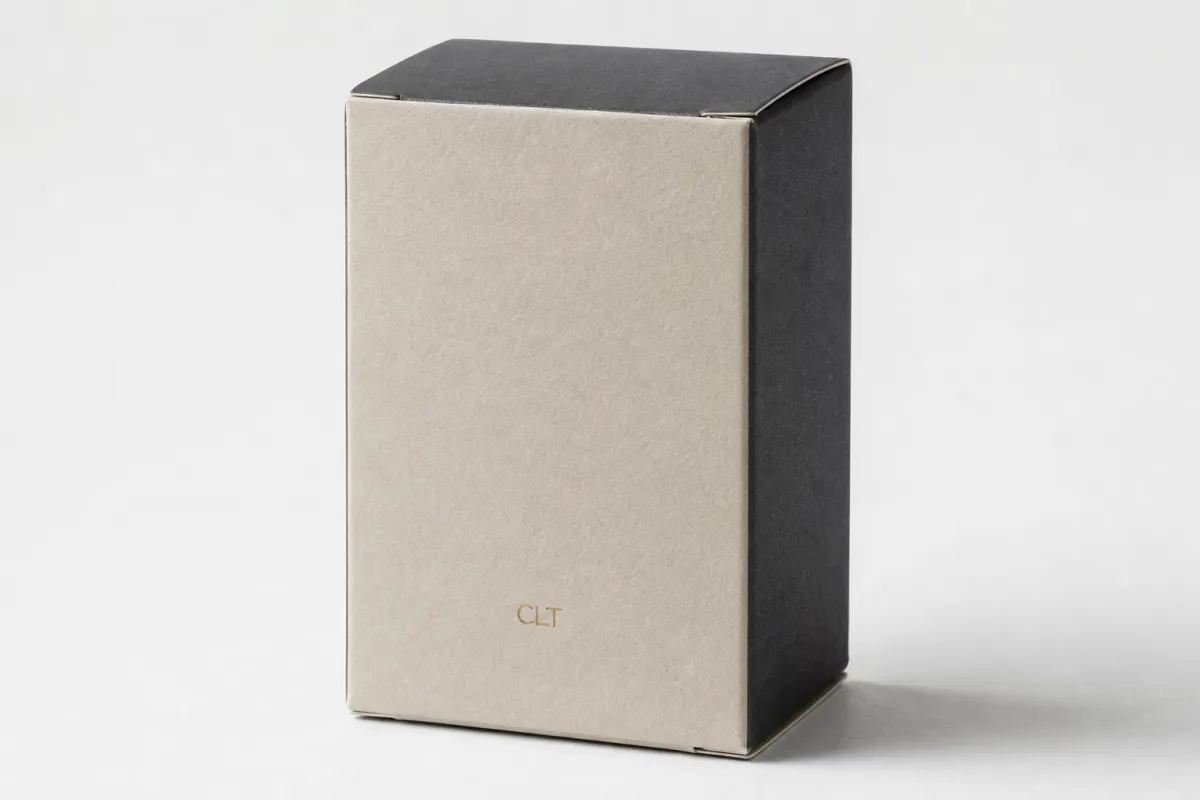
Printed lock bottom boxes with logo are folding cartons with an interlocking base that closes before the product goes inside. The bottom does not depend on one flap or a narrow glue line alone. It braces itself. That makes the structure stronger than many tuck-end cartons, especially when the item stands upright and gets handled repeatedly.
Most buyers focus on the logo because the logo is what people see first. Fair enough. Branding is the visible part of the decision, and it carries real weight on shelf. But the shape, board choice, and closure design do more of the heavy lifting. A well-built run of printed lock bottom boxes with logo can sharpen presentation, reduce bottom failures, and make pack-out less annoying for the fulfillment team. That last part gets underestimated all the time, and then somebody on the line is the one paying for it.
The structure sits between two extremes. It looks more polished than a low-cost mailer and costs far less than a rigid box. That gap matters. Cosmetics, supplements, candles, small electronics, and specialty food items often need exactly that balance: enough strength to travel well, enough print quality to look credible, and no unnecessary spend on box construction.
From a buyer's point of view, the format usually gives you:
- Retail presentation: a cleaner face than generic shipping cartons.
- Bottom strength: better support than many basic tuck styles for upright products.
- Budget control: lower unit cost than rigid packaging at useful volumes.
- Design flexibility: print, coating, lamination, and texture can all be tuned to the brand.
That mix explains why printed lock bottom boxes with logo keep showing up in packaging shortlists. They are not dramatic. They solve several problems at once, which is usually what the purchase order actually needs.
How Printed Lock Bottom Boxes with Logo Work in Shipping
The mechanism is straightforward. Side panels fold in, the bottom flaps interlock, and the base distributes weight across multiple folds instead of concentrating stress on one seam. With printed lock bottom boxes with logo, that load sharing is the reason the carton keeps its shape after repeated handling.
Anyone who has seen a standard carton split at the base already knows the failure mode. A little pressure, a heavy insert, or a rushed pack-out can turn the bottom into the weak point. Printed lock bottom boxes with logo reduce that risk because the closing pattern resists blowouts better than a simple tuck closure. On one sample review I sat through, a heavy glass jar shifted just enough to bulge a standard tuck carton, while the lock-bottom version held square. Not scientific theater, just the kind of difference that shows up after a few hundred units, which is where the real story starts.
The tradeoff is real. Lock-bottom cartons can take a bit more folding effort, so they are not always the fastest option on a high-volume fulfillment line. If the operation ships tiny, lightweight items at very high speed, the workflow should be tested before the design is locked. Saving damage while slowing throughput still creates a problem, and nobody gets a prize for fixing one bottleneck by creating another.
Logo placement deserves as much attention as the closure. Most brands print the mark on the outer panels, often centered on the main face, sometimes wrapped across multiple sides. Placement affects how the box reads from a shelf and how it survives folding. A logo too close to a crease can crack visually once the board is scored. On printed lock bottom boxes with logo, artwork should be planned around the dieline, not just around a flat mockup. That sounds obvious. In practice, it is the mistake I see most often.
Products that often fit this format include:
- Cosmetics and beauty kits
- Supplements and wellness products
- Candles and fragrance items
- Small electronics and accessories
- Specialty food packs
- Gift sets that need a more polished presentation
Shipping tests matter more than assumptions. Fragile or heavier products should be checked against transportation standards. The ISTA test methods are a practical place to start because they reflect actual shipping abuse better than a sample sitting on a desk. That is one reason brands order printed lock bottom boxes with logo alongside physical trials rather than trusting computer renderings.
Key Factors That Change Strength, Print Quality, and Fit
Three variables drive performance more than anything else: board choice, print finish, and sizing. Miss on any of them, and printed lock bottom boxes with logo start acting like expensive decoration. Get them right, and the carton does its job without drama.
Board choice comes first. Lighter retail packaging can work with 300gsm to 350gsm art paperboard. Better stiffness and cleaner print often come from 350gsm to 400gsm SBS or C1S board. Heavier products, rougher shipping routes, or awkward insert loads may call for thicker board, added internal support, or a different style entirely. No material rescues a bad weight decision. People still ask for that miracle, but it never shows up.
Finish changes both appearance and resistance to wear. Matte lamination gives a softer, quieter look. Gloss pushes color harder. Soft-touch feels premium in the hand, though it raises cost and can show scuffing in a different way depending on the ink system. Uncoated or lightly coated stock feels more natural, but it can absorb ink differently and offer less protection for the logo in transit. On printed lock bottom boxes with logo, finish should match the handling environment, not the rendering.
Fit is where many projects drift off course. A box that is 2 to 3 mm too loose lets the product slide. The packaging then feels cheaper than it should, even when the graphics are excellent. Too tight, and the carton fights the packer or crushes at the corners during closing. When inserts are involved, internal dimensions need to account for product shape, wrap, and cushioning. That detail matters even more with printed lock bottom boxes with logo because the bottom closure needs a square, even load to hold properly.
Practical sizing advice:
- Measure the product with its full retail configuration, not just the bare item.
- Leave room for inserts, cushions, or tissue if they are part of the pack-out.
- Allow enough clearance so the product slides in without forcing the base open.
- Test a sample with the same closure pressure used on the packing table.
Sustainability decisions should stay grounded in performance. Recycled content helps only if the board still meets compression and print requirements. Right-sizing usually cuts material more effectively than chasing a greener label on the spec sheet. The EPA recycling resources are useful for understanding recovery expectations, but the package still has to survive the trip. Attractive paper that collapses is not sustainable. It is waste with nicer branding.
If sourcing credentials matter, FSC certification can be a credible signal. The FSC system is a clear reference point for responsible fiber sourcing, though it does not replace real packaging testing. For printed lock bottom boxes with logo, sustainability and strength should be checked separately rather than bundled into one vague promise. That distinction sounds small, but it prevents a lot of bad decisions later.
Printed Lock Bottom Boxes with Logo Cost, Pricing, and MOQ Basics
Printed lock bottom boxes with logo are usually priced by board grade, print complexity, coatings, die-cutting, and order quantity. That sounds simple. It rarely is. Two suppliers may quote the same size and still be selling very different products. One may use thicker board, tighter print registration, and a better coating. Another may appear cheaper because it quietly removed the parts that help the box survive.
For planning, a rough pricing frame helps. These are broad ranges for Custom Folding Cartons in this style, not promises, because quantity and specification details change the math:
| Option | Typical Use | Approx. Unit Price at 5,000 pcs | Cost Pressure |
|---|---|---|---|
| Simple print on standard SBS board | Light retail products, basic branding | $0.22-$0.38 | Low to moderate |
| Matte or gloss laminated carton | Cosmetics, candles, premium retail | $0.28-$0.48 | Moderate |
| Soft-touch or specialty finish | Premium presentation, gift items | $0.35-$0.65 | Higher |
| Heavier board with insert-ready sizing | More fragile or weight-sensitive products | $0.30-$0.58 | Moderate to higher |
At low quantities, the unit price climbs because setup costs are spread over fewer boxes. At larger volumes, tooling gets diluted and the per-box price usually falls. That is normal manufacturing behavior, not a supplier trick. A run of 500 boxes is rarely economical. A run of 10,000 can be much more efficient if the design is already locked and the print spec is clean.
MOQ exists because production carries fixed setup costs: dieline prep, plates, cutting, folding, inspection, and packing. Suppliers set minimums to cover those costs. That is not a mystery, and it is not hostility. Still, low runs usually mean fewer finish options and a higher unit cost. The effect shows up fast with printed lock bottom boxes with logo that need custom dies and tighter color control.
Ways to control cost without making the carton look cheap:
- Cut unnecessary special finishes.
- Use fewer print passes if the artwork allows it.
- Keep the box dimensions standard where possible.
- Choose a board grade that matches the load rather than the mood board.
- Use a clean logo treatment instead of oversized full-wrap effects.
The lowest quote often turns into the most expensive mistake. If the board buckles, the print scuffs, or the bottom needs rework on the packing line, the savings disappear. For anyone pricing printed lock bottom boxes with logo, compare board, finish, and quantity side by side. If you need broader options for custom builds, start with Custom Packaging Products and compare structure against product weight before you commit.
Ask every supplier to quote the same assumptions: same dimensions, same board thickness, same print coverage, same finish, same quantity, same shipping method. Without that, quote comparison is mostly fiction. It is also how people end up defending the wrong number in a meeting because the spec changed three times and nobody marked the difference.
Production Steps and Timeline for Printed Lock Bottom Boxes with Logo
Packaging moves faster when the brief is tight. The production path for printed lock bottom boxes with logo usually runs through brief, dieline, artwork setup, proofing, sampling, approval, mass production, and shipping. Leave out one step and the schedule starts drifting. Leave out two, and people will be guessing with expensive paper.
The longest delays tend to come from artwork corrections, size changes, sample revisions, and finish adjustments. A logo that looks centered on screen can sit too close to a fold line once the dieline is opened. Then the proof gets revised. Then the sample gets corrected. Then everyone learns, again, that packaging is not a shortcut. It is a chain of tiny decisions that only looks simple after the fact.
A realistic timing framework looks like this:
- Artwork and dieline setup: 1-3 business days if the specifications are clear.
- Sampling or prototype: often 3-7 business days.
- Production after approval: commonly 10-20 business days, depending on quantity and finishes.
- Shipping: transit time is separate, especially for overseas orders.
First-time custom work nearly always takes longer than a repeat order. More questions need answers. If the dimensions, product weight, Pantone target, and finish choice are already fixed, the process moves faster. Experienced buyers build a spec sheet before asking for pricing on printed lock bottom boxes with logo. It keeps guesswork out of the conversation and gives the supplier something real to quote against.
That spec sheet should include:
- Exact product dimensions and weight
- Box internal and external size targets
- Quantity needed
- Logo files in vector format
- Pantone or CMYK color expectations
- Finish choice and any special coating
- Target ship date and launch date
If the product is fragile, expensive, or oddly shaped, order a physical prototype. A sample reveals things renderings never can: how the bottom locks, how the product sits inside, whether the logo crosses a fold cleanly, and whether the packing team can close the box without a fight. That is why printed lock bottom boxes with logo should be tested in the real pack-out environment instead of being approved only on a screen.
When comparing suppliers, speed should not be the only variable. A box that arrives three days faster is useless if the print color drifts, the sample needs rework, or the launch slips anyway. Timing matters. Timing plus fit matters more. If you have ever watched a rushed run get held back because the carton kept popping open at the base, you already know that three saved days can vanish in one afternoon.
Common Mistakes Buyers Make With Printed Lock Bottom Boxes with Logo
The first mistake is sizing the carton around the product and forgetting the rest of the pack-out stack. Inserts, sleeves, tissue, tape, and protective padding all take space. Skip those allowances and printed lock bottom boxes with logo become either too tight to close or too loose to protect anything. That gap between theory and real-world packing is where a lot of budget gets burned.
The second mistake is treating artwork like a flat poster rather than a folded carton. Low-resolution files, missing bleed, and logos placed too close to seams lead to ugly surprises after cutting. On a lock-bottom carton, the base and fold lines can pull attention straight into a weak spot if the layout is careless. A printer can help; they cannot rescue a bad source file. Once the crease has chewed through the mark, the damage is visible forever.
The third mistake is choosing a finish because it looks good in a mockup. Some coatings scuff faster. Some laminations show fingerprints. Some uncoated stocks look premium under one light and dull under another. Printed lock bottom boxes with logo need a finish that matches transit, storage, and retail handling, not fantasy lighting. Kinda obvious, but still skipped enough to matter.
The fourth mistake is comparing quotes without checking the spec sheet. One supplier may quote 350gsm SBS with matte lamination and a proper dieline. Another may quote lighter board, simpler print, and no protective coating. Those are not equal prices. They are different products with different risk levels.
The fifth mistake is skipping practical pack-out testing. The box may look good when empty, then buckle under stacking or on a shipping cart. That is where compression and transport checks matter. If a benchmark is needed, use real handling tests and, where appropriate, refer to ISTA packaging test guidance rather than assuming the carton is fine because it closed once on a table.
The outcome of these mistakes is predictable:
- Wrong sizing leads to movement, crushed corners, or pack-line friction.
- Poor artwork leads to reprints, visible seams, and brand damage.
- Bad finish choices lead to scuffs, fingerprints, and return complaints.
- Bad quote comparisons lead to false savings and rushed reorders.
None of that is glamorous. It is just expensive. Packaging does not care about the launch calendar, and it certainly does not care how polished the render looked on the first presentation slide.
Expert Tips and Next Steps for Printed Lock Bottom Boxes with Logo
Start with a spec sheet. That is the cleanest way to quote printed lock bottom boxes with logo without endless back-and-forth. Include product dimensions, weight, quantity, print colors, finish, insert needs, and the ship date. A product photo next to a ruler helps too. It removes one more round of uncertainty from the process.
Then decide what the carton must do. Protect the product? Look good on a shelf? Survive e-commerce fulfillment? All three? The structure should be the lightest version that still protects the item. Spend the rest of the budget on print quality, fit, and a finish that can withstand handling. That is usually the smarter move with printed lock bottom boxes with logo.
Order a sample whenever the product is fragile, expensive, or unusual in shape. A prototype costs money, but not nearly as much as a full run that fails. The sample also shows whether the logo feels balanced once the box is folded, filled, and sealed. A brand mark can look elegant on screen and awkward on a real crease. That happens more than people want to admit.
Before approving production, check the box in three settings:
- On the table: does the closure feel secure and intuitive?
- On the pack line: can the team fill and close it without slowing down?
- In transit: does the structure hold under stacking, vibration, and light compression?
That three-step check catches most issues before they become expensive. It also shows whether printed lock bottom boxes with logo are the right structure or whether a different carton style makes more sense for heavier loads.
If you are still comparing options, use a simple decision rule: choose the lightest structure that protects the product, then refine the logo presentation as far as the budget allows. That keeps the packaging from becoming overbuilt when the item does not need it. It also keeps you from underbuilding and hoping for the best. The goal is not a fancy carton. The goal is a carton that survives its trip and still looks like it belongs to the brand when it arrives.
For teams building a new packaging line, it helps to review broader product options on Custom Packaging Products and compare structural choices before placing a final order. That step often reveals whether printed lock bottom boxes with logo are the right fit or whether a different carton shape will save time and money.
Final checklist:
- Confirm the exact product size and weight
- Choose the board grade that matches the load
- Pick finish based on handling, not just appearance
- Keep artwork away from folds and seams
- Request a prototype for anything fragile or premium
- Compare quotes only after matching the same specs
- Approve production only after real pack-out testing
If you follow that list, printed lock bottom boxes with logo become a dependable packaging choice instead of a guess. That is the actual goal, and it is the one that saves the most money once the orders start shipping.
Are printed lock bottom boxes with logo strong enough for shipping heavier products?
Yes, if the board grade, box size, and closure are matched to the product weight instead of chosen by guesswork. Printed lock bottom boxes with logo work well for many mid-weight items, but very heavy products may need inserts, thicker board, or a different structure. I would not use them blindly for anything with a lot of downward load, especially if the carton has to survive repeated handling before it reaches the customer.
What is the best material for printed lock bottom boxes with logo?
The best material depends on weight, handling, and finish needs, but stronger paperboard is usually the starting point. For many retail uses, 350gsm to 400gsm SBS or C1S is a practical range. Recycled content can work well if it still meets compression and print-quality requirements. The material has to do the job first, and then the brand layer sits on top of that. Not the other way around.
What MOQ should I expect for printed lock bottom boxes with logo?
MOQ depends on the supplier, print method, and setup costs, but custom packaging usually has a minimum to keep pricing efficient. If you need a low run of printed lock bottom boxes with logo, expect a higher unit cost and fewer finish options. That is how setup economics work, whether people like it or not. The machine still has to be set up, the die still has to be cut, and the labor does not vanish because the order is small.
How long do printed lock bottom boxes with logo take to produce?
Timeline depends on sampling, artwork approval, and production queue, but custom orders usually take longer than stock packaging. A realistic range is often 10-20 business days after approval for production, plus sampling and shipping time. The fastest way to avoid delays is to send exact specs and approve proofs quickly. If the dieline keeps changing, the schedule will slip, and it will do so with perfect indifference.
How can I lower the cost of printed lock bottom boxes with logo without making them look cheap?
Keep the structure and artwork clean, reduce unnecessary finishes, and use the smallest practical box size. Spend budget where customers notice it most: fit, print clarity, and a finish that supports the brand. Good printed lock bottom boxes with logo do not need five special effects to look credible. A clean logo, accurate color, and a carton that closes properly usually beat flashy extras that only add risk.
Do printed lock bottom boxes with logo work better for retail or e-commerce?
They can work for both, but the spec should change based on the channel. Retail needs shelf appeal and clean graphics. E-commerce needs stronger transit performance and better resistance to crush or scuffing. If you are trying to do both, test the packaging against the harsher channel first. The weaker channel usually gets covered automatically, so it makes sense to design for the rougher trip and let the easier one benefit from that margin.
If you want a packaging format that looks clean, holds up better than a basic tuck carton, and does not force you into rigid-box pricing, printed lock bottom boxes with logo deserve serious attention. Get the size right, match the board to the load, and keep the print spec honest. That is how printed lock bottom boxes with logo stay useful instead of becoming another pretty box that fails in transit.


