Buyer Fit Snapshot
| Best fit | Printed Mailing Bags for Boutiques projects where brand print, material claims, artwork control, MOQ, and repeat-order consistency need to be specified before quoting. |
|---|---|
| Quote inputs | Share finished size, material target, print colors, finish, packing count, annual reorder estimate, ship-to region, and any compliance wording. |
| Proofing check | Approve dieline scale, logo placement, barcode or warning zones, color tolerance, closure strength, and carton packing before bulk production. |
| Main risk | Vague material claims, crowded artwork, missing packing details, or unclear freight terms can make a low unit price expensive after revisions. |
Fast answer: Printed Mailing Bags for Boutiques: Style Meets Shipping should be specified like a repeatable production item. The safest quote records material, print method, finish, artwork proof, packing count, and reorder notes in one written spec.
Production checks before approval
Compare the actual filled-product size with the drawing, then confirm tolerance on folds, seals, hang holes, label areas, and retail display edges. Reserve space for logos, QR codes, warning copy, and material claims before decorative graphics fill the panel.
Quote comparison points
Review material grade, print process, finish, sampling route, tooling charges, carton quantity, and freight assumptions side by side. A quote is only useful when the supplier can repeat the same color, closure quality, and packing count on the next order.
Printed Mailing Bags for Boutiques: Style Meets Shipping
Printed Mailing Bags for boutiques do a plain job with an unusually large effect: they move soft goods from shelf to doorstep while making the shipment feel intentional rather than incidental. A plain mailer disappears into the background the moment it lands on a porch. A printed one leaves a sharper imprint. It tells the customer that the package came from a business that thought about the presentation, not just the product inside it.
That matters because boutique shipping lives in a narrow margin band. Protection has to be adequate, postage has to stay controlled, presentation has to feel on-brand, and the unit cost cannot eat into the profit on a $48 blouse or a $72 accessory set. Printed Mailing Bags are strong candidates for apparel, lightweight accessories, gift items, and other products that do not need the crush resistance of a rigid box. They are light, stack neatly, and usually cost less to ship than cartons because they add very little dimensional weight. Not glamorous. Very practical.
If you are comparing mailers, boxes, and other branded packaging, the right answer usually depends on product type, perceived value, and how much ceremony the unboxing really needs. The sections below cover the decisions that actually shape a buying choice: what these mailers are, how they print, what drives the price, how long production takes, and which mistakes turn a tidy packaging plan into a headache.
Printed Mailing Bags for Boutiques: What They Are and Why They Sell
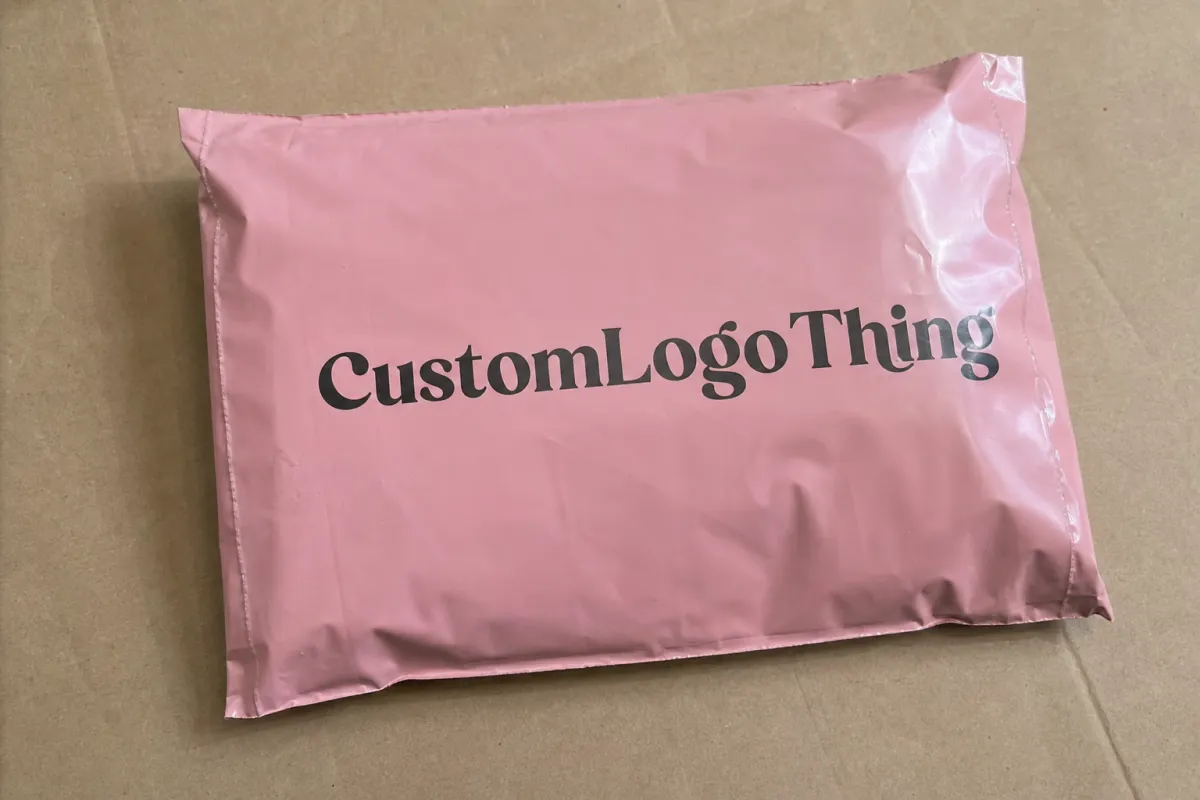
At the simplest level, printed mailing bags are lightweight Branded Poly Mailers used to ship boutique products. Picture polyethylene film, a self-seal adhesive strip, and a printed exterior with your logo, pattern, brand name, or a short message. They are common for folded apparel, scarves, small accessories, and products that do not need a hard-sided shipper.
Plenty of boutiques keep returning to them for the same reasons. A good mailer helps protect against dust and moisture, keeps packing labor fast, and puts the brand name on the outside of the parcel. That is a lot of work for one piece of packaging. For a packaging buyer, that combination matters because it gives a small brand structure and polish without forcing every order into box-level costs.
Compared with a plain mailer, a printed version changes the first impression before the customer even opens the package. That is the point. A gray or white bag says, in effect, “something was shipped.” A printed bag says the shipment came from a specific business that cared enough to make the packaging part of the experience. The signal is small, but repeat purchase behavior often starts with small signals. Packaging is one of them.
Boxes still earn their place. Fragile candles, rigid gift sets, ceramics, and other items that need crush resistance or a more ceremonial reveal often belong in cartons. For soft goods, though, printed mailing bags for boutiques usually win on cost, weight, storage, and speed. They also reduce the extra materials that gather around a small order. Less filler. Less tape. Less time at a packing station that looks like it has already had a long day.
There is a brand-fit question hiding underneath the logistics. Some boutique labels want premium, but not fussy. They want a clean delivery presentation that feels polished without drifting into ribbon-and-rhinestone territory. In that lane, printed mailers often land in the sweet spot. They are practical enough for daily use and branded enough to leave a mark.
For newer brands, the value is even more concrete. A boutique with 200 monthly orders might not feel a printed mailer is essential on day one. Then the owner starts noticing that every parcel leaving the studio is also a small piece of advertising, a return address, and a first impression. The math changes quickly. Packaging that travels with the order keeps working after the sale is made.
“The best mailer is the one that fits the product, prints cleanly, and ships without drama. Fancy is nice. Consistency is nicer.”
For boutiques building a broader packaging system, pairing mailers with a consistent label, thank-you card, or tissue wrap can tighten the whole presentation. If you want a related shipping option, Custom Poly Mailers are a useful starting point for comparing sizes, print coverage, and finish choices.
How Printed Mailing Bags Work in Everyday Boutique Shipping
A printed mailer is not complicated, but the details matter. Most boutique mailers have four basic parts: the outer film, the printed layer or ink application, the adhesive closure strip, and sometimes a tear strip or tamper-evident feature. The film handles protection. The print handles branding. The adhesive keeps the package shut. The tear strip makes opening cleaner for the customer, which feels minor until a recipient has to fight a package and remembers the struggle more than the product.
Print can be done in a few ways, depending on the supplier and order size. Spot-color printing is common for clean logos, one- or two-color brand marks, and repeat patterns. Full-color printing opens the door to gradients, illustrations, and richer designs. The tradeoff is easy to see. More colors and more coverage usually raise the quote. Large solid fills and full-bleed artwork can also expose registration issues or small inconsistencies more quickly than a modest logo placement.
Size is where many boutique owners become too optimistic. A mailer that looks sleek in a mockup may be too tight for folded denim, chunky knitwear, padded inserts, or a bundle of mixed items. On the other side, an oversized bag wastes material and makes the shipment look underfilled. The right size usually leaves enough room for the product to slide in without a lot of excess air. You are not packing a sleeping bag. You are trying to ship efficiently.
For apparel, the fold matters as much as the outside dimensions. A T-shirt may fit in a smaller bag than a sweater. A scarf wrapped in tissue can behave differently from one tucked into a poly sleeve. For accessories, the question is whether the item ships alone or alongside an insert card, return slip, or protective pouch. A half-inch can change whether the bag feels tidy or sloppy.
Printed mailing bags for boutiques also work well because they are lightweight. That helps with postage, especially for brands shipping a high volume of soft goods. A box may feel sturdier, but it also adds dead weight and usually costs more to move. Many carriers price by dimensional weight on certain lanes, so every unnecessary inch matters. Small packaging mistakes become expensive at scale. They always do.
There is a moisture-resistance angle too. Poly mailers are not waterproof in the sense a dive bag is waterproof, but they handle rain and wet porches far better than a paper outer shell. For boutique orders that do not need crush protection, that is a useful tradeoff.
If your shipping program includes transit testing, or you want to compare packaging performance claims, the ISTA testing standards are a sensible reference point. They are widely used for packaging validation and help brands think beyond “looks good in a photo” toward “survives real handling.”
What customers notice first
They usually notice three things: whether the closure feels secure, whether the package opens cleanly, and whether the exterior looks like the brand they expected to buy from. That is why a small print detail matters. A centered logo with crisp edges reads as intentional. Crooked print or muddy color does the opposite.
From a customer-experience angle, the best mailers do not fight the packer and do not frustrate the recipient. They seal once, stay sealed, and open without a wrestling match. That is enough. The mailer does not need to perform a miracle. It just needs to do the job.
In practice, that means the packaging should fit the workflow at the packing table as much as it fits the brand story. A boutique shipping from a back office with one part-time packer has different needs from a label sending 1,200 orders a week. The mailer that saves ten seconds per order can matter more than the mailer that looks slightly better in a mockup.
Cost and Pricing: What Affects Your Quote and Unit Cost
Pricing for printed mailing bags usually comes down to six variables: size, material thickness, print coverage, number of colors, order quantity, and finishing details. Once you understand those pieces, quotes stop looking random. They are not random. They are packed with tradeoffs.
Size affects how much film is used per bag and can also influence printing setup. Larger bags cost more to produce and ship. Thickness, often described in microns or mils, matters because a heavier film uses more material and usually feels more substantial. Print coverage raises cost when the design covers more of the surface or requires more ink. Colors add complexity, especially if the art needs tight registration. And quantity is the big one: the lower the run, the more setup cost gets spread across each bag.
MOQ, or minimum order quantity, is where small brands feel the squeeze first. A supplier may be willing to make 500 bags, but the unit price can be materially higher than at 3,000 or 5,000 pieces. That does not mean the quote is bad. It means the setup work, material prep, and press time are being spread across fewer units. A boutique owner who only looks at the line-item price can end up choosing badly. Unit cost is useful. Landed cost is better.
Landed cost includes the quote plus freight, proofing, setup charges, and any extra storage or handling fees. If your order ships in one large batch and sits in a back room for six months, that belongs in the real cost too. Packaging that looks cheap can still be expensive if you overbuy the wrong size or have to reprint because the artwork was not ready. The cheapest quote on paper is often the one that invites the most creative accounting later.
Here is the comparison most boutique buyers need before they settle on a packaging direction:
| Packaging Option | Typical Use | Relative Cost | Weight Impact | Branding Impact | Best Fit For |
|---|---|---|---|---|---|
| Plain poly mailer | Basic shipping protection | Lowest | Very low | Low | Budget-focused orders, temporary use, low-brand-risk shipments |
| Printed mailing bags for boutiques | Branded apparel and accessories shipping | Moderate | Very low | High | Soft goods, repeat customers, strong brand presentation |
| Printed cartons | Structured or fragile packaging | Higher | Higher | High | Gift sets, fragile items, premium unboxing |
For many boutiques, the cost increase from plain to branded mailers is worth it because the packaging becomes a marketing touchpoint that travels with the order. A logo on the outside of the bag can do more brand work than a dozen social posts nobody sees after a scroll. Harsh, but true.
For a broader view of sustainability claims, recycled-content language, and waste reduction resources, the EPA recycling resources are a useful place to sanity-check assumptions before you buy. They will not tell you which mailer to order, but they do help frame the waste conversation with less fluff and more substance.
If you are comparing other branded shipping options, internal references help keep pricing discussions grounded. It is smart to compare printed mailers against Custom Poly Mailers in the same size range so you can see whether a different film thickness or print layout changes the quote in a meaningful way.
Where the hidden costs show up
Proofing can cost time, even when it does not cost much cash. Color matching can trigger revisions. Storage may matter if you buy enough units to last a long time. Freight on a heavy carton of packaging can also be more annoying than expected because you are paying to move air, not just product. It is the glamorous side of procurement. Clearly not.
The smarter way to buy is to ask for pricing at two or three quantities, such as 1,000, 3,000, and 5,000 pieces. That shows the breakpoints clearly. A few hundred extra bags can sometimes lower the per-unit cost enough to matter, but only if you can actually store and use them before the design changes or the season shifts.
It also helps to ask what the quote does not include. Some suppliers bundle the proof into the project; others treat it as a separate step. Some quote freight to a dock, others to a door. A “cheap” bag can stop being cheap the moment the missing line items appear. Buyers who ask for the full landed cost usually make better decisions than buyers who chase the lowest headline number.
Production Process and Turnaround: From Artwork to Delivery
The production path for printed mailing bags usually follows the same sequence: artwork prep, proof approval, setup, production, inspection, packing, and shipping. The details inside each step vary by supplier and print method, but the order does not change much. The main variable is how ready your file is before the supplier touches it.
If your logo file is clean, the dimensions are finalized, and the color references are clear, the project moves faster. If the artwork is still being debated by four different people with strong opinions about “slightly warmer beige,” the schedule stretches. Production does not care about meetings. It cares about finalized files.
Turnaround time means the period from approved proof to shipment or delivery. Lead time is the broader window that includes artwork review, sampling, production, and transit. Those two terms get mixed up constantly, which is how people end up expecting a three-day job that was never going to be a three-day job. A realistic quote should tell you both the production time and the shipping time. If it does not, ask again.
For simple orders with standard materials and straightforward art, production can move fairly quickly. Once you add custom sizing, multi-color printing, or a specialty finish, the schedule usually stretches. That does not automatically mean the supplier is slow. It means more variables are being controlled. Control takes time. Time costs money. Packaging is not magic.
Sample approval is one of the best places to prevent expensive problems. A sample can show whether the logo sits too close to the edge, whether the color feels off next to your actual brand palette, or whether the bag size is awkward with your common product folds. Fixing those issues before the full run is printed is far cheaper than discovering them after 4,000 bags are already boxed and heading to your warehouse.
Rush orders are possible in some cases, but they usually cost more and reduce flexibility. You may have to accept whatever stock the factory has on hand, simplify the artwork, or give up a special finish. That is not a scam. It is the price of compressing a production queue. If a boutique needs packaging for a launch date, a sale, or a season start, a rush can make sense. Just do not expect every customization option to survive the deadline pressure.
One detail buyers often miss is the difference between a print-ready file and a file that merely opens in design software. A packaging supplier may still need bleed, safe zones, line weight checks, or a vector logo. That sounds tedious because it is. It also prevents fuzzy edges, clipped text, and shifted seams. The easiest problems to fix are the ones caught before the factory starts running material.
What a realistic timeline looks like
For a boutique order with standard dimensions and approved artwork, a practical planning range often lands around 10 to 20 business days for production, plus transit time. More complex runs can take longer. Custom sizing, multiple print colors, or heavy proofing can push the schedule out further. If a supplier promises a miracle without asking questions about your art files, that is not confidence. That is sales behavior.
Ask for the timing in writing. Ask what part is production and what part is shipping. Ask what happens if the proof needs a revision. Those three questions prevent a lot of unnecessary panic.
If your boutique works around seasonal drops, build the timing backward from the launch date, not forward from the purchase order. A spring collection with a deadline in March does not care that your supplier needs a week to revise artwork. Packaging only feels late after the calendar has already moved on.
How to Choose the Right Printed Mailing Bags for Your Boutique
The right choice starts with the product, not the packaging catalog. Ask what you ship most often: folded apparel, accessories, mixed bundles, gift items, or something else. Then work outward from there. The best bag is the smallest one that fits comfortably, seals cleanly, and protects the contents without making the package feel overstuffed or slack.
If your boutique ships apparel, you probably need to think about thickness, fold count, and whether the item already sits inside a clear inner sleeve. For jewelry or small accessories, a mailer paired with an insert card or pouch may keep the inside of the package feeling tidy. For gift items, matte finishes or darker opaque colors often read as more premium because they hide the contents and look deliberate.
Color is not just decoration. It changes the brand read. A glossy white bag feels different from a matte black one. A pastel mailer can feel friendly and fashion-forward, while a bold saturated color may read as louder and more promotional. Neither is right or wrong. They signal different things. If your brand language is soft and minimal, do not pick a package that shouts before the customer opens it.
Thickness is the part buyers often underestimate. A thin mailer may be fine for light apparel, but if the contents have sharp edges, awkward corners, or multiple items, a stronger bag can spare you damage claims and returns. You are not trying to build a shipping bunker. You are trying to avoid a weak point that breaks at scale. Thin packaging works until it does not.
Closure style matters too. A strong adhesive strip is standard, but some orders benefit from tamper evidence or a tear strip. If your brand ships higher-value items, the recipient may appreciate a package that opens neatly and feels secure on arrival. It is a small detail. Small details are often where packaging either earns its keep or irritates everyone involved.
One practical rule helps simplify the decision: choose the smallest bag that fits your most common shipment, then evaluate branding and durability from there. If the bag is too big, it looks wasteful and can shift during transit. If it is too tight, packing slows down and product presentation suffers. That middle zone is where good packaging lives.
There is also a buyer-side reality that catalog photos hide. A mailer can look fine in a studio shoot and still behave badly in a busy packing room. If it sticks too aggressively, tears too easily, or curls at the seam, staff will avoid it. Packaging that annoys the person who packs orders every day rarely survives long, no matter how attractive it looks online.
Decision checklist by product type
- Apparel: focus on fold-friendly sizing, adhesive quality, and a thickness that avoids punctures from zippers or hardware.
- Jewelry and accessories: prioritize presentation, print clarity, and enough interior room for inserts or protective pouches.
- Gift items: consider matte finishes, opaque colors, and a cleaner print layout that looks polished on arrival.
- Mixed shipments: stock two sizes instead of forcing one bag to do everything badly.
There is also a practical brand question: do you want the packaging to disappear, or do you want it to speak? Printed mailing bags for boutiques usually make sense when you want the package to support recognition without taking over the whole unboxing moment. If you need a shipping option that fits that approach, Custom Poly Mailers are worth comparing against your current setup before you commit to a full packaging change.
Common Mistakes Boutiques Make With Printed Mailing Bags
The first mistake is size optimism. A bag that looks perfect on a spec sheet can look clumsy in real use if the product is bulkier than expected or if you forgot to account for inserts, tissue, or protective sleeves. Oversized mailers waste material and can make the shipment look loose. Undersized bags are worse because they slow packing and can stress seams or adhesive.
The second mistake is overdesigning the print. Too much text, too many icons, tiny slogans, and busy background art can all work against the final result. Printing on flexible film is not the same as printing on a poster. Fine details can soften, especially if the color contrast is weak or the design sits too close to the edge. Clean branding usually performs better than a crowded layout trying too hard to prove it has personality.
The third mistake is ignoring the actual shipping environment. A mailer needs a solid seal, decent moisture resistance, and enough toughness to survive sorting, stacking, and transit friction. If the adhesive is weak, the bag can fail in a way that is expensive and embarrassing. Not ideal when your customer is opening the package after waiting for it to arrive.
The fourth mistake is chasing the lowest quote without checking the real inputs. A cheap bag with weak adhesive and off-brand color is not a bargain. It is a future complaint. The same goes for suppliers that offer a quick price but leave out proofing, freight, or setup details. That is not pricing. That is a teaser.
The fifth mistake is bad reorder planning. Packaging almost always gets ignored until it is nearly gone. Then the buyer discovers that production takes longer than expected, freight adds a few days, and the next shipment is not due for another week. That is how people end up paying rush fees to solve a problem they created with a calendar. There is nothing glamorous about last-minute packaging panic.
“If your reorder point is ‘we have two boxes left,’ you do not have a reorder point.”
Another common issue is skipping sample validation. A PDF mockup is not the same thing as a finished bag in hand. Check logo placement, color tone, surface finish, seam strength, and opening behavior before you commit to the full run. That one step often prevents the kind of mistake that quietly annoys every order after it ships.
There is also the quieter mistake of assuming all “eco” claims mean the same thing. Recycled content, recyclable material, and post-consumer recycled resin are not interchangeable terms. A supplier may use one phrase for marketing and another for the actual material specification. Ask for exact percentages and written documentation if sustainability is part of the buying decision. Otherwise, the claim can sound better than the packaging performs.
Expert Tips and Next Steps for Ordering Printed Mailing Bags for Boutiques
Start with an audit of what you actually ship. List your most common product types, average folds or bundle sizes, and the packaging you use today. Measure the items with inserts if those inserts ship in the same bag. Then write down the two or three sizes that would cover most orders without forcing you to overpack or underfill.
Next, ask for quotes at multiple quantities. A 1,000-piece price, a 3,000-piece price, and a 5,000-piece price usually reveal whether the savings are meaningful or just theoretical. Sometimes the jump is tiny. Sometimes it is enough to justify a larger order. The point is to compare real unit economics instead of reacting to the first number you see.
Order samples or a short run if the brand is new to printed packaging. That is especially useful if you are testing a new logo arrangement, a color that is hard to match, or a finish that might photograph differently than expected. A small test can keep you from buying a huge batch of packaging that looked great on screen and strange in daylight.
Review artwork before approval like it matters, because it does. Check file resolution, logo placement, bleed, and color references. If the supplier uses CMYK, ask how close the printed result is likely to be to your brand color. If you are expecting a specific tone, say so. If your logo has thin lines or small type, verify whether the print method can hold those details cleanly. That is where mediocre files turn into mediocre results.
Build a reorder threshold before the first shipment arrives. A simple rule like “reorder when two months of stock remain” is far better than guessing based on a stack in the stockroom. Boutique packaging needs buffer time because printers do not live on your schedule. They live on production queues, transit lanes, and material availability. Charming, I know.
Think beyond the mailer itself. If your packaging story includes tissue, stickers, or insert cards, make sure the mailer color and print style do not fight the rest of the package. A strong packaging system feels coordinated without being overdone. That is usually the difference between intentional and merely decorated.
If you need a second branded shipping format for comparison, Custom Poly Mailers can help you test whether a different size, film weight, or graphic approach makes better sense for some of your products. Comparing options side by side is usually more useful than debating packaging in the abstract.
One last practical point: ask the supplier what standards or test methods they use if transit performance matters to your business. ISTA testing language, clear material specs, and written lead times tell you more than a polished sales page ever will. Packaging buyers who ask for specifics usually buy better packaging. Funny how that works.
If you are buying for a boutique with steady weekly orders, the most efficient path is usually simple: pick one core size for your most common product, validate it with a sample, then hold a second size only if a meaningful share of orders needs it. That keeps inventory manageable and reduces the chance of dead stock sitting on a shelf while your best-selling styles change.
Final Take for Boutique Orders
Printed mailing bags are not about impressing other packaging people. They are about making everyday shipping look considered, protecting lightweight products, and keeping costs under control. For apparel, accessories, and other soft goods, printed mailing bags for boutiques often hit the best balance of price, speed, and brand presence. They are simple, efficient, and far more useful than they get credit for.
If you Choose the Right size, keep the artwork clean, and plan your reorder timing early, the packaging stops being a hassle and starts doing real work for the brand. That is the goal. Not dramatic. Just effective. And for printed mailing bags for boutiques, effective usually beats flashy every single time.
The most practical next step is not to redesign everything. It is to compare your top two product sizes, request quotes at three order quantities, and approve a physical sample before the full run. That sequence answers the three questions that matter most: does it fit, does it print cleanly, and does the landed cost still make sense once freight and setup are included?
Are printed mailing bags for boutiques worth it for small orders?
Yes, if the bags improve brand perception and make the delivery feel more deliberate. Small orders usually cost more per bag because setup costs get spread across fewer units, so compare the unit price against the branding value. If cash flow is tight, start with one hero size instead of printing several bag sizes at once.
What size printed mailing bag should a boutique use?
Choose the smallest bag that fits your most common product without forcing it in. Measure folded apparel, padding, and any inserts before you pick a size. If you ship mixed products, it is often smarter to stock two sizes than to overstuff one bag and hope for the best.
How long does production usually take for custom printed mailing bags?
Turnaround depends on artwork approval, print method, and stock availability. Simple jobs can move faster, while custom sizing, extra colors, or larger runs usually take longer. Always ask for lead time in writing so your reorder date is not based on guesswork.
What affects the price of boutique mailing bags the most?
The biggest drivers are quantity, size, material thickness, and how much of the bag is printed. MOQ matters because lower quantities spread setup costs across fewer bags. Shipping, proofing, and any special finishing can move the landed cost more than buyers expect.
Are printed mailing bags better than boxes for boutique shipping?
For apparel and soft goods, printed mailing bags are often cheaper, lighter, and faster to pack. Boxes make more sense for fragile, structured, or gift-style products that need more crush protection. The right choice depends on product protection, branding goals, and shipping cost.

