Why Fitness Brands Need a Packaging Insert Checklist Before Ordering
A protein powder pouch can look perfect on a screen and still feel wrong in the hand. The zipper may sit too low. The matte surface may scuff before it reaches the shelf. The insert card may bow inside the bag like it is trying to escape. None of that shows up in a clean front-facing mockup.
A printed Matte Zipper Bags fitness packaging insert checklist keeps the practical details in one place: pouch size, film structure, zipper style, artwork, regulatory copy, barcode space, insert dimensions, packing method, and production tolerances. Not glamorous. Very useful.
Fitness products put flexible packaging under pressure. Powders create dust around the zipper track and seal area. Gummies can bring aroma, moisture, and oil concerns. Capsules need enough room to move without stressing the seams. Resistance bands, scoops, sachets, and cards add awkward bulk in places a flat dieline does not warn you about.
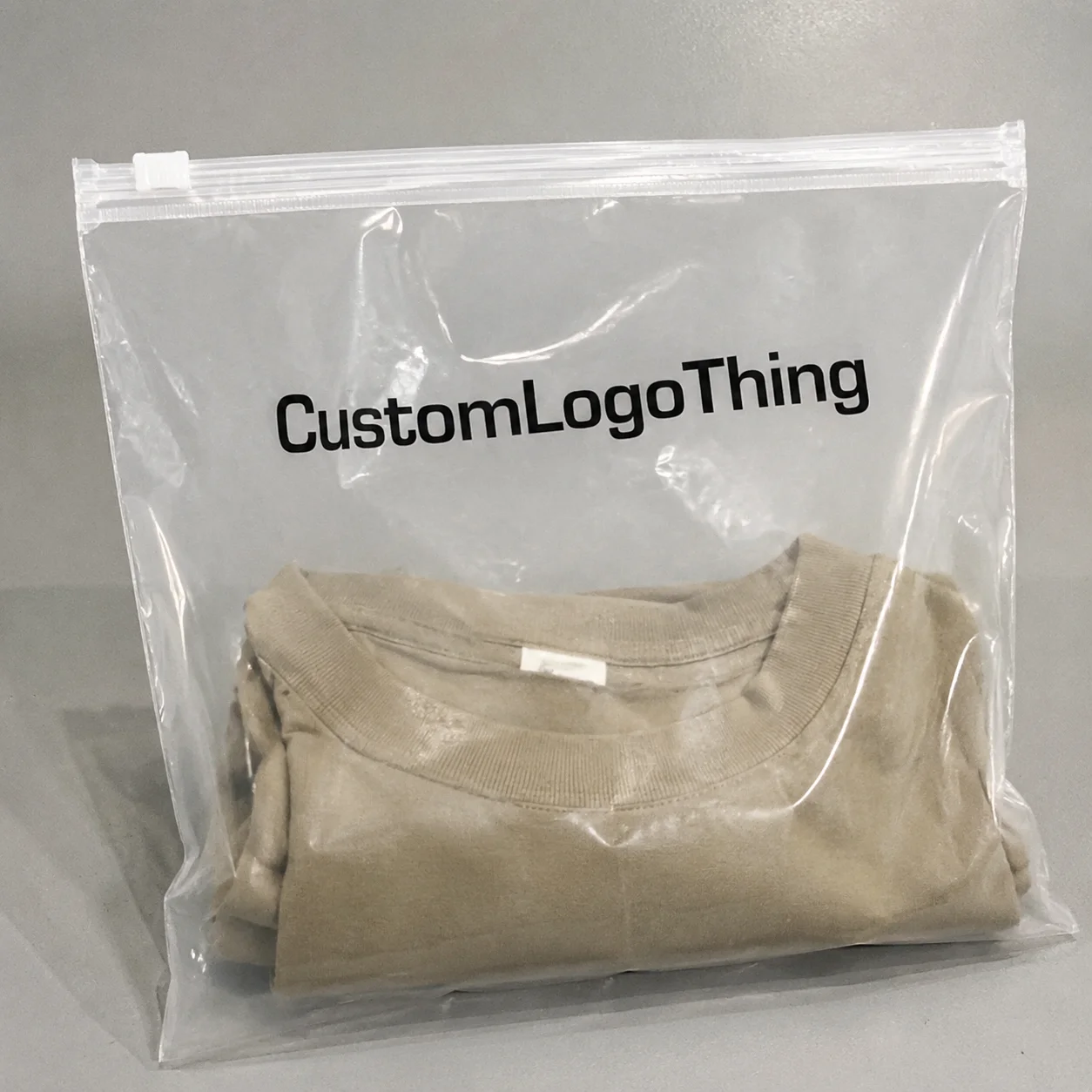
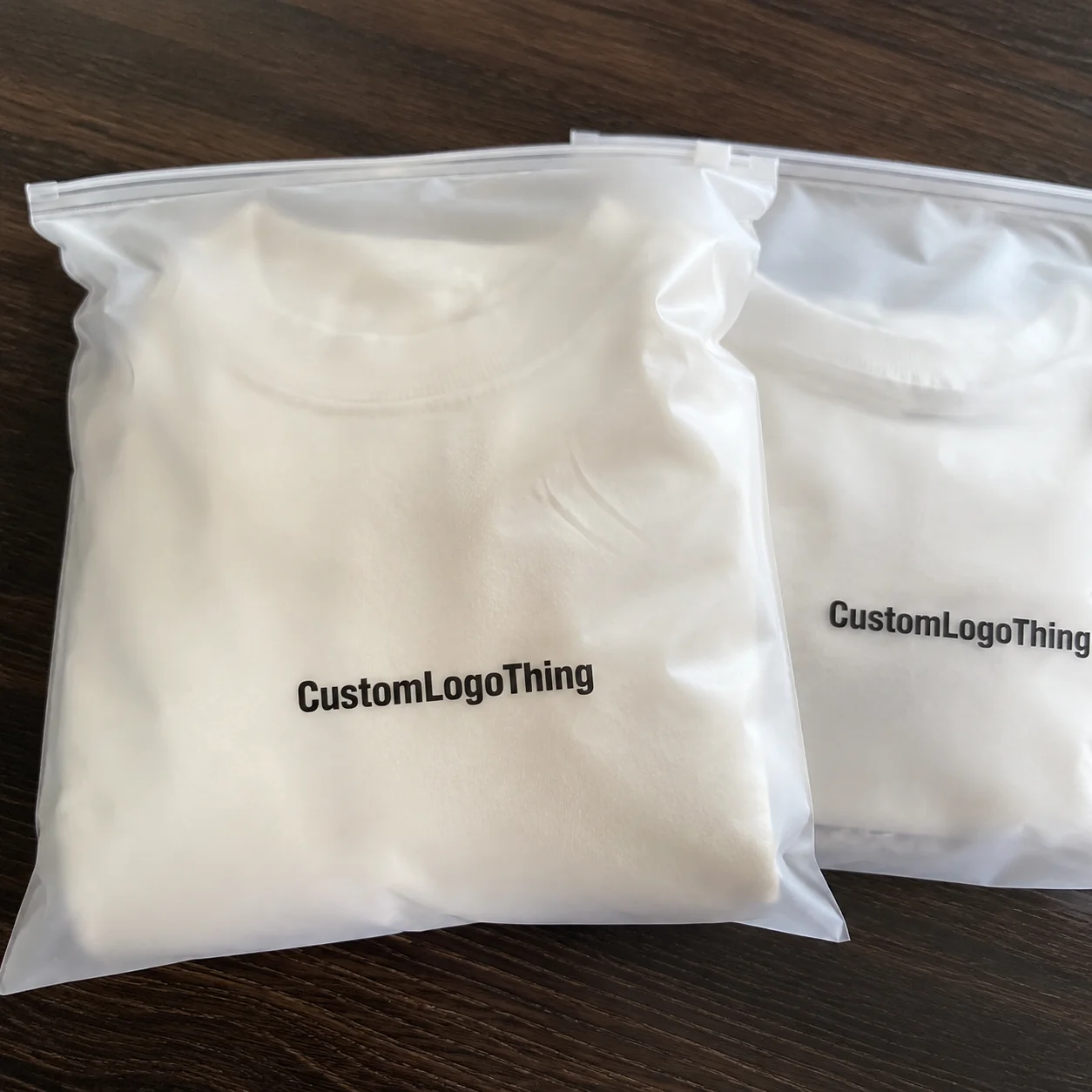
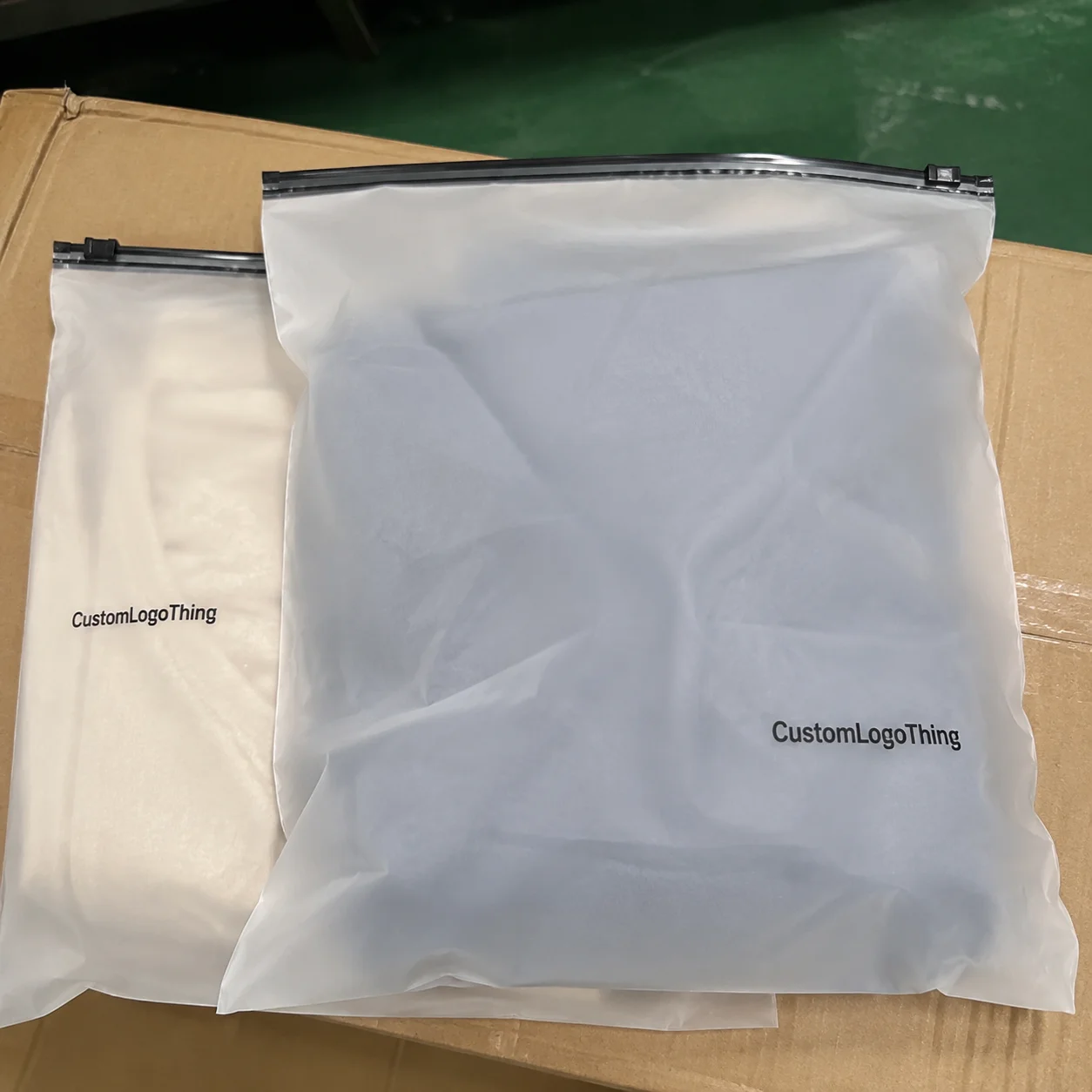
Matte Zipper Bags are popular because they look cleaner than glossy pouches under bright retail lights and ecommerce photography. They feel more controlled. Less shiny plastic, more premium restraint. The catch is that matte finishes can be less forgiving during packing, shipping, and handling, especially in dark colors.
The insert needs early attention too. It may be a usage card, nutrition guide, QR code offer, challenge calendar, scoop instruction, loyalty card, compliance leaflet, or multilingual warning. If it is too tall, too stiff, or loaded on the wrong side of the product, it can wrinkle the pouch, block the zipper, or slow fulfillment. Nice little surprise. Nobody enjoys finding that out after 20,000 bags land.
A strong checklist is really a production brief. It keeps founders, marketing teams, procurement managers, designers, and product developers working from the same measurements and assumptions before artwork is approved or tooling money is spent.
How Printed Matte Zipper Bags Work for Fitness Products
A Printed Matte Zipper bag is a laminated flexible pouch converted with a resealable zipper, side seals, and usually a bottom gusset or flat bottom. The matte surface may come from a matte film, matte coating, or matte varnish over the printed layer. Each route affects cost, feel, scuff resistance, and how the finished print behaves.
Printing method depends on volume and finish requirements. Digital printing works well for smaller runs, frequent SKU changes, or launches with several flavors. Flexographic printing is common for practical mid-volume work. Rotogravure fits larger, repeatable programs where color control, high ink coverage, and consistent reorders justify the setup cost.
The film structure does the real work. PET is often used as an outer layer because it gives print clarity, stiffness, and handling strength. PE is common inside because it heat seals well and can be suitable for food-contact use when correctly specified. Barrier layers may be added for moisture, oxygen, aroma, or shelf-life needs. For supplement powders, a starting structure might be PET/PE or PET/metallized PET/PE, but the final answer depends on water vapor transmission rate, oxygen sensitivity, product chemistry, and filling conditions.
Do not treat all powders the same. Creatine, collagen, plant protein, whey protein, greens powder, and electrolyte blends can differ in density, dusting, aroma, hygroscopic behavior, and settling. A pouch that works for one formula can be annoying for another.
The zipper is added during conversion, and its position affects more than opening and closing. Too low, and the fill opening becomes cramped. Too high, and the top seal may not have enough clearance after filling. Powder products often need extra headspace so the filling line can dose cleanly, settle the product, keep dust out of the seal zone, and heat seal the top without trapping particles.
Matte finish changes perception. It cuts glare in product photos, softens bold graphics, and gives the pack a calmer shelf presence. The tradeoff is handling sensitivity. Deep black, navy, charcoal, forest green, and other dense matte solids can show fingerprints, powder dust, conveyor rub, carton abrasion, and oil from hands faster than lighter designs or textured finishes.
Inserts can enter the workflow in several ways. Some are hand-inserted after filling. Some are added during kitting or fulfillment. Others sit flat against the back panel before the product is loaded, usually for samples, starter packs, or subscription kits. State where the insert goes, who inserts it, whether it touches the product, and whether it must stay visible or flat.
Printed Matte Zipper Bags Fitness Packaging Insert Checklist: Key Specs
Start with the physical package. Confirm finished width, finished height, bottom gusset depth, target fill weight, product volume, film thickness, barrier requirements, zipper type, tear notch position, hang hole style, top seal area, and carton packing preference. A pouch that holds 12 ounces of dense capsules may not comfortably hold 12 ounces of fluffy protein powder. Same weight, different headache.
Fitness packaging is not one-size-fits-all. A 30-day supplement refill, single-serve electrolyte sample, resistance band kit, magnesium powder, creatine pouch, and protein snack all stress the package differently. Powders need clean seals and moisture control. Gummies may need aroma control and stronger puncture resistance. Accessories may need thicker film, rounded corners, or a different pouch format to reduce pinholes and abrasion.
Measure product volume with the actual product, not a spreadsheet estimate. Powders aerate during filling and settle after shipping. Capsules create rolling pressure points. Scoops take space and can interfere with resealing. If a scoop is included, test its position with the filled pouch closed, dropped, reopened, and reclosed.
Insert dimensions need tighter thinking than many buyers expect. Measure the usable interior space below the zipper and inside the side seals, then subtract clearance. If the pouch has about 160 mm of usable interior width, a flat card around 145 mm to 150 mm wide may pack more cleanly than one that uses every millimeter. Pushing the limit sounds efficient until fulfillment slows down.
Card stock is another variable. A common range is 250 gsm to 350 gsm, but stiffness depends on grain direction, coating, folding, and humidity. A glossy coated card may slide differently than an uncoated card. A folded leaflet may expand after insertion. If the card must fold, specify whether it folds once, accordion folds, or ships as a small leaflet.
Artwork needs its own checklist. Matte background colors should be reviewed for rub visibility. Barcodes need contrast, quiet zones, and realistic placement on curved panels. Small text, supplement facts, nutrition panels, lot code space, and expiration date areas must stay clear of zippers, tear notches, side seals, and gusset folds. Metallic effects, spot gloss, clear windows, and transparent product views can work, but they must match the selected film and print method.
Practical rule: approve the dieline as a physical object, not just a flat graphic. Mark the zipper height, tear notch, seal areas, gusset folds, insert location, barcode, and lot code space before artwork is locked.
Food and supplement packaging also needs documentation that fits the product and market. Ask about food-contact suitability, migration documentation where applicable, material data, and test methods for film properties, seal strength, and puncture resistance. Distribution testing may reference groups such as ISTA if finished packs ship through parcel networks. Claims around recycled content, recyclability, or compostability should be checked carefully against current guidance from sources such as the EPA. Marketing copy does not make a structure compliant. Annoying, but true.
Pricing, MOQ, and Unit Cost Drivers for Matte Zipper Bags
Pricing is shaped by bag size, film structure, barrier performance, print method, number of colors, matte finish type, zipper style, special features, order quantity, packing method, and shipping volume. Bigger pouches use more film. High-barrier laminated structures cost more than simple PE-heavy structures. A press run with full-coverage matte black and spot gloss will usually cost more than a clean two-color pouch with moderate ink coverage.
MOQ is practical, not just a supplier policy. Lower quantities may be possible with digital printing, stock pouches with labels, or simplified short-run structures. Larger custom runs usually improve unit cost, but they require more planning, more inventory space, and more confidence in the artwork. I see younger fitness brands undercount packaging inventory all the time, especially when they launch five flavors before knowing which two will actually move.
Inserts add cost beyond the pouch. A flat 4 x 6 inch card on 300 gsm coated stock may be inexpensive at volume, but folding, collation, SKU matching, hand insertion, version control, and added freight weight change the landed cost. If vanilla, chocolate, creatine, and recovery blends each have different inserts, the fulfillment instructions need to be clean enough that a tired packing team cannot mix them up.
| Option | Typical Best Fit | Common Cost Range | Buyer Watchout |
|---|---|---|---|
| Stock matte pouch with label | Tests, samples, very small launches | $0.25-$0.70 per filled pouch component before product, depending on size and label | Less premium shelf presence and limited size choices |
| Digitally printed matte zipper pouch | Low to mid quantities, multiple SKUs | $0.35-$1.20 per pouch for many small custom runs | Film options and special finishes may be limited |
| Custom laminated printed pouch | Established SKUs and retail packaging | $0.12-$0.45 per pouch at higher quantities, depending on structure and size | Setup, tooling, and lead time need earlier planning |
| Printed insert card or leaflet | Instructions, QR offers, loyalty cards | $0.03-$0.18 per insert at practical volumes | Insertion labor and SKU matching can cost more than the print |
These ranges are only planning ranges. Actual pricing can move with resin costs, print coverage, freight, currency, order timing, and supplier capacity. A pouch quoted in January may not price the same after a film increase or a rush production window.
Quoting goes faster when buyers provide target quantity, exact dimensions, artwork status, material preference, product type, fill weight, food-contact needs, insert specs, delivery location, and whether bags need to be supplied flat, pre-opened, or packed by SKU. For broader format comparisons, the Custom Packaging Products page can help teams compare flexible pouches with cartons, sleeves, and other product packaging formats.
The cheapest pouch is not always the lowest-cost package. If zipper failures create returns, if matte film scuffs before retail delivery, or if an oversized insert slows a filling crew by 20 seconds per pouch, that “savings” burns off quickly.
Process and Timeline From Artwork to Finished Fitness Packaging
A typical project starts with spec confirmation, then dieline creation, artwork layout, material recommendation, quote approval, proof review, sample or mockup approval where needed, production scheduling, printing, lamination or curing, bag conversion, quality checks, packing, and shipping. Each handoff can catch a problem. Each handoff can also carry one forward.
Timeline depends on artwork readiness, film availability, print method, tooling requirements, and insert coordination. A simple digitally printed pouch may move faster than a custom barrier laminate with new plates or cylinders. A realistic custom run often needs 12 to 25 business days after final proof approval, and longer if special materials, overseas freight, or insert collation are involved. That is a planning range, not a universal promise.
The proofing stage is the best time to catch practical issues. Check zipper height, tear notch location, top seal clearance, barcode size, nutrition copy, supplement facts formatting, lot code area, insert fit, and panel orientation. Print proofs are not perfect predictors of matte feel or final color on film, but they are useful for checking content, layout, and production intent.
Laminated films may need curing time after adhesive lamination. Plain version: the layers need time to stabilize before the film is converted into bags. Rushing that step can affect odor, bond strength, seal performance, and appearance. Flexible packaging is not paper printed on a desktop machine, despite what launch calendars seem to believe.
Quality checks should be specific. Ask how seal strength is checked. Confirm zipper alignment, zipper function, tear notch placement, print registration, scuff appearance, lamination bond, bag dimensions, and carton labeling. For food or supplement use, confirm that retained samples and production records are handled in a way that supports traceability.
Use the checklist as a process control tool: confirm specs before artwork, approve artwork before production, test samples before larger runs where possible, and avoid booking a launch, subscription drop, or influencer shipment without a packaging buffer. One extra week in the schedule can prevent four weeks of cleanup.
Step-by-Step Checklist for Ordering Custom Fitness Pouches
The easiest way to reduce surprises is to build the order around the real product, not around a mood board. Use these steps as a working brief before sending files to a packaging supplier or comparing quotes.
- Define the product and use case. Record the product form, fill weight, shelf life expectations, storage conditions, and sales channel. A gym event sample, retail pouch, subscription refill, and ecommerce bundle may all need different durability.
- Measure actual product volume. Fill a sample pouch or container with the real product. Powders aerate and settle. Capsules roll. Accessories create pressure points. Do not rely only on net weight.
- Select the pouch format and dimensions. Confirm width, height, gusset, headspace, seal area, and standing stability. Leave enough room for filling, sealing, and comfortable resealing after the customer opens the bag.
- Choose the material structure and matte finish. Match moisture protection, stiffness, food-contact requirements, print quality, and handling conditions. A beautiful matte rendering still needs to survive packing tables, cartons, and freight.
- Specify functional features. Confirm zipper style, tear notch, hang hole, bottom gusset, seal width, rounded corners, clear window, spot gloss, or reseal indicator. Small features can affect tooling, cost, and lead time.
- Finalize the insert plan. Confirm card size, paper stock, fold type, QR destination, language versions, SKU matching, and whether the insert goes inside the pouch or ships alongside it.
- Review proofs and keep a reference. Approve samples or mockups where practical, confirm carton labeling, and keep one approved physical reference for the filling team and supplier.
If the same launch needs shippers, cartons, or promotional packaging, align the pouch spec with the rest of the packaging design. Many fitness brands use custom printed boxes for influencer kits, starter bundles, and subscription sets, while the matte zipper pouch handles the product itself. The pieces should look related without forcing every component into the same expensive finish.
Common Mistakes That Make Matte Zipper Packaging Harder to Use
The first mistake is copying a competitor’s pouch size without measuring your own product density, scoop size, insert dimensions, and heat seal space. Two powders can have the same net weight and fill very differently. One pouch stands cleanly. Another slumps, bulges, or traps powder in the zipper.
Dark matte designs deserve testing. Black, charcoal, forest green, and deep blue can look strong for retail packaging, but they may show powder dust, fingerprints, abrasion, and oil marks from repeated handling. If the brand look depends on a dark solid color, ask for a sample finish and rub it against cartons, gloves, filling tables, and other pouches.
Copy placement is another quiet troublemaker. Keep critical instructions, nutrition facts, barcodes, QR codes, warnings, and dosage information away from the zipper, tear notch, side seals, and bottom gusset. These areas can fold, distort, curve, or become harder to scan after filling. A barcode that scans on a flat PDF may fail on a pouch with a rounded product bulge.
Insert mistakes are easy to miss until fulfillment starts. Cards that are too rigid can create a board-like lump. Cards that are too wide can jam into the side seals. Cards that are too tall can creep into the zipper track. Thin leaflets can curl if the grain direction, coating, or storage humidity is wrong. Testing with a filled pouch catches most of this early.
Regulatory copy gets rushed more often than it should. Supplement facts, nutrition facts, allergens, warnings, net weight, claims, serving directions, QR destinations, and lot code placement all need review before production. Packaging suppliers can flag obvious layout conflicts, but they are not a substitute for regulatory review.
Skipping real-world testing is the big one. Fill the sample. Seal it. Drop it from a normal packing height, such as 30 to 36 inches. Reopen and close the zipper 10 times. Photograph it under harsh light. Put it in a carton for a day and look for rub marks. If the product is powdery, oily, heavy, or sharp-edged, do not approve a large run based only on a clean empty sample.
What to Prepare Before Samples or Quotes
Start by gathering current product samples, measuring fill volume, listing SKUs and quantities, deciding whether inserts are identical or versioned, and identifying regulatory, nutrition, barcode, and claim requirements. If you sell supplements, confirm label content with the right regulatory support before production files are approved. Packaging suppliers can help with structure and print. They should not be treated as your legal reviewer.
Create a simple spec sheet. Include pouch width, height, gusset, target fill weight, film preference, matte finish notes, zipper style, insert size, artwork status, target quantity, shipping destination, packing preference, and required in-hands date. Add photos of existing packaging problems: weak zippers, poor standing stability, scuffed film, cramped inserts, powder in the zipper, barcode scanning trouble. Photos often beat a long email.
For higher-visibility launches, test a printed mockup or pre-production sample. This matters if the insert is central to the customer experience, if the pouch needs to run through semi-automated or automated filling, or if the finished pack will be photographed heavily for ecommerce. If the project also includes secondary cartons, mailers, or display pieces, review the full Custom Packaging Products range early so the pouch, insert, and outside packaging work as one system.
A good checklist turns a creative packaging idea into a controlled production brief. It helps buyers compare quotes accurately, choose better product packaging, and avoid preventable mistakes before the artwork, zipper, film, and insert are locked into production. That is the boring part of packaging. It is also the part that keeps the launch from getting expensive for stupid reasons.
FAQ
What should be included in a printed matte zipper bags fitness packaging checklist?
Include pouch size, fill weight, film structure, barrier needs, zipper type, tear notch, matte finish, artwork dieline, barcode placement, insert dimensions, quantity, delivery deadline, and fulfillment requirements. Add product-specific concerns such as powder dust, moisture sensitivity, supplement labeling, scoop fit, and whether the insert must be packed inside every pouch.
How do I choose the right insert size for matte zipper fitness bags?
Measure the usable interior space below the zipper and inside the side seals, then leave clearance so the insert does not interfere with sealing, zipper closure, or product movement. Test the insert with a filled pouch because powders, scoops, capsules, and flexible cards behave differently once the bag has real product volume inside.
Are printed matte zipper bags good for protein powder and supplements?
Yes, if the film structure is matched to the product’s moisture, oxygen, aroma, and shelf-life needs. Protein powders and supplements often need strong seals, reliable zippers, suitable food-contact materials, and enough headspace for clean filling and resealing.
What affects the cost of custom printed matte zipper bags for fitness brands?
Major cost drivers include size, film layers, barrier performance, print method, order quantity, zipper style, matte coating, special features, insert printing, insertion labor, and freight. Unit cost usually improves at higher quantities, but the best value comes from balancing pouch performance, launch quantity, and inventory risk.
How long does the process take for printed matte zipper fitness packaging?
The timeline depends on artwork readiness, material availability, print method, proof approvals, lamination or curing needs, bag conversion, insert coordination, and shipping distance. Many custom runs need about 12 to 25 business days after final proof approval, while complex materials, rush timing, or international freight can extend that schedule.