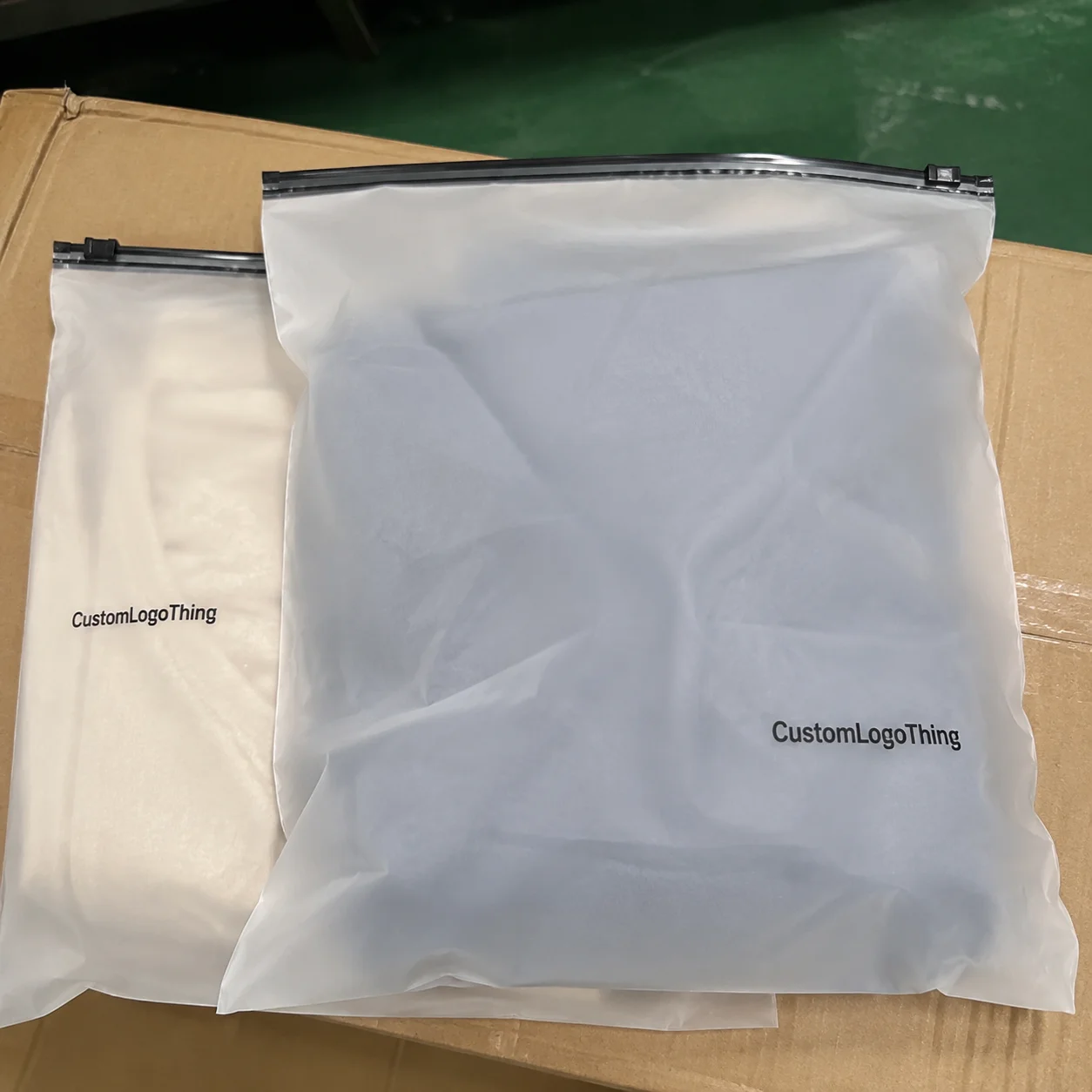
When a Matte Bag Looks Premium but the Quote Looks High
A brand asks for a soft-touch retail pouch. The first price comes back. Then the search begins for a Matte Zipper Bags unit cost low MOQ quote guide because the number feels higher than expected.
The matte finish usually is not the whole problem. The quote may be carrying an oversized pouch, an undefined film structure, heavy ink coverage, a zipper stronger than the product needs, or a print method built for larger production runs. Packaging quotes punish vague specifications. Quietly, but efficiently.
Matte Zipper Bags are often easier to optimize through specification control than through hard bargaining. Trim a few millimeters from width. Reduce film thickness by 10–20 microns where the product allows it. Move from full flood printing to a cleaner design. Use a standard press-to-close zipper instead of a specialty closure. Those changes can shift the unit cost more than asking a supplier to “do better” on price.
A good matte surface still has real value. It cuts glare in product photos, helps black type and premium graphics read under retail lighting, and gives the bag a dry, controlled hand-feel. That works well for dry snacks, supplements, coffee samples, powders, cosmetics, pet treats, small accessories, and direct-to-consumer products that need polish without fragile packaging theater.
Low MOQ is possible, but not every spec belongs in a low MOQ order. Digital printing, standard materials, shared pouch components, simplified artwork, and existing zipper options usually make a test run easier. Fully custom laminated rollstock, specialty coatings, multiple SKUs, custom zipper colors, and tiny quantities push the quote the other way.
Packaging buyer rule: “matte zipper pouch” is not a spec. Finished size, film structure, print method, zipper type, fill weight, and quantity are the details that turn it into a real price.
Matte Zipper Bags Unit Cost Low MOQ Quote Basics
The matte zipper bags unit cost Low MOQ Quote guide starts with a plain definition: unit cost is the finished price per bag after material, printing, converting, zipper application, expected waste, packing, and order quantity are calculated together. Freight, tooling, plate charges, artwork cleanup, sampling, or special proofing may be listed separately.
The main cost drivers are practical. Finished pouch size, film thickness, laminated layers, matte film or matte coating, zipper profile, tear notches, hang holes, rounded corners, bottom gusset, print colors, print coverage, and barrier requirements all matter. A 5-inch by 8-inch flat zipper pouch for accessories will not price like a 7-inch by 11-inch stand-up pouch for coffee, even if both have a matte surface and a one-color logo.
MOQ affects price because setup work has to be paid for somewhere. Machines are cleaned. Materials are prepared. Print files are checked. Film is registered. Converting equipment is set. Some waste is created before sellable bags come off the line. On a small run, those fixed steps are spread across fewer pieces, so the first tier usually has the highest cost per piece.
For a new SKU, the cleanest path is usually a clear structure, a standard size where possible, and a print method that fits a shorter run. For an established SKU, better pricing often comes from consolidating sizes, combining artwork versions, or planning reorders before inventory gets tight.
Bulk pricing helps only if the extra bags will be used before the artwork, formula, label rules, or retail plan changes. Nobody enjoys finding 8,000 obsolete pouches in storage because a nutrition panel moved or a flavor name changed. Cheap inventory is still inventory.
The lowest matte bag quote is not automatically the best buy. A weak zipper, poor moisture barrier, scuff-prone finish, or undersized pouch can create returns, filling problems, and weak shelf presentation. A useful quote shows the price and the risk behind the price.
| Specification Choice | Typical Cost Effect | Buyer Guidance |
|---|---|---|
| Digital print short run | Higher cost per piece, lower setup burden | Useful for low MOQ launches and multiple SKUs |
| Rotogravure or flexographic print | Higher setup charges, lower unit cost at volume | Better for repeat orders and larger quantities |
| Standard zipper profile | Usually lower than specialty closures | Works for many snacks, powders, and accessories |
| High-barrier laminate | Higher material cost | Use for coffee, aroma-sensitive, oxygen-sensitive, or light-sensitive products |
| Heavy full-bleed ink coverage | Can raise print cost and production complexity | Use intentionally, especially on small runs |
Material Structures That Control Finish, Barrier, and Shelf Life
Material structure is where a matte pouch earns its keep. PET/PE is a common laminated construction for general retail goods because PET supports print clarity and stiffness while PE provides heat sealability. Matte BOPP/PE can work for lighter dry products where the pouch does not need aggressive oxygen or aroma protection. PET/VMPET/PE and PET/AL/PE are stronger Options for Products that need more barrier against moisture, oxygen, aroma loss, or light.
The structure has to match the product, not the mood board. Dry snacks need moisture resistance and clean seals that do not channel through crumbs or seasoning. Coffee and aromatic products need oxygen and aroma control, sometimes with a one-way degassing valve. Powders need puncture resistance, seal cleanliness, and enough headspace for filling without dust contaminating the zipper.
Cosmetics, accessories, and hardware bring different concerns. Scuff resistance, print durability, corner feel, and pouch stiffness may matter more than oxygen transmission. A pouch holding metal parts does not need to breathe artisan coffee energy. It needs to avoid punctures and arrive looking intentional.
Kraft-look laminated films are common when a brand wants a natural presentation but still needs plastic performance. “Kraft look” may mean printed kraft graphics on film, paper laminated into the structure, or a kraft-style exterior layer with an inner sealant. Those choices affect stiffness, scuff resistance, recyclability claims, and the way white ink or color graphics appear.
Matte film and matte coating are not the same thing. Matte film is part of the laminate and usually gives a consistent low-gloss appearance across the bag. Matte varnish or coating is applied over printed areas and can be specified as full matte, spot matte, or gloss-and-matte contrast. A spot matte logo on a satin pouch can look sharp, but it adds prepress control and may raise cost on a Low MOQ Quote.
Film thickness should be discussed in context. Lightweight sample pouches may use thinner structures. Heavier fills, sharp-edged contents, high shelves, or parcel shipping may require more stiffness and puncture resistance. Overbuilding the bag wastes budget. Underbuilding it creates failures nobody wants to explain later.
Zipper choice also needs a reason. Lightweight 1–3 oz pouches often use a standard press-to-close zipper. Heavier fills may need a stronger profile, wider seal area, or pouch geometry that keeps pressure away from the closure. If the bag will be opened 20 or 30 times, zipper engagement matters more than it does on a sample pouch opened once.
Before asking for a final quote, share the product texture, fill weight, target shelf life, storage conditions, and filling method. A hand-filled cosmetic pouch, a co-packer-filled protein powder pouch, and a retail coffee pouch may all be Matte Zipper Bags. They should not automatically use the same film structure.
Size, Style, and Print Specs Buyers Should Confirm Before Ordering
Accurate pricing starts with accurate dimensions. Send the finished width, finished height, bottom gusset depth for stand-up pouches, lip height above the zipper, seal width, and placement for tear notches or hang holes. The inside usable space is smaller than the outside flat size because seals, zipper placement, and gusset geometry all take up room.
If the product fills the pouch too tightly, the zipper becomes hard to close and the top seal can become inconsistent. If the pouch is too large, the unit cost rises and the product may look underfilled. Neither result screams premium. It just looks like someone guessed.
Stand-up matte zipper pouches are popular for retail shelves because the bottom gusset creates presentation and adds usable volume. Flat zipper pouches work for samples, small accessories, labels, kits, and lightweight dry goods. Three-side-seal zipper bags can be efficient for compact products. Gusseted zipper bags help when the product needs volume, a better shelf stance, or a broader front panel for branding.
Artwork has a direct effect on pricing and production. Printed sides, full-bleed coverage, color count, metallic effects, white ink underprint, barcode size, nutrition panels, compliance copy, and SKU count all matter. Five flavors with the same layout and different color bands are easier to plan than five unrelated designs with separate ink strategies and registration demands.
Digital printing is often practical for low MOQ orders because it can reduce plate requirements and support multiple artwork versions. Rotogravure or flexographic production may become more economical at higher quantities once setup charges are spread across enough bags. The right method depends on quantity, artwork, color expectations, substrate, and reorder plan.
Barcodes deserve a boring but necessary mention. Keep them large enough, quiet zones intact, and contrast strong. Matte finishes can reduce glare, which helps scanning, but tiny barcodes on busy artwork still fail. Retailers do not care that the pouch looks tasteful if the register cannot read it.
Before requesting a quote, prepare dielines if available, Pantone or CMYK expectations, matte finish preference, zipper color, clear window requirements, barcode files, and sample approval needs. If you do not have a dieline yet, send the target fill volume and a reference pouch. Custom Logo Things can help turn that into a more quotable specification through the Contact Us page.
How to Lower Unit Cost Without Weakening the Bag
A practical matte zipper bags unit cost low MOQ quote guide should not tell you to remove every feature. That is how packages end up flimsy, dull, and weirdly hard to fill. The better move is to separate value from waste.
Start with size. Choose the smallest pouch that fills cleanly, avoids excessive headspace, and still gives the zipper and top seal enough room to function. Keep gusset dimensions efficient. Use a standard zipper profile unless the fill weight or use cycle demands more. Select a barrier structure matched to the product instead of automatically choosing the highest-spec laminate.
Artwork can create savings without making the package look plain. Reduce heavy ink coverage where it does not help readability. Keep common design elements across flavors. Limit specialty effects. Group multiple SKUs into one production plan where possible. A clean matte pouch with strong typography and smart color blocking often performs better than a pouch packed with effects that raise cost and fight for attention.
Finish choices need a sober look. Full matte can look premium, but some matte surfaces show rub marks faster than gloss, especially during shipping or retail handling. Spot matte creates contrast, but it adds production complexity. A matte film with simple printing may be the better value for an early launch, while a higher-end soft-touch effect may make sense after the SKU proves demand.
Quantity strategy is another lever. Ordering slightly above the minimum can lower the per-bag price if it crosses a material, print, or converting efficiency threshold. That does not mean every buyer should order the largest tier. Packaging ties up cash, takes storage space, and can become obsolete after formula, compliance, or branding changes.
Ask for two or three quantity tiers in every quote. A test-run, launch-run, and reorder-run table shows where the real price break occurs. The jump from 1,000 to 3,000 pieces may change cost per piece more than the jump from 10,000 to 12,000 pieces, depending on print route and material minimums.
Also ask what not to customize yet. Custom zipper color, unusual corner radius, specialty valves, metallic effects, heavy varnish patterns, and nonstandard dimensions can all be valid. They just need to earn their place in the budget.
Production Process, Lead Time, and Approval Steps
The typical process starts with quote confirmation, artwork and dieline review, material selection, proofing, sample or production approval when required, printing, lamination if applicable, curing, pouch converting, zipper application, quality checks, packing, and shipment. Short-run digital orders may skip parts of the traditional plate process. Fully custom laminated bags need more coordination before finished pouches are ready.
Lead time depends on the route. Stock-based or digitally printed short runs may move faster if material is available and artwork is clean. Custom printed laminated bags usually take longer because material procurement, print setup, lamination curing, and converting schedules have to line up. A realistic production window is usually counted after proof approval, not after the first email request.
Delays tend to come from predictable gaps: incomplete artwork, missing barcode files, unclear dimensions, late proof approval, special material requests, seasonal production congestion, or changes to structure and quantity after the quote is approved. A one-line request feels fast. It often creates more back-and-forth than a complete quote packet.
Quality checkpoints matter more with matte surfaces because defects show under side lighting. Check print registration, color consistency, matte surface uniformity, zipper alignment, tear notch position, seal strength, pouch stance, count accuracy, and carton labeling. For transit performance, buyers can review distribution testing concepts through organizations such as ISTA, especially if filled pouches will ship through parcel networks or retail distribution centers.
Seal strength and zipper function should not be treated as afterthoughts. Ask how seals are checked, whether the pouch has enough top space for filling and closing, and whether the selected film tolerates the intended filling conditions. Heat, dust, oils, sharp product edges, and overfilled pouches all create problems that a cheaper quote will not magically solve.
Food, supplement, and cosmetic buyers should also think about documentation and material claims. If a project involves paper-based claims, recycled content, or forestry-related sourcing, resources from FSC may be relevant, though not every flexible pouch structure is paper-based or FSC applicable. Claims should match the actual structure and supplier documentation.
Plan approval windows honestly. If bags are needed for a launch, trade show, first retail shipment, or co-packer filling date, leave time for receiving, inspection, and filling. A beautiful pouch that arrives two days after the filling slot is not a bargain. It is a very matte problem.
Quote Details That Help Custom Logo Things Price Accurately
Custom Logo Things prices custom packaging from real specifications, not vague category names. That matters because “matte zipper bag” could describe a thin sample pouch, a high-barrier coffee pouch, a supplement pouch with multiple SKUs, or a retail accessory bag with a hang hole.
For a clean quote, send the bag style, finished size, quantity, number of artwork versions, product type, fill weight, desired barrier level, matte finish preference, zipper requirement, print sides, delivery location, and retail or compliance needs. If you know the target price range, share it. A supplier cannot always meet it, but the number helps identify whether the better path is a different size, structure, quantity tier, or print route.
If you are unsure, say so early. The team can suggest pouch structures, point out where a specification may be overbuilt, recommend low MOQ-friendly print paths, and flag size or artwork details that may create avoidable cost. A pouch for 2 oz of granola does not need to be engineered like a long-shelf-life coffee bag unless the product actually requires that barrier.
Ask for alternatives instead of one flat number. A lower-cost structure, a higher-barrier structure, a smaller launch quantity, and a multi-tier price table can be compared side by side. Purchasing, marketing, operations, and leadership then see the same facts: budget, MOQ, lead time, setup charges, freight assumptions, and performance tradeoffs.
The value is not just a low headline price. The value is a quote that matches the real bag, with enough detail to prevent surprises after artwork approval. If you have questions about ordering steps, artwork files, or common packaging terms, the FAQ page is a practical place to start before submitting final specs.
Next Steps Before You Request a Matte Zipper Bag Quote
Before asking for pricing, measure the target fill volume and choose a preferred pouch style. Gather artwork files, define the number of SKUs, confirm whether the product needs moisture, oxygen, aroma, or light barrier, and decide whether the order is for testing, launch, or repeat retail supply. That decision changes how a supplier should think about MOQ, bulk pricing, tooling fees, and reorder planning.
Photograph or send reference bags if you like a certain finish, zipper feel, corner shape, or shelf stance. Visual references help translate subjective words like premium matte, soft touch, satin, low-gloss, or natural kraft into production specifications. A reference bag also helps estimate usable volume, zipper placement, gusset shape, and front-panel branding space.
Request tiered pricing, expected lead time, material structure, print method, setup charges, proofing steps, and freight assumptions. Comparing suppliers only by the lowest unit number can hide differences in barrier, zipper strength, print durability, carton count, transit cost, or approval timing. A good quote makes those differences visible.
- Size: finished width, height, gusset, lip above zipper, and seal preference.
- Product: fill weight, texture, shelf-life target, and storage conditions.
- Print: artwork count, printed sides, color expectations, barcode files, and finish preference.
- Order plan: test quantity, launch quantity, reorder target, and delivery location.
- Protection: moisture, oxygen, aroma, light, puncture, or scuff-resistance requirements.
Use this matte zipper bags unit cost low MOQ quote guide as a filter before you compare numbers. The fastest path to an accurate quote is a complete specification, not a rushed category name. Send Custom Logo Things the pouch dimensions, quantity target, artwork count, product type, fill weight, and delivery location through Contact Us to receive pricing options tied to cost, MOQ, and production timing.
FAQs
What affects matte zipper bags unit cost the most on a low MOQ quote?
The largest drivers are finished size, material structure, barrier level, print method, print coverage, zipper type, number of artwork versions, and order quantity. Low MOQ orders carry more setup cost per bag, so standard sizes, simpler artwork, and efficient material choices can make the quote more competitive. Ask for multiple quantity tiers to see whether a slightly higher quantity lowers the unit cost enough to justify the inventory.
Can I get custom matte zipper bags with a low MOQ for a product launch?
Yes, low MOQ production is often possible when the specification matches the right print method and material route. Digital printing may be better for short runs or multiple SKUs, while higher-volume methods may become more economical at larger order sizes. Share launch timing early so proofing, production, shipping, and filling schedules can be planned realistically.
Are matte zipper bags more expensive than glossy zipper bags?
They can be, depending on whether the matte effect comes from matte film, matte coating, soft-touch finish, or a specialty print effect. The cost difference is not only the finish; it also depends on barrier structure, ink coverage, pouch size, and zipper details. A practical quote should show whether matte finish is a major cost factor or only a small part of the total bag price.
What information should I send to get a fast matte zipper pouch quote?
Send the pouch style, width, height, gusset size if needed, quantity, number of designs, product type, fill weight, artwork files, and delivery location. Include barrier needs such as moisture, oxygen, aroma, or light protection if the bag holds food, coffee, powders, supplements, or sensitive goods. If size or structure is unclear, send a reference bag or product sample details so the supplier can recommend options.
How long does production take for custom matte zipper bags after quote approval?
Lead time depends on material availability, print method, proof approval, lamination requirements, curing time, converting schedule, and shipping destination. Short-run or stock-based options may move faster than fully custom laminated production. The safest planning approach is to confirm proofing steps, production lead time, transit time, and receiving time before committing to a launch date.