Buyer Fit Snapshot
| Best fit | Printed Packaging Inserts with Logo projects where brand print, material claims, artwork control, MOQ, and repeat-order consistency need to be specified before quoting. |
|---|---|
| Quote inputs | Share finished size, material target, print colors, finish, packing count, annual reorder estimate, ship-to region, and any compliance wording. |
| Proofing check | Approve dieline scale, logo placement, barcode or warning zones, color tolerance, closure strength, and carton packing before bulk production. |
| Main risk | Vague material claims, crowded artwork, missing packing details, or unclear freight terms can make a low unit price expensive after revisions. |
Fast answer: Printed Packaging Inserts with Logo: Material, Print, Proofing, and Reorder Risk should be specified like a repeatable production item. The safest quote records material, print method, finish, artwork proof, packing count, and reorder notes in one written spec.
Production checks before approval
Compare the actual filled-product size with the drawing, then confirm tolerance on folds, seals, hang holes, label areas, and retail display edges. Reserve space for logos, QR codes, warning copy, and material claims before decorative graphics fill the panel.
Quote comparison points
Review material grade, print process, finish, sampling route, tooling charges, carton quantity, and freight assumptions side by side. A quote is only useful when the supplier can repeat the same color, closure quality, and packing count on the next order.
Printed Packaging Inserts with Logo: What to Know First
Printed packaging Inserts With Logo often do more work than people expect. The outer box gets the first glance, sure, but the insert is usually the first piece a customer touches once the flap opens, and that touchpoint can shape the whole unboxing moment before the product is even visible. A small structural detail can make a shipment feel deliberate, branded, and complete instead of plain or improvised.
For Custom Logo Things, that matters because branded packaging is not only about decoration. It is about how product packaging behaves in the hand, how retail packaging presents on arrival, and how package branding stays consistent from the outside carton to the interior fit. If you want a broader look at structures and finishing options, our Custom Packaging Products page is a useful starting point.
In practical terms, Printed Packaging Inserts with logo can be paperboard, corrugated, folding carton components, molded forms, or specialty pieces that hold a product, separate items, or present them in a more refined way. A good insert should protect the item, keep it from shifting, and still look intentional. That is why printed packaging inserts with logo sit at the intersection of packaging design, product security, and brand presentation.
Printed Packaging Inserts With Logo: Why They Stand Out
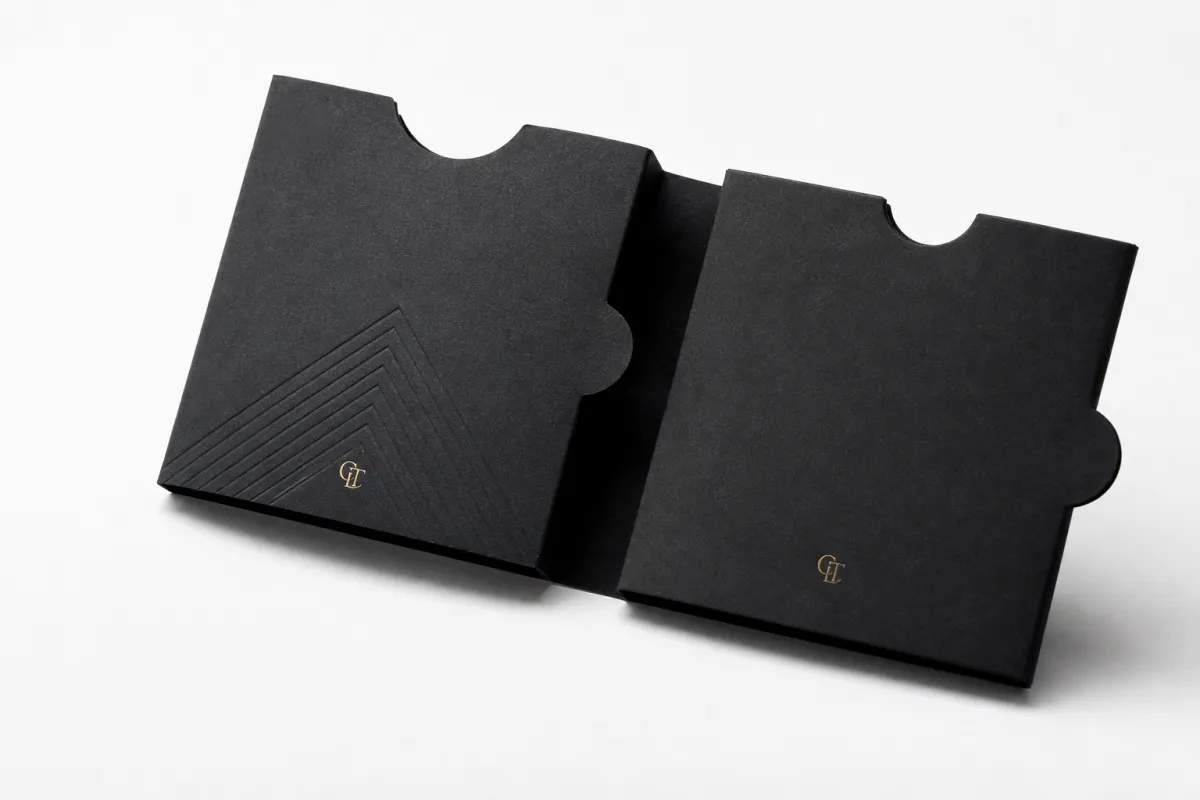
Most buyers first think of an insert as a utility part, and that instinct is fair. It keeps a bottle upright, prevents a cable from tangling, or stops a cosmetic kit from rattling around inside custom printed boxes. Printed packaging inserts with logo do something else as well: they turn a hidden support component into a branded surface that participates in the reveal. That matters because the reveal is where a customer decides whether the package feels considered or thrown together.
Printed packaging inserts with logo show up most often in cosmetics, electronics, subscription kits, apparel, and gift packaging, because these categories need presentation and retention to work together. A serum bottle in a retail carton may need a snug paperboard cavity, while a wireless accessory kit may need a more rigid die-cut structure with layered compartments. In both cases, the logo does more than identify the brand. It reinforces the message that the inside was designed as carefully as the outside.
From a packaging buyer's point of view, printed packaging inserts with logo also create consistency across a line. One SKU may use a narrow tray, another a two-piece cradle, but if the print system and artwork language are aligned, the whole family feels related. That kind of consistency helps with brand recognition, especially when the product line expands and the customer has to spot the same brand quickly on shelf, in e-commerce unboxing, or in a subscription shipment.
I think a lot of teams underestimate how much the logo placement matters. A centered mark on the top face communicates differently than a small mark tucked on an inner flap. One feels promotional, the other feels restrained and premium. Neither is automatically right or wrong. The point is that printed packaging inserts with logo let you decide what the customer notices first: the product, the message, or the structural craftsmanship that holds everything together.
A good insert disappears when the product is secure, but a great one still leaves the customer with a clear sense that the brand paid attention to the details.
If you are comparing interior components across a product launch, printed packaging inserts with logo often end up being the piece that ties the whole package together. The insert may be simple, but its influence on perceived value is not. That is why buyers evaluating branded packaging should treat the insert as part of the packaging system, not as filler added at the end.
How Printed Packaging Inserts With Logo Are Made
The production path for printed packaging inserts with logo usually starts with a brief that sounds simple and then turns technical very quickly. The first questions are usually about the product dimensions, the finished box size, how the item is inserted and removed, and whether the customer will see the insert only once or several times during use. From there, the supplier builds a dieline, checks fold geometry, and maps where print can live without interfering with structure.
Material choice comes next, and it has more influence than many people think. Paperboard in the 16pt to 24pt range is common for lightweight presentation inserts, especially when the shape is mostly flat and the logo needs crisp print reproduction. For heavier or more protective builds, corrugated options such as E-flute or N-flute can give more stiffness and better crush resistance. Molded pulp can work well for sustainability-led product packaging, although the print method and surface detail are different from smooth board.
Printed packaging inserts with logo can be produced with digital printing for short runs, offset printing for stronger color control and cleaner typography, or specialty processes like foil stamping, embossing, debossing, and spot UV when the brand wants more visual contrast. Digital is usually the more flexible choice when artwork changes often or quantities are modest. Offset makes more sense when color matching matters across a larger order and the design has solid coverage or fine type that needs a sharper edge.
After printing, the sheet moves into converting. That may include die-cutting, scoring, kiss-cutting, folding, gluing, or hand assembly, depending on how the insert is built. A flat insert with a simple slot pattern is one thing; a multi-cavity tray with wraparound walls is another. The structure has to be manufacturable at the target quantity, not just attractive on a screen.
Proofing is the step that protects everyone from expensive surprises. For printed packaging inserts with logo, a proof should verify print scale, logo placement, safe areas, fold lines, cavity sizes, and product clearance. In practice, a clearance of 1 to 2 mm may be fine for a stable paperboard insert, but that depends on the board caliper, the product finish, and whether the item has any delicate protrusions. A glossy bottle, a soft-touch carton, and a matte glass jar do not all behave the same way in a cavity.
For brands that want to benchmark transport performance as well as presentation, the testing references from ISTA and the fiber sourcing guidance from EPA recycling resources can be useful touchpoints. If the insert has to survive e-commerce handling, shipping tests such as drop, vibration, and compression checks are worth discussing early, especially for fragile product packaging. FSC certification is also worth asking about when the board source matters to your brand story; you can review that standard at fsc.org.
Once the physical sample is approved, the project moves into full production. That is where consistency matters most. If the first sample looked excellent but the production run drifts in score depth, glue registration, or print density, the insert stops feeling premium. Printed packaging inserts with logo are small, but they are unforgiving in the same way all precise packaging components are unforgiving: tiny errors show up fast.
When the insert design is right, it can support more than one function at once. It can hold, divide, protect, and brand, which is exactly why so many teams treat printed packaging inserts with logo as part of the core packaging design rather than as a late-stage accessory. For product categories with tight tolerances, that mindset usually pays off.
Key Factors That Shape Printed Packaging Inserts With Logo
The first factor is always the product itself. Printed packaging inserts with logo cannot be designed correctly until the exact dimensions are known, and not just the length, width, and height on a spec sheet. You also need to know whether the item has rounded corners, fragile caps, irregular weight distribution, or a finish that can scuff easily. A display insert that fits a rigid bottle perfectly may be too tight for a slightly softer container or a product that ships with accessories attached.
Weight and fragility shape the structure just as much as size. A light cosmetic jar can usually sit in a paperboard cavity with a well-planned cutout, but a heavier electronic accessory may need reinforcement, additional scoring, or a layered corrugated support. In some cases, the insert should act like a cradle; in others, it should behave more like a divider system. Printed packaging inserts with logo work best when the board grade and cavity shape are matched to the actual handling conditions, not to a generic sample.
Branding decisions come next, and they are not only aesthetic. Logo size, logo location, ink coverage, and the amount of negative space all change the tone. A full-color insert with a bold mark can feel promotional and energetic, while a muted one-color logo in a corner can feel restrained and premium. Both are valid. What matters is whether the visual treatment aligns with the broader package branding and the product's price point.
There is also a sustainability side to the decision. Many teams now want printed packaging inserts with logo that use recyclable paperboard, reduced ink coverage, and fewer separate components. That can be a smart move, but it should not weaken the product hold just to save material. The better version is usually the one that uses the least structure necessary to protect the product while still giving the customer a clear branded moment. That is a practical version of product packaging efficiency, not just a marketing statement.
A few factors tend to drive the design conversation more than anything else:
- Product dimensions: exact measurements, not estimates, so the insert does not pinch or rattle.
- Product weight: whether the insert needs a thicker board, a deeper cavity, or a second support layer.
- Brand treatment: subtle logo placement versus full-surface print across the entire insert.
- Outer carton fit: the insert has to work with the box opening, closure style, and shipping method.
- Material usage: enough structure to protect the item without wasting board or adding unnecessary assembly.
The outer carton matters more than people expect. Printed packaging inserts with logo may look perfect on a flat table and still fail if the box opening is too narrow, the closure flap interferes with the insert, or the mailer flexes during transit. That is why printed inserts should be reviewed together with the box, sleeve, or mailer they will live inside. A smart packaging buyer checks the full system, not just the insert on its own.
For brands exploring broader custom packaging products, the best approach is usually to define the product first, then the structure, then the print. The order sounds obvious, but many packaging issues happen because the creative concept runs ahead of the fit check. Printed packaging inserts with logo are unforgiving in that way. They reward exact planning.
Printed Packaging Inserts With Logo: Process and Timeline
The timeline for printed packaging inserts with logo usually has five or six checkpoints, and skipping one of them tends to cost time later. A clean project often starts with measurements and a product sample, then moves to structure review, then artwork setup, then a digital or physical proof, then sampling, and finally full production. If the insert is simple and the artwork is ready, the schedule can move fairly quickly. If the geometry is tricky or the logo files are messy, the timeline stretches.
- Brief and measurements: confirm product dimensions, quantities, box style, and unboxing sequence.
- Structural review: confirm the cavity shape, board grade, and any folds or locking tabs.
- Artwork setup: place the logo, define bleed, and establish safe areas for the exact dieline.
- Proof approval: check print, layout, color expectations, and any special finish callouts.
- Sample or prototype: verify fit with the actual product and packaging system.
- Production: run the final order after approval and QC signoff.
Printed packaging inserts with logo often slow down because of avoidable details. The most common ones are unclear product dimensions, missing vector logo files, late copy edits, and assumptions about fit that never got checked against a real sample. If someone on the team says, "The item is basically the same size as the last one," that is usually the moment to pause and measure again. A few millimeters can change the entire insert.
Lead time also changes with structure complexity. A flat paperboard insert with straightforward print can move through the shop faster than a multi-piece tray with windows, tabs, or specialty coating. A simple run may be ready in roughly 10 to 15 business days after proof approval, while more complex printed packaging inserts with logo can take 15 to 20 business days or longer if samples, multiple SKUs, or special finishes are involved. That is not a hard rule; it depends on the production method, quantity, and approval pace.
Sample time and production time should always be separated in the buyer's mind. A prototype can often be turned in just a few business days, but that does not mean the full order will follow immediately. The sample exists to prevent waste. It gives you the chance to compare the insert against the actual box, confirm the logo placement, and test whether the product goes in and out easily without forcing the board.
That internal review step is often overlooked. Printed packaging inserts with logo can affect photography schedules, retailer approvals, and fulfillment readiness, so the sample should be checked by the people who care about each of those areas. If marketing wants the logo larger, operations wants easier packing, and the product team wants more retention, the sample is where those priorities get reconciled. It is easier to adjust a dieline than a finished shipment.
One practical rule helps a lot: do not approve art until the structure is stable. If the insert geometry still might shift, the logo can end up too close to a score line, a cutout, or a folding edge. Printed packaging inserts with logo are best treated as a structural and visual system at the same time. That keeps the schedule cleaner and reduces the chance of remaking a run after approval.
Printed Packaging Inserts With Logo Cost and Pricing Basics
Pricing for printed packaging inserts with logo is driven by a handful of variables, and the first one is size. Larger inserts use more substrate, more press area, and often more converting time. The second is substrate choice, because paperboard, corrugated, and molded materials do not behave the same way in print or die-cutting. The third is print coverage. A small one-color logo on a white board is simpler than a full-bleed insert with multiple spot colors, coatings, or special finishes.
Quantity changes the math quickly. Lower quantities usually carry a higher unit cost because setup, tooling, and proofing are spread across fewer pieces. Larger runs can lower the per-unit cost, but they also require more upfront commitment and, in some cases, storage planning. For brands testing a launch or rolling out several versions at once, MOQ conversations matter early. You do not want to discover after artwork approval that the run size is larger than your inventory plan can support.
Printed packaging inserts with logo also become more expensive when the structure is complex. Tight tolerances, multiple folds, deeper cavities, glued tabs, and multi-piece assemblies all add labor or machine time. Finishes can do the same. Spot UV, foil stamping, soft-touch lamination, and heavy ink coverage improve the look, but they also affect cost and may influence recyclability. There is nothing wrong with choosing them, as long as the value is visible to the customer and justified by the product tier.
| Insert Style | Typical Use | Rough Unit Cost at 5,000 Units | Notes |
|---|---|---|---|
| Flat paperboard insert | Light cosmetics, cards, accessories | $0.12-$0.28 | Best for clean print, fast assembly, and simple fit checks. |
| Die-cut corrugated insert | Heavier goods, e-commerce shipments, kits | $0.22-$0.60 | Stronger retention and better crush resistance for shipping. |
| Specialty molded or layered insert | Premium sets, fragile items, mixed components | $0.35-$0.90 | Higher tooling or setup, but stronger presentation and fit control. |
Those numbers are only a working range, not a promise. Printed packaging inserts with logo can land outside them if the job needs foil, special coating, multiple panels, insert assembly, or split shipments. Freight and handling matter too, especially when the order is heavy or rush shipped. Sample rounds are another hidden cost factor. A buyer comparing quotes should look beyond the headline unit price and ask what is included in the estimate.
A lower quote can look good on paper and still be more expensive in the end if the supplier charges separately for dieline work, prototype samples, or packaging the inserts in a way that creates extra labor on your side. That is why cost comparisons should include the finished workflow, not just the print price. Printed packaging inserts with logo should be priced as part of the whole packaging operation.
If you are comparing options across different product packaging programs, the best quote usually balances print quality, structural reliability, and order size. The cheapest route is not always the right route. In many branded packaging projects, the smartest choice is the one that reduces waste, protects the item, and keeps the customer experience steady from the first unit to the last.
Common Mistakes to Avoid with Printed Packaging Inserts With Logo
The most common mistake is designing printed packaging inserts with logo before the final product measurements are locked. Even a small change in bottle height, cap width, cable shape, or accessory count can make the insert unusable. I have seen teams approve artwork on a nice-looking dieline only to learn later that the product shifts during transit because the cavity was drawn from an estimate instead of a measured sample.
Another mistake is focusing only on appearance and forgetting retention. A beautiful insert that lets a fragile item move is not a good insert. Printed packaging inserts with logo need enough grip to hold the product steady, but not so much pressure that the board crushes, scuffs, or makes removal difficult. The right balance depends on the product, not on a generic packaging preference.
File setup causes a surprising number of delays. If the artwork is not built to the exact dieline, logo placement can drift into a score line, the bleed can be wrong, or the safe area can be too tight for clean production. Printed packaging inserts with logo should always be handled with proper vector files, defined spot colors or CMYK values, and a clear layout file tied to the physical structure. That saves time and avoids last-minute rebuilds.
Material mismatch is another trap. A stock that looks premium in a swatch book may not fold cleanly, may crack at the score, or may not hold the product weight as expected. Printed packaging inserts with logo often need a board that prints well and also behaves properly in conversion. If the insert must flex, lock, or carry a heavier item, the material needs to be chosen for performance first and appearance second. Ideally, of course, both are satisfied.
Teams also forget the unboxing sequence. The insert is not just there to hold the item; it is there to reveal it. If the logo is hidden under the first flap or buried where the customer never sees it, a big part of the branding value disappears. That is why printed packaging inserts with logo should be mapped to the order of opening, lifting, and product removal. The logo should show up at the right moment, not just somewhere on the part.
For brands working across multiple SKUs, a modular layout can prevent a lot of headaches. Instead of creating a completely different insert for every size, a family of related structures may reduce tooling changes and keep package branding more consistent. If you are developing a line extension, it is worth asking whether the insert platform can be shared before you lock the art. That one question can save time later and make printed packaging inserts with logo easier to scale.
If you want to compare shapes, board types, and print methods across a wider set of custom packaging products, this is the point where a structure review pays off. Printed packaging inserts with logo work best when the design, product, and assembly plan are all checked together.
Next Steps for Printed Packaging Inserts With Logo
If you are ready to move forward, start with the facts. Gather exact product dimensions, the product weight, the finished box size, and a clear description of the unboxing sequence you want to create. Printed packaging inserts with logo become much easier to spec once the practical details are in front of you, because the insert can be matched to the real product instead of to a rough concept.
Next, prepare the brand assets that matter: logo files, brand colors, any short copy that should appear on the insert, and notes about whether the insert should feel bold, minimal, or mostly functional. Printed packaging inserts with logo can support all three directions, but the artwork needs to match the tone of the product. A luxury item may call for restrained type and a single-color mark, while a subscription kit might use a brighter, more active layout.
Then ask for a structure review before you approve art. That step is easy to rush past, but the dieline is where the real work happens. Printed packaging inserts with logo must fit the geometry of the box, and the geometry is what keeps the package usable. A layout that looks polished on screen can still fail if the cavity is too shallow, the fold lands in the wrong place, or the logo sits too close to a cut edge.
Once a sample arrives, test it against the actual product and the actual packaging system. Check fit, visibility, assembly, and ease of removal. Make sure the insert does not slow down packing on the line and does not make the product difficult for the customer to access. Printed packaging inserts with logo should support the entire flow, from the pack station to the unboxing table.
Before launch, tie the insert into the rest of the packaging checklist. Protection, presentation, cost, and turnaround all need to be confirmed together. If one of those pieces is off, the project can still work, but it will be harder than it needs to be. In my view, the best printed packaging inserts with logo are the ones that look simple because the planning behind them was not simple at all.
The most useful takeaway is straightforward: measure the product, lock the structure, then place the logo around the real dieline, not around a guess. If you do that, printed packaging inserts with logo can improve the unboxing moment, strengthen product security, and keep the brand message consistent without wasting material or time.
What are printed packaging inserts with logo used for?
They keep products organized, protected, and presented cleanly inside a box, tray, or mailer. Printed packaging inserts with logo also add brand recognition at the unboxing moment without requiring a separate insert card or extra filler.
How do I choose the right material for printed packaging inserts with logo?
Match the substrate to product weight, fragility, and finish goals; paperboard works well for lighter presentation, while heavier products may need corrugated support. Ask for a sample or structural review if the insert must hold odd shapes, tight tolerances, or multiple items. Printed packaging inserts with logo should feel right in the hand and hold up in transit.
How long do printed packaging inserts with logo usually take to produce?
Timing depends on artwork readiness, structural complexity, and whether a prototype is needed before full production. Simple insert runs can move quickly, but custom die-cut pieces, finish changes, and approval rounds extend the schedule. Printed packaging inserts with logo often move fastest when measurements and artwork are approved at the same time.
What affects the price of printed packaging inserts with logo the most?
Quantity, material thickness, print coverage, and the complexity of the cut or fold structure are usually the biggest cost drivers. Freight, sample rounds, and assembly requirements can also change the final quote, especially for smaller runs. If you are comparing printed packaging inserts with logo across vendors, ask what is included in setup and proofing.
Can printed packaging inserts with logo be made for different product sizes?
Yes, but each size variation needs its own fit check so the product stays secure and the logo placement still looks intentional. If you have multiple SKUs, ask whether a modular insert design can reduce tooling changes and simplify production. That is often the cleanest way to scale printed packaging inserts with logo across a product family.


