Buyer Fit Snapshot
| Best fit | Printed Padded Mailers projects where brand print, material claims, artwork control, MOQ, and repeat-order consistency need to be specified before quoting. |
|---|---|
| Quote inputs | Share finished size, material target, print colors, finish, packing count, annual reorder estimate, ship-to region, and any compliance wording. |
| Proofing check | Approve dieline scale, logo placement, barcode or warning zones, color tolerance, closure strength, and carton packing before bulk production. |
| Main risk | Vague material claims, crowded artwork, missing packing details, or unclear freight terms can make a low unit price expensive after revisions. |
Fast answer: Printed Padded Mailers: Boutique Retailer Quote Checklist should be specified like a repeatable production item. The safest quote records material, print method, finish, Artwork Proof, Packing Count, and reorder notes in one written spec.
Production checks before approval
Compare the actual filled-product size with the drawing, then confirm tolerance on folds, seals, hang holes, label areas, and retail display edges. Reserve space for logos, QR codes, warning copy, and material claims before decorative graphics fill the panel.
Quote comparison points
Review material grade, print process, finish, sampling route, tooling charges, carton quantity, and freight assumptions side by side. A quote is only useful when the supplier can repeat the same color, closure quality, and packing count on the next order.
Printed Padded Mailers: Boutique Retailer Quote Checklist
Most quote problems start before anyone opens a spreadsheet. A missing dimension. A blurry artwork file. A buyer asking for “a padded mailer” as if that tells anyone anything useful. A Printed Padded Mailers for boutique retailers supplier quote checklist keeps the request tied to facts: size, construction, print method, closure, and shipping behavior. That is how you get a price that means something instead of a number floating in the fog.
That matters even more for boutique retailers shipping apparel, jewelry, accessories, and gift items, because the mailer has to do three jobs at once. It needs to protect the product, look polished in the customer’s hand, and survive parcel handling without seam splits, crushed corners, or weak seals. If you already know you need broader packaging support, you can also review our Custom Packaging Products, compare a different format like Custom Poly Mailers, or reach out through Contact Us when you want help tightening the spec before you request pricing.
Why Printed Padded Mailers Matter for Boutique Retailers
A lot of packaging quotes go sideways because the mailer size, closure, or finished weight was never locked down. That tiny gap turns into a postage bump, slower packing, or a margin leak that shows up after the first batch ships. For a boutique retailer, those mistakes are not just admin noise. They hit customer experience, repeat orders, and the real landed cost of every parcel.
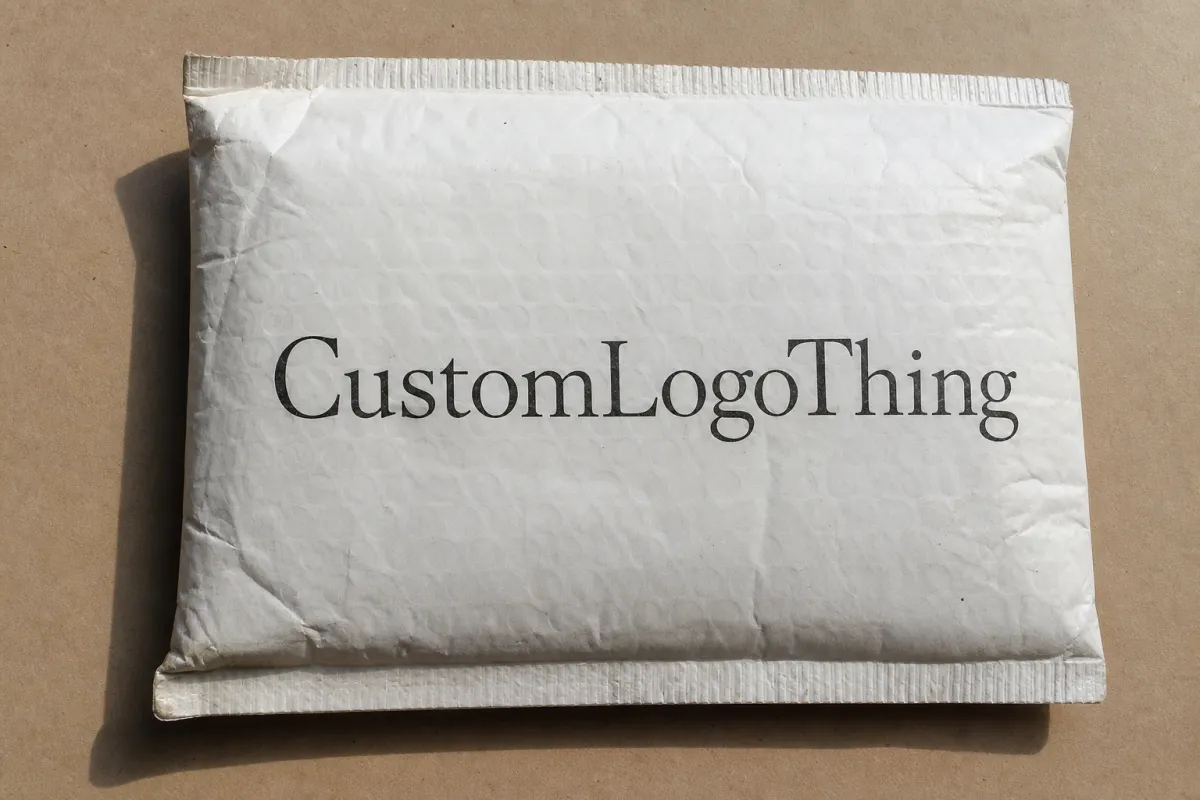
Printed Padded Mailers carry more weight than most buyers expect. The outside has to carry the brand, but the inside still has to handle shipping stress. A lightweight blouse may only need modest cushioning and a dependable self-seal closure. A boxed necklace, a compact candle, or a folded accessory set may need a tougher outer layer and a more forgiving seal area. Pick the wrong structure and the package can look premium on screen while acting fragile in the fulfillment room. Cute is not a performance spec.
From a packaging buyer’s point of view, the bigger risk is not paying a few cents too much. It is ordering a mailer that slows packing, pushes dimensional weight upward, or triggers damage claims because the wall structure was too thin for the product profile. A mailer that looks sharp but tears at the edges or fails at the seal costs more than a slightly higher-priced option that moves cleanly through the line. A cheap quote with a bad build is still an expensive mistake.
A printed padded mailers for boutique retailers supplier quote checklist gives the buyer control from the start because it turns a vague request into a working spec. The supplier can only quote accurately when the job is defined the way the production team reads it: dimensions, print coverage, seal style, material construction, and pack-out assumptions. That is the difference between a guess and a usable quote.
A quote is only useful when the supplier is pricing the same mailer the buyer will actually ship.
There is also the brand side of this. Boutique retailers sell presentation as much as product, and the mailer is often the first physical touchpoint after checkout. A clean one-color mark on kraft can feel considered and quiet. A full-bleed printed surface can make a collection feel sharper and more fashion-forward. The right choice depends on the merchandise, the margin, and the feeling you want when the customer opens the parcel. That is why the quote checklist has to cover both structure and print, not just logo placement.
Materials, Construction, and Branding Options
The easiest way to think about a padded mailer is in three parts: the outer skin, the cushioning core, and the closure system. Buyers often start with the artwork because it is visible. Fair enough. But the structure under the print decides whether the bag survives transit. For boutique orders, that structural choice usually matters more than people want to admit.
Outer Layer and Cushioning Choices
Outer materials usually land in a few familiar buckets: kraft paper, poly film, or a hybrid surface that balances printability and moisture resistance. Kraft brings a warm, natural look and tends to suit boutiques that want a softer retail feel. A common spec is 120gsm to 150gsm kraft over a bubble or paper pad. Poly gives stronger moisture protection and can support cleaner color reproduction, especially when the artwork uses solid tones or a white base. Hybrid builds help when the shipment needs a better feel in hand but still has to resist scuffing in transit.
For premium paper-faced mailers, a supplier may suggest a 350gsm C1S artboard outer shell laminated to a cushioning layer. That is not the only option, and it is not always the cheapest one, but it does give a more rigid, presentation-heavy feel for gift sets and higher-ticket goods. If the buyer wants a lower-profile retail mailer, a lighter kraft face with a 2mm to 3mm bubble liner is more common. The right material is the one that matches the product, not the one that sounds impressive in a quote email.
The cushioning layer is where protection actually happens. Bubble lining, paper padding, or layered fiber cushioning each brings a different cost and performance profile. Bubble constructions are common when the product needs consistent shock absorption and a predictable fit. A typical liner might use 80 to 100 micron PE bubble, or a paper-padded fill that is roughly 120gsm to 160gsm depending on the build. Paper-based padding can work well for brands that want a less plastic-heavy structure or a more recyclable presentation, though the buyer should confirm actual performance instead of assuming all paper alternatives behave the same way. A supplier should be able to explain the gauge, density, or basis weight of the cushioning layer without scrambling.
Closure style changes the daily experience in fulfillment. Self-seal adhesive strips are common for high-volume hand packing because they save time. A 25mm to 30mm adhesive strip is typical on many padded mailers. Tear strips or easy-open features can improve customer satisfaction, but they need to be planned early so the print does not crowd the opening path. If the mailer will sit in a humid packing room or travel through a long freight lane, ask how the adhesive behaves under those conditions. Adhesive optimism is not a strategy. Ask for peel strength details and storage guidance, not just a cheerful yes.
Print Finishes That Hold Up in Hand
Branding choices should follow the structure, not sit on top of it like decoration. One-color print is often the most cost-efficient route when the goal is a clean logo, a return address mark, or a simple pattern. Multi-color print works when the brand depends on a stronger visual identity, but the buyer should ask how many passes are involved and whether tight registration is realistic on a small format. That question matters because a crowded design can look messy if the artwork is forced onto the wrong surface.
Spot color matching is worth discussing when brand consistency matters across boxes, tissue, labels, and mailers. A Pantone target can add a setup step, but it also cuts the odds of a reddish logo showing up orange in production. Matte and gloss both work. They just say different things. Matte usually feels more boutique and understated. Gloss can boost color saturation and improve scuff resistance, especially on poly surfaces. Soft-touch can look nice, but it is not the right pick for every shipping lane because the surface feel is only one piece of the job.
For buyers comparing options, it helps to ask whether the design will be printed full bleed or with safe margins. Small-format packaging gets awkward fast when artwork is pushed too close to a fold, a seal edge, or a trim area. A little breathing room keeps the finished piece from feeling crowded and reduces the odds of production variation showing up in the final run. It also keeps the quote honest, because full-bleed print with multiple colors costs more than a logo in one position. That is not a surprise. It is just math.
The table below is a practical starting point for common boutique mailer constructions. The exact numbers move with size, print coverage, freight terms, and market conditions, so treat these as planning ranges rather than promises. Still, they make supplier conversations a lot cleaner.
| Construction | Best Brand Look | Protection Profile | Typical MOQ | Typical Unit Range at 5,000 pcs | Best Fit |
|---|---|---|---|---|---|
| Kraft paper padded mailer | Natural, warm, understated | Moderate cushion, good for soft goods | 3,000 to 5,000 | $0.15 to $0.24 | Apparel, scarves, light gifts |
| Poly padded mailer | Sharp graphics, brighter color, cleaner edge | Stronger moisture resistance, good seal integrity | 5,000 to 10,000 | $0.22 to $0.38 | Cosmetics, accessories, mixed SKU fulfillment |
| Premium laminated mailer | High-impact, polished, more retail-forward | Strong presentation with good scuff resistance | 10,000+ | $0.35 to $0.60 | Gift sets, launch campaigns, higher perceived value |
If you are balancing presentation against shipping resilience, the right material is usually the one that fits the product and the process first. The prettiest mailer is not automatically the best one if it slows down packing, increases freight because of bulk, or forces a bigger carton count than the warehouse can comfortably handle.
For brands shipping a mixed assortment, a supplier may suggest testing one structure against another before a full order goes out. That is a smart move. A mailer can feel perfect for a folded top but too tight for a jewelry box with inserts, or too loose for a thinner accessory that slides around in transit. If the assortment is broad, the packaging spec should reflect that reality instead of pretending every item behaves like the best-case sample.
Specifications to Confirm Before You Request Samples
Sampling helps, but the sample request should start with exact specifications. Skip the details and ask for “a mailer quote,” and every supplier fills the blanks differently. Then you spend your afternoon comparing apples to oranges, which is a charming way to waste time and launch budgets. For boutique retailers, that delay gets expensive fast because product drops and seasonal launches do not wait around.
Exact Dimensions and Tolerances
Start with finished dimensions, not just a nominal size. The supplier needs the internal usable space, the outside dimensions, the flap allowance, and any thickness limits that matter for the product shape. A 6 x 9 mailer on paper may not be the same as a 6 x 9 mailer in practice if the padding or seal strip eats into the opening. If the product is boxed, folded, or irregular, give the actual packed dimensions instead of the item size alone.
Dimensions also affect postage and packing efficiency. A slightly larger format can bump the parcel into a more expensive shipping bracket or waste space in a case pack. A mailer that is too tight can slow packing, wrinkle product, or cause seams to split under pressure. The best quote checklist asks the supplier to price the size you will actually use, not the size that looks tidy in a catalog. If your packer needs two hands to force the product inside, the size is wrong.
Artwork and Proofing Files
Artwork is another place where vague directions invite extra cost. Confirm the file type the supplier wants, the resolution target, the bleed requirement, the number of print colors, and whether the design includes white ink or knockout areas. If the design has to repeat across multiple sizes, say that early. Reworking artwork after a quote is approved usually adds setup cost and pushes the proof timeline back several days.
It also helps to clarify whether the supplier will supply a digital proof, a printed sample, or both. A digital proof is usually enough for layout, logo placement, and color intent when the run is straightforward. A printed sample is better when the artwork is dense, the finish matters, or the customer will feel the mailer as part of the brand experience. If the order is tied to a product launch, the extra sample step can be worth it because there is no substitute for seeing the actual surface and seal behavior before production.
Pack-Out and Case Details
One of the easiest details to miss is how the mailer will be packed and shipped to you. Ask for cartons per case, pieces per bundle, preferred labeling, and palletization if needed. If your warehouse or 3PL wants barcoded carton labels, mention that before production starts. Those small logistics details save time on receiving and keep a clean production run from arriving in a format your team cannot process quickly.
If the mailers are going to a boutique warehouse with limited floor space, case count can matter as much as the unit price. A denser pack configuration can reduce storage footprint and cut inbound freight. A more loosely packed case may be easier on the factory side, but it can cost more in transit or receiving labor. That is why a supplier quote checklist should cover not only the mailer specification but also the receiving requirement.
- Finished dimensions and acceptable tolerance.
- Product dimensions after folding, boxing, or kitting.
- Artwork files, color count, and print coverage.
- Closure style, finish, and sample type requested.
- Carton count, labeling needs, and ship-to destination.
When those five items are clear, the sampling conversation gets much easier. You stop debating what the mailer “should” be and start reviewing a physical package against a specific use case. That is the right order of operations for printed padded mailers in boutique retail.
Pricing, MOQ, and Quote Details That Change Unit Cost
Unit price gets all the attention, but it is only part of the real number. The quote for a custom mailer is shaped by material choice, size, print coverage, color count, seal type, finish, setup method, and freight. A buyer who compares only the unit price can miss a cheaper-looking quote that carries a higher total landed cost once the extra lines are added.
What Drives the Unit Price
Substrate choice is one of the biggest drivers. A paper-based structure with simple one-color print may sit at the lower end of the range, while a laminated, full-bleed design with special finishes will cost more because it uses more ink, more conversion steps, or a more expensive outer layer. Size matters too, because larger mailers consume more material and may produce fewer pieces per sheet or per manufacturing pass.
Print coverage is another meaningful factor. A small logo in one position is easier to produce than a design that wraps edge to edge across a large surface. Multi-color art often requires tighter registration control, and that can raise setup time. If you need spot colors that match a branded box or tissue system, ask whether the supplier charges extra for color separation or plate preparation. On small runs, that setup can move the price more than the ink itself.
Typical setup charges can range from about $85 to $300 depending on the method and the complexity of the art. Physical samples can add another $50 to $150 if you request a preproduction proof or printed sample run. Those numbers are not universal, but they show up often enough that a buyer should expect them. If a supplier says there are no setup fees, ask what is included in the unit price so the quote stays comparable. Free is nice. Hidden is not.
For standard boutique runs of 5,000 pieces, a simple printed padded mailer often lands around $0.15 to $0.24 per unit for a basic size and limited print coverage, while a more decorated or thicker build can climb to $0.22 to $0.38 or higher. If the mailer uses a premium laminated face, a heavier board, or a more complex finish, $0.35 to $0.60 per unit is a more realistic conversation. That is why the spec matters. A quote without the construction details is just a placeholder.
How to Read MOQ and Tiered Breaks
MOQ should always be stated in writing, and it should be clear whether the minimum applies per design, per size, or per colorway. A quote that looks competitive at 5,000 pieces may improve sharply at 10,000, or it may barely move because the setup cost is already spread efficiently. Boutique retailers often sit right in the middle of that call. A modest increase in quantity can lower the unit price enough to offset future reorder risk, especially for evergreen packaging that will not change with every season.
Ask for tiered pricing in a clean table, not just one number. If a supplier only offers one quantity, the buyer cannot see whether a larger order creates real savings. A good quote should show the next break points because that helps you decide whether to order enough for a season, a quarter, or a full annual campaign. For many boutique brands, a slightly larger run is smarter than paying a premium for a short run twice.
Freight and duties can be the silent margin killers. On small orders, shipping may add 8% to 25% to the landed cost, depending on carton count, destination, and mode. If the goods are imported, ask whether customs duties, brokerage, and terminal charges are included. Even when the supplier is local, carton volume can have an outsized effect on parcel or pallet freight. A mailer that is light but bulky may cost more to move than the buyer expects.
Below is the kind of comparison that makes supplier bids much easier to evaluate. If two quotes look close, the details in the right-hand columns usually explain why one number is lower or higher.
| Quote Element | What to Confirm | Why It Changes Cost | Buyer Risk If Missing |
|---|---|---|---|
| Material type | Kraft, poly, hybrid, or laminated | Different raw material and conversion cost | Wrong feel, wrong durability, wrong freight profile |
| Print coverage | Logo only, partial art, or full bleed | More ink, more setup, more quality control | Color shift or unexpected setup charge |
| MOQ | Per size, per design, or per colorway | Influences waste allocation and line scheduling | Quote appears cheaper than it really is |
| Freight terms | Ex works, FOB, delivered, or prepaid | Determines who pays shipping and handling | Land cost is underestimated |
| Sampling | Blank, printed, or preproduction proof | Sample cost and timing vary by type | Approval is delayed or incomplete |
If you want a fair comparison between suppliers, ask each one to quote exactly the same job. That sounds obvious, but it is where a lot of purchase orders lose clarity. Once the spec is locked, you can compare line by line on unit cost, setup, freight, and timing instead of trying to guess what the supplier assumed.
Process, Timeline, and Lead Time From Proof to Production
A clean production schedule starts with a clean workflow. The quote request is only step one. After that come artwork review, proofing, sample approval if needed, production scheduling, quality checks, and release for shipping. If one handoff is vague, the whole timeline slides. Boutique retailers feel those delays quickly because product drops usually run on fixed launch dates. The calendar is not especially interested in excuses.
Proof to Production Flow
The first step is usually a quote request that includes dimensions, quantity, artwork files, and destination. Once the supplier reviews that package, they should confirm whether the job is production-ready or whether something needs to be corrected before pricing is final. Good suppliers do not just send a number and hope the customer notices the missing detail later. They ask the questions that keep the job from stalling after approval.
After the quote is accepted, proofing begins. A digital proof can often turn around within 24 to 72 hours if the file is clean and the construction is straightforward. A physical sample adds time, especially if the job needs a custom print plate, a new die line, or a special finish. For a new custom run, production often takes 12 to 15 business days from proof approval on a standard job. If the artwork is complex, the finish is special, or the material needs to be sourced first, that window can stretch a bit. Shocking, I know. Machines do not care about your launch week.
Quality control should not be treated like a vague promise. Ask how the supplier inspects print alignment, seal strength, and carton labeling before release. If the product is going into a fulfillment center, the cartons should be labeled clearly and packed in a way that protects the printed face from scuffing. If pallets are involved, confirm pallet height and wrap method so the goods arrive ready to receive rather than needing repacking on arrival.
Lead Time Variables
Lead time depends on whether the order is a repeat or a new custom job, whether the material is already in stock, and whether the artwork has to be rebuilt. A repeat order with approved files usually moves faster because the production settings and color references are already on file. A new order with layered art, white ink, or a special finish can add several days to the front end because the press and conversion team need to validate the setup.
Size also affects lead time more than buyers often expect. Large mailers can require different cartonization, more careful handling, and more warehouse space. If the chosen structure is in high demand, the supplier may need to schedule material replenishment before the run starts. That is why a buyer should ask not only for a promise date, but for the specific steps between proof approval and dispatch.
There is a practical testing angle too. If the mailer will travel through a rough parcel network, ask whether the supplier can speak to transit testing such as ISTA methods or ASTM D4169 style evaluation. The point is not to turn a mailer order into a lab project. The point is to make sure the package can survive the route it is likely to take. For reference material on shipping and packaging standards, the International Safe Transit Association at ISTA is a useful starting point, and paper-based sourcing decisions may also involve FSC certification guidance when a buyer wants documented chain-of-custody information for paper materials.
If you are planning a seasonal launch, build a buffer into the schedule. A straightforward repeat order may not need much slack, but a brand-new printed mailer does. A small proof correction can add several business days, and that is easier to absorb when the retail calendar has room for it. Good planning keeps a packaging decision from becoming a release-day problem.
Why Buy From a Manufacturer That Knows Boutique Fulfillment
Not every supplier understands boutique retail. Some can print a beautiful surface, then forget to ask enough questions about packing speed, carton efficiency, or what happens after the mailer leaves the warehouse. A manufacturer with real packaging experience tends to catch those issues early. That saves time and lowers the odds of a product that looks good in a sample but creates trouble in the supply chain.
What a Good Manufacturer Catches Early
A strong packaging partner will ask about product thickness, fold style, closure preference, and whether the shipment is hand-packed or machine-assisted. Those questions matter because a small adjustment in flap size or wall thickness can change sealing pressure and packing speed. If the item is too snug, the packer has to fight every unit. If it is too loose, the customer may receive a package that feels underbuilt even when the outer graphics are strong.
Repeatability is another serious issue. Boutique retailers often reorder in waves, and the second run has to match the first one closely. That means color control, print placement, and finish quality need to be set up with enough discipline that the reprint does not drift. A good manufacturer keeps approved samples, color references, and structural notes on file so the buyer does not have to rebuild the spec from memory six months later.
Support also shows up in practical ways. A manufacturer that knows fulfillment will talk through case counts, carton sizing, and how the packaging will fit into the existing process. That advice matters because it protects the brand from a common trap: choosing a mailer that is visually excellent but awkward in the warehouse. A package that is easy to store, easy to pick, and easy to seal is usually worth more than one that only looks premium in a mockup.
The best supplier does more than print your logo. The best supplier helps the mailer fit the product, the workflow, and the shipping lane.
There is also a sourcing angle for brands that care about materials. If the outer layer is paper-based, FSC documentation may matter for your internal sustainability policy or customer-facing claims. That does not mean every order needs certification paperwork. It means the supplier should be able to tell you what is available and what is not. A direct answer beats a polished sales line every time.
For buyers who want to compare packaging formats beyond padded mailers, the right supplier should be able to do that honestly. Sometimes a custom mailer is the best fit. Sometimes a different structure, such as a poly mailer or a rigid insert system, works better operationally. The point is not to push every order into the same box. The point is to choose the structure that protects the product and preserves margin without adding unnecessary friction.
Printed Padded Mailers for Boutique Retailers Supplier Quote Checklist: Next Steps for a Faster Quote
If you want cleaner pricing, send a better request. That means one concise brief with the product dimensions, target quantity, artwork files, destination, and the type of sample you need. A supplier can usually quote a well-defined custom mailer much faster than a vague one because the production team is not burning time guessing at missing variables.
A practical request package should include the following items:
- Finished mailer size and the usable internal space you need.
- Product dimensions after folding, boxing, or kitting.
- Estimated quantity and any reorder plan you already know.
- Artwork file type, color count, and print coverage notes.
- Closure style, finish preference, and whether you need blank or printed samples.
- Delivery address, freight target, and any carton labeling requirement.
That list is short on purpose. The goal is not to drown the supplier in paperwork. The goal is to remove the guesswork that causes quote revisions. If a supplier has to ask four follow-up questions just to understand the size, the first price is not very useful. If they receive a complete brief, the answer is faster, cleaner, and much easier to compare against the next quote.
Use the same checklist for every vendor. That is how you make a fair comparison across responses to your printed padded mailers for boutique retailers supplier quote checklist. One supplier may quote a lower unit price, but another may include proofing, a better MOQ tier, or lower freight. Only a consistent request lets you see those differences clearly.
Ask the supplier to confirm the spec in writing before you approve production. Then review the proof against the actual packed product, not just the logo placement. The right check at this stage is simple: will the mailer protect the item, fit your packing process, and support the brand image your customer expects? If the answer is yes, you are ready to move from quote to production with fewer surprises and less drama.
If you want help narrowing the best construction for your line, send the details through Contact Us and ask for a packaging review before bidding. The next step should not be a generic callback. It should be a clear approval path that keeps the job moving, protects your margin, and leaves you with a printed padded mailer that performs as well as it presents. That is the value of a printed padded mailers for boutique retailers supplier quote checklist.
Frequently Asked Questions
What should be on a printed padded mailers supplier quote checklist?
Include finished dimensions, quantity, artwork files, print colors, closure style, material type, and delivery destination so the supplier can quote the same job you actually need. Add carton count, labeling requirements, and whether you want blank samples, printed samples, or a preproduction proof, because those details affect both cost and timing. Ask for separate line items for unit cost, setup, sampling, and freight so you can compare suppliers without hidden extras. If you want the quote to be truly usable, include the product’s packed size too, not just the product itself.
How do I compare printed padded mailers for boutique retailers quotes fairly?
Compare only like-for-like specs, including size, material, print coverage, and quantity, because a lower price may simply reflect a thinner build or a different pack count. Review freight, tooling, sample charges, and lead time alongside unit cost so the total landed cost is clear before you choose a supplier. Check whether the quote includes proofing and artwork review, since those services often affect both timeline and final approval. If one quote is based on 350gsm C1S artboard and another is based on a lighter kraft face, they are not the same product.
What MOQ is typical for custom printed padded mailers?
MOQ varies by print method, size, and material availability, so ask whether the minimum applies per design, per size, or per colorway. Boutique retailers often benefit from tiered pricing, because a modest increase in quantity can lower the unit cost enough to offset future reorder pressure. For many standard runs, 3,000 to 5,000 pieces is a common starting point, while premium builds may require 10,000 or more. If your first order is small, ask about sample runs or short-run production so you can test fit and branding before committing to a larger quantity.
How long does the process usually take after I request a quote?
A clean quote moves fastest when the artwork, dimensions, and quantity are ready, while missing files or unclear specs usually slow the first response. After approval, proofing and sampling add time, and production lead time depends on stock material availability, print complexity, and current factory schedule. Repeat orders are usually faster than new custom jobs because the approved spec, artwork, and production settings are already on file. For standard jobs, production is often 12 to 15 business days from proof approval, with longer timelines for special finishes or sourced materials.
Can I request samples before ordering printed padded mailers?
Yes, and it is a smart step when you want to confirm size, seal performance, print clarity, and how the mailer feels in hand. Ask whether the supplier can provide blank samples, printed samples, or a preproduction proof, since each serves a different approval stage. Confirm any sample fees and shipping charges up front so the sample step stays useful and does not create avoidable cost surprises. A sample that arrives with the wrong board, wrong liner, or wrong adhesive is not a sample. It is a distraction.