Buyer Fit Snapshot
| Best fit | Custom Padded Mailers projects where brand print, material claims, artwork control, MOQ, and repeat-order consistency need to be specified before quoting. |
|---|---|
| Quote inputs | Share finished size, material target, print colors, finish, packing count, annual reorder estimate, ship-to region, and any compliance wording. |
| Proofing check | Approve dieline scale, logo placement, barcode or warning zones, color tolerance, closure strength, and carton packing before bulk production. |
| Main risk | Vague material claims, crowded artwork, missing packing details, or unclear freight terms can make a low unit price expensive after revisions. |
Fast answer: Custom Padded Mailers: Boutique Retailer Quote Checklist should be specified like a repeatable production item. The safest quote records material, print method, finish, Artwork Proof, Packing Count, and reorder notes in one written spec.
Production checks before approval
Compare the actual filled-product size with the drawing, then confirm tolerance on folds, seals, hang holes, label areas, and retail display edges. Reserve space for logos, QR codes, warning copy, and material claims before decorative graphics fill the panel.
Quote comparison points
Review material grade, print process, finish, sampling route, tooling charges, carton quantity, and freight assumptions side by side. A quote is only useful when the supplier can repeat the same color, closure quality, and packing count on the next order.
Custom padded mailers for boutique retailers supplier quote checklist
Boutique packaging gives you very little room for vague pricing. Use this Custom Padded Mailers for boutique retailers supplier quote checklist before you approve a run, because the cheapest line on page one is often the one that forgot freight, setup, print coverage, or the actual padding spec.
That sounds blunt. Good. It should. I have seen a 300-piece launch where a quote looked 12 cents lower per unit, then grew claws after tooling, carton fees, sample charges, and a higher damage rate on the first shipment. By the time the retailer counted the landed cost, the "cheap" option was quietly eating margin on every sale.
Custom Padded Mailers for boutique retailers have to do more than look decent on a screen. They need to protect fragile goods, fit the brand, arrive at a sane landed cost, and move through fulfillment without turning the ops team into firefighters. That is why the quote process matters more than the mockup. If you are comparing formats before locking anything in, start with Custom Packaging Products, then narrow the field to the structure that matches the product.
Why vague mailer quotes cost boutiques more than the bag itself
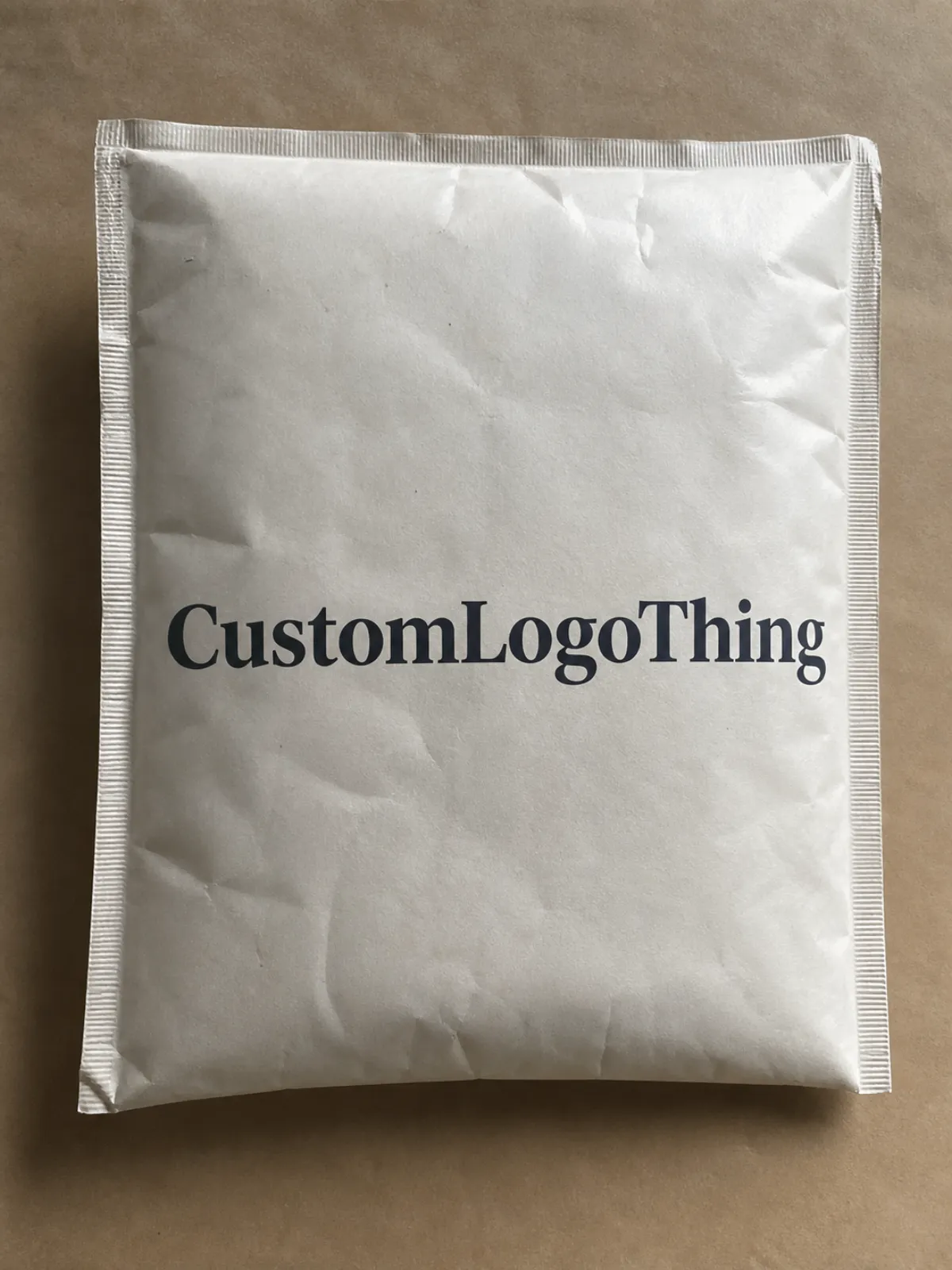
The problem with vague quotes is simple: they shift risk from the supplier to the buyer. A line item that says "custom padded mailer" without size, material, print method, packing count, or freight terms is not a comparison. It is a guess wearing a price tag.
That guess gets expensive fast for a boutique retailer. If you ship 300 orders for a product launch, a difference of only $0.08 to $0.15 per unit can turn into a real budget miss once you add setup costs, air freight, and a 2% to 5% damage or reship rate. That is before you count the cost of a weak unboxing experience, which is still package branding whether people like the phrase or not.
From a packaging buyer's point of view, the quote should answer one question: what is the landed cost of a mailer that actually works? Not just a unit price. Not just a pretty render. The full picture includes print coverage, material grade, inner padding, carton count, carton size, and whether the supplier is pricing a true custom build or a dressed-up stock item.
The cheapest quote is usually the one that forgot something.
That is not cynicism. It is a pattern. Boutique brands run on presentation, and presentation starts the moment the parcel hits the doorstep. If the mailer is crushed, torn, scuffed, or too plain for the brand, the customer notices. Retail packaging has to survive transit and still look intentional.
A clean quote checklist solves that problem. It forces every supplier to price the same spec, so you are comparing apples to apples instead of apples to "whatever the factory thought you meant." That is the point of the Custom Padded Mailers for boutique retailers supplier quote checklist: fewer surprises, fewer revisions, and a much better shot at a margin that holds.
Product details that actually matter in a padded mailer
A padded mailer looks simple from the outside. It is not. The outer layer, padding layer, seal strip, and optional tear strip all affect protection, print quality, and customer perception. Skip one of those details and the product may still ship, but it will not ship well.
The outer surface can be paper, kraft, or poly film. The padding can be bubble, air-cell cushioning, or a fiber-based liner. Seal strength matters because a weak adhesive strip means returns, leaks, and a mess at fulfillment. Tear strips matter because a customer who has to attack the mailer with scissors will not hand out brand points for elegance.
For boutique retail, the finish is almost as important as the structure. Matte film reads differently from gloss film. Natural kraft feels different from bright white. Logo placement changes whether the mailer looks premium or busy. Print registration matters too; a logo pushed off-center or a faded brand color can make a small batch look cheap even if the material itself is fine.
Different product types benefit from different mailer builds:
- Jewelry - light, compact, and usually better served by a polished exterior plus enough crush protection to keep boxes, cards, or clasps from scuffing.
- Cosmetics - often need a cleaner look, stronger seal reliability, and enough padding to protect rigid jars, compacts, or glass bottles.
- Small apparel - can use lighter protection, but the mailer still has to hold shape and avoid overstuffed corners that split on the way out.
- Accessories - sunglasses, belts, hair tools, and small leather goods need better puncture resistance than a thin poly mailer offers.
- Subscription-style shipments - benefit from repeatable branded packaging and consistent print across reorders.
The comparison with standard poly mailers is straightforward. A plain poly mailer is lighter and cheaper, but it offers less crush resistance and less perceived value. A padded version adds some weight and cost, yet it protects better and usually looks more finished. A custom printed box gives more rigidity and more surface area for design, but it adds dimensional weight and usually makes less sense for low-profile goods. That is where packaging design becomes a business decision, not a style exercise. For many boutiques, a padded mailer sits in the useful middle ground.
If your product is very flat and non-fragile, a custom poly mailer may still be the better choice. If you want to compare that route, see Custom Poly Mailers. If the item is delicate or premium enough that shipping damage would hurt both margin and brand trust, a padded format is usually the safer answer.
One more detail worth saying plainly: "recyclable" is not a magic word. Mixed-material mailers can be harder to recycle than a supplier brochure suggests. Ask what the outer layer is, what the liner is, and what recycling route applies in the destination market. FSC certification matters for paper-based components, but it speaks to responsible sourcing, not automatic recyclability. For transit performance, the ISTA test series is a useful reference point.
If you are comparing a padded mailer against a rigid mailer or a box-style shipper, ask for real material details. "Paperboard" is too vague. You want the outer paper grade, the liner, and any rigid insert specs. In some mailer builds, that means a 350gsm C1S artboard shell paired with bubble or fiber padding. That is a very different cost and feel from a thin stock item pretending to be custom.
Specifications to put in every quote request
If a supplier has to guess the size or structure, you will get a fuzzy quote. Fuzzy quotes are how people end up with "close enough" samples that are not actually close enough. Put the specs in writing from the start.
Size and fit
Ask for internal usable size, finished flat size, and flap depth. That matters because a mailer that measures correctly on paper can still be too tight once you add a box, dust bag, tissue, and insert card. If the product has corners, confirm the maximum tolerated thickness at the bulge point. A mailer that stretches to fit is usually the wrong mailer.
For boutique retail, I usually suggest stating the product itself, not just the envelope size. Example: "fits one 4 in x 6 in jewelry box with tissue and insert card" is more useful than "needs a medium mailer." Suppliers can price correctly when they know the actual use case. If the product includes a boxed set, say that too. A compact sweater mailer and a compact bottle mailer are not the same problem.
Material construction
Spell out the outer layer, the liner, and the seal strip. For example: "white kraft exterior, 2 to 3 mm bubble liner, 18 mm pressure-sensitive seal strip, tear strip optional." If you want a heavier feel, ask for the liner weight or padding density. If you want a lighter package for shipping cost control, say so. Do not assume the factory will default to the right build.
Material thickness also affects puncture resistance. For poly-based mailers, thickness is often discussed in microns or mils. For paper-based padded mailers, ask for liner weight and outer paper GSM. A decent supplier should explain the tradeoff between weight, rigidity, and cost without hiding behind jargon. If they cannot do that, they are not ready for a serious retail packaging program.
If you are comparing one supplier's paper mailer to another supplier's paper mailer, make them state the paper basis weight, not just "premium paper." Ask whether the outer layer is 120gsm kraft, 140gsm white kraft, or a laminated structure. A 20gsm gap sounds tiny until you hold the sample, stack the cartons, and see how much better one survives the trip.
Print requirements
List the number of colors, print location, PMS targets, bleed, and safe zones. If you care about exact color matching, say it. "Close enough" is not a brand strategy. Ask whether the quote includes artwork revisions, a digital proof, a physical sample, or a production-like sample. Those are not the same thing.
For a boutique launch, even a one-color logo can be enough if the substrate is attractive and the brand block is placed well. More colors are useful when the identity depends on pattern, illustration, or strong package branding. Just remember that full-bleed print can raise cost and increase the chance of visible misregistration. That is especially true on flexible films and metallic finishes.
If you need a quote for a simple one-color logo on kraft, say that directly. If you need a full wrap print with an inside pattern, say that too. A clean spec might sound boring, but it keeps the quote honest. There is no prize for making the supplier guess.
Operational details
Quote requests should include carton pack count, palletization, storage requirements, barcode labels, and any ship-from address if freight is being quoted. If the warehouse wants cartons packed 50 per case rather than 100, say that up front. If a receiving team needs carton labels with size, SKU, and lot code, specify it. Those small things shape handling cost more than most buyers expect.
For internal approval, it helps to include a simple purchase note:
- Target quantity - how many pieces you need for launch and for reorders.
- Delivery window - the latest acceptable arrival date.
- Artwork status - final, in progress, or needs supplier assistance.
- Shipping destination - warehouse, store, or 3PL.
- Must-have features - tear strip, matte finish, recycled content, or FSC paper components.
That level of detail sounds boring. It is. It also saves money. Suppliers quote faster and more accurately when the spec is concrete.
Pricing, MOQ, and quote benchmarks for mailers
There are four separate cost buckets in a mailer quote: unit price, setup cost, sample cost, and freight. Buyers who only focus on unit price usually get surprised later. Buyers who look at landed cost make fewer mistakes.
Here are directional ranges for custom padded mailers for boutique retailers, assuming standard customization and common sizes. Geography, substrate, print coverage, and freight can swing the number more than most people expect. If a quote is far outside these ranges, ask why before you approve anything.
| Order size | Typical unit price | Common extra costs | What it usually suits |
|---|---|---|---|
| 1,000 to 2,000 pcs | $0.42 to $0.78 | Setup or plates: $75 to $250; samples: $30 to $120; freight can outweigh the unit price | Test runs, new packaging formats, short seasonal drops |
| 3,000 to 5,000 pcs | $0.15 to $0.24 for a basic one- or two-color build, often $0.24 to $0.38 with heavier print coverage or upgraded materials | Setup cost is still meaningful; proofing and carton charges matter | Launches, boutique staples, and orders where cash flow matters more than absolute volume |
| 8,000 to 10,000 pcs | $0.13 to $0.27 | Setup cost spreads better; palletizing and freight still need attention | Steady monthly demand and repeat promotions |
| 20,000 to 25,000+ pcs | $0.10 to $0.22 | Best unit price, but storage and cash flow get heavier | Established programs with predictable replenishment |
That table is not fantasy pricing. It is the normal shape of the market. Lower MOQ almost always costs more per unit because the factory has to absorb setup, color matching, and handling across fewer pieces. Higher volume lowers unit price, but only if you can actually store and sell the inventory. A boutique buyer who orders 25,000 mailers for a 4,000-piece season just bought a storage problem with a discount attached.
Watch the quote for these items:
- Tooling or plate charges - common on printed poly and film structures.
- Sample fee - a plain stock sample should be cheaper than a printed approval sample.
- Freight terms - EXW, FOB, DDP, or delivered pricing can change the real number a lot.
- Payment terms - 30/70, full prepay, or deposit terms affect cash flow.
- Reorder pricing - some suppliers quote a lower reprint rate after the first tooling is already made.
Ask for the same spec in at least three volume tiers. That tells you where the price curve really flattens out. Sometimes the jump from 5,000 to 10,000 pieces saves enough to matter. Sometimes it saves almost nothing, which means the extra inventory risk is not worth it. That is useful information, not bad news.
If a supplier quotes "cheap" but refuses to spell out freight or finish details, the quote is incomplete. That is not a bargain. It is a delayed bill.
Production process and timeline for supplier quotes
Most delays happen before production starts. The supply chain drama usually begins with unfinished artwork, unclear size specs, or someone changing the logo after proof approval. The factory is not always the problem. Sometimes the brief is.
Step 1: Inquiry and spec confirmation
The first stage should confirm size, material, print coverage, quantity, and destination. Good suppliers ask follow-up questions immediately. The weaker ones quote off a single line of email and hope the details sort themselves out later. They do not.
If you are buying branded packaging for a launch, treat the inquiry like a mini brief. Include the product type, the target audience, and whether the mailer needs to feel premium, eco-forward, minimal, or colorful. That helps with packaging design choices that affect both print method and substrate.
Step 2: Artwork proof and color approval
Most quote-to-order delays happen here. A clean vector file speeds things up. A low-resolution logo slows them down. Pantone matching takes longer than a simple one-color black print. Full-bleed art takes more proofing than a centered logo. None of this is mysterious, but it is often ignored until the schedule slips.
For buyers who need a strong brand presentation, I recommend asking whether the supplier will provide a digital proof, a printed proof, or a production sample. A digital proof is fast. A printed proof is closer to the real thing. A production-like sample is the safer option when color and finish matter enough to affect approval.
If you want the timeline in plain English, most straightforward custom padded mailer orders move like this: proof in 2 to 4 business days, production in 12 to 15 business days from proof approval, then shipping on top of that. If the order needs a new tool, specialty finish, or seasonal print queue, the schedule can stretch to 20 business days or more. Nobody likes that answer. It is still better than pretending a custom run ships itself.
Step 3: Production and quality check
Once the spec is locked, standard production for custom padded mailers often runs 12 to 25 business days after proof approval. Simple orders at the low end of the range may move faster. Custom sizes, special finishes, or peak season queues can push longer. Sample turnaround is usually faster, often 5 to 10 business days, but again, that depends on how finished the artwork is.
Quality control should cover print alignment, seal strength, edge finish, and carton count. If the mailer is part of the brand experience, a small defect rate is not acceptable just because the unit price was low. A carton of crooked logos or weak adhesive strips costs more than the discount saved in procurement.
Ask the supplier what they inspect before packing. A proper answer should include print registration, seal adhesion, puncture points, and the final carton count. If the response is just "we check quality," keep asking. That is not a process. That is a slogan.
Step 4: Packing and shipping
Carton pack count and palletization matter more than many buyers think. If a fulfillment center prefers smaller cartons for easier storage, say so before production starts. If the order ships internationally, make sure the quote states whether freight is by sea or air and who clears customs. A sloppy shipping assumption can erase the benefit of a good factory price.
For paper-based components, FSC helps verify source control. For transit performance, ISTA-style testing gives you a better picture of how the mailer behaves under compression, drop, and puncture stress. If a supplier cannot explain those basics, you are looking at a sales quote, not a packaging solution.
One practical rule: the supplier that answers proofing questions quickly usually saves more time than the one with the lowest opening price. Communication is part of cost. Slow communication has a habit of becoming overnight freight.
Why boutique retailers choose us for custom mailers
Boutique buyers want clean quotes, clear specs, and fewer surprises after approval. That is not a luxury request. It is basic service. A small brand has less room to absorb reprints, dead stock, or packaging that looks fine on a screen and wrong in a customer's hands.
What matters most is consistency. If a retailer reorders a mailer six months later, the size should still fit, the color should still match, and the print should still land where the mockup said it would. That consistency helps internal purchasing teams approve faster because they are not re-litigating the same spec on every order.
Good boutique service also means helping the buyer avoid overbuying. Smaller launch quantities, sensible reorder planning, and sample support are useful because product packaging demand is rarely flat. A seasonal brand may need 3,000 pieces for a launch and 12,000 pieces three months later if the collection takes off. The supplier should help the buyer scale without forcing a huge gamble up front.
For brands that sell on presentation, the mailer is part of the customer experience. A damaged or sloppy shipment reflects on the product whether it deserved that blame or not. That is why quality control matters so much on retail packaging. Once the customer sees the exterior, the brand has already made a promise.
There is also a practical advantage to buying from a supplier that understands package branding. A solid quote packet, a clear proofing workflow, and direct answers about print method reduce internal back-and-forth. If the team is comparing mailers against custom printed boxes, inserts, or other branded packaging options, the supplier should make that comparison easier, not harder.
One honest note: not every boutique needs a fully custom padded mailer. Some products move better in a lighter poly mailer. Some need a box. Some need an insert system. The right answer depends on fragility, brand position, shipping profile, and how much damage the business can absorb. That is why a proper quote checklist beats a rushed design decision every time.
Custom padded mailers for boutique retailers supplier quote checklist
If you want suppliers to give useful answers, send a brief that forces useful answers. That is the whole game. The custom padded mailers for boutique retailers supplier quote checklist should make the quote process shorter, cleaner, and easier to compare.
Before you request pricing, gather the following:
- Finished size requirements - include the product dimensions and any inserts, boxes, or tissue that go inside.
- Artwork files - supply vector art, brand colors, and print placement notes.
- Target quantity - give launch volume and likely reorder volume if they differ.
- Delivery date - state the actual need date, not a hopeful one.
- Shipping destination - warehouse, 3PL, store, or direct-to-consumer fulfillment site.
- Priority list - lowest cost, fastest lead time, premium finish, smallest MOQ, or the strongest protection.
- Must-have features - tear strip, matte surface, recycled content, FSC paper, or full-coverage print.
Then ask every supplier for the same things:
- Unit price at 3 volume tiers
- Setup, plate, or tooling charges
- Sample cost and sample type
- Lead time for proof, production, and shipping
- Freight terms and packaging count per carton
- Color match policy and revision limits
- Reorder pricing and any stored tooling fees
That format does two useful things. First, it exposes which supplier actually understands the spec. Second, it gives your team a fair basis for comparison. You are not sorting through vague paragraphs and side comments. You are comparing quote lines.
Here is the decision framework I recommend:
- If cash is tight - choose the lowest landed cost that still protects the product.
- If launch speed matters - choose the supplier with the clearest proofing process and a realistic lead time.
- If branding drives repeat purchase - prioritize print quality and finish over the absolute lowest unit price.
- If storage space is limited - keep MOQ in check even if the per-unit price is a little higher.
Nothing glamorous there. Just good buying. And that is usually enough. Boutique retailers do not need the loudest packaging pitch. They need a mailer that ships cleanly, fits the brand, and does not create extra work for fulfillment.
What should a custom padded mailers supplier quote include?
The quote should list size, material, print method, MOQ, unit price, setup fees, sample cost, freight terms, and estimated lead time. It should also state whether artwork revisions, color matching, and carton packing details are included. If those items are missing, the quote is not really comparable.
How do I compare MOQ on custom padded mailers for boutique retailers?
Compare MOQ against your actual monthly or seasonal demand, not against the lowest number you can find. Ask for pricing at two or three volume tiers so you can see how much the unit cost drops as the order gets larger. A low MOQ is useful if inventory space is tight, but it usually carries a higher unit price.
What print details matter most for boutique mailer quotes?
You need to confirm artwork size, print location, color count, PMS targets, and whether the supplier can match your brand colors consistently. Ask for proof rules and revision limits so the approval process does not drag on. If the print is the brand statement, ask for a sample or press proof before full production.
How long does production usually take after quote approval?
Sample turnaround is usually faster than full production, but both depend on artwork approval and factory capacity. Custom sizes, special finishes, and busy seasons can stretch the timeline. A supplier should give you a clear estimate for proofing, production, and shipping instead of one vague date. For many standard runs, expect about 12 to 15 business days from proof approval to production completion, then shipping on top of that.
Can I request samples before placing a full order?
Yes, and you should, especially if the mailer will ship fragile or premium retail goods. Ask whether the sample is a plain stock sample, a printed proof, or a production-like sample, because those are not the same thing. If the supplier will not explain the sample type, they are making the decision harder than it needs to be.
Use the checklist, send the same packet to multiple suppliers, and compare the answers line by line. That is how you Get a Quote That is actually useful. It is also how you avoid paying for missing details after the order is already approved. For custom padded mailers for boutique retailers supplier quote checklist decisions, the winning brief is the one that makes unit price, lead time, freight, and protection visible in the same view. Everything else is decoration.

