Buyer Fit Snapshot
| Best fit | Printed Padded Mailers for Sample Kits Reorder Plan projects where brand print, material claims, artwork control, MOQ, and repeat-order consistency need to be specified before quoting. |
|---|---|
| Quote inputs | Share finished size, material target, print colors, finish, packing count, annual reorder estimate, ship-to region, and any compliance wording. |
| Proofing check | Approve dieline scale, logo placement, barcode or warning zones, color tolerance, closure strength, and carton packing before bulk production. |
| Main risk | Vague material claims, crowded artwork, missing packing details, or unclear freight terms can make a low unit price expensive after revisions. |
Fast answer: Printed Padded Mailers for Sample Kits Reorder Plan should be specified like a repeatable production item. The safest quote records material, print method, finish, Artwork Proof, Packing Count, and reorder notes in one written spec.
Production checks before approval
Compare the actual filled-product size with the drawing, then confirm tolerance on folds, seals, hang holes, label areas, and retail display edges. Reserve space for logos, QR codes, warning copy, and material claims before decorative graphics fill the panel.
Quote comparison points
Review material grade, print process, finish, sampling route, tooling charges, carton quantity, and freight assumptions side by side. A quote is only useful when the supplier can repeat the same color, closure quality, and packing count on the next order.
The printed Padded Mailers for Sample kits reorder planning guide matters because the first run already answered the hardest questions. The format worked, the kit fit, and the package made it to the recipient without falling apart in transit. Now the real job is repeatability: keep the next order on spec, keep it on schedule, and keep it priced like a planned purchase instead of a small financial emergency. Sample programs live or die on small details, and the outer mailer is usually the first thing a buyer sees.
That makes reorder planning a supply task, not a creative exercise. The best programs protect the contents, hold the print quality steady, and keep fulfillment moving without surprise substitutions or last-minute freight drama. If you are comparing packaging options, it helps to review them against Custom Packaging Products early, then keep the approved sample kit mailer locked in place for the next cycle instead of starting the whole debate over because someone wants a fresh look.
Why Printed Padded Mailers Win Sample Kit Reorders
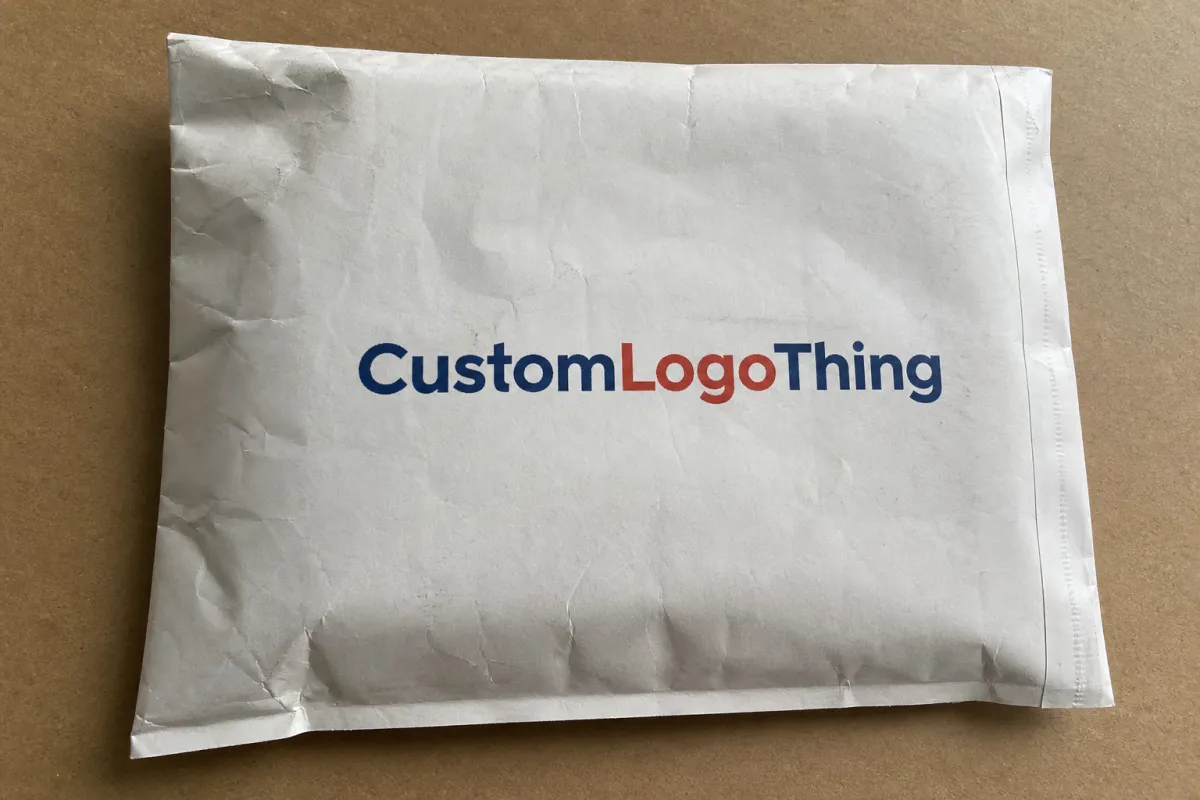
A sample kit gets judged fast. Sometimes before the flap is even opened. That changes the packaging decision immediately. A printed padded mailer signals care, structure, and a brand that understands presentation. A plain envelope can still move product, but it looks temporary. That is not the impression most teams want after spending money to get their sample into the right hands.
Printed Padded Mailers for Sample Kits do two jobs at once. They cushion swatches, inserts, small components, and fragile promo items during handling, and they create a branded moment the second the package lands on a desk, in a mailroom, or at a retail counter. The padded build adds protection without forcing the buyer into a box, extra void fill, or a heavier shipper that raises postage for no useful reason. For many sample programs, that is the sweet spot: enough protection to survive parcel handling, enough polish to look intentional, and enough consistency to make reorders boring.
For reorder planning, boring is good. Once the format has proven itself in the field, the next order should keep the approved details intact: the same size, the same closure, the same print layout, the same material feel. That kind of discipline keeps procurement sane and avoids the endless loop of reworking packaging every time demand changes by a few percentage points and someone decides the answer is a redesign. That is how teams end up with more meetings than mailers.
There is also a cost angle. Better planning cuts stockouts, which means fewer emergency orders and fewer calls where marketing, sales, and operations all pretend they are thrilled to choose a substitute on the spot. It also trims waste. If the approved mailer still fits the kit, there is usually no reason to replace it just because the calendar rolled forward or the campaign grew from 2,000 samples to 6,000.
From a packaging buyer's point of view, the upside is straightforward:
- Fewer stockouts because reorder timing follows actual usage, not panic.
- Faster fulfillment because the team is not waiting on a new spec decision.
- Lower waste because the approved mailer keeps getting used instead of being replaced after one test run.
- Cleaner purchasing because repeat quotes are easier to compare when the build stays fixed.
If you manage sales kits, cosmetic sample packs, apparel swatches, or product inserts, the same logic applies. The mailer has to hold up in transit, but it also has to feel intentional. That balance is what makes printed padded mailers a strong repeat choice for sample programs that need both protection and presentation. For brands shipping flat items like sample cards, instruction sheets, and compact product bundles, the package should feel like part of the experience, not an afterthought with a logo slapped on it.
The best reorder is usually the one that does not force a debate about structure, fit, or print coverage. If the approved sample kit mailer still works, keep it working.
Printed Padded Mailers for Sample Kits Reorder Planning Guide
This printed Padded Mailers for Sample Kits reorder planning guide starts with the basics: know what you approved, know how fast you use it, and know where the reorder trigger sits before inventory gets awkward. That sounds obvious. Plenty of teams still wait until the last carton is almost gone and then act surprised when pricing, proofing, and freight all need time. They are not actually surprised. They just hoped the calendar would care about their launch schedule.
Repeat orders work best when the original build already settled the hard questions. Did the kit fit flat, or did it need depth? Did the closure hold during parcel handling? Did the printed face stay readable after storage and shipping? Did the package still look clean after a sorter, a truck ride, and a desk pile? Those answers decide whether the next order stays identical or needs a controlled adjustment.
Brand consistency matters too. A sample kit often passes through sales, fulfillment, operations, and customer service before the end user sees it. If one batch ships in a different size or with a slightly off logo tone, the program starts to look less controlled than it really is. Keeping the same padded mailer specification helps the whole operation look organized instead of improvised. That matters in B2B outreach, retail sampling, subscription sample drops, and any program where the outer package is doing some of the brand work.
Buyers also get a cleaner quoting process when the spec stays fixed. If the dimensions, material, and print setup do not change, the vendor can price the order faster and with fewer questions. That shortens the approval cycle and makes it easier to compare one run against the next without opening a fresh round of specification cleanup. Nobody needs a six-email thread to rediscover dimensions that were already approved six months ago.
If your program uses other packaging types alongside padded mailers, the reorder logic still stays the same. Custom Poly Mailers may fit low-fragility shipments, but sample kits often need the extra cushioning and the more polished face that a padded format brings. The structure should match the contents, not the other way around. A mailer that works for a T-shirt sample is not automatically right for glass vials, foil packets, swatch cards, or a small stack of printed materials.
What the structure usually includes
A typical printed padded mailer includes an outer branded face, an inner cushioning layer, and a closure system that seals the flap without a second box or loose fill. Paper-based liners are common when the package needs a retail-ready look. Film-based constructions can add more moisture resistance for shipments that sit in a warehouse, move through humid regions, or travel through a mixed carrier network. A lot of teams also prefer a peel-and-seal strip because it keeps pack-out consistent and saves the back-and-forth that comes with separate tape steps.
The design is more than skin deep. A good mailer still has to open cleanly, seal reliably, and store flat enough to keep picking and packing efficient. If warehouse staff have to wrestle with the thing, labor cost shows up fast across a large reorder. Packaging always finds the budget somehow. So do returns, damage claims, and the one intern who keeps asking why the flap does not line up.
For a higher-end sample kit, the mailer is often paired with an insert card or order sheet printed on 350gsm C1S artboard or a similar coated board. That gives the kit a stiffer, more premium first impression without forcing the shipper to jump to a box. If the insert carries instructions, a QR code, or a product matrix, the board stock should stay flat and readable instead of curling like cheap flyer paper.
Where printed coverage helps the most
Print is not decoration for decoration's sake. Full-panel branding can turn a simple shipment into a more memorable brand touchpoint, while smaller repeat logos can keep cost under control if the order needs to stay lean. Many sample kit programs do best with a clean front panel, a clear return-address area, and a reserved zone for shipping labels, barcodes, or compliance markings. If the kit needs a batch code, warning icon, or carrier label, that space should be reserved before artwork is approved, not discovered after print plates are already committed.
That layout keeps the package readable for people and machines. It also lowers the odds that labels cover the logo or that graphics run into tape, seams, or fold lines. In production, those spacing decisions matter more than people want to admit. They matter even more when the artwork uses gradients, fine text, or a lot of total ink coverage, because those details can look great on screen and muddy in print.
Material choices and common use cases
Paper-based padded mailers work well when the sample kit should feel polished and recyclable-looking. Film-based mailers may be the better pick when moisture resistance matters or when the shipment needs a tougher exterior for rough handling. Some programs choose a lighter paper face with a cushioned liner. Others prefer a more durable outer shell for recurring B2B shipments. For a standard paper-faced reorder, a 350gsm C1S artboard outer face can give a smooth print surface and a clean, premium feel without adding unnecessary bulk. For a less formal build, a kraft-based face in the 300gsm range may be enough.
For buyers who care about paper sourcing, ask whether the stock can be tied to FSC-certified paper. That matters when the sample kit is part of a broader sustainability message, and it is easier to confirm before the first run than after the spec is already locked. If the reorder needs a more responsible look and feel, paper choice matters as much as the logo.
The same logic applies to testing. If your kit contains delicate items or expensive components, ask whether the pack-out should be reviewed against ISTA transit testing guidance so the mailer choice reflects real shipping conditions instead of a pretty mockup. A package that survives a desk test but fails a parcel route is not a win. It is a future chargeback waiting to happen.
For teams managing cosmetics, supplements, apparel swatches, or technical samples, the right material depends on item count, surface sensitivity, and the expected impression. A polished face works for retail-style outreach. A more protective build fits field sales kits or subscription-style sample programs that ship often. If the contents have sharp corners, glass parts, or a little weight, the liner and seal need to be chosen for that reality, not just for the art proof.
Size, Thickness, and Print Specifications for Reorders
Size is the first number to confirm, and it is also the easiest place to make a mistake. Finished dimensions need to account for the real contents, not just the brochure or the largest swatch card. The kit should sit comfortably inside the mailer with enough closure overlap to seal well, but not so much empty space that the contents slide around and the package loses shape. A mailer that is too large can look sloppy. One that is too tight can split at the seam or crush the sample stack.
For repeat orders, a packaging buyer should review at least five specification points: finished size, usable interior space, sample weight, closure style, and whether the contents stay flat or need some depth. Those details look minor on paper. They decide whether the mailer works smoothly in production and in transit. They also affect postage. A few millimeters of thickness can change how the package travels through a carrier network and what it costs to ship 5,000 units across a quarter.
Thickness matters too. A padded mailer that is too light can make the kit feel underprotected, while an overly thick build may raise postage, take up more storage room, or create fit problems in cartons and bins. In many sample programs, the sweet spot is a mailer that protects the contents without pushing the shipment into a heavier class than necessary. That usually means enough liner density to cushion a flat insert or a compact kit, but not so much bulk that the shipper starts acting like a box in a trench coat.
Print specifications deserve the same attention. If the prior order used a specific PMS match, a CMYK build, or a certain ink coverage level, keep that documented. If there is a dieline, use it. If the logo position was approved with a safe margin, preserve it. Reorders move faster when the file is production-ready instead of needing a fresh cleanup pass. For many repeat programs, that means saving the print file, the dieline, and the approved PDF proof in one place, because hunting through old threads is a waste of a day and nobody enjoys it.
Practical artwork items usually include:
- Final dieline with the exact fold and seal area.
- Logo placement measured from trim and fold lines.
- PMS or CMYK references for consistent color handling.
- Safe margins so art does not drift into sealed edges.
- Print coverage notes showing blank zones for labels or barcodes.
Compatibility matters too. A mailer that works for retail samples may not suit heavier B2B outreach kits, and a format that handles apparel swatches well may not be right for cosmetics with glass vials or rigid inserts. If the last run showed any fit, seal, or transit issue, fix that before placing another identical order. Reordering the same mistake with more confidence is still a mistake.
| Mailer Type | Best Fit | Typical 5,000-Unit Price | Notes for Reorders |
|---|---|---|---|
| Paper-faced padded mailer with one-color print | Light sample kits, literature packs, flat inserts | About $0.15-$0.24 each | Works well when the size is standard and print coverage stays modest |
| Full-panel printed padded mailer | Premium sample programs, retail outreach, presentation kits | About $0.22-$0.38 each | Full-bleed art, tighter registration, and heavier coverage move the price up |
| Film-based padded mailer | Moisture-sensitive shipments, rough-handling routes | About $0.20-$0.34 each | Often chosen when shelf life, durability, or wet-weather handling matters |
| Custom-sized padded mailer | Unique kit dimensions, special inserts, mixed-component sets | About $0.28-$0.50 each | Fit improves, but tooling, setup, and proof cycles can add time |
Those ranges are directional, not universal. Material choice, print method, quantity tier, freight method, and final pack configuration all move the number. Still, they give buyers a realistic frame for comparing options before asking for a formal quote. If a supplier comes in far outside that band, ask what is driving it. Sometimes the answer is legitimate. Sometimes the spec is not what anyone thought it was.
Pricing, MOQ, and Quote Factors for Reorders
Pricing for printed padded mailers usually comes down to a handful of clear inputs, and quantity is the biggest one. Larger repeat orders often lower the unit cost because setup, handling, and conversion are spread across more pieces. At around 5,000 pieces, a straightforward paper-faced reorder can often land near $0.15-$0.24 per unit depending on size and print coverage. Add more ink, a custom size, or a specialty liner and the number climbs. Smaller emergency reorders can look expensive even when the build is identical, because the fixed production work gets recovered over fewer units.
Material choice is the next big factor. Paper-faced constructions, film-faced constructions, heavier liners, specialty adhesive strips, and custom dimensions all affect cost. Print coverage matters as well. One-color branding usually costs less than a full-panel, multi-color layout with tight registration and heavier ink coverage. A clean logo on one side is easier to price than a two-sided design with large solid backgrounds and precise color matching, especially if the buyer wants the mailer to look premium instead of merely functional.
Finish details can shift the quote too. A peel-and-seal closure, reinforced flap, tear strip, or custom sizing often adds cost, but those features may save labor or reduce damage in the real world. That is where total landed cost becomes more useful than sticker price alone. A cheaper mailer that causes damage, misfits a carton, or slows packing can cost more in the end. The math gets boring very quickly, which is usually a sign the math is correct.
MOQ matters because it sets the floor for price efficiency. If a sample kit program only needs a few hundred units, the unit price is usually higher than a larger planned build. Ask for tiered pricing so the team can compare the cost of a tight reorder, a normal replenishment run, and a larger inventory fill. A quote that shows 1,000, 3,000, and 5,000 units side by side is more useful than a single number that hides the tradeoff between cash flow and unit cost.
For many brands, the real question is not "What is the cheapest mailer?" It is "What order size keeps us out of emergency mode while staying inside storage and cash-flow limits?" That is the purchasing decision that actually controls monthly cost. Sometimes the smarter move is to carry a little extra inventory and avoid rush fees. Sometimes it is to keep the run smaller because the sample kit changes every quarter. The right answer depends on usage, not wishful thinking.
Include the following in every quote request:
- Finished size and any fit notes from the prior run.
- Quantity target and whether you want tiered pricing.
- Artwork status so the supplier knows if files are ready.
- Shipping destination with zip or postal code.
- Target delivery date or campaign deadline.
- Packing instructions such as carton counts, pallet needs, or label placement.
For teams that buy packaging across multiple programs, it can help to compare a sample kit mailer against broader Wholesale Programs so the purchasing team sees where consolidated volume might improve unit cost. That is especially useful when one item moves steadily and can support a more predictable reorder rhythm. It is also the quickest way to spot whether the sample kit volume can piggyback on a larger annual buy instead of being treated like a one-off.
A reorder should also account for freight. If the quote looks good but the shipping lane is expensive or the destination is awkward, the landed number may not be as attractive as it first appears. Buyers who track total cost month to month tend to make better calls than buyers who only stare at the piece price. Freight across a short lane can look cheap; freight on a rushed cross-country order can ruin the whole budget.
Process and Lead Time for Printed Padded Mailers
The reorder workflow is straightforward, but every step matters. Start with usage review. Confirm how many pieces are on hand, how quickly the kit moves, and whether any seasonal spike or campaign schedule could change demand. That first pass keeps the order from being based on wishful thinking. If the program is moving 800 units a month now but jumps to 1,400 during trade show season, the reorder trigger should reflect the spike instead of pretending it does not exist.
Next comes quote confirmation. If the previous build is still current, the supplier can usually price the order quickly. If anything changed, such as size, artwork, or material, the proofing process may need extra time. A small edit can be easy. A structural change is a different job. Swapping a logo color is not the same as changing the mailer width by half an inch. One is a file update. The other can affect fit, tooling, and shipping.
After the quote, artwork review comes into focus. A lot of avoidable delay lives here. If the file is clean, the dieline is approved, and the prior reference number is available, the production team can move faster. If the logo was resized, the print area changed, or the colors need reconfirmation, the clock stretches. The cleanest path is to provide print-ready artwork, an approved proof, and the last purchase order or item code from the prior run.
The rest of the process is familiar: proof approval, production, quality inspection, packing, and shipment. The exact timeline depends on the spec, but repeat orders with locked artwork often move faster than first-time orders. A typical repeat program may land in the 12-15 business day range from proof approval, while a changed structure, custom insert, or new material can take longer. If a buyer needs rush freight on top of that, the schedule gets tight fast.
Here is the part many buyers miss: lead time is not only production time. It also includes the time needed to decide, approve, and receive the order. A planner who waits until stock is almost gone may still pay a rush fee even if the factory turnaround is normal, because transit and internal approvals eat the buffer. The mailers did not get slower. The approval chain did.
One of the cleanest reorder rhythms is to set a trigger point based on actual consumption. If a program uses 1,000 mailers per month, the reorder threshold should leave enough units for the next production cycle plus transit, not just enough to survive the next few days. That is a more disciplined way to avoid stockouts. A simple rule works better than a heroic rescue: reorder when on-hand inventory drops to about one full lead time plus a safety cushion tied to recent usage.
A reliable reorder schedule usually beats a fast emergency order. The emergency order may save the week, but the planned order saves the budget.
If the prior order number, sample reference, or approved proof is available, include it. That shortens the email chain and reduces the chance that someone quotes the wrong build. It also helps the production team match color, structure, and closure details to the last approved run instead of rebuilding the spec from memory, which is always a bad plan. Memory is not a production document, no matter how confidently someone says, "I think it was the same."
Finally, keep the reorder note simple. State what should stay the same, what has changed, and where the shipment needs to go. The clearer the request, the fewer surprises the order will create. A clean note with dimensions, quantity, artwork status, and target delivery date usually beats a vague paragraph full of enthusiasm.
Why Custom Logo Things Is a Strong Reorder Partner
A good reorder partner is not the loudest one. It is the one that helps a packaging program stay stable. For sample kits, that means matching the existing build, keeping the dimensions consistent, protecting the printed appearance, and making sure the next run behaves like the last one. When a supplier does that well, the buyer spends less time fixing packaging problems and more time keeping inventory in motion.
Custom Logo Things fits that role by focusing on repeatability and clear communication. If the prior spec is approved, the most useful work is to preserve it accurately. That includes checking the artwork, confirming the size, and making sure the closure, material, and print coverage still align with the original intent. A reorder should feel like a controlled refresh, not a new packaging experiment dressed up as efficiency. If the original mailer used a paper-faced build with a peel-and-seal closure and a simple one-color logo, the next order should not wander into a shiny new version just because somebody wants novelty.
That matters because sample kit programs usually have more than one stakeholder. Marketing wants the package to look on-brand. Operations wants it to pack quickly. Procurement wants pricing to stay predictable. Sales wants the kit to arrive presentable. A dependable manufacturer helps all four groups by keeping the mailer consistent and the approval process straightforward. That is the whole point of a reorder partner: less drama, fewer surprises, fewer correction emails.
Production support matters even more when the order is being repeated after some time has passed. Files drift. Teams change. Specs get buried in old emails. A supplier that reviews the order carefully can catch issues early, such as artwork that no longer matches the approved size, quantities that do not match the forecast, or a material swap that could affect the final appearance. Those are small catches with outsized payoff, because fixing them before print is a lot cheaper than discovering them when the cartons are already on a truck.
That kind of support is especially useful for companies that buy packaging across several channels. If you are comparing a sample kit mailer against broader packaging lines, the FAQ can help clear up common order questions before the procurement team sends the request. That saves time on both sides and keeps the reorder moving. It also prevents the very common mistake of asking for a quote with half the needed detail and then losing two days to clarification.
There is also real value in keeping the print tone and dimensions consistent from one run to the next. A mailer that shifts in color or fit can make the whole sample program feel less controlled, even if the contents are unchanged. Buyers notice that. Customers do too. Nobody wants a sample kit that looks like it was sourced from three different eras of the brand.
On the supplier side, a stable reorder helps planning as well. Clear specs make production more efficient, and efficient production usually means fewer delays and fewer misunderstandings. That is not hype. It is what happens when the packaging brief is specific and the manufacturer respects the approved build. Good specs do not just help the plant. They help the buyer get the same result twice, which is the actual goal.
For brands that want their sample kits to look polished without turning the order into a redesign project, that steady approach is exactly what a reorder partner should provide.
Next Steps for Your Sample Kit Reorder Plan
Start by pulling the last approved order details. You need the finished size, the print file, the previous quantity, and any notes about fit or seal performance. If the old run had no issues, keep that build intact unless a real business reason says otherwise. If there were concerns, fix them before the next order goes out. A reorder should correct a problem, not preserve it out of habit.
Then check current stock and compare it with average monthly usage. That gives you a real reorder trigger. A program that moves steadily should not wait until the shelf is nearly empty, because lead time, transit, and internal approvals all need room. Reorder timing is not a guess; it is a simple supply calculation. If monthly use is 1,200 units and the combined production plus transit window is three weeks, the trigger needs to leave a real cushion, not a hopeful one.
Once the reorder point is set, gather the details needed for a clean quote. Include size, quantity, print artwork, shipping destination, and any deadline tied to a launch, event, or sales push. If the previous spec should be matched exactly, say that plainly. If anything changed, list the changes in one place so the quote reflects them. A supplier should not need to decode your inbox like it is a puzzle from a bad software rollout.
It also helps to think about storage and handling. A mailer that ships well but takes too much space may not be ideal for a crowded stockroom. A mailer that looks premium but slows packing may not be the right answer for a high-volume sample program. Good reorder planning balances all of those factors without turning into a three-hour spreadsheet drama. The best packaging is usually the one that disappears into the workflow and just works.
For most buyers, the smartest path is simple: keep the proven structure, confirm the inventory trigger, and place the next order before the last carton leaves the shelf. That is how sample kit programs stay steady without forcing rush decisions or spec changes that do not improve performance. If the program is growing, add a buffer. If the campaign is shrinking, adjust the quantity, not the build.
That is the point of a printed padded mailers for sample kits reorder planning guide. Lock the build, watch usage, and reorder early enough that the packaging supports the program instead of interrupting it. The mailer should make the sample kit look prepared, not panicked.
How far ahead should I reorder printed padded mailers for sample kits?
Base the timing on actual monthly usage, then place the order before you fall into a shortage window. A safe plan leaves room for production, transit, and any campaign-driven demand spike, so the sample kit keeps moving without a rush charge. For many repeat programs, that means starting the reorder process several weeks before inventory gets tight, especially if the proof still needs approval or the order includes custom print coverage.
What do you need to quote a repeat order for sample kit mailers?
Provide the finished size, quantity, print colors, artwork file, shipping destination, and whether the previous spec should be matched exactly. If the design changed, note what is different. Sharing the prior PO or order reference usually speeds up the estimate and cuts down on clarification emails. If the order includes an insert, mention whether it uses stock like 350gsm C1S artboard or another board weight so the quote reflects the full pack-out.
Can I change the size or artwork on a reorder without starting over?
Small artwork edits may be straightforward if the base construction stays the same and the print area still fits the original layout. A size, material, or closure change usually requires a new proof and can affect MOQ, pricing, and lead time. If the mailer already performs well, it is often faster to keep the structure and only update the artwork when needed. A simple logo change is not the same as changing the physical build.
What MOQ should I expect for printed padded mailers?
MOQ depends on the material, print method, and how much customization the order includes. Higher quantities usually lower unit cost, while smaller runs carry more setup and handling cost per piece. Ask for tiered pricing so you can compare a tight reorder against a larger inventory build. For planning purposes, a 5,000-piece run is often the point where standard sizes and simple print coverage start to look meaningfully more efficient.
How do I keep sample kit costs predictable month to month?
Lock the spec, keep the artwork approved, and reorder from the same build whenever possible. Track usage and set a stock trigger so you are not forced into rush production or expensive freight. Review landed cost, not only unit price, because freight and inventory timing can shift the real budget. If the kit uses a stable mailer, a repeat run often falls into the same pricing band, which makes monthly forecasting a lot less annoying.