Buyer Fit Snapshot
| Best fit | Printed Padded Mailers for Candle Brands Quote Checklist projects where brand print, material claims, artwork control, MOQ, and repeat-order consistency need to be specified before quoting. |
|---|---|
| Quote inputs | Share finished size, material target, print colors, finish, packing count, annual reorder estimate, ship-to region, and any compliance wording. |
| Proofing check | Approve dieline scale, logo placement, barcode or warning zones, color tolerance, closure strength, and carton packing before bulk production. |
| Main risk | Vague material claims, crowded artwork, missing packing details, or unclear freight terms can make a low unit price expensive after revisions. |
Fast answer: Printed Padded Mailers for Candle Brands Quote Checklist should be specified like a repeatable production item. The safest quote records material, print method, finish, artwork proof, packing count, and reorder notes in one written spec.
Production checks before approval
Compare the actual filled-product size with the drawing, then confirm tolerance on folds, seals, hang holes, label areas, and retail display edges. Reserve space for logos, QR codes, warning copy, and material claims before decorative graphics fill the panel.
Quote comparison points
Review material grade, print process, finish, sampling route, tooling charges, carton quantity, and freight assumptions side by side. A quote is only useful when the supplier can repeat the same color, closure quality, and packing count on the next order.
A candle brand can spend serious money on fragrance oils, vessel quality, wax blend, closure details, and label finishing, then quietly lose margin because the outer shipping pack was treated like an afterthought. That is exactly why a printed Padded Mailers for Candle Brands supplier quote checklist matters. It keeps the buying conversation anchored to fit, protection, print quality, lead time, and landed cost instead of a cheap-looking unit price that solves nothing.
Outer packaging mistakes rarely show up in dramatic ways. They show up in support tickets, replacement orders, and photos of dented lids. Labels scuff. Folding cartons arrive with rubbed corners. Tins get dinged at the rim. Wax melt packs slide around inside oversized mailers and look careless the second the customer opens the parcel. For small and mid-sized e-commerce candle brands, that kind of damage is expensive because the product margin is often already under pressure from freight and fulfillment.
Printed padded mailers can do two jobs at once if they are specified properly. They add cushioning and puncture resistance that a plain paper envelope does not provide, and they carry the brand experience in a format the customer touches first. For repeat-purchase categories like home fragrance, wax melts, travel tins, gift sets, and small accessories, that first impression matters more than some buyers want to admit.
They are not the right answer for every SKU, and pretending otherwise is lazy. A large unsupported glass candle, especially anything above roughly 14 to 16 ounces in a heavier vessel, will often need a stronger shipping format, a corrugated insert, or a box-in-box setup if you want transit risk under control. Printed padded mailers fit best for metal tins, small travel candles, wax melt clamshells, tealight sets, boxed single units, room spray accessories, and sample packs. Some boxed glass units can work too, but only after fit testing and a basic drop review.
If you are comparing suppliers for custom mailers, the goal is simple: quote on facts. Material gauge, bubble profile, seal strength, print method, carton pack, sample policy, and testing support tell you far more than the headline price ever will. If you want to see how branded mailers fit into a broader shipping and retail packaging program, our Custom Packaging Products page is a useful starting point for balancing e-commerce protection with shelf-ready presentation.
Why printed padded mailers matter for candle brands
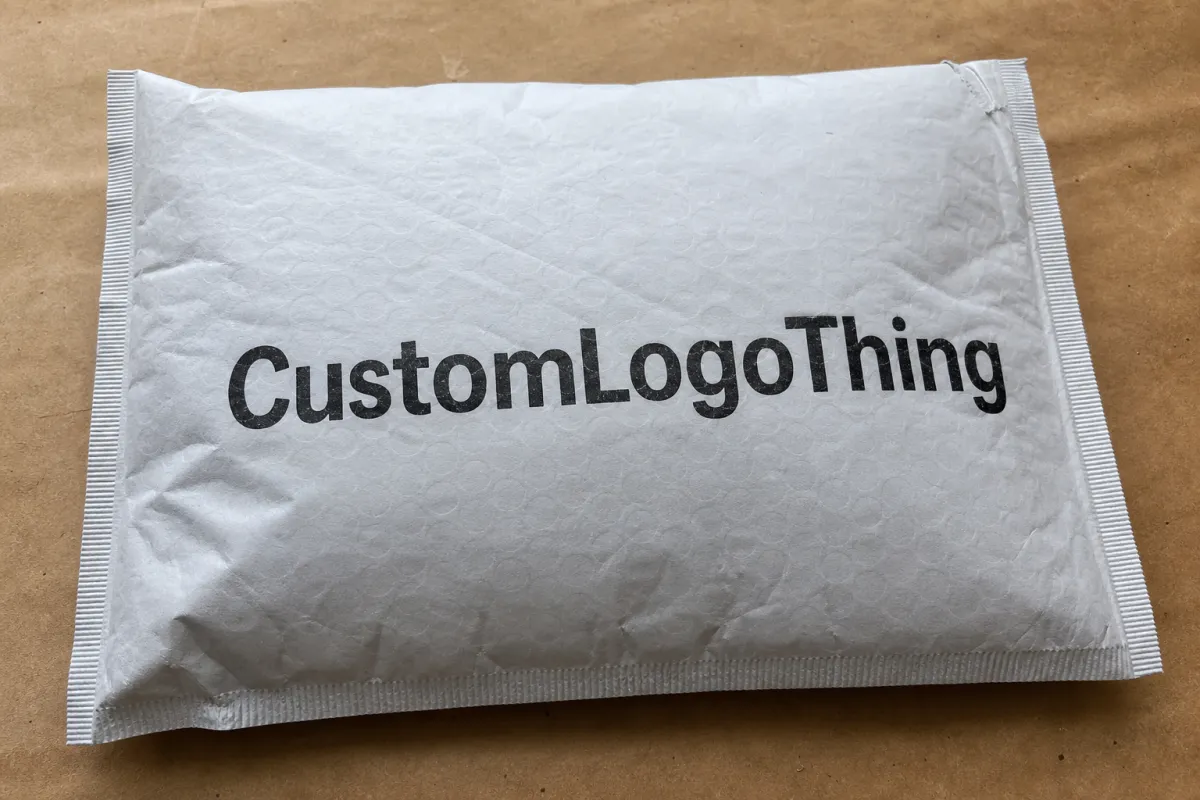
Candle brands usually think first about the product in the jar or tin. Fair enough. Scent throw, wax performance, burn characteristics, vessel style, and label feel shape the brand in obvious ways. Still, for most online orders the first physical touchpoint is the exterior mailer. If that mailer looks flimsy, arrives wrinkled, or fits the product badly, the customer notices before they ever judge the candle itself.
One of the less glamorous truths in parcel shipping is that damage often comes from packaging geometry more than from the product category. A mailer that is too large creates internal movement. A mailer that is too tight can crush a premium carton, wrinkle a paper label, or stress a lid edge. I have seen brands upgrade the candle, upgrade the label stock, and upgrade the insert card while still sending the order in a poor outer pack that undermines all of it. Not a brilliant use of budget.
For candle brands, printed padded mailers work best when the product has some natural durability or sits inside an intermediate protective layer. A tin candle with a snug paperboard wrap is a very different shipping candidate than a bare glass tumbler. A wax melt in a compact folding carton behaves differently than a frosted jar with a metal lid. A supplier quote should reflect those differences instead of lumping every candle SKU into one generic padded-mailer recommendation.
There is also the economics side. Buyers often focus on saving a few cents on the outer pack. Fine. That only helps if the cheaper option does not increase scuffing, trigger more damage claims, or force extra void fill and packing labor. A mailer should support fulfillment throughput and brand presentation at the same time. If it cannot do both, it is not actually cheaper.
Callout: A mailer is not just a printed bag. For candle e-commerce, it is a protection system, a branding surface, and a labor variable all at once.
Storage efficiency matters too. Padded mailers ship and store flat, so they take far less warehouse space than pre-erected rigid packaging. That helps seasonal candle brands, limited-edition launches, subscription formats, and businesses with fluctuating scent assortments. If one structural size can support several SKUs with different printed artwork or simple labeling changes, procurement and warehouse handling get easier in a hurry.
Channel fit matters just as much. A branded padded mailer may be ideal for direct-to-consumer replenishment orders, influencer mailings, travel-size launches, and wax melt collections. It may be a poor fit for wholesale master shipping, heavy holiday bundles, or premium gift sets with multiple glass units. Matching the mailer to the shipping channel is one of the fastest ways to avoid overspending on one side or underprotecting on the other.
That is the whole point of a quote checklist. It gives procurement, operations, and brand teams a shared language. Instead of asking three suppliers for “custom mailers” and getting three completely different assumptions back, you ask for the same structure, dimensions, print layout, padding style, quantity breaks, and carton packing. Then the numbers start to mean something.
Printed padded mailers for candle brands: what to specify before you request quotes
A supplier can only quote accurately when the product is defined clearly. “Printed padded mailer” is broad enough to be almost useless on its own. It may refer to a poly bubble mailer with custom exterior print, a co-extruded padded mailer with internal cushioning, or a lighter-duty cushioned format intended more for accessories than for compact home-fragrance products. Performance and pricing can shift a lot between those constructions.
Start with the packed product, not the mailer
The best quote requests begin with candle details. Suppliers should know:
- Candle format: tin, glass jar, ceramic vessel, wax melt, tealight set, sampler, or accessory
- Unit weight: actual packed weight in ounces, grams, or pounds
- Vessel material: glass, metal, aluminum, tinplate, ceramic, or plastic
- Pack style: bare unit, unit in folding carton, unit with insert, tissue, or sleeve
- Closure details: lid style, dust cover, tamper seal, label wrap, or fragile embellishments
This matters because a 9-ounce wax melt assortment packed in a small carton may work in a 2.5-mil or 3.0-mil printed bubble mailer, while a boxed 12-ounce glass candle might need thicker film, a fuller bubble profile, more cushioning, or a move to corrugated packaging altogether. Same category. Completely different answer.
Size selection is a fit exercise
Internal dimensions should be based on the finished packed product, not the bare vessel. If the candle sits in a folding carton that measures 4.25 x 4.25 x 3.75 inches, and you add tissue, a thank-you card, or a small insert, those dimensions need to be included. A practical fit target for many candle applications is a snug pack with roughly 0.25 to 0.75 inch of working space, depending on the flexibility of the mailer, the product shape, and the fragility of the contents.
Too much empty space is expensive because it increases movement and often forces extra dunnage. Too little space creates different headaches. Overstuffed mailers strain the adhesive flap, distort print panels, and give the customer a messy, overpacked parcel that does not feel premium.
If a supplier recommends a size without asking what the packed unit looks like, be careful. That is not expertise. That is guessing with confidence.
Print inputs affect both cost and appearance
Custom printed mailers are priced partly by artwork complexity. Buyers should specify:
- whether print is one side or two sides
- spot colors or full-color process
- solid coverage versus light logo placement
- barcode, batch text, warning copy, or QR code placement
- matte or gloss visual preference
- dark flood coats, which can show scuffing more easily during distribution
A simple one- or two-color logo print can be cost-effective at moderate volume. Full-coverage branding with large solids, interior print, and multiple variants usually raises setup complexity and scrap risk. Neither approach is automatically right. The choice should match the role of the mailer in the customer experience and the order value it is supporting.
Plan for SKU strategy and storage
Candle brands often juggle multiple scents, seasonal launches, and gift configurations. Before requesting a quote, decide whether several SKUs can share one mailer size. Standardizing two structural sizes instead of five can cut warehouse complexity, improve reorder efficiency, and make purchasing less tedious. Different scent families can still be separated through labels, inserts, or lighter print adjustments.
Ask how the mailers will be packed into master cartons too. Common carton counts might range from 100 to 250 pieces per case, depending on mailer size and film thickness. Carton dimensions matter if you have racking limits, receiving constraints, or a 3PL that charges by pallet footprint. Flat storage is helpful, but only if the outer cartons are sensible for your operation.
If you are comparing branded flexible mailers with other outer pack formats, our Custom Poly Mailers page can help frame material and print choices before you move into detailed quote review.
Material, protection, and performance specifications
Materials drive cost and shipping performance, so this is where buyers need to be specific. A supplier quote should identify the outer film thickness, the internal padding format, the closure style, and any performance claims in enough detail that another supplier could quote the same structure without guessing. If one quote says “premium padded mailer” and another says “3.0 mil co-ex film with 3/16-inch bubble,” only one of those is useful.
Core construction points to compare
Most Custom Padded Mailers used for candle shipments rely on polyethylene film with an internal bubble layer or a similar padded structure. Typical outer film thickness may range from about 2.5 mil to 4.0 mil, though quoting conventions vary by supplier and some describe total construction differently. Thicker film can improve puncture resistance and handfeel, but it also adds cost and can increase package weight slightly. Bubble diameter and bubble height matter too because a shallow lining does not perform like a fuller bubble pattern even if the outside print looks identical in a sample photo.
Seal integrity is another big one. A strong self-seal adhesive matters, but so does consistent side seam construction. Ask whether the supplier checks seals during conversion and whether peel performance stays stable across temperature swings. A flap that opens in transit will destroy confidence fast, and you do not need many of those incidents before the savings disappear.
Tear behavior matters as well. Some mailers resist puncture reasonably well but keep tearing once nicked. Others hold up better against sharp edges and sorter contact. Candle brands shipping metal tins, wick trimmers, matches, or small accessory tools should pay close attention to puncture and tear resistance because those items can challenge lighter film in ways a soft product would not.
Match protection to the candle format
Metal tins are usually the easiest fit for padded mailers because the vessel itself has decent impact tolerance. Wax melts, tealights, and samplers are also strong candidates, especially if they are already in compact paperboard cartons. Unsupported glass jars are the highest-risk use case. If the jar ships bare or only lightly wrapped, a padded mailer alone is often not enough.
A single boxed glass candle can work if the folding carton is rigid, the fit is tight, the vessel weight is manageable, and the route is not especially punishing. That is still something to prove, not assume. Many buyers learn that after a launch goes live, which is a terrible stage for basic packaging lessons.
The safest question is not “Can this ship in a padded mailer?” It is “Can this exact packed unit ship in this exact mailer through my actual parcel environment?” Those are not the same standard, and treating them as if they are leads to preventable damage.
Print durability counts in distribution
Mailers rub against corrugated cases, trailer floors, conveyor belts, and neighboring parcels. That is why print durability should be discussed directly. Dark navy, black, forest green, and rich matte flood coats can look excellent on arrival samples and still scuff during transportation. Ask suppliers how they handle ink adhesion and rub resistance on the chosen film. If appearance matters a lot, request a printed sample and simulate packing, stacking, and light abrasion before approving the run.
Moisture exposure matters too. Parcel networks expose packs to humidity, condensation, and the occasional rain transfer during loading. That does not mean every mailer needs to be marketed as waterproof, but buyers should ask how the print behaves if the surface gets damp and whether smearing, whitening, or finish change is likely.
Environmental claims should be specific
Some candle brands want recycled content, a mono-material structure, or clearer disposal messaging. Fair. Those goals are real, and buyers increasingly need them for internal reporting or retailer expectations. Still, the claims should be backed by details. If a supplier states recycled content, ask for the percentage and whether it is post-consumer or post-industrial. If paper components elsewhere in your packaging program require chain-of-custody support, independent frameworks such as FSC can help with sourcing discussions. For broader packaging sustainability guidance, the EPA sustainable packaging resources are a practical reference point.
Not every lower-impact option will be the best operational choice. A mailer with a stronger environmental claim may still have weaker print performance, limited thickness options, or narrower processing windows. That does not disqualify it. It just means the evaluation should include real pack-out and transit review rather than marketing copy and wishful thinking.
Request samples and real pack tests
A spec sheet is only a starting point. Ask for physical samples and test them with the actual candle unit, insert, and label finish you plan to ship. For more fragile formats, consider simple drop and compression reviews or formal transit testing aligned with recognized protocols such as those from ISTA. Even a basic in-house test sequence can reveal whether a mailer is too loose, too tight, too light, or simply wrong for the application.
If you have never tested a format before, be honest about that. There is no prize for pretending certainty while sending glass through a parcel network in an unproven pack.
Pricing, MOQ, unit cost, and the supplier quote checklist
Piece price gets most of the attention because it is easy to compare, but it is rarely the whole story. A mailer quoted at $0.24 each may cost more than one quoted at $0.27 if the cheaper option increases freight, wastes carton space, causes more damage, or creates extra labor at pack-out. Buyers should compare total landed value, not just unit cost on a spreadsheet.
For many custom printed padded mailers, typical pricing at moderate volume may fall somewhere around $0.18 to $0.55 per unit, depending on size, film thickness, print coverage, and run length. Smaller mailers with light print at 10,000 pieces may sit near the lower end. Larger or heavier structures with fuller print coverage and lower MOQs can move above it quickly. These are directional market ranges, not fixed promises, and freight can change the final number in a hurry.
Use a structured quote checklist
Every quote request should include the same line items so you can compare suppliers cleanly:
- Finished mailer size: width, length, flap dimensions, and tolerance if provided
- Material structure: poly film type, bubble lining, padded construction, recycled content if claimed
- Film gauge or thickness: quoted exactly as the supplier measures it
- Padding type: bubble size, pattern, or cushioning format
- Print method: flexographic, gravure, digital, or other process
- Color count and coverage: spot colors, process print, one side or both sides
- Closure style: permanent self-seal, peel-and-seal, perforation, double strip if needed
- Carton pack: pieces per carton, carton dimensions, gross weight
- Sampling fees: plain sample, printed sample, or press proof charges
- Tooling or plate cost: if any, plus whether it is one-time or recurring
- Shipping terms: EXW, FOB, delivered pricing, or separate freight quote
- Overrun and shortage policy: acceptable variance and billing basis
| Comparison Point | Option A: Economy Branded Mailer | Option B: Mid-Grade Retail-Finish Mailer | Option C: Heavier-Duty Protective Mailer |
|---|---|---|---|
| Typical use | Wax melts, small accessories | Tins, samplers, boxed travel candles | Boxed single glass candles, heavier gift packs |
| Indicative film/padding | Light film with standard bubble | Moderate film with fuller bubble lining | Thicker film with upgraded cushion |
| Approximate unit range at 5,000 pieces | $0.18-$0.24 | $0.25-$0.36 | $0.37-$0.55+ |
| Print approach | 1-2 colors, one side | 2-4 colors or heavier coverage | High coverage, stronger visual finish |
| Main tradeoff | Lower cost, lower presentation and durability margin | Balanced cost and appearance | Higher protection, higher cost and weight |
MOQ changes the math quickly
Minimum order quantity is not some minor admin detail. It directly affects unit cost because setup, artwork handling, print preparation, and machine time are spread across the run. A supplier quoting 1,000 pieces may need to charge a much higher unit rate than the same supplier at 5,000 or 10,000 pieces. That is standard manufacturing math, not price gouging.
Ask for pricing at two or three volume breaks, such as 3,000, 5,000, and 10,000 units. You may find that increasing the order by 20% lowers the unit cost enough to reduce annual packaging spend even after carrying a little more inventory. Also ask whether split artwork or split sizes are possible within one run, because that can support seasonal or scent-based branding without forcing tiny separate orders with ugly pricing.
Main cost drivers buyers should expect
Several factors push pricing up quickly:
- larger mailer format
- heavier outer film or thicker cushion
- full-bleed print or dark solid coverage
- special finishes or premium visual effects
- lower order quantities
- rush production windows
- complex packing or split shipment requests
Also ask how reorder pricing works once plates, artwork, and production specs are approved. Some suppliers hold repeat pricing for a set period, while others requote based on resin, ink, labor, or freight shifts. Knowing that in advance makes forecasting less painful and margin planning more honest.
If you want more context on how packaging projects perform once they move from the quote stage into production, our Case Studies page can help frame the operational side of custom packaging decisions.
Process, lead time, and production steps from artwork to delivery
Lead time gets easier to manage once you break it into stages. Buyers often hear “about three to five weeks” and assume that is enough detail. It is not. A proper schedule should show where the time goes, what the buyer has to approve, and what the supplier controls directly.
Typical production flow
- Quote review and commercial confirmation
- Dieline or size confirmation
- Artwork check against print requirements
- Digital proof or layout approval
- Plain or printed sample stage if requested
- Production scheduling
- Printing and conversion
- Inspection, packing, and carton labeling
- Shipment dispatch and transit
For standard custom mailer work, production after proof approval may often land in the 12 to 20 business day range, though that depends on run size, print complexity, material availability, and the supplier queue. Sampling can add several more days. Transit can add a couple of days domestically or several weeks if ocean freight is involved. If someone quotes a schedule that sounds miraculously fast, ask what has been left out.
Where delays usually happen
The common delays are mostly preventable. Buyers send product dimensions based on the bare candle instead of the packed unit. Artwork files arrive without bleed or in the wrong color setup. Proofs sit untouched while three departments try to agree on a logo size. Then someone changes the mailer dimensions after the sample arrives, which restarts part of the process. Classic paperwork chaos.
If the packaging is tied to a launch, those delays spread outward. Candle filling may be complete, labels may be sitting in inventory, and finished goods may still be waiting because the branded mailers are late or wrong. That is why milestone dates should be requested in writing instead of being handled as vague email promises that no one owns.
Know what each sample type proves
Not all samples answer the same question:
- Digital visual proof: checks layout, copy, and graphic placement
- Plain structural sample: checks size, fit, and pack-out behavior
- Production-level printed sample: checks color, print clarity, and real material appearance
Approving a digital proof does not confirm physical fit. Approving a plain sample does not confirm scuff resistance or color accuracy. Buyers who treat every sample as interchangeable usually pay for that shortcut later.
Standard versus rush timing
Rush jobs are possible with some suppliers, but they usually come with a real premium and less scheduling flexibility. If the mailer is central to a launch, build in time for sample review and a buffer for transit. Align the packaging timeline with candle filling, labeling, and warehouse intake so the mailers arrive when they can actually be used, not weeks too early or a week too late.
A useful supplier will give milestone dates for proof turnaround, sample dispatch, production start, completion, and estimated ship date. That level of detail supports planning. One broad promise does not.
How to evaluate a supplier beyond the sample photo
Sample photos can look polished and still tell you almost nothing about production reliability. Candle brands should evaluate suppliers the way they would any operations partner: by consistency, clarity, and responsiveness under real requirements.
Start with the quote itself. Is the structure clearly described? Are dimensions stated precisely? Does the supplier answer direct questions on film thickness, padding format, print method, seal style, and tolerances? If the quote is vague before the order, it rarely gets clearer after payment.
Then look at run-to-run consistency. That matters for brands that reorder often or carry a recognizable color system. Ask how the supplier manages print registration, seal quality, and dimensional checks. A capable supplier should be able to explain routine inspection points before packing, not just send over one nice-looking sample from one lucky batch.
Candle packaging is weight-sensitive and presentation-sensitive. A generic mailer producer may understand e-commerce in broad terms but still miss how a rubbed label, dented lid, or collapsed single-unit carton changes the customer experience for a premium fragrance brand. That experience gap usually shows up in the recommendations they make. Or fail to make.
Logistics support matters too. Ask about carton labeling, palletization, split deliveries, and whether reorder specifications are retained for repeat accuracy. If your operation uses a 3PL, carton count consistency and clear carton identification save time at receiving and reduce confusion later.
Practical benchmark: A strong supplier does more than quote a bag. They help reduce repacks, complaints, guesswork, and avoidable purchasing risk.
It is also smart to ask what happens when something goes wrong. How are defects documented? What is the remake policy? Is there a claims window? No buyer enjoys those conversations, but serious suppliers answer them clearly because problems do happen in packaging production and transit. Pretending otherwise is not a sign of confidence. It is a sign that nobody wants accountability in writing.
If you want to discuss a mailer project with a team that can translate brand goals into packaging specs, Contact Us with your product dimensions, packed weight, artwork scope, and target quantities. A clean brief usually produces a much cleaner quote.
Next steps: how candle brands should request and compare quotes
The fastest way to get usable pricing is to prepare your specification sheet before you reach out to suppliers. Gather the packed product dimensions, packed unit weight, vessel type, monthly or quarterly volume forecast, artwork files, and delivery location. If the candle is already boxed, measure the boxed unit exactly. If tissue, inserts, or cards are part of the shipment, include them too. The supplier cannot quote what you forgot to mention.
A practical quote request should state:
- the candle format and whether the item is boxed first
- the target mailer size or the packed item dimensions for recommendation
- the packed unit weight
- the material preference, if any, including recycled content expectations
- the print scope, including colors, sides, and finish goals
- performance concerns such as scuff resistance, puncture risk, or glass protection
- the MOQ target and preferred quantity breaks
- the required in-hand date and delivery location
Send the same specification sheet to multiple suppliers. That keeps the comparison fair. If one supplier assumes a thin standard bubble mailer and another assumes a heavier custom padded structure, the numbers will never mean the same thing. Comparable assumptions produce comparable quotes. That sounds obvious, but plenty of purchasing teams still skip it and then wonder why every quote looks inconsistent.
It also makes sense to request three things together: a formal quote, a plain sample for fit, and a printed sample or close print reference for appearance. That combination lets operations and marketing evaluate the pack at the same time instead of creating a stop-start approval cycle that drags on for weeks.
Before placing the order, confirm the final artwork, finished dimensions, carton counts, overrun tolerance, payment terms, production lead time, and shipping method in writing. If glass is involved, review whether any pack testing has been done or should be done before full production. Industry procedures such as ISTA transit testing are especially useful when the packed unit is heavy, premium, fragile, or expensive to replace.
The practical takeaway is simple. Use a real Printed Padded Mailers for Candle brands supplier quote checklist, not a loose email asking for “custom mailer pricing.” Define the packed product, the performance requirement, the print scope, the quantity breaks, and the delivery terms before suppliers start quoting. That gives you quotes you can actually compare, reduces bad assumptions, and improves the odds that the branded mailer arriving at the customer’s door protects both the candle and the margin behind it.
FAQ
What should be included in a printed padded mailers for candle brands supplier quote checklist?
Include the exact mailer size, internal fit requirements, candle packed weight, vessel type, whether the candle is boxed, material structure, film gauge, padding type, print coverage, color count, MOQ, unit price breaks, sample policy, lead time, carton quantity, and shipping terms. If the supplier offers recycled content, environmental claims, or special performance claims, ask for those details in writing as well so you can compare suppliers on the same basis.
Are printed padded mailers safe for shipping candle jars?
They can work for some boxed or smaller glass candle formats, but suitability depends on jar weight, wall thickness, fit, route risk, and the protection already provided by the inner pack. Many glass candles still need an inner carton or added insert for safer parcel performance. Tins, wax melts, tealights, and small accessory packs are usually stronger candidates for padded mailers than unsupported glass vessels.
How do MOQ and unit cost usually work for custom printed padded mailers?
Lower MOQs usually raise the unit cost because setup, plate preparation, artwork handling, and machine time are spread across fewer pieces. Larger orders often reduce piece price. Buyers should ask for several quantity tiers and confirm whether reorder pricing changes once artwork, tooling, or print setup is already approved. That makes annual packaging cost easier to forecast and helps avoid false savings from ordering too little.
What lead time should candle brands expect for printed padded mailers?
Lead time depends on artwork readiness, sampling needs, order volume, print complexity, material availability, and shipping method. The most reliable quotes break the schedule into proofing, sample approval, production, packing, and transit rather than giving one vague estimate. For many standard projects, production after final approval may fall in a range of roughly 12 to 20 business days, with transit added separately.
How can I compare printed padded mailer suppliers without choosing only on price?
Compare material thickness, padding type, seal strength, print durability, dimensional accuracy, sample quality, communication clarity, defect handling, carton packing, freight terms, and documented milestone dates alongside the unit price. A slightly higher quoted piece cost can still be the better value if it lowers damage, reduces labor, improves presentation, and delivers more consistent repeat orders.


