Buyer Fit Snapshot
| Best fit | Printed Padded Mailers for Candle Brands Cost Breakdown projects where brand print, material claims, artwork control, MOQ, and repeat-order consistency need to be specified before quoting. |
|---|---|
| Quote inputs | Share finished size, material target, print colors, finish, packing count, annual reorder estimate, ship-to region, and any compliance wording. |
| Proofing check | Approve dieline scale, logo placement, barcode or warning zones, color tolerance, closure strength, and carton packing before bulk production. |
| Main risk | Vague material claims, crowded artwork, missing packing details, or unclear freight terms can make a low unit price expensive after revisions. |
Fast answer: Printed Padded Mailers for Candle Brands Cost Breakdown should be specified like a repeatable production item. The safest quote records material, print method, finish, artwork proof, packing count, and reorder notes in one written spec.
Production checks before approval
Compare the actual filled-product size with the drawing, then confirm tolerance on folds, seals, hang holes, label areas, and retail display edges. Reserve space for logos, QR codes, warning copy, and material claims before decorative graphics fill the panel.
Quote comparison points
Review material grade, print process, finish, sampling route, tooling charges, carton quantity, and freight assumptions side by side. A quote is only useful when the supplier can repeat the same color, closure quality, and packing count on the next order.
A candle brand can spend serious money on wax, fragrance load, vessels, lids, warning labels, and branded tissue, then quietly give margin away on the shipping pack. That usually happens because the outer mailer is plain, oversized, underbuilt, or all three. A real Printed Padded Mailers for Candle brands unit cost breakdown matters because the outer pack affects landed cost, labor time, parcel performance, and customer perception before the candle is ever lit.
From the buyer side, the shipper is often the first physical brand touchpoint in e-commerce. The customer sees the mailer before the vessel finish, before the scent notes, before the care card. If that pack arrives wrinkled, bulky, or covered with extra labels because the branding was never engineered into the structure, the order feels cheaper than it should. If it arrives scuffed or partially crushed, replacement cost shows up fast.
That pattern is common with smaller candle formats: travel tins, wax melts, tealight sets, wick trimmers, match jars, and sample bundles. These products are light enough that a corrugated box can feel excessive, but they still need more protection than a thin poly mailer can offer.
Custom printed padded mailers sit in that middle lane. For the right SKU mix, they provide a branded shipping surface and a cushioning layer without forcing every order into a rigid carton. Used well, they can lower cost per piece, trim parcel weight, reduce dimensional bulk, and remove extra branded stickers or inserts that exist mostly to compensate for bland outer packaging.
That does not mean padded mailers fit every candle product. A 4 oz tin sampler, a clamshell melt pack, or a wick accessory bundle can perform well in a padded format. A heavy 14 oz glass candle with a thick base and metal lid usually needs better compression strength and more controlled internal support. The smart move is matching the structure to the shipping risk instead of forcing one pack style across the entire catalog because it looks neat on a spreadsheet.
If you are comparing options on Custom Packaging Products or reviewing lighter-duty formats alongside Custom Poly Mailers, the headline quote is not enough. Material thickness, print method, order quantity, finish, freight route, packed dimensions, and fulfillment workflow all shape the real economics. The sections below break down the parts that actually move price so you can judge a mailer by total delivery cost, not just the empty-bag number.
Why printed padded mailers matter for candle brands
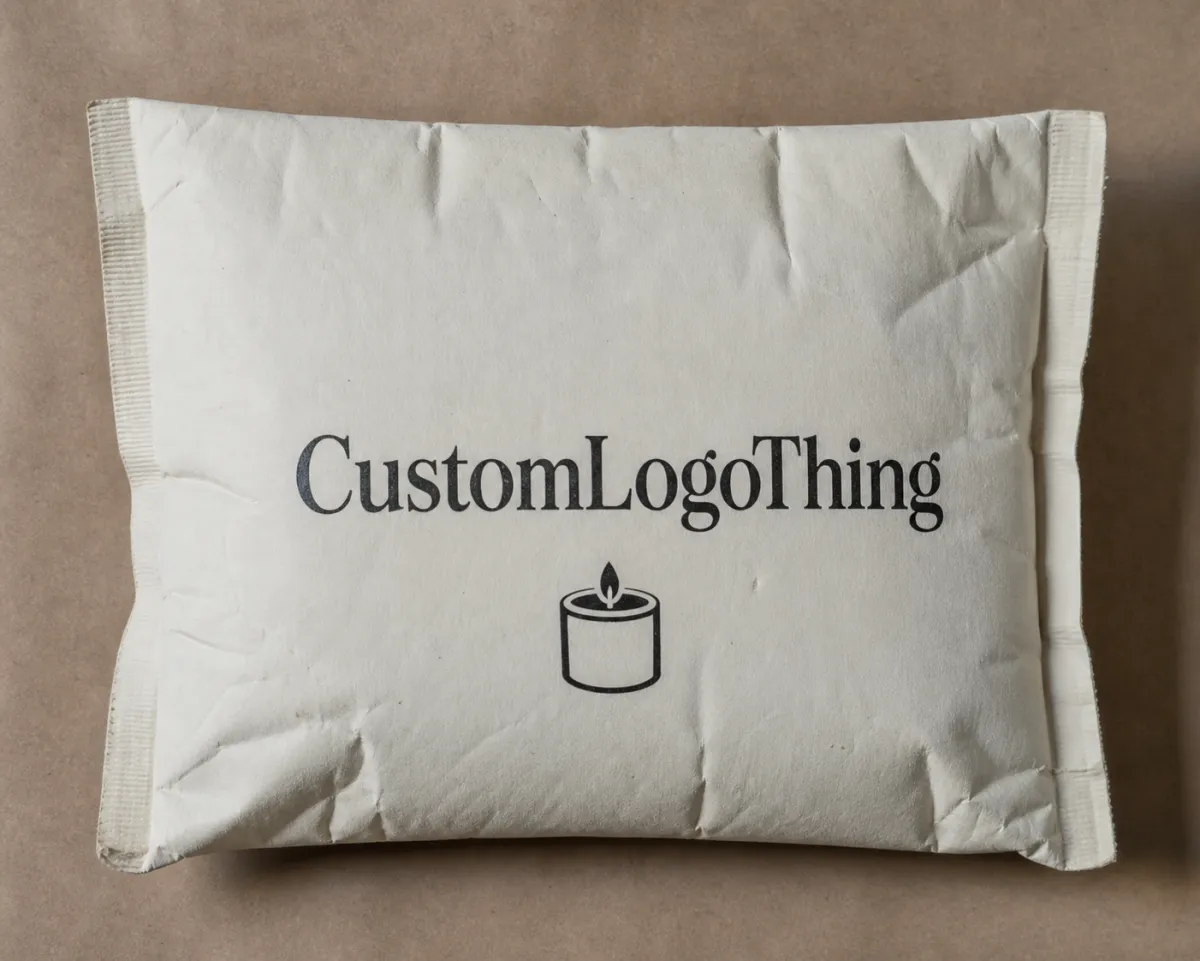
Candle packaging has a talent for hiding risk in small details. A brand may obsess over vessel styling, scent throw, and label texture while the shipping pack gets treated like a commodity. Then the order goes out in a plain mailer with too much empty space, the tin shifts into one corner, the seal line gets stressed, and the package lands on the porch looking half-beaten before it is even opened.
The product inside may still be usable. The premium impression is gone anyway.
That matters because outer packaging shapes perception before product performance gets a turn. Gift buyers notice it. Subscription customers notice it. Repeat buyers absolutely notice it. For lighter candle formats, the shipping mailer often carries more emotional weight than the product carton because it is the first surface the customer actually touches.
Printed padded mailers usually make the most sense for candle brands shipping items with modest break risk and decent value density. Common examples include:
- Travel candle tins in 4 oz to 8 oz sizes
- Wax melt clamshells and pouch-based melt samplers
- Tealight assortments with an inner sleeve or tray
- Wick accessories such as trimmers, snuffers, or care tools
- Promo bundles with sample cards, matches, and small branded extras
The branding value is easy to underestimate until you price the labor around it. A fully printed mailer can replace a blank outer bag, one or two labels, a branded sticker seal, and sometimes an insert that exists only to make the shipment feel less generic. Every extra touch takes time. In a small fulfillment setup, another 15 to 25 seconds per order is not trivial. Across 5,000 orders, that becomes a meaningful labor line, not background noise.
Freight matters too. Flexible padded mailers usually take up less cubic space than corrugated cartons for low-profile products. On some parcel lanes, even shaving 1 inch off one dimension can help if you are near a dimensional threshold. That does not guarantee a lower billed weight on every shipment, but it often improves pack density in master cartons and reduces storage footprint. Packaging math is rude like that.
Practical rule: use padded mailers where you need branded presentation, scuff protection, and light impact absorption; move to corrugated where compression resistance, stacking strength, or true break protection becomes the main job.
Brands that track claims usually see the same pattern. Damage rarely comes from one dramatic failure. It comes from smaller misses stacking up: the wrong mailer size, weak internal restraint, a flap under tension, or a product that should have been boxed from the beginning. A well-specified mailer earns its keep by reducing those preventable mistakes while improving presentation at the same time.
If you want grounded examples of how packaging choices affect freight, fit, and damage rates, the best reference point is actual shipment behavior, not sales copy. Reviewing Case Studies can help frame the discussion around real packaging outcomes. Buyers need a workable path to lower damage, faster packing, and cleaner brand presentation. Fluff does not help.
Printed padded mailers for candle brands: product details and best-fit uses
A printed padded mailer is a flexible shipping envelope built from an outer printable layer and an inner cushioning layer. In many commercial constructions, the outside is a co-extruded polyethylene film or similar printable structure, while the inside uses bubble cushioning or a paper-based padded build. The exact construction depends on the protection target, sustainability goals, print design, and budget.
For candle brands, this format works best when the product is compact, not highly crush-sensitive, and not dependent on rigid corner protection. Good use cases include wax melt pouches, clamshell melt refills, tealight packs with sleeves, travel tins, branded matches, wick trimmers, mini gift sets, and accessory bundles. These products need abrasion protection and a light buffer against knocks, but they do not always justify the board strength of a carton.
Construction details that change usability
Not all padded mailers are built the same. A few specification details have an outsized effect on both packing speed and transit performance:
- Peel-and-seal closure: common, fast for fulfillment, and usually sufficient for direct-to-consumer shipping
- Tear strip opening: improves the opening experience and reduces the chance of someone cutting too deep near the product
- Return seal: useful for exchange programs or subscription workflows, though it adds cost and complexity
- Side weld format: simple and common for flat products or low-profile bundles
- Bottom gusset: adds volume for thicker product packs but can change how the bag stands, seals, and prints
- Tamper-evident closure: relevant where order security matters or resale channels require visible evidence of opening
The best construction depends on how the order is actually packed. A flat wax melt sampler with two inserts may work best in a slim side-weld mailer. A mixed accessory set with a trimmer, match bottle, and care card may need gusseted depth so the seal is not fighting the contents. Half an inch in width or depth can be the difference between a clean pack-out and a bulging headache.
Print options and brand presentation
Printed padded mailers can range from a simple one-color logo on a white or black surface to full-coverage graphics with messaging on both sides. Candle brands usually fall into three practical branding levels:
- Minimal logo print for lower setup complexity and a quieter visual style
- Front-and-back graphic layout for stronger brand presence without full flood coverage
- Full-wrap print for giftable presentation and a more deliberate retail-style unboxing effect
Inside print is possible in some constructions, though it usually makes sense only when the unboxing experience is central to the sale. Matte finishes often suit premium candle branding because they soften glare and feel more tactile. Gloss can make deep colors and bright accents hit harder, though fingerprints and rub marks tend to show more quickly. Neither finish is automatically better. It depends on the brand language and how the mailer will be handled.
Size selection is where a lot of buying mistakes start. A mailer should be snug enough to limit product movement, but not so tight that the packed item pushes against the seals or creates a ballooned shape. For a travel tin bundle measuring 6 x 4 x 1.5 inches after wrapping, a finished mailer around 7.5 x 5.5 inches may work well depending on padding thickness, flap design, and seal allowance. Go too large and the product shifts. Go too small and the closure line becomes the weak link.
One limitation needs to be stated clearly. Padded mailers provide surface cushioning, scuff protection, and moderate impact absorption. They do not provide rigid compression resistance. If a larger glass candle is likely to face stacking loads, corner impacts, or repeated drops, a corrugated shipper with designed internal support is the safer choice. Buyers reviewing options under Custom Poly Mailers should treat padded mailers as one tool in a shipping system, not a magic format that solves everything.
Used on the right product mix, the value is real. A well-sized printed padded mailer can reduce void fill, shorten pack-out time, and shrink dimensional footprint compared with a box. That is why many brands use them for lighter SKU programs where customer perception matters and the item does not justify a larger rigid shipper.
Specifications that affect performance, print quality, and freight
If you want accurate pricing and fewer surprises, start with a complete spec sheet. Suppliers cost flexible packaging from structure details, not from a rough product photo and a hopeful note. Two mailers can look nearly identical in a mockup and still price very differently once film gauge, print coverage, and fill requirements are defined properly.
For a useful quote, buyers should provide these core inputs:
- Finished size and any gusset depth
- Usable fill area after seal and weld deductions
- Outer film thickness, often expressed in mil or microns
- Padding type such as bubble or paper-based cushioning
- Closure format including peel-and-seal and tear strip requirements
- Print coverage, color count, and whether inside print is needed
- Expected packed product weight and product type
Material structure and durability
The most common outer material for printed padded mailers is co-extruded poly film. Buyers like it because it balances toughness, moisture resistance, printability, and cost. In many commercial programs, outer structures fall somewhere around 2.25 mil to 3.5 mil, though exact builds vary by supplier and performance target. Heavier structures generally improve puncture resistance and handling confidence, but they also increase material cost and inbound freight weight.
Interior padding usually follows one of two broad approaches:
- Bubble lining: familiar cushioning, light in weight, often economical, and useful for surface protection plus moderate shock absorption
- Paper-based padding: attractive for brands pursuing a paper-forward presentation or specific recycling goals, though actual performance still depends on design, closure strength, and packed geometry
Seal strength matters more than many buyers expect. If the packed item is thick relative to the bag width, stress concentrates at the flap and side welds. That can lead to distorted closures or split seams in transit. For candle accessories with sharp corners or metal edges, puncture behavior should be reviewed early. A wick trimmer shipped loose inside a thin padded mailer can turn into a film stress test very quickly.
Print quality and finish choices
Matte and gloss are not just cosmetic preferences. They change how the brand feels in hand. Matte often reads softer and more refined, which fits candle lines built around home decor, gifting, and craft positioning. Gloss can intensify saturated colors and make graphic elements feel sharper. Either finish can work. The important part is making sure the mailer feels consistent with the label system, insert cards, and product carton instead of looking like it came from a different brand entirely.
The printing method changes the cost structure. Flexographic printing usually makes more sense at higher volumes because plate and setup costs can be spread across a longer run. It also supports repeat production well once the artwork and color expectations are stable. Digital or short-run printing can reduce setup pressure for lower quantities, multiple SKUs, or versioned designs, but the cost per piece usually stays higher. A buyer ordering 2,000 units may value short-run flexibility. A buyer ordering 25,000 units usually wants the efficiency of a longer run because that is where the math finally becomes less irritating.
Color consistency should be discussed early, especially for brands that rely on subtle neutrals, exact PMS references, or fine reversed text. Flexible materials do not reproduce every detail the way a coated folding carton does. If the design includes delicate line art or low-contrast tone-on-tone graphics, ask for proof guidance and realistic print tolerances before approval.
Sustainability and testing
Sustainability questions are fair. They just need honest answers instead of vague packaging virtue. Recycled-content films, mono-material designs, and paper-padded alternatives are all part of current development. Still, no one should assume a structure is automatically better without checking real performance, local recovery options, and overall pack efficiency. The EPA recycling guidance is a useful general reference, while certification frameworks such as FSC matter when paper sourcing claims are part of the buying decision.
Performance testing is not optional for candle shipments. Candle products combine several sensitive variables: fragrance oil exposure, wax softening risk, scuff-prone labels, dentable lids, and containers that react differently to movement. Even for non-glass products, a packed sample review tells you a lot. Run fill checks. Watch for migration or oil transfer if accessories or inserts sit close to the product. Inspect corners and flap stress. For wider distribution, align testing with common transport standards such as those published by ISTA. The test does not need to be elaborate to be useful. A few controlled drop and compression checks will usually expose fit problems early.
A complete spec sheet shortens quoting time because the supplier is not forced to guess. It also reduces late pricing changes, which usually appear when a “simple quote” quietly turns into a larger footprint, heavier structure, or more complicated print layout after artwork review.
Unit cost, pricing, and MOQ for printed padded mailers
This is usually the section buyers care about first, and fair enough. The pricing model for printed padded mailers is not mysterious, but it has more moving parts than most quick online estimates admit. The base unit cost typically includes the outer film or paper material, the cushioning layer, printing, converting labor, closure components, bag making, and packing. Depending on the quote basis, inbound freight to your warehouse may be listed separately or folded into a landed estimate. Buyers may also see tooling fees, plate costs, proofing charges, or extra setup charges depending on the print method.
Why do similar-looking mailers come back with quotes that differ by 20% to 50%? Because small spec changes hit cost harder than most people expect. Increase width by 1 inch and you increase material area across the entire run. Add second-side print and press time changes. Move from a 2-color logo to heavy flood coverage and ink plus setup complexity rise. Add a tear strip and a return seal, and converting cost shifts again. Same category. Different bill.
Typical cost framework
For budgeting purposes, the table below shows realistic planning ranges for custom printed padded mailers used by candle brands shipping lighter products. These are not fixed market quotes, and they will vary by structure, artwork, destination, order timing, and freight conditions. Still, they are useful for building a printed Padded Mailers for Candle Brands unit cost breakdown before you start requesting formal pricing.
| Mailer Type | Typical Finished Size | Typical MOQ | Estimated Unit Cost | Best-Fit Candle Use | Notes |
|---|---|---|---|---|---|
| 1-color bubble mailer | 6 x 9 in to 8.5 x 12 in | 3,000-5,000 pcs | $0.18-$0.32 | Wax melts, care cards, small accessories | Lower ink coverage, simpler setup, strong value for basic branding |
| Full-print bubble mailer | 6 x 9 in to 10 x 13 in | 5,000-10,000 pcs | $0.26-$0.48 | Travel tins, sampler bundles, giftable promo packs | Higher setup and print coverage costs, better visual impact |
| Matte finished premium print mailer | 8.5 x 12 in to 10 x 13 in | 5,000-10,000 pcs | $0.34-$0.58 | Elevated direct-to-consumer presentation | Matte finish can justify the extra spend where giftability matters |
| Paper-padded printed mailer | 7 x 10 in to 10 x 13 in | 5,000-10,000 pcs | $0.38-$0.65 | Paper-forward branding programs, lighter accessories | Performance depends heavily on packed geometry and closure design |
Those ranges usually assume standard commercial runs, normal carton packing, and no rush production. A short batch with multiple design versions can run higher. A large repeat order with stable artwork can run lower. Bulk pricing improves because setup cost is spread over more units and raw material purchasing tends to become more efficient at longer run lengths.
What the unit cost breakdown usually includes
Buyers often ask for one number, then realize later that several cost layers were bundled together. A cleaner way to compare quotes is to separate the likely cost buckets:
- Material cost: outer film or paper, cushioning layer, adhesives, closure components
- Print cost: plates or digital setup, ink coverage, second-side print, finish treatment
- Converting cost: bag making, welding, cutting, tear strips, return seal features
- Prepress and proofing: artwork checks, samples, press proofs if required
- Freight and handling: inbound shipping, carton count, receiving and storage impact
For a simple one-color bubble mailer, material may account for the largest share of the piece price. For a premium full-print version, print and setup can take a noticeably bigger slice. That is why a supplier should be able to explain whether your cost increase is being driven by structure, artwork, or logistics instead of tossing back a vague “premium option” label and calling it a day.
How MOQ changes the economics
MOQ is usually tied to manufacturing efficiency, not some random policy invented to make purchasing harder. Flexible packaging lines need enough run length to justify plate setup, material loading, color calibration, converting waste, and pack-out. That is why a first quote for 2,000 pieces can look annoyingly high: too much fixed preparation cost is being carried by too few units.
As a rough planning guide:
- 2,000-3,000 units: possible in some short-run programs, but expect a noticeably higher cost per piece
- 5,000 units: often a workable starting tier for custom print economics
- 10,000-25,000 units: stronger unit-cost improvement if artwork and specs are stable
- 25,000+ units: best suited to brands with predictable demand, fewer design versions, and enough storage space
If a candle brand has six fragrance variants but all products can ship in one common mailer size, a shared design can help consolidate volume and reach a more efficient tier. That is often smarter than splitting the run into six graphics unless there is a clear merchandising reason to do it.
Hidden cost drivers buyers often miss
Several items regularly push pricing above the first estimate:
- Oversized format relative to the real packed product
- Heavy ink coverage or dark flood coats across the full surface
- Special finishes such as soft-touch treatments or premium varnish effects
- Versioned artwork across fragrance lines, launches, or campaigns
- Multiple sample rounds before approval
- Expedited production or premium shipping modes
Freight deserves separate attention. Flexible packaging can reduce outbound parcel cost because it is lighter and often more compact than a corrugated alternative. The inbound freight on empty mailers still matters, especially for larger sizes or imported runs. Carton count, shipping mode, route, and delivery destination all affect landed cost. A mailer priced at $0.24 ex-works can easily land closer to $0.28 or $0.31 depending on freight conditions, while a more premium structure at $0.36 may still win if it cuts dunnage, labor, or damage.
The most useful quote request includes exact packed item dimensions, packed weight, target quantities by size, artwork count, destination region or zip code, and a clear note on whether the mailer will carry melts, tins, accessories, or small glass formats with inner wrap. Pricing is a system decision. The cheapest empty package is not always the lowest total cost once damage, fulfillment time, and presentation are included.
Production process, lead time, and proof-to-delivery timeline
Once the quote is approved, a good production process follows a fairly predictable order. Buyers who understand that sequence usually build better calendars and avoid the usual launch-week panic that starts when packaging is treated like an afterthought until the candles are already filled.
A standard flow looks like this:
- Specification review to confirm size, structure, print coverage, and intended packed product
- Formal quotation with pricing, MOQ, estimated lead time, and freight assumptions
- Artwork check for resolution, colors, barcodes, bleed, and small-detail readability
- Dieline approval so the brand can confirm layout and safe zones
- Preproduction proof via digital mockup, press proof, or physical sample
- Material scheduling for film, paper, adhesive, and any required print components
- Printing and converting including lamination if applicable and bag making
- Packing and shipment into domestic or export cartons for delivery
Artwork and proofing realities
Flexible packaging artwork needs practical review, not optimism. Small reversed text, thin line work, and low-contrast palettes may not hold the same way they do on labels or folding cartons. A supplier should check bleed, safe zones, closure interference, and barcode placement before the job is released. A logo placed too close to the flap fold can distort visually. Fine details near a weld line can disappear altogether.
Proofing options depend on the level of risk. A digital mockup is quick and useful for layout confirmation. A press proof gives better insight into final appearance but takes more time and cost. A physical sample, even if it is a plain prototype without final print, is often the most useful step for fit testing. Candle brands launching a new line should not skip the packed sample stage if the shipment includes multiple inserts or accessories in one mailer.
Good timing saves money. Many packaging delays are not factory delays at all. They start with slow art approvals, repeated copy edits, last-minute dimension changes, or uncertainty about what actually needs to fit inside the mailer.
Typical lead times
For a first custom order, a practical total timeline often lands in the range of 3 to 6 weeks from final approval to delivery, though the exact schedule depends on quantity, proof level, shipping mode, and supplier location. The manufacturing portion itself may take roughly 12 to 18 business days in many standard programs once art and specifications are locked. Freight adds more time based on route and service level. Faster timing is possible, but it usually comes with a higher price or fewer material options.
Repeat orders are usually easier because the spec, artwork, and carton packing method have already been approved. That does not mean instant production. Capacity, film availability, and logistics still matter, and seasonal peaks can tighten schedules faster than people expect.
Candle brands planning a launch should leave room for filled-pack testing. Wax products can change shipping behavior as the pack evolves. An insert that looked fine in a mockup may wrinkle the mailer once the actual product, card set, and accessory are packed together. A snug fit with one fragrance line may be too tight with another if packaging components vary even slightly.
Rush programs should be used carefully. They are helpful when a restock is urgent, but they tend to raise cost and narrow your options. A supplier may need to swap finishes, run a less efficient production slot, or use faster freight to hit the date. If the mailer is a visible branded touchpoint, rushing without solid proof review can create rework that costs more than the delay would have.
The practical recommendation is simple: lock specs early, review dielines carefully, and match the packaging calendar to product-fill schedules. There is no upside in having finished candles ready to ship while the branded mailers are still in transit or stuck in artwork revision.
Why choose a supplier that understands candle packaging realities
A supplier with real packaging judgment does more than print a logo on a mailer. The value comes from matching the structure to the actual risk profile of the product being shipped. Candle brands are a good example because their SKU mix can be deceptively broad. A wax melt sample pouch, a metal travel tin, and a frosted glass mini jar may all sit in the same catalog, but they should not automatically share the same shipping format.
Category awareness matters because candle products combine weight, scent sensitivity, surface-finish concerns, and presentation requirements in awkward ways. Metal lids dent. Labels scuff. Wax can mark inner surfaces if fit is poor or temperatures climb. Accessories with hard edges create puncture points. A supplier who understands those realities is more likely to ask useful questions before quoting instead of firing over a number and hoping nobody asks what happens in transit.
Buyers should look for several practical strengths:
- Material guidance based on real packed-product use, not stock assumptions
- Honest suitability feedback when a padded mailer is not the safest choice
- Consistent quoting with clear treatment of setup charges, tooling fees, and freight
- Artwork support that catches layout and readability issues early
- Sample discipline so fit and performance are checked before the full run
Responsive communication affects cost more than many teams expect. Quick answers on dimensions, closures, print tolerances, or carton counts help prevent spec drift. Clear explanation of MOQ and production limits helps the buyer compare quote scenarios fairly instead of chasing a low number that changes three emails later.
Trust gets built on operational detail. A serious supplier should be able to discuss tolerances, packed-carton counts, proof options, expected lead-time ranges, and where the design starts pushing against technical limits. That kind of clarity matters more than polished sales language because it protects margin and reduces rework.
For candle brands evaluating packaging programs across Custom Packaging Products, the strongest partner is usually the one willing to say, “This format is right for your melts and accessories, but your larger glass vessel should move into corrugated.” That answer may sell fewer padded mailers in the short term. It usually saves the brand money, which is the whole point.
Next steps to request an accurate quote and lower your total packaging cost
If you want a quote that is actually useful, gather the real shipping data first. Generic estimates are fine for rough budgeting, but they are weak tools for final purchasing. A candle brand should prepare:
- Product dimensions after the item is fully packed and ready for shipment
- Total packed weight including inserts, protective wrap, and accessories
- Target order quantities by size or design version
- Artwork files and expected print coverage
- Desired finish such as matte or gloss
- Destination zip code or region for freight planning
- Use-case details noting whether the mailer is for melts, tins, accessory kits, or small glass items with inner wrap
It also helps to separate products by shipping risk. Many candle brands do better with padded mailers for melts, tealights, small tins, and branded accessory kits while giving heavier glass jars a corrugated shipper or mailer box. That split strategy often lowers total packaging cost because each SKU gets the right protection level instead of one compromise format pretending to do every job.
Requesting two or three quote scenarios is smart. For example, compare:
- A smaller mailer with tighter fit and one-color print
- A premium matte full-print version at the same size
- A larger format with room for multi-item bundles
That comparison tells you more than the empty-package price. It shows how size affects freight, how print changes perceived value, and how quantity changes bulk pricing. Sometimes the larger run is clearly better. Other times, a slightly higher unit price on a better-fitting mailer wins because it cuts void fill, speeds up fulfillment, and looks sharper on arrival.
If the shipment includes anything fragile, leak-sensitive, or irregular in shape, ask for a packed sample review. That step can prevent months of avoidable handling issues. A cheap mailer that bulges, shifts, or stresses the flap may look efficient in a quote sheet but create a steady stream of scratches, replacements, and irritated customer emails.
The clearest takeaway is this: judge packaging by cost per successful delivery, not only cost per empty bag. If one option is $0.08 cheaper but increases scuffing, labor time, or dimensional waste, it may be the more expensive choice in real use. The strongest printed Padded Mailers for Candle Brands unit cost breakdown comes from matching the actual product, packed dimensions, and shipping risk to the right structure, then quoting with complete information and testing a packed sample before the full run.
FAQ
What affects printed padded mailers for candle brands unit cost the most?
The biggest cost drivers are size, material structure, padding type, print coverage, and order quantity. MOQ has a direct effect because setup cost is spread across the run, so lower quantities usually mean a higher per-piece price. Freight also changes landed cost in a meaningful way, especially for larger mailer sizes or imported production. If you are building a real Printed Padded Mailers for Candle brands unit cost breakdown, do not skip freight, proofing, plate charges, or setup fees.
Are printed padded mailers safe for shipping glass candle jars?
They can work for some small glass formats when paired with the right inner protection, but they are not a universal substitute for a corrugated shipper. Padded mailers provide surface cushioning and scratch protection, while rigid boxes handle compression and stacking far better. A packed drop test is the practical way to confirm whether the structure is suitable for a specific jar, lid, and fill weight.
What is the typical MOQ for custom printed padded mailers for candle brands?
MOQ depends on print method, material run size, and converting efficiency rather than one fixed market number. Shorter runs may be available through digital or simplified-print programs, but the unit cost is usually higher. If you have multiple candle SKUs, using one shared mailer design often helps you reach a more efficient quantity tier and gives you a cleaner cost comparison.
How long is the production timeline for printed padded mailers?
The full timeline usually includes quote approval, artwork review, proofing, production scheduling, manufacturing, packing, and transit. First orders take longer than repeat runs because dielines, color expectations, and fit checks need approval. Rush timing is possible in some cases, but it often increases cost and may narrow the available material or finish choices.
What information should candle brands send to get an accurate printed padded mailer quote?
Send the packed product dimensions, total packed weight, quantity by size, artwork files, print coverage expectations, and shipping destination. Note whether the mailer will hold wax melts, tins, accessories, or glass candles with inner wrap, because each use case affects structure choice. If possible, include photos or a physical packed sample so the supplier can recommend a more accurate size and cushioning format.


