Buyer Fit Snapshot
| Best fit | Printed Padded Mailers for Coffee Roasters projects where brand print, material claims, artwork control, MOQ, and repeat-order consistency need to be specified before quoting. |
|---|---|
| Quote inputs | Share finished size, material target, print colors, finish, packing count, annual reorder estimate, ship-to region, and any compliance wording. |
| Proofing check | Approve dieline scale, logo placement, barcode or warning zones, color tolerance, closure strength, and carton packing before bulk production. |
| Main risk | Vague material claims, crowded artwork, missing packing details, or unclear freight terms can make a low unit price expensive after revisions. |
Fast answer: Printed Padded Mailers for Coffee Roasters: Durability should be specified like a repeatable production item. The safest quote records material, print method, finish, artwork proof, packing count, and reorder notes in one written spec.
Production checks before approval
Compare the actual filled-product size with the drawing, then confirm tolerance on folds, seals, hang holes, label areas, and retail display edges. Reserve space for logos, QR codes, warning copy, and material claims before decorative graphics fill the panel.
Quote comparison points
Review material grade, print process, finish, sampling route, tooling charges, carton quantity, and freight assumptions side by side. A quote is only useful when the supplier can repeat the same color, closure quality, and packing count on the next order.
Printed Padded Mailers for coffee roasters shipping durability checklist is a mouthful, but the packaging still has to earn the name. A mailer can look polished in a mockup and still come back bent, scuffed, or split after fulfillment, carrier sorting, porch weather, and the general nonsense of the mail stream. Coffee brands learn that lesson fast. The proof looks clean. The real shipment gets scraped, compressed, or torn at the seam.
That gap matters. Printed padded mailers can be a smart fit for sample packs, small merch, lightweight accessories, and some direct-to-consumer coffee orders. They fail quickly when the build is too light for the route. A clean, intact mailer protects the coffee, yes. It also protects the brand. Customers see the outer package before they taste anything. A crushed corner or rubbed-off print sends the wrong message before the seal is even broken. A good checklist cuts through the guesswork.
Printed Padded Mailers for Coffee Roasters Shipping Durability Checklist
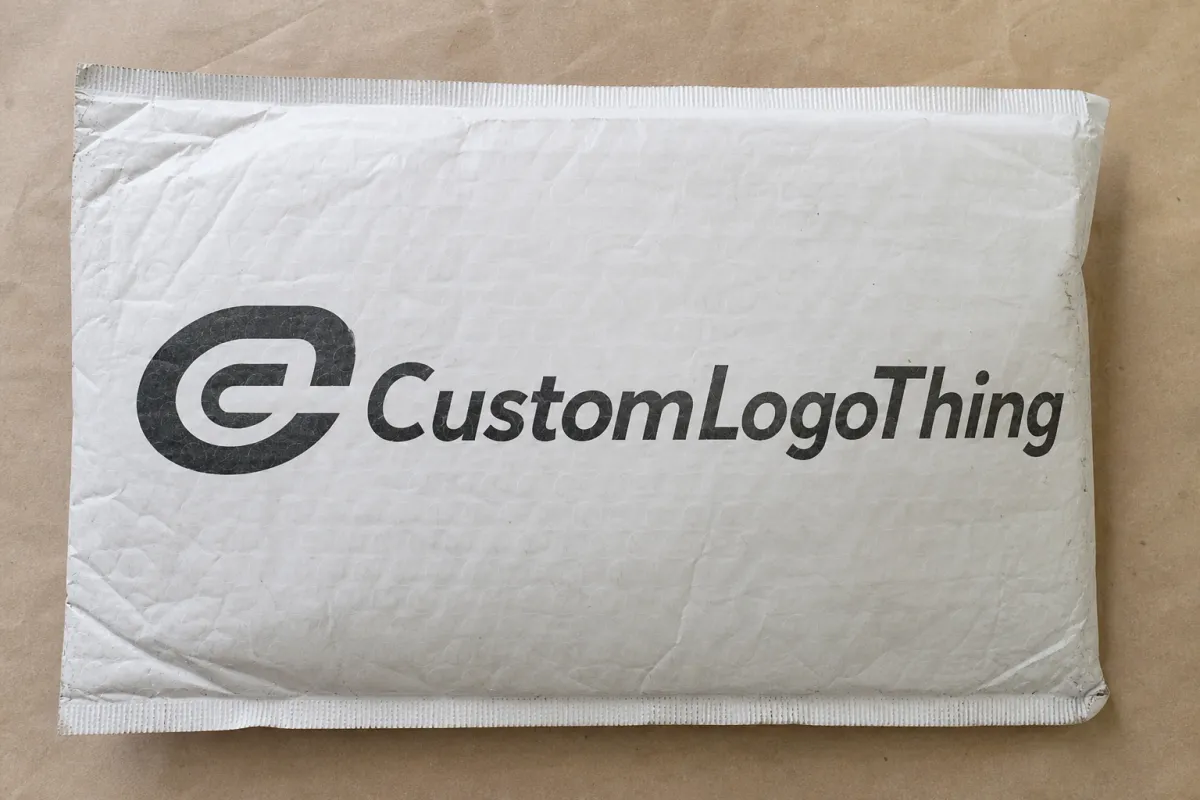
Most shipping problems start outside the product. The package gets scraped, compressed, punctured, or opened early, and the contents pay for it. A printed Padded Mailers for Coffee roasters shipping durability checklist turns that risk into a set of tests you can actually use. Will the seal stay shut? Will the surface resist abrasion? Will the mailer keep its shape after a few drops and a stack of heavier parcels sitting on top of it?
Coffee orders rarely fail because they are huge. They fail because they vary. One order holds a 4 oz sample pouch and a tasting card. The next includes a grinder brush, a sticker sheet, and a small bag of beans. A padded mailer can handle that mix if the structure is right. Thin material that looks fine on a packing table may fall apart once it hits a sortation belt, a delivery van, or a wet front step. The real question is not whether it is padded. The real question is whether it is padded enough for the lane it has to travel.
Branding is part of the story too. A damaged outer mailer makes the whole order feel careless, even if the coffee inside is excellent. That matters more than some teams want to admit. Customers do not separate the packaging from the experience. A scuffed print, a crushed edge, or a seam starting to peel makes the order feel less premium. The checklist should cover physical survival and print appearance, because both show up in the customer’s hands.
If you are comparing mailers against other shipping materials, judge them by the shipment, not by habit. A mailer is often the right fit for lightweight ecommerce shipping. Heavier bundles or fragile add-ons usually need more structure. You can review broader options in Custom Packaging Products, compare Custom Poly Mailers, or move up to Custom Shipping Boxes when the order needs better crush resistance.
Practical rule: if a package has to survive friction, stacking pressure, and rough handling without opening or looking beat up, durability deserves the same attention as the artwork.
That checklist mindset helps the margin too. Weak packaging creates reships, support tickets, refunds, and lost repeat orders. A mailer that holds up the first time cuts waste across the full order fulfillment cycle. The savings hide in the boring parts of the business, which is usually where the real cost of bad packaging shows up.
How Printed Padded Mailers Work in Coffee Shipping
A padded mailer is built to cushion light contents while keeping weight down. The construction usually includes an outer face, a cushioning layer, and a closure system. The face can be paper, poly film, or a hybrid. The padding might be paper fiber, foam-like cushioning, or a corrugated-style liner. The closure might use a peel-and-seal strip, a self-adhesive flap, or a heat-sealed edge. Each layer has a job. The package only performs well when the jobs line up.
For coffee brands, the stress points are predictable. Impact is absorbed by the padding. Abrasion comes from rubbing against other parcels, bins, and equipment. Compression comes from stacking in transit and inside carrier containers. The closure has to survive all of it. A weak seal can fail at exactly the wrong moment, usually after the package has already been handled three times and dropped once.
Visual branding and structural performance are related, but they are not the same thing. A full-color print may look great on a sample and still scuff fast if the surface coating is soft or the paper face is too thin. Print review should happen at the same time as functional review. A mailer that looks expensive in a photo and arrives rubbed raw is not doing its job.
Coffee shipments vary more than people expect. Sample packs are light and fit well in slim padded mailers. Stickers, brewing cards, and small fabric patches also fit. Filters and tiny tools can work too, as long as they do not create sharp pressure points. Once the order gets heavier, denser, or more fragile, the mailer starts losing the argument. If the contents feel like they want a frame, a box usually makes more sense.
Size choice changes performance more than buyers want to believe. Too much room lets the contents slide, which wears corners and can strain the seal. Too little room forces the flap and edge welds to absorb the stress. The best fit is snug without being forced. That difference decides whether the package feels premium or flimsy when it reaches the customer.
The finish affects the unboxing moment too. A matte kraft face feels different from a glossy poly shell. A thicker liner usually feels more reassuring than a paper-thin envelope. That impression is not just cosmetic. Stiffer mailers often resist bend stress and surface wear better, which is why the hand-feel and the test results often point in the same direction. For custom builds, common specs include reinforced edge welds, cushioning layers sized to the product weight, and peel-and-seal closures matched to the route rather than chosen at random.
For teams that want a cleaner way to compare suppliers, it helps to look at parcel testing guidance from groups such as ISTA and to check recycled-content or fiber sourcing claims through organizations like FSC. Those references do not replace real shipping tests. They do make supplier conversations less vague.
Shipping Durability Checklist for Coffee Mailers
Test the seam first. Test the closure second. That is where a lot of failures start, especially after the mailer has been packed, stacked, bent, and handled a few times. A good-looking print layer does not help if the edge seal peels or the flap lifts during transit.
Start with puncture resistance. Coffee accessories, zipper pulls, rigid insert cards, and even the corner of a sample box can press into the inside of the mailer. A puncture often begins as a tiny mark and turns into a split after a few bumps. Then check seam strength, because a weak edge can fail under repeated flexing even when the mailer is not overloaded. Finish with closure integrity. A peel strip should grab cleanly and stay closed through normal handling, not just on the first press. For a roaster shipping 4 oz to 12 oz bags, the flap area should hold when the package is flexed at the edges, not only when it sits flat on a desk.
Compression resistance matters just as much. Parcel systems stack and shuffle packages in ways that nobody can fully predict, and even a light mailer sees pressure when it sits beneath heavier boxes. A well-built mailer should resist flattening enough to keep the contents from becoming the load-bearing part of the package. That matters a lot in ecommerce shipping where a bag of coffee, a promo insert, and a branded card all ride inside the same envelope.
Abrasion is the quiet failure. Many printed mailers arrive intact but scratched, rubbed, or cloudy from surface wear. The shipment survived. The brand image did not. Rub-test the print against a rough carton edge, slide it lightly across a table, and inspect the high-ink areas after a short route. Dark solids, metallic accents, and soft-touch coatings usually show wear first. They love to look premium right up until they are not.
Moisture and humidity belong on the checklist too. Coffee shipments sit on damp porches, in rainy loading docks, inside cold trucks, and through warehouse spaces where humidity jumps around. A paper-facing mailer can curl or soften if the coating is weak. A poly-based surface usually handles moisture better, but it still needs scuff resistance. If your customer base includes coastal routes or storm-heavy regions, ask for a sample that has seen moisture before you sign off on a larger run.
A short test plan can tell you a lot before production starts. Drop a filled sample from waist height onto a hard surface several times, changing the face each time. Slide it across corrugated cardboard or a rough tabletop to see how the print holds up. Stack books or cartons on top for a compression check. Send a few samples through a real route and inspect them on arrival. That is not a lab certification. It is better. It shows you how the package behaves in the real world.
- Puncture test: check corners, flap edges, and any rigid insert points.
- Drop test: use more than one orientation instead of flat-only drops.
- Compression test: simulate stacking pressure with a known weight.
- Abrasion test: rub printed areas against common carton surfaces.
- Moisture check: review how the face material reacts after exposure.
- Closure test: open and reseal samples only if the construction is meant for it.
The test should match the shipment, not the spec sheet. If the bundle includes a thick thank-you card, the internal pressure changes. If the mailer ships in cold weather, adhesive behavior changes. If the route regularly uses automated sortation, the package needs to handle more bending than a hand-delivered order. A good transit packaging check looks at the full path, not just the packing table.
| Option | Best For | Typical Strengths | Approx. Unit Cost | Tradeoffs |
|---|---|---|---|---|
| Printed kraft padded mailer | Samples, merch, light accessories | Paper-forward brand feel, decent abrasion resistance when coated, easy to write on labels | About $0.17-$0.29 at 5,000 units | Can show scuffs and moisture wear sooner than poly |
| Printed poly padded mailer | Moisture-prone routes, lighter ecommerce orders | Better water resistance, flexible body, strong peel-and-seal performance on many runs | About $0.15-$0.24 at 5,000 pieces, depending on size and print coverage | Less paper-forward feel, recycling path depends on local programs |
| Rigid mailer | Flat items, cards, important inserts | Better shape retention, stronger crush resistance than soft mailers, common with heavier board faces | About $0.22-$0.40 at 5,000 units | More material, more weight, higher dimensional weight risk |
| Custom shipping box | Heavier orders, multiple items, fragile add-ons | Best structure, easiest internal packing control, stronger stack performance | About $0.35-$0.90+ depending on size, board grade, and print coverage | Higher freight, more storage space, usually more labor at pack-out |
The table is a starting point, not a verdict. Final pricing shifts with quantity, print coverage, and finish. Still, it gives a roaster a clean way to think about performance versus cost. A padded mailer can be the sweet spot for many light shipments, but it stops making sense once the order gets heavy enough to trigger dimensional weight penalties or once the contents need rigid support.
Process and Timeline: From Artwork to Production Steps
A strong packaging project usually starts with a dieline, not with color selection. The dieline sets the fold lines, flap placement, adhesive area, bleed zones, and trim tolerance. Those details decide where the artwork lands on the finished mailer. If the layout is off by even a small amount, logos drift toward the seam, copy falls into a no-print zone, and key design elements disappear into the fold. Artwork setup should wait until the structure is confirmed. Otherwise the file is guessing.
Once the dieline is locked, proofing comes next. This is where print accuracy, logo placement, brand colors, barcode placement, and shipping marks are reviewed together. For roasters running multiple product lines, the proof stage often takes longer because the team is comparing a few artwork versions or adjusting messaging for subscription, wholesale, and gift orders. That extra time is worth it. Nobody wants to find a placement problem after the full run has already been printed.
Sampling should happen before production is approved. A sample mailer lets you feel stiffness, inspect the closure, and judge how the print behaves on the actual surface. That tactile check matters because a flat screen image cannot tell you whether the mailer folds too sharply, creases too easily, or loses shape under load. Many buyers request one sample in the final construction and one in an alternate material so they can compare them side by side without arguing with the render.
Production usually follows a clear sequence: material sourcing, printing, curing or drying, finishing, die-cutting or converting, quality checks, and packing for shipment. Bottlenecks can show up at any of those steps. The artwork might be ready while the substrate is not. The print run might be approved while the adhesive choice shifts the schedule. The client might want one more color correction. That happens. It still adds time.
Lead time is not only a factory issue. It depends on how fast the buyer approves artwork, confirms quantity, and signs off on the sample. If the roaster is planning a seasonal launch, a holiday coffee drop, or a subscription refresh, the calendar needs buffer time for revisions. A realistic planning window for Custom Padded Mailers often lands around 12-15 business days from proof approval for a standard run, while larger quantities, specialty materials, or heavier print coverage can push closer to 18-25 business days. If the launch date matters, build the schedule backward from the ship date, not forward from the quote date.
The safest planning method is straightforward:
- Confirm package size and contents.
- Approve the material and closure style.
- Review the proof carefully, line by line.
- Test the sample in a short real shipping route.
- Release production only after the sample passes.
That order cuts a lot of friction. It also keeps the design, the supply chain, and the shipping window aligned so the final package supports both the coffee and the brand story. If the project sits inside a larger packaging refresh, review the full set of Custom Packaging Products so the mailer, label, insert, and outer shipper all feel like they belong together.
Cost, Pricing, MOQ, and Quote Factors
Pricing for printed padded mailers comes down to a few familiar inputs. Material type is one of the biggest. A paper-based mailer, a poly mailer, and a rigidized construction do not cost the same to make, and the substrate changes both print behavior and transit performance. Print coverage matters too. A clean one- or two-color design usually costs less than full coverage artwork with heavy ink density, especially if you want rich solids or specialty effects.
Quantity has a big effect on unit price. The first run pays for setup, prep, tooling, and proofing, so the per-piece cost is usually higher at lower volumes. At 5,000 units, a simple printed padded mailer can often land around $0.15-$0.24 per unit, depending on size and print coverage. More coverage, more colors, or a specialty finish can push that higher. As quantity rises, those fixed costs spread out and the unit rate drops. That does not make a larger run automatically smarter. If the design may still change, or if sales are not steady, over-ordering can leave dead stock sitting on a shelf and draining cash.
MOQ, or minimum order quantity, is a production constraint, not a gimmick. It keeps the converter efficient, especially when the job needs custom printing, custom sizing, or a specific material mix. For a small roaster, MOQ can decide whether a branded mailer is possible or whether a stock option has to fill in. For a growing company, MOQ can work in its favor if the team is ready to lock in a proven design and stop chasing reorders every month.
To compare quotes fairly, ask for the same details each time. Give every vendor the exact size, material, closure type, print colors, finish, quantity, and any durability request such as moisture resistance or stronger seams. If one quote looks low but leaves out one of those items, it is not the same quote. A cheap line item can turn expensive once damaged shipments, replacements, and weak customer perception enter the picture.
Here is a practical quote checklist:
- Mailer size and usable interior dimensions
- Material construction and cushioning type
- Print coverage, color count, and finish
- Closure style and seal strength
- Quantity, MOQ, and unit pricing breaks
- Sampling cost and proof approval process
- Estimated lead time and shipping method
Cost is bigger than the line item on the quote. Waste risk, reprint risk, customer service time, and freight belong in the decision too. A slightly higher unit cost can still be the better buy if the mailer protects against crush damage, reduces claims, and keeps the printed surface looking clean after transit. That matters most for brands that treat presentation as part of their package protection strategy.
For coffee roasters, the right choice often depends on the order mix. Single-item accessories and sample packs usually fit well in a padded mailer. A 4 oz sampler with a tasting card needs very different space than a 12 oz bag plus a sticker sheet. Heavier bundles or boxed coffee sets may need a sturdier shipper. The right answer is rarely one package for everything. It is a packaging system that matches the order profile and does not pretend every shipment is the same.
Common Mistakes Coffee Roasters Make with Mailers
The first mistake is judging by appearance alone. A sharp mockup can hide weak seams, thin padding, or a surface that marks too easily under real handling. That is how brands end up with a package that photographs well in a proof presentation but fails after a week of actual ecommerce shipping. If the route includes a box truck, sortation belt, or delivery tote, the package has to be tested for those conditions, not just admired in a design file.
The second mistake is undersizing the mailer or packing it too full. A tight fill can work if the construction allows it, but forcing too much thickness into the envelope stresses the edge welds, bends the closure line, and makes the flap more likely to peel. Leave too much empty space and the contents slam around inside the cushion. Both create wear that will not show up in a static sample.
Another common miss is forgetting inserts and add-ons. A thank-you card, coupon sheet, seasonal insert, or small promotional pouch changes the thickness and the internal pressure. The package may need a few more millimeters of clearance or a stronger closure strip to handle it. That shows up fast in promotional mailings where the marketing team wants "just one more item" added to the order. Small additions can change the fit more than people expect.
Skipping sample testing is expensive. A roaster may save a few days by approving a run fast, but if the first production batch shows weak adhesion or dull print on the final substrate, the rework cost can wipe out the original savings. Even a short pilot run matters. You want to know how the mailer behaves after a real drop, a real route, and a real customer handoff.
The last mistake is ignoring the customer experience after delivery. If the mailer arrives crushed, scratched, or awkward to open, the whole interaction feels less thoughtful. For a coffee brand, that can flatten the impact of an otherwise strong roast. Customers remember the package more than teams expect, and a well-made mailer becomes part of the product story in a very practical way.
A few other errors show up often in order fulfillment rooms:
- Choosing a film or coating that marks too easily during sorting
- Using bright artwork without checking how it behaves on the real substrate
- Assuming all carrier lanes are equally gentle
- Ignoring seasonal humidity changes that affect adhesive performance
- Ordering without a backup plan for heavier bundle orders
These are not dramatic failures. They are small mismatches that pile up, and that is what makes them costly. A better setup usually comes from a clearer spec sheet, a tighter test routine, and the willingness to choose the structure that fits the shipment instead of the one that just looks nice on screen.
Expert Tips and Next Steps for Coffee Roasters
The fastest way to get a better quote is to give the supplier better information. Build a one-page spec sheet before you request pricing. Include the exact mailer size, the product weight range, the type of contents, the seal preference, the print area, the number of colors, and any durability concern such as moisture exposure or rough sortation handling. That sheet cuts back-and-forth and keeps the quote tied to reality instead of guesses.
Ask for samples from more than one construction. A kraft-faced mailer, a poly-faced mailer, and a rigid mailer can feel very different in the hand, and those differences are often more useful than a price list. Look at stiffness, print clarity, closure feel, corner crush, and abrasion resistance after a short test route. If your team touches packaging every day, the right sample usually makes itself obvious fast.
If the design is new, start with a pilot run. Even a modest quantity can reveal print registration issues, seal performance problems, and how the package behaves once it leaves the packing table. A pilot also gives customer service a chance to catch comments or complaints early. If the feedback is clean and the package arrives intact, scale up with less anxiety and fewer surprises.
Match the mailer to the product mix. A light sample shipment and a coffee-and-merch bundle are not the same thing, even if the logo is the same. The first may be perfect in a padded envelope. The second may need a small box or a hybrid packaging plan. That is normal. Good packaging decisions are built around the contents, the route, and the customer expectation, not around a single favorite format.
For some roasters, a mixed approach works best: padded mailers for light direct-to-consumer orders, poly mailers for moisture-sensitive lanes, and shipping boxes for heavier kits. Comparing Custom Poly Mailers and Custom Shipping Boxes can help you decide what belongs in each part of the program. The right mix usually lowers freight cost, cuts waste, and improves the first impression at the same time.
Before you place the order, do one last check. Confirm the quote, inspect the proof, test the sample route, and review the package after transit with the same eye a customer would use. If the mailer protects the contents, keeps the print clean, and arrives with the seal intact, it earns its place in the line. The practical takeaway is simple: pick the lightest mailer that survives your actual shipping lane, then prove it with a sample run before you commit to volume.
Are printed padded mailers for coffee roasters durable enough for shipping?
Yes, for many lightweight shipments, samples, merch, and accessories, as long as the mailer construction matches the product weight and shape. Durability comes down to seam strength, cushioning, and closure quality, so sample testing matters more than appearance alone.
How do I test printed padded mailers for coffee roasters before ordering?
Run short shipping trials with real contents, then inspect for punctures, scuffs, loose seals, and crushed corners after transit. Add drop, slide, and compression checks so you can compare samples under the same conditions instead of guessing from a proof.
What affects pricing for printed padded mailers for coffee roasters?
The biggest drivers are material choice, print coverage, quantity, size, finishing, and any upgrades for strength or moisture resistance. MOQ also matters because smaller runs usually carry a higher unit cost than larger production orders.
How long does the process usually take for custom mailers?
Timing depends on artwork approval, sampling, production scheduling, and shipping, so faster approvals can shorten the timeline. For a standard run, custom mailers often take 12-15 business days from proof approval, while larger or more detailed jobs can take longer.
Should coffee roasters use padded mailers or boxes for shipping?
Padded mailers fit lighter shipments that need branding and basic protection without the bulk of a box. Boxes are usually the better pick for heavier, fragile, or multi-item orders that need more structure and crush resistance.