Buyer Fit Snapshot
| Best fit | Custom Padded Mailers for Coffee Roasters projects where brand print, material claims, artwork control, MOQ, and repeat-order consistency need to be specified before quoting. |
|---|---|
| Quote inputs | Share finished size, material target, print colors, finish, packing count, annual reorder estimate, ship-to region, and any compliance wording. |
| Proofing check | Approve dieline scale, logo placement, barcode or warning zones, color tolerance, closure strength, and carton packing before bulk production. |
| Main risk | Vague material claims, crowded artwork, missing packing details, or unclear freight terms can make a low unit price expensive after revisions. |
Fast answer: Custom Padded Mailers for Coffee Roasters: Eco Options should be specified like a repeatable production item. The safest quote records material, print method, finish, artwork proof, packing count, and reorder notes in one written spec.
Production checks before approval
Compare the actual filled-product size with the drawing, then confirm tolerance on folds, seals, hang holes, label areas, and retail display edges. Reserve space for logos, QR codes, warning copy, and material claims before decorative graphics fill the panel.
Quote comparison points
Review material grade, print process, finish, sampling route, tooling charges, carton quantity, and freight assumptions side by side. A quote is only useful when the supplier can repeat the same color, closure quality, and packing count on the next order.
Custom Padded Mailers for Coffee Roasters sustainable material options are often a better fit than roasters expect for light, flat shipments. Sample packs, single bags, merch, and slim subscription kits usually do not need a bulky corrugated box pretending to be the only responsible choice. A well-built mailer can cut filler, reduce freight weight, and still present the brand like it knows what it is doing.
The catch is that not every mailer behaves the same way. Material stack, padding type, closure style, print coverage, and fit affect cost, protection, and disposal outcome more than the label on the outside. From a packaging buyer's seat, this is not just shipping. It is branded packaging, fulfillment logic, and customer experience packed into one decision.
Most mailer failures are fit failures. If the product rattles, bends, or gets crushed before the truck leaves, the spec is already wrong.
That is why the comparison has to be real. Protection. Brand feel. Disposal path. Freight cost. A mailer should survive the route and still fit the rest of your packaging system, whether that means kraft labels, custom printed boxes for larger orders, or a tighter retail packaging setup for subscriptions.
The surprise: most coffee roasters overbuy protection
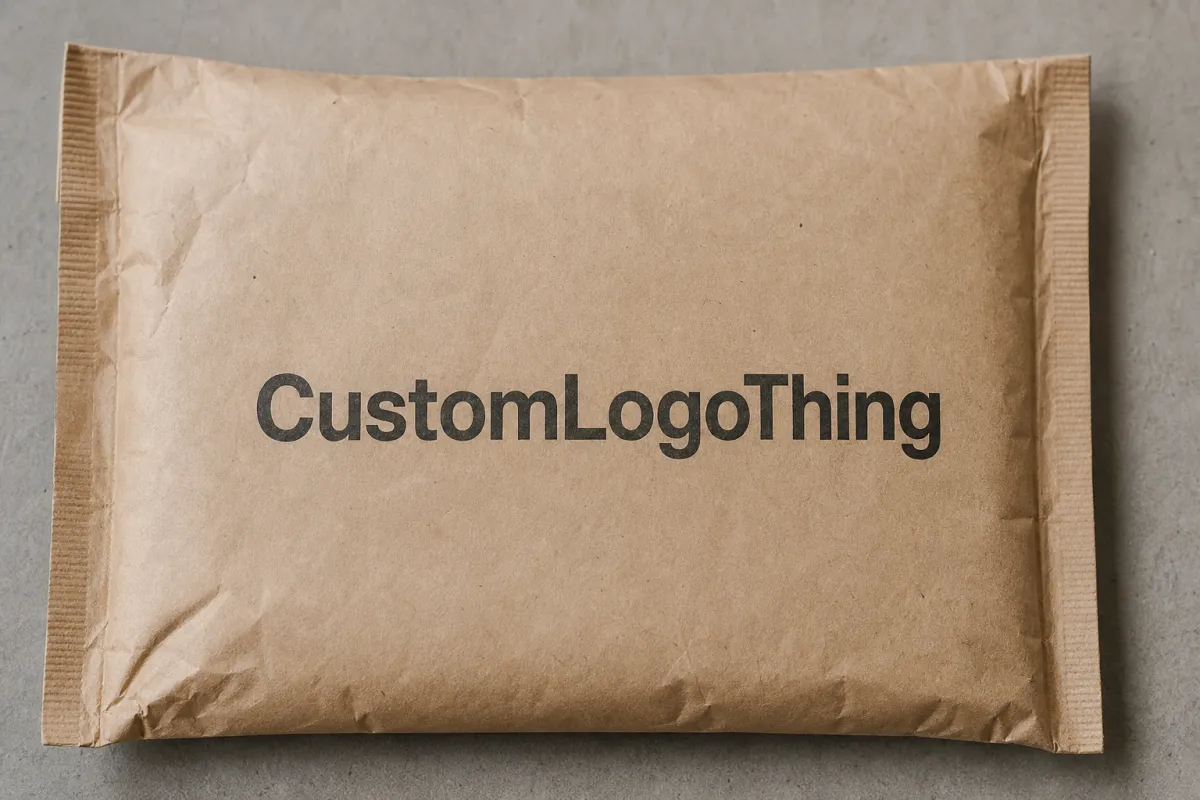
Roasters like boxes because boxes feel serious. Fair enough. Structure reads as safety. Safety feels responsible. The problem is that safe does not always mean efficient. For a lot of coffee orders, especially single bags, sample kits, and small add-ons, a box adds cube, void fill, and weight without adding much real protection. That means higher freight, more warehouse handling, and more material leaving the building for no gain.
Custom Padded Mailers make sense when the shipment is flat, light, and not especially fragile. Think one or two 12 oz or 1 lb bags, a tasting set, a postcard pack, a branded apron, or a small accessory order. They also work well for subscription coffee when the contents stay consistent and the fill profile is predictable. Once the order gets bulky, sharp-edged, or oddly shaped, the box wins. No ceremony. Just physics.
The word to watch is not "mailer." It is the full packaging choice behind it. Custom Padded Mailers for Coffee roasters sustainable material options only make sense when the structure actually matches the product. A recycled paper build, a paper-padded design, or a hybrid construction will perform very differently, even if the outside print looks similar.
In practice, roasters overbuy protection because they compare against the wrong baseline. A small coffee order is not a case pack of glass jars. It is not a heavy e-commerce shipment that needs serious crush resistance. It is usually a light, flat item that needs abrasion resistance, a bit of shock absorption, and a clean first impression. That is a much easier job.
There is also a customer experience cost. A box can feel premium, sure, but it can also feel bloated when the item inside is tiny. A padded mailer can feel deliberate if the print, texture, and closure are right. That matters even more when your broader packaging already leans on restrained colors, kraft paper, or minimal graphics. In that setup, the mailer supports the brand instead of fighting it.
Here is the blunt version: if one bag of coffee is riding around in a giant corrugated box with enough void fill to stop a bowling ball, you are probably paying for packaging theater. Nice theater. Still theater.
How custom padded mailers for coffee roasters work
A padded mailer looks simple. It is a little more interesting underneath. The outer layer carries the print and takes scuffing. The middle layer adds cushioning. The seal keeps the contents closed and helps with tamper resistance. Some formats add a tear strip, a peel-and-seal closure, or a reseal feature for returns. Every part affects performance. Every part affects the quote.
Think of it as a compact protective system, not a flat envelope. The outer shell handles abrasion from conveyors, bins, and stacked parcels. The padding absorbs minor impact and keeps the product from rubbing directly against the wall. The closure stops the mailer from opening during sorting or delivery. If one piece is weak, the whole format becomes less useful very quickly.
- Outer layer: Controls print quality, scuff resistance, and brand presentation.
- Padding layer: Handles minor impact and reduces edge wear during transit.
- Seal: Prevents accidental opening and helps with tamper resistance.
- Fit: Keeps the order from sliding around and stressing seams.
Size matching matters more than most buyers think. Too large, and you pay for dead space while the product shifts around. Too small, and the seam stretches, the corners push out, and the unboxing looks cramped. The sweet spot is snug without being tight. For many coffee shipments, a little clearance helps. Too much clearance creates the rattling problem you were trying to avoid.
The right size depends on the exact product mix. A single 12 oz bag with a simple insert card needs a different interior than a two-pack with a sampler and a coupon. If your product packaging changes often, ask for a size that tolerates small variation instead of forcing every order into a narrow tolerance. That saves rework and keeps fulfillment moving.
There is a limit. Padded mailers are not for heavy, high-value, or puncture-prone shipments. Glass belongs in a box unless the format was built for it. Bulky multi-bag orders usually need corrugated cardboard and stronger edge protection. Anything sharp enough to punch through the shell needs a different plan.
From the customer side, the opening moment matters. A clean mailer with crisp print and a solid seal can feel polished. A wrinkled, oversized, or under-padded mailer feels cheap before the coffee bag even comes out. So yes, function first. Once the function is right, tactile details, color, and print clarity start doing real work for your retail packaging story.
For brands with a broader packaging mix, the mailer should line up with the rest of the ship-and-shelf experience. If your coffee line already uses custom printed boxes for larger wholesale orders, the mailer should echo the same palette and typography. If your brand leans on kraft paper, matte finishes, and plainspoken labeling, a loud mailer will feel off. This is still packaging design, just in a thinner format.
A practical spec example helps here. A roaster shipping a single 12 oz bag and a tasting card might use a paper mailer with a 140gsm kraft outer, a 3-4 mm recycled paper pad, and a peel-and-seal strip. A sampler kit with a rigid insert may need a 350gsm C1S artboard insert card to keep the pack flat and stop the contents from bowing inside the mailer. That kind of detail changes the finished result more than another round of vague brand language.
Custom padded mailers for coffee roasters sustainable material options that actually hold up
This is where the buyer needs to pay attention. Sustainable claims are easy to print and hard to prove. A mailer can sound eco-friendly and still be a poor shipping choice. The right question is not which option sounds green. The right question is which option protects the product, fits the disposal goal, and survives the lane it is going into.
Here are the main material routes roasters usually compare:
| Option | Best for | Typical price range | Tradeoffs |
|---|---|---|---|
| Recycled kraft paper mailer | Light coffee bags, sample packs, flat merch | About $0.15-$0.24 per unit for 5,000 pieces, depending on size and print coverage | Good curbside story in many areas, but weaker moisture resistance and a more matte print surface |
| Paper-padded mailer with recycled fiber | Orders that need a little more cushioning and a premium tactile feel | About $0.19-$0.33 per unit for 5,000 pieces | Better protection, slightly more bulk, and freight can rise because of cube |
| Recycled poly or hybrid film structure | Moisture-sensitive routes and higher-abuse shipping lanes | About $0.18-$0.31 per unit for 5,000 pieces | Strong performance, but recyclability depends on local programs and the exact build |
| Compostable film hybrid | Brands with a composting access plan and clear certification needs | About $0.30-$0.55 per unit for 5,000 pieces | Higher cost, documentation matters, and not every end user can compost it properly |
Recycled kraft paper is usually the cleanest starting point if curbside recyclability is the priority. It is familiar, easy to explain, and visually fits a lot of coffee brands that already use kraft paper labels or natural finishes. The catch is performance in wet or rough handling conditions. Paper alone can scuff, soften, or tear more easily than film-based builds, especially on longer parcel routes.
Paper-padded mailers can be a strong middle ground. They feel more substantial, and the tactile look works well for premium branded packaging. They also avoid the plastic-heavy feel that some buyers want to move away from. If you ship into damp climates or rough distribution lanes, test carefully. A nicer tactile surface does not cancel physics. Sadly.
Hybrid film structures are often the performance pick. They may include recycled content, paper inserts, or a mix of paper and film layers. They can be lighter than a box and better at resisting moisture. The tradeoff is disposal complexity. If the structure mixes materials that are hard to separate, recycling may depend on local rules that differ from city to city. The EPA's recycling basics page is worth checking when you are trying to figure out what actually belongs in the bin: EPA recycling basics.
Compostable options demand discipline. If a supplier says compostable, ask what standard they mean and ask for documentation. ASTM D6400 and ASTM D6868 are common references for compostable claims, but the claim only matters if the whole structure qualifies and the end user has access to the right disposal stream. Industrial composting is not backyard compost, and a nice-looking mailer does not change that.
FSC-certified paper is another detail worth asking about if you want a stronger sourcing story. It does not make a mailer automatically recyclable or compostable, but it does show the fiber came from defined forestry standards. If you want to verify that route, the FSC site is the place to start: FSC-certified paper guidance.
The performance tradeoffs are real. Tear strength matters because coffee orders get scraped across bins and conveyor lips. Moisture resistance matters because cartons sit on trucks, porches, and warehouse floors where conditions are rarely perfect. Scuff resistance matters because a scratched mailer can make even good package branding look rushed. Print coverage matters too, because heavy ink on some paper-based constructions can affect appearance, feel, and disposal behavior.
There is no universal winner. A simple recycled kraft build may be perfect for one roaster and wrong for another. A hybrid structure may solve shipping loss but muddy the recycling message. The best choice is the one that survives your route and supports your brand without forcing you to explain it in circles.
For buyers comparing formats, the logic is the same as with Custom Poly Mailers versus paper-based options, or with Custom Packaging Products more broadly. The material choice is not a moral badge. It is a working tool. Use the one that fits the order.
Process, timeline, and lead time from sample to shipment
Good orders start with measurement, not artwork. Measure the filled product, not the empty bag. Measure the actual thickness, width, and length after inserts, tasting cards, or retail tags are included. If the order is a subscription kit, assemble a representative pack and measure that finished build. A lot of damage complaints are really fit problems baked in before the quote even lands.
The normal sequence stays pretty simple:
- Measure the filled product and define the shipping use case.
- Choose the structure: recycled kraft, paper-padded, hybrid, or compostable film.
- Lock the print area, colors, and closure style.
- Review the proof and confirm copy, logo placement, and any certification language.
- Approve samples, then move into production.
- Run a ship test before you release the full order.
Sampling is not optional if you care about waste control. A sample tells you whether the seam holds, whether the padding is enough, and whether the print looks right once the mailer is folded and filled. One weak adhesive line can blow up a whole production run. Catch it in sample stage and you fix one sample. Catch it after freight arrival and you explain to finance why the reorder cost doubled.
Lead times vary by material and print complexity, but a common pattern looks like this: proofs usually take 2-5 business days if the artwork is clean, sample rounds often add another 5-7 business days, and production often runs 12-15 business days from proof approval for standard custom mailers. Larger volumes, specialty coatings, or complex print coverage can push that to 15-20 business days. Freight sits on top of that depending on lane and origin. Air freight can shorten delivery, but it will also eat margin. Ocean freight is cheaper on volume, but it adds time and risk. There is no magic lane that is both cheap and immediate. Anyone promising that is probably skipping a detail.
Special finishes extend the timeline. Custom colors, embossing, soft-touch laminations, unusually large formats, or more complex seams can each add time. If you are launching a seasonal roast, scheduling a subscription reset, or preparing a holiday push, build in extra room. A fast launch is nice. A rushed launch with the wrong mailer is just an expensive lesson.
Testing should match the route. A small-parcel screen based on ISTA handling methods is a sensible starting point for many coffee shipments. Some brands use a simplified drop, vibration, and compression check in-house before they order. Others ask suppliers for a more formal distribution test. Either way, test the filled product. Empty mailers are not the thing you ship.
Two practical rules help here. First, lock the dimensions before you ask for quotes. Second, request the same sample pack configuration from every supplier so you can compare results fairly. If one quote uses a different size, a thinner pad, or a lighter print spec, the numbers stop meaning the same thing. Comparisons only work when the specs match.
If you need a quick decision tree, use this:
- Low risk, flat order: Paper-based or kraft option.
- Higher moisture risk: Hybrid structure with verified disposal guidance.
- Brand-led premium feel: Paper-padded or textured recycled paper build.
- Very tight deadline: Simplify the print, simplify the structure, and avoid custom extras.
If you are comparing a recycled paper mailer against a box, one useful benchmark is whether the mailer keeps the filled pack flat without a second protective layer. If it needs a box inside the mailer, the system is probably too complicated. Keep the spec honest. That saves time and keeps the quote readable.
Cost, pricing, and MOQ: what drives the quote
Mailers are one of those categories where the quote looks simple until you break it apart. The unit price is only part of the story. Size, padding thickness, print coverage, closure type, and material choice all move the number. So do setup charges, sample fees, freight, and the dreaded "we forgot to include the insert" surprise.
For a small roaster, MOQ is usually where reality starts talking. Simple custom runs can sometimes start around 500 to 1,000 units, but fully custom structures often need more. Lower quantities usually mean higher unit cost because setup costs are spread over fewer pieces. Larger runs reduce the per-unit number, but only if you can actually use the inventory before your artwork, bag size, or brand language changes.
Here is the buying math that matters: compare landed cost, not just ex-factory unit cost. Landed cost includes freight, samples, setup, and any certification or plate charges. A quote that is $0.05 cheaper per unit can still end up more expensive if shipping is bulky or if the supplier quietly adds fees. Paper-based mailers can be especially sensitive to cube, so freight can sting harder than expected.
Typical cost drivers include:
- Material structure: recycled kraft is usually easier on budget than compostable or heavily engineered hybrid builds.
- Print coverage: one or two colors cost less than a full-coverage design with tight registration.
- Size: bigger mailers use more material and often cost more to move.
- Padding type: thicker cushioning adds protection and price.
- Closure: peel-and-seal, tear strip, or reseal features can add complexity.
- Certifications: FSC, compostability, or recycled-content documentation may add admin or testing costs.
When you ask for quotes, ask the same questions every time so you do not compare apples to oranges:
- What is the exact material stack?
- What is the MOQ at this size and print spec?
- What is included in the unit price?
- What are setup, plate, or sample charges?
- What freight assumptions are built into the quote?
- What certifications or test reports are available?
For many roasters, a basic recycled paper build is the easiest place to start budget-wise. It keeps the story simple and the spec readable. Specialty compostable builds can be worth it if disposal access is clear and the brand wants that claim badly enough to pay for it. Hybrid structures sit in the middle and can be the best value if the route is rough and the product needs more protection than plain paper can offer.
One more pricing trap: do not ignore replacement shipments. If the mailer fails and you resend product, your real cost per order jumps fast. A stronger structure that costs a few cents more can be cheaper in the long run if it reduces damage. That is the boring answer. It is also the correct one.
For example, a 5,000-piece order of a single-color recycled kraft mailer might price around $0.15-$0.18 per unit, while the same size with heavier ink coverage or a larger format can creep toward $0.22-$0.24. Add a paper-padded liner, and the quote often moves closer to $0.19-$0.33 depending on thickness and finish. The point is not to memorize the number. It is to stop pretending all mailers sit in the same budget lane.
Common mistakes that wreck the sustainability story
The fastest way to wreck a sustainability claim is to choose a material because it sounds friendly and ignore how it actually performs. A mailer that tears, gets soaked, or opens in transit creates extra shipping, extra packaging, and more waste. That is not a small problem. It is the whole problem wearing a green label.
Wrong sizing is the first common mistake. Buyers eyeball dimensions, assume the product will "settle in," and then discover the mailer is either too loose or too tight. Loose packaging wastes material and can look careless. Tight packaging strains seams and can crush edges. Measure the filled product, including inserts, and leave enough room for the contents to sit flat.
Too much ink can be another quiet issue. Heavy, full-coverage graphics are not automatically bad, but they can interfere with a clean paper recycling story if the structure already mixes materials or uses coatings. If curbside recycling matters most, keep the print simple and let the paper do most of the visual work. Kraft paper often looks better that way anyway. No one needs a billboard on a mailer carrying a bag of coffee.
Mixed materials are tricky. A paper outer with plastic foam inside may cushion well, but if the layers are fused or difficult to separate, the disposal story gets muddy. The same is true for laminations and hard-to-remove closures. If you want the structure to be recyclable, ask how the end user is supposed to sort it. If the answer is "they will figure it out," that is not a plan.
Weak seals are a disaster dressed as a cost-saving measure. A cheap adhesive line that opens in a truck sort center turns one shipment into two. That is more freight, more labor, and more waste. The environmental win you thought you were buying disappears immediately. This is why sample testing matters. A mailer is not sustainable if it spends its life failing.
Another mistake is skipping a real transit test. Do not just squeeze the sample in the office and call it good. Test drop impact, abrasion, moisture exposure, and shelf scuffing. A package can look fine on a desk and fail on a doorstep. The route does not care about your approval meeting.
If you are deciding between paper, hybrid, and film-based formats, put the sample in a small test matrix alongside your existing packaging. Compare it to current orders in custom printed boxes or other retail packaging formats. That gives the team a direct read on brand fit, ship performance, and opening experience instead of a vague opinion about "nice feel."
And yes, your sustainability message should be honest enough that a customer can actually use it. If the mailer is recyclable only in some areas, say that. If it needs industrial composting, say that too. The clearest claim is usually the strongest one because it avoids overpromising. Vague green language is cheap. Credible packaging design is harder.
Expert tips and next steps for coffee roasters
If you want a cleaner buying process, build a small sample matrix before you place a full order. Two or three material options, two sizes, and one simple print test is enough to show you a lot. You do not need twenty variations. You need enough contrast to see what changes protection, appearance, and disposal logic.
Then run a real-world ship test. Not a fantasy test. Not a desk push. Ship the sample through the same warehouse path, the same carrier, and the same handling conditions you expect in production. If you can send it to a staff address or a friendly customer, even better. A parcel test in the wild catches issues that indoor testing misses, especially on seam strength and surface wear.
Here is a practical checklist that saves time:
- Measure the filled product, not the empty bag.
- Pick the disposal priority first: curbside recycling, composting, or best available performance.
- Keep the sustainability claim as simple as possible.
- Ask for samples before you ask for volume pricing.
- Compare landed cost, not just unit cost.
- Test print clarity, seam strength, and moisture resistance.
If your brand story is still evolving, keep the packaging language restrained. Let the material and finish do some of the talking. A kraft-based mailer with clean typography can feel more confident than a crowded design trying too hard to look eco-conscious. That applies to product packaging, retail packaging, and the shipping layer around it. Buyers can tell when a brand is dressing up a weak spec.
For coffee roasters that are growing quickly, lock the spec before you start shopping aggressively. Once the size, closure, and material stack are fixed, supplier quotes become easier to compare and reorder. That also makes it simpler to align the mailer with your broader packaging system, whether you are refreshing branded packaging for DTC or planning a larger rollout of Custom Packaging Products.
The safest path is usually the simplest one: pick a structure that matches the route, proves the claim you want to make, and fits the budget without hidden freight surprises. If the order is light and flat, Custom Padded Mailers can do the job very well. If the shipment is bulky or fragile, move up to something stronger and stop pretending otherwise. For the right use case, custom Padded Mailers for Coffee roasters sustainable material options are a practical middle ground that protects product, controls cost, and keeps the brand looking intentional.
Start with the finished pack, not the empty bag. Choose the disposal path first, then test one sample in the actual shipping lane before you buy volume. That sequence saves more money, and more headaches, than any glossy sustainability claim ever will.
What sustainable material option is best for custom padded mailers for coffee roasters?
If curbside recyclability matters most, recycled kraft with paper-based padding is usually the cleanest starting point. If moisture resistance matters more, look at hybrid options and verify whether the full structure still fits your disposal goal. Choose the material based on the real shipping risk, not the prettiest environmental claim on the quote.
Are custom padded mailers for coffee roasters recyclable after shipping?
Sometimes, but only if the structure is a single stream that local recycling programs accept. Mixed-material mailers, foam layers, and hard-to-remove laminations often break recyclability in practice. Dirty mailers with product residue are also a problem, so keep the structure simple and the print light.
What MOQ should a small coffee roaster expect for custom padded mailers?
Simple custom runs can sometimes start around 500 to 1,000 units, but fully custom structures often need more. Lower MOQ usually means a higher unit cost, so small brands should budget for that tradeoff instead of pretending it disappears. Ask for staged reorder pricing if you expect growth and want to avoid overbuying upfront.
How long does the process take from artwork to delivery?
Proofing can move in a few days if your artwork is ready and the specs are clear. Production often takes 12-15 business days from proof approval for standard custom mailers, then freight adds its own lane of time on top. Rush schedules usually require simpler specs, fewer colors, or stock-based constructions.
Do padded mailers protect coffee bags and sample packs well enough?
Yes for light, flat shipments that need scratch and impact protection rather than heavy-duty crush resistance. No for bulky, sharp, or high-value multi-item orders that should move in a box with stronger structure. Test the filled product before launch, because coffee packaging failures usually start with bad fit, not bad intent.

