Buyer Fit Snapshot
| Best fit | Branded Padded Mailers for Coffee Roasters projects where brand print, material claims, artwork control, MOQ, and repeat-order consistency need to be specified before quoting. |
|---|---|
| Quote inputs | Share finished size, material target, print colors, finish, packing count, annual reorder estimate, ship-to region, and any compliance wording. |
| Proofing check | Approve dieline scale, logo placement, barcode or warning zones, color tolerance, closure strength, and carton packing before bulk production. |
| Main risk | Vague material claims, crowded artwork, missing packing details, or unclear freight terms can make a low unit price expensive after revisions. |
Fast answer: Branded Padded Mailers for Coffee Roasters: Sample Approval should be specified like a repeatable production item. The safest quote records material, print method, finish, artwork proof, packing count, and reorder notes in one written spec.
Production checks before approval
Compare the actual filled-product size with the drawing, then confirm tolerance on folds, seals, hang holes, label areas, and retail display edges. Reserve space for logos, QR codes, warning copy, and material claims before decorative graphics fill the panel.
Quote comparison points
Review material grade, print process, finish, sampling route, tooling charges, carton quantity, and freight assumptions side by side. A quote is only useful when the supplier can repeat the same color, closure quality, and packing count on the next order.
Branded Padded Mailers for Coffee Roasters Prototype Sample Approval
If you are working through branded Padded Mailers for Coffee roasters prototype sample approval, the first sample is not a formality. It is the moment the packaging stops being a concept and starts behaving like a shipping tool, a brand carrier, and a test of whether the launch plan actually holds up. Coffee buyers decide quickly. A mailer that feels flimsy, closes badly, or prints with awkward alignment can pull down a premium roast before anyone even opens the bag.
That is why the prototype stage deserves real attention. A padded mailer is not just a sleeve for a coffee bag. It protects the product, communicates the brand, and shapes the unboxing experience. Miss one of those jobs and the launch gets more expensive than the quote suggested. Reprints, replacement shipments, wasted labels, packing delays, and irritated staff tend to show up later, not on the sample day.
For coffee roasters, approval is trickier than it looks on paper. A mailer can look polished on a screen and still fail once you add a 12 oz valve bag, a tasting card, a promo insert, and a shipping label. The sample has to prove the whole setup, not just the artwork. That is the real test.
Why the First Mailer Test Often Decides the Whole Launch
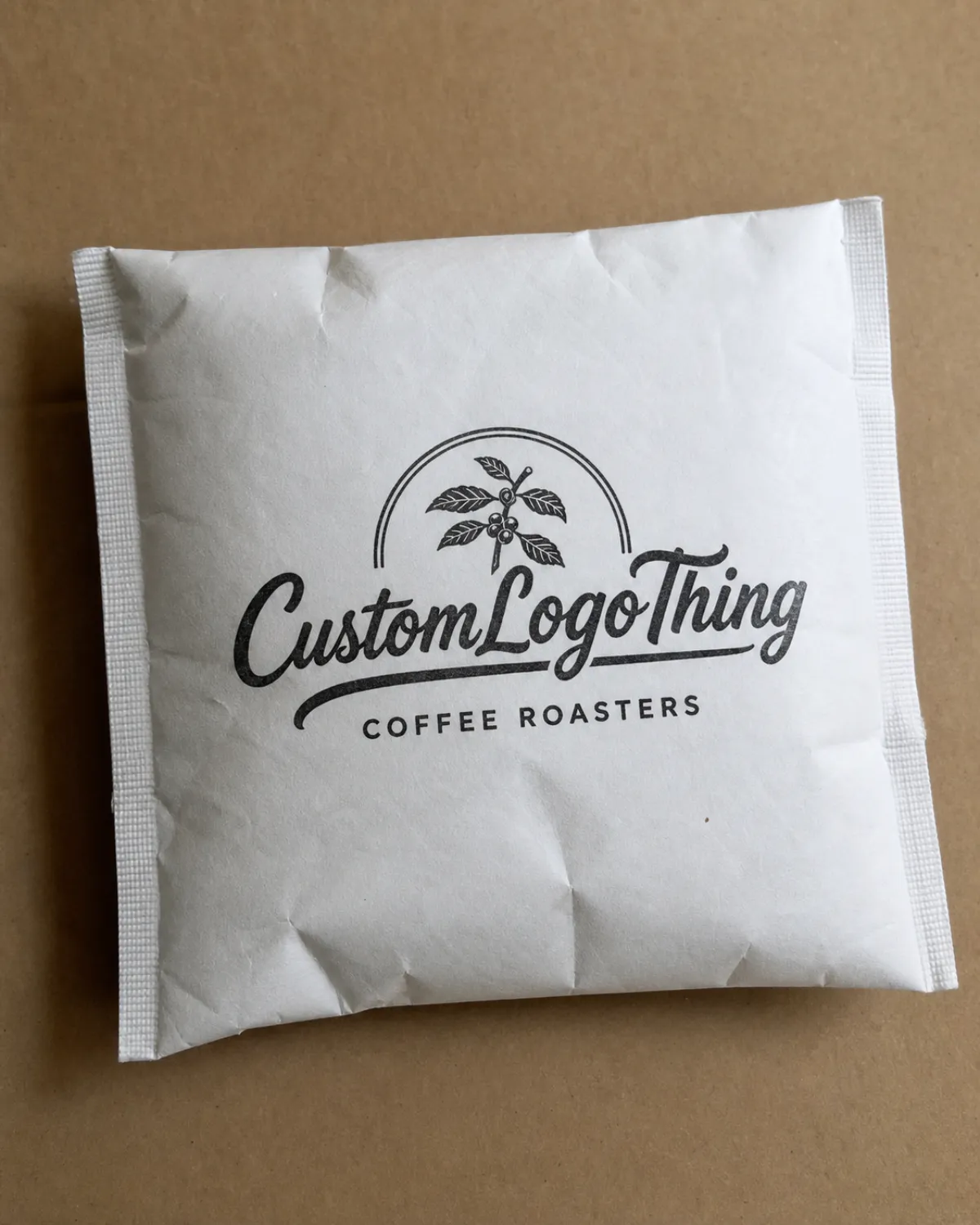
The first prototype usually says more than the spreadsheet does. It shows whether the structure is right, whether the branding reads cleanly, and whether the mailer can survive normal handling without making the brand look careless. That matters because customers see the package before they taste the coffee. In a subscription business, packaging is part of the product.
From a packaging buyer's point of view, the first test is a risk screen. Does the mailer fit the coffee bag without bulging? Does the closure stay shut after a few open-close cycles? Does the print hold up after a bit of scuffing? Can the design still look premium after a rough carrier day? Those are not abstract design questions. They are revenue questions, which is usually where the conversation gets less romantic.
For a roaster, the hidden cost of skipping approval is rarely one dramatic failure. It is the stack of small losses that build over time. A logo placed too close to a seam can warp on every unit. A mailer that is half an inch too tight can slow packing by seconds per order, which turns into hours over a busy week. A color that looked warm on screen can print flat and drain the brand story. None of that is flashy. All of it gets expensive.
"Approve the sample with the actual coffee inside, not with an empty mailer on a desk. Empty samples pass too easily. Production does not care."
If you want a simple benchmark, treat the prototype like a controlled abuse test. It should show whether the mailer resists compression, whether inserts stay where they belong, and whether the branding still reads clearly after handling. If it fails any of that, fixing it now costs less than discovering the issue after the launch campaign is already live. For examples of how packaging decisions affect launch timing and brand perception, see our Case Studies.
There is another reason the first test matters: confidence. Teams move faster when the sample settles the arguments. Fulfillment staff know how to pack it. Marketing knows the print is right. Operations knows the dimensions will not create friction. That kind of confidence shortens meetings, cuts down internal back-and-forth, and keeps the launch from drifting.
Branded Padded Mailers for Coffee Roasters Prototype Sample Approval Process
The approval path should be simple enough to follow and strict enough to avoid expensive mistakes. In practice, it usually runs through five steps: artwork review, structural prototype, physical sample check, revision if needed, and final sign-off. The order matters. Skip straight to approval based on renderings and you lose the chance to catch fit problems that only show up with product inside.
- Dieline and file review. Confirm dimensions, bleed, safe areas, and panel orientation before anything gets printed.
- Prototype production. Make a physical sample that matches the real structure, material, and closure method.
- Real pack-out test. Insert the coffee bag, inserts, and any extra material that will ship in the final order.
- Feedback and revision. Record exact changes if something is off, then request a corrected sample if needed.
- Final approval. Sign off only when fit, print, and handling all match the launch standard.
Who should review the sample? More people than many teams include on the first pass. The brand owner or marketer may focus on color and logo placement. The operations lead will care about pack-out speed and storage. Fulfillment staff will notice whether the closure is fussy or whether the mailer slows down the line. If only one person reviews the sample, it gets approved from one angle and questioned from another later. That usually ends in a second round of meetings nobody enjoys.
The file-versus-sample comparison is where the useful work happens. Check the logo location against the dieline. Confirm whether the front panel is still the front panel after folding. Verify barcode legibility if the design includes a scannable code. Read every line of copy on origin notes, roast details, subscription messaging, and legal text. A typo on a mailer may seem small, but premium brands do not get points for looking rushed.
Another thing gets missed too often: approval should happen with the real contents inside. Coffee bags vary more than people expect. A 12 oz bag with a flat bottom behaves differently from a small sample pack or a bundle with two bags. Add a tasting card, insert, or spoon and the fit changes again. A mailer that feels roomy when empty can get awkward once it is packed for real.
There is also a difference between approval and conditional approval. Conditional approval means the sample is close enough to move forward only if the supplier makes a specific, documented change. That works when the issue is small, like a slight shift in print placement or a closure adjustment that does not change the structure. The condition has to be written clearly. Vague notes create confusion later, especially if more than one person touches the project.
For teams comparing other package formats, our Custom Packaging Products page can help show where padded mailers fit inside the broader shipping mix, including cartons, wraps, and other protection options. If the coffee business uses lighter-weight shipping formats too, it may also help to compare with Custom Poly Mailers to see how structure, print surface, and handling differ.
Key Factors That Decide Fit, Protection, and Brand Impact
Fit comes first because everything else depends on it. A mailer that is too small creates stress points. One that is too large lets the product shift, which increases scuffing and makes the parcel feel less deliberate. Coffee roasters need to think in terms of actual pack-out, not just nominal size. A 10 oz bag, a 12 oz bag, and a two-bag bundle can each need a different internal allowance.
Protection is more than padding thickness. It includes seam strength, closure performance, crush resistance, and how the material handles moisture exposure in transit. A padded mailer should protect against the kind of abuse that happens in carrier networks: stacking, sliding, light drops, conveyor friction, and compression inside larger cartons. If the route is rough, ask whether the sample should be tested against a relevant transit profile. ISTA publishes practical shipment-testing guidance at ISTA, and that kind of reference helps teams think beyond "it looks fine on the table."
Brand impact is where coffee packaging wins or loses value. Print quality is not decoration. It changes how the roast is perceived. A clean logo with good contrast makes the brand look established. Muddy ink, off-center artwork, or weak color saturation can make even a carefully sourced coffee feel generic. That is blunt, but it shows up every time a customer opens the mailbox.
Here are the most common fit and branding checks worth running during sample review:
- Logo placement: centered, balanced, and not fighting folds or seams.
- Copy clarity: readable at arm's length, especially for small text and legal notes.
- Closure strength: secure enough to survive packing, shipping, and any re-handling.
- Insert space: enough room for cards, samples, or promo material without overstuffing.
- Surface quality: no blotches, scratches, or weak ink areas after a light handling test.
Sustainability belongs in the discussion too, but it should be handled carefully and honestly. A recyclable paper structure may fit a roaster's brand better than plastic in some markets, especially if the customer base expects lower-impact packaging. That said, the most sustainable mailer is the one that does not get reprinted because of a preventable sample miss. Material sourcing matters as well. If fiber content or certification is part of the sales message, look for credible documentation such as FSC chain-of-custody claims through FSC instead of relying on a generic green symbol and hoping nobody asks questions.
There is a business reason to care about these details. Customers who buy premium coffee often compare packaging across brands almost as much as they compare tasting notes. They may not say it out loud, but they notice when a parcel feels flimsy or when the print quality does not match the price point. The mailer becomes a signal of how much care the roaster puts into the roast itself.
| Sample Path | Typical Use | Usual Cost Range | Approval Risk | Best For |
|---|---|---|---|---|
| Flat prototype only | Artwork and basic sizing check | $25-$80 | High, because there is no real pack-out test | Early visual review |
| Physical prototype with one revision | Fit, print, and closure evaluation | $60-$180 | Medium, if the revision is clearly documented | Most coffee launch projects |
| Short production pilot | Near-final review under production conditions | $150-$400+ | Lower, but only if the final pack-out matches | Higher-volume or premium releases |
The table above is a practical way to think about risk. A cheap sample is not always cheap if it leads to a reprint. A more complete test can cost more up front and save money later, especially if your roaster ships often and cannot afford mid-launch changes. For a low-margin program, the right sample path is usually the one that avoids one expensive mistake rather than the one that looks cheapest in the quote email.
Process Timeline and Lead Time: From File Check to Final Sample
Lead time gets misunderstood because people treat it like factory time only. The clock starts earlier and ends later. Artwork prep, proofing, sample production, shipping, internal review, and revision all sit inside the schedule. A smooth approval can still take longer than expected if the team is slow to respond.
A typical timeline might look like this: one to three business days for artwork and dieline review, several days for prototype production depending on structure, two to five days for sample shipping, and another day or two for review. If a revision is needed, add another production and transit cycle. A clean path can sometimes come back in under two weeks. A back-and-forth path can stretch a lot longer, and that is where launch dates start getting nervous.
What slows projects most? Incomplete files. Late copy changes. Unconfirmed dimensions. Waiting for a real coffee bag to arrive for testing. Those are the common bottlenecks. If the team sends final files early and uses one decision-maker for approval comments, the process usually moves much faster.
The best speed-up is preparation. Send print-ready art with correct bleed and safe margins. Confirm the exact bag dimensions before the sample is made. Give the supplier the insert size if you plan to include tasting notes or promotional cards. If the mailer must fit a shipping label in a specific zone, say that at the start instead of after the first sample arrives and everybody pretends the issue was obvious all along.
Another timing issue is internal review windows. A sample can sit on a desk for three days because one team member is traveling or because the approval group cannot meet. That is not a packaging problem, but it still delays packaging. If the launch date is fixed, build buffer time for review instead of assuming everyone will respond instantly.
Here is a simple way to manage timing without losing control:
- Day 1-3: confirm dieline, artwork, and required materials.
- Day 4-7: produce the prototype and ship it to the review team.
- Day 8-10: test with real coffee product, inserts, and labels.
- Day 11-14: gather feedback and decide whether revision is needed.
- After approval: release production only when the signed sample is archived.
If your launch is tied to a subscription start date or a marketing push, protect extra time. A padded mailer project can look simple on paper and still absorb time through one small change. A closure adjustment, a print correction, or a sizing tweak may only take a modest fix on the factory side, but the shipping and review loop still add days. That is why disciplined planning matters.
For teams that want to see how packaging decisions play out across different project types, our Case Studies can be a useful reference point. They are helpful not because every project is identical, but because they show how details such as dimensions, transit timing, and approval control affect the final result.
Cost, MOQ, and Pricing Variables That Change the Quote
Pricing for Custom Padded Mailers is not one number. It changes with size, material, print complexity, quantity, and whether the design needs special tooling or a difficult structure. A larger mailer uses more material. A full-color print with heavy coverage costs more than a clean one-color logo. A specialty finish or unusual closure can raise setup costs. The quote reflects those choices, and the quote sheet is usually where optimism goes to get corrected.
MOQ matters too. Lower quantities usually carry a higher unit price because setup costs get spread across fewer units. Larger runs improve per-mailer economics because the fixed work is diluted. That does not mean every brand should rush into a huge order. If the bag size, branding, or subscription mix may still change, the lower unit price can turn into expensive inventory that never quite fits the next round.
Prototype pricing is a different conversation from production pricing. A sample may involve one-off setup, proofing labor, and expedited shipping. That can make the prototype feel expensive relative to the final unit cost, but the sample is buying certainty. The real question is whether the sample prevents a production error that would cost more. In many cases, it does.
Below is a rough way to think about the cost structure:
| Cost Driver | How It Affects Price | Buyer Question to Ask |
|---|---|---|
| Size | More material and a larger print area usually increase cost | Will the chosen size fit all current bag formats? |
| Print coverage | More colors and higher ink coverage can raise unit cost | Does the design need full coverage, or will a cleaner layout work better? |
| Material | Paper, poly, and reinforced structures price differently | Which structure best matches shipping risk and brand position? |
| Quantity | Higher MOQs usually improve unit economics | How much demand confidence do we have before ordering in volume? |
| Revision count | Extra samples and reproofing add time and expense | Can we make one decision-maker responsible for feedback? |
Typical pricing for Custom Padded Mailers varies a lot, but many roasters see something like $0.18-$0.45 per unit on larger runs for simpler constructions, with more complex, heavily printed, or premium-finish versions moving higher. A smaller order can climb well above that. Sample pricing may be modest on a standard prototype and noticeably higher when the project needs custom tooling or expedited freight. These are planning ranges, not fixed rates, and the structure you choose matters more than a vague "affordable" label.
The cleanest way to compare quotes is to ask for separate line items: sample cost, production cost, freight, and revision charges if they apply. That makes the comparison honest. It also prevents the common trick where one supplier looks cheaper only because shipping or sample labor was tucked away somewhere else.
Pricing should also connect to business value. A mailer that reduces damage, supports retention, and makes the brand feel premium can justify a slightly higher unit cost. Coffee is a repeat-purchase category, which means packaging affects more than the first order. If the customer likes the experience, the mailer has already done part of the selling work for the next shipment.
Common Mistakes That Delay Approval or Create Reprints
The easiest mistake is approving a sample without the actual product inside. It happens because the mailer looks good empty and the team is under deadline pressure. Then the real coffee bag arrives, the fit changes, and the closure no longer feels right. That is how a "good enough" approval turns into a production problem.
Brand drift is another repeat offender. Teams sometimes approve the wrong logo file, an older legal line, or a color that looked fine on screen but does not print the way they expected. One wrong version can sit unnoticed until the full run is already underway. The fix is simple in theory and annoying in practice: keep version control tight and designate one source of truth for the artwork.
Fit-related errors also create trouble. Coffee roasters may forget about valve bag thickness, tear notches, inserts, promo cards, or a second item tucked into the parcel. Each addition changes the internal dimensions. A design that fits one product can fail with a bundle or a holiday special. That is why the sample should reflect the full shipping plan, not a simplified version of it.
Feedback can be vague too. Comments like "make it pop more" do not give the production team anything usable. Better feedback sounds like this: increase contrast on the logo, move the mark 8 mm toward center, reduce the copy by one point, or change the closure line so the front panel is not crowded. The more specific the note, the faster the revision.
Here are the reprint risks that matter most in coffee packaging:
- Using the wrong prototype: one that does not reflect the final bag size or insert loadout.
- Skipping handling tests: the package looks fine on the table but fails after transit.
- Mixing approval stages: prototype sign-off gets mistaken for production sign-off.
- Ignoring finish differences: the sample's surface or print effect does not match the expected final run.
- Assuming color will self-correct: print variation can be real, so target it directly.
Teams can prevent a lot of this by documenting the sample review in a structured way. Record the dimensions, art version, pack-out contents, seal method, and any acceptable tolerances. If a sample is approved with a small deviation, write down exactly why it was acceptable. That avoids confusion later when someone sees the reference sample and asks why it got signed off.
There is also a quality control lesson hiding in plain sight: not every packaging issue shows up under ideal conditions. A mailer may pass on a clean desk and fail when packed by a tired fulfillment team after a long run. It may look fine under soft light and then scuff badly after a few labels rub against it. The only way to catch those issues is to test realistically.
Expert Tips and Next Steps Before You Release Production
Start with a final sign-off checklist. Keep it short enough that people will actually use it, but detailed enough to protect the launch. Include the exact dimensions, the approved artwork file name, the color notes, the seal method, the product packed inside, and the revision date. This is not paperwork for the sake of paperwork. It is a memory aid for the next order.
Next, run the sample through a rougher test than you think you need. Move it across a table a few times. Stack it under other parcels. Apply the shipping label where the real packer would place it. See whether the mailer still looks respectable after normal handling plus a little extra friction. Shipping environments are not gentle, and review rooms are usually full of wishful thinking.
Store the approved sample somewhere easy to find. Photograph it from the front, back, and folded edge. Keep the photos with the final art file and the signed approval note. That gives the team a production reference when the order repeats in a few months. It also lowers the chance of a future reorder drifting from the original standard.
Decide ahead of time what can be approved as-is and what must be revised. That is a small process choice with a big payoff. If everyone knows a misaligned logo must be fixed, but a subtle paper texture variation can be accepted, the team does not waste time reopening settled issues. Set the line before the sample arrives, not after someone falls in love with the wrong version.
For a coffee roaster, that level of discipline is not overkill. It is how packaging stays aligned with the product promise. Premium coffee lives in a market where the customer reads every detail. The mailer's job is to reinforce the roast story, protect the contents, and make fulfillment work without friction. If it does those three things well, the package has earned its place in the launch.
Before you release production, gather the final bag, compare the sample against the checklist, document the changes, and confirm who owns the sign-off. That is the cleanest path through branded Padded Mailers for Coffee roasters prototype sample approval, and it is usually the difference between a launch that feels controlled and one that keeps generating avoidable fixes after the first shipment leaves the dock.
How many prototype samples should coffee roasters review before approval?
Review at least one sample with the actual coffee packaging inside. If the design is sensitive to fit, print placement, or closure strength, a second revised sample is worth the extra time because it confirms the fix before production. Keeping a backup copy also helps if the approved sample gets damaged during review or shipping.
What should be checked first in branded padded mailers for coffee roasters prototype sample approval?
Check fit first. If the dimensions are wrong, everything else becomes secondary. After that, confirm print placement, barcode readability if applicable, seal strength, and whether the mailer still protects the product after handling. A clean-looking sample can still fail if the closure is awkward or the bag shifts too much inside the mailer.
How long does the sample approval process usually take?
The timing depends on how ready the artwork is, whether revisions are needed, how fast the sample ships, and how quickly the internal team responds. A clean file, a single decision-maker, and a real product sample usually shorten the timeline. If the project needs multiple rounds of changes, the schedule expands quickly.
What affects the price of custom padded mailers the most?
Size, material choice, print complexity, and quantity are the biggest pricing drivers. More complex finishes, higher ink coverage, and smaller order quantities usually increase the unit cost. Prototype samples can also cost more than expected if they require custom tooling, special proofing, or expedited shipping.
Can I approve a sample if the mailer looks good but fits a little tight?
Only if you have tested the real product inside and confirmed the fit does not slow packing or stress the closure. If the fit is borderline, ask for a revision before production. Small fit issues can turn into damaged shipments, slower fulfillment, or customer complaints once volume ramps up.
What is the safest final check before production starts?
Use the final approved bag, the exact insert set, and the approved artwork file together in one last pack-out test. If the package still closes cleanly, the label sits in the right area, and the branding reads the way it should, production can move forward with far less risk.