Buyer Fit Snapshot
| Best fit | Printed Pallet Labels Wholesale projects where brand print, material claims, artwork control, MOQ, and repeat-order consistency need to be specified before quoting. |
|---|---|
| Quote inputs | Share finished size, material target, print colors, finish, packing count, annual reorder estimate, ship-to region, and any compliance wording. |
| Proofing check | Approve dieline scale, logo placement, barcode or warning zones, color tolerance, closure strength, and carton packing before bulk production. |
| Main risk | Vague material claims, crowded artwork, missing packing details, or unclear freight terms can make a low unit price expensive after revisions. |
Fast answer: Printed Pallet Labels Wholesale: Specs, Prices, Timing should be specified like a repeatable production item. The safest quote records material, print method, finish, artwork proof, packing count, and reorder notes in one written spec.
Production checks before approval
Compare the actual filled-product size with the drawing, then confirm tolerance on folds, seals, hang holes, label areas, and retail display edges. Reserve space for logos, QR codes, warning copy, and material claims before decorative graphics fill the panel.
Quote comparison points
Review material grade, print process, finish, sampling route, tooling charges, carton quantity, and freight assumptions side by side. A quote is only useful when the supplier can repeat the same color, closure quality, and packing count on the next order.
Printed Pallet Labels Wholesale: Specs, Prices, Timing
Printed Pallet Labels Wholesale is the straightest path to keeping outbound freight readable, scannable, and consistent from the first dock scan to the last handoff at receiving. I have seen a single smeared barcode hold up a trailer while someone reprints the label, peels back wrap, and tries to recover the pallet without turning the whole thing into a mess. That is the real value of Printed Pallet Labels wholesale: less rework, fewer scan failures, and a lot less chaos once freight is already moving.
From a packaging buyer’s view, the job is simple enough on paper. The label has to stay clear, stay put, and survive the route without becoming a torn scrap halfway through transit. Printed pallet labels wholesale gives you repeatable output, better unit pricing at volume, and far less waste than placing small orders over and over again. The sections below cover label formats, materials, Pricing, Lead Times, and the order details that keep the final invoice tied to the actual work instead of guesswork.
There is also a trust issue here that gets overlooked. A pallet label is not just a sticker; it is a working part of the shipping process. If the code is wrong, the size is wrong, or the adhesive gives out in cold storage, the whole chain feels it. That is why I always push buyers to think in terms of performance first and decoration second. Fancy graphics are nice, but they do not help a forklift operator who needs a clean scan on the first pass.
Why printed pallet labels wholesale beat last-minute relabeling
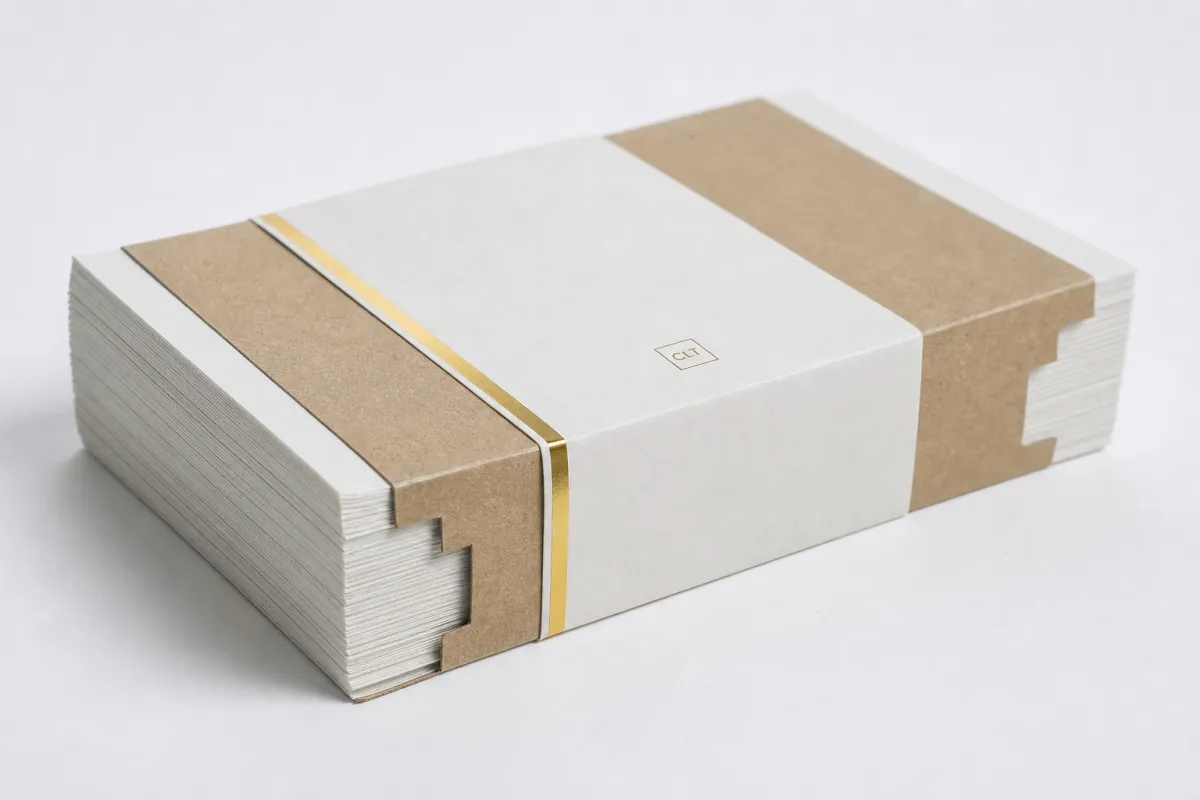
Anyone who has watched a dock team scramble over a bad pallet label knows how fast a small mistake can spread. One unreadable barcode can trigger a manual entry, a second scan, or a handwrite-and-reprint routine that eats time nobody planned to lose. Printed pallet labels wholesale keeps that scramble out of the workflow by putting a consistent label format in place before freight reaches the floor.
Consistency matters more than it first appears. A warehouse may move hundreds of pallets in a single shift, and even a minor mismatch in size, barcode placement, or adhesive can slow the whole line. Printed pallet labels wholesale helps standardize the output, which reduces guesswork for receiving teams, improves scan rates for operators, and cuts down on corrections after the pallet has already been wrapped and staged.
Labor cost is the part many buyers overlook until the comparison gets uncomfortable. Small orders can feel flexible, but the real expense shows up in reprints, rush work, and dock time spent fixing avoidable errors. Printed pallet labels wholesale often wins because the per-unit cost drops, print setup is spread over a larger run, and the shipping team spends less time cleaning up problems that should have been caught before production. That is not a theory; it is the kind of math warehouse managers feel in their bones.
Buyers usually care about four things: legibility, compliance, repeatability, and speed. A polished graphic does not help if a forklift operator cannot scan the code from six feet away. In day-to-day operations, printed pallet labels wholesale is the better path whenever the same label has to work across multiple reorders and the warehouse cannot afford random variation from batch to batch.
For replenishment programs, seasonal spikes, or multi-site shipping, printed pallet labels wholesale also simplifies coordination. One approved file. One approved size. One approved barcode format. That may not sound exciting, and it does not need to. Predictable usually beats flashy in packaging, especially when trucks are waiting.
“If the barcode needs three tries, the label is already failing.” That is the kind of blunt feedback warehouse teams give after they have cleaned up enough preventable mistakes.
For teams that want a broader look at packaging standards and logistics basics, the Packaging School resources at packaging.org are a useful reference point. For shipping and transport testing, ISTA offers guidance that helps buyers think about packaging performance instead of just artwork.
What printed pallet labels wholesale actually include
Printed pallet labels wholesale is not one item. It is a family of label formats that serve different warehouse, 3PL, and retailer requirements. The right spec depends on whether the label is meant for outbound shipping, internal routing, automated scanning, or a mixed workflow where both people and software need to read it quickly.
Common label formats include pallet ID labels, shipping labels, GS1-128 labels, routing labels, carton-pallet hybrid labels, and internal tracking labels used inside the warehouse. Printed pallet labels wholesale can also include sequential numbering, serial numbers, lot codes, lot-and-date blocks, or variable data that changes from one pallet to the next. Proofing matters here, because a bad data structure makes the whole run wrong before the first sheet comes off the press. I have seen teams discover that a tiny formatting choice in a spreadsheet turned into hundreds of mislabeled pallets, and fixing it after the fact is never fun.
Size plays a major role in the spec. A carton label and a pallet label do different jobs. Pallet labels usually need larger type, stronger contrast, and enough clear space around the barcode for scanners to read accurately. Common sizes include 4 x 6 inches for standard shipping, 4 x 8 inches when the data block needs room to breathe, and 6 x 8 inches or larger for labels that must be read from a longer distance. Printed pallet labels wholesale should be selected around the workflow, not around whatever stock size happened to be nearby.
Face stock changes the outcome too. Paper works for dry storage and short-haul moves. Synthetic stocks such as polypropylene or polyester hold up better in moisture, condensation, abrasion, and freezer environments. Adhesive strength matters just as much. A label that looks perfect on the proof can still fail on rough stretch wrap, dusty corrugate, or cold surfaces if the adhesive is not matched to the job. Printed pallet labels wholesale should fit the environment, or you will end up paying to peel labels off the floor later. That part is not glamorous, but it is very real.
Branding is optional, but it can still serve a real operational purpose. A logo at the top of a pallet label can help staff identify the right customer or distribution channel faster. Color bands can separate regions, product families, or priority classes. Decoration is not the point. Faster recognition is. Printed pallet labels wholesale should support operations first and design second.
- Pallet ID labels: Best for internal movement, staging, and simple track-and-trace.
- Shipping labels: Best for outbound freight, carrier routing, and receiving accuracy.
- GS1-128 labels: Best for standardized logistics data and retailer compliance.
- Hybrid labels: Best when a carton label must also serve pallet-level visibility.
- Variable-data labels: Best when serials, lot codes, or pallet numbers change on every unit.
Specifications that make pallet labels scan on the first pass
First-pass scanning does not happen by accident. It comes from a label spec that respects distance, lighting, print quality, and pallet handling. Printed pallet labels wholesale should be designed for the way the label is actually used, not for a sample held at eye level in a clean office.
Size and placement
The label has to fit the pallet face, leave enough quiet space around the barcode, and stay away from edges that curl or get scraped by wrap film. A larger format usually helps when forklifts scan from several feet away. If the label is too small, scan distance shrinks and the warehouse team spends extra time trying to catch the code. That is not a design win. It is a labor problem.
For most warehouse shipments, the best starting points are 4 x 6 inches for standard shipping and 4 x 8 inches if the label carries a longer human-readable line, a logo, and a barcode with more data. Printed pallet labels wholesale should be sized around the scanner path and the pallet height, not just the artwork file. A label that looks balanced on a monitor can still be awkward on a wrapped pallet, which is why a physical proof matters.
Barcode quality
Barcode rules can feel dull until they fail. Then they become urgent. High contrast, clean edges, correct symbology, and readable data formatting matter more than decorative elements. A barcode that looks polished but scans poorly is just a liability with a nice layout. Printed pallet labels wholesale should be checked for barcode width, magnification, quiet zone, and readability before the press starts.
GS1-128 is common in warehouse and logistics work because it carries structured data in a format many systems understand. That does not mean every label needs it. Some operations are better served by a simple Code 128 or an internal tracking code. The right choice depends on the receiving system and the customer’s compliance rules. If the customer’s system wants one format and the warehouse wants another, that mismatch needs to be resolved before production, not after a pallet reaches the dock.
Material and adhesive choices
Dry storage usually allows a standard permanent adhesive on paper face stock. Cold storage changes the equation. Freezer-grade or cold-chain adhesive is better when labels meet chilled or frozen surfaces, condensation, or wrapped pallets pulled from temperature-controlled space. For rough handling, moisture, or long transit, synthetic face stock with a stronger adhesive is usually the safer call.
Buyers should keep one rule in mind: the label has to bond to the real surface, not the ideal surface. Stretch wrap, dusty carton board, slightly damp corrugate, and textured pallet film all behave differently. Printed pallet labels wholesale should be tested on the actual surface whenever possible. Guessing costs money.
That test does not have to be elaborate. Even a small sample applied to the exact wrap or carton board you use can tell you a lot about edge lift, curl, and barcode contrast. I would rather hear, “This failed the freezer test,” than discover the failure after a full run is already in motion. Honest bad news is cheaper than a warehouse surprise.
Finish and legibility
Matte finishes are usually safer for scanning because they reduce glare from warehouse lighting. Gloss can look cleaner to the eye, but bright overhead lights and reflective wrap can create problems for scanners and cameras. If the warehouse is lit hard and the pallet is wrapped tight, matte is often the safer default. Printed pallet labels wholesale should make scanning easier, not prettier.
A careful proof review helps here. Check the barcode, the text, the placement, and the contrast. Then test a sample in the real warehouse lighting. Better still, test one on the real pallet wrap and carton surface. If it fails there, it will fail in production.
- Dry warehouse: Paper face stock, permanent adhesive, matte finish.
- Cold storage: Freezer-grade adhesive, synthetic face stock, test on chilled surfaces.
- Long-haul freight: Stronger adhesive, abrasion resistance, clearer barcode spacing.
- High-speed receiving: Larger format, high contrast, simple layout, scan-friendly placement.
| Option | Best Use | Typical MOQ | Typical Unit Range | Notes |
|---|---|---|---|---|
| Paper face stock, standard adhesive | Dry warehouses, basic shipping labels | 1,000-5,000 | $0.08-$0.18 | Lowest cost, but not for condensation or freezer handling |
| Synthetic face stock | Moisture, abrasion, longer transit | 1,000-5,000 | $0.18-$0.38 | Better durability and cleaner scan performance under rougher conditions |
| Freezer-grade adhesive | Cold storage and chilled freight | 2,000-5,000 | $0.22-$0.45 | Worth the cost if the pallet starts cold or damp |
| Variable-data or serial-number runs | Track-and-trace, routing, retailer compliance | 1,000-10,000 | $0.12-$0.30 | Pricing shifts with data complexity and quantity |
Printed pallet labels wholesale pricing, MOQ, and unit cost
Printed pallet labels wholesale pricing comes down to a handful of plain variables: size, material, adhesive, colors, variable data, and finishing. Change one of those, and the quote changes too. That is normal. What frustrates buyers is not a higher number so much as a quote that looks low because the specs were quietly reduced.
Unit cost usually drops as quantity rises, but the curve is not magic. Once the order gets large enough, the savings from volume start flattening out. If the label design might change next quarter, buying far more than you need just to chase a lower unit price can be a mistake. Printed pallet labels wholesale should be priced around the real run length, not around a guess that the artwork will stay frozen forever.
For many buyers, MOQ lands somewhere between 1,000 and 5,000 labels for a custom pallet label run, though some standard formats can be produced at lower or higher quantities depending on stock, print method, and press setup. If you are planning a test run, a small replenishment order, or a new distribution rollout, the MOQ should be discussed early so nobody builds a quote around the wrong volume.
Hidden costs are where budgets get bruised. Setup fees, extra proof rounds, rush charges, special adhesive premiums, and variable-data handling can all move the final number. A quote can look cheaper on paper and still cost more once the actual order is entered. Printed pallet labels wholesale should always be compared with matching specs, matching quantities, and matching lead times. Anything else is apples to oranges with a friendly smile.
A useful buying habit is asking for the quote in a clear line-item format. You want the label size, face stock, adhesive, finish, print colors, data handling, and shipping method spelled out plainly. If a supplier cannot describe those parts clearly, they are either hiding a weak spec or they do not fully understand the job. Either way, that is a warning sign worth paying attention to.
Some teams keep the process inside a broader wholesale program or tie the label order to other packaging components. That can work well when the shipment calendar stays busy and the file structure needs to stay organized. If you already source through Wholesale Programs or order through Custom Labels & Tags, keeping pallet labels in the same sourcing lane often makes approvals faster.
- Lowest quote: Usually means fewer colors, standard adhesive, and simpler art.
- Better operating value: Usually means the label scans faster and lasts longer.
- Best long-term value: Usually means fewer reprints, fewer dock delays, and fewer bad scans.
One practical point gets missed often. A pallet label that saves one labor hour can be worth more than the difference between two unit prices. Buyers tend to stare at the quote and ignore the warehouse time. That is how cheap labels become expensive labels. I have seen that mistake more than once, and it is usually a budget lesson nobody wants to repeat.
Printed pallet labels wholesale process, timeline, and lead time
A clean order process saves time and keeps mistakes from multiplying. Printed pallet labels wholesale usually moves through the same core steps: quote, artwork review, proof approval, sample or test print, production, packing, and shipment. If any one of those steps gets sloppy, the rest of the job slows down with it.
Stock material jobs with straightforward artwork usually move the fastest. A practical lead time is often 5 to 8 business days after proof approval for simple runs, though shipping time sits on top of that. Custom materials, cold-chain specs, or complex variable-data setups often need 8 to 12 business days, sometimes more if the proofing chain is slow. Rush work can move faster, but rush work usually costs more because the schedule has to bend around it.
Missing barcode data slows an order down. Low-resolution files do too. Wrong dimensions, vague quantities, and slow approvals all add friction. Printed pallet labels wholesale should start with clean data and a final spec sheet, because print teams are not mind readers and should not be expected to guess their way through a label build. A lot of delays are avoidable if the buyer sends the full picture up front instead of a half-finished concept and a hopeful note.
Warehouse testing deserves its own buffer. If a label needs to scan from a distance, survive condensation, or stay stuck on cold wrap, test one before you release the full run. That small pause can prevent a bigger delay after the labels have already landed. There is nothing efficient about discovering a failure on the first outbound truck.
Shipping matters as well. Padded cartons work for smaller label orders, but larger printed pallet labels wholesale jobs should arrive palletized or packed in a way that helps receiving teams count, stage, and store the boxes quickly. Clear carton counts and easy-to-read outer labels help the warehouse move the order without turning it into a detective story.
If your process includes compliance testing or transport stress checks, the ISTA site is a good reference point for understanding how packaging is evaluated for shipment. A label that survives the press is not automatically a label that survives the route.
Why choose us for printed pallet labels wholesale
For Custom Logo Things, the value is not only in printing a label. It is in printing the same label the same way every time you reorder. Buyers do not need surprises on a pallet label. They need repeatability, correct data, and a finish that behaves the same across the whole run. Printed pallet labels wholesale only works as a buying strategy if the output stays consistent from order to order.
File checks matter for that reason. Barcode data needs to be checked before print. Dimensions need to match the real pallet face. Variable data needs to be formatted cleanly. If a supplier prints first and asks questions later, the customer ends up paying to find mistakes after the labels arrive. That is a bad habit in packaging, and it gets expensive quickly.
Flexible order sizes matter too. Some buyers need a small pilot run first. Others need a larger replenishment batch with tight timing. Printed pallet labels wholesale should support both without forcing the customer into an awkward minimum that does not fit the way the operation actually runs. A supplier that can handle the pilot and the follow-up order is usually more useful than one that only wants big, easy jobs.
Fast proofing is another practical advantage. Vague promises do not help if freight is already scheduled. Straight answers on lead time, material availability, and approval steps do. Buyers do not need drama. They need a reliable route from artwork to dock door.
Packaging support matters too. Palletized packing, clear carton labeling, and sensible routing reduce receiving time. That might sound small, but it matters. A truckload of labels should not create a receiving headache. It should make the warehouse say, “Good. This is easy.”
That is the standard we try to keep at Custom Logo Things, whether the order goes through Custom Labels & Tags or a larger Wholesale Programs path. Printed pallet labels wholesale should feel controlled, not improvised.
- Repeatability: Same file, same output, same scan performance.
- Prepress checks: Barcode and artwork review before the run starts.
- Flexible volume: Test batches and replenishment orders both have a place.
- Practical shipping: Clear packing helps receiving teams move faster.
Most buyers do not want a branding story here. They want a label that survives the real work. That is exactly why printed pallet labels wholesale is worth treating as an operations purchase, not a decorative one.
Next steps for printed pallet labels wholesale orders
Before requesting a quote, gather the basics. You need label size, material, adhesive, quantity, artwork, barcode data, and the ship-to ZIP code. That sounds simple, because it is. Clean input makes printed pallet labels wholesale faster to quote and easier to produce.
If the label will face cold storage, abrasion, or frequent scanning, start with a test run. A small sample order is a cheap way to confirm the adhesive, finish, and barcode layout before a larger release. Printed pallet labels wholesale becomes much safer once the label has been checked in the conditions it will actually face.
Compare suppliers on specs, proofing, and lead time. Do not shop only by the lowest price. That usually leads to a weak adhesive, a poor finish, or a surprise charge hiding in the fine print. The better question is: which quote gives the best total outcome for the warehouse, not just the best headline number?
A clean order starts with a clean brief. That is the real shortcut. Printed pallet labels wholesale projects move faster, cost less to fix, and create fewer headaches when the information is complete from the beginning. If you need help choosing a format, send the pallet size, barcode data, material target, and estimated quantity, and ask for a quote built around the actual use case. That is how printed pallet labels wholesale should work.
For most buyers, printed pallet labels wholesale is not a one-time purchase. It is a repeat order built around the way the warehouse runs, and that is why the right spec saves more money than a bargain-bin quote ever will. If you want the cleanest result, start with the real surface, the real scan distance, and the real storage conditions. Everything else hangs on those three details.
How are printed pallet labels wholesale priced?
Price usually depends on label size, material, adhesive, print colors, and whether the job needs variable data or sequential numbering. Printed pallet labels wholesale gets cheaper per unit as quantity rises, but only if the specs stay the same across the run. Rush service, specialty adhesives, and extra proof rounds can push the final price up fast.
What material is best for printed pallet labels wholesale in cold storage?
Use freezer-grade or cold-chain adhesive so the label still bonds when surfaces are cold or damp. A synthetic face stock is often the smarter choice if the labels need to resist condensation, abrasion, or moisture exposure. Test a sample on the actual pallet wrap or carton surface before placing the full order. Printed pallet labels wholesale is only as good as the real-world test.
Can printed pallet labels wholesale include barcodes and serial numbers?
Yes, most wholesale runs can include barcodes, serial numbers, lot codes, and other variable data. Send the exact data format early so the print file matches your warehouse system. Ask for a proof that shows both the barcode and the human-readable text before production starts. Printed pallet labels wholesale should be checked like production equipment, not treated like a flyer.
What is the usual MOQ for printed pallet labels wholesale?
MOQ depends on size, stock, and whether the labels are a standard print or a custom build. Smaller test runs are possible, but the unit price usually improves once you move into a real replenishment quantity. If the design may change, do not overbuy just to chase a lower unit cost. Printed pallet labels wholesale should match the pace of the operation, not trap you with unused inventory.
How do I make sure printed pallet labels wholesale scan correctly?
Keep the barcode high contrast and leave enough quiet space around it. Use the correct label size so the scanner can read it from the distance your warehouse actually uses. Approve a proof and test a sample in your real lighting and storage conditions before scaling up. For most teams, that is the difference between a smooth intake and a very annoying reprint cycle. Printed pallet labels wholesale works best when the scan test happens before the full run, not after it.


