Buyer Fit Snapshot
| Best fit | Printed Paperboard Cartons Wholesale projects where brand print, material claims, artwork control, MOQ, and repeat-order consistency need to be specified before quoting. |
|---|---|
| Quote inputs | Share finished size, material target, print colors, finish, packing count, annual reorder estimate, ship-to region, and any compliance wording. |
| Proofing check | Approve dieline scale, logo placement, barcode or warning zones, color tolerance, closure strength, and carton packing before bulk production. |
| Main risk | Vague material claims, crowded artwork, missing packing details, or unclear freight terms can make a low unit price expensive after revisions. |
Fast answer: Printed Paperboard Cartons Wholesale: Pricing & Specs should be specified like a repeatable production item. The safest quote records material, print method, finish, artwork proof, packing count, and reorder notes in one written spec.
Production checks before approval
Compare the actual filled-product size with the drawing, then confirm tolerance on folds, seals, hang holes, label areas, and retail display edges. Reserve space for logos, QR codes, warning copy, and material claims before decorative graphics fill the panel.
Quote comparison points
Review material grade, print process, finish, sampling route, tooling charges, carton quantity, and freight assumptions side by side. A quote is only useful when the supplier can repeat the same color, closure quality, and packing count on the next order.
Printed Paperboard Cartons Wholesale: Pricing & Specs
If your product already does its job well, printed paperboard cartons wholesale can make it look more established without touching the formula, the hardware, or the item itself. A carton can carry the brand, protect the contents, and give the shelf display a finished look all at once. A small increase over a blank or lightly labeled package can still pay back quickly when the line needs to look retail-ready from the first shipment, and that payoff is often bigger than people expect.
The most common buying mistake is plain enough. People compare unit price and stop there. That is not purchasing. That is guessing with a spreadsheet. Setup waste, freight efficiency, reprint risk, and packing speed all shape the real cost of printed paperboard cartons wholesale. If clean numbers matter more than packaging fluff, the sections below focus on the details that actually move the budget.
I have watched a lot of carton projects go sideways over something small, like a missing bleed, a barcode that sat too close to a fold, or a coating choice that made the print look richer on screen than it ever could on press. Those issues are boring in the moment, but they are the kind that chew up a week and a budget line if nobody catches them early. So this piece stays grounded in the stuff that matters once a carton has to be printed, folded, packed, and shipped.
Why Printed Paperboard Cartons Wholesale Can Cut Real Costs
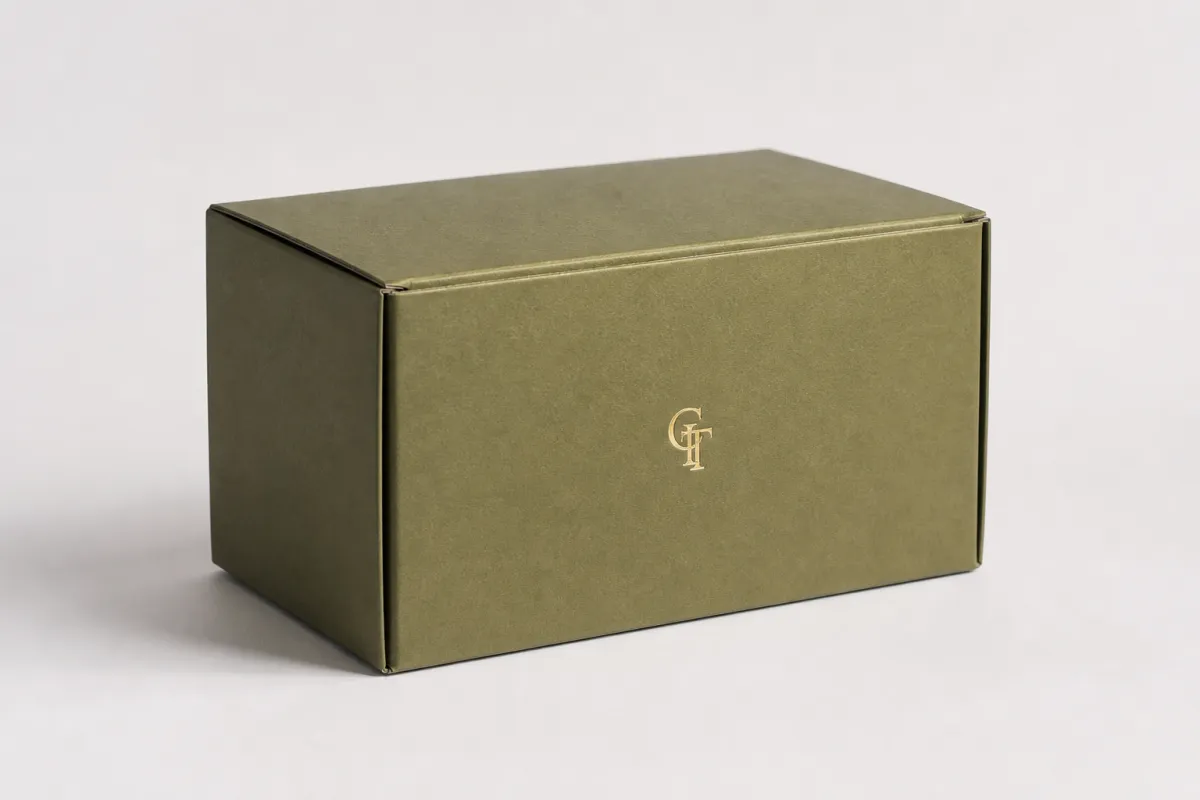
A well-made carton can make a $12 product feel closer to $18. The lift comes from structure, print quality, and finish doing work that extra advertising would otherwise have to cover. From a packaging buyer’s seat, printed paperboard cartons wholesale often lower the total launch cost because they fold branding, product information, and retail presentation into one piece instead of scattering those jobs across labels, inserts, and separate display materials.
Cartons do more than sit around looking neat. They act as part of the sales system. A product on a crowded shelf has only a few seconds to earn attention, and the carton has to carry some of that load. A solid structure, a clean dieline, and the right coating can change the way a product reads before anyone opens the pack. That is why printed paperboard cartons wholesale shows up so often in cosmetics, supplements, candles, confectionery, and small electronics. The appeal is practical, not ornamental.
Printed paperboard cartons wholesale also reduces launch risk in ways buyers feel later, not just on paper. A bare container with a label can look fine in a sample photo, then fail when a shipping box gets scuffed, a label edge lifts, or the story on shelf feels too thin. A carton gives you room for claims, ingredients, barcodes, instructions, and compliance copy, which matters when the product needs a cleaner retail face or when the customer sees it the moment the shipper opens.
Real savings tend to show up in a few familiar places:
- Branding in one piece: the structure carries the logo, product details, and retail presentation together.
- Lower launch waste: fewer labels, fewer stickers, and fewer hand-applied steps.
- Better freight density: flat cartons ship efficiently before conversion, which helps outbound cost.
- Fewer rework headaches: dieline or file corrections are easier to fix before production is packed and labeled.
Printed paperboard cartons wholesale also makes sense for brands moving from test runs to steady replenishment. You do not need to jump straight into complex rigid packaging with expensive inserts just to look credible. A standard tuck style with strong graphics can handle the job, then the structure can be refined once the product has earned its footing. Not the flashiest route, but usually the wiser one.
“Orders that look cheap on paper often become expensive after freight, corrections, and replacement stock get added back in.”
For teams comparing options, the right question is not “What carton has the lowest unit price?” It is “What carton gives the best retail result for the lowest landed cost?” That framing changes the conversation around printed paperboard cartons wholesale fast.
Printed Paperboard Cartons Wholesale: Product Types and Use Cases
Printed paperboard cartons wholesale covers a wide range of structures, and each one behaves differently on the packing line and on the shelf. Tuck End Cartons are the steady workhorse. Reverse Tuck Cartons are easy to assemble and suit lighter items well. Auto-lock bottoms give heavier products more support where it matters. Sleeves work nicely when the primary container already exists and just needs an outer branded layer. Custom inserts become useful when movement inside the carton would hurt the product or weaken the unboxing experience.
Cosmetics usually need a premium face and enough dimensional accuracy to stop rattling. Supplements push the spec toward barcode placement, regulatory text, and reliable sizing across reorders. Candles need crush resistance and a structure that can survive shelf handling and shipping pressure. Small electronics often benefit from inserts and a board spec that holds shape. Candy and confectionery can stay simple or go highly detailed depending on the channel and the price point.
Printed paperboard cartons wholesale is not one-size-fits-all, and that is the useful part. A standard tuck carton is often enough for lightweight retail goods, beauty items, and promotional kits. A more specialized structure is worth the added spend if the product is fragile, heavier than it looks, or sold in a premium category where the package has to do more of the talking. If the carton protects the product and helps sell it, the extra structure may earn its keep. If it only looks fancy, the money may be better spent elsewhere.
For example, I have seen a simple reverse tuck carton outperform a more elaborate design just because the dimensions were dialed in properly and the print stayed crisp under store lighting. Nothing dramatic, just a clean match between product size, board choice, and finish. That kind of decision is kinda invisible once the cartons are on shelf, which is exactly why it matters.
| Carton style | Best for | Typical quantity range | Practical note |
|---|---|---|---|
| Tuck end | Cosmetics, supplements, light retail goods | 500-50,000+ | Fast to scale and easy to reorder |
| Reverse tuck | Small items, retail kits, sample packs | 500-30,000+ | Simple build, decent for standard SKUs |
| Auto-lock bottom | Candles, heavier bottles, premium goods | 1,000-25,000+ | Better bottom support and faster packing |
| Sleeve | Bundles, trays, subscription sets | 1,000-20,000+ | Good visual impact, less product restraint |
| Custom insert carton | Fragile or high-value items | 1,000-15,000+ | More parts, more setup, stronger product fit |
High-volume programs usually scale best with standard tuck structures and sleeves. They are easier to die-cut, easier to glue, and less likely to trigger avoidable delays. If your line includes several SKUs with the same footprint, printed paperboard cartons wholesale becomes even more efficient because one structural platform can support multiple artwork versions.
That is also why many brands start with a standard carton before moving into more elaborate packaging. The first run shows how the product handles transit, how it looks on shelf, and whether the dimensions are truly right. Good buyers treat printed paperboard cartons wholesale as a system, not a one-off art piece.
Printed Paperboard Cartons Wholesale Specifications That Matter
If the spec sheet is vague, the quote will be vague too. That is usually how projects drift into revisions and change orders. For printed paperboard cartons wholesale, the key specs should be locked before anyone asks for pricing: board thickness, coating, print method, dieline, finishing, and any functional details such as inserts or window cutouts.
Board weight is one of the first calls. Retail cartons commonly fall somewhere around 250gsm to 400gsm, though the right number depends on the structure, the size of the carton, and the feel you want on shelf. Lighter boards can help the budget, but if the carton feels flimsy the product reads that way too. Heavier boards feel more substantial, yet they raise cost and can create folding or gluing issues if the design is too tight. That tradeoff is why printed paperboard cartons wholesale should be spec-led rather than guess-led.
Print method shapes both the look and the economics. Offset printing usually suits stronger color consistency and larger quantities. Digital printing works well for shorter runs, versioned artwork, and faster sampling. Finishes change the feel in hand and the price on the invoice. Matte coatings give a softer look. Gloss makes color more vivid. Soft-touch adds a smooth premium feel. Foil stamping, embossing, and spot UV can lift the design, though they also bring tooling and time into the order. Too many finishes often means paying for effects the buyer never really notices.
Functional details are where solid projects become good ones. Glue tabs need enough width to bond cleanly. Barcode placement needs to stay readable after conversion. Window cutouts must not weaken the panel too much. Inserts need to hold the product snugly without crushing it. Closure style matters because a carton that opens too easily on the line turns into labor cost later. For printed paperboard cartons wholesale, those details are not minor. They decide whether a run stays tidy or turns into a problem.
Material choice also deserves a proper look. Solid bleached sulfate tends to give a brighter print surface and a cleaner premium read. Coated recycled board can be a very practical middle ground for brands watching cost and sustainability at the same time. Kraft-backed board brings a different visual language, one that can feel earthy or direct, but it also changes how colors behave on press. None of those options are automatically better. They just solve different problems, and the right one depends on what the carton has to do once it reaches the shelf.
Sustainability specs should be called out early if they matter to the brand. Recyclable paperboard, FSC-certified board, reduced-ink layouts, and minimal coating builds all support a cleaner claim set. If a buyer wants to reference FSC, the certification must be built into the order from the start, not added after the quote is already approved. For broader packaging standards and material guidance, the references at FSC and the shipping and transit resources at ISTA are useful baselines for material traceability and handling expectations.
“The cheapest carton is usually the one that has to be fixed twice. A clear spec sheet saves more money than a dramatic design idea.”
One more practical note: if you want useful printed paperboard cartons wholesale pricing, send the carton dimensions, product weight, print coverage, and the finish you actually want. A vague brief creates a chain of questions. A clear brief gets you closer to the real number on the first pass, which saves everyone a headache.
Printed Paperboard Cartons Wholesale Pricing, MOQ, and Unit Cost
Printed paperboard cartons wholesale pricing comes down to a handful of levers, and none of them are mysterious. Size matters because larger cartons use more board. Board grade matters because heavier or coated stock costs more. Ink coverage matters because full-bleed artwork and dense colors take more effort. Finishing matters because foil, embossing, and spot UV add setup and labor. Quantity matters because tooling and setup costs spread out as volume rises.
MOQ is where a lot of buyers get caught off guard. Custom Printed Cartons often start in the low hundreds to low thousands depending on the structure, while offset runs usually become more attractive as the quantity rises. Digital runs can support shorter quantities and faster changes, but the unit cost stays higher than a larger offset order. That does not make digital worse. It just means the math changes. For printed paperboard cartons wholesale, the right MOQ is the one that matches your actual sell-through, not the one that sounds big enough to impress someone in a meeting.
A simple buying rule helps here: ask for pricing at multiple tiers. If you request only one quantity, you do not know where the breakpoints sit. Get quotes for 500, 1,000, 2,500, 5,000, and 10,000 pieces if the product can support that range. Then compare the unit price drop against the cash tied up in inventory. A lower unit cost matters only if the cartons do not sit in storage long enough to erase the gain.
| Quantity tier | Likely setup impact | Typical unit range | Best use case |
|---|---|---|---|
| 500-1,000 | Higher setup per piece | $0.28-$0.85 | Test launches, limited editions, short seasonal runs |
| 2,500 | Setup begins to spread out | $0.16-$0.45 | Early scale brands with steady demand |
| 5,000-10,000 | Better spread on tooling and press time | $0.09-$0.28 | Repeat SKUs, retail replenishment, subscription kits |
| 25,000+ | Lowest relative setup burden | $0.05-$0.18 | National rollouts and stable, high-volume programs |
Those ranges stay broad on purpose. A small tuck carton with one-color print sits near the low side. A larger carton with soft-touch coating, foil, and an insert sits much higher. Printed paperboard cartons wholesale is not a fixed-price category. It is a spec category. The quote follows the spec.
There are hidden costs worth asking about early. Plates, dies, sample charges, shipping, file corrections, and color changes can all add up. If a vendor gives only one lump number, ask for setup cost and run cost separately. That split makes comparison easier. It also shows whether a higher quote is really expensive or simply carrying more work upfront.
Do not overbuy just to chase the lowest price per unit. That is how brands end up with storage fees, stale artwork, and cash tied up in cartons that move too slowly. The best printed paperboard cartons wholesale order fits the sell-through rate, the launch calendar, and the reorder window. Everything else is decoration on the spreadsheet.
Printed Paperboard Cartons Wholesale Production Steps, Process, and Lead Time
The production path for printed paperboard cartons wholesale is straightforward when the brief is clear. It starts with intake, moves into dieline setup, then proofing, then sampling if needed, then printing, finishing, cutting, gluing, packing, and shipment. Every step can run cleanly. Every step can also become the reason a project slips if the artwork is wrong or the spec changes late.
Most delays come from ordinary things. A barcode lands too close to a fold. Artwork is sent without bleed. A client changes the finish after proof approval. Color matching needs an extra round because the file was built in a way that does not reflect the final print conditions. None of that is unusual. It is just expensive when it happens in the middle of a run of printed paperboard cartons wholesale.
Lead time depends on complexity and quantity, but a practical framework looks like this: dieline review and quoting can take 1-3 business days when the brief is complete; proofing often takes another 1-3 business days; sampling may add 5-10 business days; production commonly runs 10-18 business days after approval; freight time is separate and can add several more days or weeks depending on the route. Special finishes, custom inserts, and structural changes add time. Rush work is possible, though it usually narrows finish choices and raises cost.
Approval timing matters more than many teams expect. Late sign-off slows production. Unfinished files keep the press waiting. An unconfirmed structure stretches the sample cycle. A calm schedule is usually cheaper than a rushed one. With printed paperboard cartons wholesale, time is part of the cost even when it never appears as a separate line item.
The best process cuts waste before it starts. A corrected dieline prevents a bad fit. A clear color target avoids a second proof. A complete brief keeps production from chasing answers halfway through the job. If the carton will be used for shipping as well as retail presentation, align the expectations with relevant test methods such as ISTA drop and transit guidance, or at least discuss the packing scenario against ASTM shipping assumptions. That keeps the conversation tied to real handling conditions instead of guesswork.
Printed paperboard cartons wholesale also benefits from early decisions on assembly. Hand-packed cartons need easy-open design. Line-packed cartons need reliable glue flap performance. Fragile products need insert placement thought through early. The sooner those points are settled, the less likely the order is to wander into avoidable rework.
From a buyer’s viewpoint, the cleanest timeline is the one that makes reorders predictable. You want a sample that matches the run, a run that matches the proof, and a reorder path that does not start from scratch. That is how printed paperboard cartons wholesale becomes a supply system instead of a one-time purchase.
Why Choose Us for Printed Paperboard Cartons Wholesale
What separates a decent vendor from a useful packaging partner? Consistency. Clear communication. Specs that hold up. On printed paperboard cartons wholesale, surprises after proof approval are usually bad news. A supplier should notice weak file prep, catch structural issues early, and give you a quote that can be defended on paper.
At Custom Logo Things, the focus stays practical rather than theatrical. Prepress guidance matters more than vague file handoff. Real timelines matter more than inflated promises. Dimensional checks, color checks, glue integrity checks, and shipment inspection all matter before cartons leave the floor. For buyers ordering at scale, those checks matter more than a polished pitch. A carton that is off by even a small amount can slow packing, create fit issues, or force a reorder. That is a dull way to lose money, which is exactly why it shows up so often in printed paperboard cartons wholesale.
If you are already comparing options, our Wholesale Programs page is the right place to start. It helps you frame the order size, the level of customization, and the turnaround you actually need. If you want a broader view of our wholesale packaging support, that is where you can line up the carton spec with the rest of the packaging plan instead of treating it as an isolated purchase. If you are moving from a sample stage to a repeat order, the wholesale order process gives you a straightforward path to keep the specs consistent.
Good wholesale packaging support should reduce revision cycles. Fewer back-and-forth emails, fewer file corrections, and fewer guesses about how the final carton will run all save time. Reorder experience matters too. Once the dimensions, finish, and print layout are locked, the next order should not feel like a new project. That is the kind of reliability buyers want from printed paperboard cartons wholesale.
- Prepress support: cleaner files and fewer approval delays.
- QC checkpoints: color, size, adhesive, and packing verification.
- Clear quotes: setup cost and run cost separated.
- Reorder stability: consistent specs for repeat production.
There is nothing glamorous about catching a bad dieline before production starts. Good. That is the work. The best suppliers make printed paperboard cartons wholesale feel less risky because they remove the guesswork before it turns expensive.
Next Steps for Printed Paperboard Cartons Wholesale Orders
If you want a quote that is actually useful, send the full brief. Not half of it. For printed paperboard cartons wholesale, the strongest quote requests include carton dimensions, product weight, board preference, print coverage, finish choice, quantity, delivery address, and any insert or window requirements. If you already have artwork files or a dieline, include those too. The more complete the brief, the faster the quote gets close to reality.
The order of operations that usually saves the most time is simple: quote, dieline review, sample or proof, final sign-off, production, then shipping. Do not skip the proof stage if the artwork is complicated or if the carton must fit tightly around the product. That shortcut tends to show up later as waste. For printed paperboard cartons wholesale, the approval sequence is part of the cost control process.
- Confirm the product dimensions and weight.
- Choose the carton style and board grade.
- Decide on finish, coating, and print coverage.
- Request pricing at multiple quantity tiers.
- Review the dieline and approve the proof.
- Plan freight and storage before production starts.
- Set the reorder point before inventory gets tight.
That last step matters more than people think. A reorder that starts too late can force a rush fee, a stockout, or a compromise on finish. If your launch is working, the replenishment path needs to be ready before the shelves are empty. Printed paperboard cartons wholesale works best as a repeatable supply plan, not a one-off rescue order.
If budget is tight, ask for two or three versions of the same quote. One with a simple finish. One with a mid-tier finish. One with the premium look. That comparison usually reveals the exact point where the added spend stops making sense. From there, you can choose on margin instead of instinct. It is a more honest way to buy printed paperboard cartons wholesale, and it often leads to better decisions.
Start with the specs, compare the quantity tiers, and build the carton around the product instead of around an optimistic price target. That is the simplest path to a clean order of printed paperboard cartons wholesale, and it is usually the one that protects both margin and presentation. Get the carton right first, then let the packaging do its job without asking the line to babysit it.
Frequently Asked Questions
What is the typical MOQ for printed paperboard cartons wholesale?
MOQ depends on structure, print method, and finishing, but custom orders usually start in the low hundreds to low thousands. Digital runs can support lower quantities, while offset printing usually makes more sense at higher volume. For printed paperboard cartons wholesale, ask for tiered quotes so you can see where the price break becomes worthwhile.
How do I lower unit cost on printed paperboard cartons wholesale?
Simplify finishes, reduce ink coverage, and avoid unnecessary structural complexity. Keep dimensions efficient so board use and freight stay under control. Order at a quantity that reaches a better price tier without overbuying inventory. That is the cleanest way to bring down printed paperboard cartons wholesale cost without creating a new problem later.
What files do you need for a printed paperboard cartons wholesale quote?
Provide the carton dimensions, product weight, artwork files, target quantity, and preferred board or finish. If you have a dieline already, send that too so pricing and production checks are faster. The more complete the brief, the fewer quote revisions you'll need for printed paperboard cartons wholesale.
How long does production usually take for printed paperboard cartons wholesale?
Timeline depends on artwork approval, sampling needs, carton complexity, and order size. Simple runs move faster; custom finishes and structural changes add time. Freight time is separate from production time, so both need to be planned together. For printed paperboard cartons wholesale, a realistic schedule is almost always cheaper than a rushed one.
Can printed paperboard cartons wholesale be made with sustainable materials?
Yes, many cartons can use recyclable paperboard and FSC-certified options. Low-ink, uncoated, or minimal-finish builds can support a cleaner material story. If sustainability matters, confirm the spec early so it is built into the quote. That way printed paperboard cartons wholesale reflects the claim correctly from the start.
If you are ready to price out printed paperboard cartons wholesale, send the carton specs, target quantity, artwork, and finish preference together. That is the fastest way to get a quote that makes sense, avoid revisions nobody has time for, and choose a carton that earns its place on shelf. The best takeaway is simple: lock the spec, compare the tiers, and pick the carton that fits the product and the inventory plan, not the one that only looks cheap on day one.


