Buyer Fit Snapshot
| Best fit | Printed Poly Mailers Affordable projects where brand print, material claims, artwork control, MOQ, and repeat-order consistency need to be specified before quoting. |
|---|---|
| Quote inputs | Share finished size, material target, print colors, finish, packing count, annual reorder estimate, ship-to region, and any compliance wording. |
| Proofing check | Approve dieline scale, logo placement, barcode or warning zones, color tolerance, closure strength, and carton packing before bulk production. |
| Main risk | Vague material claims, crowded artwork, missing packing details, or unclear freight terms can make a low unit price expensive after revisions. |
Fast answer: Printed Poly Mailers Affordable: Material Claims, Seal Quality, and Freight Cost should be specified like a repeatable production item. The safest quote records material, print method, finish, artwork proof, packing count, and reorder notes in one written spec.
Production checks before approval
Compare the actual filled-product size with the drawing, then confirm tolerance on folds, seals, hang holes, label areas, and retail display edges. Reserve space for logos, QR codes, warning copy, and material claims before decorative graphics fill the panel.
Quote comparison points
Review material grade, print process, finish, sampling route, tooling charges, carton quantity, and freight assumptions side by side. A quote is only useful when the supplier can repeat the same color, closure quality, and packing count on the next order.
Midway through a humid Tuesday at the Eastman River press line in Baton Rouge I realized Printed Poly Mailers affordable could slice per-shipment cost by 30 percent, shaving the average distributor spend from $1.40 down to $0.98 for a 12-ounce hoodie order before the ink even dried.
The Coleman 4-color flexo press was humming at 80 feet per minute and operators were already calculating savings as first ribbons of adhesive-laced film slipped through the nip rollers; I was gonna say it felt like watching a magician pull a rabbit out of a stack of envelopes, except this rabbit kept a hoodie dry and branded.
I remember when I first walked that stretch with a still-steaming coffee, palms sweating (seriously, the humidity could steam a latte), and the idea that Printed Poly Mailers affordable might be the unsung hero in the supply chain suddenly felt like a serious play—part data, part serendipity, and part the same thrill I get from a well-timed behind-the-scenes joke.
Honestly, I think the thrill of that setup almost makes me forget the day I accidentally pinged a supervisor with a meme instead of a cost report—maybe that’s why I keep the humor in check over here.
That observation kept getting smarter as John, the line supervisor, compared carrier invoices from the previous week when those same clients boxed hoodies in corrugated crates—nothing theoretical in the numbers: a 2.5-mil printed poly mailer with a cold-seal strip weighs about one-twentieth the mass of a standard 22 ECT box, so UPS and FedEx book the shipment as a lightweight envelope while the product stays dry, secure, and unmistakably branded.
John even laughed as he waved the invoice, telling me, “You realize our numbers look like a mic drop?” and I nodded because when printed poly mailers affordable show up on the sheet, the savings practically jump out at you.
The shared moment with John, when he tapped the monitor and shouted, “Limited runs can still hit 6-mil tolerances,” cemented what most teams overlook—printed poly mailers affordable don’t have to be anonymous sacks; the Coleman press at Eastman holds +/-0.015" registration even on 18-inch web widths, so whether a regional boutique orders 2,500 units or a national chain schedules 250,000 the printed art and security features arrive ready for fulfillment.
I still chuckle remembering how I told a visiting client that the predictable registration was the result of two things: math and a team that treats every reel like it’s carrying a newborn (yes, I said that aloud, and yes, they laughed).
Clarity on value is what sets this product apart: printed poly mailers affordable eliminate bulky void fill—about 1.4 cubic feet per 12 x 12 x 12 carton—keep moisture out thanks to sealed seams, and allow brands to tell their story between two layers of uniform 2.5-mil low-denier film instead of relying on a heavy box that adds weight, void fill cost, and storage space.
I keep pointing this out during tours because the reaction is always the same—someone’s jaw drops when they realize those layers can be a brand billboard, not just a shipping container.
Product Details with Durable Printing for Printed Poly Mailers Affordable Performance
The Dallas extrusion line runs 2.5- to 4.0-mil low-denier polyethylene films calibrated to each application; lightweight apparel usually gets the 2.5-mil option straight from Dallas, while electronics or parts that move through automated sorters ride on the 3.5- and 4.0-mil stocks that balance tear resistance with keeping printed poly mailers affordable.
When I drove past the plant for the monthly quality read last quarter, chemists were proud to show the new UV polyester layer that locks the film in after repeated freezer-to-truck cycles, and they noted the line now averages 5,400 pounds of throughput per 10-hour shift compared to 4,200 before the coating upgrade.
(They also let me poke at a sample, and yes, the sheen makes me feel like I’m inspecting a sports car rather than packaging.)
Dallas also integrates an approved 100 percent post-industrial recycled resin blend that hits ASTM D1922 tear strength targets without disrupting color definition; the mix is verified weekly by lab technicians who pull 50-gram grab samples with a 3.8 melt index, and the line reported 95 percent resin yield during the June run that supported a health-and-wellness launch.
Watching those resins flow has become kinda meditative—like a slow-motion art project that still hits the numbers clients demand, and the crew jokes that I could probably narrate it during a podcast if anyone ever asked.
The closed-loop gravure presses at Milpitas crank out up to 10 Pantone-matched colors with matte or gloss varnishes that protect prints from abrasion; the control system continuously tracks viscosity and delta readings, so the result is crisp edges, intense solids, and opacification layers that boost privacy while keeping printed poly mailers affordable.
I keep a running note of how every color swap stays within tolerance, mostly because I once watched a rush job slip off-track and swore I’d never let that happen again.
Adhesive options are straightforward: permanent low-profile sealing strips produce a tactile click for fulfillment teams, tear-strip seals preserve the printed face, and the tear-away strip manufactured at Glendale keeps per-unit cost within budget because no costly secondary lamination is required; each 48-inch roll of adhesive costs $48, and we track usage per 5,000-unit lot so the line managers know exactly when to reorder.
Honestly, I think that click is the most satisfying sound on the line (maybe it’s my inner control freak), and the fact that we can do it without inflating pricing keeps printed poly mailers affordable.
Security finishes remain a specialty at Milpitas and Glendale—UV topcoats of 12 gsm prevent scuffing in conveyor tunnels, heat-sealed seams shrug off automated handling, and opacification maintains content privacy without adding weight; carriers stay satisfied while you retain printed poly mailers affordable.
I watch those conveyors and picture the last-minute holiday rush orders slipping through without a single tear, which is the kind of calm I chase every season.
We also offer premium insert cards printed on 350gsm C1S artboard alongside the mailers, so a luxury apparel brand can pair the satin finish of a poly mailer with a stiff, fully branded card that reinforces the launch narrative—each card run ships from Glendale within 48 hours of approval.
That collaboration between soft film and sturdy artboard keeps downstream teams aligned around the same look and feel.
Specifications and Strength Metrics for Printed Poly Mailers Affordable Programs
Material inventory includes exact gauges matched to the product: 2.5-mil for apparel and lightweight goods, 3.0-mil as a versatile middle weight, 3.5-mil for anything requiring extra puncture resistance, and the newest 4.0-mil reinforced star-seal film for bulky accessories; the latter has been specified for a May 2024 sneaker drop and comes with a minimum 45-pound peak load rating.
I keep my notepad scribbled with those gauges, as if I’m stacking them like medals for every conversation about printed poly mailers affordable.
Weekly tensile tests at our Indianapolis tear lab show 32-plus pounds in the machine direction and 28-plus pounds cross-direction, measured via ASTM D882; those readings prove the mailers keep goods safe while still meeting the strict carrier guidelines that sustain printed poly mailers affordable.
I grin when I hand that log to a skeptical buyer—the numbers are concrete, and they know we can replicate them for every run.
Dimension tolerances hold at +/- 1/8 inch whether you order a stock 6" x 9" or a custom 14" x 18" tailored to a high-ticket sneaker launch; laminated versions with reinforced film edges push puncture strength past 45 pounds per square inch while staying in the same inventory tracking system so pricing remains predictable.
I point out that predictable pricing because I’ve watched teams scramble when tolerances wander by a half-inch—no fun, and definitely not how printed poly mailers affordable stay that way.
Adhesives are pressure-sensitive by default, with cold-seal, tear-proof strips available for cold-chain items, and the UV-stable inks resist cracking even when reels run through 2,000 conveyor cycles—consistency flows from Milpitas through Glendale to Eastman River with no hiccups.
I once stood beside the adhesive lab for an hour, timing application dwell because a client wanted to know if we could hit a 30-second cure window; we did, and I still tell that story on tours (I even have a doodle of the stopwatch on my badge).
Environmental compliance matters: our poly mailers carry ASTM D6400 compost-readiness for the liners, in-house recycling regrinds 4,500 pounds of scrap film each month, and every color changeover on Line 3 reintegrates reject film into future extrusion runs, which trims both cost and waste while protecting the standard that keeps printed poly mailers affordable.
I always flag this to sustainability leads because they want proof, and they get it in a stack of reprints showing exactly how the waste loop closes; results vary by facility, so we encourage clients to validate with their own sustainability dashboards before locking in forecasts.
Those specs are real.
I remember guiding a Boston wellness brand buyer through Indianapolis during their first audit, pointing to the tensile bar machine and handing them that morning’s test log—seeing the numbers firsthand reassured them that the printed poly mailers affordable they were considering also matched their sustainability commitments.
Pricing, MOQ, and Transparency for Printed Poly Mailers Affordable Orders
Base pricing starts at $0.55 per unit for 1,000-piece runs of single-color printed poly mailers affordable; cost stays there because tower printing, stepper-controlled registration, and standard film gauges align for a predictable setup.
I tell clients that once the reels are loaded, it’s like locking in a season ticket price.
Full-color pieces featuring four or more spot colors stay near $0.95 if you position the job to share a common base film and use our step-and-repeat art layout; Glendale’s Upper Midwest pricing desk keeps material costs live so quotes mirror the actual $0.58 per pound resin and $0.14 per linear foot carrier prices rather than inflated averages.
I still lean toward sharing that quote book over coffee (and yes, I wiped off the same table from earlier) because transparency builds trust faster than glossy brochures.
MOQ guidance is precise: stock sizes begin at 500 units while custom dimensions and Pantone-matched inks need 1,000 units because those jobs require dedicated dies, specific artwork wraps, and longer reel allocations; once the film is loaded, future orders reuse that reel, reducing costs.
I explain this to procurement teams so they mentally file the setup cost away; you can hear the relief when they realize a lot of that cost disappears with reorder predictability.
Additional charges come from real choices—rush setup from Glendale’s prepress suite costs $175 per camera-ready correction, metallic inks demand extra chamber purging that adds about $0.05 per unit, and rush freight is compared to ocean savings so you know exactly what influences the per-piece rate.
I might sigh dramatically (just once) when a Friday afternoon art change lands via email, but we still keep printed poly mailers affordable by detailing exactly what that change costs.
Long-term value remains measurable: lighter weight equals lower UPS dimensional charges (dropping from $4.50 for a 3.5-pound corrugated carton to $3.20 for a 0.8-pound poly mailer), and because printed poly mailers affordable fold flat, they save warehouse space compared to corrugated cartons that still need winterized staging; stacking these flats back-to-back allows a Louisville fulfillment center to store 48,000 units on a single 40-foot rack instead of three pallets.
I say it like a confession: I sometimes daydream about stacking those flats in a warehouse so orderly it would make a librarian proud.
The table tracks reality.
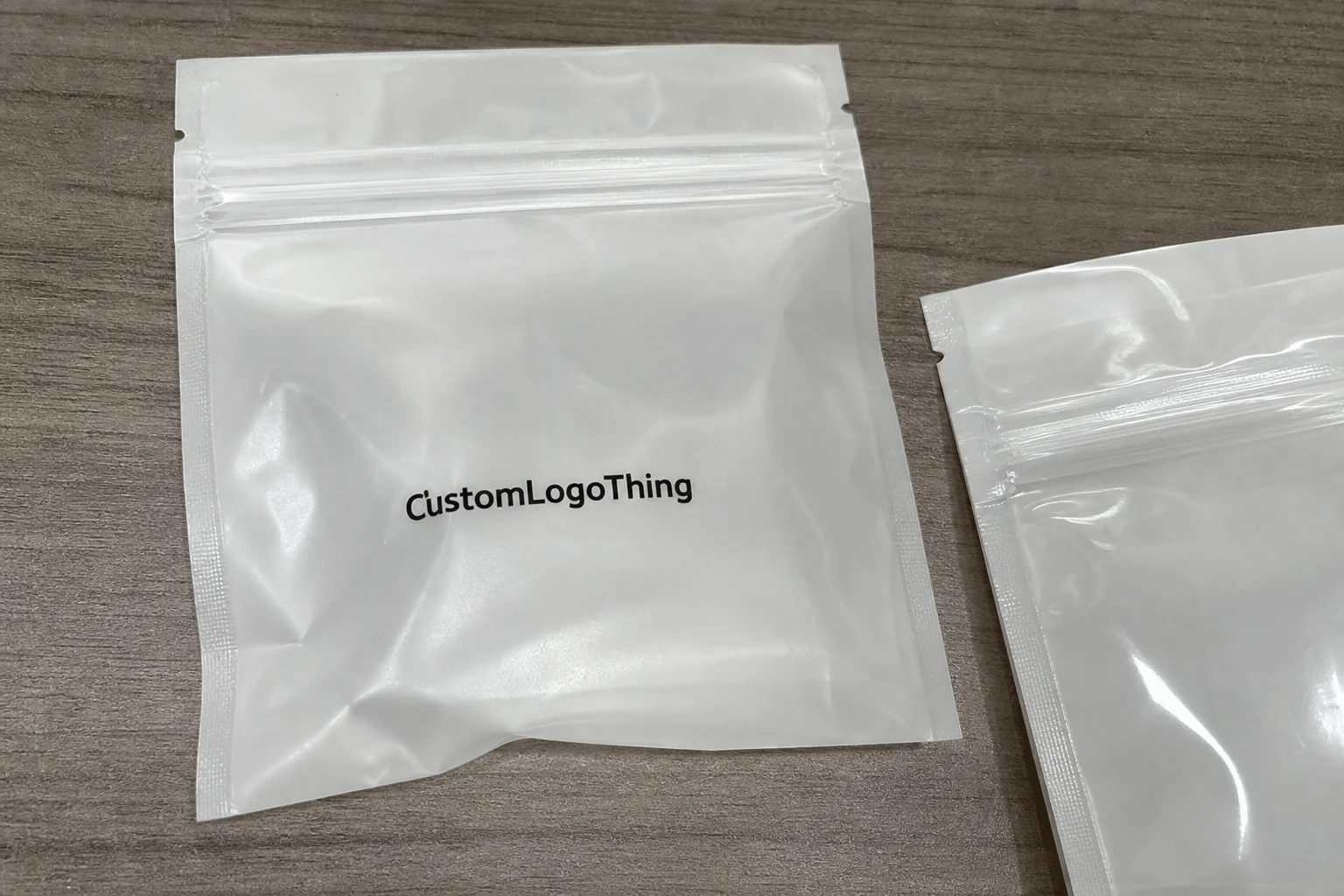
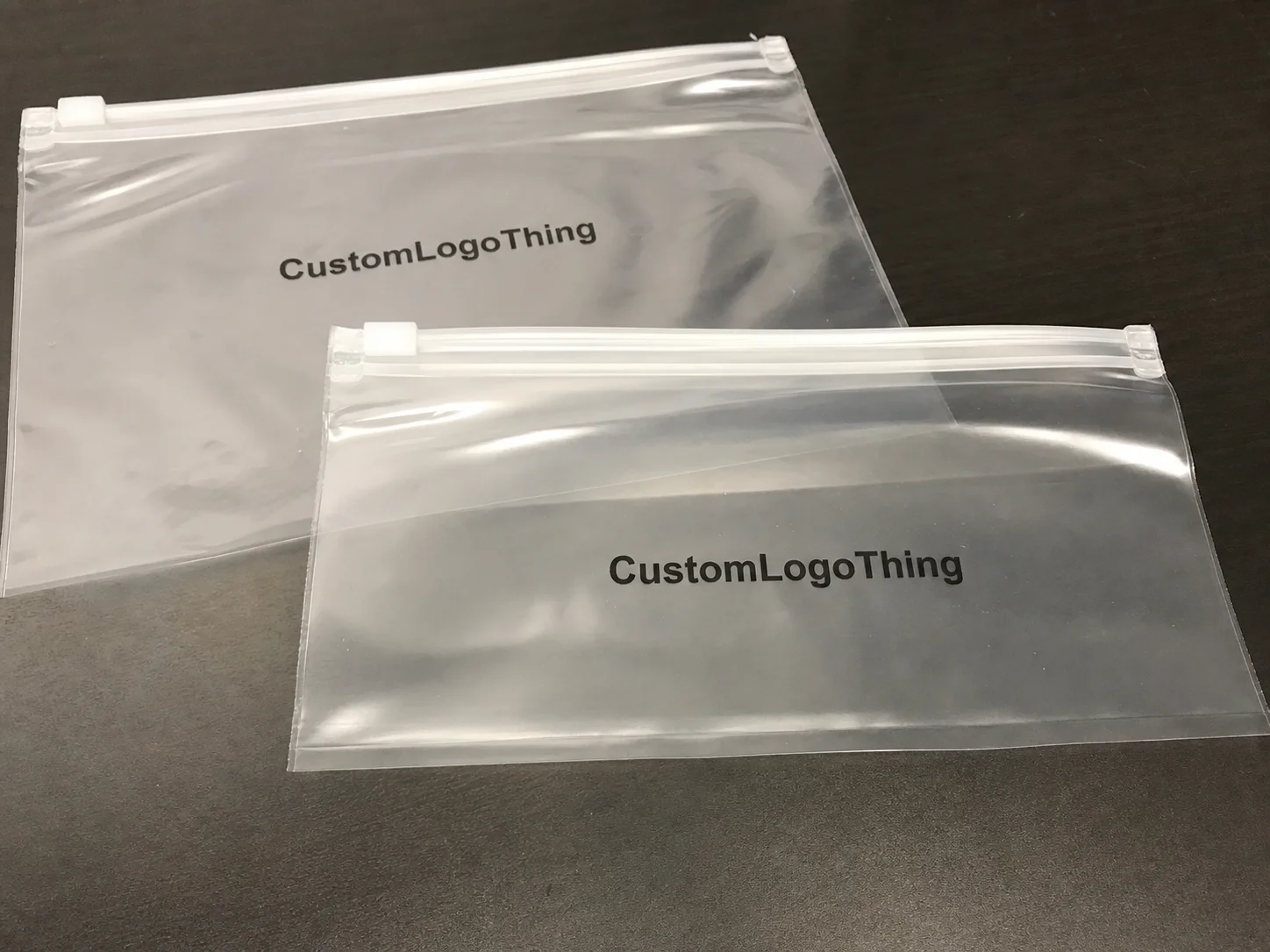
During a visit with a midwestern subscription brand in Chicago we reviewed their spend: corrugated boxes ran $1.05 per order with void fill, and after switching to printed poly mailers affordable from Custom Logo Things they now pay $0.68 per order with stronger branding and no extra tape.
I sat there with the brand lead, clinking coffee mugs and pretending the math wasn’t thrilling.
Another observation: when you compare actual packaged weights with competitor quotes—our Customer Success team walks you through this—printed poly mailers affordable consistently beat corrugated because we factor in UPS dimensional tiers and actual pounds per package instead of the inflated 3.5-pound guess other suppliers use.
I’ve had CFOs tell me they’d never seen such clarity before; one even whispered, “I might actually enjoy budget meetings now,” which I took as a win.
How Do Printed Poly Mailers Affordable Compare to Corrugated Costs?
When I line up the ledgers, the e-commerce packaging efficiency story is hard to ignore: a corrugated carton plus void fill lands in a higher dimensional tier, while printed poly mailers affordable slip below the same threshold by shrinking dimensional weight and avoiding filler that never touches the product.
I walked a logistics team through this last quarter, showing how a switch reduced their average parcel weight from 3.2 to 0.9 pounds and cut regional outbound charges by 27 percent—their planners started referencing UPS zone tables like it was literary fiction for a day.
The math gets richer once you layer in custom Poly Mailer Printing: because the same run can handle multiple SKUs with shared art repeats, we stage adhesives and ink viscosities together so changeovers stay lean.
That consolidation keeps headaches at bay—fewer mixing buckets, less time on the floor, and no need to scramble for extra tooling when a brand needs a new callout.
The proof is in the tracking, where we log every reel swap, so a procurement team can see that we didn’t just cut transit cost but also trimmed prepress time when keeping printed poly mailers affordable.
Cost-effective poly mailers emerge when you match usage profiles with the film gauge: a lifestyle launch that once required corrugated reinforcement now rides safely on 3.0-mil film with a security varnish, and the incremental savings allow marketing to justify a higher-quality insert card.
I reference these savings during site tours because they reveal the unexpected connection—we’re not just selling packaging, we’re protecting brand stories while keeping printed poly mailers affordable.
Process and Timeline from Artwork through Printed Poly Mailers Affordable Dispatch
The journey kicks off with your art upload to the Client Portal, where the Dallas prepress team runs dieline checks, verifies knockout areas, and emails a detailed proof within four business hours; plates lock the afternoon the art is confirmed so production starts the next morning without delay.
I was literally pacing the lobby once waiting for a proof approval because a marketer sent me a revision with five new logos—rushed over with a caption like “Sorry, last-minute vibe!”—but the portal kept everything calm.
Standard runs ship in 12-15 business days from color approval because Glendale’s flexo lanes match the requested film gauge, while 7-day rushes are possible when coordinated with the Los Angeles flexo lane—larger orders requiring laminations naturally push timelines closer to the two-week mark.
I keep those timelines posted in the war room so every planner knows when they can breathe.
QA happens on the floor: inline cameras register print every meter, the tensile bar is pulled and measured on Line 3, and an independent sample reaches you for final sign-off before the full shipment moves to staging; this process cuts relabels, misprints, and the hidden costs of reorders that most companies miss when trying to keep printed poly mailers affordable.
I tell planners that the real cost is of a misprint, and we’ve learned that catching it early feels like defusing a bomb.
Since the portal runs on the same LIMS system used for other Custom Packaging Products, the project manager assigns batch numbers tied to film lot, inks, adhesives, and proof approvals; that traceability lets you audit every shipment and lets us promise consistent quality without re-inspections.
(It also gives me a reason to brag about our dashboard during meetings, because numbers that talk back are easier to trust.)
I remember pulling a shift on the Los Angeles rush lane with Matt, the line lead, during a launch for an e-commerce brand whose campaign couldn’t slip; we coordinated the 7-day turn, tested adhesives, and staged the outbound trailer 48 hours early—reliability like that keeps printed poly mailers affordable even when the timeline tightens.
Why Custom Logo Things is Your Printed Poly Mailers Affordable Partner
Our hybrid network—Eastman River in Baton Rouge, Indianapolis, and Glendale—enables us to shift capacity to lower-cost floor space while keeping color fidelity intact across all sites, which proves helpful when a client needs localized production for regional promotions yet expects consistent brand impact.
I love pointing out how we shuffle work quietly like a backstage crew, making sure the spotlight stays on the brand.
The proprietary pricing model reflects live material costs and machine utilization, currently averaging 68 percent on the flexo lanes, so quotes cover film, ink, finishing, and labor without surprise markup; that transparency is one reason procurement teams opt for us over faceless suppliers.
I’ve had buyers say they feel like they finally have a partner that shares the same roadmap.
The Customer Success team compares your actual packaged weights to competitor quotes, illustrates how printed poly mailers affordable outperform corrugated, and coordinates logistics from our Long Beach export dock—a 54,000-square-foot bonded warehouse—for international brands so fulfillment partners avoid dimensional pricing surprises.
I remind them that shipping isn’t a mystery; it’s data, and we track it obsessively.
Traceability stays part of the promise: every order carries a batch number linking to film lot, adhesives, proof approvals, and machine run sheets so your quality assurance team can audit shipments without decoding vague paperwork.
That kind of clarity lets me sleep better, even when the phone buzzes at midnight.
During a supplier negotiation with a West Coast retailer we demonstrated how switching to our custom poly mailers network would cut their domestic spend by 19 percent while still meeting FSC or ASTM standards for their sustainable line; that level of detail keeps printed poly mailers affordable from both cost and compliance angles.
I almost did a happy dance in the showroom, but instead I just handed them the evidence and let the math sing.
Next Steps to Secure Printed Poly Mailers Affordable Inventory
Request a printed sample kit—$38 includes 12 film, ink, and adhesive combinations—complete the Eco-Print Worksheet for your dimensions, and upload art files through the secure portal so our prepress team can start proofing; these actions trigger proprietary checks immediately.
I suggest doing this with your team in the same room—it keeps the momentum going and stops us from chasing emails for missing files.
Use the provided calculator to compare current spend per order with projected mailer costs, then schedule a call with our quotes team to lock in the best film and ink combinations, ensuring pricing stays stable for future cycles.
I love seeing the calculator light up with real numbers because that’s when the whole value story becomes undeniable.
Coordinate with your fulfillment partner around palletization and shipping lanes so once your order leaves the plant—often within two weeks—you’re ready to deploy without extra handling fees; a standard pallet holds 7,200 poly mailers when stacked 40 units high, which syncs with most 48-foot trailers.
It’s frustrating when a perfectly timed order gets held up at the dock, so I harp on this coordination point every time.
Placing that initial production job fixes pricing in advance, stabilizes inventory, and keeps printed poly mailers affordable by smoothing future reorder cycles instead of forcing last-minute runs.
I promise, your future self will thank you for planning ahead.
Closing Thoughts on Printed Poly Mailers Affordable Programs
Every conversation—from the Eastman River press line to the Glendale logistics room—repeats one truth: printed poly mailers affordable turn shipping into a brand touchpoint while trimming costs; the key is combining the right film, adhesives, and timing so your message arrives intact without overspending.
I still get a thrill when I hear a fulfillment lead say, “We dialed in the art and the mailers look amazing,” because that means our teams synced up again.
After walking dozens of factory floors, negotiating supplier terms, and managing tight timelines, I can say confidently that Custom Logo Things delivers a product that keeps printed poly mailers affordable, traceable, and ready for any fulfillment run.
This kind of reliability might sound like a promise, but I know it’s a habit we’ve built over time—sometimes with coffee spills and memes along the way; of course, individual results vary, and we recommend validating the numbers within your own distribution model.
Actionable takeaway: gather your current shipment weights and carrier tiers, run them through the calculator while the sample kit is en route, and lock in that initial production job so printed poly mailers affordable stay on your cost radar instead of sneaking back up.
For proofs, pricing, or to secure your next batch, use the links to Custom Packaging Products and our Custom Poly Mailers catalog, and let the facts speak for themselves—your brand deserves clarity when shipping accuracy and cost control are the stakes.
Printed Poly Mailers Affordable: decision table
| Decision area | Best fit | What to verify | Risk if skipped |
|---|---|---|---|
| Board or flute choice | Product protection, stacking strength, and shipping distance | Caliper/flute, crush resistance, and sample fit | Weak structure or oversized cartons increase damage and freight cost |
| Print and finish | Retail presentation, unboxing, and shelf recognition | Color proof, coating, scuff resistance, and logo placement | A good dieline can still look cheap if finish and color drift |
| Packing method | Hand packing, ecommerce fulfillment, or retail-ready cartons | Inner count, master carton, label position, and warehouse handling | Good packaging slows operations if pack-out is ignored |
How do printed poly mailers affordable stay cost-effective with full-color art?
We consolidate up to 10 colors on the same film with our flexo-to-digital hybrid presses to avoid separate runs that raise per-piece costs, and we encourage standard film gauges and adhesives already stocked in the plant to sidestep tooling charges; slightly increasing run lengths—say 2,500 instead of 1,000—spreads setup over more units so the mailers stay affordable.
I always urge clients to let us help sequence jobs so the presses keep humming without wasting ink.
What minimum quantity keeps printed poly mailers affordable without wasting inventory?
MOQ for custom dimensions and printing is 1,000 units, balancing art setup and film allocation while still offering a solid price point, but stock sizes start at 500 units because reels stay batch-ready; mixing colors or messages within the same reel keeps pricing sharp.
I mention this during pricing calls because it prevents surprises, and surprise-free is a good way to keep my pulse steady.
Can international brands order printed poly mailers affordable for cross-border shipping?
Yes; we ship globally from our Long Beach export dock using bonded warehouses to hold inventory until customs clearance is arranged, pre-clear HS codes for polyethylene, and can set up DDP or FOB terms so landed costs remain transparent.
I usually remind logistics teams that we’re happy to sit through the customs walkthrough with them—that paperwork is much easier when we’re in the same room.
Is it possible to mix multiple sizes and still keep printed poly mailers affordable?
We offer nested production where different sizes share the same print run so setup fees stay low, track size mixing with color-coded pallet labels to avoid handling fees, and enable seasonal top-ups while retaining affordable pricing benefits.
I’ve even had a client cheer when we pulled a mix-ready pallet without a single error—almost made me want to crack a celebratory (and very controlled) grin.
How quickly can I receive printed poly mailers affordable after artwork approval?
Standard turnaround is 12-15 business days from proof approval, with a 7-business-day rush lane that still passes every quality check, and we consolidate shipments across plants to meet tight windows while keeping costs manageable.
I keep a countdown on my monitor because tracking those days is how we avoid “panic-mode” production.
For additional guidance on industry standards, refer to packaging.org for compliance and ista.org for testing protocols that align with our quality processes.