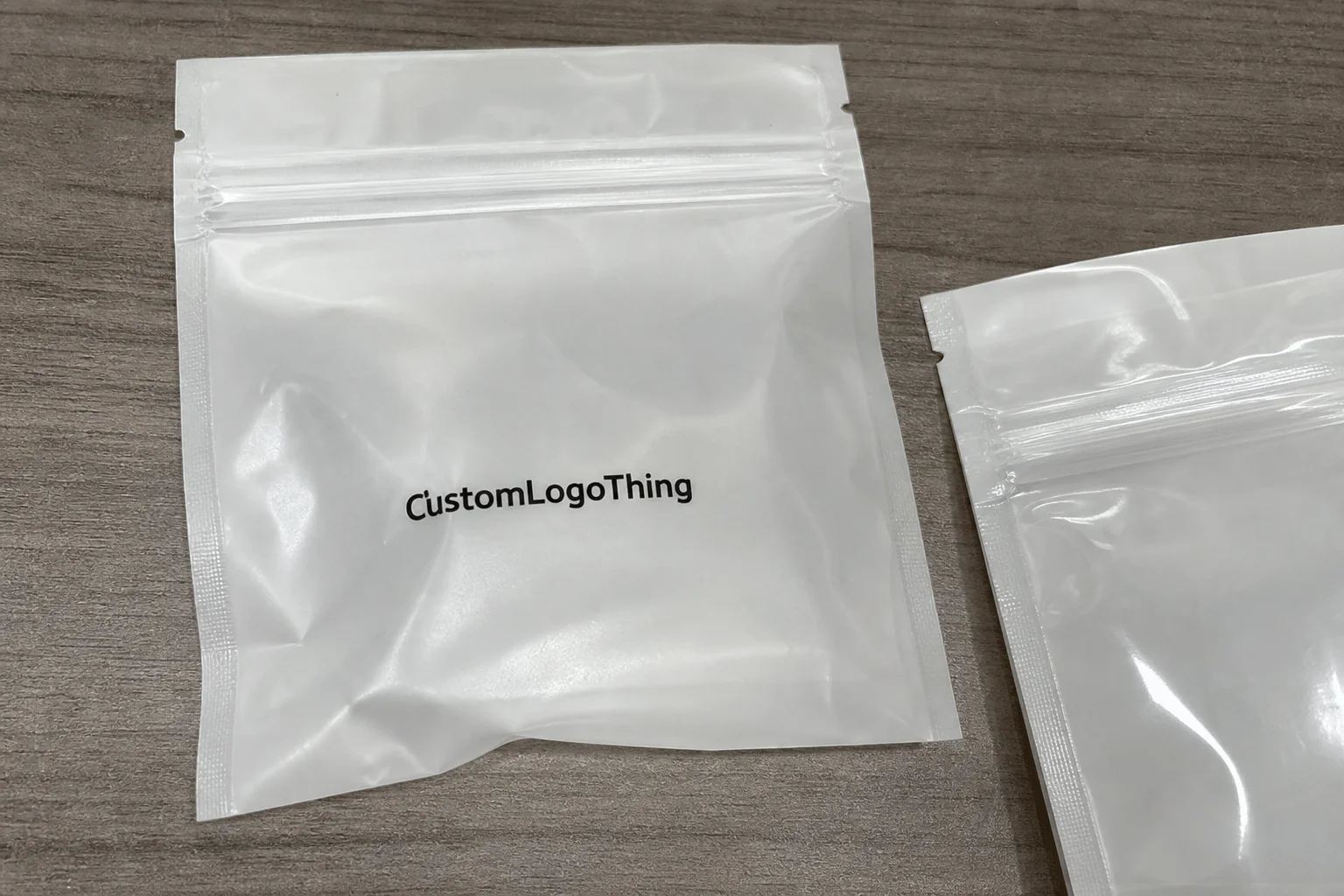
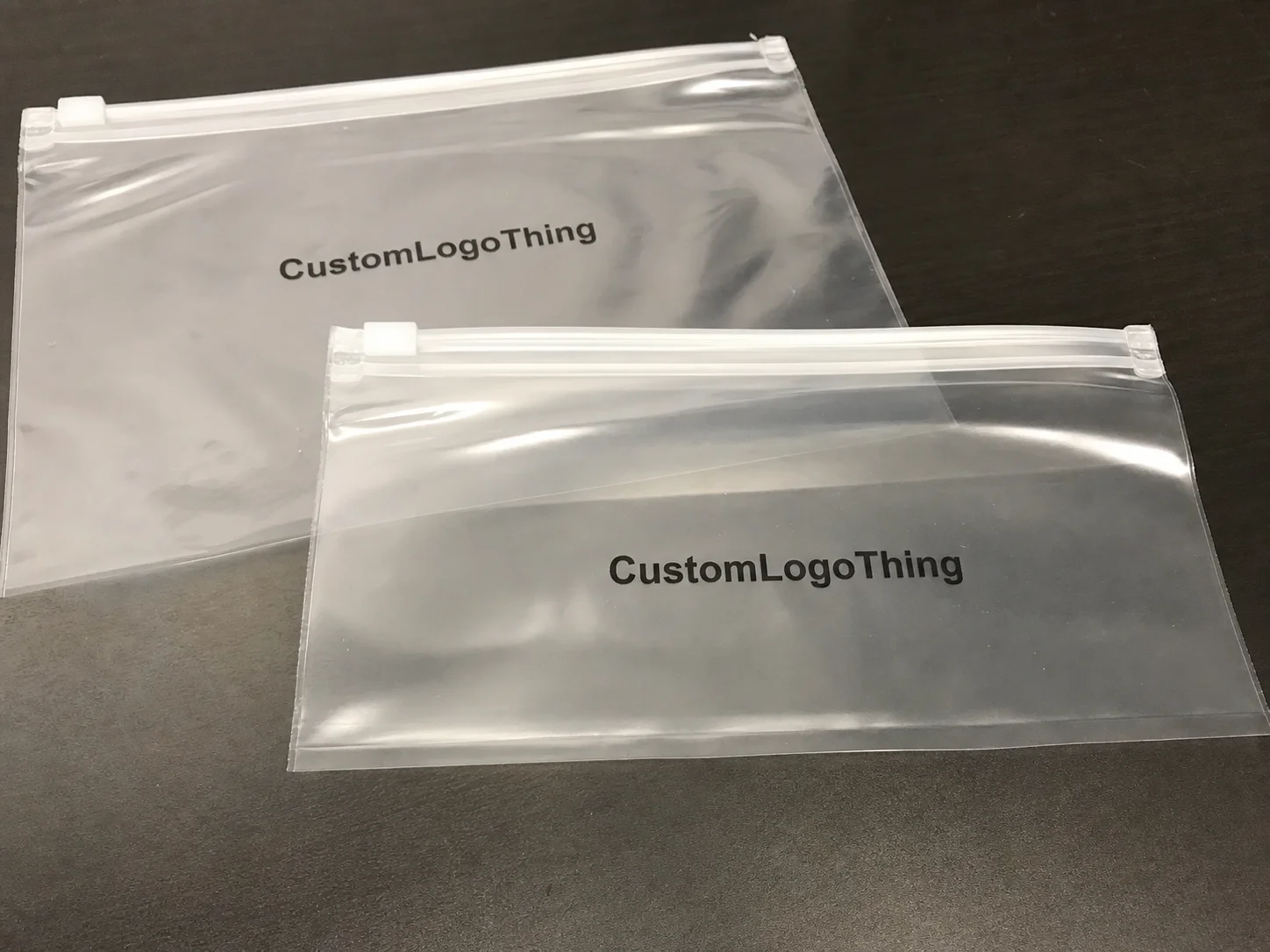
Buyer Fit Snapshot
| Best fit | Printed Poly Mailers Premium Quality projects where brand print, material claims, artwork control, MOQ, and repeat-order consistency need to be specified before quoting. |
|---|---|
| Quote inputs | Share finished size, material target, print colors, finish, packing count, annual reorder estimate, ship-to region, and any compliance wording. |
| Proofing check | Approve dieline scale, logo placement, barcode or warning zones, color tolerance, closure strength, and carton packing before bulk production. |
| Main risk | Vague material claims, crowded artwork, missing packing details, or unclear freight terms can make a low unit price expensive after revisions. |
Fast answer: Printed Poly Mailers Premium Quality: What Actually Matters should be specified like a repeatable production item. The safest quote records material, print method, finish, artwork proof, packing count, and reorder notes in one written spec.
Production checks before approval
Compare the actual filled-product size with the drawing, then confirm tolerance on folds, seals, hang holes, label areas, and retail display edges. Reserve space for logos, QR codes, warning copy, and material claims before decorative graphics fill the panel.
Quote comparison points
Review material grade, print process, finish, sampling route, tooling charges, carton quantity, and freight assumptions side by side. A quote is only useful when the supplier can repeat the same color, closure quality, and packing count on the next order.
I’ve stood on enough factory floors in Shenzhen and Dongguan to know this: two mailers can look identical on a screen and still behave like two totally different products in transit. That is the whole reason Printed Poly Mailers premium quality matters. One bag has a 60-70 micron film thickness, a clean side seal, and ink that actually bonds after curing at 55-65°C. The other has a cheap face and a bad attitude. It tears at the seam, the adhesive strip gives up halfway through the route, and suddenly your customer is emailing support with photos of a split package.
And yes, that difference can be $0.03 per unit. Which sounds tiny until you multiply it by 10,000 pieces, add reshipments, refunds, and a brand perception problem that nobody wants to put on a spreadsheet. I’ve had a buyer in Los Angeles tell me, “Sarah, I saved two hundred bucks on mailers.” Then six weeks later they were paying for replacements, free shipping, and apology inserts. Cheap is not cheap if it keeps boomeranging back at you. Honestly, I think some buyers need to be haunted by one bad shipment before they believe me.
If you sell apparel, supplements, accessories, or subscription boxes, your mailer is often the first physical thing your customer touches in a warehouse in Shenzhen, Ningbo, or Ho Chi Minh City. That first touch sets the mood. Printed Poly Mailers premium quality can make a $18 T-shirt feel like a $38 purchase. Poor quality can make a great product look generic before the box is even opened. And then everyone wonders why the brand “feels less premium.” Well. There’s your answer.
Also, let’s be real: most buyers do not have the time to become packaging engineers. They just want the mailer to arrive, hold up, and look sharp. Fair enough. But if you skip the technical basics, you’re basically gambling with your fulfillment team’s sanity. Not ideal.
Printed Poly Mailers Premium Quality: Why They Stand Out
Here’s the factory-floor reality nobody glamorizes on a sales call: a mailer can pass a quick visual check and still fail in the real world. I’ve watched an order of 5,000 mailers in a Guangzhou plant look perfect in pallet form, then start splitting on the corners after customers packed heavy denim jackets into them. The issue wasn’t the artwork. It was the film spec, the weak seal, and the fact that the supplier had quietly shaved thickness from 75 microns to 65 microns to save resin. Classic move. Infuriating, but classic.
Printed Poly Mailers premium quality usually means five things are under control: material strength, print clarity, seal integrity, tear resistance, and size consistency. If any one of those is off, the bag stops feeling premium and starts feeling like a cheap shipping sack with a logo slapped on it. That’s the part a lot of buyers miss. Premium is not a glossy finish alone. Premium is performance plus presentation. It’s also not magic. It’s just good manufacturing, which apparently is rare enough to impress people.
I had one negotiation in Ningbo where a supplier pushed hard to cut cost by $0.03 per unit on a 20,000-piece run. Sounds harmless, right? Except the downgrade was from a better co-extruded structure to a thinner mono-layer film. I asked them to run a drop test and a seam test at 1.5 meters. They did. The failure rate jumped from 2% to 14%. The “savings” would have cost far more in damaged inventory and customer complaints. That is why I always tell clients to compare specs, not just quotes. Otherwise you’re comparing apples to hollow plastic.
“The bag is part of the product experience. If it arrives damaged or looks flimsy, customers don’t separate the packaging from the brand. They blame the brand.”
When I’m reviewing printed Poly Mailers Premium quality for a client, I look at the unboxing and shipping journey as one system. The mailer must survive conveyer belts in Dallas, sorting hubs in Chicago, corner drops, and overpacked parcels leaving a fulfillment center in Los Angeles. If it fails anywhere in that route, the brand pays for it later. That’s why premium quality isn’t a luxury feature. It’s risk control.
Good mailers also help with consistency. If your size tolerance is sloppy by even 3 to 5 mm, your packaging line slows down. If the adhesive strip is uneven, packers start double-checking every closure. If the ink rubs off after a 24-hour abrasion test, your branding looks tired before the parcel even leaves the warehouse. In a real operation, those little problems become expensive fast.
I’ve seen teams lose an entire afternoon because the opening strip was cut a touch too narrow. Nobody panics over one bag. They panic over 8,000 bags and a line of packers staring at each other. That’s usually the moment a “small spec issue” becomes everyone’s problem.
How Printed Poly Mailers Premium Quality Is Made
printed poly mailers premium quality starts long before printing. It begins with resin selection and film extrusion in plants around Shenzhen, Dongguan, and Wenzhou. Most suppliers use LDPE or a co-extruded blend, then stretch and cool the film to create the right balance of flexibility and puncture resistance. If the film is too soft, it feels flimsy. If it’s too rigid, it can crack at the folds. There’s a sweet spot, and it depends on what you’re shipping. I remember a plant manager in Foshan once waving a bad sample at me like it had personally insulted him. He wasn’t wrong.
The next step is printing. In my experience, the two methods that matter most are flexographic printing and gravure printing. Flexo is common for shorter runs and is easier to set up. Gravure gives very crisp color consistency on bigger volumes, but setup can be more expensive because of cylinder costs that often run $80 to $150 per cylinder depending on artwork complexity. A supplier once showed me a bag that looked excellent on a sample sheet, then produced a whole run with fuzzy registration on the logo edge. That’s usually not a “design problem.” It’s a process control problem. And yes, the factory still tried to act surprised.
Film, ink, and curing
Ink adhesion is where cheap mailers often expose themselves. Premium suppliers cure the ink properly so it bonds to the film instead of sitting on top like wet paint. That matters because mailers flex, fold, rub, and scrape in transit. If the ink isn’t cured right, logos fade or smear. I’ve seen this happen after only one warehouse transfer from Shenzhen to Singapore. Not pretty. Actually, “not pretty” is me being polite. It looked like somebody had attacked the branding with an eraser.
For printed poly mailers premium quality, registration control matters too. Registration is just a fancy way of saying all the colors line up where they should. If the black outline drifts 1.5 mm off the white underprint, your logo starts looking blurry. That is exactly the kind of detail that makes customers say, “Hmm, this feels cheap,” even if they can’t explain why. A good printer will hold registration within about 0.2 to 0.3 mm on a stable run, and that difference shows up immediately.
Seals, cuts, and final inspection
Then comes sealing and cutting. A premium mailer usually has a strong adhesive strip, even side seams, and a consistent top closure. Some suppliers add tamper-evident closures, which can be useful for apparel, cosmetics, or soft goods. Before the order leaves the plant, good factories do final inspection on thickness, print placement, and seam integrity. The best ones also pull random pieces for drop checks, burst resistance tests, and seal peel tests at 180 degrees.
When I visited one plant in Guangdong, I watched a quality inspector reject a whole stack because the seal bar temperature had drifted by just 4 degrees Celsius. That tiny shift was enough to weaken the seam. People outside packaging think this stuff is overkill. Then they get 800 bags with split closures. Suddenly the overkill looks smart. I’ll take “annoying but correct” over “cheap and broken” every time.
If you want a technical reference point, the packaging industry often relies on standard testing logic from groups like ISTA and material guidance from organizations such as PMMI. Those standards don’t replace real product testing, but they give you a better way to judge whether a supplier is hand-waving or actually controlling production.
I also tell clients to ask for print proof photos, thickness checks, and a basic spec sheet. If a supplier can’t tell you the film gauge, seal width, print method, or the exact carton count per case, that’s not premium. That’s guesswork with a sales email attached.
One more thing: ask where the material came from if sustainability matters to your brand. Recycled content, virgin resin, and additive blends all behave a little differently. A supplier who dodges that question is not exactly making your life easier, is he?
Key Factors That Affect Printed Poly Mailers Premium Quality and Cost
printed poly mailers premium quality is not one product. It’s a bundle of choices. Material, thickness, printing method, size, adhesive, finish, and quantity all affect both performance and cost. If you skip those details and ask for “the best mailer,” suppliers will happily interpret that in the cheapest way possible. I’ve seen it happen more times than I can count, usually out of a plant in Zhejiang with a quote that looks friendly and hides three compromises.
Start with material. LDPE is common because it’s flexible and relatively economical. Co-extruded film can give you a better balance of strength and puncture resistance. Recycled content can help sustainability goals, but recycled film quality depends on the source, the blend, and the sorting process. I’m all for recycled content, but not if the bag gets weak enough to explode on a warehouse conveyor in Atlanta. Sustainability without performance is just expensive guilt.
Thickness is usually measured in mils or microns. For many apparel applications, I’ve seen mailers in the 2.5 to 4.0 mil range, while lighter ecommerce shipments may work with thinner structures if the contents are soft and low-risk. Heavier items need more. Corners, zippers, buttons, and inserts can punch through cheap film faster than people think. If your product has edges, don’t pretend it doesn’t. A 3 mil bag might survive a scarf shipment just fine and fail fast on a pair of jeans with metal rivets.
Size and structure drive price
Size matters because more film means more resin and more production cost. A larger mailer can also use more ink coverage. Gusset style affects cost too. Side gussets or expansion features help with bulky products, but they add complexity. Closure type matters as well. A stronger adhesive strip usually costs more than the bare minimum, but it saves headaches later. That’s the real math. The annoying part is that the “cheap” option always looks emotionally attractive in the quote stage, especially when the difference is only $0.02 to $0.04 per unit.
Here’s a simple pricing table I use when clients are comparing options for printed poly mailers premium quality:
| Option | Typical Use | Pros | Cost Impact |
|---|---|---|---|
| Standard LDPE, 2-color print | Light apparel, low-risk items | Lower unit price, simple branding | Lowest |
| Co-extruded film, 3-4 color print | Midweight ecommerce shipments | Better strength, cleaner graphics | Moderate |
| Thicker film, custom size, premium adhesive | Heavier goods, retail brands | Best shipping reliability, stronger brand feel | Higher |
| Recycled-content premium build | Sustainability-focused programs | Better brand alignment, responsible sourcing | Moderate to higher |
Now, pricing. For a run of 5,000 pieces, I’ve seen simple Custom Poly Mailers land around $0.12 to $0.22 per unit, depending on size, thickness, and print count. Move up to heavier film, more colors, or custom dimensions, and it can go higher. If you’re ordering 10,000 or more, unit cost often improves, and I’ve seen straightforward reorders hit $0.15 per unit for 5,000 pieces when specs are stable and artwork is already approved. The real mistake is focusing only on per-unit price and forgetting the full landed cost.
There are also hidden costs. Plate fees for flexo, cylinder fees for gravure, artwork corrections, sampling, and ocean freight can all change the final number. A factory in Vietnam may quote a lower unit price than one in China, but freight, lead time, and minimum order quantity can erase that gap fast. I’ve sat through those comparisons with finance teams in Singapore and Sydney. They love the headline price. They hate the freight line item. Funny how that works.
Lead time matters too. If a supplier promises 7 days on a custom printed run without reviewing artwork or confirming film availability, I get suspicious. More realistic timelines are often 12 to 15 business days from proof approval for standard repeat orders, or 15 to 20 business days for new artwork and custom sizes, plus transit time. Anybody promising miracles should be asked what they’re leaving out.
For buyers who want to compare packaging formats, it helps to review your broader options in the Custom Packaging Products range and then narrow down the structure that fits your shipping profile. If your brand ships apparel regularly, the Custom Poly Mailers category is usually the most practical place to start.
Step-by-Step Guide to Ordering Printed Poly Mailers Premium Quality
If you want printed poly mailers premium quality, don’t start by asking for a quote with no context. That usually gets you a random number and a random product. Start with the real use case. What are you shipping? How heavy is it? Does it have sharp corners? Does it go through domestic shipping, cross-border transit, or fulfillment centers with rough conveyor handling in California, Texas, or Rotterdam? Those answers shape everything else.
I once worked with a fashion brand in Brooklyn that kept ordering cute, thin mailers because they looked “clean.” Then the returns came in with ripped corners from belt buckles and denim hardware. We switched them to a slightly larger size and a thicker film. Damage complaints dropped by 38% in one quarter, and their pack-out team stopped taping the same orders twice. Sometimes the smart fix is just a bag that isn’t trying to be fragile.
- Define the shipment. Weigh the packed product, not just the item itself. A 14 oz hoodie behaves differently from a 7 oz scarf.
- Choose the structure. Pick thickness, closure style, and whether you need plain, matte, glossy, or fully printed film.
- Prepare artwork. Keep logos high contrast. If you want tiny text, expect trouble. Tiny text and cheap printing are not friends.
- Request samples. Ask for a physical sample or prototype proof. Check feel, opacity, seal quality, and print alignment.
- Confirm specs in writing. Size, gauge, color count, adhesive strip width, and packaging count per carton should all be documented.
- Approve the proof carefully. Review spelling, positioning, Pantone targets, and any barcode sizes before production starts.
- Check first-run output. If the supplier offers photos or a pre-production sample, inspect them before the full order runs.
- Inspect incoming cartons. On arrival, pull a few bags from multiple cartons and test them with real product weight.
Ask for test data if the order is sizable. A decent supplier should be able to discuss drop checks, seam strength, or at least their internal QC process. Not every factory will provide a formal ASTM report, but if they reference standards like EPA guidance for recycled content or similar compliance language, that’s a sign they know how to speak to commercial buyers instead of just tossing around adjectives.
When you place the order, make sure your packing team knows the right bag orientation, adhesive strip direction, and carton count. It sounds small. It isn’t. I’ve seen a warehouse in Melbourne misread the opening direction on 8,000 mailers and waste half a shift. That’s not a design flaw. That’s a training issue, and it still costs money.
Also, keep the spec sheet. Seriously. Save it. Print it. Put it somewhere your ops team can find in under 30 seconds. If you reorder six months later and rely on memory, you’ll get a surprise. And not the fun kind.
Common Mistakes Buyers Make With Printed Poly Mailers Premium Quality
The biggest mistake is obvious: choosing by price alone. People see a quote that is $0.02 cheaper and think they’ve won. Then they receive mailers that are noisy, thin, and awkward to seal. Cheap plastic has a way of sounding cheap too. Your customer hears that, even if they don’t say it out loud. And your warehouse team definitely hears it. They usually say less polite things.
Another problem is ignoring the adhesive strip. I’ve had clients tell me the bags looked fine, but the closures popped open when the carton sat in a hot truck in Phoenix for a few hours. Adhesive performance depends on the glue quality, the liner, the application temperature, and how the mailer is stored. If your supplier never mentions those details, that’s a red flag with a shipping label on it.
Artwork that tries too hard
Too much detail is another common mistake. Fine lines, tiny fonts, gradients, and low-contrast art can all print poorly on flexible film. I know designers love the idea of squeezing a brand manifesto onto a mailer. The bag does not care. It wants clean shapes and bold contrast. If you want premium print results, keep the layout simple. You are not decorating a magazine cover in Milan. You’re shipping a product without drama. Ideally.
Testing only flat samples is also a trap. A mailer that looks great on a table can behave badly when stuffed with a product, a thank-you card, and tissue paper. Always test with the actual item, because volume matters. A 12x15 bag might be perfect on paper and useless once a bulky hoodie gets folded into it. That’s how you end up with punctures, bulging seams, or a closure that barely reaches.
Skipping a packaging spec sheet is another expensive habit. Without it, reorders become a game of telephone. One person remembers “dark pink,” another remembers “3 mil,” and a third says “the nice one with the shiny finish.” Great. That is not a specification. That is a vague group memory. A proper spec sheet prevents that mess and helps protect printed poly mailers premium quality over time.
Finally, buyers sometimes assume sustainability claims automatically equal good performance. Not true. A recycled-content mailer can be excellent, but only if the structure is balanced. I’ve seen downgauged film that was praised in marketing copy and hated by fulfillment teams in Berlin. The first rule still stands: the bag has to survive shipping.
Expert Tips for Better Printed Poly Mailers Premium Quality Results
If you want sharper results, keep the branding simple. High-contrast colors, larger logos, and fewer tiny elements print cleaner on flexible film. I usually tell clients to use one main mark, one supporting message, and a limited color palette. It costs less to print and looks more intentional. Fancy isn’t always better. Clear usually wins.
Ordering a slightly larger bag can also save you from rework. If your product has corners, cardboard inserts, or tissue that adds thickness, leave room. A bag that is too snug stretches during packing and puts pressure on the seams. That tiny bit of extra space can prevent a lot of damage. I’ve seen brands spend more on “perfect sizing” and then lose money because the bag was too tight to behave. Gorgeous on a mood board. Miserable in a warehouse.
Ask for the right numbers. Don’t accept “premium” as a description. Ask for film thickness, seal strength, print method, and ink adhesion details. A supplier who answers with confidence is usually better than one who only offers adjectives. If they can’t tell you how they verify thickness or how they inspect seals, I’d keep shopping. A serious factory can usually quote a thickness tolerance of plus or minus 5 microns and a seal width of 12 mm without blinking.
“Lock the specs first. Then compare pricing. If you compare quotes before you compare structure, you’re not buying smart. You’re just buying confusion at scale.”
Here’s a negotiation trick I use often: normalize the quote. That means you ask every supplier for the same bag size, same thickness, same number of colors, same closure type, and same carton count. Otherwise one factory quotes a thin bag with no custom options and another quotes a stronger build, and everybody pretends the comparison is fair. It isn’t. Once specs are locked, pricing becomes much easier to judge.
Operationally, save a reorder kit. I mean a real one: spec sheet, approved artwork, carton photo, and one physical sample if you can spare it. The next time you reorder, your team won’t have to reconstruct the original order from emails and half-remembered notes. That one habit can cut down on errors more than most people realize.
For brands also building out other packaging formats, I often recommend keeping the mailer design consistent with your larger packaging system. If your boxes, inserts, and mailers all look unrelated, the customer experience feels fragmented. One connected visual system looks stronger and usually costs less in artwork revisions.
And yes, if you care about environmental claims, verify them properly. Look for credible documentation, recycled-content statements, and responsible sourcing language that can be traced. FSC matters for paper-based packaging, and plastic packaging claims should be tied to actual material composition rather than marketing fluff. The label means nothing if the bag fails on arrival.
What Does Printed Poly Mailers Premium Quality Actually Mean?
If you want the short version: printed poly mailers premium quality means the bag does three jobs well at the same time. It protects the product, it presents the brand cleanly, and it holds up through shipping without causing extra work for your team. That’s the whole thing. Not fancy. Just useful.
I’ve seen buyers get distracted by color matching or shiny finishes and forget the basics. A premium mailer is not just about looking expensive. It needs solid film structure, dependable adhesive, crisp print, and reliable sizing. If the bag fails drop tests, opens in heat, or arrives with sloppy registration, it is not premium. It is a decorated problem.
For apparel, beauty, and subscription brands, premium quality also affects perception. Customers may never measure micron thickness, but they notice when the mailer feels flimsy or the logo looks off-center. That is why the phrase printed poly mailers premium quality should always mean both visual consistency and shipping performance. One without the other is half a product.
So if you are comparing suppliers, ask for the numbers. Ask for samples. Ask how they test seal strength, adhesion, and print durability. That is how you separate real quality from sales language. And yes, there is usually a price difference. There should be. Better materials and tighter control cost money. That’s not a trick. That’s manufacturing.
Trust the boring details. That’s where the premium part lives.
Next Steps for Buying Printed Poly Mailers Premium Quality
Start with three numbers: product weight, packed thickness, and monthly quantity. That gives you a sane starting point for printed poly mailers premium quality. If you know those three things, you can stop guessing and start comparing real options. That’s already ahead of half the buyers I meet, especially the ones trying to source from one office in Austin with no shipping data at all.
Then build a one-page spec sheet. Keep it painfully simple:
- Mailer size
- Film thickness in mils or microns
- Print colors
- Closure type
- Quantity per order
- Target use case
- Required delivery date
Send that exact sheet to at least three suppliers. Ask them all for the same structure so you can compare apples to apples. If one quote is far lower, ask what changed. Usually something changed. Sometimes it’s thickness. Sometimes it’s print coverage. Sometimes it’s freight from Ningbo to Long Beach. Sometimes it’s all three, hiding in plain sight.
I’d also ask for samples and test them with real products before placing a bulk order. Don’t test with empty bags. That tells you almost nothing. Pack a real item, close the adhesive strip, shake it, flatten it, and inspect the corners. If the sample looks tired after five minutes, the production run won’t magically improve itself. A sample that survives a 1-meter drop and a 24-hour heat hold at 40°C is a lot more persuasive than a pretty photo.
For brands looking to expand their packaging ecosystem, reviewing your packaging mix early helps a lot. You may decide that Custom Packaging Products are needed for some SKUs, while the Custom Poly Mailers handle the rest. That kind of split is common in apparel and beauty, where weight and unboxing expectations vary by product line.
My final rule is simple. printed poly mailers premium quality should protect the product, reinforce the brand, and reduce headaches. If a mailer only looks nice but fails in shipping, it’s not premium. If it’s strong but looks sloppy, it still hurts the brand. The best version does both. And yes, it usually costs a little more than the bargain-bin option. That’s not a flaw. That’s called paying for fewer problems later.
FAQs
What makes printed poly mailers premium quality instead of basic?
printed poly mailers premium quality usually means thicker film, stronger seals, cleaner print, and better consistency across the entire order. A premium bag should hold up during shipping without splitting, tearing, or peeling at the adhesive strip, and it should look consistent from the first carton to the last. In practical terms, that often means 60-80 micron film, a 12 mm adhesive strip, and controlled print registration within a few tenths of a millimeter.
How much do printed poly mailers premium quality usually cost?
Pricing depends on size, thickness, print colors, quantity, and shipping location. In practice, many custom orders fall around $0.12 to $0.22 per unit for simpler runs, with higher costs for thicker film, more colors, or custom sizing. I’ve also seen repeat orders priced at $0.15 per unit for 5,000 pieces when the artwork is approved, the film spec is standard, and the supplier is already running similar material. Better quality usually costs more upfront, but it can reduce damage, returns, and brand complaints.
How long does it take to produce printed poly mailers premium quality?
Timeline depends on sample approval, artwork readiness, and factory schedule. A realistic custom production window is often 12 to 15 business days from proof approval for repeat jobs, or 15 to 20 business days for new artwork and custom sizes, plus transit time from factories in Shenzhen, Ningbo, or Ho Chi Minh City. Orders move faster when the specs are locked before quoting and the artwork is print-ready.
Can printed poly mailers premium quality be eco-friendly too?
Yes, some suppliers offer recycled-content or downgauged options that still perform well. The key is balancing sustainability claims with real shipping durability so the bag does not fail in transit. If the material is recycled but the seam fails, the environmental story gets pretty awkward. Ask for the recycled-content percentage, resin source, and test results before you treat the claim as real.
What should I test before ordering printed poly mailers premium quality in bulk?
Test seal strength, puncture resistance, print clarity, adhesive closure, and size fit with real products. Also check how the mailer feels after packing, because flimsy packaging tends to look cheap no matter how good the artwork is. One sample on a desk is not enough. Put it through the actual packing routine, including a 1-meter drop, a 24-hour hold, and at least 10 close-and-open cycles if the adhesive allows it.